
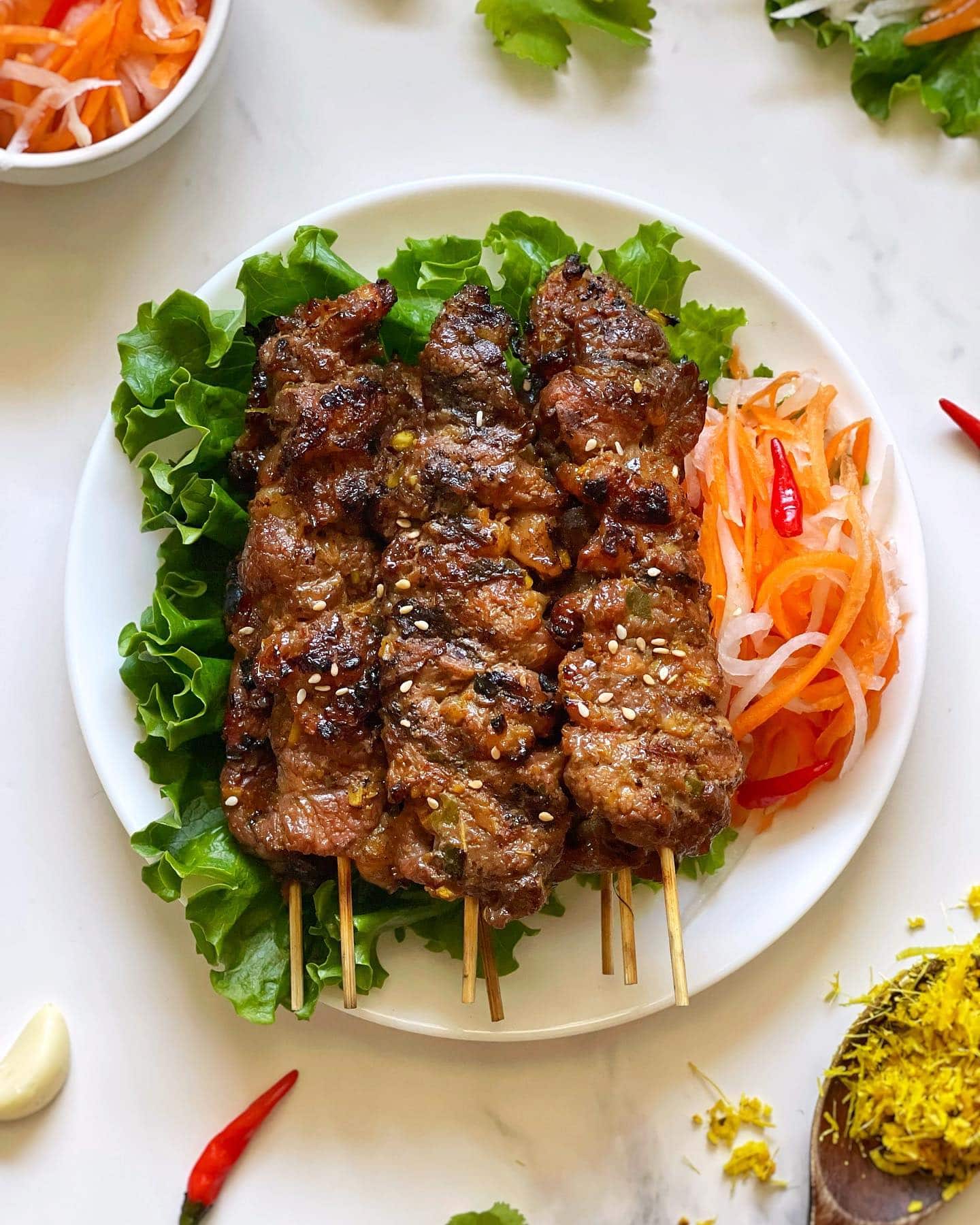
What happens when smoky grilled beef meets a fragrant paste packed with lemongrass, galangal, garlic, and turmeric? You get a dish that makes plain steak feel like it has been doing the bare minimum.
Cambodian grilled lemongrass beef brings together the deep, savory flavor of beef and the bright, earthy aromatics that make Khmer cuisine so distinctive.
The meat hits the grill, the marinade begins to caramelize, and suddenly the backyard barbecue smells like something worth canceling your dinner reservations for.
But the secret isn’t simply throwing lemongrass into a bowl and hoping for the best. The real character comes from kroeung, a traditional Cambodian spice paste that gives the dish its unmistakable aromatic backbone.
In this guide, we’ll explore what makes Cambodian grilled lemongrass beef special, how kroeung works, which ingredients matter most, and how to prepare a flavorful version at home.
You’ll also learn the grilling techniques that help produce tender beef, a beautifully browned exterior, and plenty of flavor in every bite.
Fire up the grill. We’re going beyond ordinary steak tonight.
What Is Cambodian Grilled Lemongrass Beef?
Cambodian grilled lemongrass beef is a Khmer-inspired grilled beef dish seasoned with lemongrass, aromatic spices, and savory ingredients.
Depending on the recipe, the marinade may include kroeung, fish sauce, garlic, shallots, sugar, and black pepper.
Its appeal comes from balance. Lemongrass contributes a fresh, citrus-like aroma without making the meat taste like lemon candy. Galangal adds earthy, peppery warmth, while garlic and shallots provide savory depth.
Fish sauce brings saltiness and umami, and a little sugar helps the beef develop a caramelized crust over high heat.
The result is beef that tastes fragrant, smoky, savory, and slightly sweet, with room for chili if you enjoy a little heat.
Unlike a heavily sauced steak, this dish relies on the aromatics in the marinade and the flavor created by grilling. You want the seasoning to complement the beef rather than bury it.
Cambodian grilled lemongrass beef can be prepared with thin strips, skewers, or larger pieces of steak. It pairs naturally with steamed rice, fresh vegetables, herbs, and dipping sauces.
One important detail: Cambodian home cooking isn’t governed by a single universal recipe. Ingredients and proportions vary between households, regions, and cooks.
The version below draws on recognizable Khmer aromatics while keeping the method practical for a modern home grill.
What Is Kroeung? The Heart of Cambodian Flavor
Ask what gives many Cambodian dishes their distinctive aromatic character, and kroeung deserves a place near the top of the conversation.
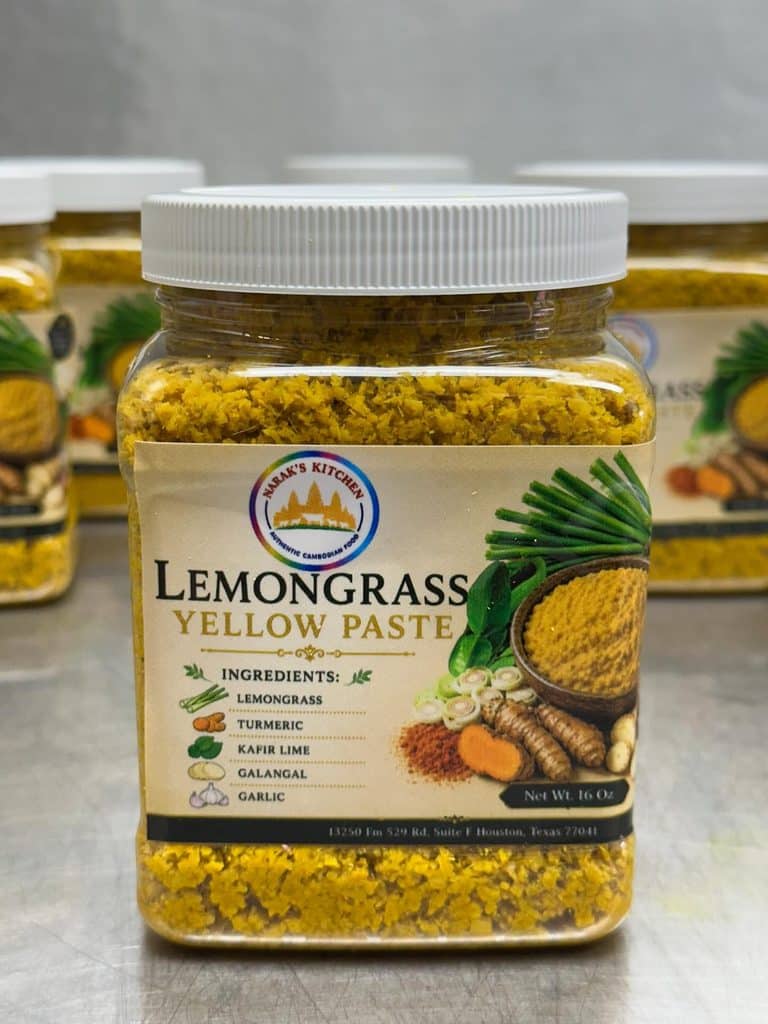
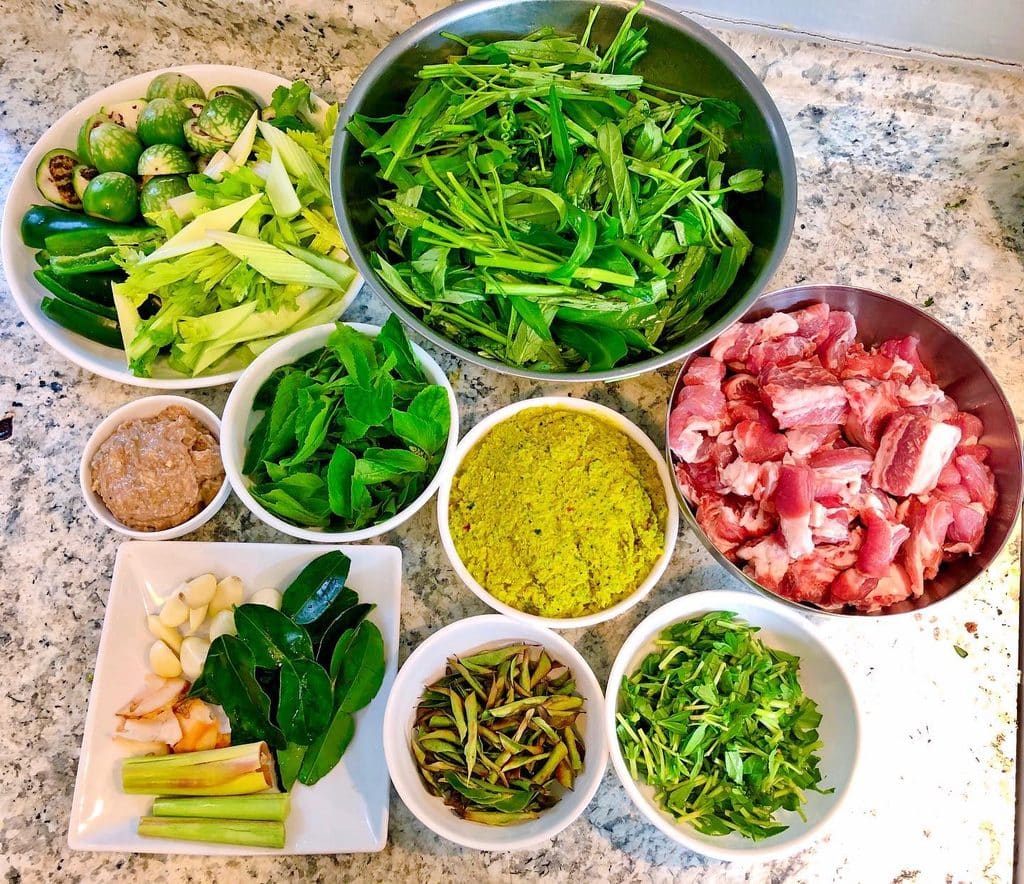
Kroeung is a traditional Cambodian aromatic paste made by pounding or grinding ingredients such as lemongrass, galangal, turmeric, garlic, and shallots.
Some versions also include makrut lime zest or leaves, fingerroot, and other ingredients, depending on the intended dish.
Think of it as a flavor foundation rather than a ready-made sauce. It supplies the aromatic building blocks that a cook can combine with meat, seafood, vegetables, or other ingredients.
The Ingredients that Make Kroeung Special
Lemongrass provides the bright, citrusy fragrance that immediately lifts the beef. Use the tender inner portion of the stalk, since the tougher outer layers can remain unpleasantly fibrous.
Galangal contributes an earthy, peppery flavor with a distinct aroma. It resembles ginger in appearance, but its flavor is different. Ginger can work as a substitute when necessary, although the result won’t be identical.
Turmeric adds earthy depth and a golden color. Fresh turmeric can stain cutting boards, towels, and fingers, so handle it with a little care unless orange fingertips are part of your personal style.
Garlic and shallots bring savory intensity and sweetness. They round out the sharper herbal notes and help the paste taste full rather than one-dimensional.
Makrut lime zest or leaves, when used, provide additional citrus fragrance. Fingerroot and other aromatics may appear in particular recipes, too.
Why Pounding the Paste Matters
Traditional kroeung is commonly made with a mortar and pestle. Pounding breaks down the fibers and releases aromatic compounds, allowing the ingredients to form a cohesive paste.
A food processor works well for convenience, although you may need to scrape down the sides and add a small amount of oil or water to help the ingredients blend.
For grilled beef, aim for a relatively fine paste that coats the meat evenly.
The payoff is significant: kroeung gives the marinade layers of flavor that plain lemongrass alone cannot provide. It’s also versatile enough to use in other Cambodian-inspired marinades, soups, and stir-fries.
Key Ingredients for Cambodian Grilled Lemongrass Beef
Great grilled beef starts with two things: the right cut and a marinade that complements it.
Choosing the Best Cut of Beef
Flank steak, skirt steak, and sirloin are all practical options.
- Flank steak: Beefy, relatively lean, and excellent when sliced against the grain.
- Skirt steak: Rich in flavor and well suited to quick, hot grilling.
- Sirloin: A versatile choice that offers a good balance of tenderness, flavor, and price.
For skewers, choose a cut that can be sliced into evenly sized pieces. Consistent thickness helps the meat cook at roughly the same rate.
Building the Marinade
The essential flavor combination includes kroeung, fish sauce, oil, and a little sugar.
Fish sauce supplies savory depth and salt. Sugar balances the seasoning and encourages browning. Oil helps distribute the paste and improves contact between the meat and the cooking surface.
Soy sauce can be included in some household or modern variations, but it isn’t essential to every Cambodian recipe.
Black pepper adds warmth, while fresh chili is optional.
A useful rule: let the kroeung lead. The supporting ingredients should enhance its aroma, not turn the marinade into a salty, sugary paste that overwhelms the beef.
What if You Can’t Find Every Ingredient?
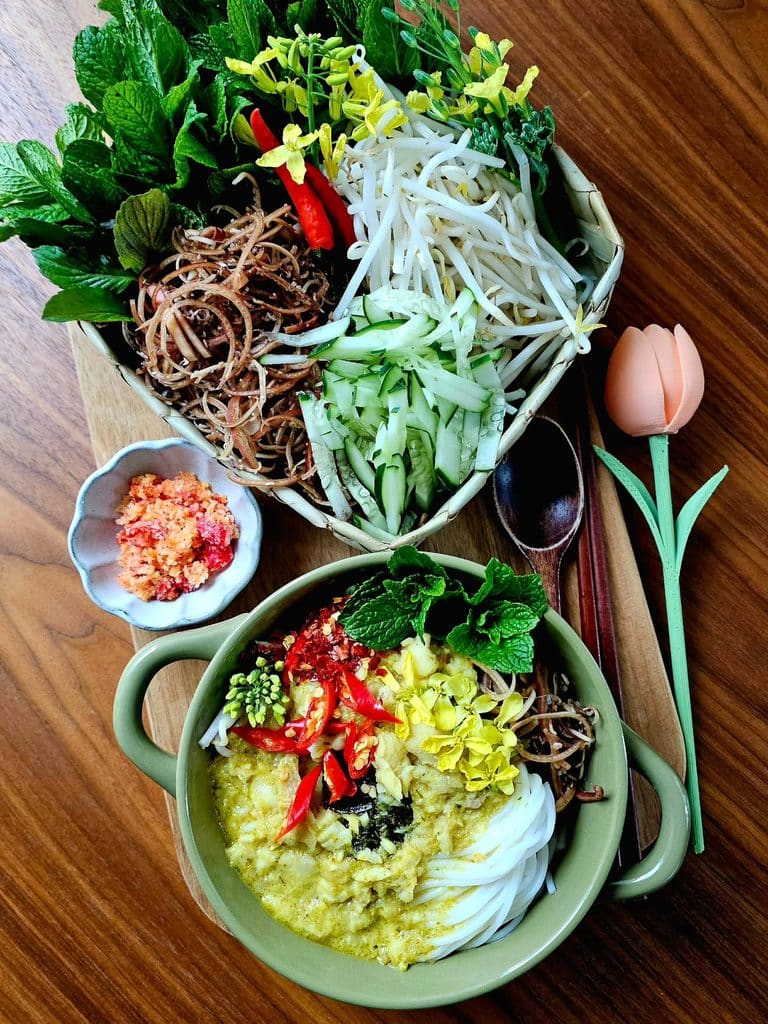
Fresh lemongrass and galangal provide much of the character, so prioritize those when possible. Frozen galangal, prepared kroeung, or good-quality frozen lemongrass can be useful alternatives.
Ginger may replace galangal in a pinch, but use it with the understanding that the flavor will change. Dried lemongrass can also work, although it generally lacks the brightness of fresh stalks.
The goal is to preserve the balance of herbal, earthy, savory, and citrus notes rather than chase a perfect ingredient list at the expense of making dinner.
Authentic Cambodian Grilled Lemongrass Beef Recipe
This recipe makes four servings and uses a kroeung-based marinade with ingredients that are relatively easy to work with at home.
The method is straightforward: prepare the paste, marinate the beef, grill it over high heat, and allow it to rest before slicing.
Recipe at a Glance
- Prep time: 20–25 minutes
- Marinating time: 1–4 hours
- Cooking time: Approximately 8–12 minutes, depending on the cut and thickness
- Servings: 4
- Cooking method: Charcoal grill, gas grill, or grill pan
Ingredients
For the beef
- 600–700 g flank steak or sirloin
- 2–3 tablespoons prepared kroeung paste
- 1 tablespoon fish sauce
- 1 tablespoon neutral oil
- 1–2 teaspoons palm sugar or brown sugar
- ½ teaspoon freshly ground black pepper, or to taste
- Optional fresh chili, finely chopped
For serving
- Steamed jasmine rice
- Sliced cucumber
- Fresh herbs, such as cilantro or mint
- Lime wedges
- Optional dipping sauce
If preparing homemade kroeung, combine lemongrass, galangal, garlic, shallots, turmeric, and optional makrut lime zest. Pound or process them into a thick paste before measuring the amount needed for the marinade.
Instructions
Step 1: Prepare the kroeung paste
Trim the lemongrass stalks and use the tender inner portions. Slice them thinly, then prepare the galangal, garlic, shallots, and turmeric.
Pound the ingredients together in a mortar and pestle until they form a fragrant paste. Alternatively, pulse them in a food processor, scraping down the sides as necessary.
The mixture doesn’t need to look perfectly smooth, but large, tough pieces of lemongrass should be avoided.
Pitmaster tip: Take a moment to smell the finished paste. It should be bright, earthy, and intensely aromatic. If the lemongrass is barely noticeable, check whether you’ve used enough of the tender inner stalk.
Step 2: Marinate the beef
In a bowl, combine the kroeung paste, fish sauce, oil, sugar, and black pepper. Add chili if desired.
Trim any excessive connective tissue from the beef. You can marinate the steak whole or cut it into strips suitable for skewers.
Add the beef to the marinade and turn it until every surface is coated. Cover and refrigerate for 1–4 hours.
For a thin cut, the shorter end of that range may be sufficient. Thicker pieces can benefit from more time.
Keep the beef refrigerated throughout marination. Avoid leaving raw meat on the counter to speed things up; bacteria don’t care how hungry the cook is.
Step 3: Prepare the grill
Preheat your grill to medium-high or high heat.
For charcoal grilling, allow the coals to develop a strong, steady heat. For a gas grill, preheat the cooking grates before adding the beef. A heavy grill pan can also produce good results indoors.
Remove excess marinade from the surface of the meat. You want a flavorful coating, not thick clumps of paste that burn before the center cooks.
Sugar and finely minced aromatics can darken quickly, so watch the heat closely.
The objective is a browned, lightly charred exterior without scorching the aromatic paste.
Step 4: Grill the beef
Place the beef on the hot grill and cook, turning as needed, until browned and cooked to your preferred doneness.
Thin strips may cook in just a few minutes per side, while thicker steaks will take longer. The suggested total cooking time of 8–12 minutes is a starting point, not a guarantee.
Use an instant-read thermometer rather than relying on color alone. For whole beef steaks, the USDA recommends a minimum internal temperature of 63°C (145°F), followed by a three-minute rest.
Avoid pressing the meat against the grill with a spatula. You’re cooking beef, not trying to squeeze the last drop out of a sponge.
Step 5: Rest, slice, and serve
Transfer the cooked beef to a clean plate or cutting board and let it rest for a few minutes.
If you grilled a whole steak, identify the direction of the muscle fibers and slice against the grain. Cutting across those fibers shortens them and makes each bite easier to chew.
Arrange the beef alongside steamed rice, cucumber, fresh herbs, and lime wedges. Add a dipping sauce if you like.
The finished dish should deliver savory beef, fragrant aromatics, and a lightly caramelized crust, with fresh accompaniments to keep every bite balanced.
Tips for Making the Best Khmer Grilled Beef
A good marinade helps, but grilling technique determines whether the beef turns out tender and flavorful or dry and disappointing.
1. Use fresh aromatics when possible. Fresh lemongrass and galangal contribute a lively fragrance that can be difficult to reproduce with substitutes.
2. Make the kroeung fine enough to coat the meat. Large fibrous pieces can burn on the grill and create an unpleasant texture.
3. Give the marinade enough time. One to four hours is a useful starting range. More time isn’t automatically better, especially when a marinade contains acidic or tenderizing ingredients.
4. Control the sugar. A little encourages browning, but too much can scorch before the beef cooks through.
5. Don’t overcrowd the grill. Leave room between the pieces so heat can circulate and the meat can brown properly.
6. Rest and slice correctly. Allow the meat to rest briefly, then cut against the grain when appropriate.
7. Adjust the salt carefully. Fish sauce varies in saltiness between brands. Start with the suggested quantity, then adjust future batches based on the result.
Remember that a strong grilled flavor doesn’t require a complicated technique. Good ingredients, sufficient heat, and a little attention will do most of the work.
What to Serve with Cambodian Grilled Lemongrass Beef
Cambodian grilled lemongrass beef is flavorful enough to stand on its own, but the right accompaniments make the meal more complete.
Steamed Rice and Fresh Vegetables
Steamed jasmine rice is an easy choice. Its mild flavor complements the aromatic beef and catches the juices without competing with the marinade.
Fresh cucumber, lettuce, and herbs provide coolness and crunch. Lime wedges add acidity, which helps balance the rich, savory flavor of grilled meat.
Pickled vegetables are another good option. Their tangy character contrasts with the caramelized exterior of the beef.
Dipping Sauces
A simple lime-and-black-pepper sauce can bring brightness and a little bite. A fish sauce-based sauce with garlic, lime, and chili offers a more savory option.
Keep the sauce on the side so diners can control the intensity.
A few Ways to Serve It
- Classic rice plate: Grilled beef, steamed rice, cucumber, and herbs.
- Fresh lettuce wraps: Beef wrapped in lettuce with herbs and a squeeze of lime.
- Rice bowl: Sliced beef over rice with crunchy vegetables and a light dipping sauce.
These are flexible serving ideas rather than fixed rules. Cambodian meals vary by household, and the best accompaniment is one that complements the dish without drowning out its aromatic character.

Cambodian Grilled Beef vs. Other Southeast Asian Beef Dishes
Southeast Asia has a rich tradition of grilled meats, aromatic marinades, and bold seasoning. However, neighboring cuisines often approach these flavors in different ways.
Cambodian grilled lemongrass beef stands out for the role kroeung can play in its flavor profile. A paste built around lemongrass, galangal, turmeric, and other aromatics provides a fragrant foundation for the marinade.
Other regional grilled beef dishes may emphasize different combinations of garlic, coriander, coconut-based marinades, soy-based seasonings, or sweet and spicy sauces.
These are broad comparisons, not strict boundaries. Ingredients move across borders, families adapt recipes, and cooks develop their own techniques.
The important distinction is not that every Cambodian recipe must contain exactly the same ingredients. It’s that understanding kroeung helps explain the aromatic character associated with many Cambodian dishes.
When preparing this recipe, focus on the balance of aromatics, savory seasoning, and grilled beef rather than trying to force the dish into a rigid definition of authenticity.
Bring Khmer Aromatics to Your Grill
Cambodian grilled lemongrass beef combines savory grilled meat with the bright, earthy character of kroeung.
The secret lies in balancing fresh aromatics, fish sauce, a touch of sweetness, and enough heat to develop a flavorful crust without burning the marinade.
Choose a suitable cut, prepare the paste carefully, give the beef time to marinate, and slice it properly before serving.
Pair it with rice, fresh herbs, vegetables, and a tangy dipping sauce for a meal that feels both comforting and distinctive.
Once you understand how kroeung works, you can take those aromatic flavors far beyond this recipe. And that is the beauty of a good grill: sometimes the best upgrade isn’t a fancier piece of equipment. It’s learning how to make the ingredients work harder.
Frequently Asked Questions
Is Cambodian grilled lemongrass beef spicy?
Not necessarily. The dish can be mild, with lemongrass and galangal providing most of the aromatic character. Fresh chili or chili-based dipping sauces can be added for heat.
Can I make Cambodian grilled beef without a charcoal grill?
Absolutely. A gas grill, cast-iron grill pan, or heavy skillet can all produce flavorful results. Charcoal adds a distinctive smoky character, but it’s not essential.
Can I prepare kroeung in advance?
Yes. Homemade kroeung can be prepared ahead and stored in a clean, airtight container in the refrigerator for short-term use. For longer storage, freeze it in small portions and follow appropriate food-storage guidance.
How long should I marinate the beef?
Start with 1–4 hours in the refrigerator. Thin strips generally need less time than thicker pieces. The best duration depends on the cut, the marinade, and how pronounced you want the flavor to be.
What can I use instead of galangal?
Ginger is the most accessible substitute, although its flavor is different. The finished marinade will still be aromatic, but it won’t taste exactly like one made with galangal.
Featured image credit: @petepduong
