
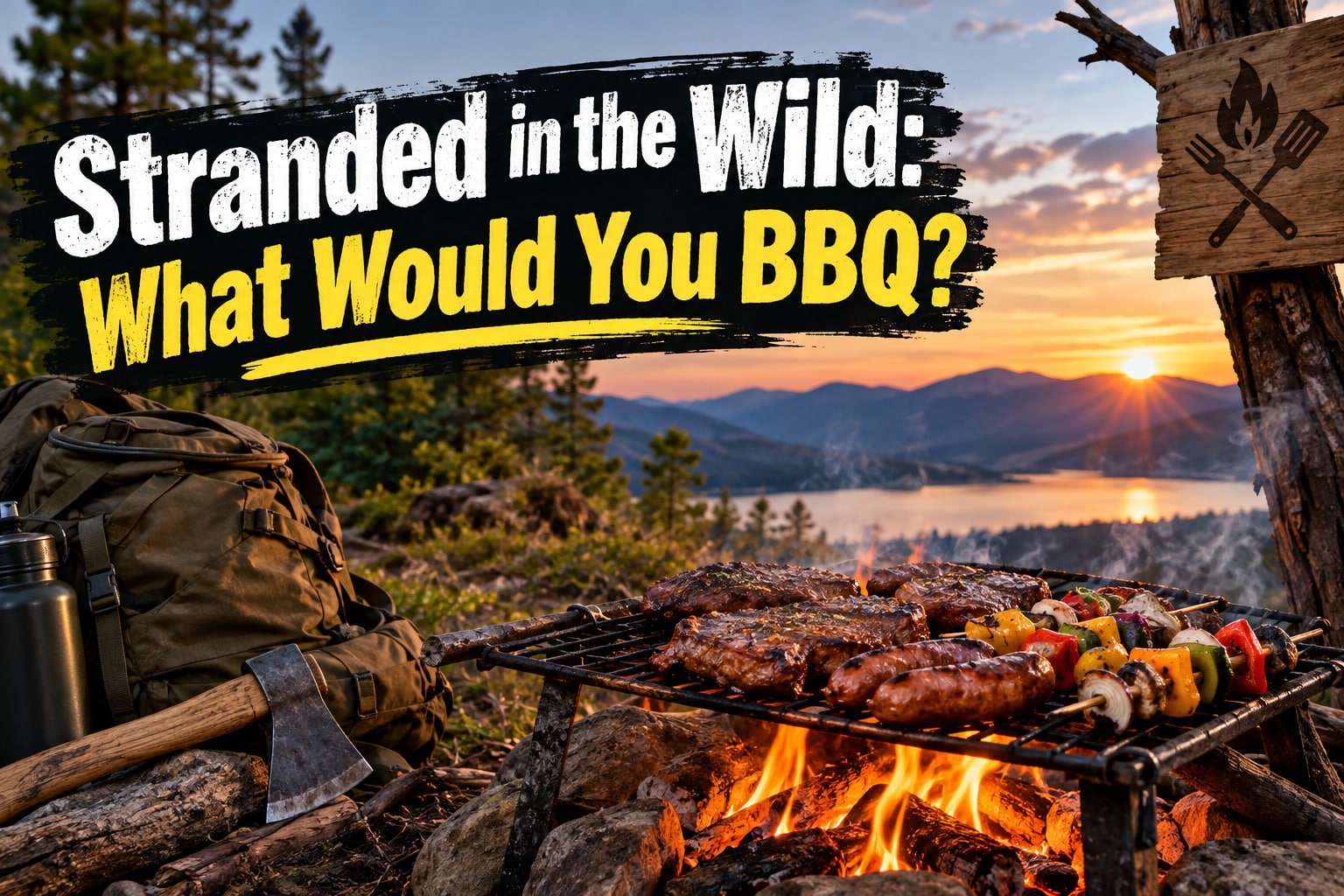
What would you put on the grill if you were stranded in the wild with nothing but a knife, a fire, and whatever food nature was willing to give you?
Forget the fancy barbecue rubs, the temperature-controlled pellet smoker, and the refrigerator stocked like a supermarket. Out here, dinner starts with a much simpler question: What can I safely cook?
That is where wilderness cooking gets interesting.
A campfire suddenly becomes your stove. A large, smooth boulder can become your prep station. A sturdy knife becomes one of your most useful tools. And a handful of basic ingredients can turn into a surprisingly good meal.
Of course, surviving in the wilderness is not a barbecue competition.
Nobody is handing you a trophy because your trout has perfect grill marks while a thunderstorm rolls over the mountain.
Safety, food hygiene, fire control, and knowing what you can legally harvest come first.
But once those boxes are checked, there is something wonderfully primitive about cooking a meal over a fire. It strips BBQ back to its roots: good food, hot coals, patience, and a little ingenuity.
So, stranded in the wild, what would you BBQ?
What Could You Actually BBQ in the Wild?
The answer depends heavily on where you are, what is legally available, and what you can positively identify as safe to eat.
Fish might be one of the more practical options near suitable waterways. Depending on local laws and conditions, legally obtained wild game or birds may also become part of the menu. Edible plants, fruits, and other wild foods can provide side dishes or seasoning.
But wilderness cooking comes with one very important rule:
Never eat something simply because it looks edible.
Wild mushrooms are a classic example. Some are delicious. Others can make you seriously ill, and a few can be deadly. The same caution applies to unfamiliar berries, plants, shellfish, and animals.
Before harvesting anything, know the local regulations and the species you are dealing with. Hunting and fishing laws vary by location, including seasons, permits, protected species, and allowable methods.
The wilderness is not an all-you-can-eat buffet.
A responsible outdoor cook needs to understand that identification and legality come before the recipe.
Once you have food that is legally obtained and known to be safe, the real BBQ adventure can begin.
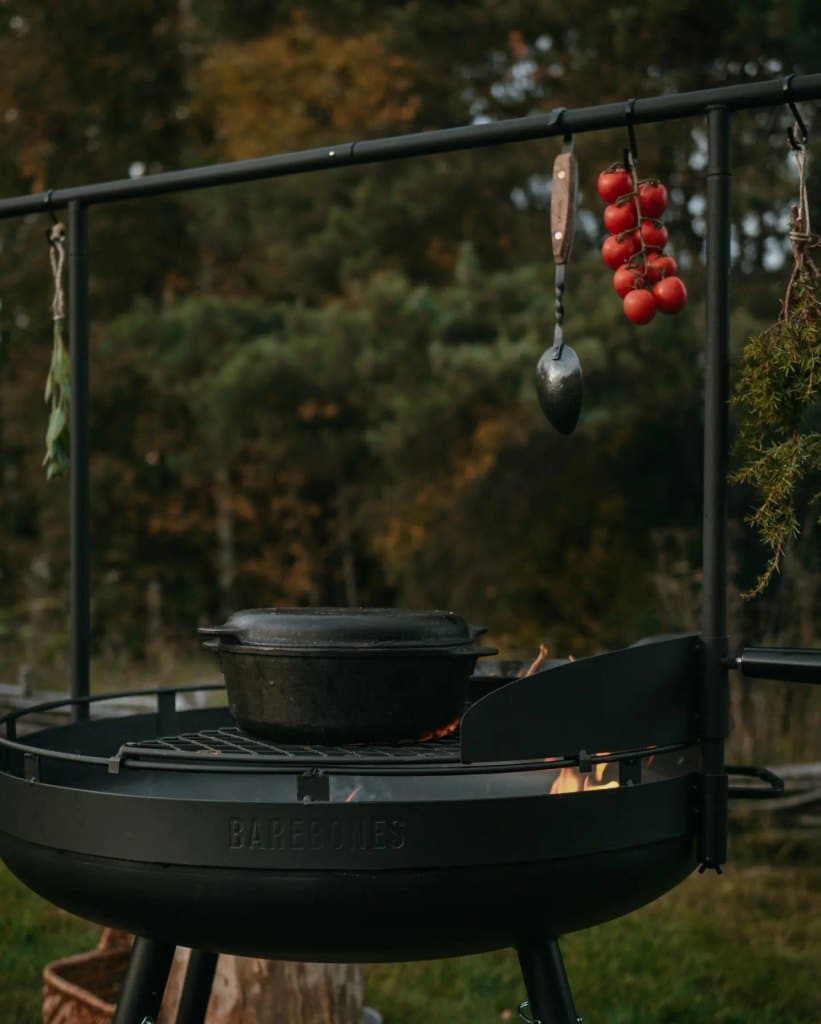
The Wilderness BBQ Toolkit
You do not need a truckload of equipment to cook outdoors. In fact, when you’re carrying everything on your back, every unnecessary gadget suddenly looks like a terrible design decision.
A compact wilderness cooking kit might include:
- A sturdy fixed-blade knife
- A small cutting board or food-safe prep surface
- Cooking grate or campfire grill
- Metal tongs
- Pot or metal cooking container
- Fire-starting equipment
- Food-storage bags or containers
- Clean water and sanitation supplies
Choosing a Knife for Wild Food Preparation
A sturdy fixed-blade knife can be particularly useful around camp because it is durable, easy to maintain, and capable of handling general food-preparation tasks.
When preparing legally obtained wild game, the knife should be sharp, clean, and comfortable to control.
That last point matters more than people realize.
A dull knife requires more force. More force means less control. Less control is exactly what you do not want when handling a sharp blade around slippery food or a crowded campsite.
Different blade shapes can also suit different preparation jobs, but the basic principle remains the same: use the right tool for the task and keep it clean.
A knife intended for field dressing or preparing wild animals should also be cleaned and sanitized before it is used for other food.
And remember: a knife is a food-preparation tool in this context, not something to treat casually around camp.
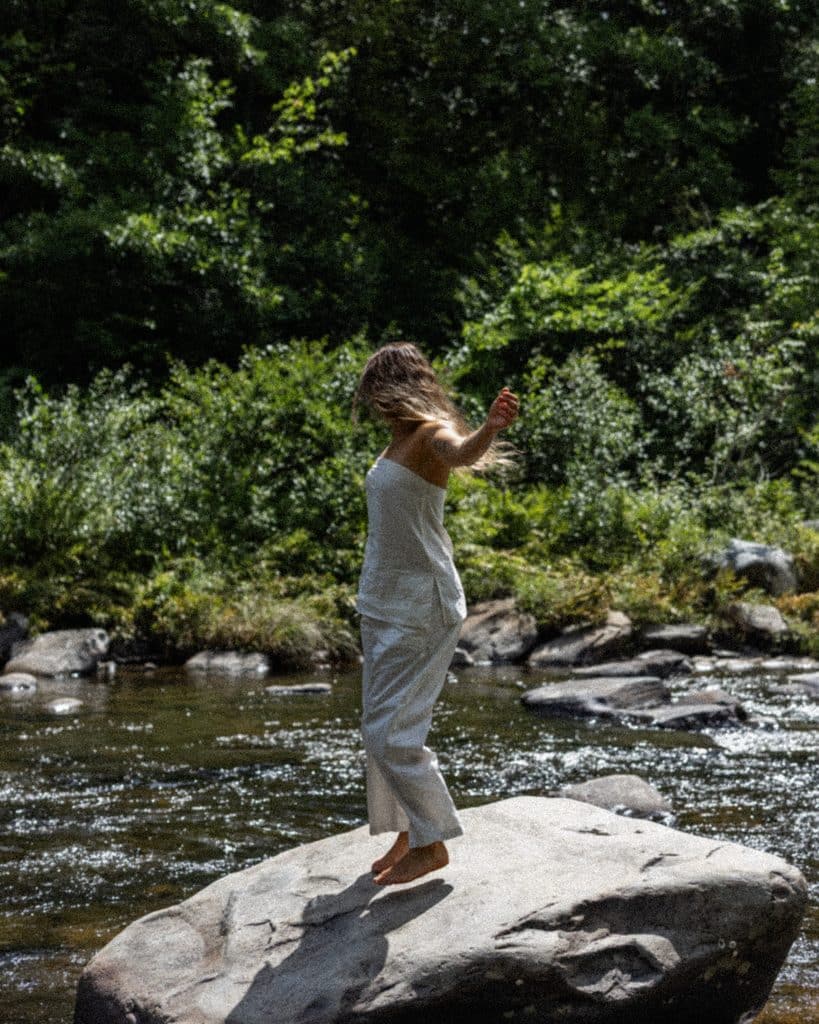
Your Wilderness Prep Table Might Be a Boulder
Nature occasionally gives you a kitchen countertop.
A large, smooth boulder can provide a remarkably convenient work surface when a proper table isn’t available. It gives you a stable place to organize ingredients and keeps food preparation above wet or dirty ground.
But don’t confuse convenient with sanitary.
A rock may look spotless while carrying dirt, animal waste, microorganisms, or other contaminants. Before using one as a prep area, inspect it carefully and clean it as thoroughly as circumstances allow.
Better still, place a clean cutting board, food-safe barrier, or suitable container between the food and the rock.
Keep raw meat separate from cooked food. Do not put ready-to-eat ingredients on a surface contaminated by raw meat.
That beautiful granite slab beside the campfire may look like something from a luxury outdoor kitchen.
It is still a rock.
Nature provides the countertop. You provide the hygiene.
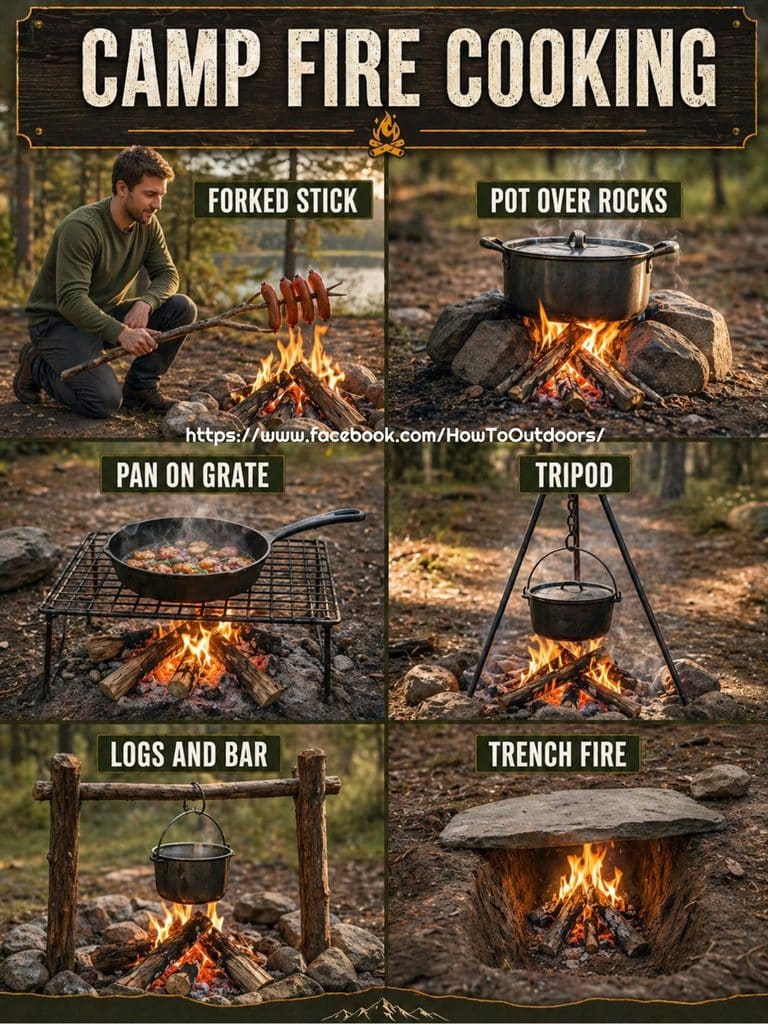
Building a Campfire for Cooking
A roaring campfire looks impressive. It is also a surprisingly bad barbecue grill.
When cooking, you’re generally looking for controlled heat rather than maximum flames.
Start by choosing a safe location. Use an established fire ring when one is available, keep combustible material away from the fire, and check local regulations or fire restrictions before lighting anything.
A basic fire structure consists of:
- Tinder to catch the initial flame
- Small kindling to build the fire
- Larger fuel wood to maintain it
Once the fire is established, allow it to develop a bed of hot coals.
Those glowing embers are your real cooking engine.
Large flames can quickly scorch the outside of meat while leaving the center undercooked. Coals provide steadier, more controllable heat.
A useful cooking fire should also have different heat zones. One side can be hotter for searing, while another can be cooler for slower cooking.
The goal isn’t to make the biggest fire. The goal is to make the most useful fire.
And never walk away from it. When cooking is finished, extinguish the fire completely and follow local wilderness fire rules.
Turning the Campfire Into a BBQ
Once the coals are ready, your wilderness kitchen starts looking a lot more familiar.
A portable grill grate placed securely over the fire can turn a basic campfire into a functional BBQ.
The trick is learning to manage direct and indirect heat.
Direct heat means food is positioned over the hottest coals. This is excellent for searing and cooking thinner pieces quickly.
Indirect heat means the food sits away from the strongest heat. This gives thicker cuts more time to cook without burning the exterior.
Think of your fire as having its own temperature dial. You don’t turn a knob. You move the food.
Move a piece closer to the coals when you want more heat. Shift it toward the cooler side when the exterior is browning too quickly.
Add fuel gradually rather than dumping a mountain of wood onto the fire and creating the world’s least cooperative barbecue.
Good fire management is one of the biggest differences between wilderness cooking and simply throwing meat into a campfire.
BBQing Wild Game
Wild game can make an exceptional BBQ, but it deserves careful handling.
First, the animal must be legally obtained and properly handled. Local hunting regulations should always be followed, including licensing, seasons, protected species, and other restrictions.
Once you have legally obtained meat, cleanliness becomes critical.
Keep the meat as clean and cool as possible. Avoid unnecessary contact with soil and other contaminants. Keep raw meat separate from cooked food, utensils, and anything that will be eaten without further cooking.
Wild game can also behave differently on the grill than supermarket meat.
Many wild animals are naturally lean. That means there may be less fat to protect the meat from drying out.
And dry wild game?
Let’s just say your dinner can go from “rustic wilderness feast” to “chewing exercise” remarkably quickly.
Use controlled heat. Thicker pieces can benefit from gentler cooking, while a quick sear can create a flavorful browned exterior.
Marinades can also help add moisture and flavor, while simple seasoning lets the natural character of the meat shine.
Most importantly, cook wild meat to a safe internal temperature and use a food thermometer whenever one is available. Appearance alone is not a reliable way to determine whether meat is safely cooked.
Let the meat rest before slicing.
That short pause allows the juices to redistribute instead of immediately running across your improvised boulder countertop.
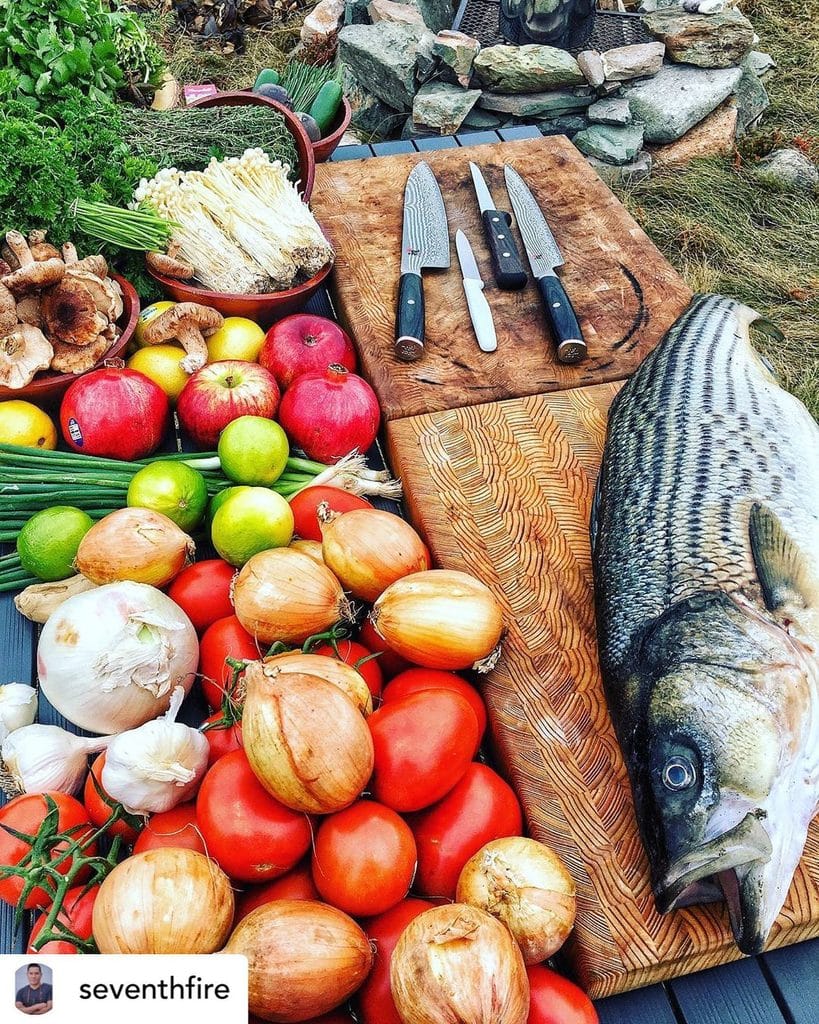
Fish Might Be the Ultimate Wilderness BBQ
Near a productive fishing area, fish can be one of the most satisfying foods to cook over a fire.
A whole fish can be grilled directly on a suitable grate, while fillets can be cooked carefully over moderate heat.
Fish doesn’t need much to taste good.
Salt, pepper, herbs, and a little citrus can go a long way. Even without a pantry full of ingredients, smoke, fire, and fresh fish are a pretty convincing combination.
The challenge is heat management.
Fish cooks relatively quickly and can dry out if exposed to excessive heat for too long. Keep an eye on the texture and move it away from the hottest part of the fire when necessary.
A grill basket can also make delicate fish easier to handle.
And naturally, the fish itself must be a legally catchable species and correctly identified before it becomes dinner.
What Else Can You Grill?
A wilderness BBQ doesn’t have to be a meat-only operation. Vegetables can become excellent campfire food with surprisingly little effort.
Potatoes, onions, peppers, corn, and squash can all work well on a grill or near hot coals.
Fruit is another underrated option.
Grilled apples, peaches, pineapple, or bananas can become a simple dessert when you have very little else.
That is one of the pleasures of outdoor cooking: fire changes ordinary ingredients.
A crisp vegetable becomes smoky and caramelized. Fruit becomes sweeter as its natural sugars brown. Potatoes develop a crisp exterior while remaining soft inside.
You don’t need twelve sauces and a spice rack. Sometimes salt, fire, and patience are enough.
Foraged ingredients can also add interest, but only use plants, mushrooms, berries, or herbs that you can positively identify as edible.
When you’re unsure, leave it alone. A missed garnish is preferable to an emergency evacuation.
Wilderness BBQ Food Safety
This is the least glamorous part of the adventure and arguably the most important.
When you’re stranded in the wild, food safety doesn’t become optional just because you’re outdoors.
In fact, it becomes more important.
Keep raw and cooked foods separate. Wash your hands when possible and clean cooking equipment properly. Use clean water for food preparation and drinking, and treat water from natural sources according to established wilderness-water safety practices.
Do not assume that clear mountain water is automatically safe. It can look pristine and still contain harmful microorganisms.
Meat should also be cooked thoroughly. A food thermometer is one of the most useful pieces of equipment you can carry because it removes much of the guesswork.
Don’t judge food safety by color alone.
A piece of meat can look beautifully browned and still require additional cooking. Finally, protect your food from wildlife.
Do not leave scraps scattered around camp. Store food appropriately and dispose of waste according to local wilderness guidance.
The last thing your BBQ needs is an uninvited dinner guest with four legs, sharp teeth, and absolutely no respect for personal boundaries.
Seasoning When the Spice Cabinet Is Miles Away
A wilderness BBQ doesn’t need to taste bland.
A small packet of salt and pepper can transform almost anything. Garlic powder, smoked paprika, chili powder, and dried herbs are also easy to carry and can add plenty of character without taking up much space.
Fresh, positively identified edible herbs can also provide flavor where permitted. But don’t underestimate the flavor of the fire itself.
Smoke is seasoning. Char is seasoning. Browning is seasoning.
A properly managed fire can give meat and vegetables layers of flavor that are difficult to reproduce indoors.
This is where good BBQ technique matters.
You can have a bag full of expensive spices and still ruin dinner with excessive heat.
Or you can have salt, pepper, a clean grill, and a good bed of coals and make something memorable.
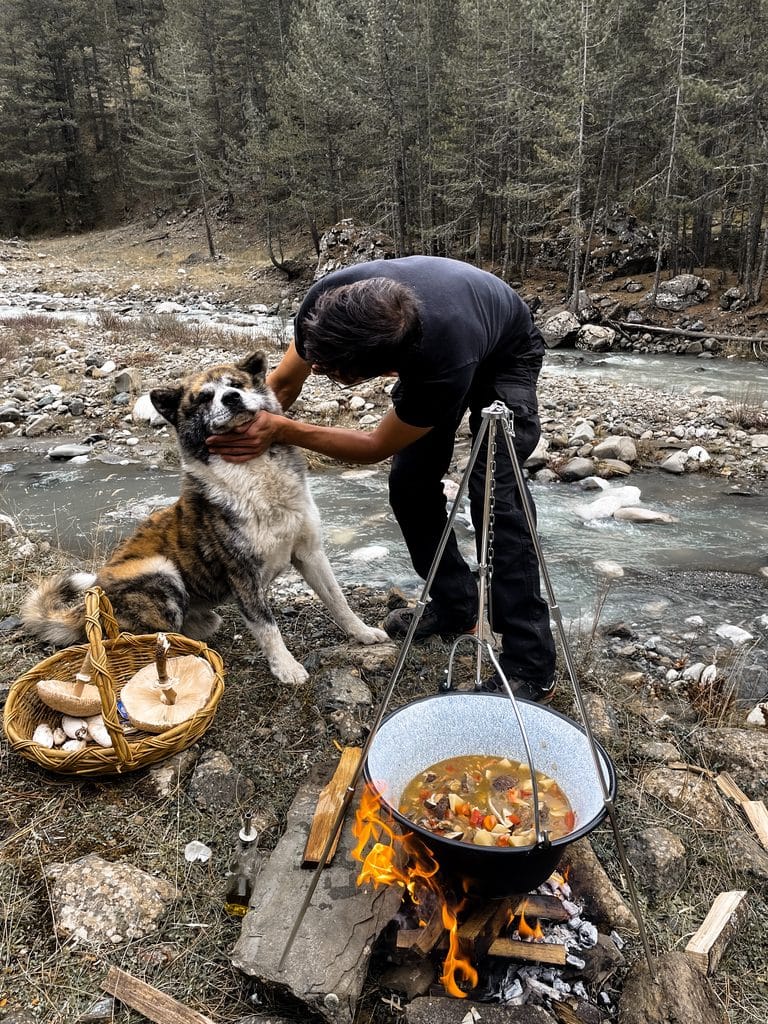
Build the Ultimate Wilderness BBQ Meal
Now imagine you’ve got the basics under control.
The fire is producing a steady bed of coals. Your prep area is clean. The food is safely handled.
What goes on the menu?
Start with grilled wild game or freshly caught fish as the centerpiece. Add fire-roasted potatoes, onions, peppers, or another suitable vegetable.
Season simply with salt, pepper, herbs, or whatever safe ingredients you’ve brought along.
Finish with grilled fruit for dessert.
It isn’t complicated.
That’s the point.
A great outdoor meal doesn’t require a restaurant kitchen. It requires good ingredients, controlled heat, clean preparation, and patience.
The process itself becomes part of the meal.
You prepare the food. Build the fire. Manage the coals. Grill slowly. Listen to the sizzle.
Then you finally sit down.
After all that work, even a humble piece of grilled fish can taste like a five-star meal.
Hunger is an excellent seasoning.
Leave No Trace After the BBQ
A successful wilderness cookout isn’t finished when the last bite disappears. Your campsite should be left clean and safe.
Extinguish the fire completely. Pack out trash. Remove food scraps. Clean cooking equipment. Avoid damaging living trees or vegetation for fuel when alternatives are available.
Don’t leave bones, packaging, grease, or leftovers scattered around camp.
Wild animals should not learn that your campsite is the local equivalent of a fast-food restaurant.
Leave the wilderness looking like you found it – or as close to that as practical.
That means respecting the landscape, wildlife, other visitors, and local regulations. The best outdoor cook knows that the meal is temporary.
The environment should not be.
So, Stranded in the Wild—What Would You BBQ?
Being stranded in the wild isn’t exactly the vacation package most of us would choose. But the challenge of cooking outdoors reveals something fascinating about BBQ.
At its heart, barbecue is incredibly simple.
You need food.
You need heat.
You need a way to control that heat.
And you need enough patience not to attack dinner with a fork every thirty seconds. Everything else is refinement.
A sturdy knife can help you prepare food. A smooth boulder can become a makeshift work surface. A controlled campfire provides the heat. A simple grill grate turns those coals into a cooking station.
Wild game, fish, vegetables, and fruit can all become part of the meal when they are legally obtained, correctly identified, safely handled, and properly cooked.
And that may be the biggest lesson of wilderness BBQ.
You don’t need a giant smoker, six kinds of sauce, or a refrigerator full of ingredients to make something delicious.
You need resourcefulness.
The wilderness provides the setting. The fire provides the heat. Good technique turns whatever safe ingredients you have into dinner.
And if that dinner happens to come off a grill beside a crackling campfire, served on a plate balanced over a very suspicious-looking boulder?
Well, that’s not a bad BBQ story to take home.
Frequently Asked Questions
1. What can you BBQ when stranded in the wild?
Depending on your location and local laws, you may be able to cook legally obtained wild game, fish, or edible plants and vegetables. Only eat wild foods that you can positively identify as safe, and follow all hunting, fishing, and foraging regulations.
2. What type of knife is best for preparing wild game?
A sturdy, sharp fixed-blade knife is a practical choice for wilderness food preparation. Look for a comfortable, secure grip and a blade that is easy to clean. Always handle knives carefully and keep them sanitized when preparing food.
3. Can you use a large rock as a BBQ prep table?
Yes, a large, smooth boulder can provide a stable outdoor work surface, but it should not be assumed to be sanitary. Clean it thoroughly and, whenever possible, use a clean cutting board or food-safe barrier between the rock and your food.
4. What is the best type of fire for wilderness BBQ?
A controlled fire with a good bed of hot coals is generally more useful for grilling than a large open flame. Coals provide steadier heat and make it easier to create hotter and cooler cooking zones.
5. How do you safely cook wild game over a campfire?
Keep raw meat clean and separate from cooked food, use controlled heat, and cook wild game to a safe internal temperature. A food thermometer is the most reliable way to check doneness. Always follow local food-safety and wilderness regulations.
Featured image credit: ChatGPT
