For decades, high-end steak houses and seafood joints have pulled off one of the greatest culinary magic tricks in history: convincing us that lobster is an artery-clogging, heavy-duty indulgence that requires a plastic bib, a silver cracker, and a hot bath in roughly three cups of liquid butter.
We have been conditioned to treat this magnificent sea creature like a dietary cheat code – a decadent splurge meant strictly for anniversary dinners, expense-account lunches, and nightmarish cholesterol reports.
It is time to blow the smoke off that myth.
When you strip away the ceramic ramekin of melted dairy and stop boiling the life out of it in a giant pot of salted water, you realize something shocking.
Grilled lobster is actually one of the cleanest, most nutrient-dense, high-performance superfoods on the planet.
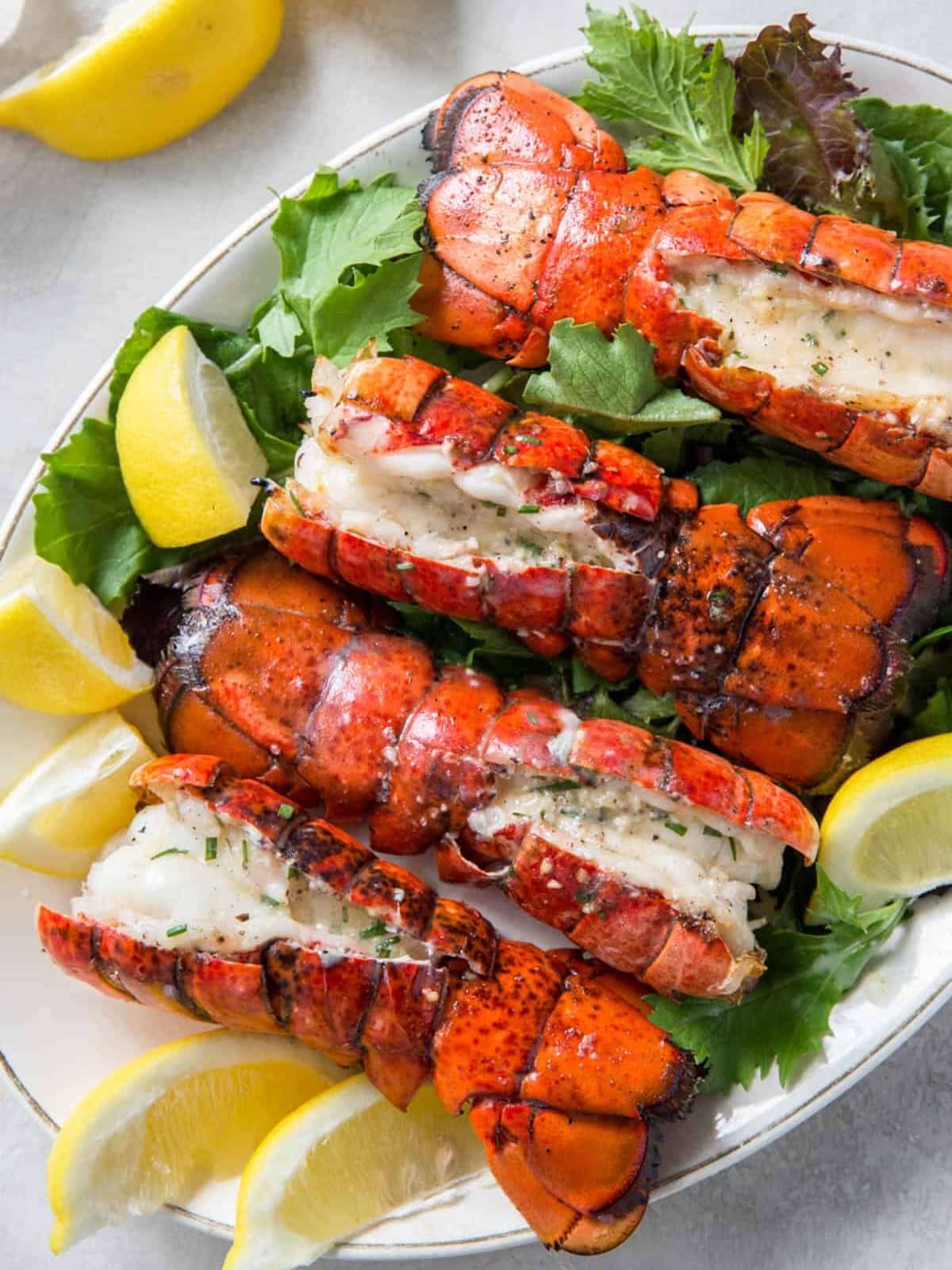
Tossing a fresh lobster tail over live hardwood coals does not just create an incredible char; it unlocks a lean protein powerhouse that easily rivals grass-fed beef, boneless chicken breast, or wild-caught salmon.
The heat of the grates seals in natural sweetness, the wood fire adds deep complexity, and the raw nutrition profile remains intact. It is time to stop treating this crustacean like a cardiac risk and start treating grilled lobster like the ultimate athletic fuel it really is.
Deconstructing the Superfood Status: What’s Inside a Lobster?
Working around live fire teaches you real quick that not all proteins handle high heat the same way. Fatty meats flare up, rendering off half their weight into the ash pit.
Lean proteins can dry out into leather if you look at them wrong.
But grilled lobster occupies a rare sweet spot in the barbecue world: it stays remarkably firm, juicy, and dense, all while packing a nutritional payload that makes gym bros weep with joy.
The Macronutrient Breakdown
Look at the numbers without the butter pool, and the raw math is absurdly impressive. A standard 100-gram serving (about 3.5 ounces) of cooked lobster meat delivers:
- Protein: 19 grams
- Total Fat: 0.9 grams
- Carbohydrates: 0 grams
- Total Calories: Roughly 89 calories
Think about that for a second. You are looking at nearly twenty grams of pure muscle-building protein for under a hundred calories. That is an elite protein-to-calorie ratio.
You would have to eat double the calories in chicken breast or triple the calories in ribeye to match that clean protein output.
The Heavy-Hitting Micronutrients
It gets better when you look past the macros. Lobster flesh is practically a marine multivitamin, loaded with hard-to-get minerals that keep your body operating like a finely tuned engine:
- Selenium: This critical mineral acts as a ferocious antioxidant. It neutralizes cellular damage, keeps your immune system sharp, and regulates thyroid function so your metabolism stays hot.
- Zinc: Essential for cell division, DNA repair, and keeping natural testosterone levels right where they belong.
- Vitamin B12: The ultimate biological spark plug. B12 keeps your nervous system humming, prevents brain fog, and powers red blood cell production so oxygen travels efficiently to working muscles.
- Copper and Phosphorus: These unsung heroes work in tandem to reinforce bone density, rebuild structural tissue, and support healthy cardiovascular function.
Heart Health & Healthy Fats: The Omega-3 Advantage
Whenever shellfish comes up in conversation, someone always whispers nervously about cholesterol.
Let’s kill that outdated 1980s myth right now: dietary cholesterol in whole foods does not automatically spike bad cholesterol in your blood.
Modern nutrition science has repeatedly proven that saturated fats and industrial trans-fats are the real villains behind clogged arteries.
Grilled lobster contains almost zero saturated fat. What it does contain is a generous dose of heart-protecting Omega-3 fatty acids, specifically EPA (eicosapentaenoic acid) and DHA (docosahexaenoic acid).
- Cardiovascular Defense: Marine Omega-3s relax blood vessel walls, reduce systemic blood pressure, and keep triglyceride levels down.
- Joint and Muscle Relief: High-intensity training and daily stress inflame your body. The natural fats in lobster help soothe aching joints and speed up muscle recovery after a hard workout.
- Cognitive Clarity: Your brain is made up of roughly 60% fat, and it craves DHA. Regular consumption sharpens mental focus, elevates mood, and protects long-term brain health.
By searing lobster over open coals instead of deep-frying it or drowning it in heavy cream sauces, you preserve these fragile, beneficial marine oils while keeping the whole meal light, clean, and heart-friendly.
Why Grilling Is the Ultimate Healthy Cooking Method
Boiling a lobster in fifty gallons of tap water is an absolute tragedy.
It washes away delicate, water-soluble minerals straight down the kitchen sink drain and leaves the meat tasting like watery rubber.
Steaming is a slight improvement, sure, but it lacks personality. It gives you no color, no crisp edges, and no depth.
Direct-heat grilling changes the game entirely.
Preserving Water-Soluble Nutrients
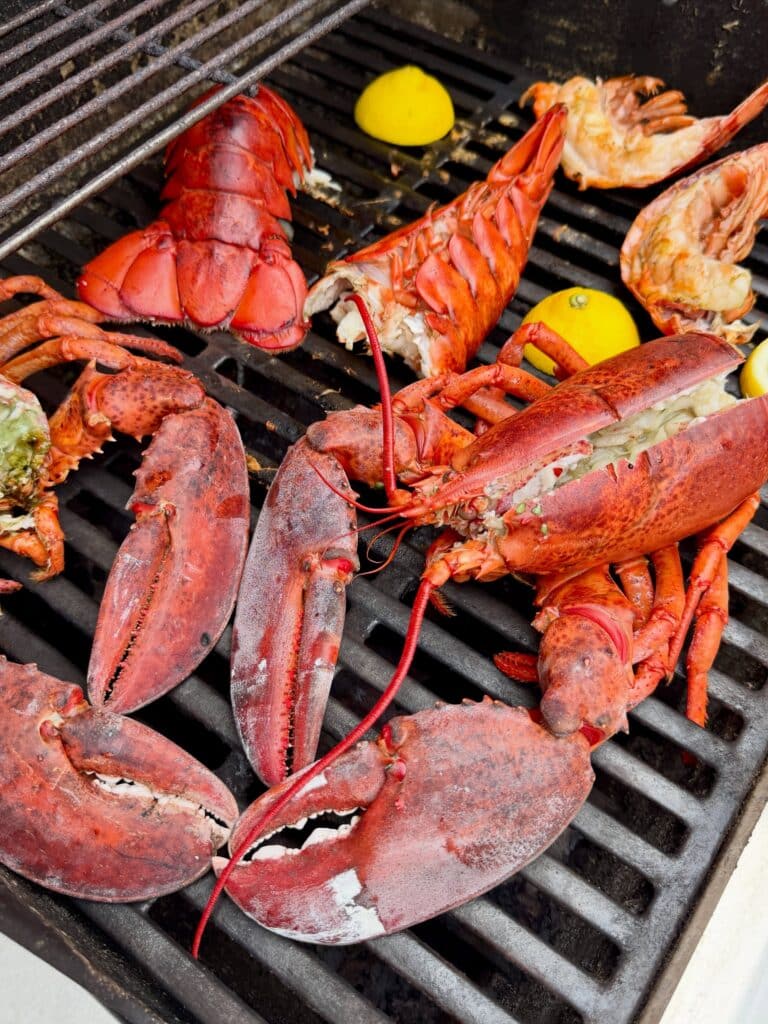
When you split a lobster tail in half, leave it in the shell, and place it meat-side-down over scorching hot coals, the radiant heat cooks the protein in seconds.
This speed-cooking process locks in juices and preserves heat-sensitive vitamins that would otherwise leach out in a boiling pot.
The Maillard Reaction: Pure Flavor Without Extra Calories
When the amino acids and natural sugars in the lobster meat hit a 450°F cast-iron or steel grate, a chemical reaction occurs.
The surface caramelizes, forming a lightly charred, golden crust. This is the Maillard reaction, and it is the secret to making healthy food taste like a million bucks without adding junk.
- Wood Smoke Depth: Hardwood smoke – whether you use oak, applewood, or mesquite – infuses the meat with a rich, savory aroma that fools your brain into thinking you are eating something deeply decadent.
- Natural Sweetness: The high heat of the grill concentrates the natural sea sugars in the flesh, giving you an explosive, sweet-and-savory bite.
- Superior Texture: The dry, intense heat firms up the muscle fibers just enough to give the meat a snap and chew that boiling simply cannot replicate.
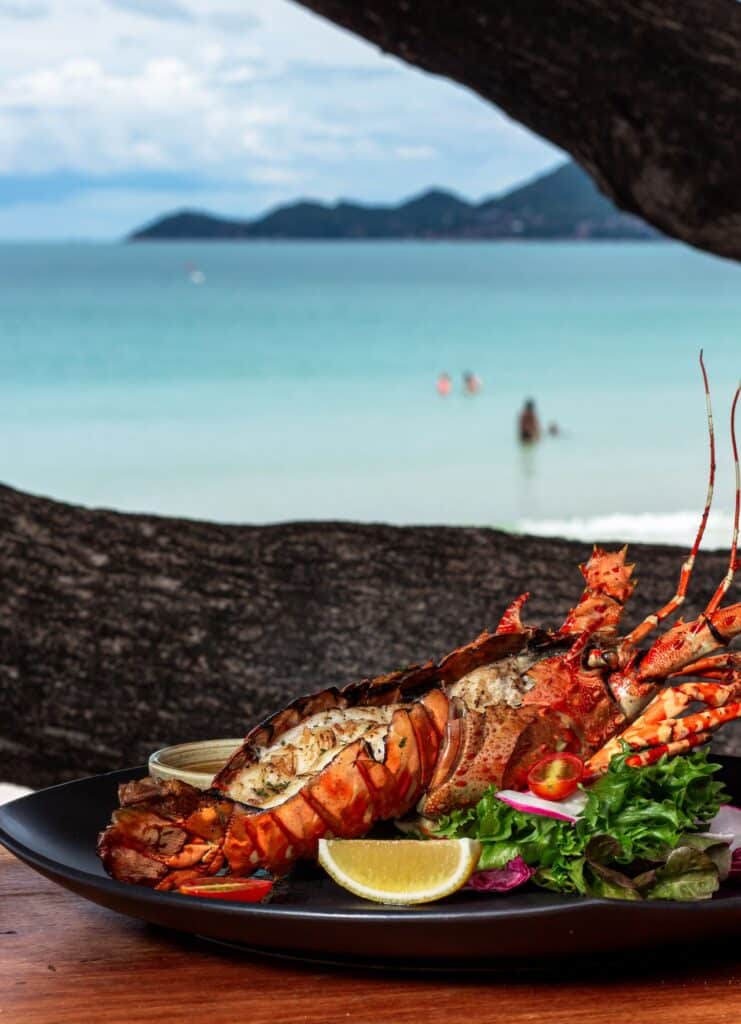
The Anatomy of a Grill-Ready Lobster: Claws vs. Tails
Understanding the physical breakdown of your crustacean completely changes how you manage your heat zone. Claw meat and tail meat possess wildly different muscle structures, requiring tailored cooking approaches on the grates:
- Tail Meat: Dense, thick, and prone to shrinking rapidly if exposed to intense, unchecked direct heat. Split tails excel with a fast, high-heat sear.
- Claw Meat: Delicate, sweet, and protected by a much thicker outer exoskeleton that acts like a natural pressure cooker. Claws thrive when slid over to an indirect heat zone.
Matching heat intensity to the specific muscle group prevents rubbery meat and guarantees maximum tenderness and complete nutrient retention across the entire catch.
Live Fire Mechanics: Hardwood Charcoal vs. Gas Grills
Choosing your fuel source dictates the final chemical profile and flavor of your seafood. While gas grills offer convenience, lump hardwood charcoal releases natural organic compounds that elevate both taste and health benefits:
- Flavor Vaporization: Ocean juices dripping onto red-hot coals vaporize instantly, creating a clean smoke cloud that coats the shell with complex phenols and guaiacols.
- Zero-Calorie Depth: Fire infuses deep, savory flavor without adding a single gram of fat, sodium, or synthetic chemicals.
Gas flames simply cannot produce this natural aromatic transformation. For the ultimate nutrient-dense superfood meal, cooking over real hardwood fire reigns supreme.
Marine Collagen: The Secret Skin & Joint Weapon
Beyond standard protein, lobster shells and connective tissues contain rich deposits of natural marine collagen. When exposed to high, radiant heat on the grates, these structural proteins break down into easily digestible amino acids, including glycine, proline, and hydroxyproline.
- Key Health Perks: Boosts skin elasticity, strengthens hair, and repairs gut lining integrity.
- Superior Bioavailability: Marine-derived collagen absorbs and utilizes much faster in the human body than bovine or porcine sources.
Eating meat cooked directly against the inner shell turns a standard meal into an incredible anti-aging and joint-recovery feast.

Eco-Grilling: The Environmental Footprint of Wild Shellfish
Choosing what goes on your grates involves more than just counting calories; it is about planetary health. Wild-caught lobster has a remarkably low carbon footprint compared to land-based livestock like feedlot beef or commercial pork:
- Passive Trap Harvesting: Generates minimal greenhouse gas emissions and zero freshwater contamination.
- Zero Feed Overhead: Requires no industrial feed mills, synthetic fertilizers, or massive land clearings to raise them.
Substituting a heavy beef ribeye with a sustainably harvested, wild-caught lobster tail cuts your meal’s environmental impact while fueling your body with clean marine fuel – making it an easy, delicious path to environmentally conscious, sustainable eating.
Post-Workout Shell Broth: Zero-Waste Nutrition
The health benefits do not end when you pull the meat from the shell.
Those charred, smoky lobster exoskeletons are loaded with chitin, calcium, magnesium, and residual marine minerals. Simmering your grilled shells creates a deeply flavorful, mineral-rich smoky seafood bone broth:
- Gut Health Support: Chitin acts as a natural prebiotic, feeding beneficial gut bacteria and supporting overall digestion.
- Versatile Fuel: Drink this warm broth straight or use it as a nutrient-dense base for grain bowls and soups.
Transforming leftover shells into a restorative tonic ensures zero food waste and maximum mineral extraction, giving you a powerful, all-natural recovery drink.
Fitness & Weight Management Benefits
Losing fat or building lean tissue boils down to one fundamental challenge: controlling your appetite while meeting your daily protein targets. Grilled lobster is effectively a cheat code for body composition goals.
Satiety and the TEF Advantage
Protein possesses the highest Thermic Effect of Food (TEF) of any nutrient group.
Your digestive system has to work incredibly hard to break down dense animal protein, expending roughly 20% to 30% of the calories consumed just processing the food.
Because lobster is packed with leucine – the primary amino acid responsible for triggering muscle protein synthesis – it signals your brain that you are completely full.
You stay satisfied for hours, avoiding the mid-afternoon pantry raid, all while sitting on a microscopic caloric bill.
Universal Diet Compatibility
- Keto and Carnivore: Zero carbs, pure animal protein, and easily paired with healthy plant fats like avocado or olive oil.
- Paleo and Ancestral: Whole, unrefined seafood straight off the fire, cooked exactly the way humans have cooked for thousands of years.
- Volume Eating: Because a half-pound of lobster meat comes in under 200 calories, you can eat a massive, highly satisfying plate of food without blowing your daily energy budget.
Healthy Fuel: Smart Pairings & Flavor Profiles
You do not need a stick of butter to make seafood taste incredible. When you leverage acid, fresh garden herbs, and quality cold-pressed oils, you create explosive flavor profiles that complement the natural smoke off the grill.
Ditch the Butter, Build the Baste
Instead of dipping your fork into liquid fat, lightly brush your split lobster tails with extra virgin olive oil or cold-pressed avocado oil right before they hit the heat. This prevents sticking and creates a perfect conductor for heat.
Once the tails come off the fire, hit them with fresh, low-calorie flavor bombs:
- Charred Citrus Squeeze: Cut a lemon or lime in half and place it face-down on the grates for two minutes until caramelization occurs. Squeezing warm, smoky citrus juice over hot lobster meat instantly elevates the flavor without adding a single gram of fat.
- Herb-Infused Olive Oil Baste: Finely chop fresh tarragon, flat-leaf parsley, garlic, and chives. Macerate them in a tablespoon of warm, high-grade olive oil and brush it lightly over the cooked tail.
- Smoked Chili Rub: A tiny dusting of smoked paprika, coarse sea salt, cracked black pepper, and chipotle powder gives grilled lobster a Southwestern kick that pairs brilliantly with live fire.
Superfood Side Dishes Off the Grates
Keep the grates hot and cook your sides right alongside your main protein:
- Charred Asparagus: High in prebiotic fiber and folate, asparagus takes on a delightful crunch and smoky edge when grilled next to lobster tails.
- Grilled Baby Bok Choy: Rich in Vitamins A, C, and K. The leaves crisp up like kale chips while the stems stay juicy and sweet.
- Citrus and Avocado Salad: Pair hot, smoky lobster with cold, creamy avocado slices and grapefruit segments for a balance of healthy monounsaturated fats and bright vitamin C.

Sustainable Sourcing & Smart Buying Tips
To get maximum nutrition and taste out of your fire, you need to start with high-quality ingredients. Not all lobster is created equal, and knowing what to buy saves you money and guarantees a better meal.
- Cold-Water vs. Warm-Water: Always choose cold-water lobsters (typically sourced from Maine, Canada, or the North Atlantic). Cold-water lobsters grow slower, yielding dense, sweet, firm meat. Warm-water spiny lobsters (often sold as cheap tails at big-box stores) tend to be mushy, soft, and lack the clean mineral profile of northern varieties.
- Look for MSC Certification: Check for the Marine Stewardship Council (MSC) blue label. This ensures your seafood was wild-caught using sustainable methods that preserve marine habitats and prevent overfishing.
- Flash-Frozen Is Your Friend: Unless you live right on the coast within driving distance of the docks, buy high-quality, flash-frozen raw lobster tails. Flash-freezing on the boat locks in peak freshness and nutrient density instantly. That “fresh” lobster sitting in a glass tank at your local supermarket has likely been living without food for weeks, losing muscle mass and nutrient quality by the day.
Beyond the Butter
It is time to rewrite the rules on luxury seafood. Grilled lobster is not an over-indulgent guilty pleasure reserved for cheat days, fancy dates, or white-cloth steakhouses.
When you take control of the fire, ditch the heavy dairy, and let the coals do the heavy lifting, lobster steps into its rightful place at the absolute top of the superfood pyramid.
It delivers maximum clean protein, zero unnecessary fillers, a mountain of vital marine minerals, and a rich, smoky taste that turns healthy eating into a feast.
Clean off your grill grates, light up the hardwood, and put lobster on your weekly meal prep roster. Your heart, your muscles, and your taste buds will wonder why you didn’t do this years ago.

Frequently Asked Questions (FAQ)
Why is grilled lobster considered a superfood instead of an unhealthy indulgence?
Lobster is traditionally viewed as a rich indulgence because it is often boiled and served dipped in melted butter or heavy cream sauces.
On its own, plain lobster meat is exceptionally lean and low in calories, making it a nutrient-dense protein source when cooked without heavy added fats.
What are the nutritional specs for a standard serving of lobster?
A 100-gram (3.5 oz) serving of cooked plain lobster meat provides approximately:
- Calories: 89
- Protein: 19 grams
- Fat: 0.9 grams
- Carbohydrates: 0 grams
How does grilled lobster compare to other lean proteins like chicken or beef?
It features an exceptionally high protein-to-calorie ratio, supplying nearly 20 grams of protein for under 100 calories. Achieving that same amount of protein would require roughly double the calories in chicken breast or triple the calories in ribeye steak.
Is the cholesterol in lobster bad for your heart?
Modern dietary research shows that dietary cholesterol in whole foods does not automatically raise blood cholesterol levels for most people.
Saturated and trans fats are the primary drivers of elevated cholesterol, and lobster contains virtually zero saturated fat while providing heart-healthy Omega-3 fatty acids (EPA and DHA).
What key vitamins and minerals are found in lobster?
- Selenium: Acts as an antioxidant, supports immune function, and helps regulate the thyroid.
- Zinc: Essential for DNA repair, cell division, and hormone health.
- Vitamin B12: Supports nervous system function, mental clarity, and red blood cell production.
- Copper and Phosphorus: Assist in building bone density and repairing structural tissue.
Why is grilling better than boiling lobster?
Boiling leaches delicate, water-soluble vitamins and minerals into the water and can leave the meat rubbery. Grilling locks in moisture, preserves heat-sensitive nutrients, and enhances natural flavor through the Maillard reaction without needing extra calories.
How should you adjust heat when grilling different parts of a lobster?
- Tails: Dense and quick to shrink; they perform best with a fast, direct-heat sear on split halves.
- Claws: Delicate with a thicker shell; they cook more evenly in an indirect heat zone where the shell acts like a pressure cooker.
How can I add flavor to grilled lobster without using butter?
- Charred Citrus: Squeeze grill-caramelized lemons or limes over the meat.
- Herb Infusion: Lightly brush with high-grade olive oil mixed with fresh garlic, tarragon, parsley, and chives.
- Smoked Rubs: Apply a light seasoning of smoked paprika, coarse sea salt, black pepper, and chipotle powder.
What is the best type of lobster to buy, and how should it be sourced?
Opt for cold-water lobsters (such as Maine or North Atlantic varieties), which offer sweeter, firmer meat than warm-water spiny lobsters.
Look for Marine Stewardship Council (MSC) certification for sustainable sourcing, and buy flash-frozen raw tails unless you live directly on the coast, as flash-freezing preserves peak nutrient density.
How can you use leftover grilled lobster shells?
Instead of throwing them away, simmer the charred shells in water to create a mineral-rich seafood bone broth. The shells release calcium, magnesium, and chitin – a natural prebiotic that supports gut health and digestion.
Featured image credit: @spoonfulflavor