
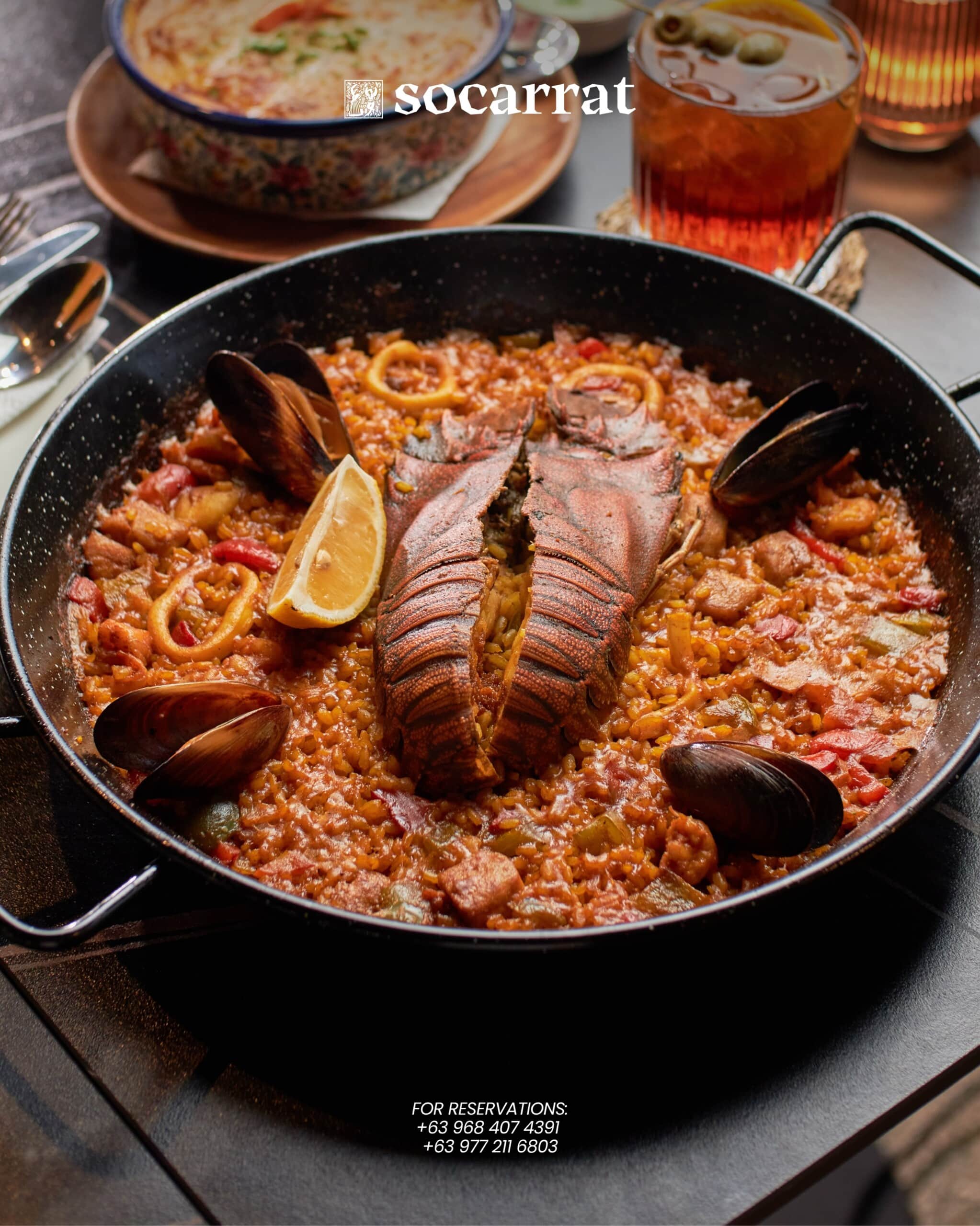
Most people think the hardest part of paella is getting the rice right. They’re wrong. The real challenge is knowing when to let the bottom of the pan flirt with disaster. That golden, crunchy layer of rice known as socarrat is the whole reason to cook paella over an open fire in the first place.
Done properly, socarrat is crisp, nutty, caramelized, and packed with the flavor of everything that came before it. Done badly, it is simply burnt rice that will have everyone politely reaching for the soft stuff on top.
The difference comes down to fire control, timing, and one golden rule: once the rice goes in, stop stirring.
This wood-fired paella recipe uses a wide paella pan, a bed of hot hardwood coals, and a simple approach that lets the fire do the heavy lifting.
What You’ll Need
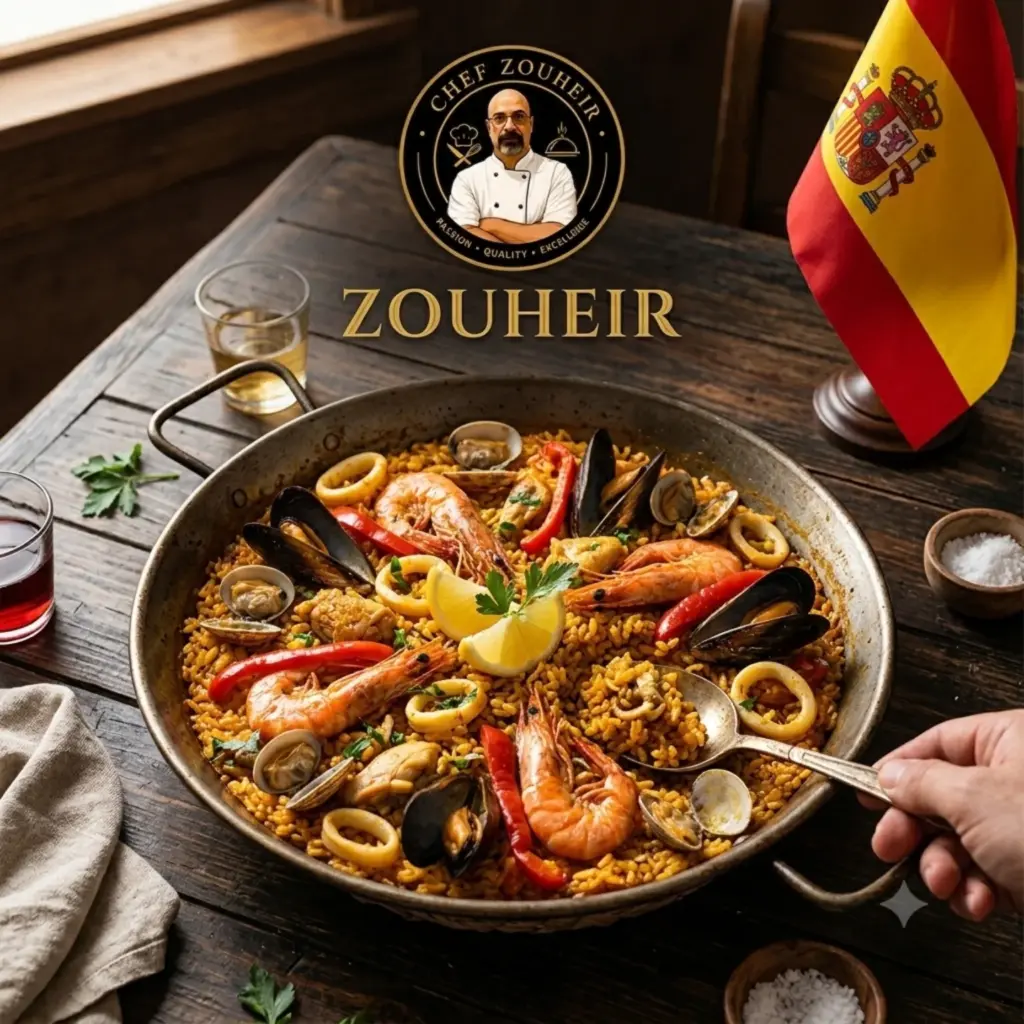
A good paella doesn’t require a kitchen full of gadgets. In fact, the simpler the setup, the better.
Equipment
- A wide, shallow paella pan
- An open-fire cooking setup, fire pit, or wood-fired grill
- Hardwood for a clean, steady fire
- Long-handled tongs or fire tools
- Heat-resistant gloves
- A long spoon or spatula for serving
The beauty of paella is that the ingredient list is relatively straightforward. The fire is the complicated ingredient.
Build the Right Wood Fire
Don’t start cooking over a towering inferno unless your goal is to turn lunch into a controlled demolition.
You want strong, steady heat rather than huge flames. Hardwood such as oak works particularly well because it produces hot, long-lasting coals and a clean cooking fire.
Start the fire well before you need to cook. Give the wood time to burn down until you have a generous bed of glowing embers.
The pan should sit level over the fire, with enough space underneath for heat to circulate. You may need to move the pan during cooking, so keep your fire tools close.
A useful rule is simple: control the fire before you control the paella.
The heat should be strong enough to bring the stock to a steady simmer, but not so fierce that one side of the pan is boiling while the other looks like it has taken the day off.
Build the Flavor Base
Place the paella pan over the fire and add the olive oil.
Season the chicken with salt and place it in the hot pan. Cook until the pieces are well browned on the outside. Don’t rush this step. Those browned bits will become part of the flavor foundation.
Add the onion and green beans, cooking until they begin to soften. Stir in the garlic, followed by the tomatoes.
Cook the mixture until the tomatoes reduce and become thick rather than watery. Add the smoked paprika and stir for just a few seconds.
Paprika can go from pleasantly smoky to aggressively bitter in a hurry, so don’t leave it sitting over intense heat for too long.
Pour in the chicken stock and add the saffron. Stir everything together and taste the liquid. It should be well seasoned at this stage because the rice will absorb all of that flavor.
Bring the stock to a lively simmer.
Add the Rice – Then Leave It Alone
This is where paella separates the patient cooks from the compulsive stirrers.
Add the rice and spread it evenly throughout the pan. Make sure the grains are distributed as evenly as possible.
Now comes the hard part.
Stop stirring.
Seriously.
Don’t give it a little stir because one grain looks lonely. Don’t scrape the bottom because you’re worried about sticking. Don’t poke around just to see what’s happening.
Traditional paella relies on the rice cooking undisturbed so it can absorb the flavorful stock while forming that prized bottom crust.
Keep the heat strong enough to maintain an even simmer. Watch the pan closely and move it slightly over the fire if one section is cooking noticeably faster than another.
As the liquid disappears, gradually reduce the intensity of the fire. You’re looking for rice that is nearly cooked and a pan where most of the liquid has been absorbed.
The Moment of Truth: Creating Socarrat
Now comes the part everyone wants.
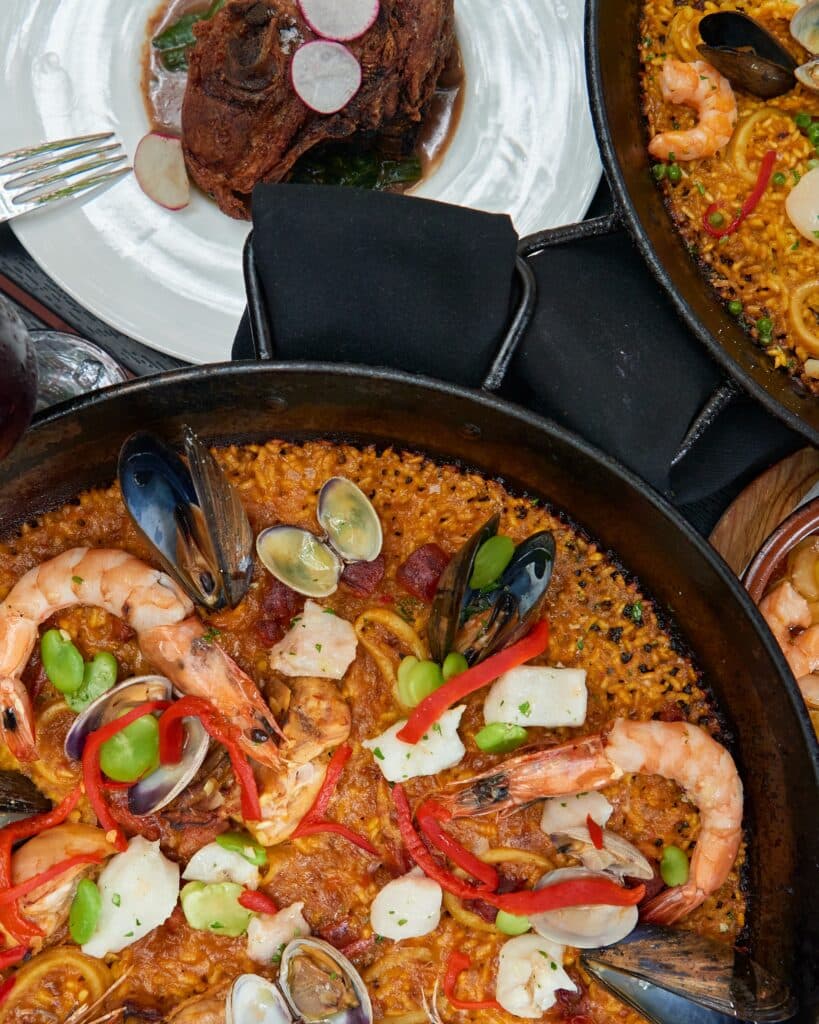
Socarrat forms during the final stage of cooking when the remaining moisture evaporates and the rice begins to toast against the hot pan.
Once the rice is almost done and the surface looks relatively dry, give the pan a short burst of stronger heat. You can move it closer to the hottest coals or add a small amount of fresh hardwood to increase the heat.
Don’t go wild.
You’re not trying to recreate the surface of the sun.
Listen carefully. As the bottom begins to crisp, you may hear a subtle crackling or sizzling sound. You’ll also notice a deeper, toasted aroma coming from the pan.
That’s the sound you want.
Let the rice toast for a short period, keeping a close eye on the heat. Socarrat should be deeply golden to brown, not black.
A little char can be delicious. A layer of carbon is not.
Once you suspect the crust has formed, remove the pan from the fire. The residual heat will continue cooking the rice slightly, so don’t wait for every last grain to look perfectly finished.
Let It Rest
Give the paella about five minutes to rest before serving.
This short pause allows the rice to settle and gives the bottom crust a chance to firm up.
Don’t immediately attack the pan with a spoon and start scraping like you’re recovering buried treasure.
Serve portions from the top and work your way down to the socarrat. A flat serving spoon or spatula makes it easier to lift the crispy rice from the bottom.
Finish each serving with a squeeze of fresh lemon.
The combination of tender, flavorful rice and crunchy socarrat is what makes the dish special.
Troubleshooting Your Socarrat
No socarrat?
You probably didn’t apply enough heat during the final stage, or too much liquid remained in the pan.
Burnt socarrat?
The final heat was too aggressive or lasted too long. Remember, you’re toasting the rice, not cremating it.
Unevenly cooked rice?
Your fire may be producing uneven heat. Rotate or reposition the pan during cooking.
Mushy rice?
Too much liquid or excessive stirring can be the culprit.
Undercooked rice?
The fire may have been too weak, or the liquid evaporated before the rice had enough time to cook.
The Final Fire-Side Rules
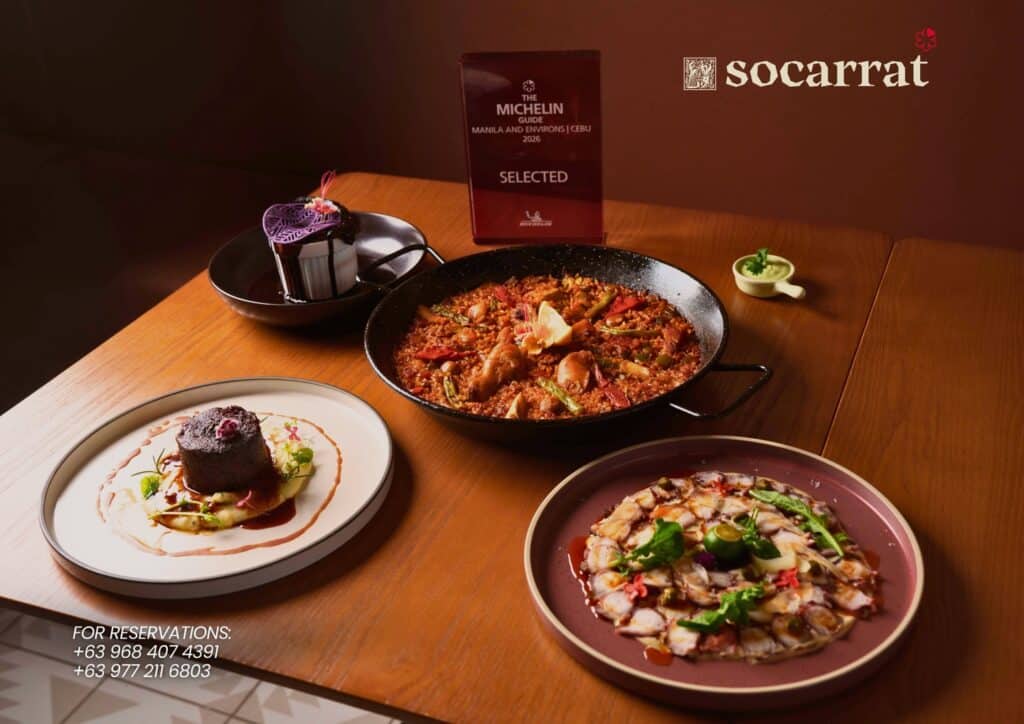
Great wood-fired paella isn’t about having the biggest fire. It’s about having control over the fire you have.
Keep the pan level. Build a strong bed of coals. Season the cooking liquid properly. Once the rice goes in, leave it alone. Then, when the rice is nearly cooked, give it just enough heat to create that crisp, caramelized layer underneath.
And remember: socarrat is not burnt rice. It’s the reward for knowing exactly how far to push the heat without going too far.
Get that part right, and the crispy bits at the bottom may become the most fought-over part of the entire meal.
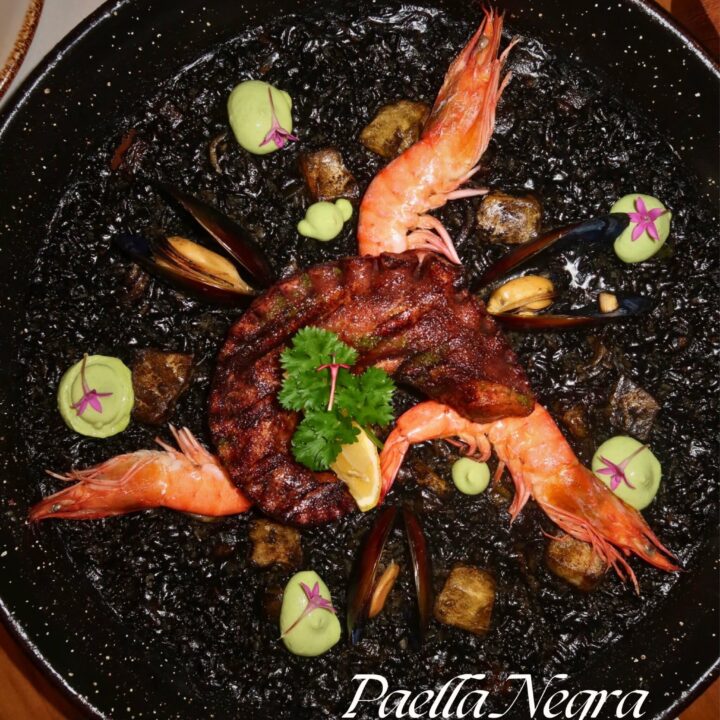
Wood-Fired Paella Socarrat Recipe
Image credit: @socarratcebu
Ingredients
- 2 cups paella rice
- 1 lb chicken thighs, cut into pieces
- 3 tbsp olive oil
- 1 small onion, chopped
- 3 garlic cloves, minced
- 2 tomatoes, grated or finely chopped
- 1 tsp smoked paprika
- 5 cups chicken stock
- 1 pinch saffron
- 1 cup green beans
- Salt, to taste
- Lemon wedges
Instructions
- Build a hot hardwood fire and allow it to develop a bed of glowing coals.
- Heat the paella pan and add olive oil. Brown the chicken.
- Add onion and green beans and cook until softened.
- Add garlic, tomato, and smoked paprika. Cook until the tomato mixture thickens.
- Pour in the stock and add saffron. Bring to a strong simmer.
- Add the rice and distribute it evenly.
- Do not stir the rice again. Maintain an even simmer while the stock is absorbed.
- Reduce the heat as the liquid disappears and the rice approaches doneness.
- Increase the heat briefly to develop the socarrat crust.
- Listen for crackling and watch for a golden-brown bottom. Remove from the fire before it burns.
- Rest for five minutes, then serve with lemon.
Featured image credit: @socarratcebu
