
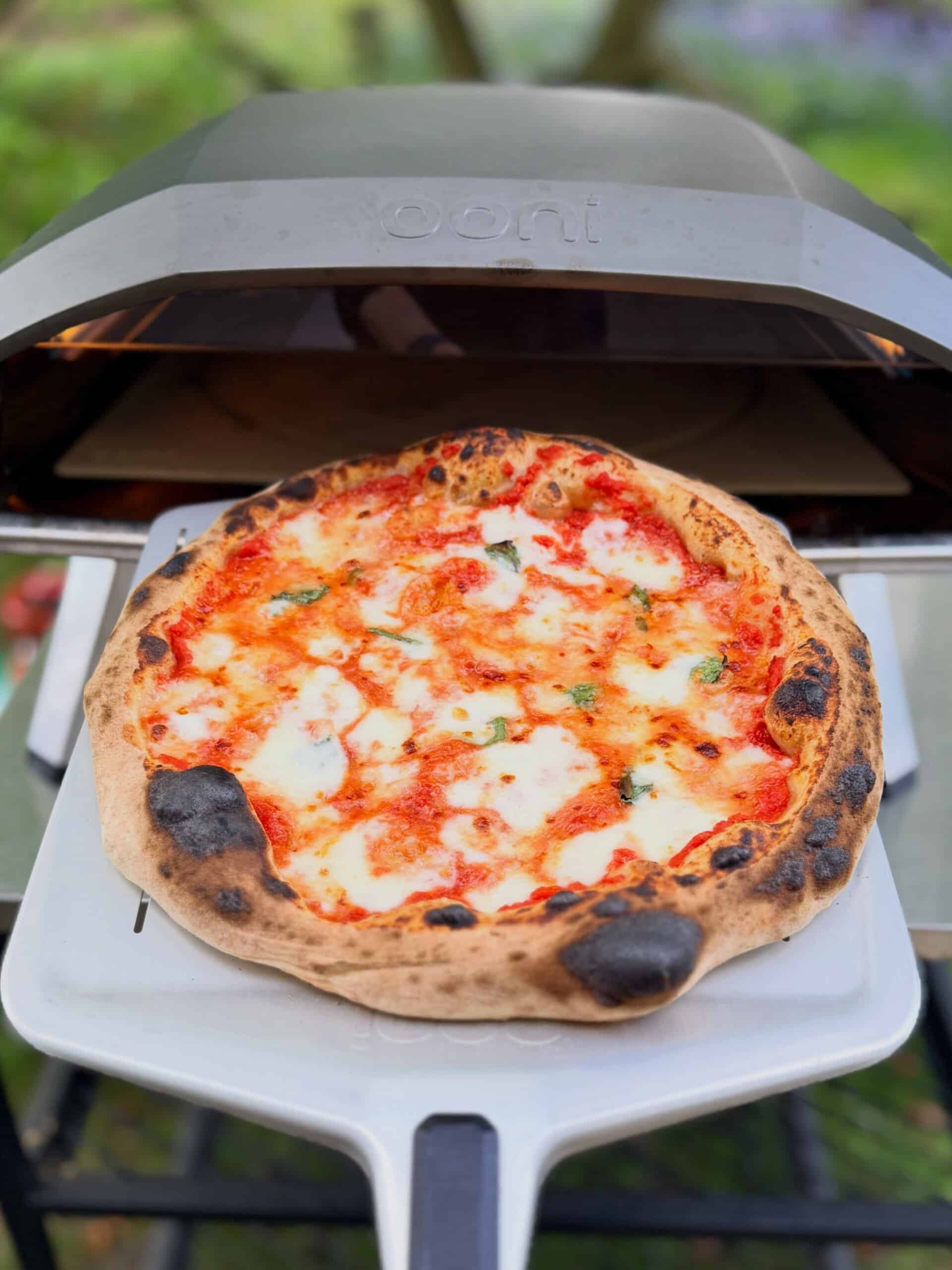
Let’s be honest for a second: the modern backyard pizza craze has turned perfectly reasonable adults into frantic, flour-dusted maniacs.
You buy a high-heat outdoor oven, launch your beautiful, painstakingly proofed dough onto a 900°F stone, and suddenly you are playing a high-stakes game of operation. You have roughly twelve seconds before the back edge transforms into radioactive charcoal.
Out comes the turning peel, in goes your hand, you attempt a graceful spin, and BAM – you’ve poked a massive hole right through the center, sending raw mozzarella straight into the inferno.
Outdoor pizza making shouldn’t feel like performing emergency open-heart surgery in a wind tunnel.
That frantic dancing around a scorching oven is precisely why the Mimiuo Manual-Rotate Gas Pizza Oven has been making waves across backyard cooking communities.
Instead of forcing you to master the delicate art of the turning peel, this unit introduces a built-in mechanism that lets you physically rotate the pizza stone from the outside.
But does this mechanical twist actually solve the dreaded hot-spot problem, or is it just another gimmick destined to end up in the back of your garage alongside your forgotten hot dog roller?
Let’s break down whether this unit is truly worth your hard-earned cash.
Key Specs & Unboxing
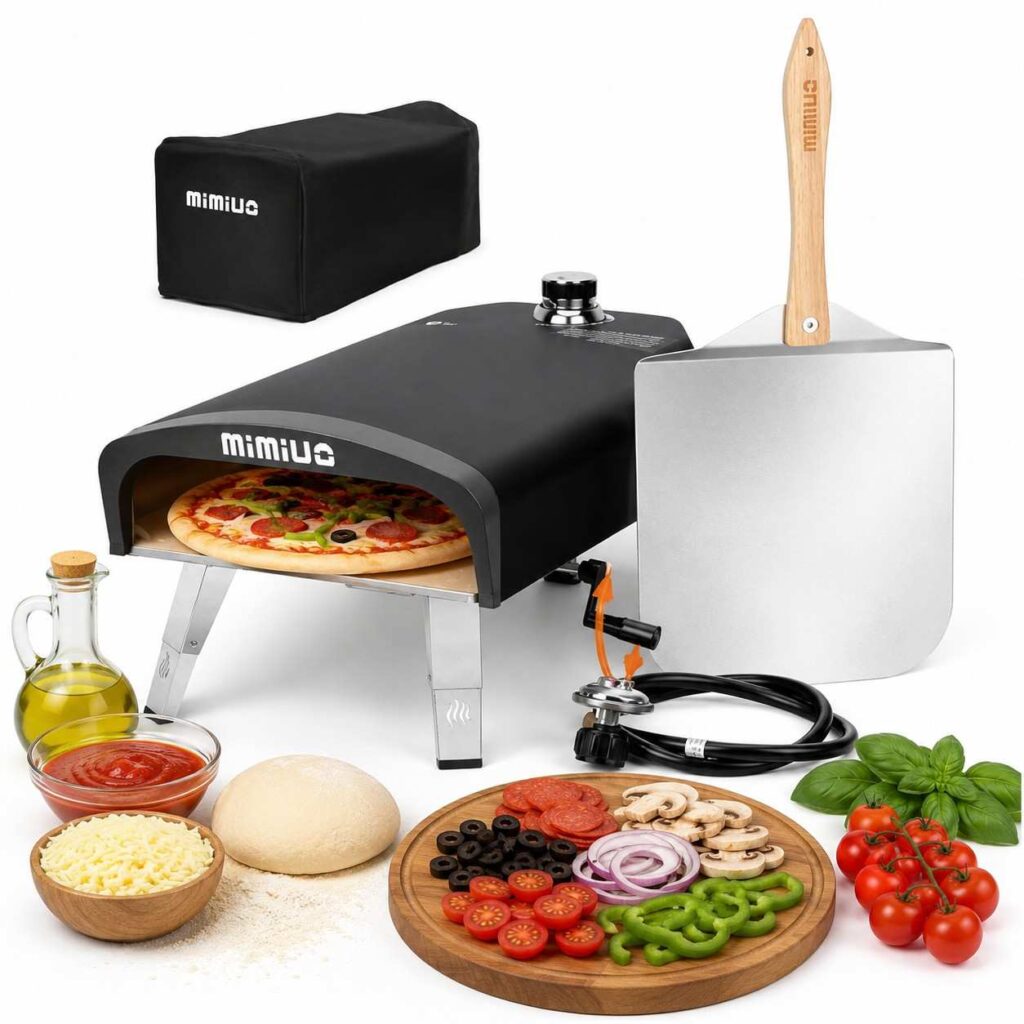
Out of the box, the Mimiuo presents a solid, streamlined footprint designed explicitly for portable high-heat outdoor cooking. It avoids unnecessary bulk, focusing instead on structural thermal efficiency and straightforward operation.
| Feature | Specification |
| Fuel Source | Liquid Propane (LPG) |
| Max Temperature | 932°F (500°C) |
| Pizza Stone | Round Cordierite (13-inch diameter) |
| Rotation Mechanism | External Manual Knob / System |
| Body Construction | Stainless Steel / High-Temp Powder-Coated Casing |
| Weight | ~30 lbs (highly portable) |
Unboxing the setup reveals an ultra-intuitive design. The unit comes mostly pre-assembled, saving you from a two-hour battle with microscopic screws and vague instruction manuals.
Inside the packaging, you’ll find:
- The main oven body featuring fold-out legs
- The round cordierite pizza stone
- The manual rotation control dial/handle
- A standard gas hose and regulator assembly
- A foldable aluminum pizza peel (a welcome inclusion for beginners)
The overall build quality feels remarkably sturdy. The outer shell uses heavy-gauge steel designed to withstand extreme thermal expansion without warping.
The fold-out legs click firmly into position, providing crucial ground clearance so you don’t melt your wooden patio table during a long cooking session.
How the Manual-Rotate Mechanism Works
The real headline feature here is the manual rotation system, and understanding why it exists requires looking at how standard portable gas ovens operate.
In a traditional compact gas pizza oven – like a standard Ooni – the flame runs along the back or side wall. Because the heat source is concentrated in one zone, the edge of the pizza closest to the flame cooks exponentially faster than the front.
To get an even bake, you are forced to retrieve the pie, manually rotate it on your peel, and relaunch it back onto the stone. Every time you open or reach into that oven cavity, cold air rushes in, dropping the ambient temperature and messing with your cook timing.
The Mimiuo solves this with an internal rotating platter connected to an external adjustment dial. Heat blows in from the rear burner, hits the round stone, and as you turn the dial, the stone spins 360 degrees directly over the front opening.
Why the Manual System Beats Electric Motors:
- Zero Power Cables Required: Motorized rotating ovens require a wall outlet or battery pack. A manual dial keeps the unit 100% portable, making it perfect for tailgating, camping, or cookouts deep in the backyard away from outlets.
- Total Speed Control: Mechanical motors turn at one fixed speed. With a manual dial, you control the rotation pace. Want to leave a pale spot facing the back flame for three extra seconds? You can stop and hold it precisely where you want.
- Fewer Electrical Failure Points: High heat and cheap electric gearmotors rarely stay friends for long. A purely mechanical gear drive eliminates electronics that could fry after exposure to 900°F heat.
Real-World Performance & Testing
Fire up the propane burner, and the oven roars to life with a clean, blue flame that wraps across the roof of the interior dome.
Preheat Dynamics & Stone Heat
Reaching high heat takes roughly 15 to 20 minutes.
Using an infrared thermometer, the center of the cordierite stone consistently measures right around 880°F to 910°F, while the ambient air near the top ceiling easily tops the 930°F mark.
The round stone absorbs energy efficiently, though keeping the burner on high during preheat is crucial to store maximum thermal energy in the cordierite floor.
The Neapolitan Bake Test
Launching a fresh 12-inch dough loaded with crushed San Marzano tomatoes and fresh mozzarella into a 900°F cavern is usually where stress levels peak. With the Mimiuo, the workflow changes completely:
- Launch the Pie: Set the pizza dead-center on the round stone and set your turning peel aside.
- Engage the Dial: Within 15 seconds, once the crust takes its initial structure, give the external knob a smooth, slow turn.
- Observe the Rise: As the stone spins, the pizza rotates continuously through the intense rear heat zone without ever leaving the oven.
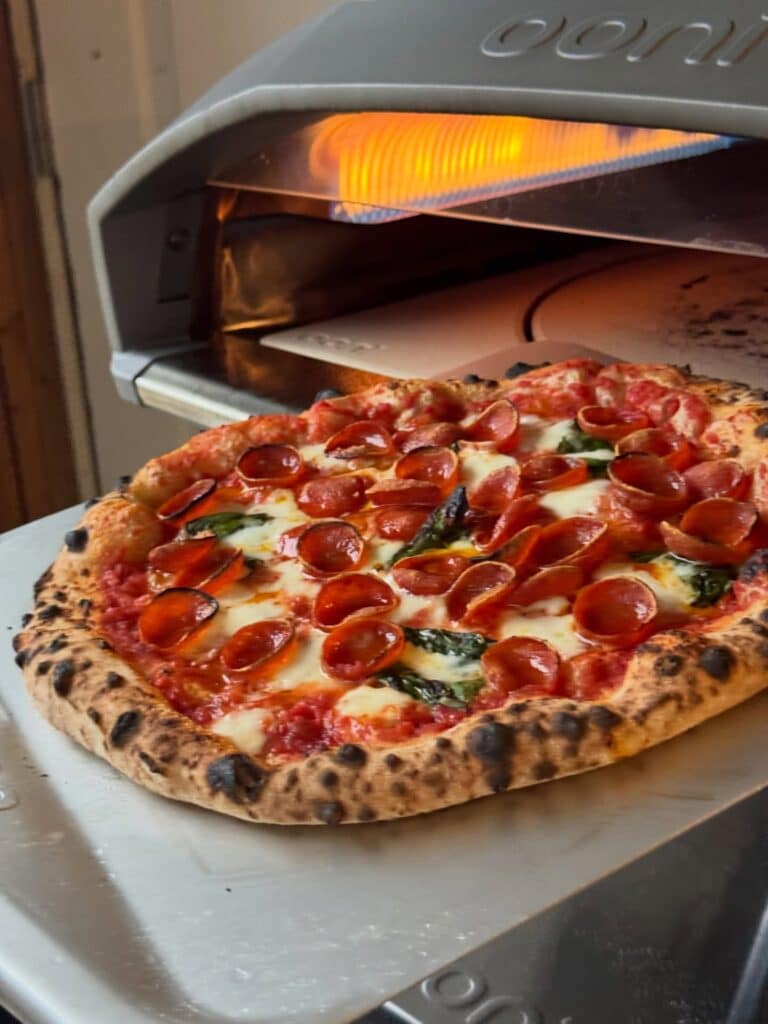
- Finish the Top: In roughly 75 to 90 seconds, you retrieve a pie with textbook leopard-spotting along the crust, perfectly blistered edges, melted cheese, and zero burnt edges.
The bottom undercarriage comes out crisp with distinct micro-blisters, proving that the cordierite stone retains heat exceptionally well even while moving.
Versatility Beyond Pizza
High heat isn’t just for dough. Crank the dial down to medium, slide in a preheated cast-iron skillet, and the oven transforms into a high-temperature sear box. Skirt steaks, garlic butter shrimp, and blistered shishito peppers cook incredibly fast.
The rotation feature even comes in handy here, allowing you to spin the skillet to ensure butter and juices baste your protein evenly without you having to yank a scorching pan out of the flames.
Pros and Cons
Pros
- Eliminates Peel Frustration: You don’t need years of dexterity training to bake perfectly round, evenly cooked pizzas.
- Exceptional Temperature Control: The combination of top-dome flame reflection and a moving stone eliminates dangerous cold spots.
- True Portability: No power cords, heavy battery packs, or complex electronics required.
- Heavy-Duty Cordierite: The included round stone resists thermal shock and holds heat for back-to-back bakes.
- Budget-Friendly: Offers high-end cooking mechanics at a price point well below many premium competitors.
Cons
- Requires Active Hands-On Attention: Because the rotation is manual, you cannot walk away during a 60-second bake. You are the motor.
- Learning Curve on Turn Speed: Turning the dial too quickly can cause lightweight toppings to slide if your launch wasn’t centered.
- Single Pizza Capacity: At 13 inches max stone size, this unit is built exclusively for personal-sized 12-inch pies.
Mimiuo vs. The Competition
How does the Mimiuo stack up against the broader outdoor pizza oven market? When shopping in this space, buyers usually cross-shop between fixed-stone models like the Ooni Koda 12 or motorized alternatives like the Chefman.
| Feature | Mimiuo Manual-Rotate | Ooni Koda 12 | Standard Motorized Oven |
| Stone Style | Rotating Cordierite | Fixed Square Cordierite | Motorized Rotating |
| Power Source | Propane Only | Propane Only | Propane + Outlet/Batteries |
| Ease of Turning | High (External Dial) | Low (Requires Turning Peel) | High (Automated) |
| Portability | High | High | Moderate (Heavy/Cables) |
| Price Point | Value / Mid-Tier | Premium | High |
While an Ooni brand name carries massive clout, its stationary stone forces you to purchase a specialized turning peel and develop proper turning technique.
On the flip side, fully motorized ovens solve the manual labor part, but they trap you near electrical outlets and add mechanical components that can fail down the line.
The Mimiuo sits squarely in the sweet spot: maximum control with zero electrical dependency.
Altitude & Wind: Master Fire Control in Harsh Conditions
Outdoor pizza ovens throw temperature tantrums when sudden gusts hit your patio.
Because the Mimiuo features an open front mouth to facilitate its manual-rotation mechanism, strong crosswinds can easily push the flame backward or leach essential ambient heat away from the upper dome.
Dialing in fuel pressure and windbreaks becomes your primary defense line:
- Positioning the Opening: Angle the oven mouth perpendicular to crosswinds to preserve flame stability and lock in dome heat.
- Accounting for Altitude: Thinner mountain air alters propane-to-oxygen combustion ratios, requiring precise control.
- Regulator Adjustments: Micro-adjusting the gas regulator knob keeps flames crisp, blue, and locked right at that golden 900°F threshold.

The Hydration Sweet Spot: Matching Dough Mechanics to a Rotating Stone
High-heat cooking on a moving ceramic platter introduces unique friction dynamics that static stones never worry about.
Launching a heavy, wet 72% hydration dough onto a spinning surface can easily cause the crust to drag, warp, or spill toppings over the edge.
Achieving the right balance comes down to two key factors:
- Aim for 62%–65% Hydration: This creates enough internal moisture for rapid dough expansion while maintaining the structural integrity needed during early rotation cycles.
- Use Tipo 00 Flour: High-protein, finely milled Tipo 00 flour ensures maximum gluten elasticity, setting the bottom shell within 10 seconds of contact so your pie glides smoothly without sticking or tearing.
Cold Weather Pizza: Cooking Through Winter Frost
Chilly autumn nights and winter afternoons shouldn’t force your outdoor kitchen into hibernation, but cold ambient air drastically impacts thermal performance. Combating cold-weather thermal drop requires a modified preheating routine:
- Gradual Warmup: Allow the burner to idle on low for five minutes before cranking to full throttle, preventing thermal shock from snapping your cordierite stone.
- Insulate the Tank: Cold propane tanks suffer from pressure drops as liquid gas struggles to vaporize in freezing temps.
- Maintain BTU Output: Storing your tank indoors until launch time ensures a steady gas flow rate even with snow on the ground.
The Science of Pyrolysis: Deep Stone Recovery Secrets
After slinging multiple pies back-to-back, residual flour, melted mozzarella, and charred tomato sauce inevitably coat your cooking floor. Cleaning moving parts requires a smarter touch than scraping away at static metal.
Exploiting high-temperature thermal pyrolysis transforms sticky organic debris into harmless carbon dust:
- Burn Off the Residue: Leave the burner running on high for ten minutes after cooking while occasionally turning the dial to incinerate stubborn grease into fine white ash.
- Brush It Clean: Brushing the stone with a brass-bristle brush once fully cooled leaves a pristine, restored cordierite surface prepped for your next bake.
Beyond Pizza: Baking Artisan Sourdough Boules and Flatbreads
Limiting a high-heat outdoor oven strictly to Neapolitan pies ignores half of its culinary potential. Repurposing the rotating chamber for artisan bread unlocks incredible oven spring and blistering crusts usually reserved for commercial deck ovens.
Utilizing indirect ambient heat transfer transforms your setup through simple temperature adjustments:
- Lower the Temp: Bring the stone to 500°F and set the burner to its absolute lowest flame setting to bake pita bread, flatbreads, and rustic sourdough boules.
- Rotate for Control: The manual dial lets you gently turn delicate doughs away from direct flame exposure, preventing scorched edges while achieving an even, golden-brown bake.
The No-Mess Launch: Mastering Alternative Dusting Agents
Raw dough clinging to a launch peel is every cook’s worst nightmare, often leading to bunched-up crusts or spilled ingredients catching fire on the stone. Selecting the ideal launch lubricant prevents messy disasters before your pie ever touches the heat:
- Ditch All-Purpose Flour: Standard flour burns quickly and creates bitter, acrid smoke inside the dome.
- Use Durum Wheat Semolina: Coarsely ground semolina acts like tiny ball bearings, withstanding extreme heat without scorching instantly.
- Add Rice Flour: Blending rice flour with semolina creates an even slicker release, guaranteeing clean, stress-free launches every time.
Care, Maintenance, and Longevity
Keeping an outdoor oven running smoothly over several seasons requires basic, straightforward maintenance.
Stone Cleaning (Pyrolysis)
Never use soap or water on a cordierite pizza stone – porous ceramic absorbs moisture and will crack under extreme heat. Instead, let high heat do the dirty work.
After cooking, crank the burner to high for 10 minutes. The extreme temperature burns off spilled sauce or cheese, converting debris into fine ash that brushes off easily once cooled.
Mechanical Maintenance
Periodically inspect the underside gear mechanism connected to the rotating dial. Keep it clean of loose flour accumulation or outdoor grit. A quick wipe with a dry cloth after the unit cools down ensures the gears engage smoothly without slipping.
Weather Protection
Though the powder-coated exterior resists corrosion, storing the unit indoors or under a dedicated weatherproof cover prevents moisture from building up inside the burner tube or rusting the gear linkages.
Top 3 Alternatives to Consider
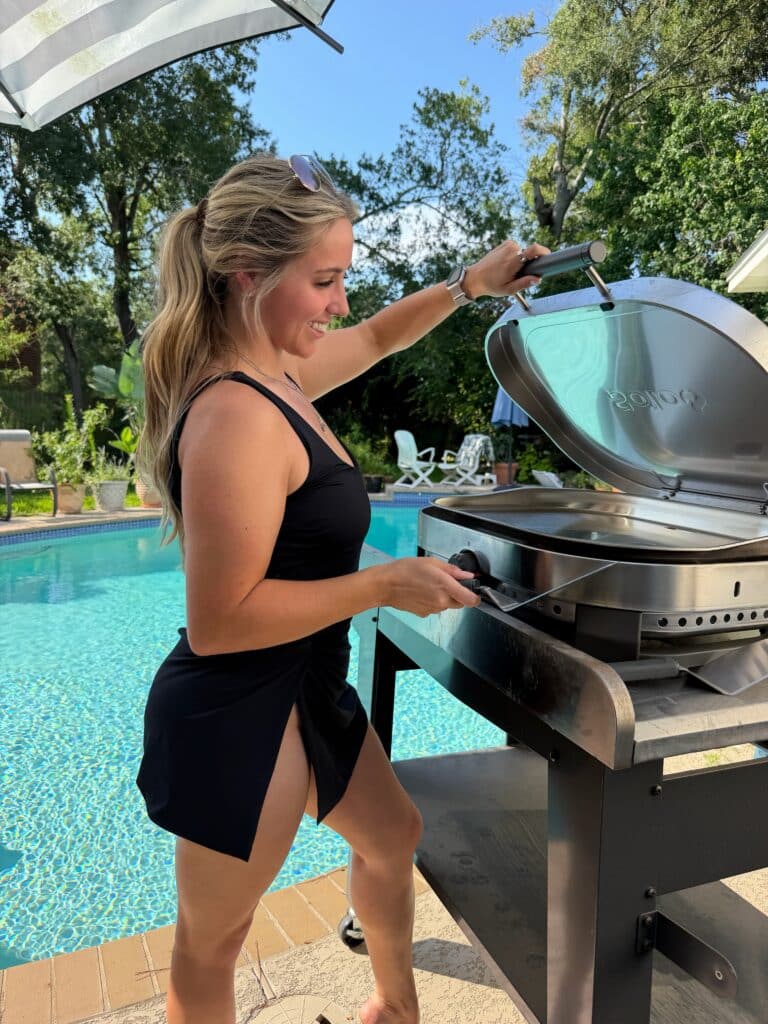
1. Best Outdoor Value & Panoramic View: Solo Stove Pi Prime
The Solo Stove Pi Prime features a panoramic front opening and a demi-dome airflow design that delivers consistent propane heat up to 750°F+.
- Fuel Source: Propane (LPG)
- Rotation: Stationary stone (requires a turning peel)
- Key Advantage: The wide front opening gives you maximum visibility and extra room to maneuver your turning peel easily.

2. Best Pro-Grade Build: Gozney Roccbox
The Gozney Roccbox offers restaurant-grade construction with a thick cordierite floor, safe-touch silicone jacket, and a detachable gas burner with dual-fuel capability.
- Fuel Source: Propane (includes optional wood burner attachment)
- Rotation: Stationary stone
- Key Advantage: Superior heat retention and heavy-duty insulation that maintains stone temp across back-to-back bakes.
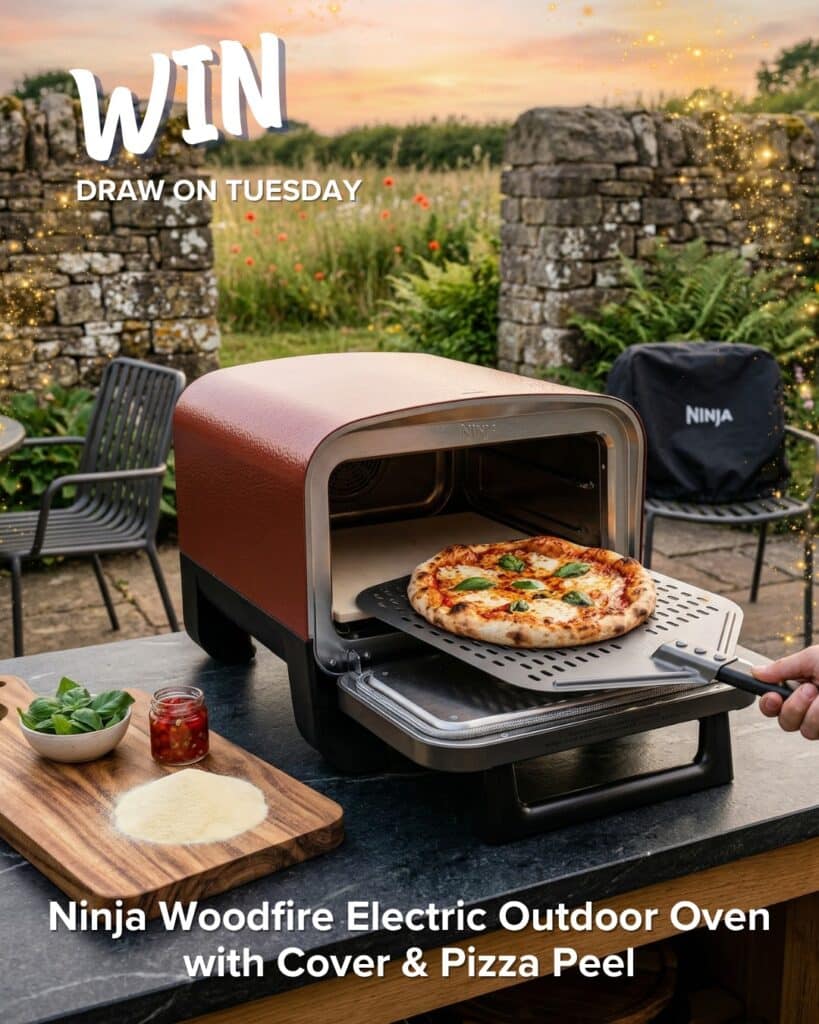
3. Best High-Tech & Versatile Option: Ninja Woodfire Outdoor Oven
The Ninja Woodfire Outdoor Oven delivers 8-in-1 electric versatility up to 700°F with an integrated smoke box for real woodfire flavor.
- Fuel Source: Electric + Wood pellets (for flavor only)
- Rotation: No manual turning needed due to precise temperature control
- Key Advantage: Completely eliminates flame flare-ups and manual peel rotation while allowing you to bake, roast, and smoke.
The Final Verdict
If you’ve been sitting on the fence about stepping into the high-heat pizza game because the learning curve looks intimidating, the Mimiuo Manual-Rotate Gas Pizza Oven is an absolute home run.
It strips away the most frustrating aspect of homemade Neapolitan pizza – the delicate, nerve-wracking turning peel dance – without robbing you of the fun of live-fire cooking. The rotation system is simple, reliable, and completely unplugged.
For backyard cooks who want restaurant-quality, blistered crusts without burning half their dinner in the process, this unit delivers real performance that easily justifies the hype.
Frequently Asked Questions (FAQ)
Q: Can I turn the Mimiuo pizza stone automatically with an electric motor?
A: No, the Mimiuo features a completely manual rotation mechanism operated via an external dial. This design eliminates the need for power cords, batteries, or delicate electric gearmotors, keeping the oven 100% portable for off-grid cooking and tailgating.
Q: How long does the Mimiuo Gas Pizza Oven take to preheat?
A: It takes roughly 15 to 20 minutes to reach optimal cooking temperatures. Using an infrared thermometer, the center of the cordierite stone should read between 880°F and 910°F before launching your first pizza.
Q: What size pizzas can I cook in this oven?
A: The oven is equipped with a 13-inch round cordierite stone, making it ideal for standard 12-inch personal pizzas, flatbreads, or small cast-iron skillets.
Q: How do I clean the rotating pizza stone without damaging the mechanism?
A: Never use soap, water, or chemical cleaners on the cordierite stone.
Instead, clean it using thermal pyrolysis: leave the oven on high for 10 minutes after cooking to burn off spills, then brush away the remaining fine ash with a brass-bristle brush once the unit completely cools down.
Q: Can I use wood chips or pellets in the Mimiuo to add smoke flavor?
A: No, this unit is engineered exclusively to run on Liquid Propane (LPG). Attempting to burn wood chips, pellets, or charcoal inside the gas chamber can clog the burner apparatus and damage the internal rotating gear linkages.
Q: How do I prevent my pizza dough from sticking to the peel or stone?
A: Use a 62%–65% hydration dough made with Tipo 00 flour and dust your launch peel with coarsely ground durum wheat semolina or a semolina/rice flour blend.
Semolina acts like tiny ball bearings, letting the dough glide effortlessly onto the spinning stone without burning or creating bitter smoke.
Featured image credit: @dough_and_behold
