
Buying a BBQ grill feels a little like shopping for a pickup truck.
Every model looks shiny under the showroom lights, every manufacturer promises impressive performance, and every sales tag claims you’re getting the “ultimate grilling experience.”
Then six months later, one grill still cooks juicy steaks while another has rust spots, uneven heat, and a burner that sounds like it’s trying to launch into orbit.
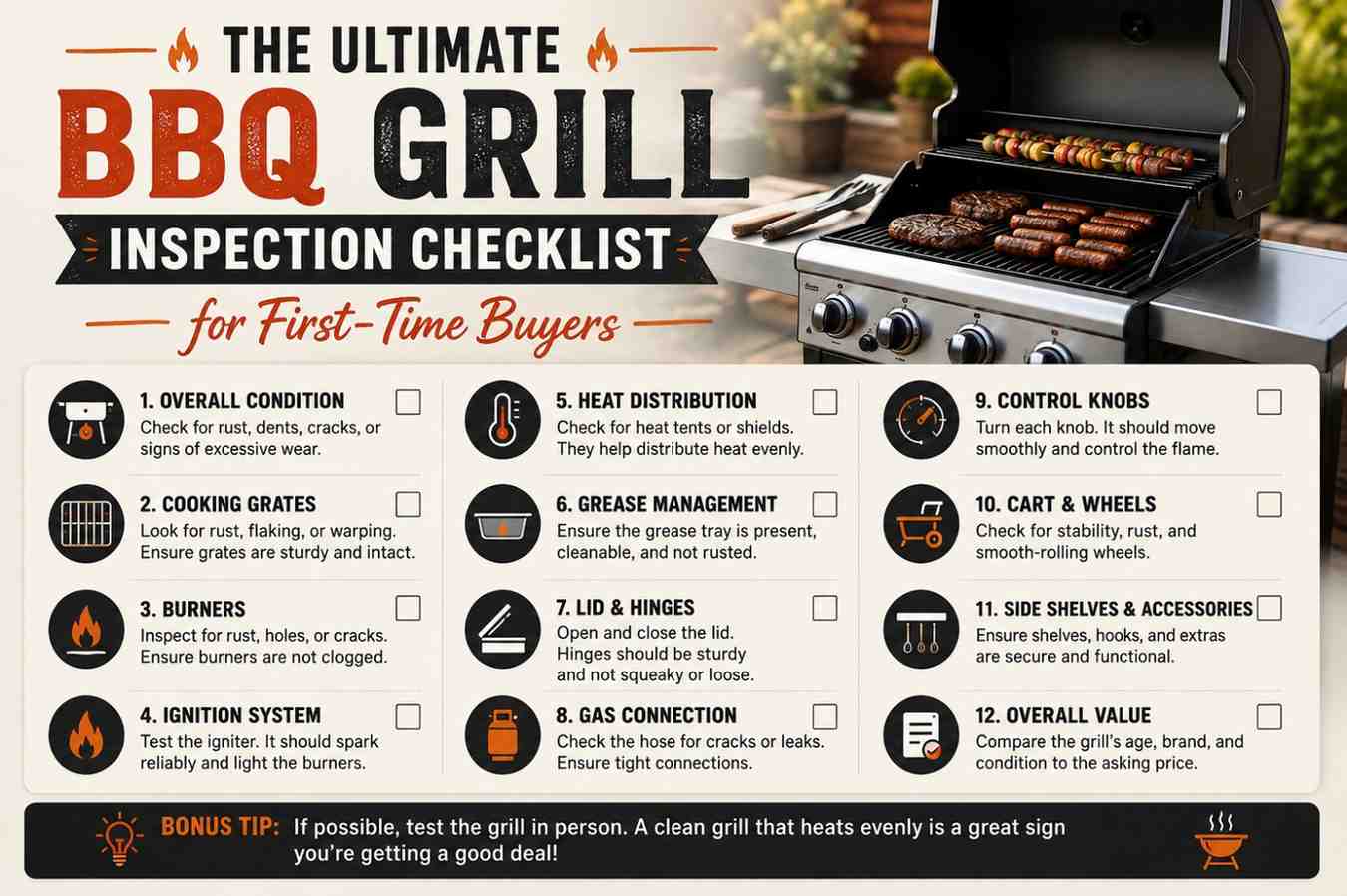
That’s exactly why a BBQ Grill inspection checklist matters.
A grill isn’t just another backyard accessory. It’s the centerpiece of weekend cookouts, family celebrations, and those spontaneous evenings when burgers somehow taste better outdoors.
Choosing the right one means looking beyond polished stainless steel and flashy features. The real quality hides in the construction, materials, and details that many first-time buyers overlook.
One of the funniest things about shopping for grills is watching people repeatedly open and close the lid like they’re testing the door on a luxury car.
While that certainly makes for entertaining showroom behavior, the lid is only one piece of a much bigger puzzle.
This guide walks you through exactly what to inspect before spending your money, helping you separate durable grills from expensive disappointments. By the end, you’ll know how to evaluate build quality, cooking performance, safety, and long-term value with confidence.
After all, the best BBQ grill isn’t always the most expensive one – it’s the one built to keep cooking season after season.
Why Inspecting a BBQ Grill Before Buying Matters
A grill can last anywhere from three years to well over fifteen. The difference often comes down to what you inspect before bringing it home.
Skipping a careful inspection is a little like buying hiking boots without checking the soles. They might look fantastic sitting on the shelf, but problems reveal themselves once the real work begins.
Better Value for Your Money
Price tags don’t always reflect quality.
Some mid-range grills outperform premium models simply because manufacturers invested in better materials instead of extra gadgets.
Rather than paying for flashy LED knobs or Bluetooth apps you’ll rarely use, look for features that improve longevity:
- Heavy-duty construction
- Quality stainless steel components
- Reliable burners
- Solid cooking grates
Those upgrades continue paying off years after the novelty of colored lights wears off.
Improved Cooking Performance
Even heat is the secret behind consistently great barbecue.
Nobody wants burgers that are burned on one side while the other still looks like it needs another passport stamp before it’s fully cooked.
A quality grill distributes heat evenly across the cooking surface, allowing you to:
- Cook multiple foods simultaneously
- Prevent hot spots
- Reduce flare-ups
- Achieve predictable results
Consistency turns backyard cooking from guessing into confidence.
Longer Grill Lifespan
Outdoor cooking equipment lives a rough life.
Rain.
Sun.
Wind.
Grease.
Smoke.
Temperature swings.
The grill handles it all.
Quality construction resists corrosion, warping, and loose components, helping your investment survive years of weekend feasts instead of becoming curbside recycling after a few seasons.
Enhanced Safety
Safety rarely appears on the feature list, but it should.
A sturdy grill minimizes risks by offering:
- Stable legs that won’t wobble
- Secure gas connections
- Reliable ignition systems
- Strong wheels with locking mechanisms
- Proper ventilation
Nothing ruins dinner faster than chasing a rolling grill across the patio. Surprisingly, they’re faster than they look.
Know the Different Types of BBQ Grills Before Inspecting
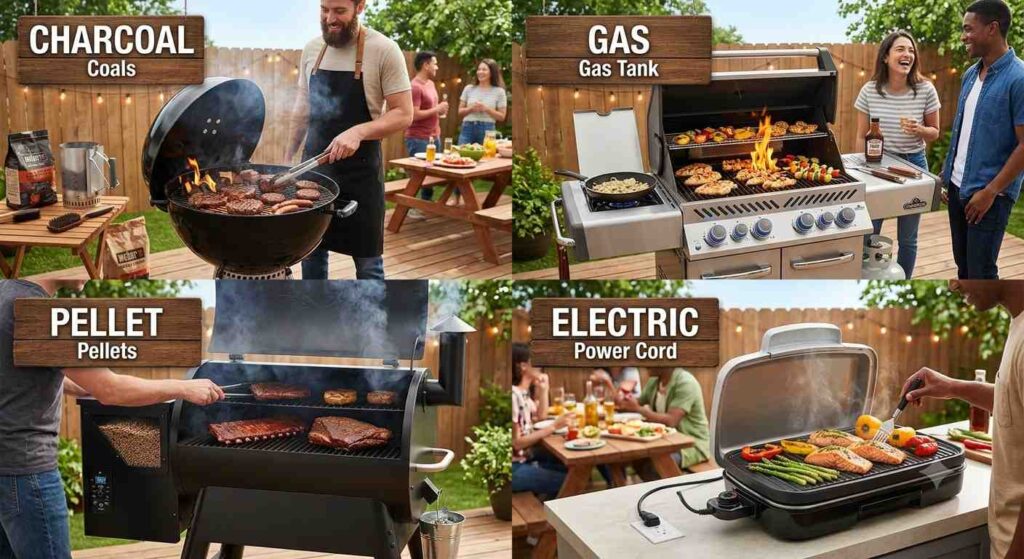
Every grill has strengths and weaknesses. Understanding what each type is designed to do helps you inspect it more effectively.
Gas Grills
Gas grills remain the most popular choice for everyday cooking. Turn a knob, press the ignition, and you’re usually cooking within minutes. Their convenience makes them perfect for busy families and frequent grillers.
When inspecting a gas grill, pay close attention to:
- Burner quality
- Ignition reliability
- Heat distribution
- Control knobs
- Propane storage area
Many first-time buyers focus only on the number of burners. More burners can be useful, but burner quality matters far more than burner quantity.
Charcoal Grills
Ask ten barbecue enthusiasts which fuel creates the best flavor, and nine will passionately defend charcoal. The tenth is probably busy tending a smoker.
Charcoal grills deliver that unmistakable smoky taste many people associate with authentic barbecue.
Inspection priorities include:
- Air vents
- Ash collection system
- Lid fit
- Fire bowl thickness
- Cooking grate quality
Thin steel eventually warps under repeated high temperatures, making temperature control increasingly difficult.
Pellet Grills
Pellet grills combine traditional wood-fired flavor with modern technology. Instead of constantly managing a fire, digital controls regulate temperatures automatically.
They’re excellent for:
- Smoking
- Roasting
- Slow cooking
- Baking
- Traditional grilling
Inspect:
- Hopper capacity
- Pellet feed system
- Temperature controller
- Auger mechanism
- Weather-resistant electronics
Digital features should enhance reliability – not become another thing that needs troubleshooting.
Electric Grills
Electric grills work well for apartments, balconies, and locations where gas or charcoal isn’t practical.
Although they’re generally simpler, inspection still matters.
Look closely at:
- Heating element quality
- Temperature controls
- Power cord durability
- Grease management
- Overall stability
Good electric grills should feel sturdy rather than lightweight and flimsy.
The Ultimate BBQ Grill Inspection Checklist
Now comes the fun part.
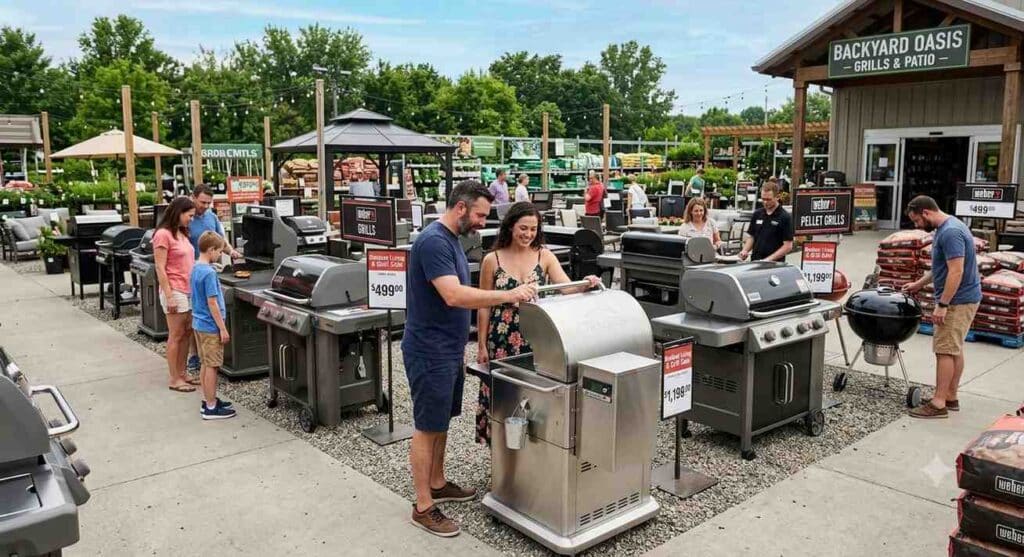
Think of this section as your shopping companion – the BBQ Grill inspection checklist you’ll mentally carry every time you compare models.
Instead of getting distracted by polished finishes or oversized side shelves, focus on the features that truly determine performance and durability.
1. Examine the Overall Build Quality
The first impression matters – but the second inspection matters even more.
Walk around the grill slowly.
Open every door.
Lift the lid.
Touch the shelves.
Give the frame a gentle shake.
A quality grill should feel solid and stable, not loose or rattly.
Check the Materials
Not all stainless steel is created equal.
Higher-grade stainless steel offers:
- Better rust resistance
- Easier cleaning
- Longer lifespan
- Improved appearance
Painted steel may look identical on day one, but exposure to moisture and heat often reveals its weaknesses over time.
Inspect the Welds
Look at every visible joint.
Good welds should appear:
- Smooth
- Consistent
- Strong
- Free from gaps
Messy welds can indicate rushed manufacturing.
Think of welds like stitching on a baseball glove. Clean craftsmanship usually reflects better overall quality.
Test for Rigidity
Place your hands on opposite sides of the grill and gently apply pressure. A premium grill barely moves.
A poorly built one may wobble enough to make you wonder whether it secretly doubles as exercise equipment.
Key Takeaway: A sturdy frame is the foundation of every reliable grill. Everything else depends on it.
A beautiful grill can grab your attention from across the store, but the parts that actually cook your food deserve far more scrutiny than the shiny exterior. This is where your BBQ Grill inspection checklist starts separating dependable grills from expensive patio decorations.
A good rule to remember is simple: anything exposed to high heat every time you cook should be built to last. Let’s keep moving down the checklist.
2. Check the Cooking Grates
Cooking grates are where every steak, burger, rack of ribs, and vegetable skewer spends its time. They’re also one of the first components to show signs of poor quality.
Pick up the grate if the display allows it. A heavier grate usually indicates better heat retention, while a lightweight grate often loses heat quickly and wears out faster.
Compare Common Grate Materials
Not every material performs the same, so knowing the differences can save you frustration later.
Cast Iron Grates
Many grilling enthusiasts swear by cast iron, and for good reason.
Benefits include:
- Excellent heat retention
- Beautiful sear marks
- Even cooking temperatures
The trade-off? Cast iron needs regular maintenance. Leaving it wet after cleaning can invite rust faster than you can say, “Who forgot to cover the grill?”
Seasoning the grates occasionally with cooking oil keeps them protected and performing at their best.
Stainless Steel Grates
Stainless steel is the dependable workhorse.
These grates are:
- Rust-resistant
- Easy to clean
- Low maintenance
- Durable over many years
Look for thicker stainless rods rather than thin wire-style grates. Thicker grates hold heat longer and resist bending under high temperatures.
Porcelain-Coated Grates
Porcelain-coated grates combine easier cleanup with good cooking performance. However, inspect the coating carefully.
Watch for:
- Chips
- Cracks
- Uneven coating
- Sharp edges
Once the porcelain coating chips away, the metal underneath becomes vulnerable to rust.
Key Takeaway: Choose thick, well-built cooking grates. They influence cooking performance more than many buyers realize.
3. Inspect the Burners (Gas Grills)
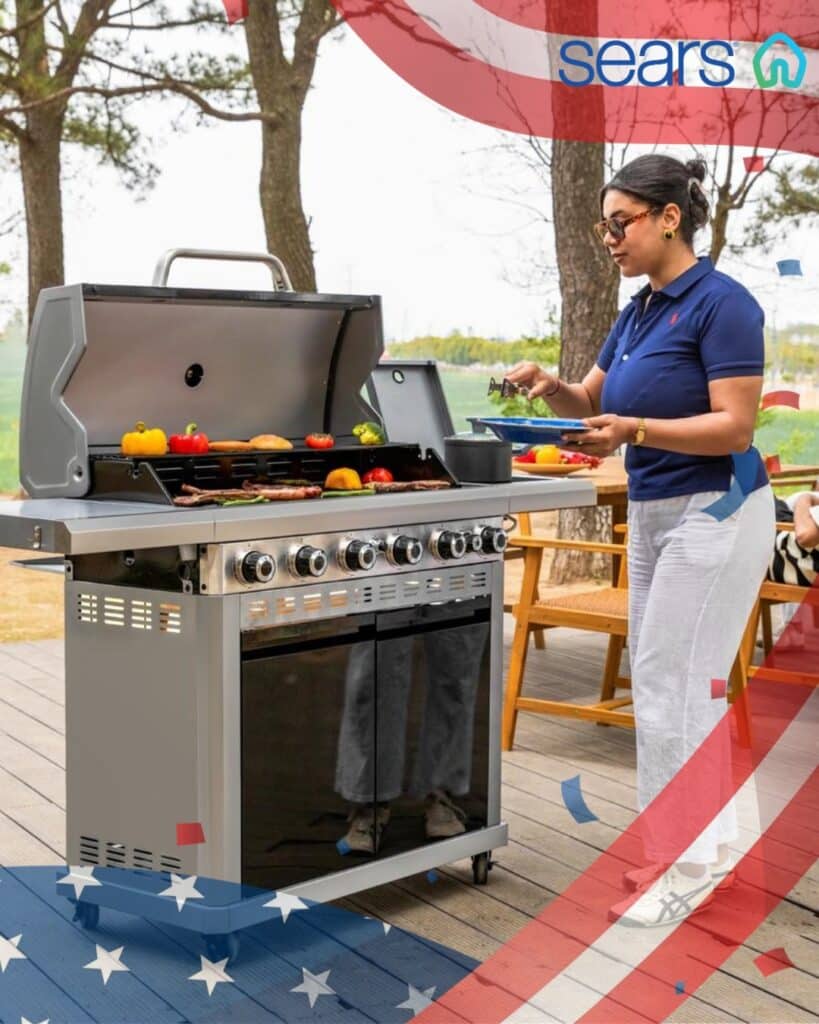
Burners are the heart of every gas grill.
You can have beautiful shelves, premium wheels, and polished stainless steel everywhere else, but poor burners mean poor barbecue.
When inspecting burners, ignore the marketing slogans for a moment and focus on quality.
Check the Burner Material
Look for burners made from:
- Stainless steel
- Cast stainless steel
- Brass (on premium models)
Avoid burners that feel thin or flimsy. They experience extreme temperatures every time you cook, so durability matters.
Examine Burner Design
Good burners should appear evenly spaced beneath the cooking surface.
This helps produce consistent heat across the grill, reducing frustrating hot and cold spots.
Uneven burner placement often results in burgers cooking at two different speeds on the same grate.
Nobody enjoys playing “musical burgers” every few minutes.
Test the Flame (When Possible)
Many retailers have demonstration models. Observe the flame carefully.
You’re looking for:
- Steady blue flames
- Even flame height
- Quick ignition
Yellow or orange flames can indicate poor combustion or burner issues.
Check Burner Protection
Burners shouldn’t sit completely exposed.
Look for:
- Heat tents
- Flame tamers
- Burner covers
These components protect burners from grease drippings while also helping distribute heat more evenly.
Key Takeaway: Quality burners deliver consistent temperatures and often determine how enjoyable your grill is to use over the years.
4. Test the Lid
Many shoppers lift the lid once, nod approvingly, and move on. Slow down. The lid tells you a surprising amount about overall construction quality.
Feel the Weight
A quality lid should feel substantial. It shouldn’t slam shut under its own weight, nor should it feel paper-thin.
Heavier lids typically:
- Hold heat better
- Maintain cooking temperatures
- Improve fuel efficiency
- Produce more consistent results
Think of the lid as the roof of your outdoor oven.
Check the Seal
Close the lid gently. Look for large gaps around the edges. A tight-fitting lid helps trap heat and smoke where they belong.
Poor sealing can lead to:
- Heat loss
- Longer cooking times
- Greater fuel consumption
- Less consistent cooking
Inspect the Handle
Grab the handle firmly. It should feel secure without flexing. Loose handles become annoying surprisingly quickly, especially when you’re juggling a tray of burgers with your other hand.
Built-In Thermometer
Many grills include an integrated thermometer.
While these aren’t laboratory instruments, they should be:
- Easy to read
- Positioned clearly
- Firmly installed
Many experienced grillers eventually use digital thermometers for greater accuracy, but a readable lid thermometer is still useful for monitoring overall grill temperature.
Key Takeaway: A well-built lid improves heat retention, cooking efficiency, and fuel economy.
5. Look at Heat Distribution Features
This is one area many first-time buyers completely overlook. A grill doesn’t simply create heat.
It needs to spread that heat evenly across the cooking surface.
Without proper heat distribution, you’ll constantly shift food around trying to avoid scorching one side while undercooking the other.
Heat Plates
Located above the burners, heat plates help spread heat evenly. They also reduce grease dripping directly onto open flames.
Inspect them for:
- Heavy construction
- Proper positioning
- Full burner coverage
Thin heat plates can warp after repeated use.
Flame Tamers
Flame tamers serve two important jobs.
They:
- Reduce flare-ups
- Promote even cooking temperatures
Flare-ups happen when grease ignites over direct flames.
While they occasionally add flavor, constant flare-ups usually create burned food instead of perfectly grilled meals.
Nobody proudly serves “charcoal-flavored chicken” when it wasn’t intentional.
Heat Diffusers
Some premium grills include dedicated heat diffusers.
These components further improve temperature consistency by spreading heat across the cooking chamber.
They’re especially valuable when preparing delicate foods like fish or vegetables that require steady temperatures.
Perform a Visual Inspection
Stand back and look beneath the cooking grates. The internal layout should appear organized rather than crowded or uneven. Well-designed heat management systems reflect thoughtful engineering.
Manufacturers that invest time in hidden components often invest similar care throughout the rest of the grill.
Key Takeaway: Even heat distribution makes grilling easier, reduces burned food, and improves every meal you cook.
A Quick Mid-Inspection Recap
By this point in your BBQ Grill inspection checklist, you’ve evaluated the components that have the greatest impact on cooking performance.
Before moving on, make sure your potential grill checks these important boxes:
✔️ Solid, sturdy frame with quality construction
✔️ Durable cooking grates made from reliable materials
✔️ High-quality burners that provide even heat
✔️ Heavy, well-sealed lid with a secure handle
✔️ Effective heat distribution system with flame tamers or heat plates
Missing one feature isn’t necessarily a deal-breaker. Missing several is a strong signal to keep shopping.
Remember, great barbecue isn’t made by fancy gadgets – it’s made by a grill that performs consistently every single time you fire it up. The bells and whistles are fun, but they’ll never make up for uneven heat or flimsy construction.
By now, you’ve inspected the parts that directly affect cooking performance. That’s a huge step in choosing a quality grill, but don’t wheel it to the checkout just yet.
Some of the most expensive problems don’t show up until after you’ve owned the grill for a few months. A sticky ignition, wobbly cart, or impossible-to-find replacement parts can turn the excitement of your first cookout into a weekend full of frustration.
Let’s finish the BBQ Grill inspection checklist by looking at the features that determine how enjoyable your grill will be long after the first burger hits the grate.
6. Inspect the Ignition System
Nobody wants to spend five minutes clicking an ignition button while their guests politely pretend not to notice.
A reliable ignition system should light the burners quickly and consistently.
Test the Ignition
When possible, ask a salesperson if you can test the display model.
A quality ignition system should:
- Light within one or two clicks
- Ignite burners consistently
- Feel responsive
- Require minimal effort
Repeated clicking without ignition could indicate poor-quality components or alignment issues.
Know the Different Ignition Types
Most modern gas grills use one of these systems:
Piezo Ignition
- Doesn’t require batteries
- Simple and reliable
- Long lifespan
Electronic Ignition
- Faster startup
- Often ignites multiple burners simultaneously
- May require occasional battery replacement
Neither system is automatically better than the other. Reliability matters far more than the technology behind it.
Inspect the Wiring
Take a quick look beneath the control panel.
Wiring should appear:
- Neatly routed
- Properly secured
- Protected from excessive heat
Loose wires may seem insignificant today, but they’re one more thing that can fail after repeated exposure to outdoor conditions.
Key Takeaway: A dependable ignition system saves time, reduces frustration, and makes grilling feel effortless.
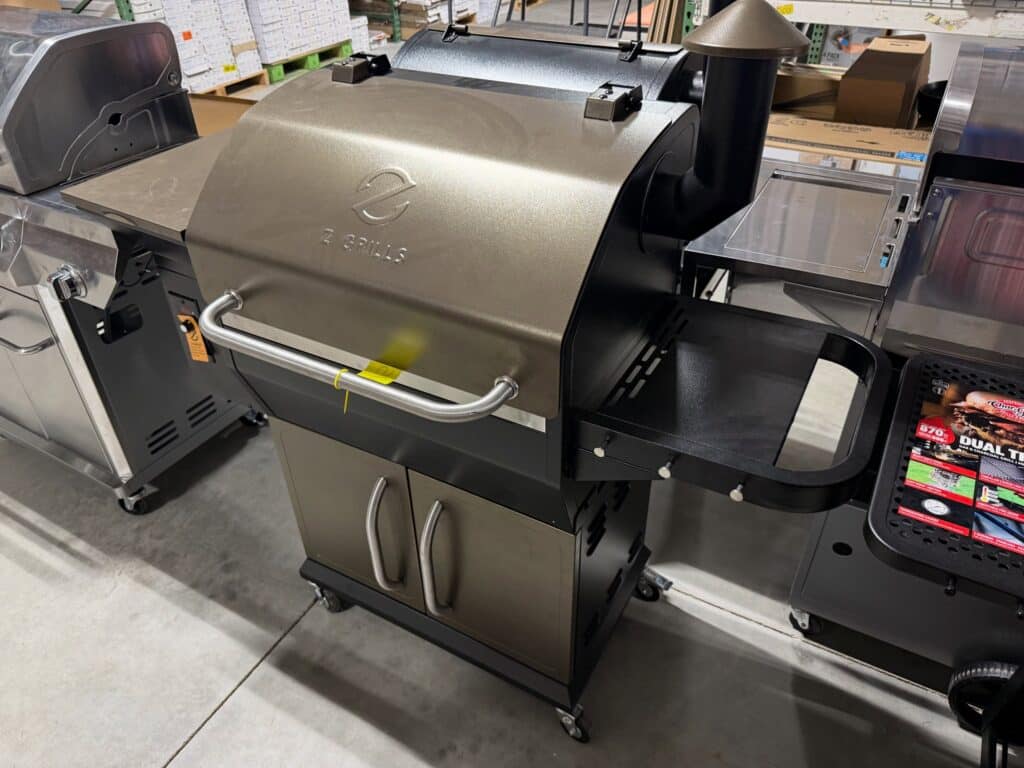
7. Check Stability and Mobility
Here’s a question many first-time buyers forget to ask:
Can I actually move this grill safely?
That answer becomes important the first time you need to roll it across the patio before a storm arrives.
Test the Frame
Place both hands on the side shelves or frame. Give the grill a gentle shake.
You’re looking for:
- Minimal movement
- Strong leg supports
- Tight joints
- No rattling
A stable grill feels planted on the ground rather than balanced on stilts.
Examine the Wheels
Not all wheels are created equal. Small plastic wheels may work fine on smooth concrete but struggle on brick, gravel, or textured patios.
Look for:
- Large wheels
- Heavy-duty construction
- Smooth rolling
- Locking casters
Locking wheels are especially important. After all, your grill should stay where you parked it – not slowly wander across the deck like it has weekend plans of its own.
Inspect the Side Shelves
Side shelves are more than decorative additions.
You’ll likely use them constantly for:
- Food preparation
- Sauces
- Seasonings
- Utensils
- Serving trays
Check that they:
- Fold smoothly (when applicable)
- Support weight without sagging
- Feel securely attached
Flimsy shelves can quickly become a safety hazard when holding heavy cookware.
Key Takeaway: A stable grill is safer, easier to use, and much more enjoyable during every cookout.
8. Inspect Storage Features
Storage may not affect cooking performance directly, but it definitely affects convenience. Well-designed storage keeps your grilling tools organized and protects important components from the weather.
Cabinet Construction
Open every cabinet door.
Ask yourself:
- Does it open smoothly?
- Does it close properly?
- Does it feel solid?
Cabinet doors shouldn’t rub, wobble, or require extra force to latch.
Propane Tank Storage
For gas grills, inspect the propane tank compartment.
Look for:
- Adequate ventilation
- Secure mounting
- Easy tank access
- Durable support brackets
Changing propane tanks shouldn’t require the flexibility of a yoga instructor.
Tool Hooks and Shelving
Small details often make a big difference.
Useful additions include:
- Built-in tool hooks
- Condiment shelves
- Storage baskets
- Paper towel holders
These features keep your workspace organized without adding clutter.
One thing you’ll quickly learn is that grilling somehow requires twice as many tools as you thought you owned.
Key Takeaway: Practical storage improves organization and makes every grilling session more efficient.
9. Verify Temperature Control
Cooking great barbecue is all about controlling heat. A grill that can’t maintain consistent temperatures makes even simple meals unnecessarily difficult.
Inspect the Control Knobs
Turn each control knob slowly.
They should:
- Rotate smoothly
- Offer slight resistance
- Feel sturdy
- Clearly indicate settings
Loose or wobbly knobs can make precise temperature adjustments frustrating.
Read the Thermometer
The built-in thermometer should be:
- Large enough to read easily
- Positioned clearly
- Free from fogging
- Securely mounted
Although many experienced grillers rely on digital meat thermometers, a quality lid thermometer helps monitor the cooking environment at a glance.
Airflow Control
For charcoal grills especially, airflow determines cooking temperature. Inspect the vents.
They should:
- Open easily
- Stay in position
- Close completely
- Show no signs of bending
Good airflow makes temperature adjustments much more predictable.
Key Takeaway: Reliable temperature control leads to more consistent food and less guesswork.
10. Review the Warranty and Replacement Parts
This may be the least exciting step on the BBQ Grill inspection checklist, but it could save you hundreds of dollars in the future. Think of the warranty as the manufacturer’s vote of confidence in its own product.
Compare Warranty Coverage
Different components often carry different warranty periods.
For example:
- Burners may have a lifetime warranty.
- Cooking grates may be covered for five years.
- Electronics might only have one year of protection.
Read the fine print carefully. Longer warranties generally suggest greater confidence in component durability.
Replacement Parts Availability
Ask yourself one important question:
Can I still buy replacement parts five years from now?
Quality manufacturers usually make it easy to order:
- Burners
- Cooking grates
- Ignition kits
- Thermometers
- Heat plates
- Wheels
A grill doesn’t become worthless because one burner wears out. It becomes worthless when you can’t replace that burner.
Customer Support
Before buying, spend a few minutes reading customer reviews – not just about the grill itself, but about the company’s customer service.
Pay attention to comments regarding:
- Warranty claims
- Replacement part availability
- Response times
- Technical support
A company that stands behind its products often earns loyal customers for a reason.
Key Takeaway: Excellent warranty coverage and easy-to-find replacement parts extend the life of your investment.
Red Flags to Watch Out For
Sometimes the smartest buying decision is walking away. No matter how attractive the sale price looks, these warning signs deserve your attention.
Thin Metal Construction
Thin metal heats unevenly, warps more easily, and loses heat quickly. A grill should feel substantial. When the body panels flex with light pressure, durability becomes questionable.
Loose or Misaligned Parts
Inspect:
- Cabinet doors
- Side shelves
- Handles
- Hinges
- Wheels
Loose components often indicate rushed manufacturing or poor quality control. Minor alignment issues today can become major headaches after a season of regular use.
Visible Rust
Never ignore rust – even on a brand-new display model. Surface corrosion may seem cosmetic, but it often signals inadequate protective coatings or poor storage conditions.
Rust doesn’t retire. It only gets promoted.
Weak Welds and Poor Craftsmanship
Examine every visible weld and joint.
Signs of concern include:
- Uneven welds
- Gaps
- Excess grinding
- Sharp unfinished edges
Quality craftsmanship is usually obvious. So is poor craftsmanship.
Cheap Plastic Components
Plastic isn’t automatically bad. Many grills use durable, heat-resistant plastics successfully.
However, pay attention to:
- Thin knobs
- Brittle handles
- Lightweight hinges
- Flexible control panels
These parts receive constant use and should feel solid.
Poor Customer Reviews
Reviews often reveal issues that aren’t obvious in the showroom.
Watch for repeated complaints about:
- Rust
- Burner failures
- Paint peeling
- Ignition problems
- Poor customer support
One negative review means very little. Hundreds describing the exact same problem deserve your attention.
Before You Head to the Checkout…
You’ve now completed nearly the entire BBQ Grill inspection checklist, and you’re in a much stronger position than the average first-time buyer.
At this stage, your ideal grill should offer:
✔️ Durable construction from quality materials
✔️ Reliable cooking grates and burners
✔️ Even heat distribution
✔️ A dependable ignition system
✔️ Stable wheels and sturdy frame
✔️ Practical storage options
✔️ Easy temperature control
✔️ Strong warranty coverage
✔️ Readily available replacement parts
Most importantly, remember this:
Don’t buy the grill that impresses you for five minutes in the showroom. Buy the one that will still impress you after five years of weekend cookouts.
A dependable grill isn’t defined by flashy features or oversized side burners. It’s defined by consistent performance, thoughtful construction, and the confidence that every time you lift the lid, it’s ready to help you serve great food to family and friends.
Maintenance Tips After Purchasing Your BBQ Grill
Finding the right grill is only half the story.
Keeping it in great shape is what turns a good purchase into an investment that pays off year after year. Even the highest-quality grill needs a little care. Fortunately, regular maintenance doesn’t require hours of work or a garage full of specialty tools.
Think of it like seasoning a cast-iron skillet. A little attention today saves a lot of frustration tomorrow.
Clean the Cooking Grates After Every Use
One of the easiest habits to develop is cleaning the grates while they’re still warm.
After cooking:
- Use a quality grill brush or scraper to remove food residue.
- Wipe away grease buildup.
- Apply a light coat of cooking oil to cast iron grates to help prevent rust.
Waiting until the next cookout makes the job much harder. Burnt-on grease has a remarkable talent for turning into concrete overnight.
A clean grate doesn’t just look better – it also:
- Prevents food from sticking
- Improves heat transfer
- Reduces flare-ups
- Extends the life of the cooking surface
Key Tip: Five minutes of cleaning after each cook can save hours of deep cleaning later.
Empty the Grease Tray Regularly
Grease management isn’t glamorous, but it’s essential.
Grease trays collect drippings that would otherwise create dangerous flare-ups or grease fires.
Check the tray after every few grilling sessions and empty it before it becomes overly full.
A neglected grease tray can lead to:
- Excessive smoke
- Strong odors
- Grease fires
- Pest problems
Nobody wants ants or curious raccoons treating the grill like an all-you-can-eat buffet.
Protect Your Grill with a Quality Cover
Rain, snow, pollen, dust, and harsh sunlight slowly wear down outdoor equipment.
A properly fitted grill cover helps protect:
- Stainless steel surfaces
- Burners
- Control knobs
- Electronic ignition components
- Side shelves
Choose a breathable, weather-resistant cover instead of simply wrapping the grill in plastic.
Moisture trapped underneath can actually encourage rust rather than prevent it.
A grill cover is one of the least expensive accessories you can buy – and one of the smartest.
Inspect Burners and Fuel Connections
Every few months, take a few minutes to inspect the internal components.
For gas grills, check:
- Burner ports for clogs
- Gas hoses for cracks
- Connection fittings for wear
- Ignition electrodes for debris
Spider webs inside burner tubes may sound like an urban legend, but they happen more often than many people realize. Those tiny webs can restrict gas flow and affect burner performance.
Keeping these components clean helps maintain safe, efficient operation.
Store Your Grill Properly During Harsh Weather
When grilling season slows down, don’t simply abandon the grill until spring.
Before long-term storage:
- Clean the entire grill thoroughly.
- Empty grease trays.
- Remove leftover charcoal or wood pellets.
- Disconnect propane tanks when appropriate.
- Cover the grill securely.
Even in mild climates, protecting your grill during extended periods of inactivity helps preserve its appearance and performance. A little preparation today makes the first cookout of next season much more enjoyable.
Beyond the Showroom Floor: A Buyer’s Guide to BBQ Grills
Walking into a store filled with shiny BBQ grills can feel overwhelming. Marketing brochures highlight impressive BTU numbers, oversized cooking areas, and long lists of premium features, but the details that truly matter often stay hidden beneath the lid.
That is where a BBQ Grill inspection checklist becomes your greatest advantage, allowing you to carefully evaluate build quality, burners, heat retention, and warranty coverage to confidently separate long-lasting grills from those built only to impress on the showroom floor.
When shopping, remember that heavy-duty construction and dependability always outlast flashy gadgets.
Compare several models, ask questions, and take your time before heading to the checkout. Don’t shop for the best-looking grill – shop for the best-built one.
A thoughtful choice prioritizing durability over unnecessary extras will ensure your grill reliably fires up for burgers, brisket, and steaks year after year.
At the end of the day, great barbecue isn’t about having the fanciest setup on the block; it’s about having equipment you can count on every single time you lift the lid.
Taking the time to inspect craftsmanship underneath the surface will reward you with countless weekends of great food, memorable family gatherings, and backyard celebrations for years to come.
Frequently Asked Questions
How do I know if a BBQ grill is high quality?
A high-quality grill feels solid, stable, and well-built. Look for durable materials such as stainless steel, thick cooking grates, quality burners, secure welds, and a reliable ignition system.
A generous warranty and readily available replacement parts are also strong indicators of long-term quality.
What is the best material for BBQ grill grates?
The best material depends on your priorities.
- Cast iron offers outstanding heat retention and excellent searing but requires regular maintenance.
- Stainless steel is durable, rust-resistant, and easy to maintain.
- Porcelain-coated grates are simple to clean but should be inspected for chips or cracks that could expose the metal underneath.
For many first-time buyers, heavy-duty stainless steel grates provide the best balance of performance and low maintenance.
Should first-time buyers choose a gas or charcoal grill?
It depends on how you plan to cook.
A gas grill is ideal for convenience, quick weeknight meals, and precise temperature control.
A charcoal grill rewards patience with rich, smoky flavor and a more traditional grilling experience.
Neither choice is wrong. The best grill is the one that matches your cooking style and how often you’ll actually use it.
After all, the perfect charcoal grill won’t help much if you only have twenty minutes to cook dinner after work.
How long should a quality BBQ grill last?
With proper care, a quality grill can easily last 10 to 15 years, and premium models may last even longer.
Regular cleaning, replacing worn parts when needed, and protecting the grill from the elements all contribute to a longer lifespan.
Remember, maintenance often determines longevity just as much as build quality.
Is stainless steel always better than painted steel?
In most cases, yes.
High-quality stainless steel generally offers better resistance to rust, corrosion, and heat damage than painted steel.
However, not all stainless steel is created equal. The thickness and grade of the steel are just as important as the material itself.
That’s why following a thorough BBQ Grill inspection checklist is more valuable than relying solely on product labels.
Featured image credit: ChatGPT
