
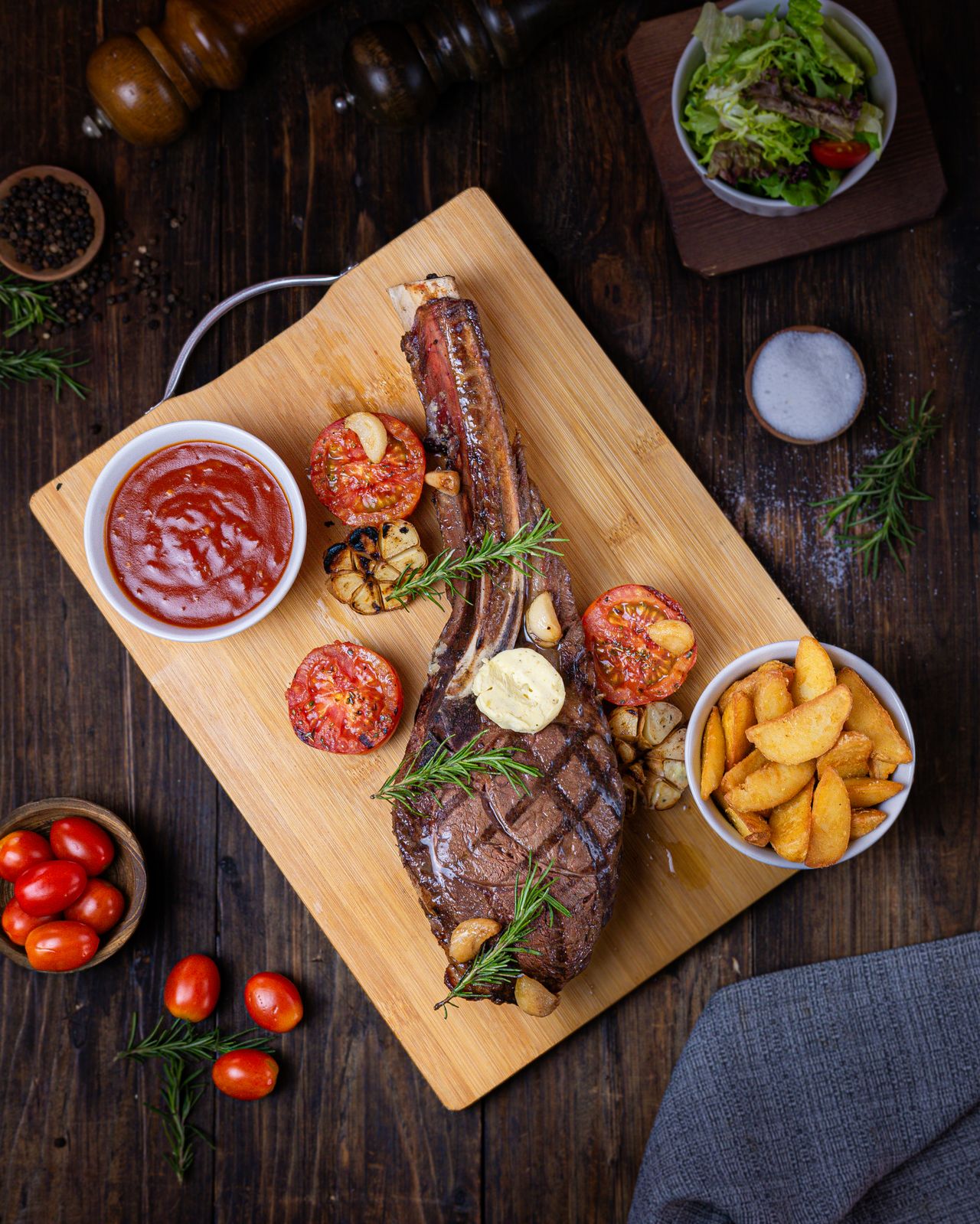
A tomahawk steak has a way of stealing the show before it even touches the grill.
That long, Frenched bone looks like something borrowed from a cowboy movie, while the thick ribeye promises the kind of dinner that makes guests suddenly interested in “helping” around the barbecue.
Add a bold coffee rub to the equation, and you have a steak that delivers serious steakhouse energy without the eye-watering restaurant bill.
The secret behind a great coffee-crusted tomahawk ribeye isn’t some mysterious kitchen trick reserved for high-end steakhouses. It comes down to a few fundamentals: the right seasoning, a blazing-hot sear, and enough patience to let the meat rest before slicing.
Get those details right, and your backyard grill can turn out a steak with a dark, flavorful crust and a perfectly juicy center.
The best part? Despite what skeptical dinner guests may ask, your steak will not taste like a latte.

Why Coffee Belongs on Steak
Coffee and beef make surprisingly good partners. Finely ground coffee adds earthy, roasted notes that amplify the rich flavor of a well-marbled ribeye. It also helps create the deep, dark crust that steak lovers chase in expensive restaurants.
Coffee works because it brings a gentle bitterness that balances the meat’s natural fat. Combined with brown sugar, smoked paprika, garlic, and black pepper, it creates layers of flavor instead of overpowering the steak itself.
One of my regular barbecue buddies was convinced the rub would leave his steak tasting like breakfast. After one bite, he quietly reached for a second slice and changed the subject. That tends to happen with a good coffee-crusted tomahawk ribeye.
Internal Temperature Guide
Because of carryover cooking, the steak will continue to rise in temperature after leaving the grill.
| Doneness | Remove from Grill | Final Temperature |
| Rare | 120°F | 125°F |
| Medium-Rare | 125°F | 130–135°F |
| Medium | 135°F | 140–145°F |
| Medium-Well | 145°F | 150°F |
For a coffee-crusted tomahawk ribeye, medium-rare is often the sweet spot. The marbling has enough time to render while the meat stays tender and juicy.
Choosing the Best Coffee Beans for Your Steak Rub
Not all coffee delivers the same results on the grill. The type of bean and roast level can dramatically influence the flavor of your coffee-crusted tomahawk ribeye, adding everything from smoky depth to subtle sweetness.
Different roast levels bring different qualities to the table:
- Dark roasts: Deliver bold, smoky, and bittersweet flavors that pair beautifully with heavily marbled beef.
- Medium roasts: Add hints of chocolate, caramel, and roasted nuts.
- Light roasts: Tend to be brighter and more acidic, which can compete with the steak’s richness.
For the best results, keep these tips in mind:
- Skip flavored coffees, which can introduce artificial notes.
- Use freshly ground beans for maximum aroma and flavor.
- Experiment with beans from regions like Colombia, Brazil, and Sumatra, each of which contributes its own unique character.
Think of coffee as another seasoning in your arsenal – just one with a passport and a personality. A great steak starts long before the grill gets hot.
The Science Behind the Steakhouse Crust
That gorgeous, dark exterior isn’t just grill magic – it’s science. The signature crust on a coffee-crusted tomahawk ribeye comes from the Maillard reaction, a chemical process that occurs when proteins and sugars are exposed to high heat.
The Maillard reaction is responsible for:
- The steak’s rich brown color.
- Deep, savory flavors.
- Complex roasted and smoky aromas.
- The satisfying texture of a perfectly seared crust.
The coffee rub also plays an important role in building flavor and color. Several ingredients work together during the searing process:
- Ground coffee enhances depth and complexity.
- Brown sugar encourages caramelization.
- Rendered fat naturally bastes the steak as it cooks.
- High heat transforms the exterior into a steakhouse-worthy crust.
It may sound technical, but the payoff is simple: more flavor, better texture, and the kind of steak that has everyone reaching for their phones before the first bite.
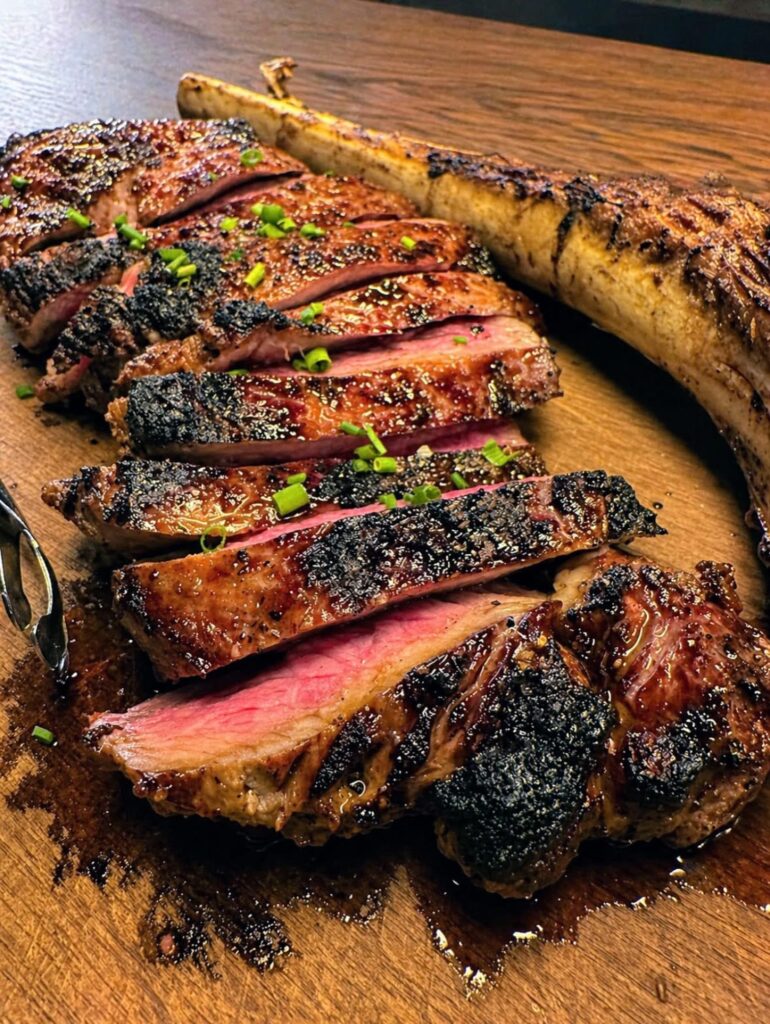
How to Slice a Tomahawk Like a Steakhouse Pro
Cooking the steak is only half the battle. Serving it properly transforms your backyard cookout into a memorable event.
After your coffee-crusted tomahawk ribeye has rested, follow these steps:
- Run a sharp knife along the bone to separate it from the meat.
- Slice the steak against the grain into strips about half an inch thick.
- Arrange the slices around the bone for a dramatic presentation.
Slicing against the grain is especially important because it:
- Shortens the muscle fibers.
- Creates a more tender bite.
- Makes the steak easier to chew.
- Helps showcase the juicy interior.
Restaurants have relied on this presentation trick for years because people eat with their eyes first. The contrast between the dark coffee crust and the perfectly pink center never fails to impress – and it certainly beats serving steaks straight from the foil.
Common Mistakes That Ruin a Great Tomahawk
Even premium beef can go sideways when a few basic rules are ignored. A spectacular coffee-crusted tomahawk ribeye depends just as much on technique as it does on quality ingredients.
Some of the most common mistakes include:
- Using too much direct heat too early, which burns the outside before the center cooks through.
- Applying the seasoning moments before grilling, leaving the rub little time to adhere.
- Forgetting to clean the grill grates, allowing old residue to create bitter flavors.
- Constantly moving or flipping the steak.
- Slicing immediately after cooking.
That final mistake may be the hardest to avoid.
Watching a perfectly cooked steak rest while everyone hovers nearby takes discipline, but cutting too soon sends all those flavorful juices onto the cutting board instead of keeping them inside the meat.
Patience and preparation are what separate good steaks from unforgettable ones.
Pairing Wood Smoke with Coffee-Crusted Beef
For charcoal and pellet grill enthusiasts, adding wood smoke introduces another layer of flavor to a coffee-crusted tomahawk ribeye. The trick is choosing woods that complement the coffee rub instead of overpowering it.
Some excellent options include:
- Oak: Balanced and versatile.
- Hickory: Bold and smoky.
- Cherry: Slightly sweet with rich color.
- Pecan: Nutty and mellow.
Mesquite can work, but use it sparingly because its intensity can dominate the steak. Combining coffee and smoke creates a deeper flavor profile that feels straight out of a high-end steakhouse.
Just remember: smoke should support the beef, not bury it under an avalanche of campfire flavor.
Turning Leftovers into Next-Day Masterpieces
Leftover tomahawk steak is a rare sight, but when it happens, it deserves better than a quick trip to the microwave. Thin slices of coffee-crusted tomahawk ribeye can become the centerpiece of entirely new meals.
Pile the steak onto toasted sourdough with caramelized onions and melted provolone for an unforgettable sandwich. Dice it into breakfast hash with crispy potatoes and eggs, or tuck it into tacos with pickled onions and smoky salsa.
Cold slices also make an excellent topping for salads loaded with blue cheese and roasted vegetables.
The coffee crust often tastes even richer the next day, proving that a great steak dinner can pull double duty – and maybe save you from cooking again tomorrow.
Tips for a Steakhouse-Quality Crust
Want to push your steak from good to unforgettable? Keep these tips in mind:
- Dry the steak thoroughly before seasoning.
- Use finely ground coffee for an even crust.
- Start with a steak that is at least 2 inches thick.
- Preheat the grill completely before cooking.
- Avoid flipping the steak constantly.
- Trust a thermometer instead of timing charts.
- Always rest the meat before serving.
One overlooked trick is resisting the urge to poke, prod, and reposition the steak every thirty seconds. Good crust needs contact with hot metal and a little peace and quiet.
What to Serve with Coffee-Crusted Tomahawk Ribeye
A dramatic steak deserves equally satisfying sides, but they do not need to be complicated.
Good options include:
- Garlic mashed potatoes
- Grilled asparagus
- Roasted mushrooms
- Creamed spinach
- Corn on the cob
- Crispy fries
For drinks, bold flavors work best. Cabernet Sauvignon pairs beautifully with the richness of the ribeye, while bourbon highlights the smoky notes in the coffee rub. Sparkling water with citrus offers a lighter alternative.
Final Thoughts
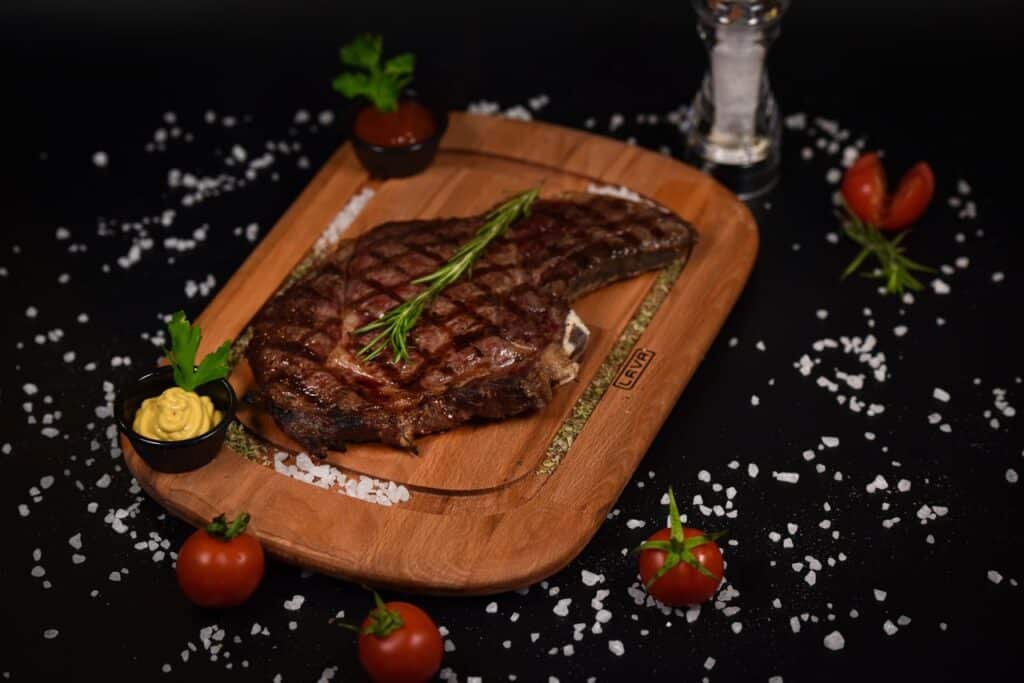
Mastering a coffee-crusted tomahawk ribeye is less about fancy equipment and more about understanding the fundamentals: a balanced coffee rub, two-zone cooking, intense heat, and proper resting time.
Nail those elements, and your backyard cookout starts looking a lot like a high-end steakhouse.
The next time you fire up the grill, give coffee a chance to do more than fill your mug. On a thick tomahawk ribeye, it creates the kind of crust that gets people talking long after the last slice disappears.
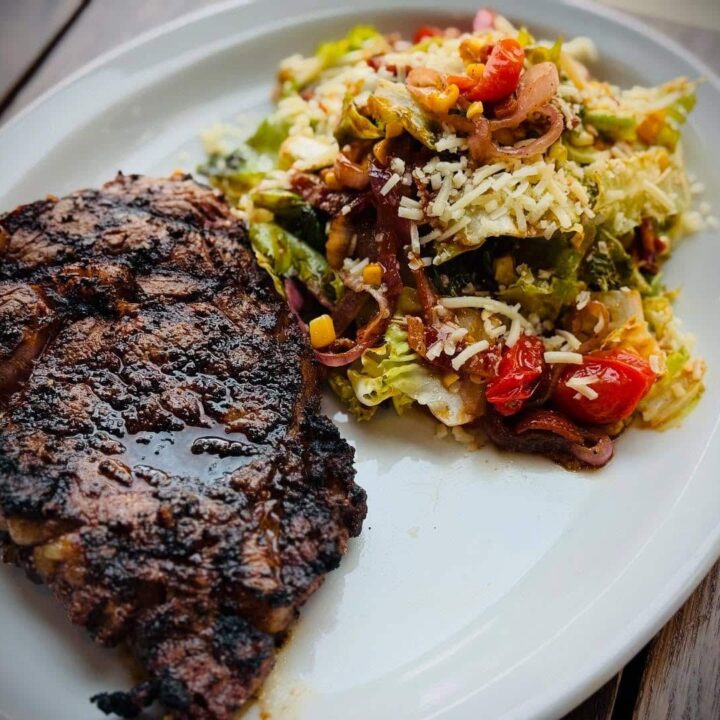
Coffee-Crusted Tomahawk Ribeye Recipe
Image credit: @prasino_stc
Ingredients
- For the steak
- 1 tomahawk ribeye steak, about 2 to 3 pounds and roughly 2 inches thick
- 1 tablespoon olive oil
- For the coffee rub
- 2 tablespoons finely ground coffee
- 1 tablespoon kosher salt
- 1 tablespoon freshly ground black pepper
- 2 teaspoons smoked paprika
- 2 teaspoons brown sugar
- 1 teaspoon garlic powder
- 1 teaspoon onion powder
- ½ teaspoon cayenne pepper (optional)
- Optional serving additions
- Compound butter
- Fresh rosemary or thyme
- Grilled vegetables
- Lemon wedges
- Key point: Use finely ground coffee, not coarse grounds. Large coffee granules can scorch over high heat and leave the crust gritty.
- Equipment You'll Need
- You do not need a commercial kitchen to pull this off, but a few tools make life easier:
- Gas or charcoal grill
- Instant-read meat thermometer
- Tongs
- Small mixing bowl
- Aluminum foil
- Cutting board
- Sharp carving knife
- The most important item on that list is the thermometer. A tomahawk is too thick and expensive to rely on guesswork. Cutting into it to check doneness is the grilling equivalent of opening birthday presents a week early.
Instructions
1. Mix the seasoning
Combine the coffee, kosher salt, black pepper, smoked paprika, brown sugar, garlic powder, onion powder, and cayenne pepper in a small bowl.
Stir until everything is evenly distributed.
The aroma alone will make the kitchen smell like a barbecue joint that shares a wall with a coffee roastery.
2. Prep the steak
Pat the tomahawk dry with paper towels. This step matters more than people realize because surface moisture is the enemy of a great crust.
Lightly coat the steak with olive oil, then generously apply the rub to all sides, pressing it into the meat. Don’t be shy – this is a thick cut that can handle bold seasoning.
Let the steak rest at room temperature for 30 to 45 minutes before grilling. This takes the chill off the meat and promotes more even cooking.
How to Grill a Coffee-Crusted Tomahawk Ribeye
Cooking a thick steak is all about controlling heat. Restaurants often use blazing-hot broilers, but your grill can achieve similar results with a simple two-zone setup.
1. Build a two-zone fire
Create separate cooking zones:
- Direct heat: High heat for searing.
- Indirect heat: Lower heat for gentle cooking.
For charcoal grills, pile the coals on one side. For gas grills, leave one burner off. This setup gives you flexibility and helps prevent the outside from burning before the center cooks.
Key takeaway: A steakhouse-quality crust starts with smart heat management, not maximum flames.
2. Cook over indirect heat
Place the steak on the cooler side of the grill and close the lid. Cook until the internal temperature reaches:
- 115°F for rare
- 120°F for medium-rare
- 125°F for medium
Depending on thickness and grill temperature, this stage usually takes between 30 and 45 minutes.
This slower approach gives the interior time to cook evenly. Think of it as setting the stage before the grand finale.
3. Sear over direct heat
Once the steak reaches the target temperature, move it over the hottest part of the grill.
Sear for 1 to 2 minutes per side, rotating halfway through each side if you want classic crosshatch grill marks.
During this stage, the coffee rub caramelizes and combines with rendered fat to form a rich, dark crust.
This is where the magic happens. The sizzling sound alone tends to attract neighbors who suddenly remember they “were just passing by.”
Avoid pressing down on the steak with your tongs. The juices belong inside the meat, not dripping into the fire.
4. Rest before slicing
Transfer the steak to a cutting board and tent it loosely with foil. Let it rest for 10 to 15 minutes.
Skipping this step is one of the biggest mistakes backyard cooks make.
Resting allows the juices to redistribute throughout the meat instead of flooding the board the moment you cut into it.
A little patience here pays off with every bite.
Featured image credit: Dadan Ramdani
