
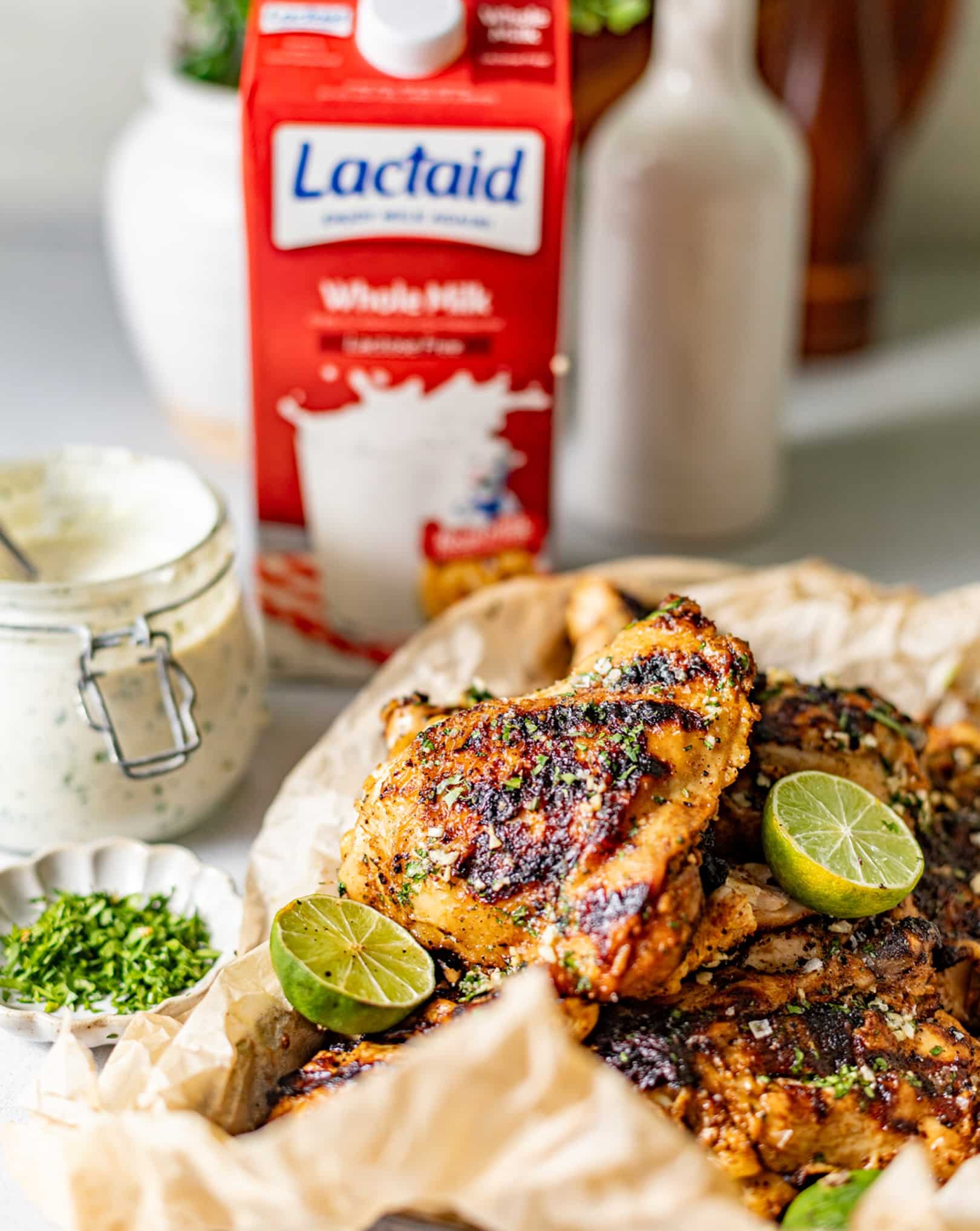
The buttermilk smoked chicken that you needed all along.
Keith Richards once remarked, “If you’re going to get drunk, you need to eat something. You can’t just drink, otherwise you end up face down on the floor.”
He wasn’t wrong – at least when it comes to the necessity of substance – but when it comes to backyard BBQ, most chicken leaves you feeling just as disappointed as an empty fridge at 3 AM.
Smoked poultry usually suffers from two fatal flaws: leathery skin that requires a tug-of-war to bite through, or chalky breast meat that demands a gallon of sauce to swallow.
Soaking the bird in a cultured liquid changes the game entirely, but buttermilk smoked chicken needs more than acid and wood to break out of the ordinary.
An unexpected, flavor-packing secret ingredient creates a transformative chemistry on the grill grate.
The Big Reveal: The Unexpected Secret Ingredient
Miso paste acts as the hidden catalyst here.
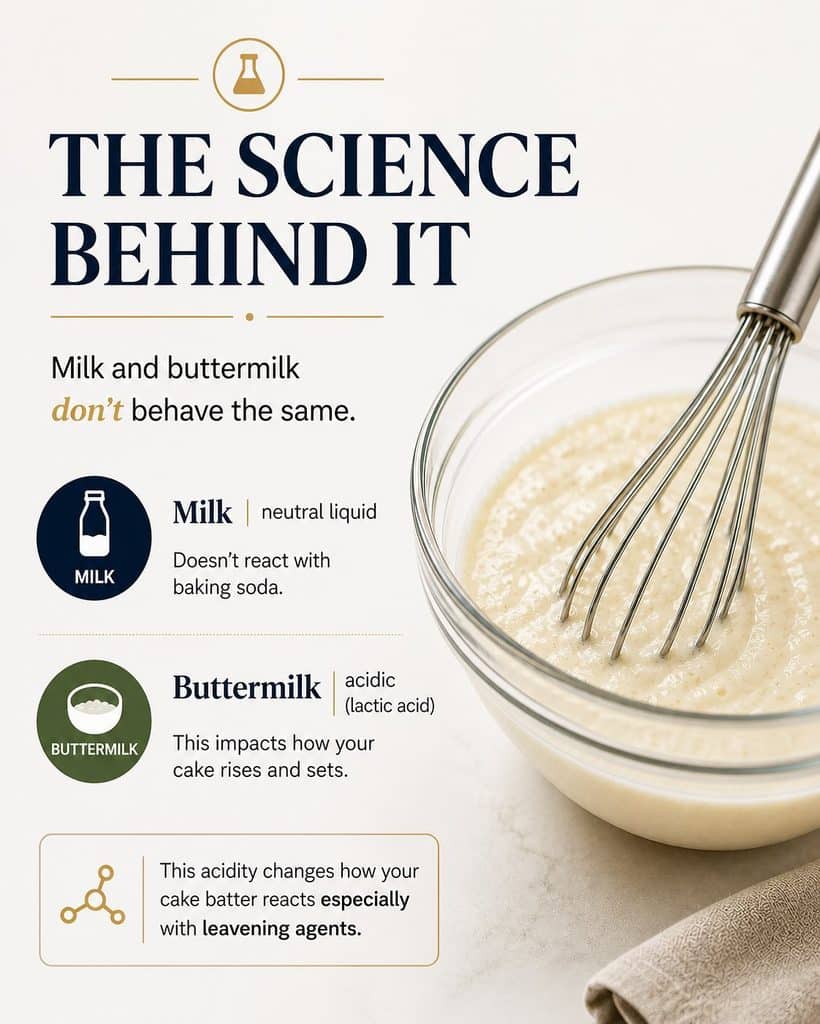
Submerging poultry in cultured dairy is a classic technique: the lactic acid in buttermilk breaks down tough protein fibers, while calcium triggers natural enzymes to tenderize the meat without turning it into mush.
Acid and dairy alone, however, leave a flavor void in the center of the meat once the smoke penetrates the surface.
Red miso paste fills that void with a wallop of concentrated umami. Packed with natural glutamates from fermented soybeans, miso creates a synergistic reaction when combined with dairy and wood fire:
- Deep Glutamate Saturation: Miso forces savory depth deep into the muscle tissue, ensuring every bite tastes intensely seasoned.
- Accelerated Maillard Reaction: The amino acids and sugars in miso pair with the lactic sugars in buttermilk to form a stunning mahogany crust under low heat.
- Smoke Adhesion: The thick, sticky texture of dissolved miso creates a tacky base layer, allowing hard-wood smoke to cling to the skin without scorching.
The Century-Old Fermentation Match Made in Heaven
Combining dairy and fermented soybean paste isn’t just a modern fusion trend – it relies on historic culinary wisdom.
While Western pitmasters have long relied on lactic acid culture to tenderize poultry, East Asian chefs have used fermented kojic cultures for centuries to cure and preserve protein.
- Dairy Fat Balance: Cuts through the heavy, salty density of red miso.
- Soybean Taming: Softens buttermilk’s sharp sourness to build a balanced flavor bridge.
- Natural Clarity: Allows natural poultry juices to shine through heavy hardwood smoke rather than being masked by sugary commercial barbecue sauces.
The Cold-Crust Technique for Glass-Shattering Skin
Achieving shatteringly crisp chicken skin over low-and-slow smoke requires precise moisture management before heat ever touches the bird. Air-drying the chicken uncovered on a wire rack inside a cold refrigerator for at least 12 hours is essential.
- Dehydration: Turns the sticky marinade into a tacky, translucent varnish.
- Protein Binding: Cold circulating air binds surface proteins together into a protective barrier.
- Internal Frying: Smoker heat renders the underlying fat, frying the dry outer layer from the inside out for an insanely crispy, golden mahogany crust.
Wood Pairing: Why Fruitwood Outperforms Hickory Here
Matching hardwood smoke with this unique marinade requires a delicate approach to flavor pairing dynamics. Avoid heavy woods like hickory or mesquite, as their aggressive tannins clash with fermented red miso to leave an unpleasant metallic bitterness.
- Applewood: Imparts a subtle, orchard-sweet aroma that balances the salty umami kick of the soybean paste.
- Cherrywood: Produces high concentrations of natural wood sugars that react with buttermilk amino acids, tinting the skin a breathtaking deep crimson hue.
The Science of Temperature Management at the Grate
Miso contains high levels of amino acids and naturally occurring sugars, making it far more prone to scorching than standard dry rubs. Precision pitmasters use a strict temperature schedule to prevent a bitter, burnt crust:
- 225°F to 250°F (Low & Slow): Gentle indirect smoking lets lactic sugars caramelize slowly without burning.
- 400°F (Reverse-Sear): Bumping heat for the final 10 minutes creates explosive surface crispness.
- 162°F (Internal Target): Digital probes signal when to pull breast meat so it carries over to 165°F, ensuring maximum liquid retention.
Unlocking the Fifth Taste: Glutamate Synergism Explained
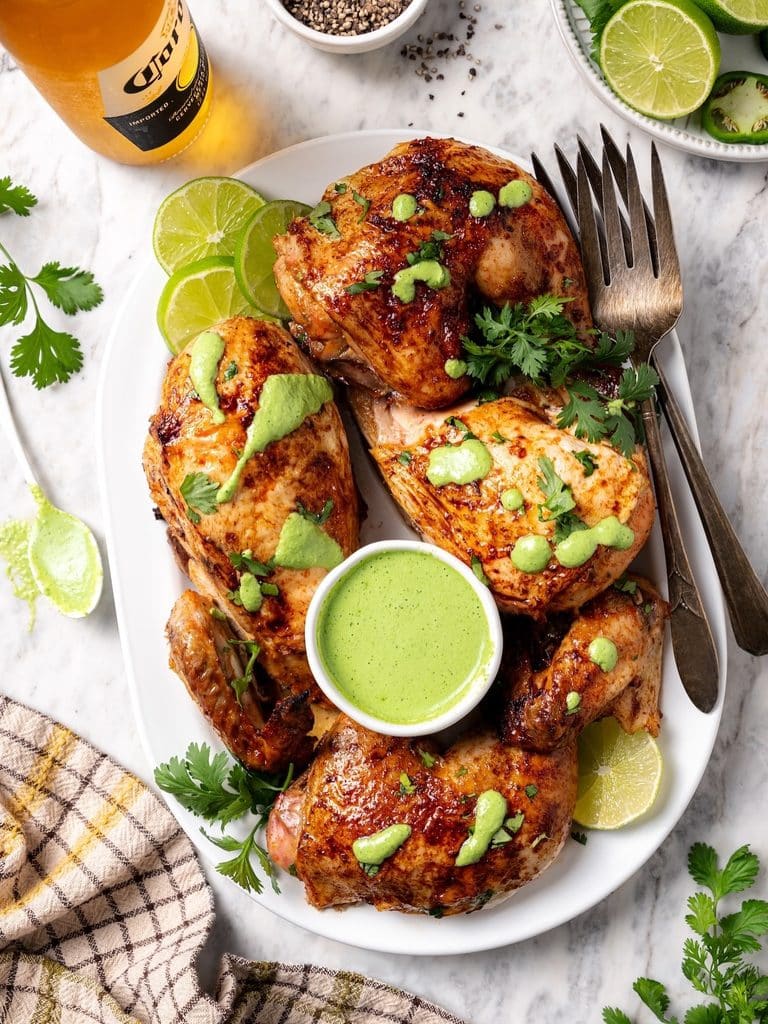
The explosive flavor of this dish relies on a biochemistry phenomenon known as glutamate synergism. Buttermilk naturally contains free amino acids, but pairing it with fermented miso paste multiplies the perception of savory umami flavor exponentially.
- Receptor Activation: Miso glutamates interact with natural inosinate compounds in chicken tissue to signal a richer, meatier taste profile.
- Perceived Juiciness: Tricks the palate into experiencing maximum moisture retention.
- Deep Flavor Penetration: Ensures traditionally dry breast meat stays succulent, mouthwatering, and deeply seasoned straight to the bone.
The Spiced Miso-Butter Injection Trick
While submerging poultry in brine works wonders on the exterior, an internal butter injection delivers deep moisture directly to the center of thick breast meat. Whisk dissolved white miso into melted, unsalted butter and buttermilk to inject straight into the muscle fibers.
- Internal Basting: The butter emulsion melts during smoking, basting the muscle from the inside out.
- Protein Protection: Prevents structural protein shrinkage to keep muscle fibers loose and plump.
- Sauce-Free Moisture: Guarantees every carved slice drips with rich, seasoned pan juices without needing extra gravies.
Side Dish Synergy: Acid and Crunch to Cut the Smoke
Because smoked miso chicken is intensely savory and rich, it requires bright, acidic side dishes to cleanse the palate between bites rather than dense potato salads or heavy mac and cheese.
- Cucumber & Green Apple Slaw: Tossed in a light rice wine vinaigrette, its sharp acidity cuts through mouth-coating dairy fat.
- Charred Shishito Peppers or Bok Choy: Drizzled with fresh lemon juice to highlight wood-smoked notes while keeping the meal light and dynamic.
Repurposing Leftovers: The Ultimate Buttermilk Smoked Chicken Ramen
Shredding cold, smoked leftovers yields a world-class foundation for next-day fusion comfort food.
- Rich Broth Base: Simmer the picked chicken carcass with ginger, garlic, and scallions to release residual hardwood smoke and miso richness.
- Noodle Assembly: Fold springy ramen noodles into the golden broth and top with shredded smoked breast meat, a soft-boiled jammy egg, and fresh chili oil.
- Flavor Integration: Melted skin fat enriches the soup, turning leftover barbecue into an artisanal, restaurant-quality noodle bowl.
Final Thoughts
Smoking poultry doesn’t have to yield dry meat or leathery skin. Merging buttermilk’s enzymatic tenderizing power with miso paste’s deep umami redefines what backyard chicken can be. It creates an unforgettable combination of juicy, savory meat and dark, caramelized, crispy skin.
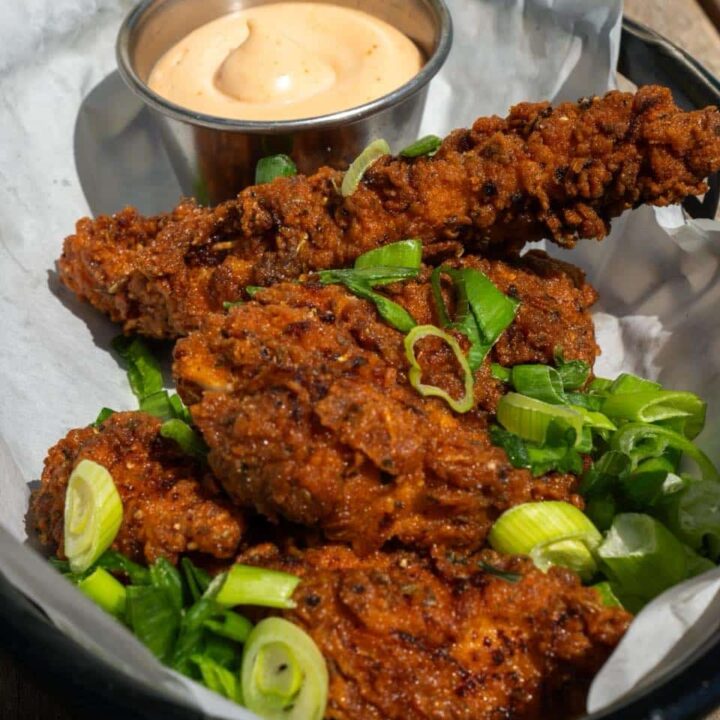
The Ultimate Secret-Ingredient Smoked Chicken Recipe
Image credit: @thegallusgoat
Ingredients
- The Miso-Buttermilk Marinade:
- 1 whole chicken (4–5 lbs), spatchcocked
- 2 cups full-fat cultured buttermilk
- 3 tbsp red miso paste
- 4 garlic cloves, crushed
- 1 tbsp smoked paprika
- 1 tbsp kosher salt
- 1 tsp freshly cracked black pepper
- The Dry Seasoning:
- 1 tbsp garlic powder
- 1 tbsp onion powder
- 1 tsp dried thyme
- ½ tsp baking powder (the secret to extra crispy skin)
- 1 tsp coarse black pepper
Instructions
- Blend the Marinade: In a large bowl, whisk the buttermilk and red miso paste until completely smooth. Stir in the crushed garlic, smoked paprika, kosher salt, and cracked black pepper.
- Submerge & Chill: Place the spatchcocked chicken into a large sealable bag. Pour the buttermilk-miso mixture over the top, seal tightly while pressing out air, and refrigerate for 8 to 12 hours.
- Air-Dry for Crispness: Remove the chicken from the marinade and gently pat excess moisture off with paper towels. Place the chicken skin-side up on a wire rack set inside a sheet pan. Refrigerate uncovered for 1 to 2 hours to dry the skin.
- Fire Up the Pit: Preheat your smoker to 250ºF using applewood or pecan chunks for fuel.
- Season the Bird: Mix the garlic powder, onion powder, dried thyme, baking powder, and black pepper. Dust evenly over the top of the chicken skin.
- Smoke Low and Slow: Place the chicken on the smoker grates, skin-side up. Smoke at $250ºF until an instant-read thermometer inserted into the thickest part of the breast reads 145ºF (approx. 75–90 minutes).
Featured image credit: @lactaid
