
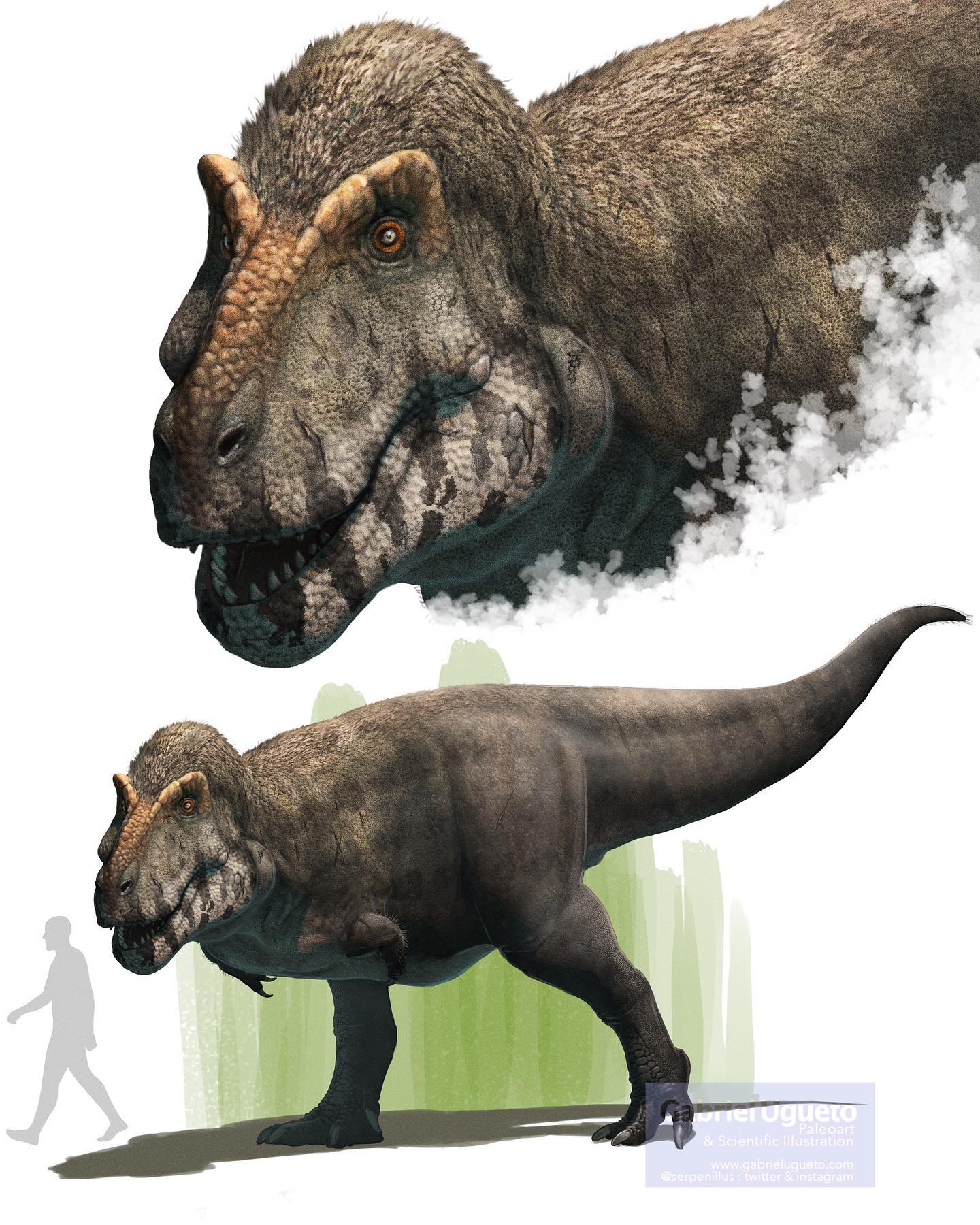
Forget burgers, brisket, and the eternal argument over whether pineapple belongs on pizza. The most outrageous barbecue question might be this: Which dinosaur would make the best meal?
It sounds ridiculous at first. After all, dinosaurs are usually served with a side of museum glass, fossil replicas, and a child yelling, “Look, T. Rex!” They are not exactly waiting behind the butcher counter next to the rib-eyes.
But from a purely biological standpoint, the question gets surprisingly interesting.
Dinosaurs were animals with muscles, fat, connective tissue, organs, and bones – much like animals people eat today. Some were enormous herbivores.
Others were active predators. Some were covered in feathers. And their living descendants, birds, are already staples on dinner tables around the world.
So, could you actually eat a dinosaur?
Probably.
Would it taste good?
Now we’re getting into much shakier territory.
Welcome to the ultimate Mesozoic menu, where the steaks are enormous, the poultry has teeth, and the biggest problem with ordering a dinosaur burger is finding a grill large enough to cook it.
Could Dinosaurs Actually Be Edible?
“Edible” is an important word here.
It doesn’t necessarily mean delicious. It simply means an animal’s tissues could potentially be consumed without the meat itself being inherently poisonous or otherwise unsuitable as food.
Humans already eat an astonishing range of animals. Beef comes from cattle. Pork comes from pigs. Chicken comes from dinosaurs – technically, because modern birds are living dinosaurs.
That last fact makes the dinner conversation considerably more interesting.
A chicken isn’t just a distant cousin of dinosaurs. Birds are the surviving branch of the dinosaur family tree.
So when you bite into a chicken wing, you’re technically eating the descendant of a lineage that once included creatures like Velociraptor and Tyrannosaurus rex.
Don’t expect your next bucket of fried chicken to come with a paleontology lecture, though.
The important point is that being a dinosaur wouldn’t automatically make an animal inedible.
The bigger questions would involve its biology.
Things such as:
- How much muscle did it have?
- How much fat?
- What did it eat?
- How old was it?
- How active was it?
- How tough were its muscles and connective tissues?
- Did it contain anything toxic or harmful?
Those details determine whether something becomes dinner or gets politely left off the menu.
And that’s where modern reptiles give us a useful comparison.

From BBQ Reptiles to Dinosaurs
Walk into the right restaurant or barbecue joint and you might find something considerably stranger than chicken or beef on the menu.
Alligator, snapping turtle, and snake meat are consumed by people today, particularly in places where these animals are traditionally hunted, farmed, or commercially prepared.
Alligator is probably the easiest comparison for a dinosaur-themed barbecue. Its meat is commonly described as relatively lean, with texture that can remind diners of chicken or firm fish depending on the cut and preparation.
Snapping turtle is another interesting example.
The meat is muscular and can be prepared in soups, stews, or other slow-cooked dishes. Snake meat, meanwhile, is also eaten in various parts of the world and is generally associated with lean, firm muscle.
Now here’s where things get really interesting.
Alligators and crocodilians belong to Archosauria, the larger evolutionary group that also includes dinosaurs and birds.
That does not mean an alligator steak would taste like a dinosaur steak. Evolution doesn’t work like a family barbecue where everyone brings the same potato salad.
But crocodilians give us a useful modern animal to examine when thinking about the anatomy and muscle of some prehistoric reptiles.
Imagine throwing an alligator tail onto a smoker. That’s not a dinosaur, obviously.
But it demonstrates something important: large, muscular reptiles can produce meat that humans can eat and cook in familiar ways.
The same basic idea applies to our hypothetical dinosaur menu.
The Mesozoic was filled with wildly different animals, so there wouldn’t be one universal “dinosaur flavor.”
A small feathered theropod could have been very different from a 40-ton sauropod. A plant-eating hadrosaur would have had a different lifestyle from a meat-eating Tyrannosaurus.
In other words, the ultimate Mesozoic menu would need more than one page.
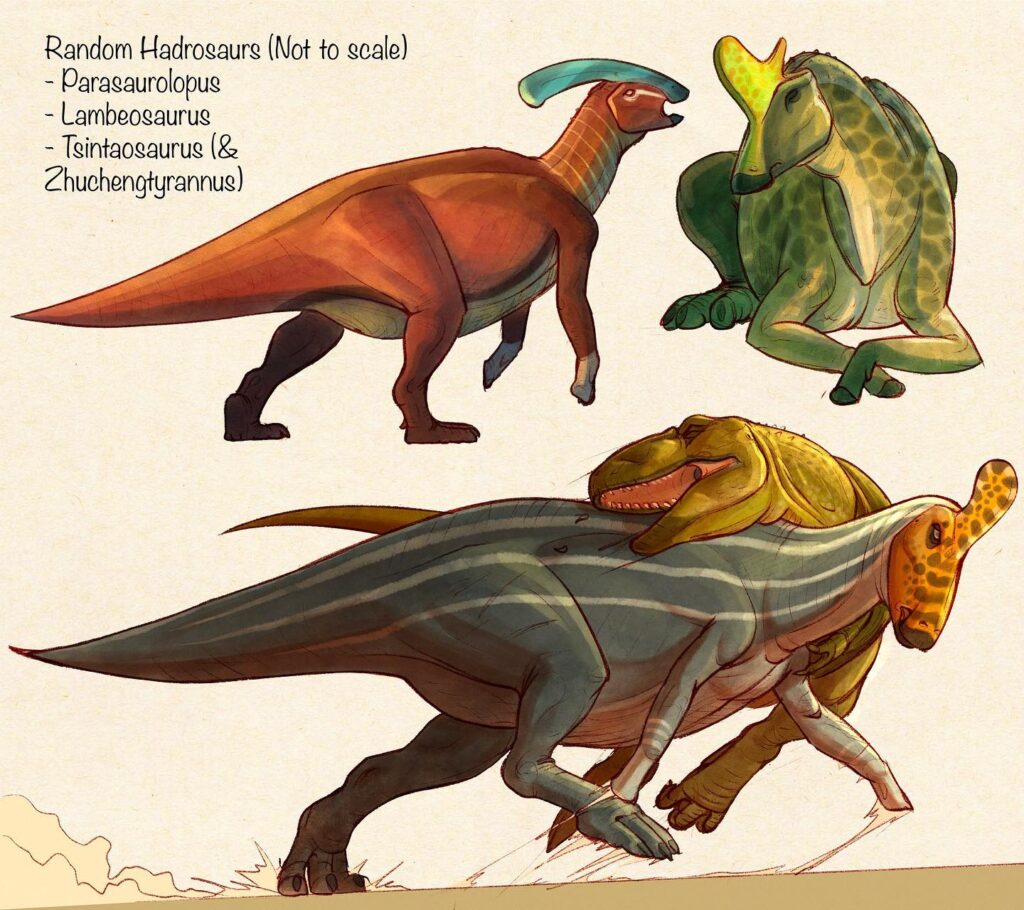
Hadrosaurs: The Prehistoric Roast
Hadrosaurs might be one of the most practical candidates for our imaginary dinner table.
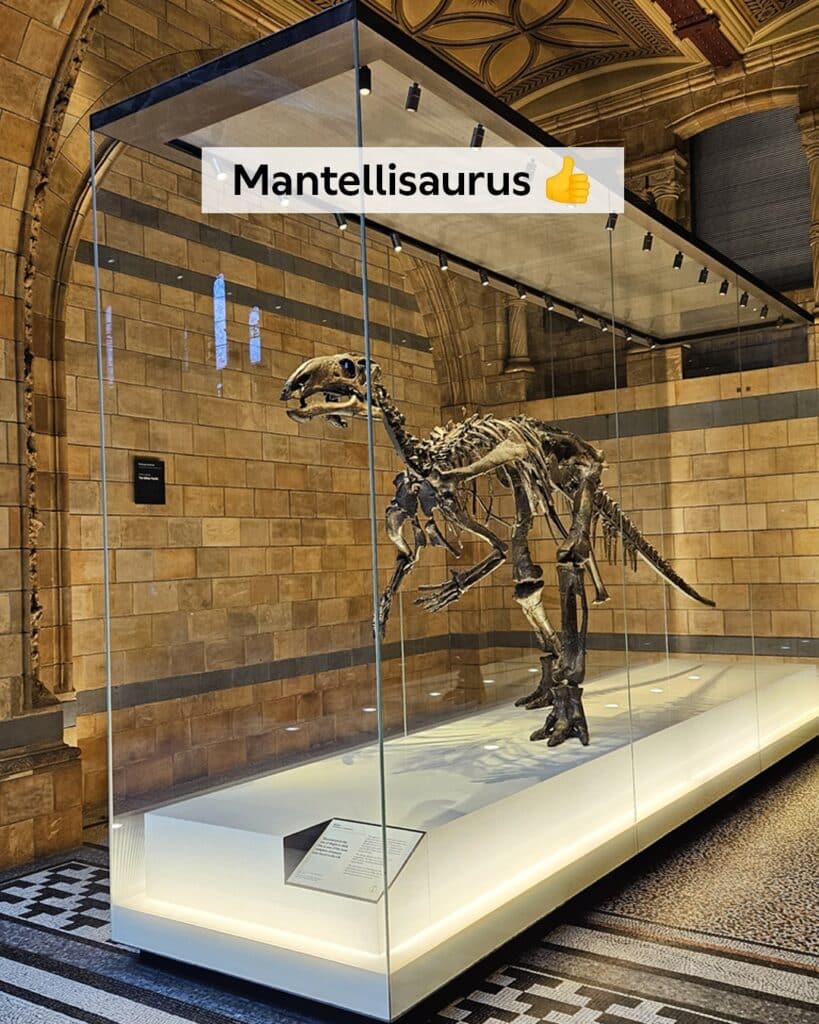
These duck-billed dinosaurs included animals such as Edmontosaurus and Parasaurolophus. Many were large-bodied herbivores capable of reaching substantial sizes.
And from a purely meat-production perspective, size is useful.
A large animal carries a lot of muscle.
Modern livestock gives us the same basic principle. Large animals can provide multiple cuts of meat, from large roasts to steaks and tougher pieces suited to slow cooking.
A hadrosaur’s herbivorous lifestyle also makes it an interesting comparison to large plant-eating animals humans already consume.
But don’t start planning a prehistoric Thanksgiving just yet.
We don’t know the precise muscle composition or fat distribution of these dinosaurs. Fossils preserve bones remarkably well, but they don’t come with neatly labeled packages saying “Top Sirloin – Best Cooked Medium-Rare.”
Still, a large hadrosaur would theoretically provide plenty of edible tissue.
Verdict: potentially one of the more practical candidates for the Mesozoic barbecue.
And if you’ve ever cooked for a crowd, you already understand the appeal of a dinosaur that could feed half the neighborhood.
Triceratops: Would the Horned Giant Make Good Steak?
Few dinosaurs have more obvious barbecue potential than Triceratops.
The animal was enormous, heavily built, and equipped with a powerful head and neck. Its body contained substantial amounts of muscle simply to support and move that massive frame.
The horns wouldn’t be going on the grill.
The frill wouldn’t make a particularly convenient steak either.
But the rest of the animal?
That’s where the hypothetical gets interesting.
Triceratops was an herbivore, so its lifestyle provides some broad comparisons with modern large herbivorous animals. Its muscles would have been used to move a heavy body and support an enormous head.
That could mean plenty of substantial cuts.
The catch is that big doesn’t automatically mean tender.
Anyone who has spent a Saturday tending a tough cut of meat knows the rule: muscle that works hard can require more attention in the smoker.
A dinosaur like Triceratops might therefore be better suited to long, slow cooking than a quick trip over high heat.
Imagine a pitmaster staring at a gigantic dinosaur brisket at 5 a.m.
“It’s done when it’s done.”
Sixteen hours later:
“Still not done.”
That’s one barbecue tradition that would probably survive the Mesozoic.
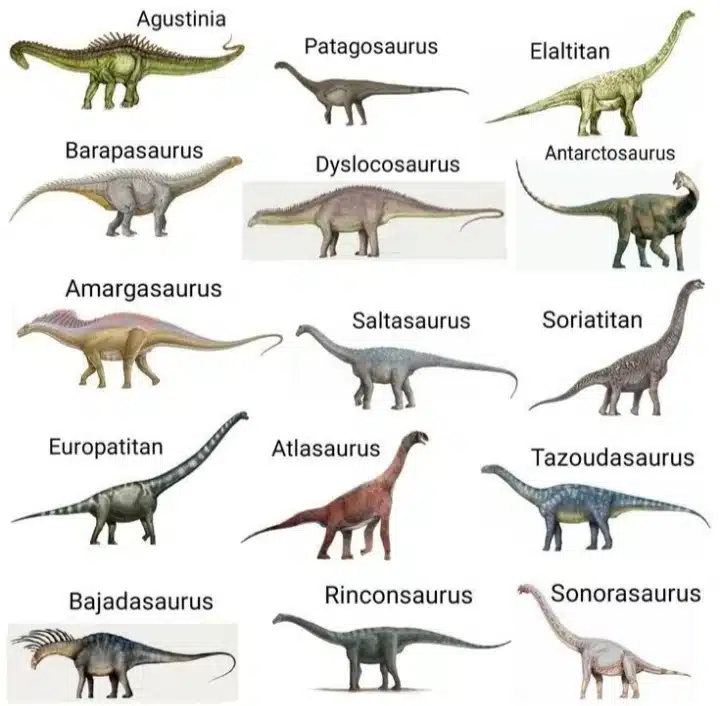
Sauropods: The Ultimate Dinosaur Steak?
Now we reach the ridiculous end of the menu.
Sauropods included giants such as Apatosaurus, Diplodocus, and Brachiosaurus. Some reached extraordinary sizes, making modern cattle look like appetizers.
From a purely theoretical standpoint, that’s a lot of meat.
But here’s the problem: you don’t simply cook a sauropod.
You process it.
A dinosaur of that scale would have to be butchered into manageable portions.
Cooking the entire animal would be less “backyard barbecue” and more “municipal infrastructure project.”
The sheer amount of muscle would also raise questions about texture and cooking time.
Large terrestrial animals already require careful preparation. Scaling that up to a sauropod creates a culinary problem that makes a whole-hog cook look like reheating leftovers.
Still, imagine the possibilities.
Sauropod ribs.
Sauropod brisket.
Sauropod stew.
A steak so large you need GPS to find the other end.
Of course, this is where the science becomes highly speculative. We cannot determine exactly what sauropod meat tasted like from fossils.
Their body size, metabolism, muscle structure, and physiology were unique.
So while a sauropod might win the award for “most meat per dinosaur,” it wouldn’t necessarily win “best tasting.”
Tyrannosaurus Rex: Would T. Rex Taste Like Chicken?
Here’s the question guaranteed to start an argument around the barbecue:
Would T. Rex taste like chicken?
The short answer is: nobody knows.
The slightly longer answer is much more interesting.
Tyrannosaurus was a theropod dinosaur. Modern birds are also theropod dinosaurs. That means there is a genuine evolutionary connection between the giant predator and the chicken on your plate.
But that doesn’t mean T. Rex would taste like a giant drumstick.
Modern birds have undergone millions of years of evolutionary change. A chicken’s body, metabolism, size, and muscle structure are obviously very different from those of a massive tyrannosaur.
T. Rex was also a large, active predator with powerful muscles and a very different body plan.
Its meat could have been leaner or tougher than the meat we’re accustomed to eating from domesticated poultry.
And then there’s the obvious practical issue.
You’d need a serious amount of confidence to walk up to a living T. rex and say, “Nice dinosaur. I’m just here for the brisket.”
Verdict: scientifically fascinating, gastronomically impossible to predict.
The safest bet is that it wouldn’t simply taste like chicken scaled up to several tons.
Smaller Dinosaurs: Perhaps the Better Dinner
Ironically, the smaller dinosaurs might make more sense as food.
A smaller animal would be easier to capture, butcher, transport, and cook. That’s important because the world’s best meat isn’t very useful if getting it onto the grill requires a construction crew.
Small theropods are especially interesting because of their relationship to birds.
Some theropods were relatively lightly built and may have had substantial similarities to modern birds in their body structure.
That doesn’t allow us to say, “This dinosaur tasted exactly like turkey.”
But it gives us a reasonable starting point for speculation.
The smaller the dinosaur, the easier it becomes to imagine it as something resembling a game bird or other small animal on a dinner plate.
Of course, plenty of small dinosaurs would still have been terrible choices.
Some may have had little meat. Others could have been difficult to catch. And a dinosaur being small doesn’t automatically make it delicious.
Sometimes nature gives you a fascinating animal and absolutely no reason to put it on a grill.
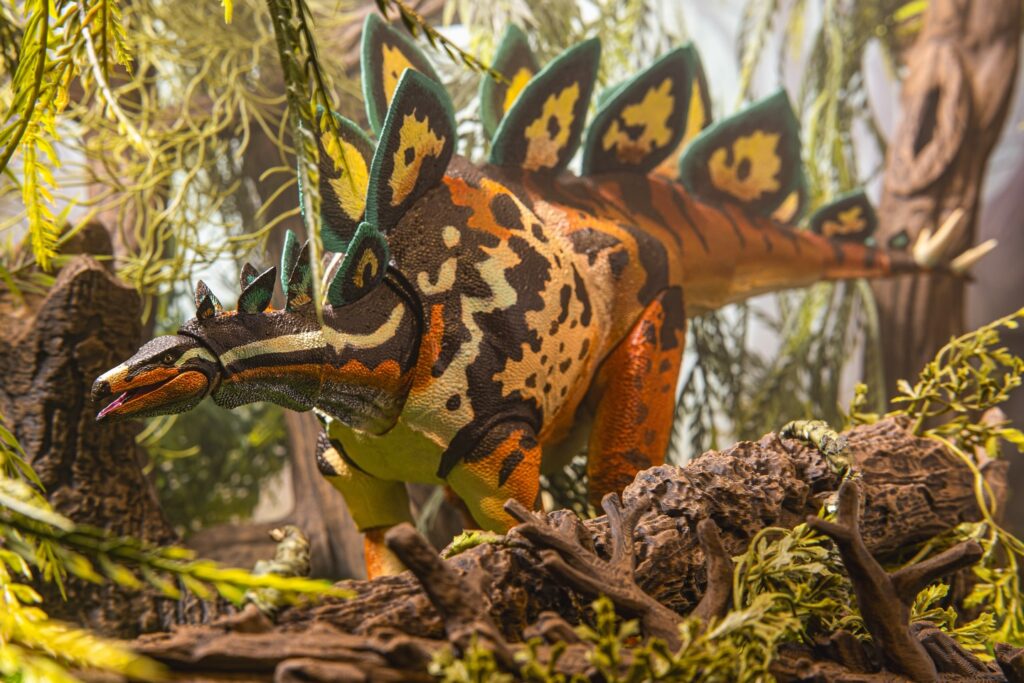
What Would Dinosaur Meat Actually Taste Like?
This is where a responsible article needs to put the tongs down for a moment.
Nobody knows.
Fossils can tell us a tremendous amount about dinosaur anatomy, movement, diet, and evolution. They cannot tell us whether a particular dinosaur tasted like beef, turkey, alligator, or something that would make you immediately reach for the barbecue sauce.
Flavor depends on many factors.
Diet matters.
An animal’s food can influence the composition and flavor of its tissues.
Muscle use matters.
Hard-working muscles tend to have different characteristics from muscles that aren’t used as heavily.
Fat matters.
Fat can contribute significantly to flavor and tenderness.
Age matters.
Younger and older animals can have noticeably different meat characteristics.
Cooking matters, too.
The same cut of meat can become tender and smoky after hours in a smoker or become tough and dry after being cooked too quickly.
That’s why comparing dinosaur meat to modern reptiles can only take us so far.
Alligator, snake, and turtle provide useful examples of humans eating reptilian animals. Birds provide a direct connection to living dinosaurs. Crocodilians offer an evolutionary comparison.
But none of these animals gives us a perfect dinosaur taste test.
The prehistoric mystery remains firmly on the menu.
How Would You Cook a Dinosaur?
Let’s assume, for the sake of a very unusual barbecue, that a dinosaur has somehow arrived at the butcher shop.
The first rule would be simple:
Don’t cook the whole thing just because you can.
Large animals need to be broken down into practical cuts.
For a hypothetical dinosaur barbecue, the best methods would probably depend on the animal and the muscle.
Grilling
Smaller, tender cuts could potentially work over direct heat. The goal would be to avoid drying out lean meat.
Smoking
This is where things get interesting.
Large, tougher cuts could theoretically benefit from long, slow cooking. Smoke adds flavor while extended cooking can help break down connective tissue.
Braising and Stewing
Tough cuts may be better suited to moist cooking methods. A giant pot of dinosaur stew suddenly sounds much more realistic than a T. Rex burger.
BBQ
And yes, a prehistoric BBQ would be the obvious choice for a meat-loving Mesozoic menu.
Modern reptile barbecue offers a fun point of comparison. Alligator meat is often grilled or fried, while other reptile meats can be stewed or prepared using a variety of regional techniques.
The key lesson is that cooking method should follow the meat.
A good pitmaster doesn’t see a giant slab and immediately crank the heat to maximum.
The animal has the final say.
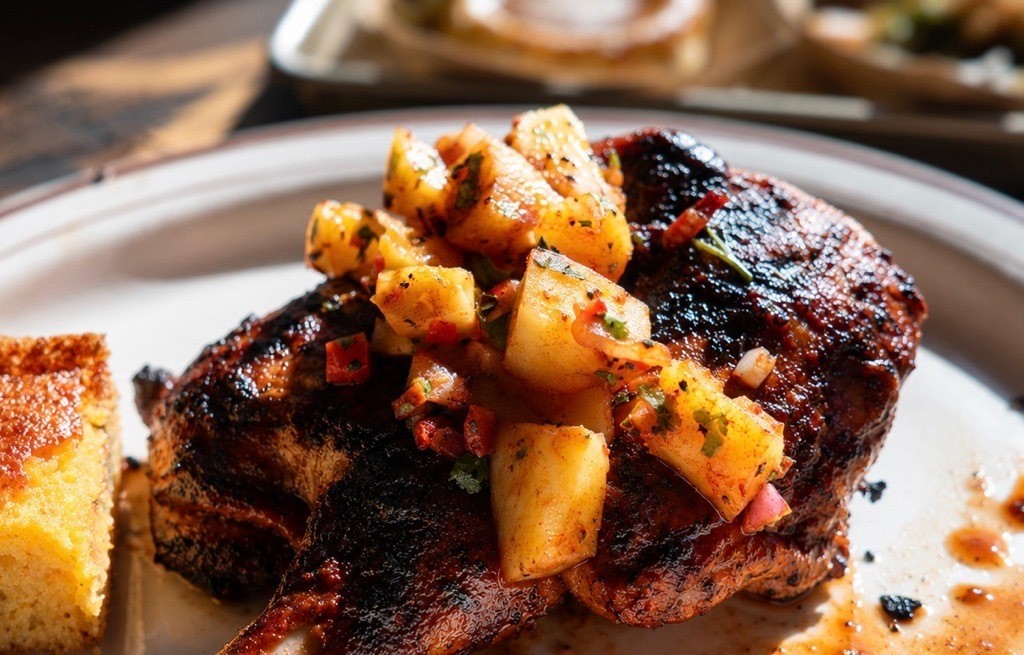
Which Dinosaur Would Make the Best Meal?
Let’s hand out a few completely hypothetical awards.
Best Large Feast: Hadrosaur
A big herbivore offers plenty of potential meat and seems like one of the more practical candidates for a prehistoric banquet.
Most Interesting Steak: Triceratops
Large muscles and an enormous body make it an obvious candidate for serious barbecue experimentation.
Most Meat: Sauropod
This one isn’t even close. A giant sauropod could turn a neighborhood barbecue into a week-long catering operation.
Most Intriguing Flavor: T. Rex
Its relationship with birds makes it fascinating, but there simply isn’t enough evidence to predict the taste.
Most Practical Dinner: Smaller Theropod
Smaller size means easier handling, cooking, and serving. Of course, all of these awards come with a giant asterisk.
This is educated speculation, not recovered dinosaur cuisine.
Dinosaurs That Probably Wouldn’t Make the Menu
Not every dinosaur belongs beside the baked beans. Some would simply be impractical.
A giant animal could provide enormous quantities of meat but require equally enormous resources to process.
Others may have had relatively little usable muscle compared with their body size. Then there is the safety question.
A dinosaur’s tissues could have contained parasites, pathogens, or compounds that we know nothing about. Modern food safety relies on understanding animals, diseases, handling, and cooking temperatures.
With an extinct animal, you’d be working without the instruction manual. And that’s before you consider the problem of acquiring the meat.
Hunting a Triceratops is one thing.
Hunting a T. Rex is another.
Your barbecue smoker is not going to save you.
The Ultimate Mesozoic Menu
So what would a completely fictional ultimate Mesozoic menu look like?
The Starter
Small Theropod Skewers
A playful nod to the modern relationship between birds and theropod dinosaurs.
The BBQ Special
Smoked Hadrosaur
Large herbivore, plenty of hypothetical muscle, and an obvious candidate for low-and-slow cooking.
The Steak
Triceratops Strip
Big animal. Big muscles. Big steak. The plate would probably need its own zip code.
The Slow-Cooked Special
Sauropod Stew
When your ingredient weighs several tons, breaking it down into a stew suddenly seems like common sense.
The Wild Card
T. Rex BBQ
The ultimate conversation starter and the least scientifically predictable dish on the table.
And for the modern comparison?
Alligator, snapping turtle, and snake show us that eating reptile meat isn’t as strange as it sounds.
These animals have long appeared in different culinary traditions, and their meat can be prepared using familiar methods such as grilling, smoking, frying, and stewing.
That doesn’t prove a dinosaur would taste the same.
It simply reminds us that our idea of what counts as “normal” food is surprisingly flexible.
Conclusion: Would Dinosaurs Really Have Been Good to Eat?
The most honest answer to the question “Could you eat a dinosaur?” is probably yes, at least in the broad biological sense.
But whether you’d enjoy it is another matter entirely.
Dinosaurs were an extraordinarily diverse group, and their meat would likely have varied just as much as their bodies, diets, and lifestyles did.
A massive herbivore would present a very different culinary challenge from a small feathered theropod.
A powerful predator wouldn’t necessarily taste anything like modern poultry simply because birds are its distant living relatives.
Modern alligators, snapping turtles, snakes, and birds give us intriguing clues.
They show that reptiles and dinosaur relatives can produce edible meat and that humans are perfectly capable of turning unusual animals into dinner.
But fossils don’t come with recipes.
We can examine bones. We can study anatomy. We can compare living animals. We can make educated guesses.
We cannot fire up the smoker and settle the debate.
And maybe that’s what makes the idea so much fun.
The ultimate Mesozoic menu isn’t really about discovering whether T. Rex would make a good steak. It’s about using food as a weird and entertaining way to understand dinosaurs.
Because once you start thinking about what could have gone on the grill, you start thinking about how those animals lived, moved, ate, and evolved.
And somewhere in the middle of all that science, one question remains stubbornly unanswered:
Would T. Rex need barbecue sauce?
Until somebody invents a time machine, we’ll just have to keep guessing.
Frequently Asked Questions
1. Could humans actually eat dinosaurs?
In theory, yes. Dinosaurs were animals with muscle, fat, and other tissues that could potentially be eaten. However, humans never ate non-avian dinosaurs because they lived millions of years before humans appeared.
2. What dinosaur would probably make the best meal?
Large herbivorous dinosaurs such as hadrosaurs or ceratopsians might be the most practical choices for a hypothetical meal because they had substantial bodies and large amounts of muscle. Exactly how their meat would taste remains unknown.
3. Would T. Rex taste like chicken?
Not necessarily. Modern birds are living dinosaurs and are related to theropods such as T. Rex, but that doesn’t mean a T. Rex would taste like chicken. Its size, muscles, diet, and physiology were dramatically different.
4. Would dinosaur meat taste like alligator?
There’s no way to know for certain. Alligator and other reptiles can provide useful comparisons because humans already eat them, but alligator meat isn’t a direct substitute for dinosaur meat. Dinosaurs were an extremely diverse group.
5. What modern reptiles are commonly eaten?
Alligator, snapping turtle, and various snakes are eaten in different parts of the world. Their meat can be grilled, smoked, fried, stewed, or prepared in other ways, making them interesting modern comparisons for a hypothetical dinosaur barbecue.
6. Could you BBQ a dinosaur?
Hypothetically, yes. Smaller cuts could potentially be grilled, while tougher or larger cuts might benefit from smoking, braising, or slow cooking. A massive dinosaur would first need to be butchered into manageable portions.
7. Which dinosaur would provide the most meat?
Large sauropods such as Apatosaurus, Diplodocus, and Brachiosaurus would theoretically provide enormous quantities of meat because of their tremendous body sizes. The challenge would be processing and cooking an animal that massive.
8. Did humans ever eat dinosaurs?
No. Humans and non-avian dinosaurs lived during completely different periods of Earth’s history. Humans appeared roughly 65 million years after the non-avian dinosaurs went extinct.
9. Are birds really dinosaurs?
Yes. Modern birds are considered living avian dinosaurs and are the surviving branch of the dinosaur lineage. This is why chickens, turkeys, and other birds provide such an interesting comparison when discussing the hypothetical ultimate Mesozoic menu.
10. What would dinosaur meat be like?
Scientists cannot know exactly. Fossils can reveal information about dinosaur anatomy, diet, and lifestyle, but they don’t preserve the flavor, tenderness, or precise texture of muscle tissue. Any description of dinosaur meat is therefore speculative.
11. Which dinosaur would be the hardest to cook?
A giant sauropod would probably present the biggest culinary challenge. Its enormous size would make preparation, butchering, temperature control, and cooking time far more complicated than cooking ordinary livestock.
A hypothetical ultimate Mesozoic menu could include smoked hadrosaur, roasted ceratopsian, sauropod stew, and a small theropod-inspired dish. T. Rex would be the wild-card entrée – but its flavor would be impossible to predict.
Featured image credit: @serpenillus
