
The smell of charcoal catching fire has a way of pulling people outdoors. One minute you’re lighting the grill, and the next the neighbors are suddenly finding reasons to walk past your backyard.
That’s the magic of barbecue. But somewhere between the smoke and the sizzle, another topic has been getting plenty of attention – nitrites.
Mention the word, and you’ll often hear strong opinions. Some people believe every grilled steak is packed with dangerous chemicals. Others insist that anything cooked over charcoal is perfectly harmless because it’s “natural.”
Like most things in barbecue, the truth sits comfortably in the middle.
One lesson every pitmaster learns is that fire is a tool, not the enemy.
The same fire that creates a beautiful bark on brisket can also burn a burger into something that resembles a hockey puck. It’s all about understanding what the fire is doing and how to control it.
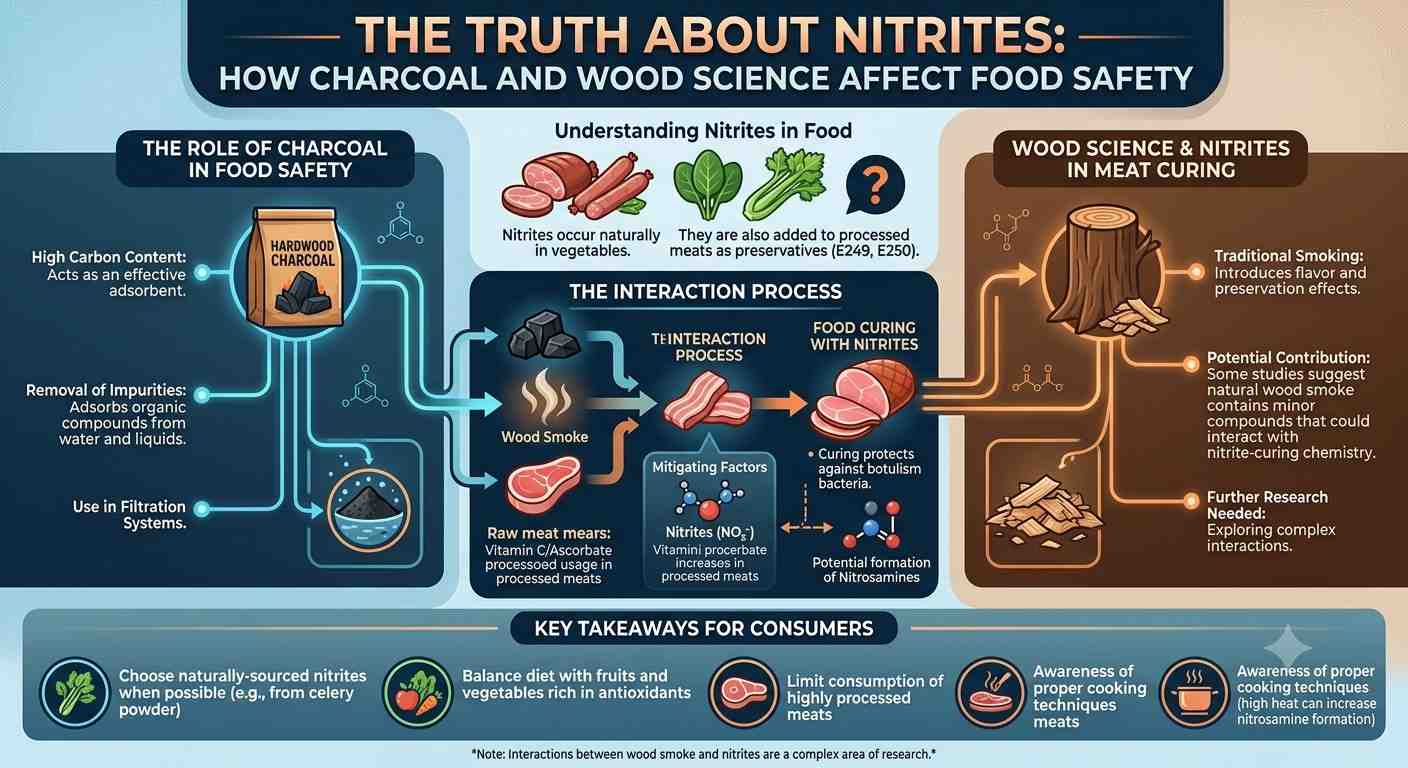
The same principle applies to nitrites. Understanding where they come from, what they actually do, and how charcoal and wood influence the cooking process can help you make smarter choices without giving up the foods you love.
Let’s separate the science from the smoke and uncover what’s really happening beneath the grill grate.
What Are Nitrites and Why Do They Matter?
The word nitrites tends to appear in conversations about processed meats, smoked foods, and health concerns. Unfortunately, it’s often discussed without much context.
Here’s the simple version.
Nitrites are naturally occurring chemical compounds made from nitrogen and oxygen.
They exist in nature, inside our bodies, and in many everyday foods. That surprises a lot of people because nitrites are often portrayed as something created only in factories. The reality is far more interesting.
Understanding Nitrites and Nitrates
A common source of confusion comes from mixing up nitrates and nitrites. They’re closely related, but they’re not identical.
Think of nitrates as the “starting point.” Through natural biological processes, nitrates can convert into nitrites. This conversion happens in soil, plants, water, and even inside the human body.
Key difference:
- Nitrates are relatively stable.
- Nitrites are more reactive and play a larger role in food preservation and chemistry.
Nature performs this conversion every day without asking anyone’s permission. It’s simply part of the nitrogen cycle.
One funny thing about barbecue is that people sometimes fear nitrites while happily eating a spinach salad beforehand. Ironically, many leafy vegetables contain far more naturally occurring nitrates than cured meats.
Food science loves irony.
Where Do Nitrites Come From?
Many people assume nitrites only appear in bacon, hot dogs, or deli meats. That’s only one piece of the story.
Nitrites can come from several sources:
- Leafy green vegetables
- Beets and celery
- Drinking water
- Certain cured meats
- Natural processes inside the human body
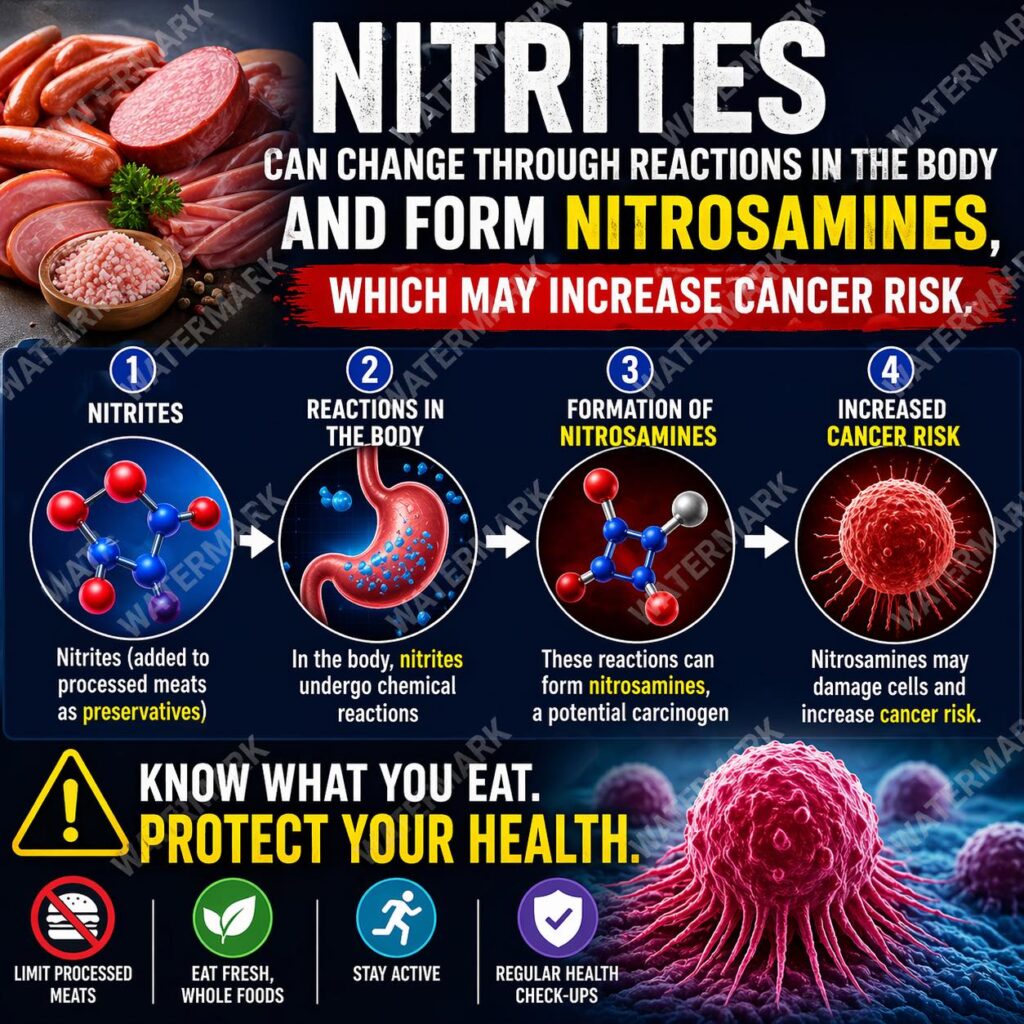
In fact, your own saliva helps convert dietary nitrates into nitrites as part of normal digestion.
That’s right – your body is already making nitrites.
This doesn’t mean unlimited consumption is a good idea. It simply means that context matters, and the word “nitrites” shouldn’t automatically trigger alarm bells.
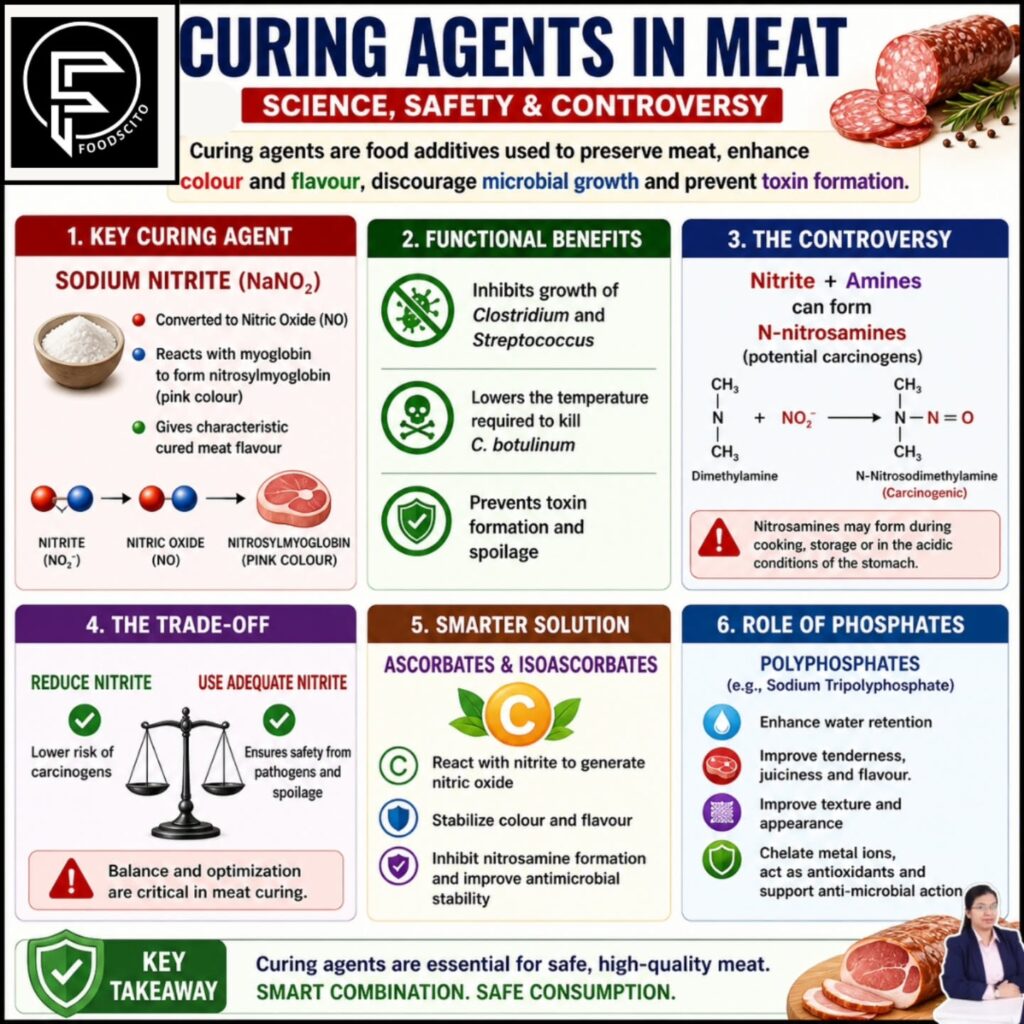
Why Food Producers Use Nitrites
When used in cured meats, nitrites perform several valuable jobs.
They help:
- Prevent the growth of dangerous bacteria, including Clostridium botulinum
- Maintain the familiar pink color of cured meats
- Enhance flavor development
- Improve shelf life
Without nitrites, many traditional cured products would be less stable and potentially less safe.
Of course, balance is important.
Researchers have spent decades studying how nitrites behave during cooking, especially at high temperatures. That’s why understanding grilling techniques is just as important as understanding the ingredients themselves.
How Charcoal and Wood Produce Heat and Smoke
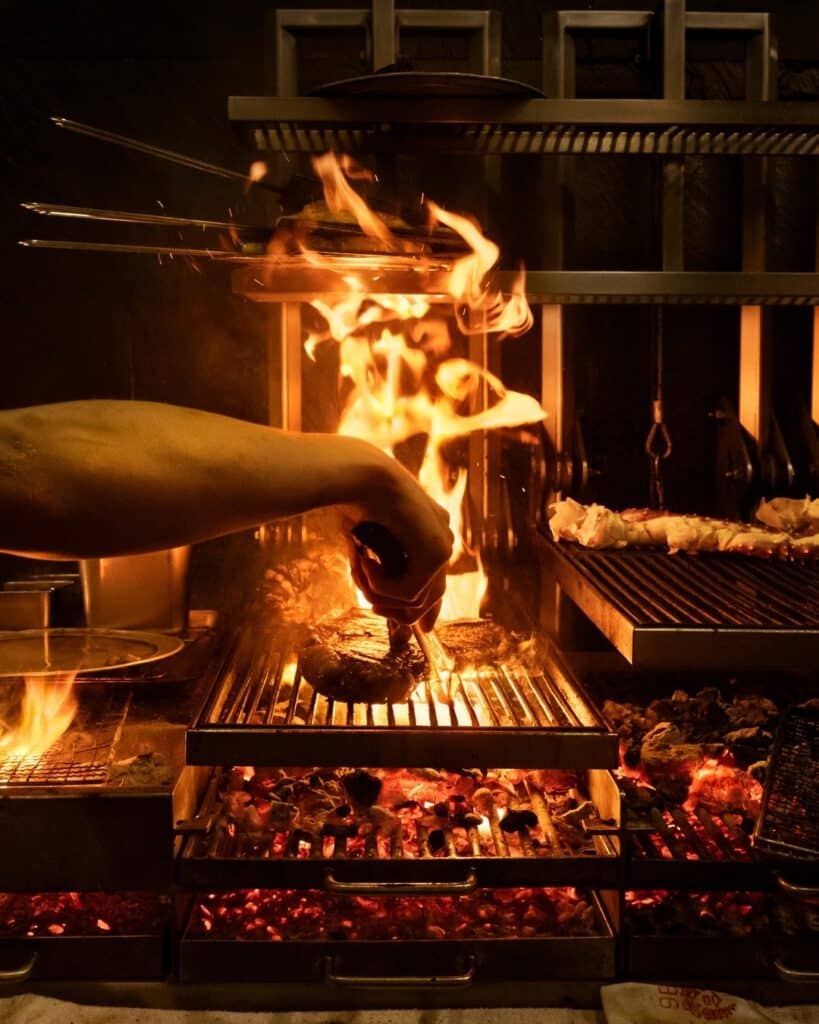
A grill doesn’t simply make fire. It creates an entire chain of chemical reactions. That’s one reason barbecue feels equal parts cooking and science experiment. Fortunately, this experiment usually ends with dinner instead of an explosion.
The Science Behind Charcoal Combustion
Charcoal is mostly carbon.
Once enough heat is applied and oxygen is available, carbon combines with oxygen to produce heat. Simple in theory. Remarkably complex in practice.
The amount of oxygen reaching the charcoal dramatically changes how efficiently it burns.
A well-ventilated fire burns hotter and cleaner.
A fire starved of oxygen produces thicker smoke and more partially burned compounds.
Cleaner combustion generally produces cleaner smoke.
That’s why experienced grillers spend so much time adjusting vents instead of constantly moving food around. The fire is doing most of the work.
What Happens When Wood Burns?
Wood follows a slightly different path. Before wood becomes glowing embers, it undergoes a process called pyrolysis.
This is where heat breaks down the wood into gases, vapors, charcoal, and hundreds of flavorful compounds.
These compounds create the aromas barbecue lovers recognize instantly. Different woods produce different flavor profiles because each species contains unique natural chemicals.
For example:
- Oak creates a balanced smoke.
- Hickory delivers a stronger, bacon-like flavor.
- Apple wood offers mild sweetness.
- Cherry produces a rich color and subtle fruit notes.
Choosing wood is almost like choosing spices for a recipe. Too little, and you barely notice it.
Too much, and dinner tastes like you accidentally grilled it inside a campfire.
Does Moisture Matter?
Absolutely.
Freshly cut or “green” wood contains large amounts of water. Before the wood can burn efficiently, that moisture has to evaporate.
This creates heavier smoke and less efficient combustion.
Seasoned hardwood burns cleaner, hotter, and produces better-quality smoke.
That’s why experienced pitmasters rarely recommend cooking with wet logs unless you’re trying to impress someone with your ability to make enormous clouds of smoke—and very little good barbecue.
Lump Charcoal vs. Briquettes
Not all charcoal behaves the same.
Lump charcoal is made by carbonizing natural hardwood. It burns hotter, responds quickly to airflow adjustments, and leaves less ash.
Charcoal briquettes are manufactured into consistent shapes using compressed charcoal and binders. They offer steady, predictable burn times, making them popular for longer cooks.
Neither option automatically makes food safer or less safe.
What matters most is how you manage the fire.
A clean-burning charcoal fire with proper airflow produces better cooking conditions than a poorly managed fire, regardless of which fuel you choose.
And that’s where the conversation about nitrites, smoke chemistry, and food safety becomes even more interesting.
Do Charcoal and Wood Actually Create Nitrites?
This is the question that sparks most of the debate around nitrites and barbecue. The short answer: charcoal and wood do not simply inject nitrites into your food the way a seasoning shaker adds salt. The chemistry is more complicated than that.
Smoke Is a Chemical Cocktail
When wood burns, it releases hundreds of compounds. Some contribute flavor. Some contribute aroma. A few are compounds scientists watch closely because they can affect food safety.
Among those compounds are nitrogen oxides, which can form during combustion. Under certain conditions, these compounds can interact with meat proteins and contribute to the chemistry associated with cured or smoked meats.
Key point: Smoke contains many compounds, but smoke itself is not the same thing as adding nitrite directly to food.
Think of it like making coffee. Water is involved, but drinking coffee is not the same thing as drinking plain water. The ingredients and reactions matter.
Can Smoke Increase Nitrite Formation?
Yes, under specific conditions, smoke can contribute to reactions that increase nitrite-related compounds on the surface of meat.
Several factors influence this:
- Cooking temperature
- Type of wood
- Oxygen levels in the fire
- Moisture in the meat
- Length of exposure to smoke
That sounds alarming until you remember something important: the amounts involved in typical home grilling and smoking are generally far lower than many people imagine.
Food scientists are far more concerned with excessive charring and prolonged high-temperature cooking than with the small nitrite-related changes that occur during normal smoking.
What Current Research Actually Says
Research on nitrites, smoke, and cooking continues to evolve. The strongest evidence suggests:
- Nitrites themselves are not automatically dangerous.
- Cooking methods matter.
- Very high heat and heavy charring create other compounds that deserve attention.
- Moderation and proper cooking practices are more important than avoiding barbecue entirely.
In other words, the science is not saying, “Never eat smoked food again.” It is saying, “Cook intelligently and avoid turning dinner into charcoal.”
Pitmaster rule: The goal is smoke-kissed, not smoke-punished.
The Real Food Safety Concerns When Grilling and Smoking
Most barbecue discussions focus on nitrites, but that is only one piece of the food safety puzzle.
The bigger concerns often come from how hot you cook and how much charring develops.
High-Temperature Cooking Risks
Meat cooked over intense heat undergoes complex chemical reactions. Some are delicious. Others are less desirable.
Excessive charring can create compounds that researchers associate with increased health risks when consumed frequently over long periods.
A little browning is flavor. A thick black crust from uncontrolled flames is a warning sign.
One brisket cook taught this lesson the hard way. The fire got away, flames licked the meat for a few minutes, and the bark went from mahogany to meteorite. The guests politely ate around the black parts. The dog refused them entirely.
That was humbling.
Compounds Beyond Nitrites
Two groups of compounds get significant attention in grilling research:
HCAs (Heterocyclic Amines)
Form when muscle meats are cooked at very high temperatures.
PAHs (Polycyclic Aromatic Hydrocarbons)
Can form when fat drips onto hot coals or burners, creating smoke that coats the food. These compounds often deserve more attention than nitrites in everyday grilling discussions.
What Increases the Risk?
Several habits can push barbecue in the wrong direction:
- Cooking directly over roaring flames
- Leaving meat in one spot too long
- Allowing heavy grease flare-ups
- Using poor-quality fuel that produces dirty smoke
- Cooking everything as hot as possible because “hotter is faster”
That last one is especially common. Fast is great for burgers. It is terrible for brisket and unnecessary for many cuts.
Barbecue is not a race. The fire should work for you, not against you.
How to Reduce Potential Risks Without Giving Up Grilling
Good barbecue and good food safety can absolutely coexist. You do not need to abandon charcoal, wood, or smoked foods. You simply need a few smart habits.
1. Choose Better Fuel
Start with clean-burning fuel:
- Natural hardwood lump charcoal
- Quality briquettes from reputable brands
- Seasoned hardwoods such as oak, hickory, cherry, or apple
Avoid painted, treated, or construction lumber. That belongs in a project, not in a smoker.
2. Control the Temperature
One of the best upgrades any backyard cook can make is learning indirect heat.
Instead of placing all the food directly over the coals, create two zones:
Hot Zone
For searing and quick cooking
Cooler Zone
For finishing gently
This gives you control and reduces excessive charring.
3. Trim Excess Fat
Fat dripping onto coals creates smoke and flare-ups. A little is part of barbecue. A lot can coat food with unwanted compounds. Trim large excess fat caps and keep a spray bottle handy for flare-ups.
4. Turn Food More Frequently
Contrary to old grilling myths, flipping meat more often can help reduce overcooking on one side. Burgers do not need a dramatic once-per-cook ceremonial flip. They are not being knighted.
5. Marinate Meats
Marinades do more than add flavor.
Research suggests certain marinades, especially those containing herbs, spices, citrus, or vinegar, may help reduce the formation of some high-heat cooking compounds.
A good marinade is flavor insurance and a smart food-safety bonus.
6. Cook to Safe Temperatures
Use a thermometer instead of guessing.
| Food | Safe Internal Temperature |
| Poultry | 165°F (74°C) |
| Ground meats | 160°F (71°C) |
| Steaks and chops | Follow your preferred doneness and safety guidance |
A thermometer costs less than a ruined cook and far less than a food poisoning story.
Quick Takeaways Before We Move On
Nitrites are not automatically harmful. They occur naturally and have legitimate food-preservation uses. Charcoal and wood do not simply “add nitrites” to food. The chemistry is more complex and depends on combustion conditions.
Excessive charring is a bigger everyday concern. HCAs and PAHs are often more relevant in grilling discussions. Clean fuel + controlled heat = better barbecue. Good airflow, indirect heat, and quality charcoal or wood make a noticeable difference.
Common Myths About Nitrites, Charcoal, and Smoked Foods
Barbecue has been around for centuries. So have barbecue myths. Some get passed down from one backyard cook to the next like treasured family recipes. The only difference is that myths don’t usually taste as good. Let’s clear the smoke.
Myth #1: All Nitrites Are Artificial
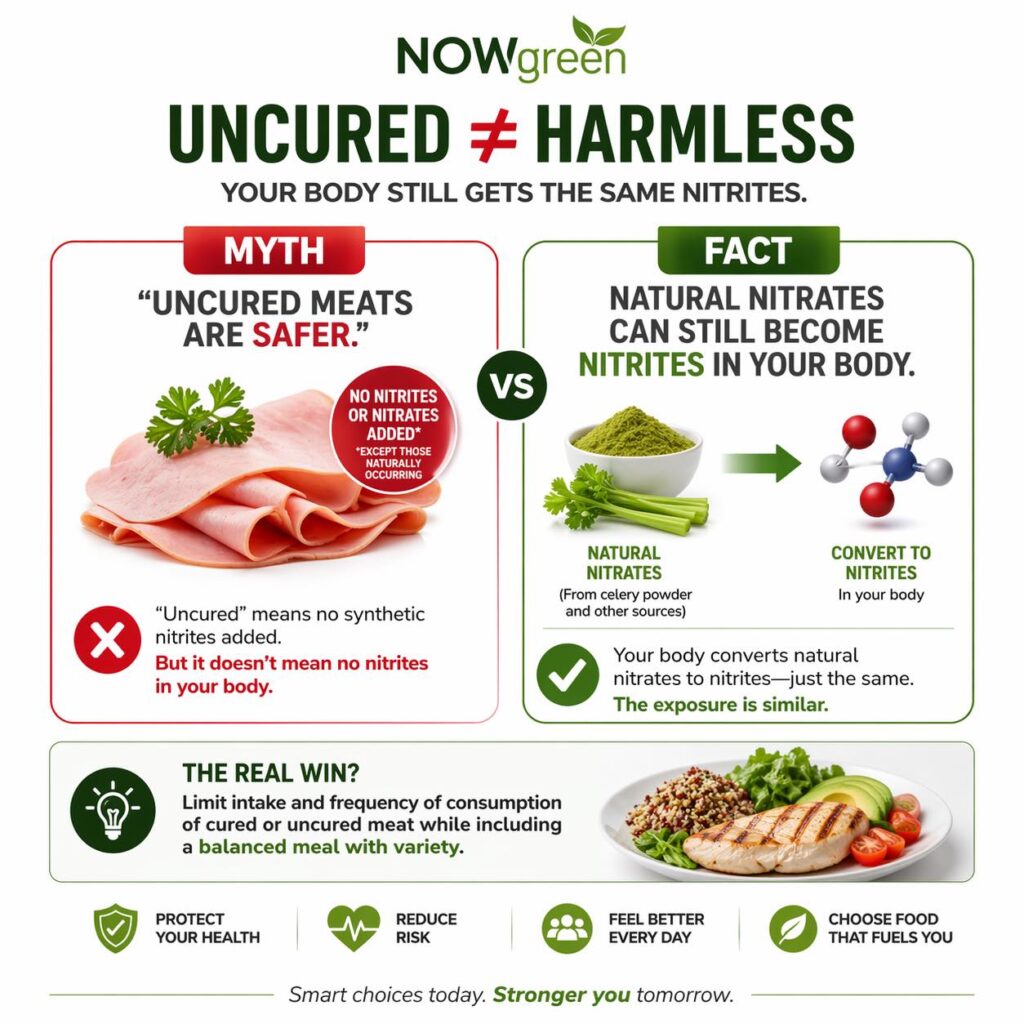
This is probably the biggest misconception. The word nitrites often makes people think of food factories and chemical additives. In reality, nitrites are part of the natural nitrogen cycle. They occur in soil, water, vegetables, and even within the human body.
Leafy greens like spinach, lettuce, and arugula naturally contain high levels of nitrates, which your body can convert into nitrites during digestion.
Key takeaway: Not all nitrites are added to food, and not all nitrites are harmful.
The real question isn’t simply whether nitrites are present. It’s how much, where they came from, and how they interact with other compounds during cooking.
Myth #2: Charcoal Automatically Makes Food Dangerous
Charcoal often gets blamed simply because it’s black. Fortunately, color isn’t a scientific measurement.
Properly lit charcoal burns remarkably clean. Once the coals are covered in a light gray ash, they produce consistent heat that’s ideal for grilling.
The real trouble begins when:
- Coals haven’t fully ignited.
- Food sits directly in large flames.
- Grease causes repeated flare-ups.
- Food is cooked until it’s heavily charred.
It’s poor fire management – not charcoal itself – that usually creates unnecessary risks.
One backyard joke never gets old:
“Anyone can burn a steak. The trick is convincing everyone it was intentional.”
Great barbecue isn’t about cooking over the biggest fire.
It’s about controlling the fire.
Myth #3: Wood Smoke Is Always Harmful
Smoke is what gives barbecue its signature personality. Without it, brisket would simply taste like… warm beef. But not all smoke is created equal.
Experienced pitmasters often talk about “thin blue smoke.”
That’s the light, almost invisible smoke produced by clean combustion. Heavy white or dark gray smoke usually tells a different story.
It often means:
- Poor airflow
- Wet wood
- Incomplete combustion
- Fire that’s struggling to burn efficiently
Clean smoke adds flavor. Dirty smoke adds bitterness.
Understanding that difference is one of the biggest steps toward improving both flavor and food quality.
Myth #4: Smoked Foods Should Be Avoided Completely
This is where headlines sometimes create more fear than understanding. Can smoked foods contain compounds researchers continue to study?
Yes.
Should they automatically disappear from your diet? Not according to the available evidence.
Health organizations generally recommend a balanced diet, moderation, and smart cooking practices – not eliminating barbecue altogether.
After all, food isn’t just fuel.
It’s tradition.
It’s family gatherings.
It’s weekend cookouts.
It’s celebrating birthdays, holidays, championships, and sometimes surviving a long workweek.
The goal isn’t to fear food.
The goal is to cook it well and enjoy it responsibly.

Final Thoughts: Respect the Fire, Respect the Science
Barbecue has always balanced two worlds.
One side is instinct – the sound of sizzling fat, the smell of oak smoke drifting through the yard, and the satisfaction of slicing into perfectly cooked brisket.
The other side is science.
Understanding nitrites, combustion, smoke chemistry, and food safety doesn’t take away from the experience. It actually makes you a better cook.
The biggest lesson is surprisingly simple:
Nitrites are not the villain many people imagine.
They occur naturally in the environment, play an important role in food preservation, and exist in many foods we eat every day. The real conversation isn’t about eliminating nitrites entirely – it’s about understanding how they fit into the bigger picture of cooking and nutrition.
When it comes to charcoal and wood, the quality of your fire matters just as much as the quality of your food.
A clean-burning fire fueled by seasoned hardwood or quality charcoal produces better flavor, more consistent cooking, and fewer unwanted byproducts than a smoky, oxygen-starved blaze.
The same goes for grilling technique.
Avoid excessive charring.
Keep flare-ups under control.
Use a thermometer instead of guessing.
Cook with patience instead of panic.
Those habits will improve your barbecue far more than chasing the latest internet scare.
One final truth every pitmaster eventually learns is this:
Great barbecue isn’t about cooking with the hottest fire. It’s about cooking with the smartest one.
Master the fire, understand the science, and you’ll serve food that’s not only delicious but prepared with confidence. That’s something worth gathering around the grill for, every single time.
Frequently Asked Questions
Are grilled foods safe to eat?
Yes.
Grilled foods can absolutely be part of a healthy diet when they’re cooked properly.
The biggest safety improvements come from:
- Avoiding excessive charring
- Managing flare-ups
- Using quality charcoal or seasoned hardwood
- Cooking meat to safe internal temperatures
Good grilling is about control, not just heat.
Does charcoal contain nitrites?
No.
Charcoal itself is primarily carbon. During combustion, charcoal can produce gases and other compounds, but charcoal is not a source of nitrites in the way cured meats are.
The chemistry surrounding smoke is much more complex than simply saying charcoal “contains nitrites.”
Is wood smoke harmful?
Wood smoke contains hundreds of naturally occurring compounds. Some contribute wonderful flavors. Others are produced when combustion is incomplete or temperatures become excessive.
That’s why experienced pitmasters aim for:
- Dry, seasoned hardwood
- Proper airflow
- Clean-burning fires
- Steady cooking temperatures
The cleaner the fire, the cleaner the smoke.
Which type of charcoal is safest?
Both lump charcoal and quality briquettes can be excellent choices.
What’s far more important is:
- Buying products from reputable manufacturers
- Avoiding lighter fluid residue on food
- Allowing charcoal to become fully lit before cooking
- Maintaining good airflow throughout the cook
Good technique matters more than the label on the bag.
Can marinating meat reduce harmful compounds?
Research suggests yes.
Marinades made with ingredients such as:
- Herbs
- Garlic
- Citrus juice
- Vinegar
- Olive oil
- Spices
may help reduce the formation of certain compounds associated with high-temperature cooking.
As an added bonus, they usually make dinner taste better.
That’s what barbecue people call a win-win.
Should I stop eating smoked meats because of nitrites?
For most people, the answer is no.
Instead, focus on:
- Eating a varied diet
- Enjoying smoked foods in moderation
- Using proper cooking techniques
- Avoiding excessive charring
- Choosing quality ingredients and fuel
Barbecue doesn’t have to be perfect to be enjoyed – it just needs to be prepared thoughtfully.
Featured image credit: Google Gemini
