
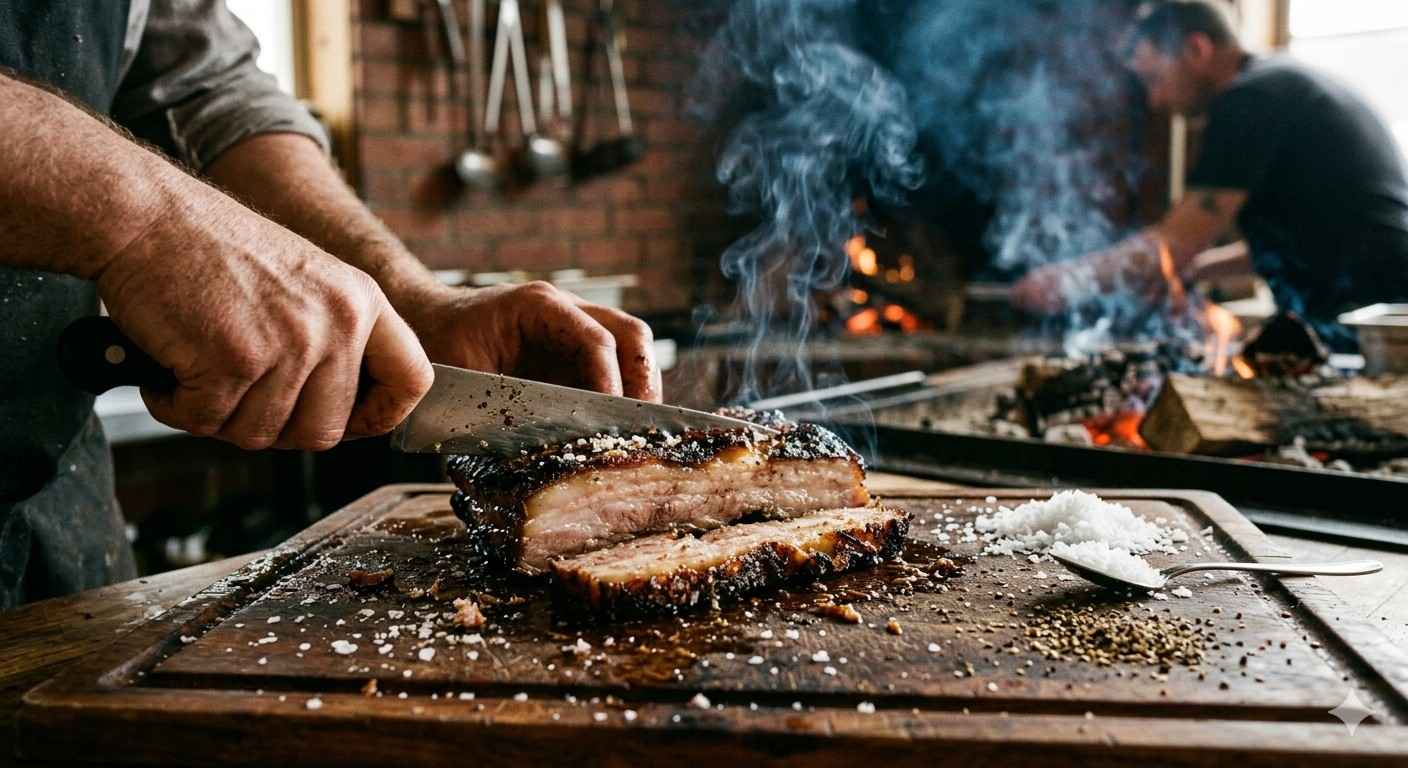
About a month ago I watched a guy ruin a perfectly good brisket.
Beautiful cut. Great bark. Smelled like heaven.
Then I took a bite… and it tasted like an ashtray that lost a fight with a salt shaker.
That’s when it hit me – again.
Great BBQ isn’t about doing more. It’s about balancing three things: smoke, salt, and fat.
That’s what I call the flavor triangle. Get it right, and your barbecue sings. Get it wrong, and no sauce in the world can save you.
Let’s break it down the way a pitmaster actually thinks about it – simple, practical, and a little obsessed.
What Is the Flavor Triangle?
Think of the flavor triangle as your BBQ compass.
Not a recipe. Not a trend.
A balance system.
- Smoke gives depth and aroma
- Salt wakes everything up
- Fat carries flavor and keeps things juicy
Here’s the catch most people miss:
It’s not about maximizing each one – it’s about balancing all three.
Too much smoke? Bitter.
Too much salt? Harsh.
Too much fat? Greasy and heavy.
But when they work together?
That’s when you get that “I need another bite immediately” kind of BBQ.

Smoke – The Soul of BBQ
Smoke is the first thing people chase – and the first thing they mess up.
What Smoke Actually Does
Smoke doesn’t just flavor meat.
It builds layers.
It adds:
- Aroma (what hits your nose before your mouth)
- Complexity (that “what is that flavor?” moment)
- Character (the difference between oven-roasted and pit-smoked)
But here’s the truth:
Good smoke is invisible. Bad smoke is loud.
Clean Smoke vs Dirty Smoke
You want that thin, almost shy, blue smoke.
Not:
- Thick white clouds
- Billowing gray smoke
- Anything that looks like a tire fire
Because dirty smoke = bitter, acrid flavor.
Choosing the Right Wood
Different woods bring different personalities:
- Apple / Cherry → mild, slightly sweet
- Hickory → classic BBQ punch
- Mesquite → bold, aggressive, easy to overdo
Rule of thumb:
Match the strength of your wood to the meat.
Delicate chicken? Go light.
Big brisket? It can handle more attitude.
Pitmaster Tip
Don’t keep feeding wood like you’re stoking a bonfire.
Add wood with intention, not emotion.
Your fire should feel controlled – not desperate.
Salt – The Quiet Powerhouse
Salt doesn’t get the glory, but it should.
Because without it?
Your BBQ tastes like… nothing much.
Why Salt Matters
Salt does three critical things:
- Enhances natural meat flavor
- Helps retain moisture
- Builds a proper crust (bark)
And here’s the magic:
Salt doesn’t make meat salty – it makes it taste more like itself.
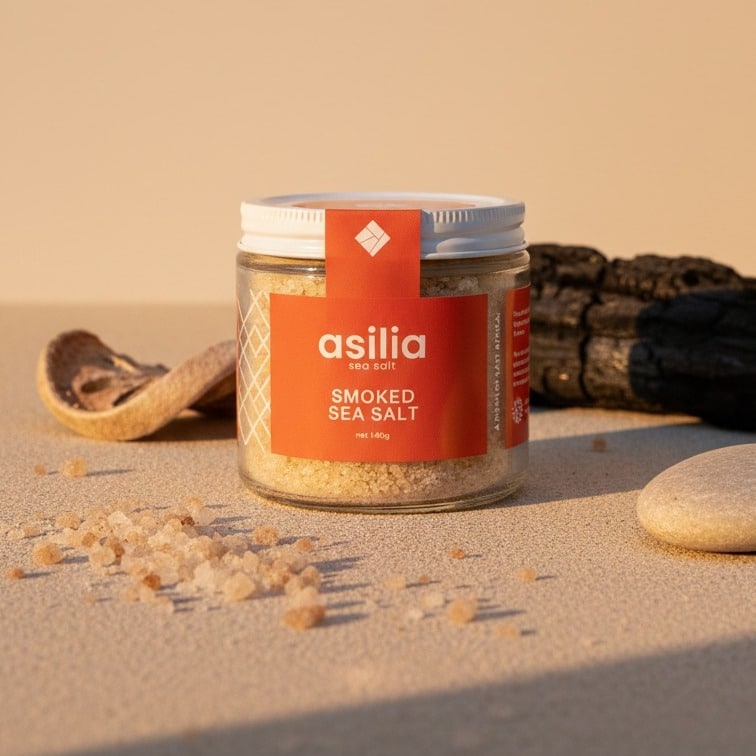
The Right Kind of Salt
If you’re serious about BBQ:
- Use kosher salt
- Avoid fine table salt for seasoning meat
Why?
Because kosher salt:
- Is easier to control
- Distributes more evenly
- Doesn’t overpack on the surface
Dry Brining (Your Secret Weapon)
This is where things level up.
Instead of salting right before cooking:
Salt your meat hours – or even a day – before it hits the smoker.
What happens:
- Salt penetrates deep
- Moisture gets reabsorbed
- Flavor becomes more even
It’s like seasoning from the inside out.
Common Salt Mistakes
- Salting too late
- Being too timid with thick cuts
- Or the classic… dumping too much at once
Fix? Season evenly. Give it time. Trust the process.
Fat – The Flavor Multiplier
If smoke is the soul and salt is the spark…
Fat is the engine.
Why Fat Matters So Much
Fat does something incredible:
It carries flavor across your tongue.
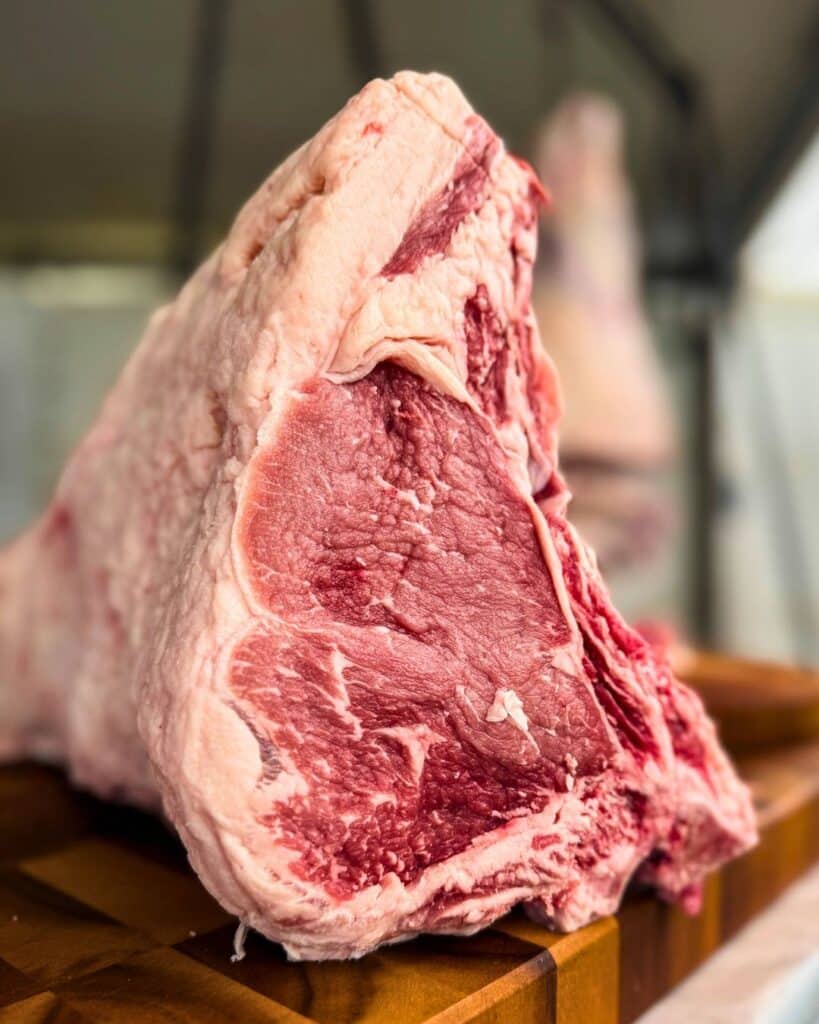
That’s why a well-marbled brisket tastes richer, deeper, more satisfying.
It also:
- Keeps meat juicy
- Prevents dryness
- Adds that melt-in-your-mouth texture
Types of Fat in BBQ
You’ve got two main players:
- Intramuscular fat (marbling) → inside the meat
- External fat (fat cap) → on the surface
Both matter. But they behave differently.
Rendering: Where the Magic Happens
Fat isn’t useful until it renders.
That means:
- Low heat
- Slow cooking
- Patience (lots of it)
If you rush it, fat stays rubbery.
If you nail it?
It melts into the meat and transforms everything.
Common Fat Mistakes
- Trimming too aggressively
- Cooking too hot and fast
- Not letting the meat rest
Remember:
Resting isn’t optional – it’s where juices redistribute and fat settles into the meat.
Balancing the Flavor Triangle
Now we get to the real craft.
Because knowing each element is one thing.
Balancing them? That’s pitmaster territory.
What Balance Actually Looks Like
You take a bite and notice:
- A gentle smokiness – not overpowering
- A savory depth from salt – not sharp
- A rich, juicy texture from fat – not greasy
Nothing dominates. Everything supports.
That’s the flavor triangle in harmony.
Adjusting Based on Meat
Different meats need different balances.
Brisket
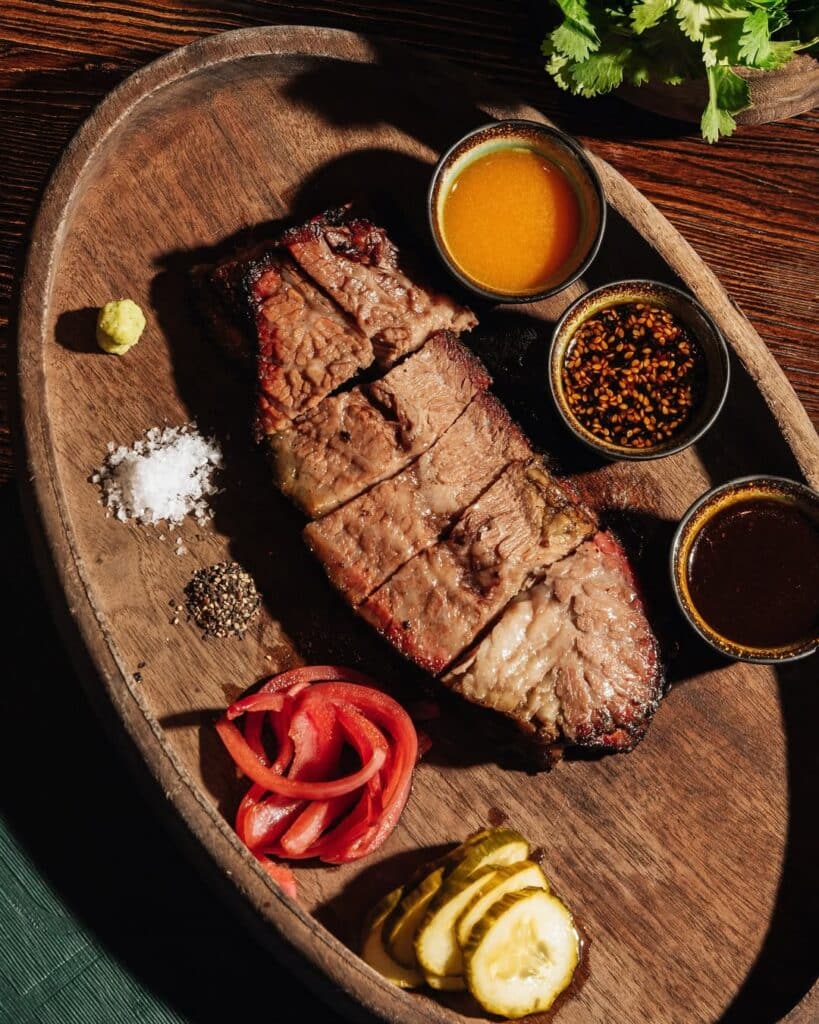
- High fat → go moderate on smoke
- Needs confident salting
- Let fat do the heavy lifting
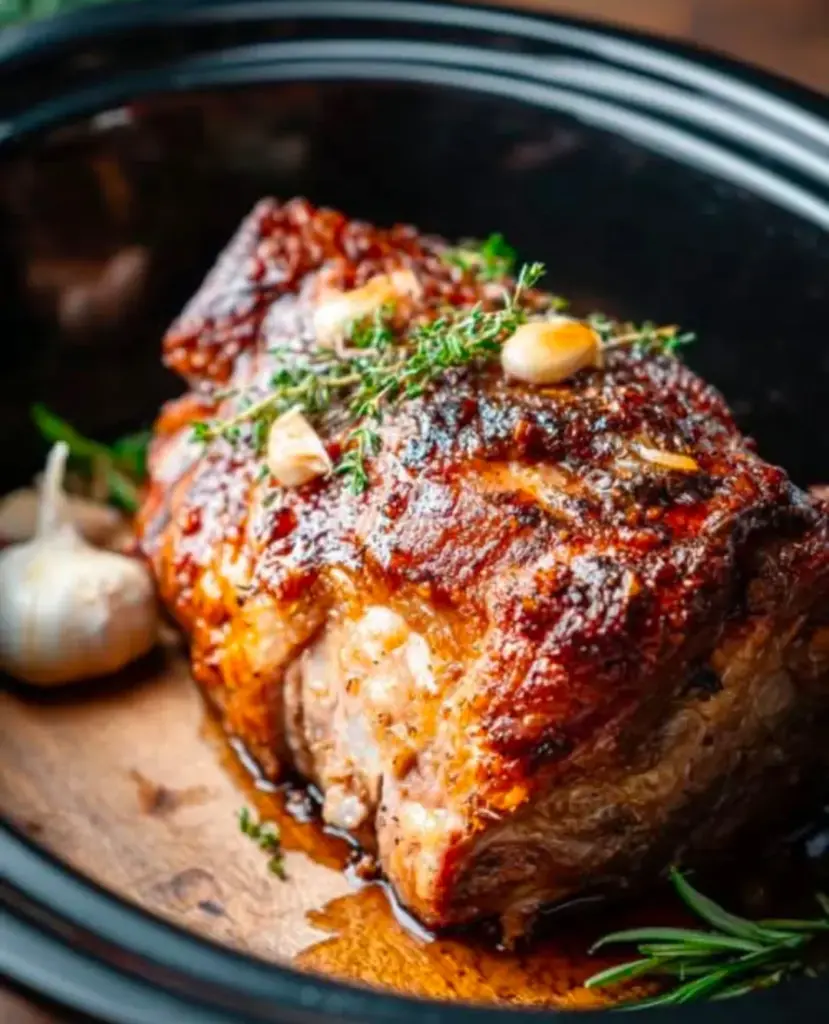
Pork Shoulder
- Forgiving cut
- Loves smoke
- Fat renders beautifully over time
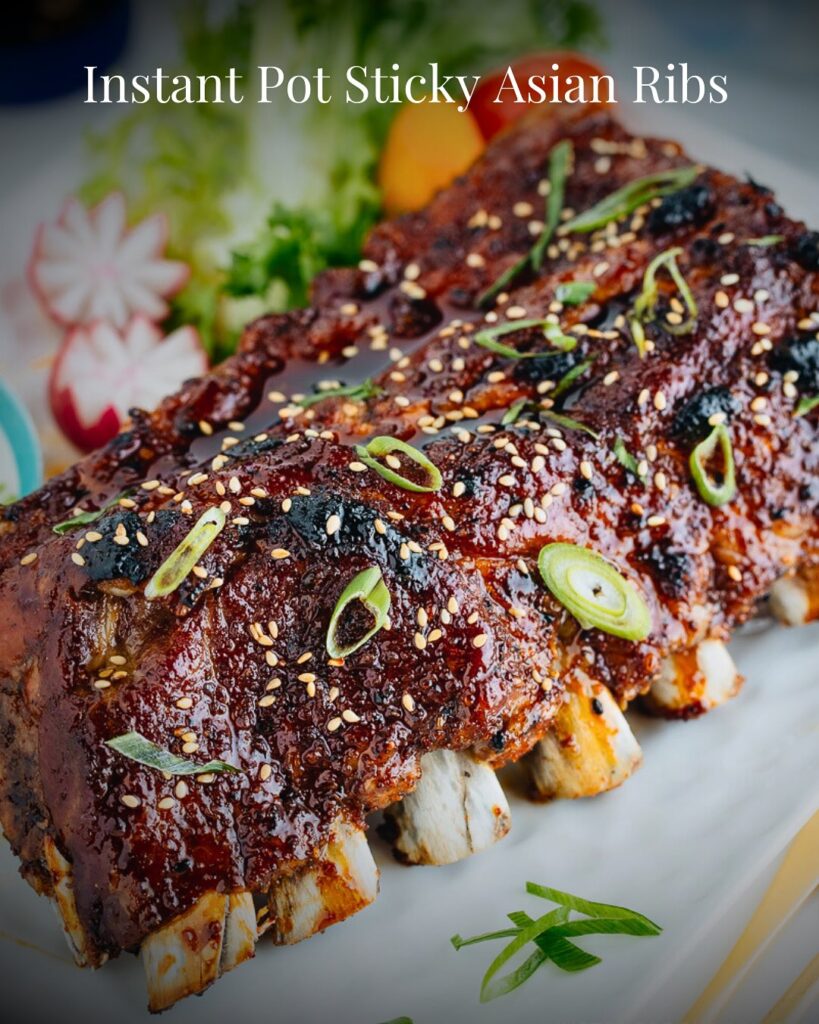
Ribs
- Balanced approach
- Easy to oversmoke
- Fat is present but not overwhelming
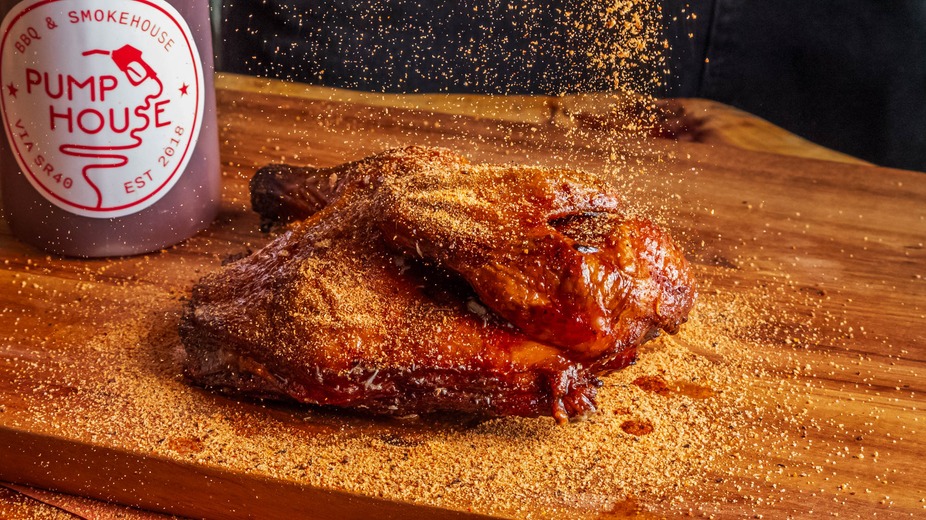
Chicken
- Low fat → needs help
- Careful with smoke
- Salt becomes extra important
Layering Flavor Like a Pro
Here’s how it comes together:
- Start with salt (prep stage)
- Build with smoke (cooking stage)
- Finish with fat rendering + rest
Each step builds on the last.
Miss one, and the whole system weakens.
Applying the Flavor Triangle in Real BBQ
Let’s make this practical.
Brisket Example
You’ve got a fatty cut already.
So:
- Don’t oversmoke it
- Salt it generously ahead of time
- Let that fat render low and slow
Result?
Deep, beefy flavor with a clean smoky edge.
Pork Shoulder Example
This is where smoke shines.
- It can handle longer exposure
- Fat breaks down beautifully
- Salt helps it stay flavorful even after shredding
Perfect for pulled pork that actually tastes like something.
Ribs Example
Ribs are tricky.
They look simple – but they punish imbalance.
- Too much smoke = bitter
- Too much fat = heavy
- Too much salt = overwhelming
You want precision here.
Chicken Example
Chicken is unforgiving.
- Low fat means less room for error
- Smoke can easily overpower it
- Salt is your best friend
If your chicken is bland, it’s almost always a salt issue.
Common BBQ Flavor Mistakes (And How to Fix Them)
Let’s clean up the usual disasters.
1. Bitter Smoke
Cause: Dirty fire
Fix: Clean-burning fire, better airflow
2. Bland Meat
Cause: Not enough salt or poor timing
Fix: Dry brine and season properly
3. Dry Texture
Cause: Poor fat rendering or overcooking
Fix: Lower temps, more patience, proper rest
4. Overpowering Flavor
Cause: One element dominating
Fix: Rebalance the triangle
If something tastes “off,” it’s almost always a balance issue.
The Science (Without the Boring Part)
Here’s the quick version.
- Smoke affects aroma more than taste
- Salt enhances your ability to detect flavor
- Fat carries flavor molecules and coats your mouth
That’s why:
Fat + salt + smoke together = amplified experience
It’s not just cooking.
It’s chemistry you can eat.
How Heat Control Shapes the Flavor Triangle
Most folks think heat is just there to cook the meat. That’s like saying a steering wheel is just there for decoration.
Heat is what unlocks the flavor triangle.
Too hot, and your fat doesn’t render – it just tightens up and dries out.
Too low without control, and your smoke gets lazy and stale.
What you want is steady, intentional heat.
- Around low-and-slow territory, fat melts properly
- Smoke stays clean and consistent
- Salt integrates instead of sitting on the surface
Here’s the kicker:
Temperature swings wreck balance.
You’ll end up with patches of over-smoked bark, uneven seasoning, and fat that didn’t get the memo.
A good pitmaster doesn’t chase heat – they manage it like a dial, not a switch.
Because when heat behaves, everything else – smoke, salt, and fat – falls into place.
Timing: When Each Element Should Shine
If the flavor triangle is your foundation, timing is your rhythm.
Mess it up, and even great ingredients fall flat.
Here’s how it plays out:
- Salt early → gives it time to penetrate
- Smoke during the cook → builds layers gradually
- Fat rendering late into the cook → adds richness and texture
A common mistake?
Trying to rush all three at once.
That’s how you get meat that’s smoky on the outside, bland inside, and greasy instead of juicy.
Think of it like a slow conversation—not shouting all your points at once.
Let each element enter at the right moment.
That’s how you go from “pretty good BBQ” to
“wait… what did you do to this?”
Resting Meat: The Hidden Fourth Element
You won’t see it listed in the flavor triangle, but ask any pitmaster –
Resting might be the quiet hero of great BBQ.
Right after cooking, your meat is tense. Juices are running wild. Fat is still in motion.
Slice too early, and all that goodness spills out onto your cutting board.
Resting does three things:
- Redistributes juices evenly
- Allows fat to settle into the meat
- Softens the overall texture
In other words, it locks in the balance of smoke, salt, and fat.
Skip this step, and you undo hours of work in seconds.
Patience here isn’t optional.
Resting is where good BBQ becomes great BBQ.
Cutting and Slicing: Where Flavor Is Won or Lost
You could nail the flavor triangle perfectly… and still mess it up with a bad slice.
I’ve seen it happen more times than I’d like.
Here’s the deal:
How you cut meat changes how it tastes.
Slice against the grain, and you get:
- Tender bites
- Even distribution of fat
- Balanced flavor in every mouthful
Slice with the grain?
Now it’s chewy, uneven, and all that beautiful fat sits in the wrong places.
Thickness matters too.
- Too thin → dries out fast
- Too thick → overwhelming bites
The goal is clean, confident slices that showcase everything you built.
Because at the end of the cook, your knife becomes the final tool in shaping flavor.
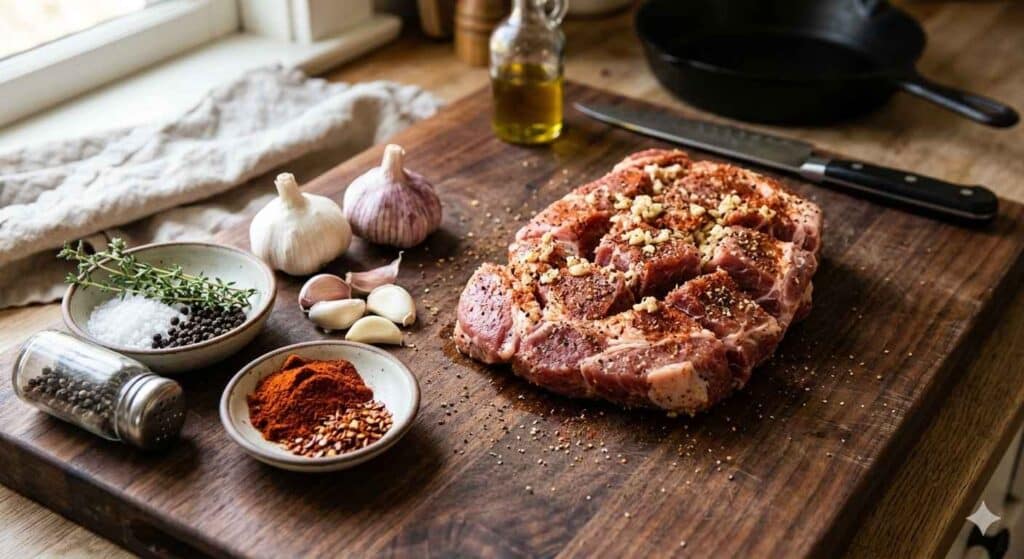
Seasoning Beyond Salt: Supporting the Triangle
Now don’t get it twisted – salt is king.
But it doesn’t work alone.
Think of other seasonings as supporting actors in the flavor triangle.
Pepper, garlic, paprika – they don’t replace salt.
They build on it.
Here’s the key:
Seasonings should enhance, not compete.
Too many flavors, and you muddy the whole system.
A simple rub often works best:
- Salt for depth
- Pepper for bite
- Maybe one or two extras for character
That’s it.
You’re not trying to create confusion – you’re building clarity.
Because when smoke, salt, and fat are already doing the heavy lifting…
Less seasoning often delivers more impact.
Fire Management: The Skill That Ties It All Together
If there’s one skill that separates backyard cooks from real pitmasters, it’s this:
Fire management.
You can have the best meat, perfect salt, and great wood—but if your fire is out of control?
Game over.
A well-managed fire gives you:
- Clean smoke (no bitterness)
- Stable heat (proper fat rendering)
- Consistent results
A bad fire gives you:
- Harsh flavors
- Dry meat
- Total frustration
Here’s the mindset shift:
You’re not cooking meat – you’re managing fire.
The meat just responds to what the fire does.
Learn how to read your fire – its color, its behavior, its mood – and suddenly the flavor triangle becomes easier to control.
Because everything starts there.
Final Thoughts: BBQ Is Balance, Not Bragging Rights
You don’t need:
- Fancy gadgets
- Complicated rubs
- Secret ingredients from a locked vault
You need control.
And an understanding of the flavor triangle.
Because at the end of the day:
Great BBQ isn’t about showing off – it’s about making people close their eyes after the first bite.
So next time you fire up the pit, don’t just cook.
Think:
- Is my smoke clean?
- Is my salt doing its job?
- Is my fat rendered just right?
Get those three working together…
And you won’t just make BBQ.
You’ll make something people remember.
Frequently Asked Questions
1. What is the flavor triangle in BBQ?
The flavor triangle refers to the balance of smoke, salt, and fat in barbecue. These three elements work together to create depth, seasoning, and richness. When balanced properly, they produce BBQ that tastes layered, juicy, and memorable instead of flat or overpowering.
2. Why are smoke, salt, and fat so important in BBQ?
Each element plays a specific role:
- Smoke adds aroma and complexity
- Salt enhances natural meat flavor
- Fat carries flavor and creates juiciness
When all three are in harmony, you get BBQ that feels complete – not one-dimensional.
3. Can you use too much smoke in BBQ?
Yes – and it’s one of the most common mistakes. Too much smoke leads to a bitter, harsh taste instead of a pleasant smoky aroma. Clean-burning fire and controlled wood usage are key to avoiding overpowering smoke flavor.
4. What type of salt is best for BBQ?
Most pitmasters prefer kosher salt because it’s easy to control, distributes evenly, and enhances flavor without making meat overly salty. It’s especially useful for dry brining before cooking.
5. How does fat improve BBQ flavor?
Fat acts as a flavor carrier, helping distribute smoky and seasoned notes throughout the meat. It also adds juiciness and richness, especially when properly rendered during low-and-slow cooking.
6. Do I need to balance all three elements equally?
No. Balance doesn’t mean equal amounts – it means proper proportion for each meat and cook. For example, brisket relies heavily on fat, while chicken needs more careful salt and smoke control.
7. What happens if one part of the flavor triangle is missing?
If one element is missing or weak:
- No smoke → flat, boring BBQ
- No salt → bland meat
- No fat → dry, less satisfying texture
Great BBQ depends on all three working together.
8. Is the flavor triangle the same for all types of meat?
The principle is the same, but the balance changes. For example:
- Brisket: fat-heavy, moderate smoke
- Ribs: balanced approach
- Chicken: lighter smoke, careful seasoning
Each cut requires adjusting the triangle – not ignoring it.
9. Does resting meat affect the flavor triangle?
Yes. Resting helps redistribute juices and settle rendered fat, locking in the balance of smoke, salt, and fat. Skipping rest often leads to dry, uneven BBQ.
10. Can sauces replace the flavor triangle?
No. Sauce can enhance BBQ, but it can’t fix poor balance. If smoke, salt, and fat are off, sauce only masks the problem – not solves it.
Featured image credit: Google Gemini
