
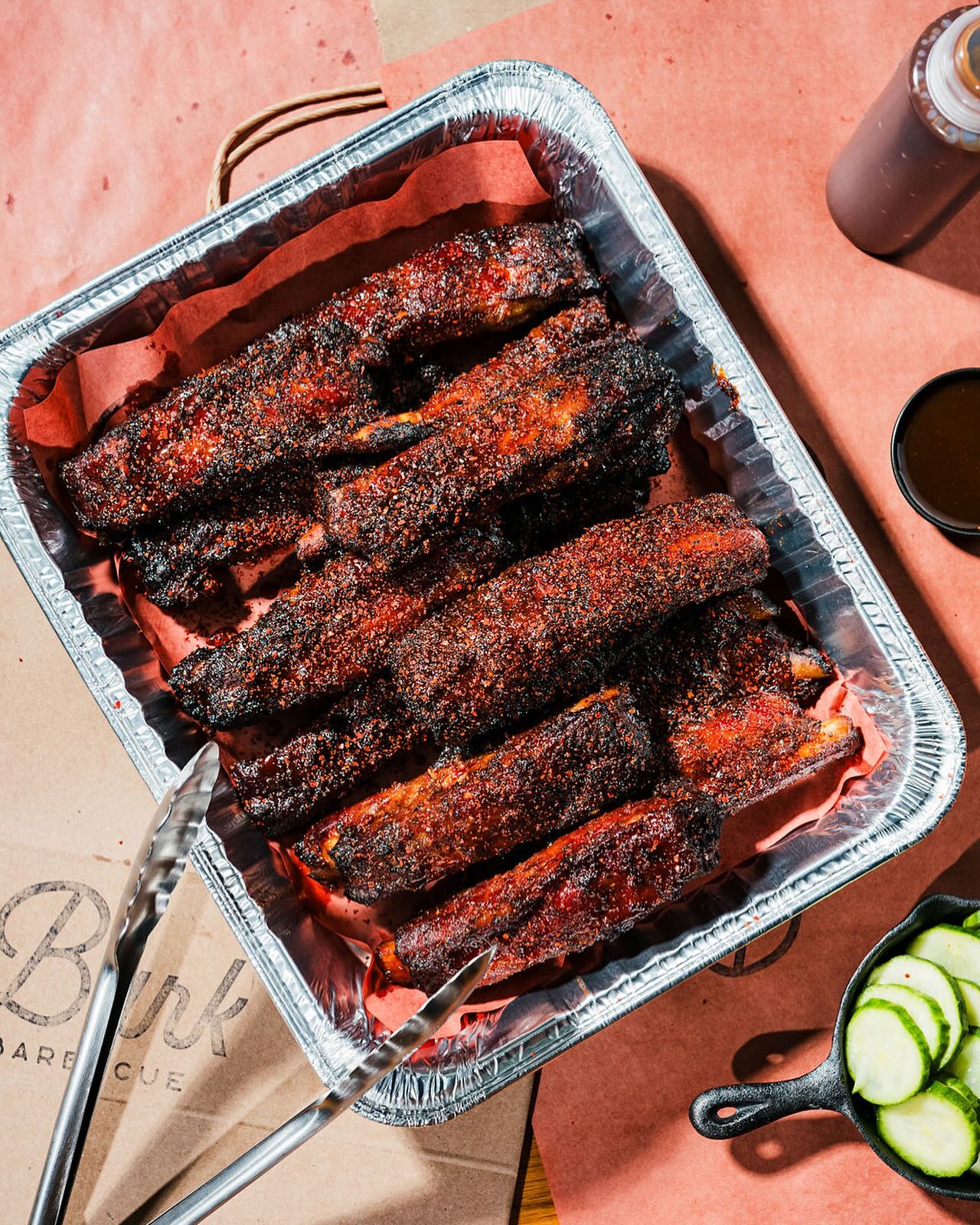
Why does a perfectly smoked brisket have a dark, crackly crust that tastes almost ridiculously good while the meat underneath stays juicy and tender?
That question has started more barbecue arguments than anyone would care to admit. One pitmaster swears it is all about the rub. Another blames the wood. Someone in the corner insists you need brown sugar.
And, naturally, somebody will tell you their bark is better because they “just know how to run a smoker.”
The truth is considerably more interesting.
Great barbecue bark is chemistry you can eat.
Every hour your meat spends in the smoker, a small laboratory is happening on its surface. Moisture evaporates. Fat renders. Salt concentrates. Sugars change. Proteins react with sugars. Smoke compounds settle into the exterior.
Heat transforms the whole mixture into a dark, intensely flavored crust.
Understanding the chemistry of bark doesn’t mean you need a laboratory coat, a degree in food science, or a calculator next to your smoker. It simply means understanding what your ingredients and cooking conditions are doing while you wait for dinner.
And once you understand that, bark becomes much easier to control.
What Exactly Is BBQ Bark?
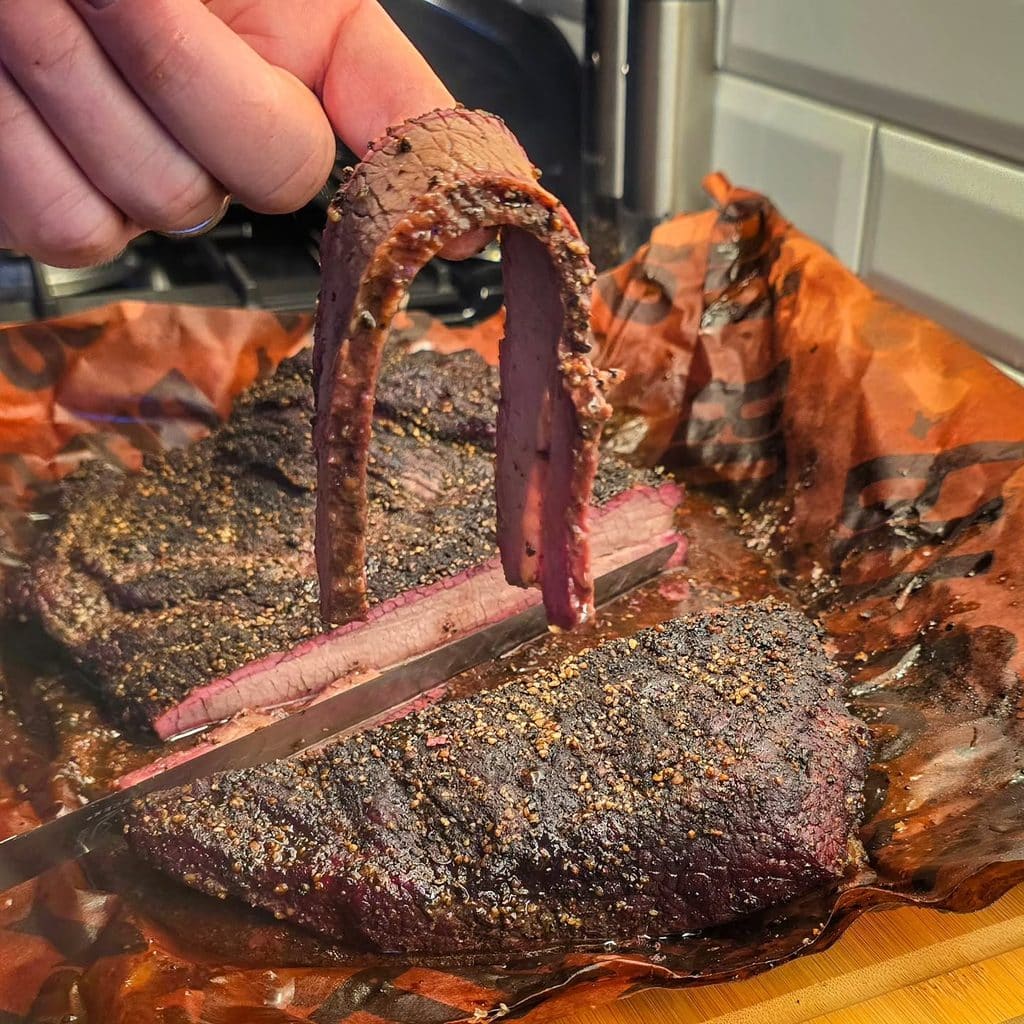
Bark is the dark, flavorful outer layer that forms on meat during smoking or slow roasting.
It is not simply burnt seasoning. It is not just smoke stuck to the meat.
And despite what your uncle may claim after three beers beside the smoker, it isn’t produced by sprinkling brown sugar on everything and hoping for the best.
Bark is the result of several processes happening at the same time.
The surface of the meat contains proteins, fats, moisture, salt, sugar, spices, and other compounds from the rub. During a long cook, that surface gradually dries and heats up. Once conditions are right, a series of browning reactions begins.
The result is a crust with layers of flavor and texture.
A good bark can deliver:
- Savory depth from salt and browned proteins
- Sweet and toasted notes from sugars
- Richness from rendered fat
- Roasted flavors from browning reactions
- Smoky aromas from wood combustion
- A slightly crisp or chewy texture that contrasts with tender meat
That’s why bark tastes so different from the meat underneath.
The interior of a brisket remains relatively moist and protected from direct heat. The exterior is exposed to heat, air, smoke, seasoning, and evaporation for hours.
The surface becomes a completely different chemical environment.
And that is where the magic – or the science, depending on how nerdy you want to get – happens.
Moisture Comes First: Bark Begins by Drying
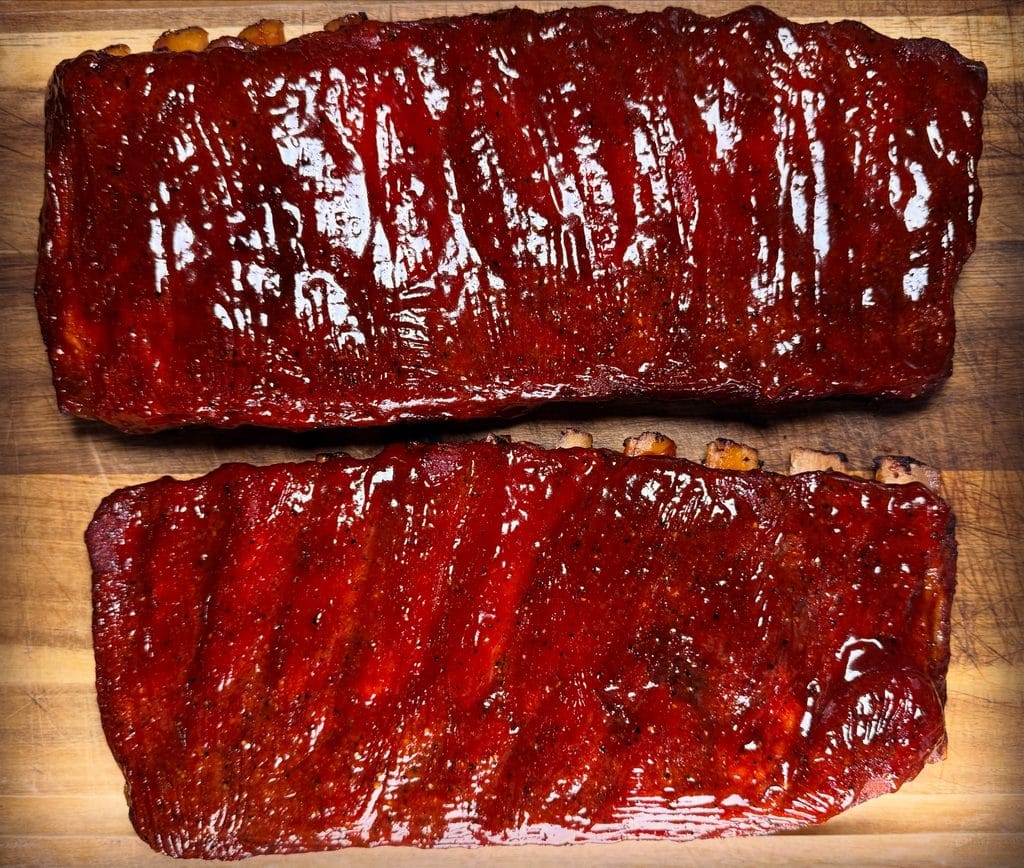
Before bark can become dark and deeply browned, the surface of the meat needs to lose moisture.
This is one of the most important pieces of the chemistry of bark.
Raw meat contains a tremendous amount of water. When it enters a smoker, heat causes moisture to move toward the surface. Some of that moisture evaporates into the cooking chamber.
At first, evaporation cools the surface.
Think about sweating on a hot day. Your body uses evaporation to remove heat. Meat does something similar during cooking.
As long as plenty of moisture is evaporating, the surface temperature can remain lower than the air temperature inside the smoker.
Eventually, however, the surface dries.
That matters because many browning reactions happen much more efficiently once the surface gets hot enough and isn’t covered in a layer of water.
As moisture leaves, the ingredients in your rub become more concentrated. Salt, sugar, spices, and meat proteins are left behind in an increasingly dry environment.
This is also part of the reason behind the famous barbecue stall.
As evaporation increases, it can slow the rise in the meat’s temperature. The smoker keeps supplying heat, but some of that energy is being used to evaporate water.
Once the surface dries further, its temperature can climb again.
That’s when bark development really starts getting interesting.
Salt: The Quiet Workhorse of Bark
Salt doesn’t get the glamorous reputation of sugar. Nobody writes love songs about sodium chloride.
Yet salt is one of the most important ingredients in barbecue.
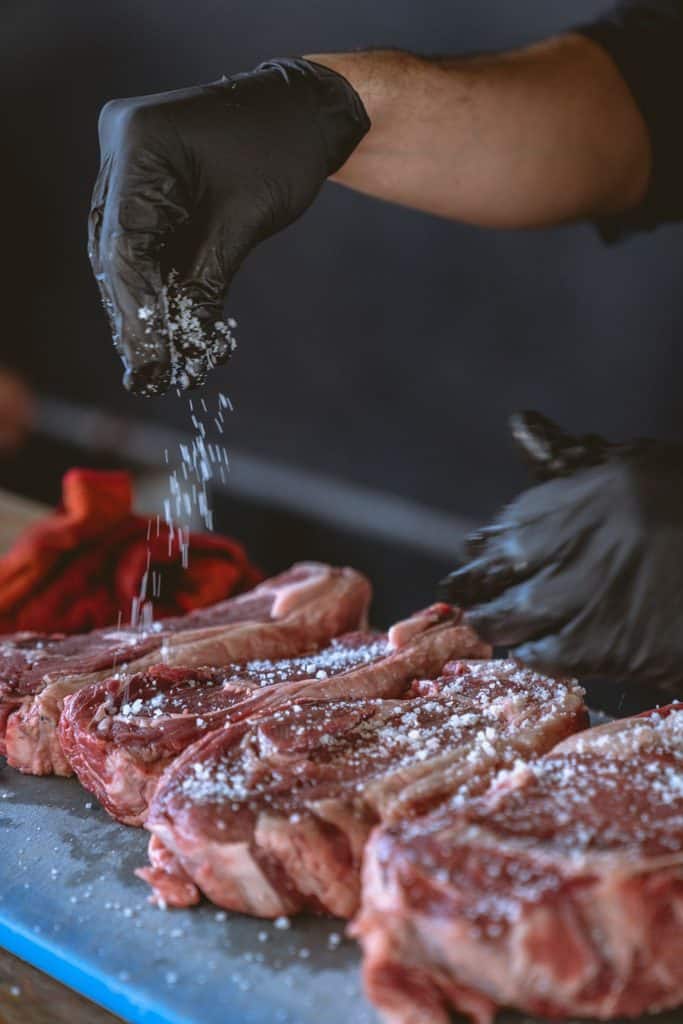
Its first job is obvious: salt makes meat taste better. But it does considerably more than simply add saltiness.
Salt enhances the perception of other flavors. It helps balance sweetness and makes savory flavors more noticeable.
During a long cook, moisture gradually evaporates from the surface of the meat. That means the salt and other dissolved ingredients become increasingly concentrated.
The result is a bark with much more intense flavor than the raw rub initially suggested.
Salt also interacts with proteins and can influence how meat holds onto moisture. That is one reason seasoning isn’t merely about what happens on the outside. It can affect the meat’s texture and flavor throughout the cooking process.
But there is a catch.
More salt does not equal better bark.
A rub that is aggressively salty can overpower smoke, spices, beef, pork, and everything else you worked so hard to develop.
Good barbecue is about balance.
Salt should provide the foundation, not stand on the table yelling, “LOOK AT ME!”
Sugar: The Sweet Side of Browning
Sugar is where things get especially interesting.
Many barbecue rubs contain brown sugar, white sugar, maple sugar, molasses, or another sweet ingredient. Sugar contributes sweetness, but it can also contribute to color, aroma, and complexity when exposed to heat.
One process involved is caramelization.
Caramelization occurs when sugars break down under sufficiently high heat, producing new compounds with deeper flavors and darker colors.
Those flavors can range from toasted and nutty to rich and slightly bitter. But caramelization isn’t the only browning process happening on your meat. And this is an important distinction.
Dark BBQ bark is not simply caramelized sugar.
The Maillard reaction plays a major role, too.
That means a brisket can develop gorgeous bark even when the rub isn’t loaded with sugar.
Sugar can help, but it isn’t the entire story.
There is also a danger in treating sugar like a shortcut to better bark.
Too much sugar can burn, especially when the cooking surface gets very hot. Instead of producing a beautiful dark crust, excessive sugar can become bitter and acrid.
That’s why sugar-heavy rubs require a little more attention to temperature.
Sugar should be an ingredient in the bark – not the bark’s entire personality.
Fat: The Flavor Carrier
Now we get to one of barbecue’s favorite subjects: fat. Fat comes from several places.
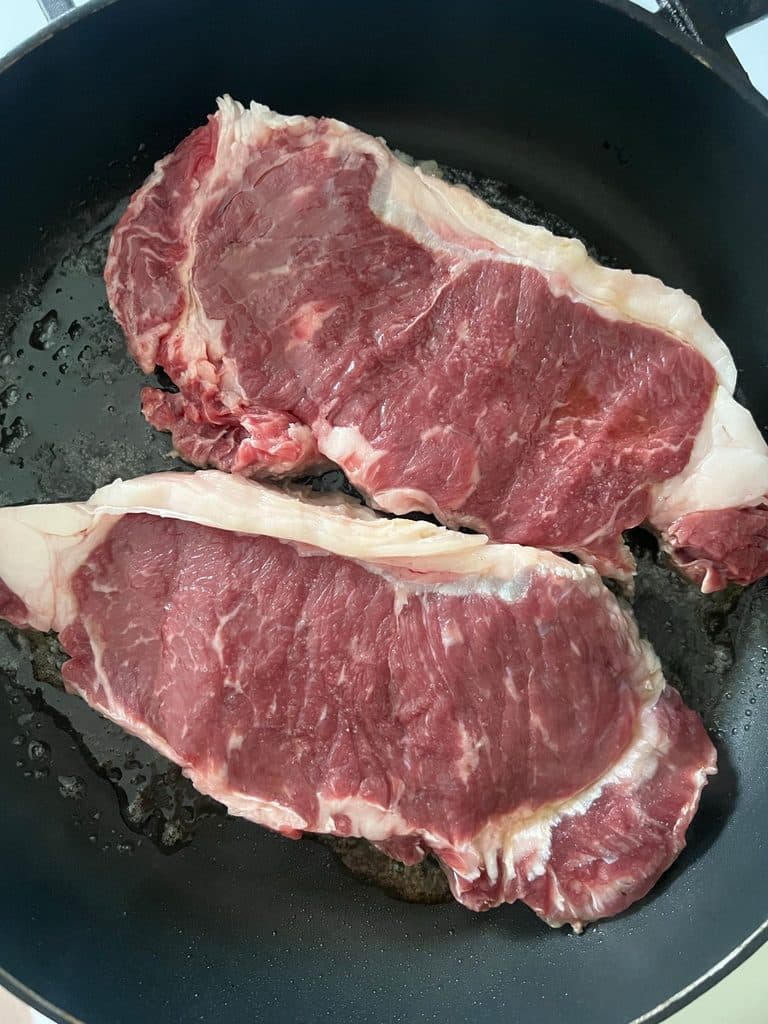
It can come from the meat itself, particularly intramuscular fat and the fat cap. It can also come from rendered fat moving through the meat as it cooks.
As the temperature rises, fat softens and eventually renders.
That rendered fat contributes richness and helps create the luxurious flavor associated with great barbecue.
Fat also plays an important role in flavor chemistry because many aromatic compounds are more soluble in fat than water.
In plain English?
Fat helps carry flavor.
But once again, balance matters.
A thick layer of surface fat can make it harder for the exterior to dry properly. A surface that remains greasy and wet won’t develop the same crust as one that gradually dries and browns.
That’s one reason trimming matters.
You don’t want to remove every ounce of fat. That would be like taking the butter out of a steak and then wondering why dinner feels emotionally empty.
You want enough fat to provide flavor and moisture, while allowing the surface to develop properly.
The Maillard Reaction: The Real Superstar
Now we reach the heart of the chemistry of bark.
The Maillard reaction is one of the major reasons cooked food tastes so dramatically different from raw food.
In simple terms, the Maillard reaction occurs when amino acids and certain sugars react under heat, creating hundreds of new flavor and aroma compounds.
Those compounds are responsible for many of the roasted, savory, nutty, toasted flavors we associate with browned food.
Think about the difference between raw bread dough and toast. Raw dough is pale and mild. Toast is brown, aromatic, nutty, and deeply flavorful.
That transformation is heavily influenced by browning chemistry. The same basic principle applies to barbecue bark.
As the meat’s surface dries and becomes hot enough, Maillard reactions accelerate. Proteins and sugars interact, producing new compounds that contribute to the bark’s:
- Dark color
- Roasted aroma
- Savory flavor
- Toasted character
- Complexity
This is why temperature and moisture matter so much.
A wet surface is essentially a roadblock to efficient browning. Once the surface dries, the temperature can rise and the Maillard reaction can become much more active.
Maillard Reaction vs. Caramelization
These two terms often get thrown around as though they’re interchangeable. They’re not.
Maillard reaction: primarily involves amino acids and reducing sugars and produces a wide range of savory, roasted flavors.
Caramelization: involves the breakdown of sugars under heat and produces sweet, toasted, and caramel-like flavors.
Both can contribute to a beautiful crust.
But when you’re looking at a dark, flavorful piece of brisket bark, you’re looking at a much bigger chemical story than caramelized sugar.
Smoke Adds Another Layer
Smoke doesn’t simply make meat taste “smoky.”
Wood smoke contains a complicated mixture of gases and particles, including compounds that contribute to aroma, color, and flavor.
Some smoke compounds are especially important for the characteristic aroma associated with smoked meat.
As the meat cooks, smoke interacts with the surface. The developing bark provides an evolving layer where these compounds can accumulate and contribute to the final flavor.
This is one reason clean smoke matters.
Heavy, dirty smoke isn’t automatically better smoke. In fact, excessive smoke can leave unpleasant flavors on the meat.
The goal is generally clean, well-controlled smoke that adds complexity without overwhelming the meat.
And here’s another barbecue misconception worth clearing up:
The smoke ring is not the same thing as bark.
The pinkish ring beneath the surface is caused by reactions involving smoke-related gases and meat pigments. Bark is the dark outer crust created by drying, seasoning, heat, browning, smoke, and other chemical changes.
They can appear together, but they’re not the same phenomenon.
How Sugar, Salt, and Fat Work Together
Here’s where everything comes together.
Salt, sugar, and fat aren’t three independent ingredients competing for attention. They form a system.
Salt builds savory depth.
Sugar contributes sweetness and browning potential.
Fat provides richness and helps carry flavor.
Then you add:
Heat, which drives the reactions.
Moisture loss, which dries and concentrates the surface.
Proteins, which provide amino acids for Maillard reactions.
Smoke, which contributes aromatic compounds.
The process looks something like this:
Moist surface → evaporation → seasoning concentrates → fat renders → surface temperature rises → browning accelerates → smoke compounds accumulate → bark develops.
That’s the basic logic behind the chemistry of bark.
The perfect crust isn’t created by one secret ingredient. It comes from controlling the entire environment.
Temperature is the Accelerator
Temperature is essentially the accelerator pedal for bark chemistry.
A low-and-slow cook gives the meat time to undergo several transformations gradually.
Fat renders.
Moisture moves.
Connective tissue breaks down.
Smoke interacts with the surface.
Browning develops.
But remember that your smoker’s air temperature isn’t necessarily the same as the meat’s surface temperature.
A wet piece of meat can remain surprisingly cool at the surface because evaporation removes heat.
As the surface dries, its temperature can rise.
That is why a brisket can sit in a smoker for hours before suddenly developing a noticeably darker exterior.
Too much heat, however, can create problems.
Sugar can burn.
Spices can become bitter.
The surface can dry too aggressively.
And instead of a rich bark, you can end up with something resembling the aftermath of a campfire argument.
Controlled heat wins.
Why Bark Sometimes Goes Soft, Bitter, or Pale
Bark problems usually have explanations.
Soft Bark
Soft bark can result from excessive moisture, frequent spritzing, or wrapping before the crust has had enough time to develop. Wrapping traps moisture, which can soften the exterior.
Bitter Bark
Bitter bark may result from excessive heat, burned sugar, or poor-quality smoke. Heavy, dirty smoke can also contribute harsh flavors.
Pale Bark
Pale bark can be caused by insufficient drying, low surface temperatures, limited cooking time, or a light coating of seasoning.
Bark That’s Too Hard
Overly dry bark may result from excessive heat or prolonged exposure without enough protection from drying. The answer isn’t necessarily to change one ingredient.
Look at the whole cooking environment.
Does Wrapping Stop Bark Formation?
Wrapping changes the rules.
When meat is wrapped in foil or butcher paper, moisture is trapped around the surface. This changes evaporation, surface temperature, and texture.
Foil creates a much more enclosed environment. It can soften bark because steam and moisture have less opportunity to escape.
Butcher paper is more breathable and can allow more moisture to escape while still changing the cooking environment.
That’s why many pitmasters wait until the bark has reached the texture and color they want before wrapping.
Build the bark first. Wrap later if you need to.
Wrapping is a tool – not a mandatory step in barbecue.
And if your bark is already exactly where you want it, there is no prize for wrapping it simply because someone on the internet told you to.
How to Build Better Bark
Understanding the science is useful. Using it is even better. Start with these practical principles.
1. Dry the Surface
Pat the meat dry before applying your rub. A dry starting surface gives evaporation and browning a better head start.
2. Use a Balanced Rub
Salt should provide savory depth. Sugar can contribute sweetness and browning. Spices bring aroma and complexity. No single ingredient needs to dominate.
3. Don’t Overdo the Sugar
Sugar can produce beautiful color and flavor, but excessive amounts can burn.
4. Give the Bark Time
Avoid constantly spraying the meat during the early stages of cooking. Every spritz adds moisture to the surface. Let the bark develop.
5. Control Your Fire
Stable heat gives you more predictable results. Wild temperature swings make it harder to control surface drying and browning.
6. Use Clean Smoke
You want smoke that adds flavor, not smoke that makes the meat taste like you’ve been cleaning a chimney with it.
7. Don’t Wrap Too Early
Let the exterior develop before trapping moisture around it.
8. Rest the Meat
Resting gives juices time to redistribute and allows the bark and interior to settle into their final texture.
The Perfect Bark Is a Balancing Act
The phrase “perfect bark” sounds like there should be one exact formula. There isn’t.
Some people prefer bark that’s dark and crunchy. Others like it thick and chewy. Some want a pepper-forward crust with very little sweetness. Others enjoy a sweeter, more caramelized profile.
The chemistry remains the same, but the target can change. That’s the fun part.
Salt, sugar, fat, heat, moisture, protein, smoke, and time are your ingredients.
Your job is to control how they interact. Salt builds the savory foundation. Sugar contributes sweetness and browning. Fat adds richness.
Protein supplies the chemistry for Maillard browning. Heat drives the reactions. Moisture controls how quickly the surface dries. Smoke adds another layer of aroma and flavor.
Time allows everything to develop.
That’s the chemistry of bark in a nutshell.
Bark Is Where BBQ Gets Interesting
Great barbecue isn’t simply meat sitting beside a fire for several hours. It’s a constantly changing chemical process.
The surface begins wet. Moisture evaporates. Seasoning concentrates. Fat renders. The exterior dries. Heat increases. Sugars transform. Proteins react. Smoke compounds settle into the surface. Browning accelerates.
Eventually, that collection of tiny changes becomes something we recognize instantly: a dark, flavorful, deeply aromatic bark.
Understanding the chemistry of bark doesn’t take the mystery out of barbecue. It gives you more control over it.
The next time you lift the lid and see a gorgeous mahogany crust developing on your brisket or ribs, don’t just think, “That looks good.”
Think about what’s happening.
Salt is concentrating. Fat is rendering. Sugars are transforming. Proteins are browning. Moisture is disappearing. Smoke is adding another layer of flavor.
In other words, your smoker is doing chemistry. Fortunately, the final experiment is completely edible.
Frequently Asked Questions
1. What is the chemistry of bark in BBQ?
The chemistry of bark refers to the combination of heat, moisture loss, smoke, salt, sugar, fat, and proteins that transforms the surface of meat into a dark, flavorful crust.
Browning reactions, particularly the Maillard reaction, play a major role in creating bark’s color, aroma, and savory flavor.
2. What does sugar do to BBQ bark?
Sugar adds sweetness and can contribute to browning, toasted flavors, and color as it is exposed to heat.
However, too much sugar can burn and create bitter flavors, especially at higher cooking temperatures. A balanced amount can help create a flavorful, attractive bark.
3. Does salt help create better bark?
Yes. Salt enhances savory flavors and becomes increasingly concentrated as moisture evaporates from the meat’s surface.
It also helps balance sweetness and other seasonings in the rub. However, using too much salt can overpower the meat and other flavors.
4. What role does fat play in BBQ bark?
Fat provides richness and helps carry flavor compounds. As the meat cooks, fat renders and interacts with the seasoning on the surface. Too much surface fat, however, can slow drying and make it harder for a firm bark to develop.
5. Is BBQ bark caused by caramelization or the Maillard reaction?
Both can contribute, but the Maillard reaction is especially important. Caramelization involves the breakdown of sugars under heat, while the Maillard reaction involves reactions between amino acids and sugars.
Together, these processes help create bark’s complex color, aroma, and flavor.
6. How can I get better bark on smoked meat?
Start with a relatively dry surface, use a balanced rub, maintain steady cooking temperatures, and give the meat enough time to develop its crust.
Avoid excessive spritzing early in the cook, use clean smoke, and wait until the bark has developed before wrapping the meat.
Featured image credit: @barkbbq
