
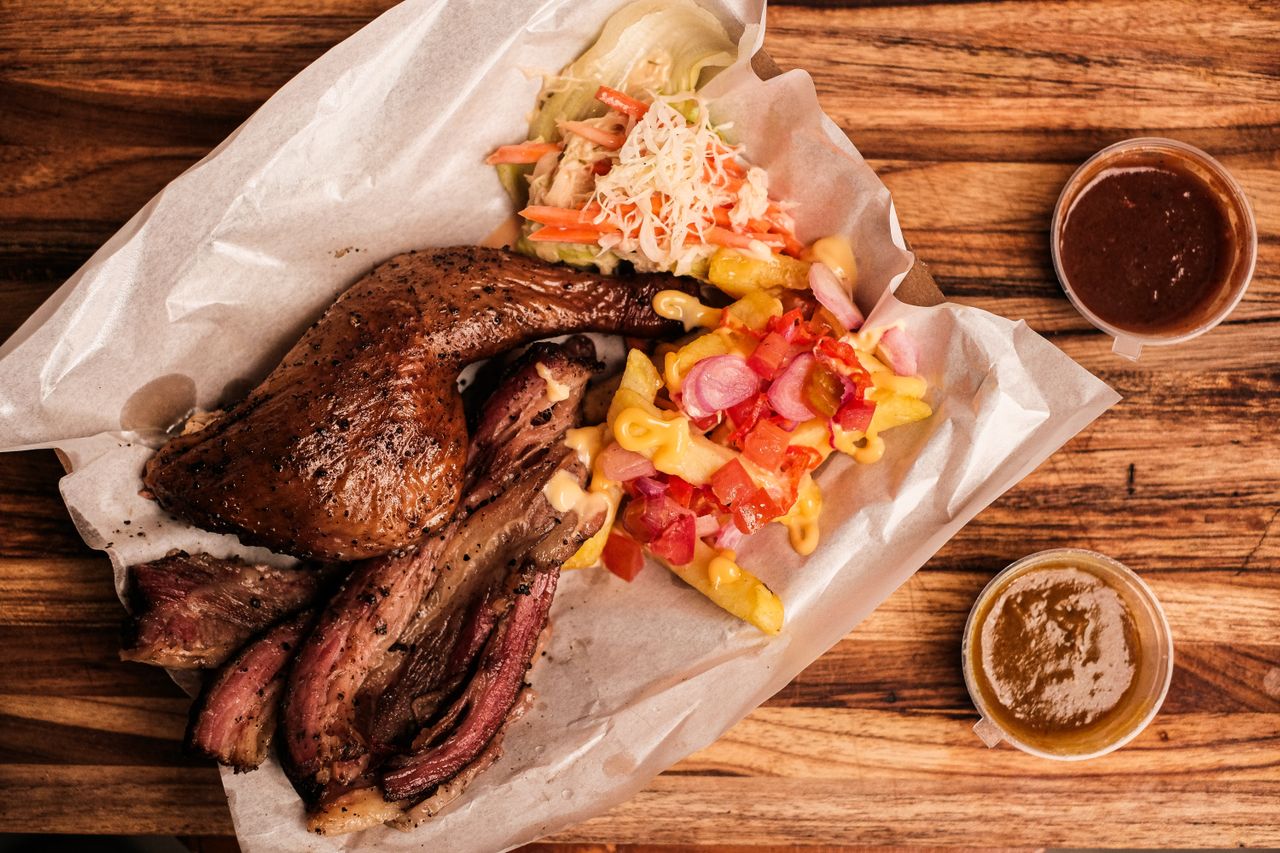
The scent hits before the food stand comes into view.
Somewhere between the Ferris wheel and the guy trying to win an oversized stuffed bear, smoke curls into the air and leads hungry fairgoers toward one of the most gloriously excessive foods ever invented: giant turkey legs.
Few dishes make adults abandon table manners faster than smoked fair turkey legs. One minute you’re strolling around with a lemonade, and the next you’re gripping a hunk of meat like you’ve just returned from a medieval hunt.
That’s part of the magic.
For decades, county fairs, Renaissance festivals, and theme parks have turned these oversized drumsticks into culinary icons. They’re smoky, salty, juicy, and just dramatic enough to make everyone nearby think, “I should have ordered that.”
The good news?
You don’t need a ticket booth or a jousting tournament to enjoy them. With the right brine, a few spices, and a smoker, you can make authentic smoked fair turkey legs right in your backyard.
And yes, eating one still requires at least three napkins and a complete disregard for dignity.
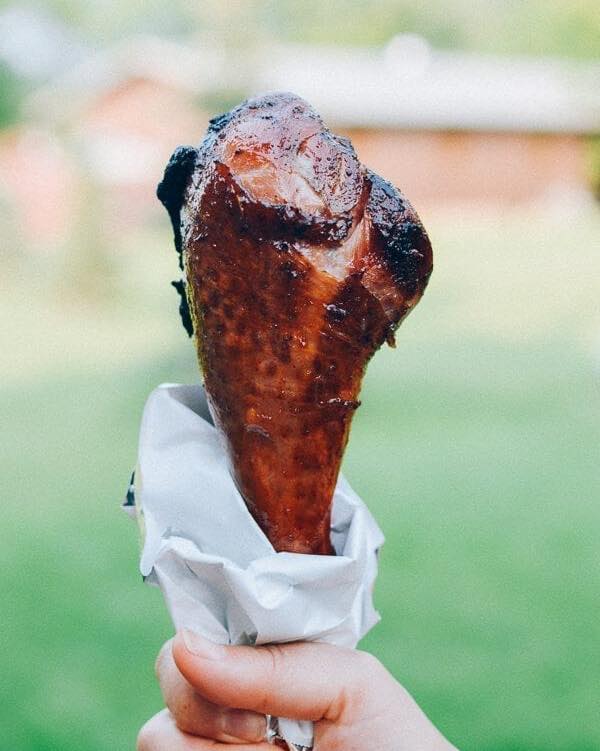
Why Smoked Fair Turkey Legs Taste So Good
Turkey legs are an unusual cut of meat. Unlike turkey breast, which can dry out faster than a punchline at a bad comedy club, the legs are packed with connective tissue and dark meat. When cooked low and slow, they become rich, tender, and incredibly flavorful.
What makes smoked fair turkey legs stand out comes down to four things:
- A long, flavorful brine.
- Deep smoke from hardwood.
- A savory spice rub.
- Plenty of time in the smoker.
Many people are surprised to learn that fair-style turkey legs often taste slightly like ham.
That distinctive flavor comes from the curing process used by many vendors, along with the generous salt brine. It gives the meat its signature pink color and savory bite.
And let’s be honest: part of the appeal is psychological. Eating a turkey leg instantly transforms dinner into an event. One bite in, and suddenly your backyard barbecue feels like a Renaissance feast.
The Best Wood Choices for Smoked Fair Turkey Legs
Not all smoke tastes the same, and choosing the right wood can completely change your smoked fair turkey legs. Different hardwoods bring their own flavors to the table:
- Hickory: Delivers the bold, bacon-like flavor most people associate with fairground turkey legs.
- Applewood: Adds a mild sweetness and helps create beautifully colored skin.
- Cherry wood: Offers a subtle fruity note and a rich mahogany finish.
- Pecan: Provides a balanced, nutty flavor that complements turkey without overwhelming it.
Avoid using too much mesquite unless you enjoy an intense smoky punch. Turkey absorbs smoke surprisingly quickly, and too much can turn your backyard feast into a campfire accident.
Think of wood as seasoning: the right choice transforms good barbecue into unforgettable barbecue.
The Secret History of the Giant Fair Turkey Leg
Few people realize that the popularity of smoked fair turkey legs stretches far beyond county fairs. These oversized drumsticks became famous at Renaissance festivals in the 1960s before spreading to amusement parks and state fairs across America.
Their popularity exploded for a few simple reasons:
- They were portable and easy to eat while walking around.
- They offered an inexpensive meal that felt larger than life.
- Their dramatic size made them nearly impossible to ignore.
There is also a long-running debate over whether medieval peasants actually walked around eating turkey legs this way. Historians point out that turkeys are native to North America, meaning knights never gnawed on them after battle.
Still, historical accuracy tends to lose the argument once smoke, spices, and giant portions enter the conversation. Sometimes the best traditions are the ones we invent ourselves.
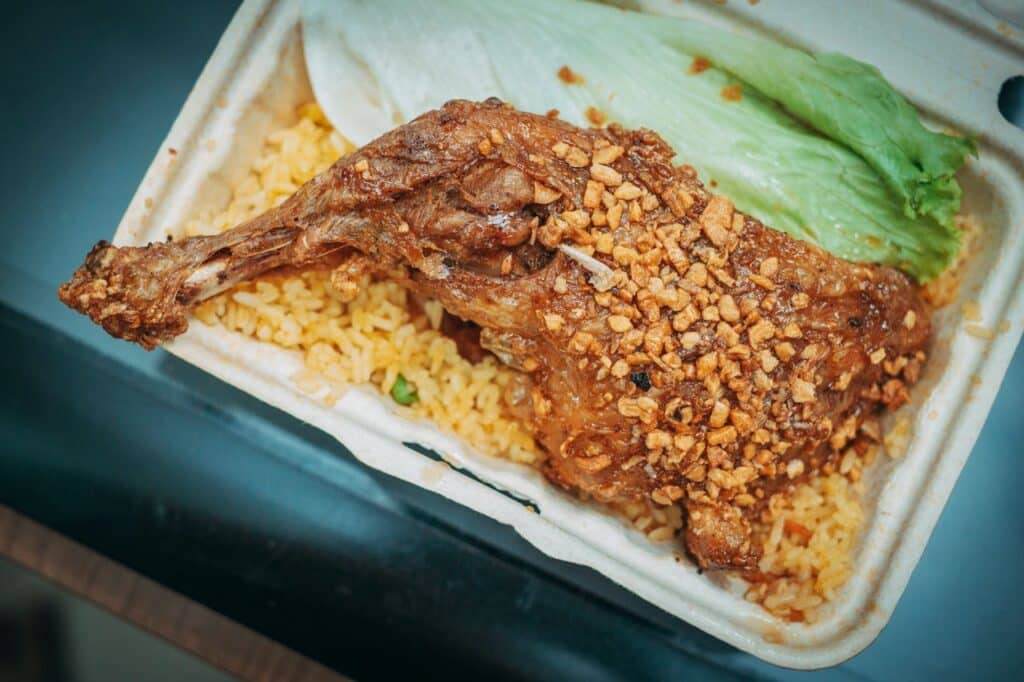
How to Get Crispy Skin Without Drying the Meat
One challenge when making smoked fair turkey legs at home is achieving the perfect skin.
Smoking at low temperatures creates juicy meat, but it can leave the exterior rubbery if you are not careful. The secret is balancing low-and-slow cooking with a final burst of heat.
For the best texture:
- Pat the turkey legs dry after brining.
- Let them rest uncovered in the refrigerator to tighten the skin.
- Increase the smoker temperature near the end of the cook.
- Finish over direct heat for a few minutes to crisp the exterior.
These simple steps help render the fat and crisp the skin without sacrificing tenderness.
Be careful, though. There is a fine line between “beautifully caramelized” and “accidentally recreating a meteor strike.”
Fun Side Dishes That Turn Dinner into a Fairground Feast
A giant turkey leg deserves companions worthy of the occasion. Pairing smoked fair turkey legs with classic fair foods transforms an ordinary meal into a backyard festival.
Classic side dishes include:
- Corn on the cob
- Baked beans
- Potato wedges
- Soft pretzels
- Fried pickles
- Tangy coleslaw
To finish the meal on a sweet note, consider:
- Funnel cakes
- Caramel apples
Add string lights and a playlist, and suddenly your patio feels like the county fair – minus the long lines and suspiciously expensive lemonade.
The only thing missing is someone attempting to win a giant stuffed bear.
Common Turkey Leg Mistakes and How to Avoid Them
Even experienced pitmasters occasionally stumble when making smoked fair turkey legs. Fortunately, most mistakes are easy to avoid.
Common pitfalls include:
- Buying turkey legs that are too small.
- Rushing the cooking process.
- Opening the smoker too often.
- Skipping the meat thermometer.
- Adding too much sauce at the end.
Larger drumsticks contain more dark meat and stay juicy during long smoking sessions.
Constantly opening the smoker releases heat and extends cooking time, while a thermometer ensures the turkey reaches a safe temperature without drying out.
Finally, resist the temptation to drown everything in sauce. Great barbecue is about balance. If the seasoning and smoke are doing their job, the turkey should speak for itself.
Turning Leftovers into Incredible Next-Day Meals
If you somehow manage not to devour every bite of your smoked fair turkey legs, the leftovers can become the star of tomorrow’s menu.
Here are a few ways to put that smoky meat to work:
- Pile it into sandwiches.
- Fold it into quesadillas.
- Add it to hearty soups.
- Mix it into macaroni and cheese.
- Turn it into a smoky breakfast hash with potatoes and eggs.
- Simmer the bones to make a rich homemade stock.
Of course, leftovers require self-control, and that can be difficult when a giant smoked drumstick is sitting in the refrigerator whispering, “One more bite won’t hurt.”
Tips for Perfect Smoked Fair Turkey Legs
A few small details can elevate your turkey legs from good to unforgettable.
Do:
- Brine overnight.
- Use a thermometer.
- Smoke at a steady temperature.
- Experiment with different woods.
Don’t:
- Skip the brine.
- Cook too hot.
- Pull them off early.
- Add too much extra salt afterward.
One overlooked trick is allowing the turkey legs to air-dry in the refrigerator for an hour after brining. That tacky surface, known as the pellicle, helps smoke cling to the meat.
Key takeaway: Great barbecue rewards patience far more than fancy gadgets.
Final Thoughts
A great turkey leg sits somewhere between barbecue and theater. It’s oversized, smoky, wonderfully messy, and impossible to eat without attracting attention. That’s exactly why people love them.
Making smoked fair turkey legs at home isn’t complicated: brine the meat, season it generously, smoke it low and slow, and let time work its magic.
The result is juicy, flavorful meat that tastes like summer festivals and county fairs – even if you’re standing on your own patio.
Grab a stack of napkins, embrace your inner caveman, and remember: some meals simply aren’t meant to be eaten politely.
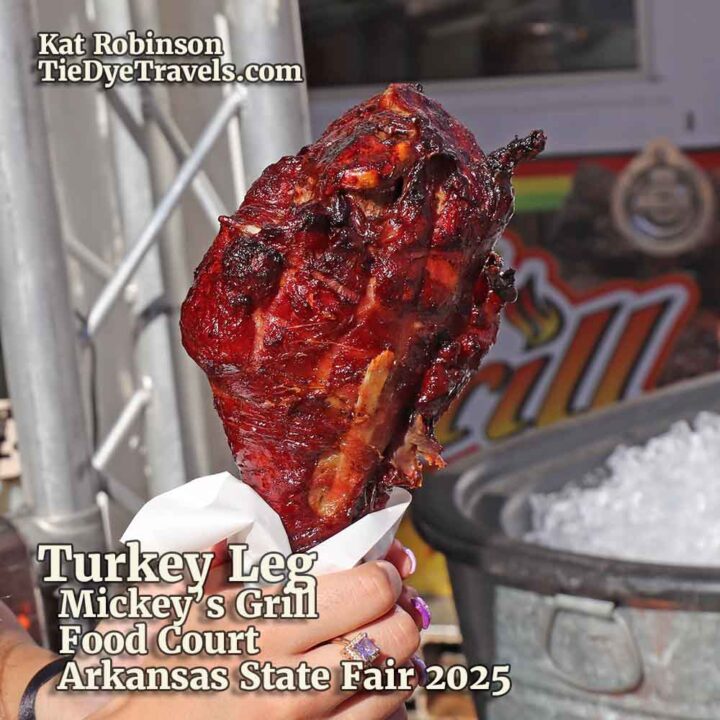
Smoked Fair Turkey Legs Recipe
Image credit: @tiedyekat
Ingredients
- The beauty of this recipe is that the ingredient list stays simple while delivering big flavor.
- For the turkey legs:
- 4 large turkey legs
- For the brine:
- 1 gallon water
- ½ cup kosher salt
- ½ cup brown sugar
- 4 garlic cloves, smashed
- 1 onion, quartered
- 1 tablespoon whole black peppercorns
- 3 bay leaves
- 1 teaspoon pink curing salt (optional)
- For the seasoning rub:
- 2 tablespoons paprika
- 1 tablespoon garlic powder
- 1 tablespoon onion powder
- 2 teaspoons black pepper
- 1 teaspoon kosher salt
- 1 tablespoon brown sugar
- ½ teaspoon cayenne pepper (optional)
- The optional curing salt isn’t mandatory, but it helps recreate the classic fairground flavor and appearance. Skip it if you prefer a more traditional smoked turkey taste.
- Equipment Needed
- Fancy equipment isn’t necessary. Great barbecue existed long before Wi-Fi-enabled pellet grills started sending notifications to people’s phones.
- You’ll need:
- A smoker
- Wood chips or chunks
- A large container for brining
- A meat thermometer
- Tongs
- A tray or pan
- For wood, a few options work particularly well:
- Hickory: Bold and smoky.
- Apple: Mild and slightly sweet.
- Cherry: Adds beautiful color.
- A blend of apple and hickory often hits the sweet spot.
Instructions
Step 1: Brine the Turkey Legs
The secret behind truly memorable smoked fair turkey legs begins long before the smoker heats up.
Turkey legs are naturally lean compared to pork shoulder or beef brisket. Without a brine, they can end up chewy or dry. Salt changes the structure of the meat, allowing it to retain moisture throughout the cooking process.
Combine the water, kosher salt, brown sugar, garlic, onion, peppercorns, and bay leaves in a large container. Stir until the salt dissolves completely. Add the optional curing salt if you're chasing that authentic fair-style flavor.
Submerge the turkey legs completely and refrigerate them for at least 12 hours. Twenty-four hours is even better.
Key point: The brine does more than season the meat – it creates the juicy texture people associate with fair turkey legs.
Patience matters here. Barbecue has always rewarded cooks who understand that great flavor can’t be rushed.
Step 2: Season the Turkey Legs
Once the brining is done, remove the turkey legs and rinse them lightly under cold water. Pat them completely dry with paper towels.
Mix the paprika, garlic powder, onion powder, black pepper, brown sugar, salt, and cayenne in a bowl. Coat each turkey leg evenly, making sure the seasoning gets into every crevice.
Let the legs rest at room temperature for about 20 to 30 minutes while the smoker heats up.
This short resting period helps the rub adhere to the meat and gives the surface time to dry slightly, which encourages better smoke absorption.
For extra-crispy skin, brush the turkey legs lightly with oil before smoking.
Step 3: Smoke the Turkey Legs
Now comes the fun part.
Preheat your smoker to 250°F (120°C). That temperature gives the connective tissue enough time to break down without drying out the meat.
Place the turkey legs directly on the grates and add your chosen wood. Hickory delivers classic barbecue flavor, while apple and cherry provide a gentler smoke.
Smoke the turkey legs for approximately three to four hours.
A few tips during the cook:
- Rotate the legs halfway through.
- Keep the smoker temperature steady.
- Avoid opening the lid every fifteen minutes.
Every backyard cook eventually learns the hardest lesson in barbecue: staring at the smoker doesn’t make the meat cook faster.
Monitor the internal temperature with a thermometer inserted into the thickest section of the leg.
Aim for 175–180°F (79–82°C).
That number surprises some people because poultry is technically safe at a lower temperature. Turkey legs contain a lot of connective tissue, and pushing them beyond the minimum temperature helps that collagen soften and melt.
Important phrase: Low and slow cooking transforms tough turkey legs into tender, smoky perfection.
Around the three-hour mark, another phenomenon usually occurs: neighbors begin wandering into the yard with suspiciously casual questions.
“Smells amazing over here. What are you making?”
Veteran grillmasters recognize this tactic immediately.
Step 4: Rest and Serve
Once the turkey legs hit the target temperature, remove them from the smoker and place them on a tray.
Let them rest for 10 to 15 minutes.
Resting allows the juices to redistribute throughout the meat instead of spilling onto the cutting board. Skipping this step can undo hours of careful cooking.
Serve your smoked fair turkey legs with classic barbecue sides:
- Corn on the cob
- Coleslaw
- Baked beans
- Potato salad
- Pickles
Or embrace the full fairground experience and simply hand everyone a turkey leg and wish them luck.
Eating one gracefully remains impossible. Scientists may eventually solve the mystery, but until then, expect sauce on your hands.
Featured image credit: Bezalens JGP
