
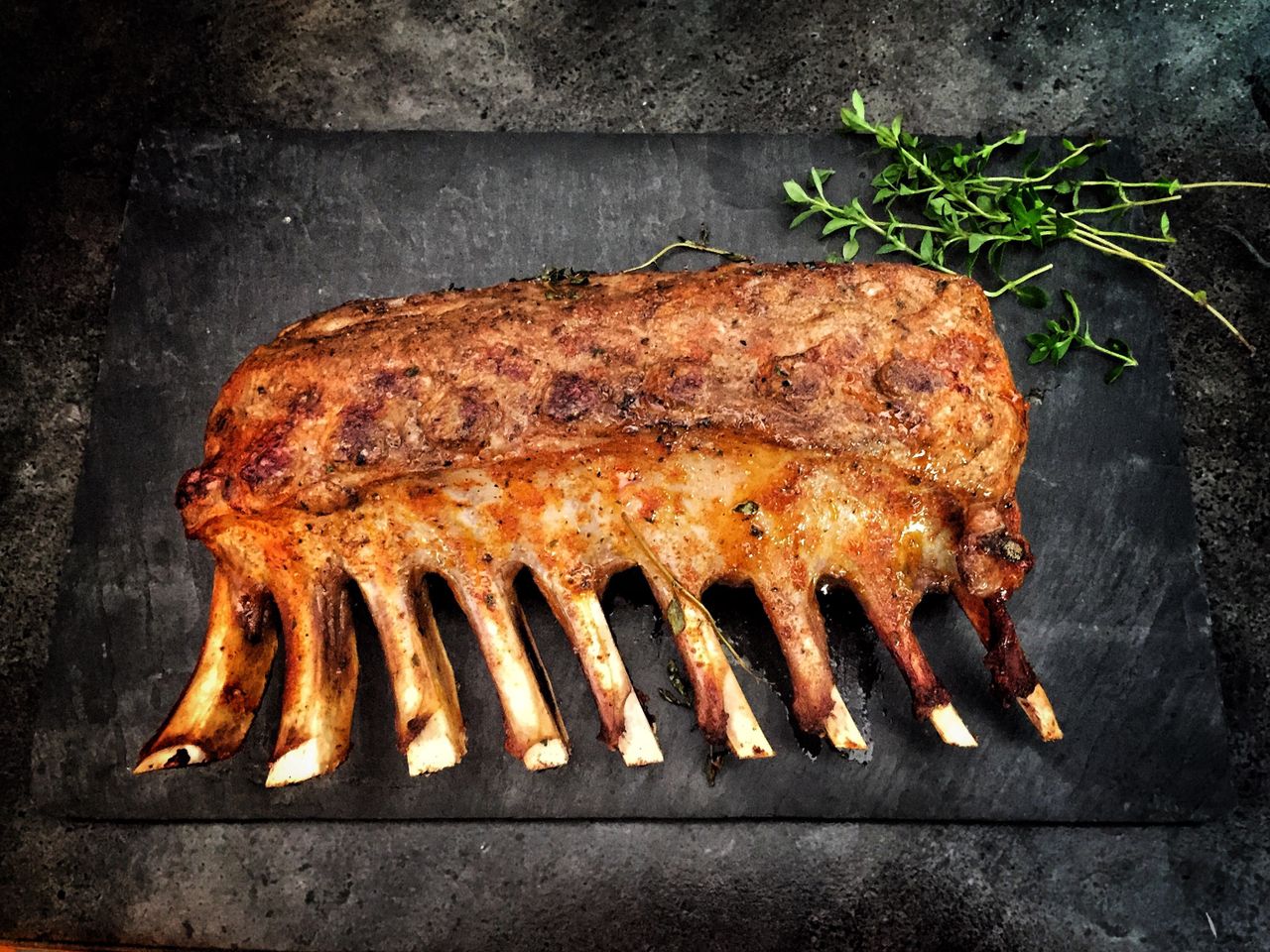
The Prime Rib That Deserves the Center of the Table
Holiday dinners have a funny way of turning perfectly reasonable cooks into nervous wrecks. Suddenly, everyone is hovering around the oven, checking the clock, and asking whether the roast is done every six minutes.
Prime rib gets blamed for much of this drama. It shouldn’t.
The secret to a great smoked and seared prime rib is surprisingly simple: cook it gently with smoke, then finish it with blazing heat. The low-and-slow stage builds deep, wood-fired flavor while keeping the interior tender.
A quick, aggressive sear creates the dark, savory crust that makes everyone forget they were supposed to leave room for dessert.
Add a rich mixture of rosemary, thyme, parsley, garlic, Dijon mustard, and olive oil, and you have a holiday centerpiece that looks impressive without requiring you to perform culinary gymnastics in front of your guests.
The best part? You don’t need to guess when it’s ready. A reliable meat thermometer does the worrying for you.
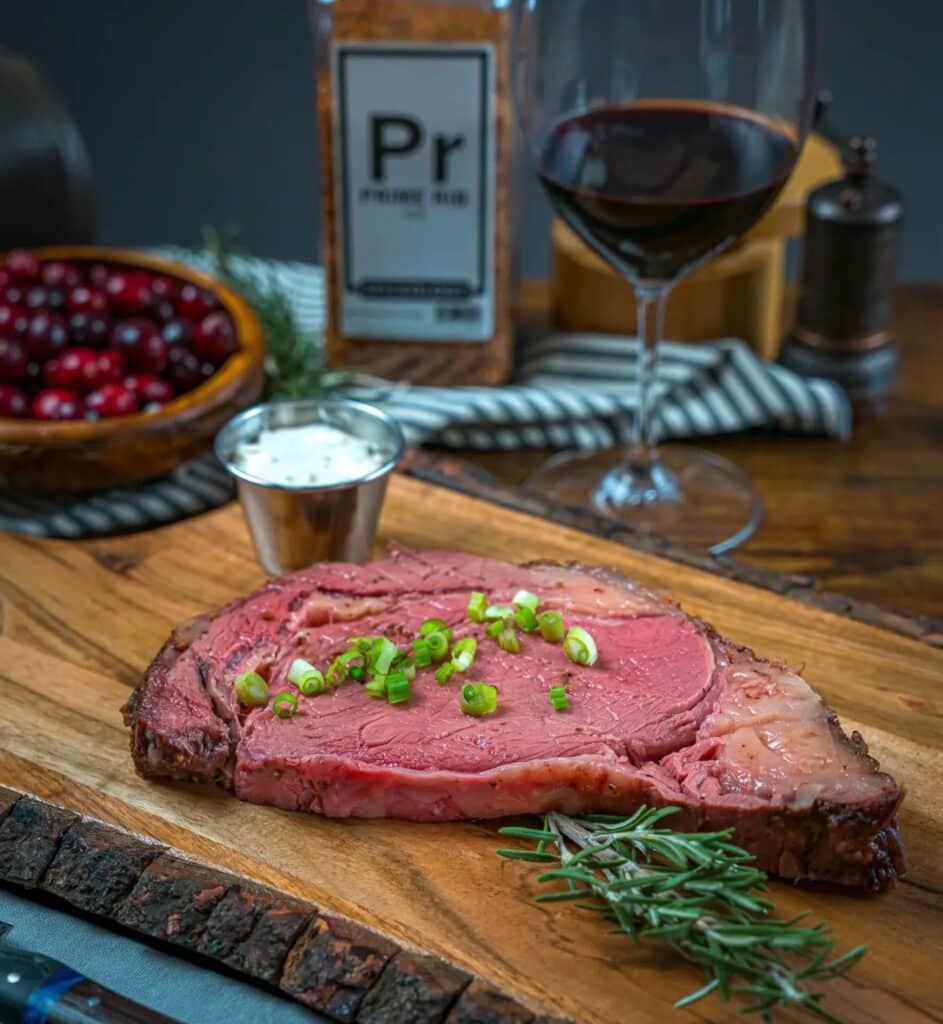
Why You’ll Love This Smoked and Seared Prime Rib
This recipe takes the best parts of smoking and roasting and puts them together.
The smoker provides gentle heat and wood-fired flavor, while the final sear creates the deeply browned exterior that a low-temperature cook alone simply cannot deliver.
The herb crust adds another layer of flavor, with fresh herbs and garlic complementing the richness of the beef rather than overpowering it.
You’ll also get better control over the doneness. Prime rib is expensive, and nobody wants to turn an impressive roast into an accidental well-done experiment.
This method is especially useful for holiday gatherings, when you want a main course that feels special but still leaves you enough attention for everything else happening in the kitchen.
Prime Rib Doneness Guide
Use internal temperature rather than cooking time to determine doneness.
- Rare: Remove from the heat at approximately 115–120°F.
- Medium-rare: Remove at approximately 120–125°F.
- Medium: Remove at approximately 130–135°F.
- Medium-well: Remove at approximately 140–145°F.
Remember that carryover cooking continues after the roast leaves the heat, so the internal temperature can rise several degrees during resting.
For many prime rib lovers, medium-rare is the sweet spot: tender, juicy, and deeply beefy without sacrificing the flavorful crust.
Tips for the Best Smoked and Seared Prime Rib
Use a thermometer. Guessing is entertaining only when you’re guessing the number of jellybeans in a jar. Don’t guess with expensive beef.
Season generously. Prime rib is a large cut, so it needs enough seasoning to flavor more than just the outermost surface.
Keep the smoker temperature steady. Consistent heat gives you better control over the final texture.
Don’t skip the sear. Smoking creates wonderful flavor, but the high-heat finish delivers the browned crust that makes this recipe special.
Rest the roast. Give the juices time to settle before carving.
Slice just before serving. Keeping the roast whole until dinner helps preserve moisture and keeps the presentation impressive.
What to Serve with Prime Rib
A rich main course deserves sides that complement rather than compete with it. Creamy mashed potatoes, roasted vegetables, Yorkshire pudding, and warm dinner rolls all work beautifully.
For the table, consider serving horseradish sauce or au jus alongside the prime rib. The sharpness of horseradish cuts through the richness of the beef, while au jus adds extra savory flavor without masking the herb crust.
A simple green salad can also provide a welcome fresh contrast.
Make-Ahead and Leftover Tips
The herb crust can be prepared several hours ahead and refrigerated until you’re ready to use it.
Store leftover prime rib in an airtight container and reheat it gently. Avoid blasting it with high heat, which can quickly turn beautifully tender leftovers into something resembling holiday shoe leather.
Cold slices are also excellent in sandwiches with horseradish sauce, mustard, or a little melted cheese.
Choosing the Right Wood for Prime Rib
The wood you choose can quietly make or break smoked and seared prime rib. Beef is rich enough to handle smoke, but more smoke doesn’t automatically mean more flavor.
The goal is to build depth without covering up the natural character of the beef.
For a balanced smoke profile, consider:
- Oak: Clean, traditional, and versatile. It adds noticeable smokiness without overwhelming the beef.
- Cherry: Slightly sweet with a mild smoke profile and beautiful color.
- Pecan: Smooth, mellow, and slightly nutty, making it a great choice for a more subtle finish.
- Hickory: Bolder and more pronounced, ideal when you want a classic barbecue-style flavor.
Avoid using an overly aggressive wood for the entire cooking process, particularly with an expensive cut like prime rib. The smoke should enhance the beef, not become the main event.
Think of it like seasoning: you want guests asking what makes the roast taste so good, not wondering why dinner tastes like a bonfire.
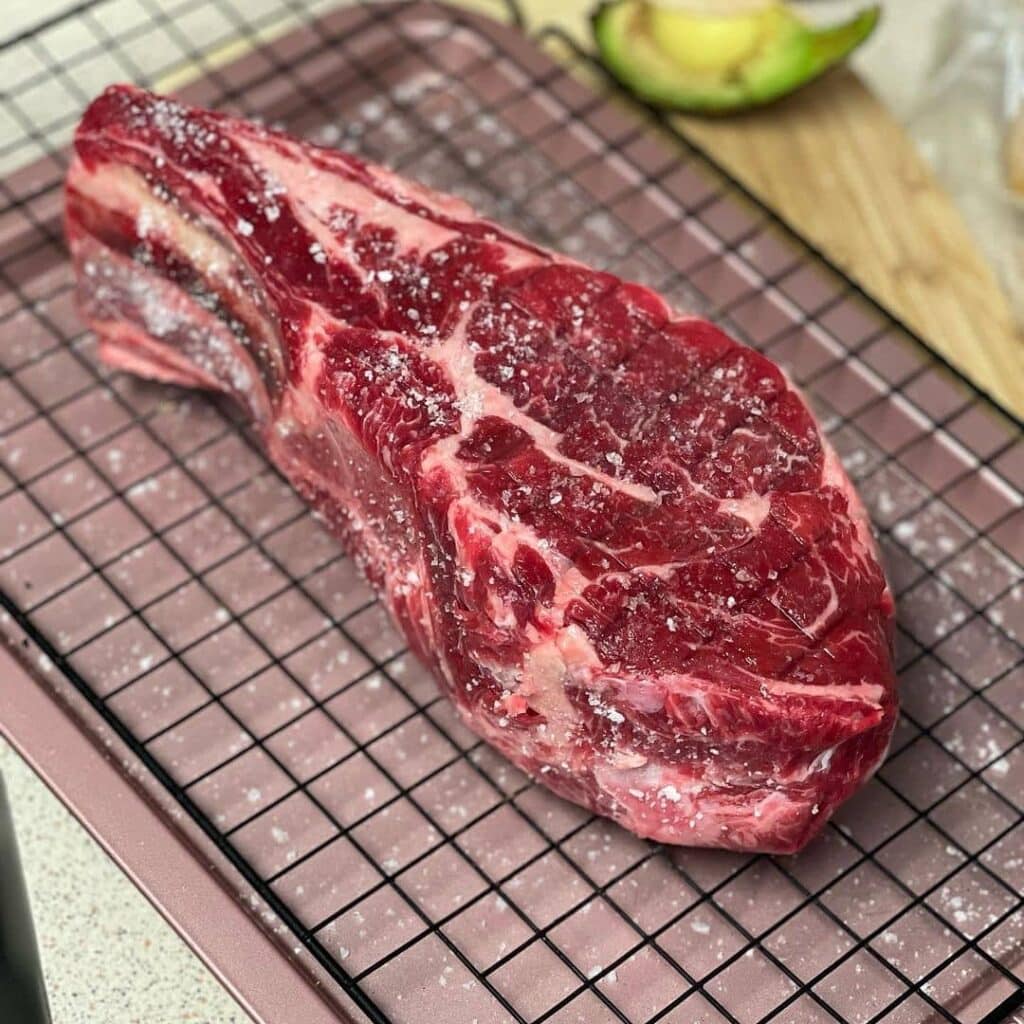
Why a Dry Brine Can Transform the Roast
Want to give your prime rib more flavor before it even reaches the smoker? Dry brining is one of the easiest techniques to make a noticeable difference.
Rather than seasoning the roast immediately before cooking, sprinkle it generously with kosher salt and place it uncovered in the refrigerator for several hours, ideally overnight.
During this time, the salt gradually works its way into the meat while the exposed surface loses some moisture.
That matters for two reasons:
- Deeper seasoning: The salt has time to penetrate beyond the surface, creating more evenly seasoned beef.
- Better browning: A drier exterior develops a more impressive crust when exposed to high heat.
- More concentrated flavor: Removing surface moisture allows the natural beef flavor to stand out.
- Improved texture: The seasoning process helps create a more flavorful, well-developed exterior.
Before smoking, check the surface and pat away any excess moisture. You can then apply the herb crust and continue with the recipe.
A little preparation goes a long way. Dry brining takes almost no active cooking time, but it can turn a good prime rib into a much more flavorful centerpiece.
Don’t Forget the Bones: Turning Them into a Sauce
Those beef bones aren’t just there to make the roast look impressive. They can become the starting point for an exceptionally rich sauce.
When buying a bone-in prime rib, ask your butcher to separate the bones from the roast and tie them back onto the meat. This makes carving much easier while allowing you to retain the advantages of cooking a bone-in roast.
After the meal, don’t toss those bones. Save them for another kitchen project.
You can use them to:
- Make a rich beef stock for future recipes.
- Build a deeply savory au jus.
- Add extra beef flavor to soups, gravies, or sauces.
- Combine the bones with aromatics and simmer them into a flavorful base.
The cooking drippings are equally valuable. Combine them with beef stock, aromatics, and a splash of wine to create a simple holiday au jus that complements the smoky beef and herb crust.
It’s a smart way to turn leftovers and cooking drippings into something genuinely useful. After all, a premium roast should give you more than one great meal.
The Secret to Serving Prime Rib like a Restaurant
A perfectly cooked roast can lose some of its impact if it’s carved and plated without a plan. Presentation matters, particularly when your prime rib is the centerpiece of a holiday table.
Start by slicing the roast into consistent portions. Arrange the slices slightly overlapping on a warm serving platter, keeping the deeply browned herb crust visible instead of hiding it beneath sauce.
For a polished presentation:
- Keep the crust exposed so guests can see the best part of the roast.
- Serve sauces separately, allowing guests to add au jus or horseradish to taste.
- Save the end slices for guests who love extra crust and concentrated flavor.
- Reserve the center cuts for diners who prefer a more evenly cooked interior.
- Carve as needed rather than slicing the entire roast at once.
Keeping most of the roast intact helps it stay warmer and juicier during the meal. It also creates that unmistakable holiday centerpiece moment when you bring the roast to the table and carve it in front of your guests.
Sometimes, presentation really is the final seasoning.
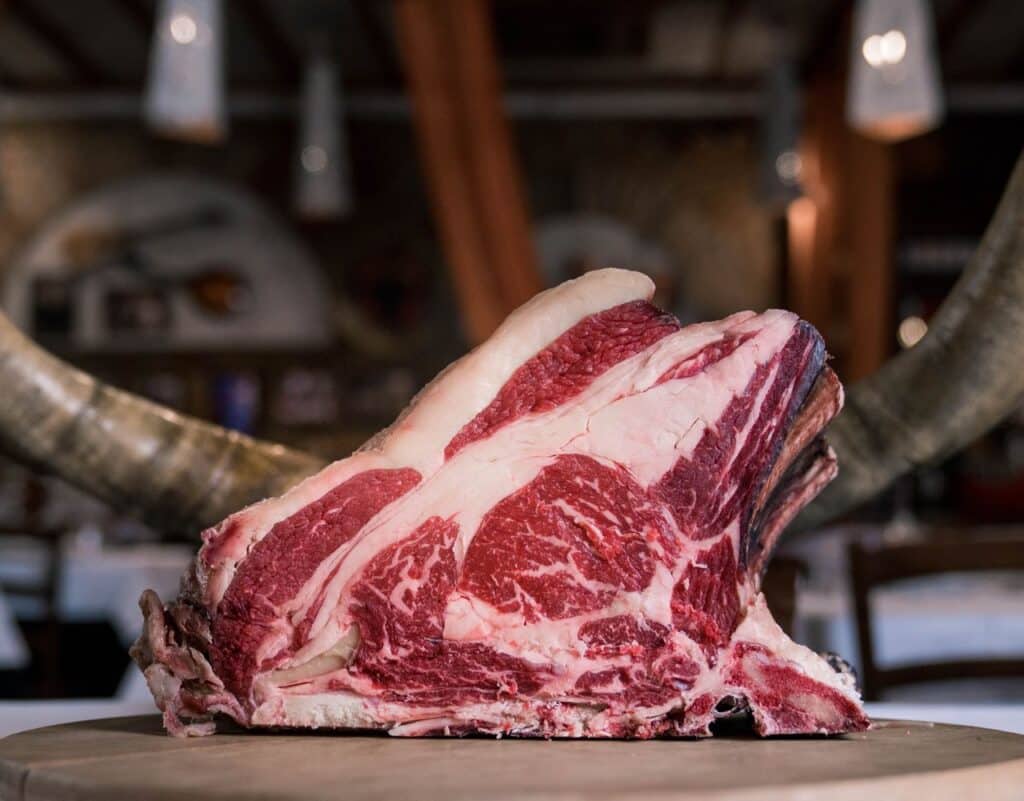
Final Thoughts
Season the prime rib, coat it with the herb crust, smoke it at low heat until it reaches the appropriate pre-sear temperature, then sear over high heat until deeply browned. Rest before slicing and serving.
The result is a smoked and seared prime rib with a rich herb crust, juicy center, and serious holiday-table presence.
It’s impressive enough for a special gathering, practical enough for a confident home cook, and flavorful enough to make everyone suddenly forget about that turkey recipe they were planning to use.
Featured image credit: pascal claivaz
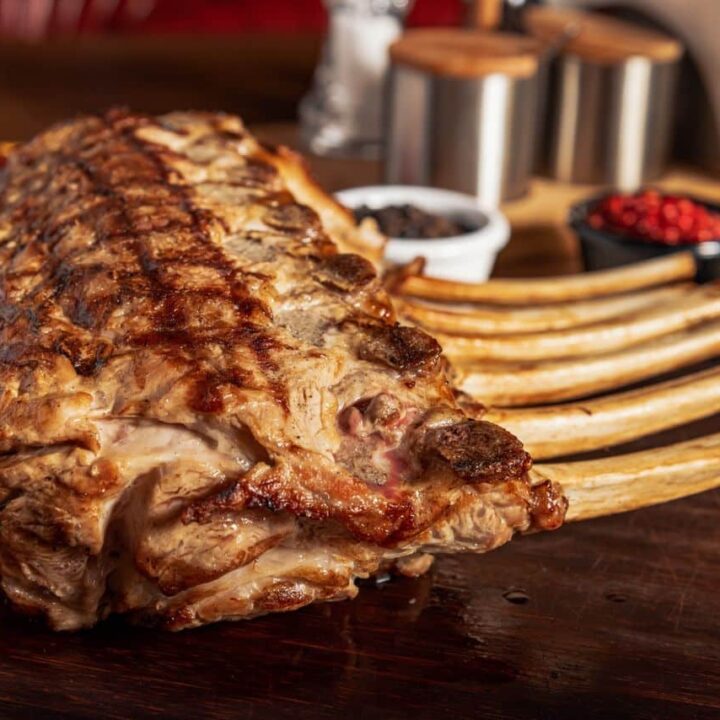
Smoked and Seared Prime Rib with a Rich Herb Crust
Image credit: Mohamed Olwy
Ingredients
- For the Prime Rib
- 1 bone-in or boneless prime rib roast, sized according to the number of guests
- Kosher salt
- Freshly ground black pepper
- Olive oil
- Garlic
- For the Rich Herb Crust
- Fresh rosemary, finely chopped
- Fresh thyme, finely chopped
- Fresh parsley, finely chopped
- Fresh garlic, minced
- Dijon mustard
- Olive oil
- Freshly ground black pepper
- Fresh herbs make a noticeable difference here. Dried herbs can work in a pinch, but fresh rosemary and thyme give the crust a brighter aroma and a more vibrant flavor.
- For the roast itself, look for good marbling. Prime rib already has plenty of natural richness, and that intramuscular fat slowly melts during cooking, helping keep the meat juicy and flavorful.
Instructions
1. Prepare the Roast
Start by removing the prime rib from its packaging and patting it thoroughly dry with paper towels. Excess moisture on the surface can interfere with browning later.
Trim away any unusually thick areas of exterior fat, but don't get carried away. Fat is flavor, and prime rib without enough of it is like a holiday party without dessert: technically possible, but why?
Season the roast generously with kosher salt and freshly ground black pepper. Let it sit while you prepare the herb crust.
2. Make the Herb Crust
Combine the chopped rosemary, thyme, parsley, garlic, Dijon mustard, olive oil, and black pepper in a small bowl.
You want a thick, spreadable mixture rather than something runny. Dijon adds a subtle tang and also helps the herbs cling to the beef during cooking.
Spread the herb mixture generously over the exterior of the roast, making sure to cover the top and sides.
Don't be shy with the crust. This is where much of the flavor will develop, so every bite should get some of that garlicky, herb-packed exterior.
3. Smoke the Prime Rib
Preheat your smoker to a low cooking temperature, then place the seasoned roast inside.
Use a mild or medium-strength smoking wood that complements beef without completely overwhelming it.
The goal isn't to make the prime rib taste like a campfire. You want the smoke to sit in the background and add depth.
Insert a reliable meat thermometer into the thickest part of the roast, avoiding the bone if you're using a bone-in cut.
Smoke the prime rib until it reaches your desired pre-sear internal temperature. Cooking time will vary considerably depending on the size and shape of the roast, so temperature matters more than the clock.
This is one of those situations where the thermometer is your best kitchen assistant. It never gets distracted by football, doesn't sneak bites from the appetizer tray, and doesn't suddenly remember an important text message.
4. Prepare for the Sear
Once the roast reaches the appropriate pre-sear temperature, remove it from the smoker.
Prepare your grill, cast-iron skillet, or other cooking surface for very high heat.
You want enough heat to brown the exterior quickly without spending so much time searing that the interior becomes overcooked.
Give the roast a brief rest while the cooking surface heats.
5. Sear Until Deeply Browned
Place the smoked prime rib over high heat and sear the major surfaces until the exterior becomes deeply browned, crisp, and aromatic.
Pay particular attention to the herb crust. The mustard, garlic, herbs, and beef fat will combine to create an intensely savory exterior.
Keep the searing process relatively quick. The low-temperature smoking stage has already done the delicate work. The sear is about developing color and flavor, not cooking the roast from the inside out.
Once the crust looks rich and beautifully browned, remove the roast from the heat.
6. Rest, Then Slice
This step requires patience, which is unfortunate because everyone will probably be standing in the kitchen asking when they can eat.
Let the prime rib rest before slicing. Resting gives the juices time to redistribute through the meat rather than immediately running onto the cutting board.
When you're ready to serve, slice the roast across the grain into thick, even portions.
The result should be a beautifully browned exterior surrounding a tender, juicy center with a pronounced smoky flavor and fragrant herb crust.
