
Smoke rolling across the backyard has a way of turning ordinary cooking into an event. Burgers hiss, onions caramelize, and somebody always wanders over to ask the same question: “What’s the secret to keeping that griddle so slick?”
Most people expect the answer to involve a special oil or some ancient barbecue wisdom handed down by a grandparent with suspiciously good ribs. The truth is far more interesting.
The magic behind a great griddle comes down to chemistry – specifically, the molecular bond created through seasoning.
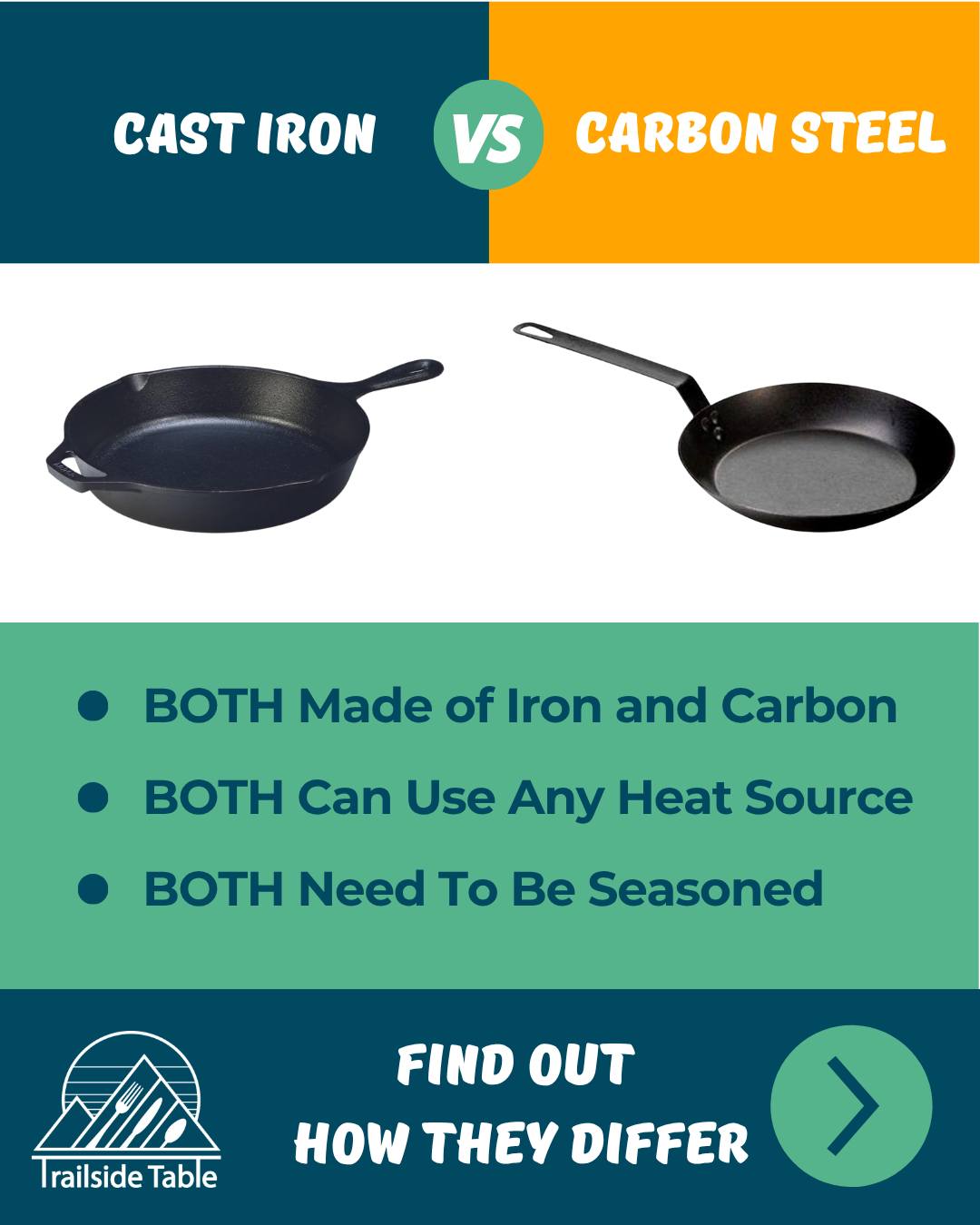
The debate around seasoning cast iron vs carbon steel often focuses on which material cooks better, heats faster, or lasts longer. Yet the real story happens on a microscopic level.
Every time oil hits hot metal, molecules transform, forming a protective layer that turns rugged steel and iron into naturally non-stick cooking surfaces.
Understanding that process changes the way you care for outdoor cookware. It also explains why one griddle develops a dark, glossy finish while another ends up sticky enough to trap a spatula.
Let’s lift the lid on the science and settle the cast iron versus carbon steel conversation once and for all.
What Does “Seasoning” Actually Mean?
Many people hear the word “seasoning” and think salt, pepper, or that mysterious spice rub your uncle refuses to share. In cookware, seasoning means something entirely different.
Seasoning Is Not Just Burnt Oil
One of the biggest misconceptions about outdoor griddles is that seasoning simply means coating metal with oil and heating it until smoke appears.
That is only the beginning.
Real seasoning involves a chemical transformation called polymerization, where oil molecules rearrange themselves under high heat. Instead of remaining liquid, they form long chains that bond to the metal surface.
At the same time, some of those compounds partially break down through carbonization, adding strength and color to the coating.
The result is not a greasy film.
It is a tough, semi-permanent layer that:
- Reduces sticking.
- Protects against rust.
- Improves heat distribution.
- Gets better with use.
Think of it as armor for your griddle – except this armor occasionally smells like bacon.
Why Seasoning Matters
Outdoor griddles face a rough life. Rain, humidity, grease, extreme temperatures, and the occasional overenthusiastic burger-flipper all take their toll.
A well-developed seasoning layer provides several important benefits:
- Creates a natural non-stick surface.
- Protects the metal from moisture and oxidation.
- Improves cooking performance over time.
- Extends the lifespan of the griddle.
Without seasoning, even premium cookware would eventually rust and become frustrating to cook on.

The Science Behind the Molecular Bond
The phrase “molecular bond” sounds like something borrowed from a chemistry textbook, but the concept is surprisingly straightforward.
How Oils Transform Under Heat
Cooking oils are made up of fats, and those fats contain chains of atoms. Once exposed to high temperatures, especially above their smoke point, those chains begin to change.
The process looks something like this:
- Oil spreads across the metal.
- Heat breaks apart certain molecular bonds.
- Molecules reconnect into larger structures.
- Those structures harden into a durable layer.
Not all oils behave the same way.
Oils rich in unsaturated fats – such as grapeseed, canola, and flaxseed oil – tend to polymerize more effectively because their molecular structures are more reactive.
This explains why pouring half a bottle of olive oil onto a griddle rarely produces legendary results. More oil does not mean better seasoning. More oil usually means sticky disappointment.
Polymerization: The Foundation of Seasoning
The key player in seasoning cast iron vs carbon steel is polymerization.
In plain English, polymerization occurs when small molecules join together to create larger, tougher networks. Those networks cling tightly to heated metal and eventually form the black coating griddle owners prize.
The coating is not sitting on top of the metal – it is chemically attached to it.
That distinction matters.
A proper seasoning layer can withstand:
- High temperatures.
- Metal spatulas.
- Daily cooking sessions.
- Repeated cleaning.
The bond strengthens with each thin layer added over time.
Carbonization and Layer Formation
Polymerization gets most of the attention, but carbonization also contributes to the finished surface.
When oils continue breaking down, tiny carbon-rich deposits develop. Combined with polymerized fats, they create the dark finish associated with seasoned cookware.
The best seasoning comes from:
- Multiple thin coats.
- Consistent heating.
- Regular cooking.
A thick layer of oil applied all at once behaves like cheap paint – it peels, flakes, and causes headaches.
Understanding Cast Iron at the Microscopic Level
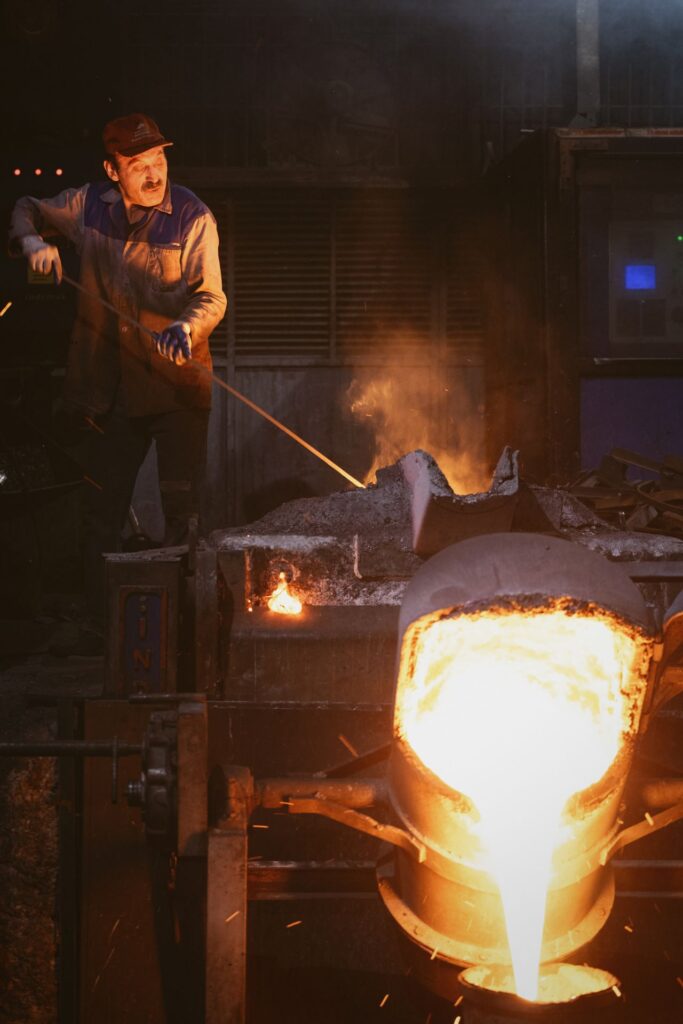
Cast iron has earned near-mythical status among outdoor cooks. Entire friendships have been tested over debates about skillets and griddles. Under a microscope, cast iron reveals why.
The Composition of Cast Iron
Cast iron contains:
- Iron.
- Roughly 2–4% carbon.
- Small amounts of silicon and other elements.
That higher carbon content creates graphite structures throughout the metal, giving cast iron its familiar texture.
Contrary to popular belief, cast iron is not a sponge full of giant holes. The “porous” description is mostly shorthand for its rough, uneven surface.
Why Cast Iron Holds Seasoning So Well
The rough texture of cast iron provides countless microscopic peaks and valleys. Those irregularities help seasoning develop because the polymerized oils have more places to anchor themselves.
Cast iron excels at building thick, durable seasoning layers.
That characteristic explains why old cast-iron cookware often improves after decades of use. Every pancake, steak, and batch of fried potatoes contributes another microscopic layer.
One old pitmaster used to joke that his skillet had cooked so many meals it probably deserved voting rights.
Heat Retention and Cooking Performance
Cast iron’s greatest strength is heat retention.
Once heated, it stays hot for a long time. That makes it ideal for:
- Smash burgers.
- Thick steaks.
- Searing.
- Hash browns.
- Fajitas.
The downside?
It takes patience.
Cast iron heats slowly and weighs enough to qualify as gym equipment. Carrying a large cast-iron griddle across the yard counts as leg day.
Understanding Carbon Steel at the Microscopic Level
Carbon steel often lives in cast iron’s shadow, but outdoor cooks have started giving it the respect it deserves.
The Composition of Carbon Steel
Carbon steel contains:
- Iron.
- Around 0.5–2% carbon.
- Fewer graphite structures.
Because of its lower carbon content, carbon steel develops a smoother, denser surface. That smoothness changes how seasoning behaves.
How Seasoning Bonds to Carbon Steel
The science behind seasoning cast iron vs carbon steel becomes especially interesting here.
Carbon steel does not rely as heavily on texture to hold seasoning. Instead, the polymerized oils adhere more directly to the metal itself.
Seasoning on carbon steel tends to develop into a thinner, smoother finish.
Initially, some owners worry because the coating can appear uneven or blotchy.
That is normal.
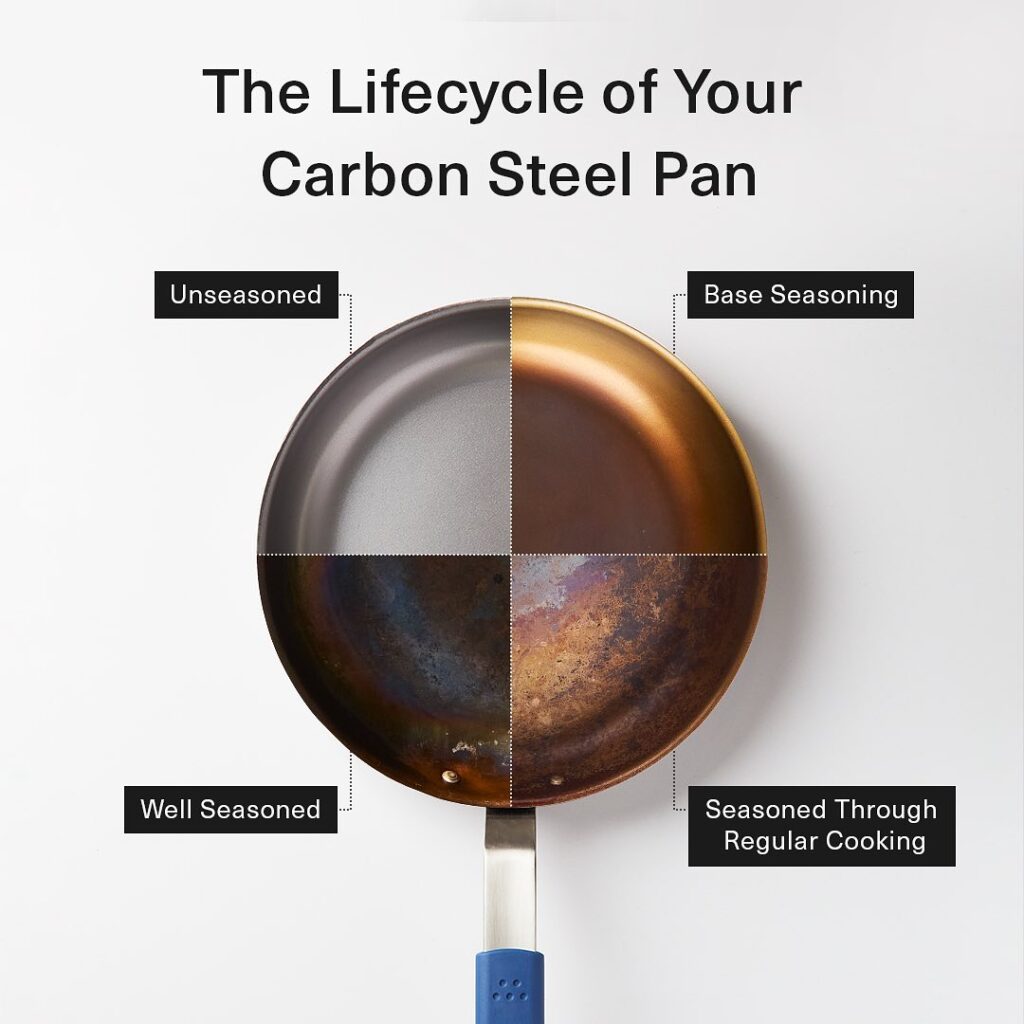
Carbon steel seasoning often evolves in stages:
- Golden tones.
- Brown patches.
- Deep black coloration.
- A glossy cooking surface.
It can look strange before it looks perfect. Kind of like a teenager growing a mustache.
Heat Responsiveness and Outdoor Cooking
Carbon steel’s biggest advantage is responsiveness.
Compared to cast iron, it:
- Heats faster.
- Cools faster.
- Weighs less.
- Reacts more quickly to temperature adjustments.
That responsiveness makes carbon steel excellent for:
- Stir-frying.
- Smash burgers.
- Breakfast griddle cooking.
- Seafood.
- Vegetables.
Many cooks appreciate the balance between durability and maneuverability.
Seasoning Cast Iron vs. Carbon Steel: How the Process Differs
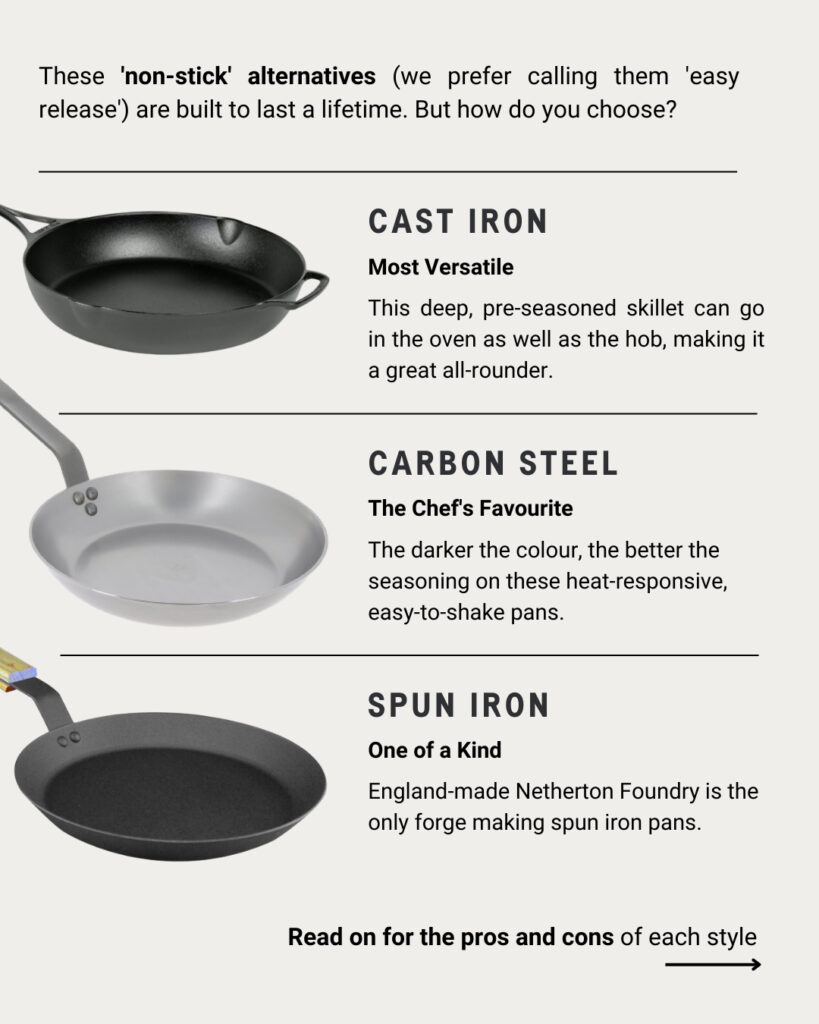
At first glance, seasoning both materials looks identical: add oil, apply heat, repeat. The details tell a different story.
Initial Seasoning Requirements
Many cast-iron products arrive pre-seasoned from the factory.
Carbon steel may arrive with:
- Protective wax coatings.
- Anti-rust oils.
- Bare metal surfaces.
Before seasoning, always:
- Wash away factory coatings.
- Dry thoroughly.
- Apply a very thin layer of oil.
- Heat beyond the oil’s smoke point.
Skipping the cleaning stage is a classic rookie mistake. Nobody wants factory wax seasoning their burgers.
Choosing the Right Oil
Oil selection matters, but not as much as technique.
Popular options include:
- Grapeseed oil.
- Canola oil.
- Avocado oil.
- Flaxseed oil.
The real secret is simple:
Use less oil than you think you need.
A properly seasoned surface should look almost dry before heating.
Excess oil leads to:
- Sticky patches.
- Uneven finishes.
- Flaking.
- Smoke overload.
Temperature and Timing Differences
Cast iron’s thermal mass means:
- Longer preheating times.
- Slower temperature changes.
- More consistent heat.
Carbon steel responds faster, which means:
- Shorter heating cycles.
- Quicker adjustments.
- Faster seasoning sessions.
Most seasoning processes fall within the range of 400–500°F (204–260°C), depending on the oil used.
Patience wins every time.
Trying to rush seasoning is like trying to smoke brisket in thirty minutes. Technically, meat will emerge. Nobody will celebrate.
Maintenance Frequency
Both materials require ongoing care.
Factors that wear down seasoning include:
- Frequent scraping.
- Acidic foods.
- Moisture.
- Harsh cleaners.
- Long-term storage.
Fortunately, daily maintenance takes only a few minutes.
Common Myths About Seasoning Outdoor Griddles
The internet has transformed seasoning advice into a wild frontier of conflicting opinions. Let’s clear up a few myths.
Myth #1: The Surface Becomes Non-Stick Overnight
Great seasoning develops over time.
The first few cooks are part of the process. Every meal strengthens the coating.
Myth #2: Cast Iron Is Naturally Non-Stick
Bare cast iron is surprisingly sticky.
The non-stick performance comes entirely from seasoning.
Myth #3: More Oil Creates Better Results
Too much oil creates:
- Sticky spots.
- Uneven surfaces.
- Flaking layers.
Thin coats outperform thick coats every time.
Myth #4: Soap Destroys Seasoning
Modern dish soap is generally safe in small amounts.
Strong lye-based soaps caused problems generations ago, but ordinary dish soap will not instantly erase months of seasoning work.
The key is moderation.
Myth #5: Carbon Steel Cannot Hold Seasoning
Carbon steel absolutely develops excellent seasoning. The appearance may differ, but long-term performance can rival cast iron.
The debate around seasoning cast iron vs carbon steel is less about superiority and more about personal preference.
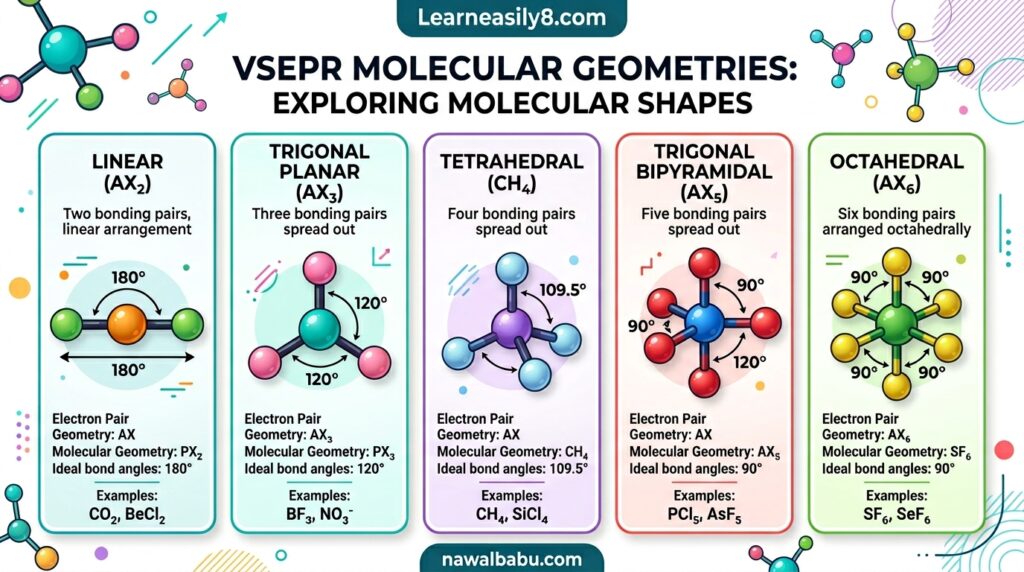
Factors That Strengthen or Damage the Molecular Bond
Seasoning is durable, but not indestructible.
Habits That Improve Seasoning
Want better seasoning? Focus on consistency.
Helpful habits include:
- Cooking regularly.
- Using moderate amounts of fat.
- Cleaning while warm.
- Drying thoroughly.
- Applying a light coat of oil after use.
Foods such as bacon, onions, burgers, and potatoes often help build seasoning naturally.
Mistakes That Break Down the Layer
Several common errors shorten the life of your seasoning:
- Leaving water on the surface.
- Storing cookware outdoors uncovered.
- Cooking acidic foods for long periods.
- Overheating the griddle.
- Using abrasive cleaning tools.
Rust rarely appears overnight. It usually arrives after weeks of neglect. And rust has perfect timing—it always shows up the day before guests arrive.
Environmental Challenges for Outdoor Griddles
Outdoor cooking equipment faces unique challenges:
- Humidity.
- Rain.
- Salt air.
- Temperature swings.
Protect your griddle by:
- Storing it in a dry area.
- Using breathable covers.
- Inspecting for rust regularly.
- Reapplying oil before storage.
A little maintenance prevents major restoration projects later.
Which Material Builds a Better Non-Stick Surface?
This question fuels endless campfire debates.
The honest answer?
Both materials perform exceptionally well.
Cast Iron Advantages
Cast iron offers:
- Outstanding heat retention.
- Thick seasoning layers.
- Incredible durability.
- Excellent searing performance.
It shines during long cooking sessions where stable temperatures matter.
Carbon Steel Advantages
Carbon steel delivers:
- Faster heat response.
- Lighter weight.
- Greater maneuverability.
- Smooth seasoning development.
For cooks who value speed and control, carbon steel is hard to beat.
Quick Comparison
| Feature | Cast Iron | Carbon Steel |
| Surface Texture | Rougher | Smoother |
| Heat Retention | Excellent | Very good |
| Heat Responsiveness | Slower | Faster |
| Weight | Heavy | Lighter |
| Seasoning Build-Up | Thick layers | Smooth layers |
| Maintenance | Moderate | Moderate |
When discussing seasoning cast iron vs carbon steel, the real winner is whichever material fits your cooking style.
Best Practices for Maintaining a Long-Lasting Seasoning Layer
Keeping seasoning healthy does not require special tools or secret techniques.
Daily Cleaning Routine
After cooking:
- Scrape away food debris.
- Wipe with warm water.
- Dry completely.
- Apply a tiny amount of oil.
Avoid soaking the griddle. Metal and standing water maintain a famously terrible relationship.
Apply Oil Sparingly
The best post-cooking treatment is a paper-thin coating of oil.
Remember:
Shiny is good. Sticky is bad.
When in doubt, wipe away more oil.
Long-Term Storage Tips
Before storing outdoor cookware:
- Ensure it is completely dry.
- Add a protective oil layer.
- Keep it covered.
- Check periodically for rust.
A few minutes of care can preserve seasoning for years.
Final Thoughts
The science behind seasoning cast iron vs carbon steel reveals something remarkable: the non-stick surface on your favorite griddle is not magic, luck, or family tradition. It is the result of heat transforming oil into a molecular shield that bonds directly with metal.
Cast iron and carbon steel each approach that process differently. Cast iron relies on its rugged texture and impressive heat retention, while carbon steel offers smoother surfaces and quicker responsiveness. Both can develop exceptional seasoning when treated properly.
The biggest lesson is simple: seasoning is built, not bought.
Every burger flipped, every onion caramelized, and every late-night breakfast cooked outdoors contributes another layer to that bond. Over time, the griddle stops feeling like a piece of equipment and starts feeling like an old cooking partner.
And somewhere along the way, you may find yourself explaining polymerization to curious guests while turning burgers with one hand. That is when you know the seasoning obsession has officially taken hold.
Frequently Asked Questions
General Seasoning & Science
What actually is “seasoning” on cookware?
Seasoning is not adding salt and pepper, nor is it just a layer of burnt oil. It is a chemical transformation called polymerization combined with carbonization.
High heat breaks down oil molecules, causing them to re-link into a tough, plastic-like molecular network that chemically bonds directly to the metal.
Why is seasoning necessary for outdoor griddles?
A well-developed seasoning layer serves four main purposes:
- Creates a natural non-stick surface.
- Protects the metal from rust and corrosion.
- Improves heat distribution over time.
- Extends the lifespan of the cookware.
What kind of oil works best for seasoning?
Oils rich in unsaturated fats with high smoke points polymerize most effectively because their molecular structures are more reactive. Top choices include:
- Grapeseed oil
- Canola oil
- Avocado oil
- Flaxseed oil
Pro Tip: Use far less oil than you think. More oil does not equal better seasoning; it leads to sticky, soft spots. Apply a layer so thin the surface looks nearly dry before heating.
Cast Iron vs. Carbon Steel
How do Cast Iron and Carbon Steel compare?
| Feature | Cast Iron | Carbon Steel |
| Composition | Iron + 2–4% Carbon | Iron + 0.5–2% Carbon |
| Surface Texture | Rougher (microscopic peaks & valleys) | Microscopic smoothness |
| Heat Characteristics | Heats slowly, holds heat exceptionally well | Heats and cools very quickly (responsive) |
| Weight | Heavy | Lighter / more maneuverable |
| Seasoning Look | Builds thick, dark layers easily | Starts golden/blotchy, cures to a sleek, dark gloss |
How does seasoning differ between the two metals?
- Cast Iron: Relies on its naturally rough surface. The microscopic “peaks and valleys” give the polymerized oil plenty of physical anchors to build thick, heavy-duty seasoning over time.
- Carbon Steel: Lacks cast iron’s rough texture, so the polymerized oil bonds directly to the smooth metal surface. It builds a thinner, sleeker seasoning layer that often goes through an uneven, blotchy phase before curing into a deep, dark non-stick coating.
Which material is better for an outdoor griddle?
Neither is superior – it depends on your cooking style:
- Choose Cast Iron if you prioritize intense heat retention for heavy searing (like smash burgers or thick steaks) and don’t mind a heavier piece of equipment.
- Choose Carbon Steel if you value quick temperature adjustments, faster preheating, lighter weight, and agility (great for stir-fries, breakfast foods, and delicate seafood).
Fact Check & Common Myths
Myth #1: Modern dish soap will ruin cast iron or carbon steel seasoning.
Fact: False. Historical lye-based soaps would strip seasoning, but modern mild dish soaps will not break down a properly polymerized molecular bond. Use soap sparingly when needed, just ensure you dry the pan thoroughly afterward.
Myth #2: Cast iron and carbon steel are naturally non-stick.
Fact: Bare metal is actually very sticky. The non-stick effect comes entirely from the molecular bond created by seasoning.
Myth #3: Thick coats of oil season griddles faster.
Fact: Thick layers behave like cheap, wet paint. They result in a sticky, gummy surface that peels, flakes, and smokes excessively. Multiple microscopic, thin coats are far superior.
Cleaning & Long-Term Maintenance
What is the ideal daily cleaning routine?
- Scrape: Remove food debris using a spatula or scraper while the griddle is warm.
- Wipe: Clean with warm water (and mild soap if needed).
- Dry: Towel dry thoroughly, or heat gently on the stove/grill to evaporate lingering moisture.
- Oil: Apply a tiny, paper-thin drop of high-smoke-point oil to protect against humidity.
What habits can ruin a griddle’s seasoning bond?
- Leaving water to sit on the metal (causes rust).
- Cooking highly acidic foods (like tomatoes or lemon juice) for prolonged periods.
- Storing the cookware outdoors without a breathable protective cover.
- Using overly abrasive cleaning tools or aggressive harsh chemicals.
- Overheating the dry griddle past the oil’s thermal limits.
Featured image credit: @trailsidetable
