
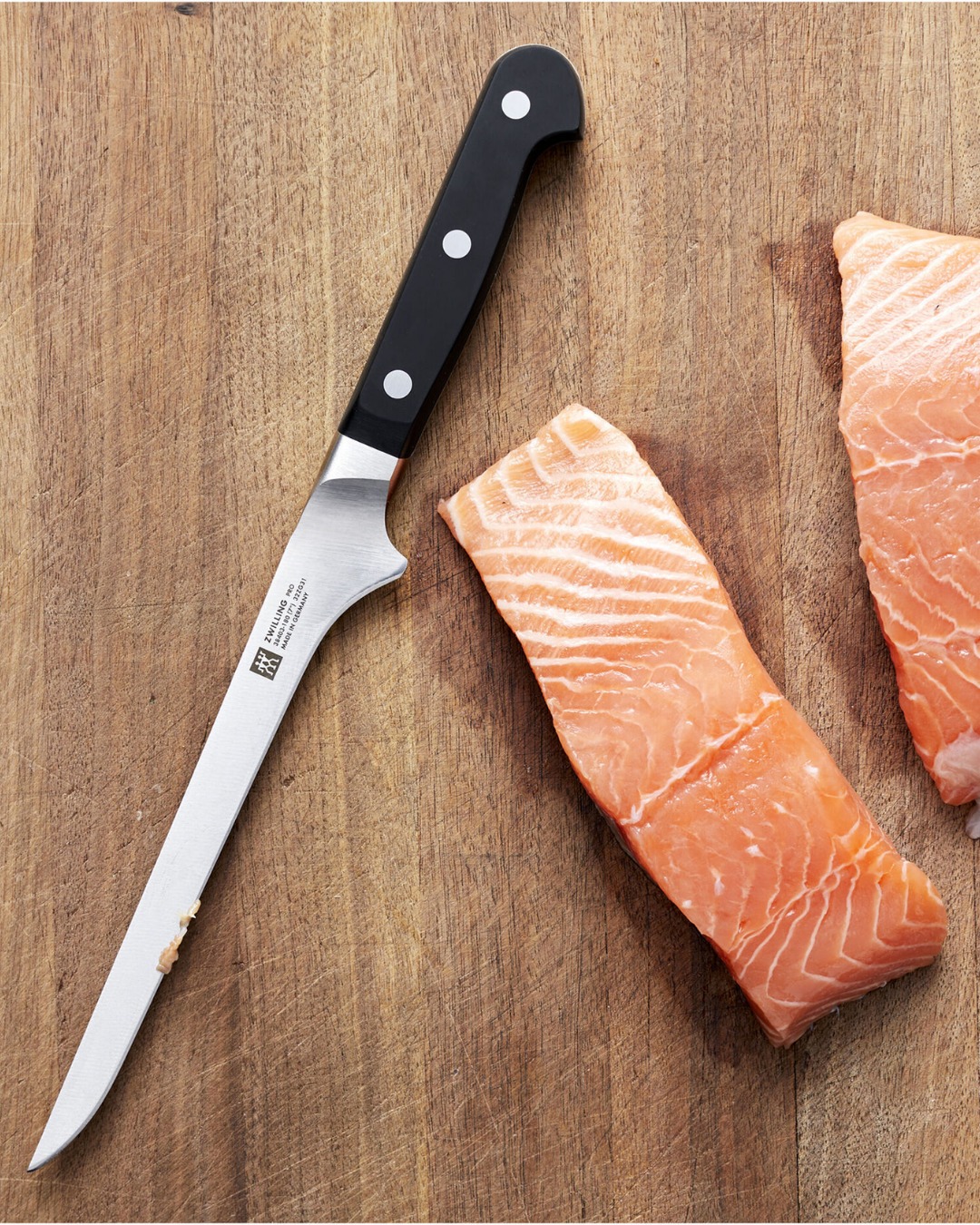
At the heart of culinary craft is that first encounter with a blade so sharp it treats a fresh fillet as a willing participant in the meal. No hacking. No sawing. No wrestling match at the cutting board.
Just clean, buttery precision.
That’s the magic of great fillet knives.
As someone who has spent years behind grills, smokers, prep tables, and more than a few questionable campfire fish fries, I can tell you this – a bad knife makes cooking feel like work.
A good one makes you look like you know secret ninja techniques.
Whether you’re breaking down salmon, trimming brisket edges, cleaning crappie at the lake, or portioning snapper for tacos, the right fillet knife changes everything. The blade flexes where it should, stays sharp longer, and saves meat instead of shredding it into fish confetti.
Below are 10 of the best fillet knives that deliver razor-sharp performance, excellent balance, and the kind of precision that makes prep work oddly satisfying.
What Makes a Great Fillet Knife?
Not all fillet knives are created equal. Some are scalpels. Some are butter knives wearing a disguise.
Here’s what actually matters.
Blade Flexibility
A fillet knife should bend just enough to ride along bones and skin without fighting you. Too stiff, and you waste meat. Too flexible, and the blade flops around like a wet noodle at a backyard barbecue.
For delicate fish like trout or flounder, flexibility is king. For larger cuts and tougher fish, moderate flex gives better control.
Blade Material
Most quality fillet knives use stainless steel or high-carbon steel.
- Stainless steel resists rust and handles moisture well
- High-carbon steel holds an edge longer but needs more maintenance
If you fish often or work around saltwater, corrosion resistance matters more than people think. Saltwater eats cheap steel for breakfast.
Handle Comfort
You’ll notice a bad handle after about ten minutes of prep work. Your hand cramps, grip slips, and suddenly the fish is winning.
Look for:
- Non-slip grip
- Ergonomic shaping
- Good balance between blade and handle
A comfortable knife feels like an extension of your hand instead of a medieval punishment device.
Blade Length
Most fillet knives range between 6 and 9 inches.
- 6-inch blades work well for smaller fish
- 7–8 inches are versatile all-around sizes
- 9 inches help with large salmon, tuna, and bigger cuts
How We Chose These Fillet Knives
These picks weren’t chosen because they look pretty in Instagram photos beside lemon slices and cedar planks.
We focused on:
- Sharpness
- Flexibility
- Edge retention
- Comfort
- Durability
- Real-world cooking performance
- Value for money
Some are premium investments. Others are budget-friendly workhorses that outperform knives twice the price.
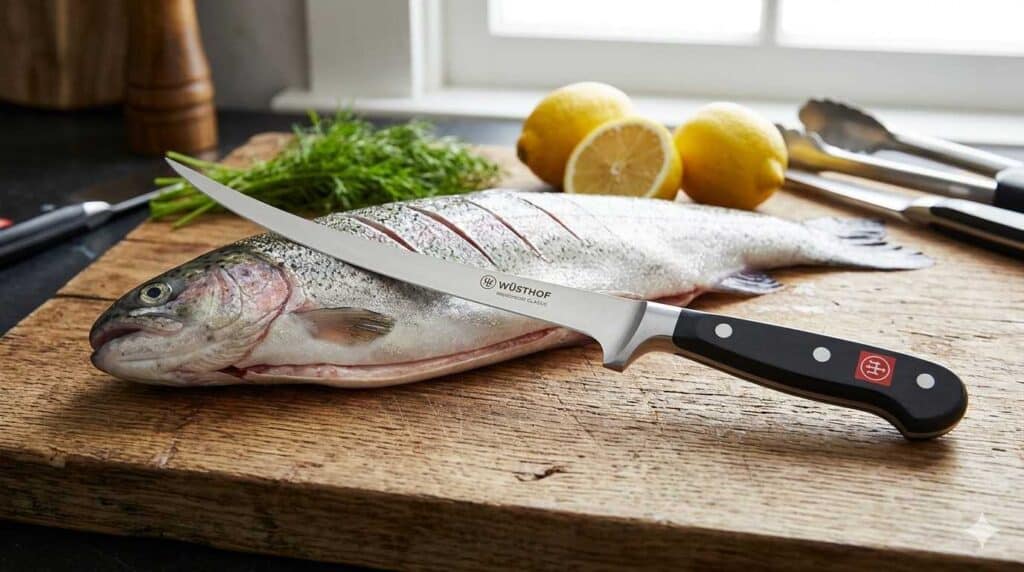
1. Wüsthof Classic 7-Inch Fillet Knife
This knife is what happens when German engineering meets fish-cleaning obsession.
The blade is incredibly sharp straight out of the box and offers excellent flexibility without feeling flimsy. It handles salmon, trout, snapper, and even delicate meat trimming with ease.
Why It Stands Out
Precision balance and exceptional edge retention.
Best For
Serious home cooks and professionals who want one knife that can do almost everything.
The only downside? It’s expensive. But so is ruining a $40 salmon fillet with a dull blade.
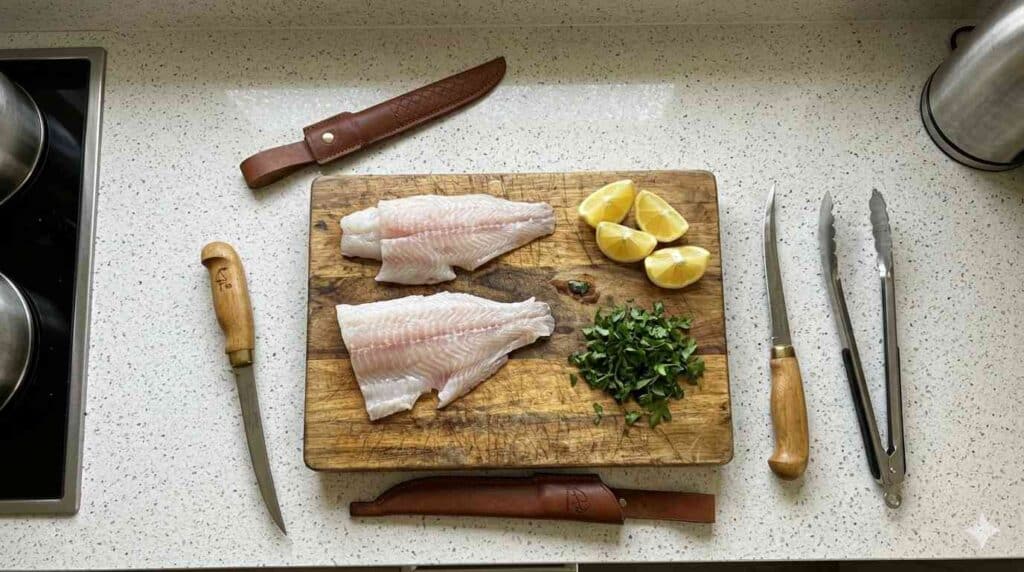
2. Rapala Fish ‘n Fillet Knife
This is the legendary camp-and-dock classic. If you grew up fishing, there’s a decent chance your uncle had one tucked into an old tackle box beside mysterious hooks from 1987.
The thin Scandinavian-style blade is incredibly effective for fish cleaning.
Why It Stands Out
Affordable, razor sharp, and proven for decades.
Best For
Anglers and casual cooks looking for dependable performance. The wooden handle has old-school charm, though it can get slippery when wet. Still, this knife has cleaned more fish than a hungry pelican.
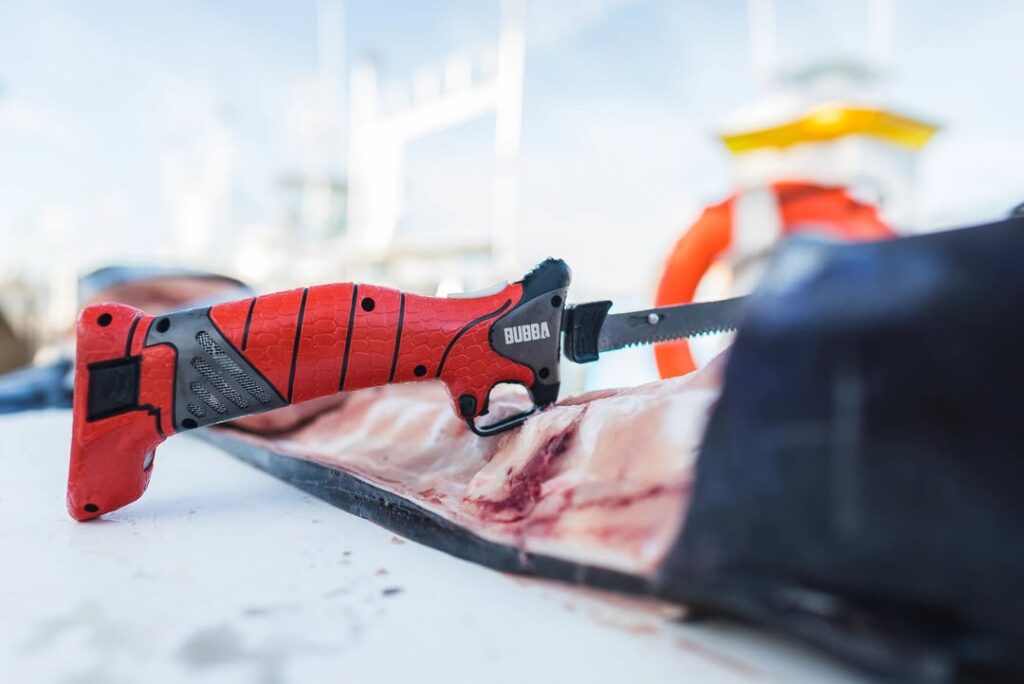
3. Bubba Blade Flex Fillet Knife
If comfort matters to you, this thing feels like a luxury pickup truck for your hand.
The textured grip stays secure even when things get messy, and the coated blade resists corrosion exceptionally well.
Why It Stands Out
Outstanding grip and saltwater durability.
Best For
Saltwater fishing and heavy prep sessions. The blade flex is excellent for larger fish, especially redfish, striped bass, and mahi-mahi.
4. Victorinox Swiss Army Fillet Knife
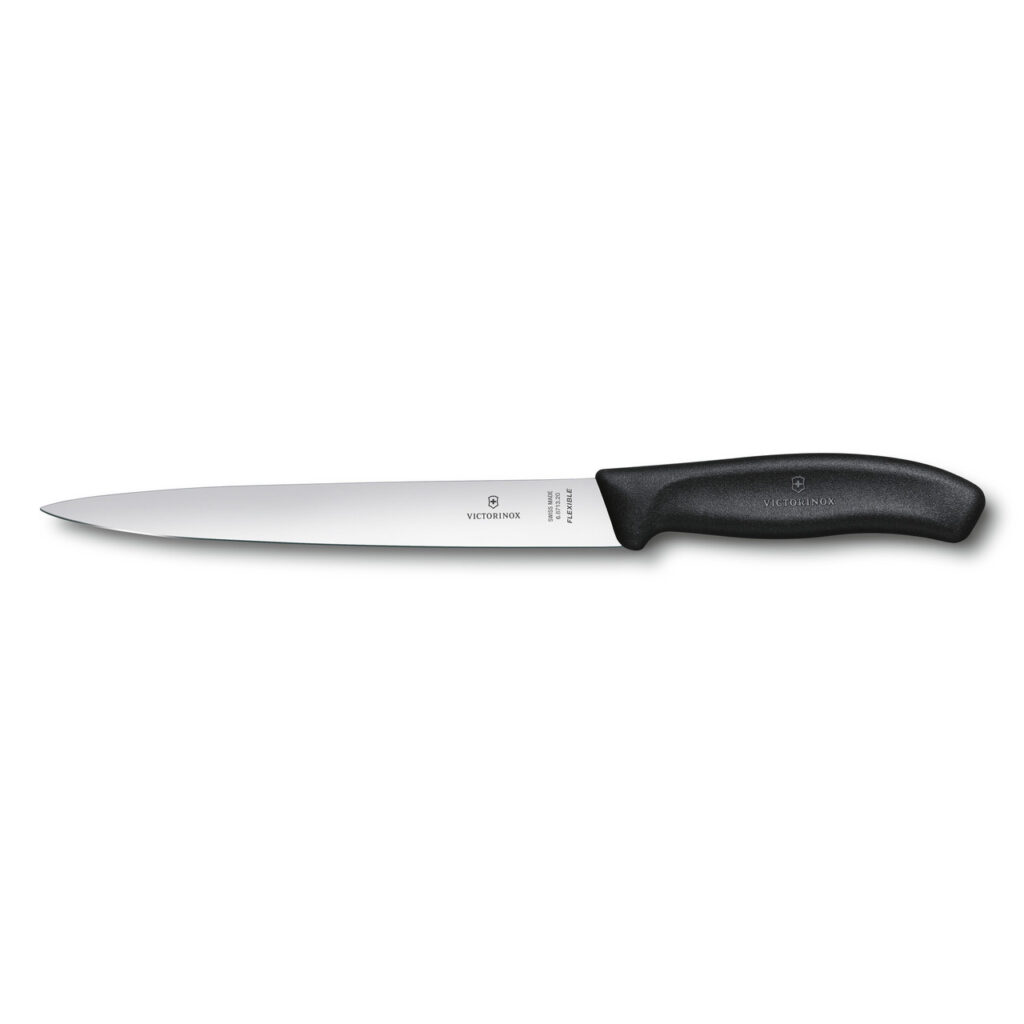
Victorinox consistently makes some of the best value knives in the culinary world, and this fillet knife is no exception.
The blade is lightweight, agile, and surprisingly durable for the price.
Why It Stands Out
Professional performance without premium pricing.
Best For
Home cooks who want chef-quality performance on a budget. This knife feels nimble and responsive, making precise cuts easier for beginners.
5. Shun Classic Flexible Fillet Knife
Now we enter the luxury category.
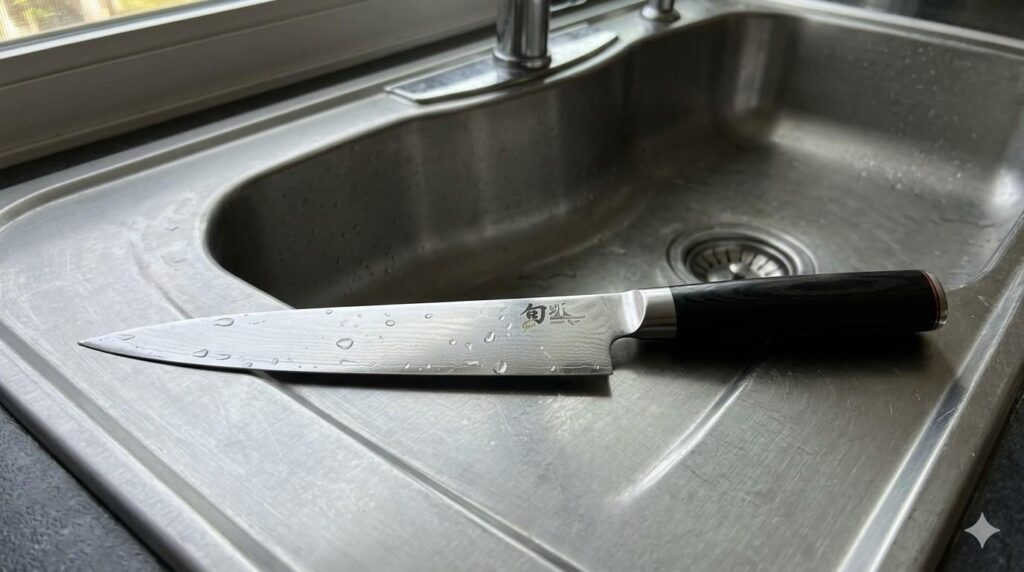
Shun knives are beautiful enough to make you want to frame them instead of cook with them. But underneath the polished finish is serious cutting performance.
The Damascus-style blade slices through fish with surgical precision.
Why It Stands Out
Ultra-sharp Japanese steel with exceptional finesse.
Best For
Experienced cooks who appreciate precision craftsmanship. Fair warning: this knife is laser sharp. Respect it. The knife always wins arguments.
6. Dexter-Russell SofGrip Fillet Knife
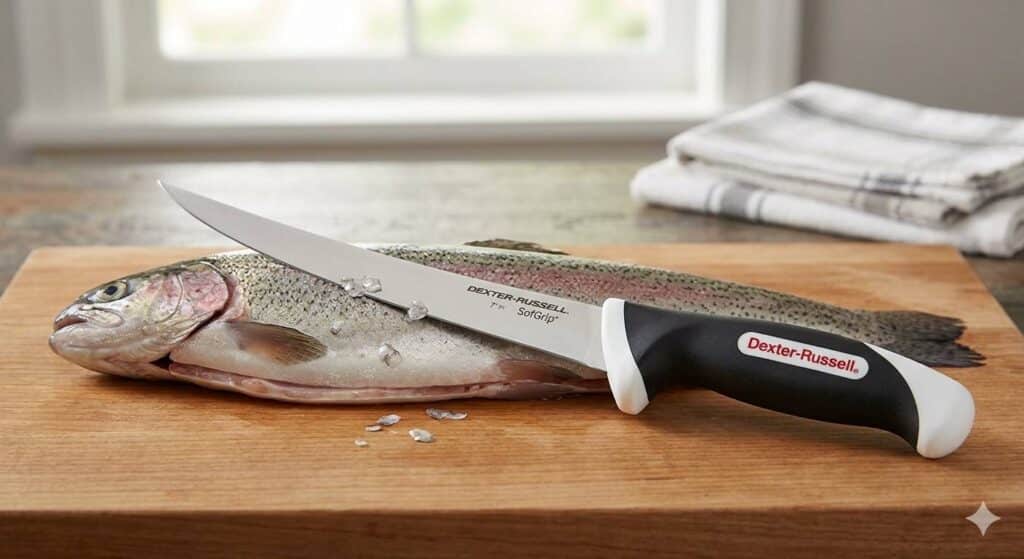
This knife isn’t flashy, but professional kitchens love it because it simply works. The high-carbon blade stays sharp, and the grip remains secure even during long prep sessions.
Why It Stands Out
Commercial-grade reliability and comfort.
Best For
Busy kitchens and frequent fish prep. If knives were pickup trucks, this would be the dependable workhorse with 300,000 miles and no complaints.
7. KastKing Speed Demon Pro
The name sounds like an energy drink sponsored by bass tournaments, but the performance is legitimately impressive.
The blade is incredibly sharp and corrosion-resistant, while the handle offers excellent grip and control.
Why It Stands Out
Modern materials and excellent value.
Best For
Outdoor cooks and anglers who want premium features without premium pricing. The included sheath is also surprisingly solid.
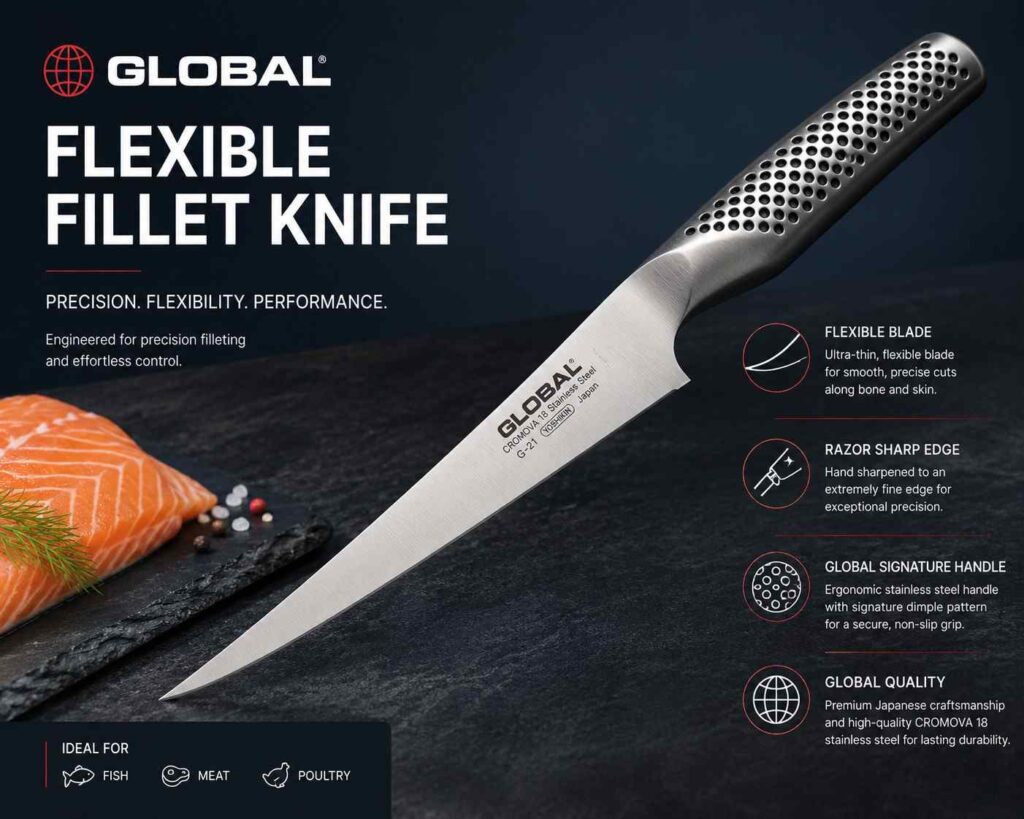
8. Global Flexible Fillet Knife
Global knives have a distinct look that chefs instantly recognize.
The seamless stainless-steel design feels modern, balanced, and lightweight. The blade glides effortlessly through delicate fish.
Why It Stands Out
Lightweight precision with chef-level balance.
Best For
Fine-detail prep and precision slicing. Some people love the metal handle. Others don’t. It’s like cilantro – passionate opinions everywhere.
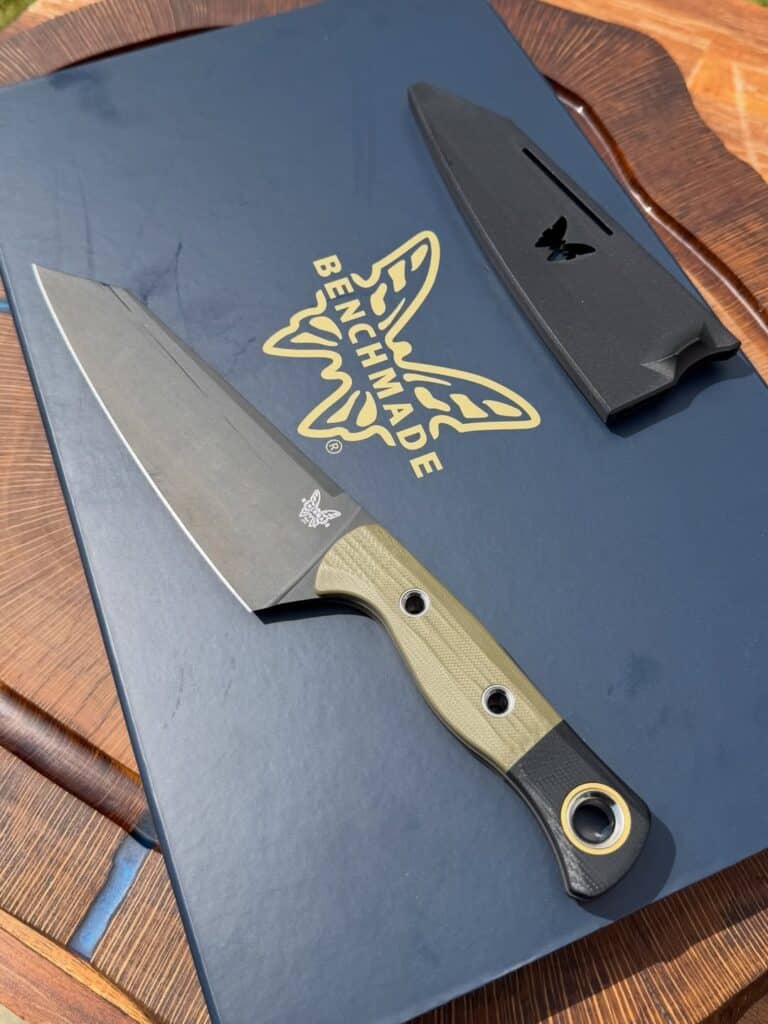
9. Benchmade Meatcrafter
Technically designed for meat processing, this knife performs beautifully on larger fish and precision trimming tasks.
The CPM-S45VN steel is elite-level stuff with phenomenal edge retention.
Why It Stands Out
Premium steel and incredible long-term sharpness.
Best For
Hunters, pitmasters, and serious meat prep enthusiasts. This knife can process fish, trim brisket, and still look ready for battle afterward.
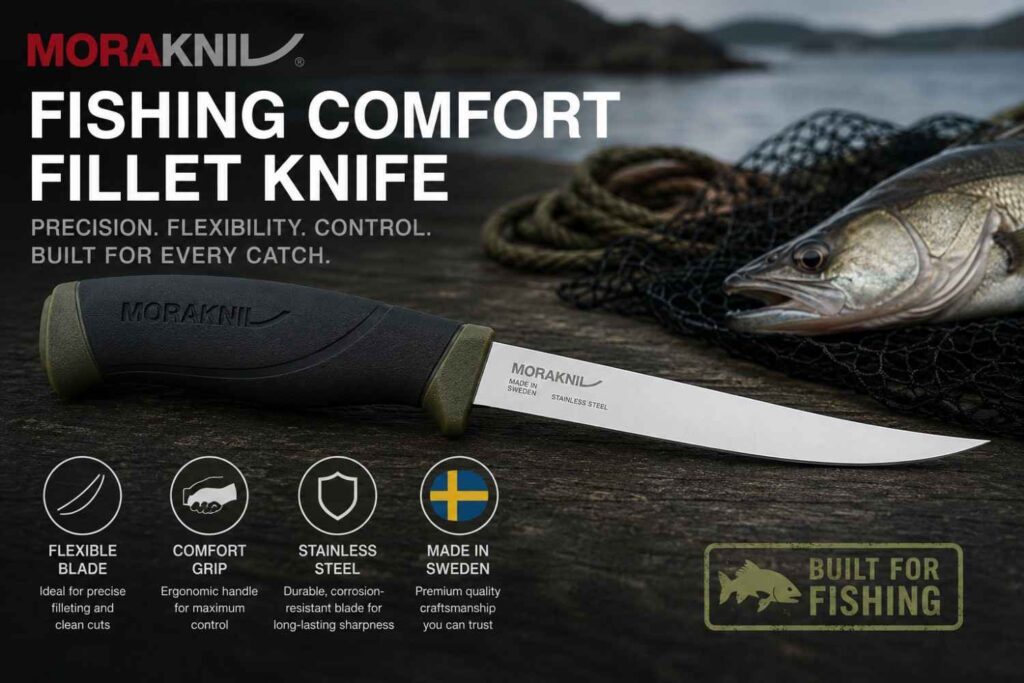
10. Morakniv Fishing Comfort Fillet Knife
Morakniv has built a cult following for making practical outdoor knives that outperform their price tags.
This fillet knife is flexible, comfortable, and surprisingly sharp.
Why It Stands Out
Excellent beginner-friendly performance.
Best For
Budget-conscious cooks and first-time buyers. It’s proof that you don’t need to spend a fortune to get buttery cuts.
Best Fillet Knives by Category
Sometimes the “best” knife depends entirely on how you cook.
Best Overall
Wüsthof Classic 7-Inch Fillet Knife
Excellent balance, edge retention, and versatility make it the top all-around performer.
Best Budget Pick
Morakniv Fishing Comfort
Affordable, reliable, and shockingly capable.
Best Premium Knife
Shun Classic Flexible Fillet Knife
Beautiful craftsmanship with razor-level precision.
Best for Beginners
Victorinox Swiss Army Fillet Knife
Easy to control and forgiving during prep.
Best for Saltwater Fish
Bubba Blade Flex
Corrosion resistance and grip are top-notch.
Manual vs. Electric Fillet Knives
This debate gets surprisingly heated among fishing crowds.
Manual Fillet Knives
Traditional fillet knives offer:
- Better control
- Cleaner precision
- More versatility
For delicate cuts, manual knives are hard to beat.
Electric Fillet Knives
Electric models are fast and efficient for processing large numbers of fish. They’re especially useful after a long fishing trip when you suddenly realize you volunteered to clean everybody’s catch.
The tradeoff? Less finesse and precision.
Which Should You Choose?
If you cook fish regularly and care about presentation, stick with manual fillet knives. If speed matters most, electric options make sense. Many experienced cooks eventually own both.
Fillet Knife Care and Maintenance Tips
A great knife deserves better treatment than being tossed into a junk drawer beside old soy sauce packets.
Keep It Dry
Moisture is the enemy of sharp steel. Wash and dry your knife immediately after use.
Sharpen Regularly
A sharp knife is safer than a dull one because it cuts predictably.
Use:
- Honing rods
- Whetstones
- Professional sharpening services
Store It Properly
Knife guards, magnetic strips, or blade sheaths help protect the edge. Throwing quality fillet knives into a drawer is basically knife abuse.
Avoid Dishwashers
Dishwashers destroy edges faster than a rookie cook trying to cut frozen ribs.
Hand wash only.
Final Thoughts
A great fillet knife turns prep work from frustrating into satisfying. The right blade gives you cleaner cuts, less waste, better control, and a smoother cooking experience overall.
Whether you want a premium Japanese slicer, a rugged fishing companion, or a dependable budget workhorse, today’s best fillet knives offer incredible performance for every kind of cook.
And once you use a truly sharp fillet knife, you’ll never look at dull kitchen blades the same way again.
Because when a knife cuts like butter, cooking becomes a whole lot more fun.
Frequently Asked Questions
What size fillet knife is best?
A 7-inch blade is the sweet spot for most cooks because it balances flexibility and control.
Are flexible blades better?
Usually, yes. Flexible blades help maximize meat yield and follow contours more accurately.
Can fillet knives cut meat?
Absolutely. Many fillet knives work beautifully for trimming brisket, chicken, pork, and other proteins.
How often should you sharpen a fillet knife?
That depends on usage, but frequent cooks should hone regularly and sharpen fully every few months.
What’s the difference between a boning knife and a fillet knife?
Boning knives are generally stiffer for meat work, while fillet knives are thinner and more flexible for delicate fish prep.
Featured image credit: @atlantagrillcompany
