
A Pitmaster’s Reality Check (and a Little Smoke in the Air)
Every Fourth of July, I see the same thing happen in backyards across America: someone confidently says, “Don’t worry, I’ve got this.”
Fast forward three hours… the grill is overloaded, the burgers are screaming for attention, the potato salad is still in the fridge, and someone’s uncle is trying to flip ribs with tongs that look like they’ve survived three wars.
Here’s the truth from the pit: the difference between chaos and glory is a perfect Fourth of July timeline.
I’m talking about a rhythm. A plan. A flow where everything hits the table hot, juicy, and right on time – just as the fireworks start cracking in the distance.
To truly master the backyard pit, you have to accept a fundamental truth: grilling isn’t just fire and meat. It’s timing. It’s patience. And if you mess up the timing? Well… congratulations, you’ve invented dry chicken and angry guests.
So let’s build your perfect Fourth of July timeline like a pitmaster would – step by step, smoke by smoke, bite by bite.
Why Timing Is Everything on the Fourth of July
A cookout without timing is just a collection of hungry people staring at raw meat and checking their watches.
Here’s what a solid timeline actually does:
- Keeps food from turning into overcooked tragedy
- Prevents that “everything is ready except everything” situation
- Helps you enjoy the party instead of babysitting the grill
- Makes you look suspiciously like you know what you’re doing (even if you don’t… yet)
One year, I watched a guy throw frozen ribs on a grill at 5 PM for a 6 PM dinner. By 6:30, he was serving what can only be described as “meat-adjacent hope.”
Don’t be that guy.
One Week Before: The Blueprint Stage (Where Legends Are Quietly Made)
This is where the perfect Fourth of July timeline begins – not at the grill, but at your kitchen table with a pen, a phone, and mild overconfidence.
Lock in Your Guest List
Know your numbers. Ten people vs twenty people changes everything. Especially your sanity.
Plan the Menu (Keep It Realistic, Not Romantic)
Here’s where people get ambitious:
- brisket, ribs, smoked turkey, lobster tails…
Relax. You don’t need to run a Michelin star restaurant in your backyard.
Stick to:
- Burgers
- Hot dogs
- Chicken
- One “hero meat” (ribs or brisket if you’re confident)
Check Your Gear
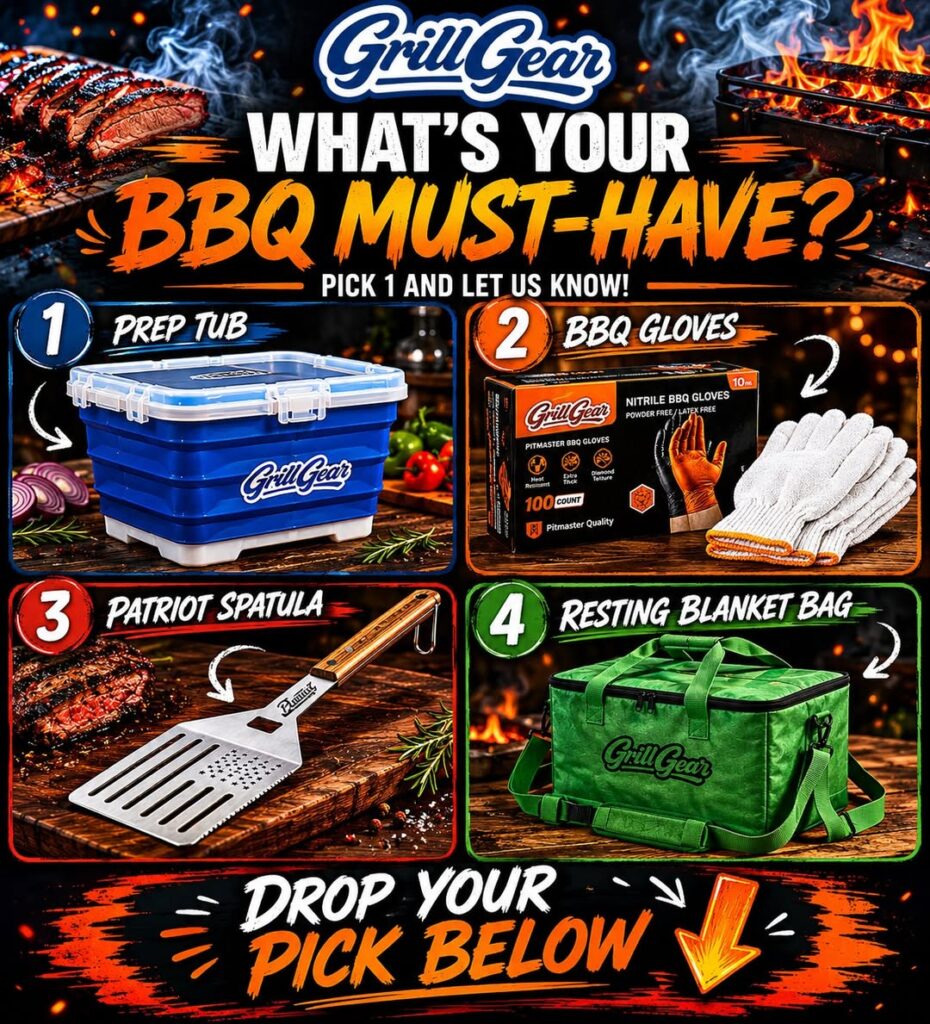
If your grill hasn’t been cleaned since last summer, it’s not “seasoned,” it’s sentimental.
- Propane? Check
- Charcoal? Stock it
- Tongs? Not plastic, please
- Thermometer? Non-negotiable
Build Your Shopping List
Write it down. Forgetting buns is a rookie tradition – but we’re breaking traditions today.
3–5 Days Before: Shopping Like a Strategist
Now we enter execution mode.
This is where your perfect Fourth of July timeline starts tightening into reality.
Buy the Essentials Early
Because July 3rd grocery stores feel like Hunger Games auditions.
Get:
- Meat
- Buns
- Condiments
- Ice (yes, ice disappears like it owes people money)
Stock the “Party Survival Kit”
- Paper plates
- Napkins (more than you think)
- Trash bags
- Extra coolers
Drinks Strategy
Here’s a pitmaster secret: people remember if they were thirsty more than if the burger was slightly overcooked.
Keep drinks:
- Cold
- Accessible
- Plentiful
The Day Before: Where the Real Work Happens
If you’re scrambling on July 4th morning, you’ve already lost the timeline.
Marinade Everything
This is where flavor is born.
- Chicken? Marinate it
- Beef? Season it
- Veggies? Oil and spice them up
Let time do the work for you. That’s the real secret of grilling.
Prep Your Sides Early
Side dishes are the silent killers of cookouts.
Make:
- Potato salad
- Coleslaw
- Pasta salad
- Desserts
If it can sit overnight and get better, it belongs here.
Set the Stage
Outdoor tables, chairs, serving trays – set them up now.
Future-you will thank present-you. Present-you will probably still be stressed, but less so.
Fourth of July Morning: Calm Before the Smoke Storm
This is the “slow simmer” phase of your perfect Fourth of July timeline.
Clean and Reset
A clean grill is like a clean slate. A greasy one is just last year’s bad decisions reheated.
Prep Side Dishes
Finish anything left:
- Chop veggies
- Dress salads (lightly – don’t drown them yet)
- Arrange platters
Chill Everything
And I mean everything:
- Drinks
- Watermelon
- Beer
- Sodas
Nothing ruins a cookout faster than warm soda. Except maybe forgetting the buns. Again.
Early Afternoon (12–3 PM): The Build-Up Phase
This is where energy starts rising like heat off the grill.
Appetizers Go Out First
People will arrive hungry. Not politely hungry. Angrily hungry.
Give them:
- Chips and dip
- Wings
- Fruit trays
Set Up the Grill Zone
Your grill is now the command center.
- Tools ready
- Meat organized
- Thermometer within reach
- Cold drink nearby (this is mandatory pitmaster law)
Bring Meat to Temperature
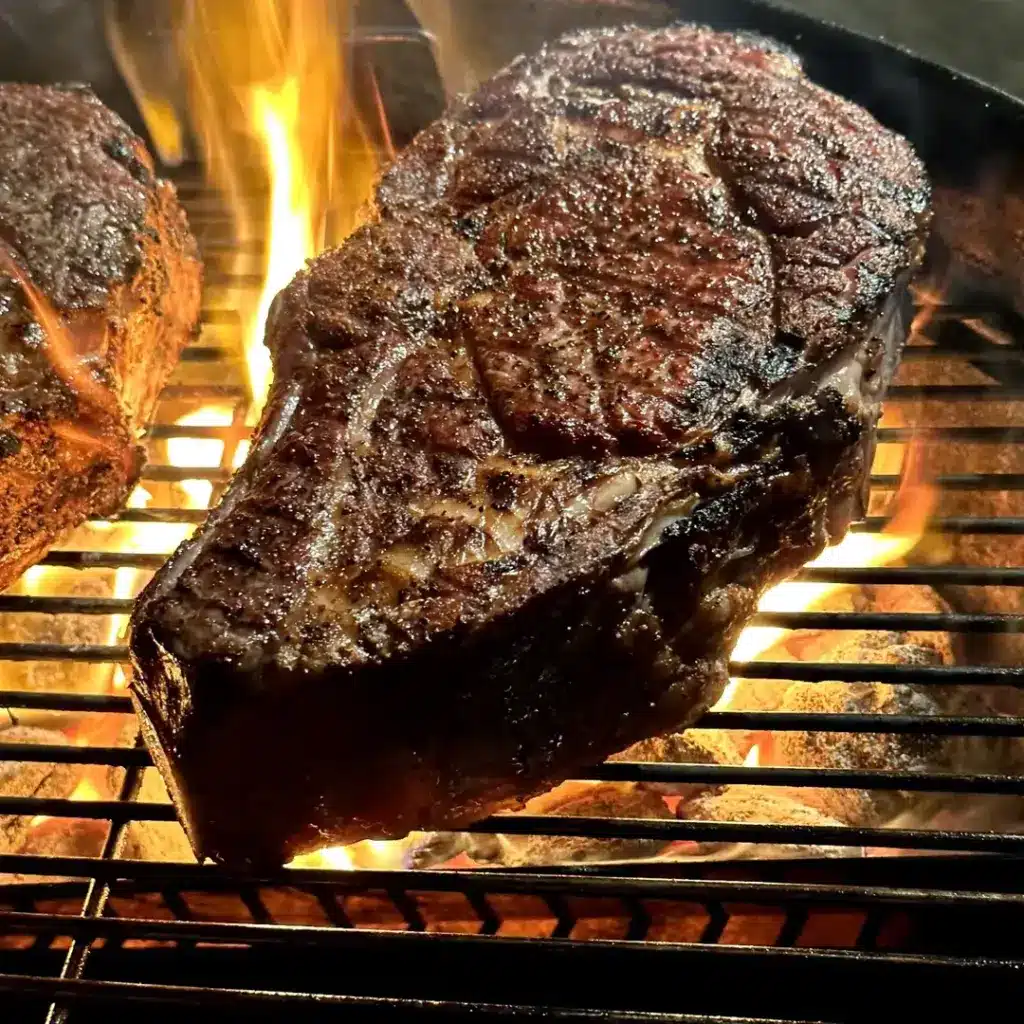
Let proteins rest outside the fridge briefly (not too long – we’re grilling, not summoning bacteria).
3–6 PM: The Grilling Timeline (Where the Magic Happens)
Now we enter the heart of your perfect Fourth of July timeline.
This is where timing becomes everything.
3:00 PM – Preheat & Prep
Get that grill hot early. You want:
- Even heat
- Clean grates
- No surprises
3:30 PM – Slow Cook Heroes
Start your heavy hitters:
- Ribs
- Brisket
- Large chicken cuts
These are the long-game players.
4:30 PM – Mid-Tier Meats
- Chicken thighs
- Sausages
Things that need attention but not emotional commitment.
5:00 PM – Crowd Favorites
- Burgers
- Hot dogs
This is your chaos phase. Everyone is suddenly “starving.”
5:30 PM – Quick Hits
- Vegetables
- Skewers
- Anything fast and flashy
5:45 PM – Rest Everything
This is where most people fail.
Meat must rest. If you cut it immediately, juices run out like it’s fleeing a crime scene.
Let it sit. Trust the process.
Serving Strategy: How to Look Like You Planned This (Even If You Didn’t)
Timing food is half cooking, half theater.
Serve in Waves
- Appetizers: early
- Main meats: peak hunger hour
- Sides: always available
- Dessert: after fireworks or right before
Keep Food Flowing
Never let the table look empty. Empty table = panic.
Weather Contingency Plan: When the Sky Refuses to Cooperate
A serious pitmaster never trusts a sunny forecast blindly. Weather is the one guest that always shows up uninvited. A true perfect Fourth of July timeline includes a weather backup strategy from day one.
Instead of hoping for the best, plan for everything:
- Heat spikes:
o Shade zones using tents or umbrellas
o Extra hydration stations (water, electrolytes, cold towels)
o Keep prep food covered to prevent spoilage
- Rain scenarios:
o Covered grilling area or awning setup
o Garage grilling with proper ventilation (if safe and allowed)
o Quick relocation plan for food and guests
- Wind control issues:
o Wind screens or grill positioning adjustments
o Longer cook times factored into schedule
o Secure lightweight items like napkins and trays
Think of weather planning as your “Plan B grill philosophy” – not dramatic, just survival logic with better seasoning. Because nothing kills a cookout faster than pretending nature respects your timeline.
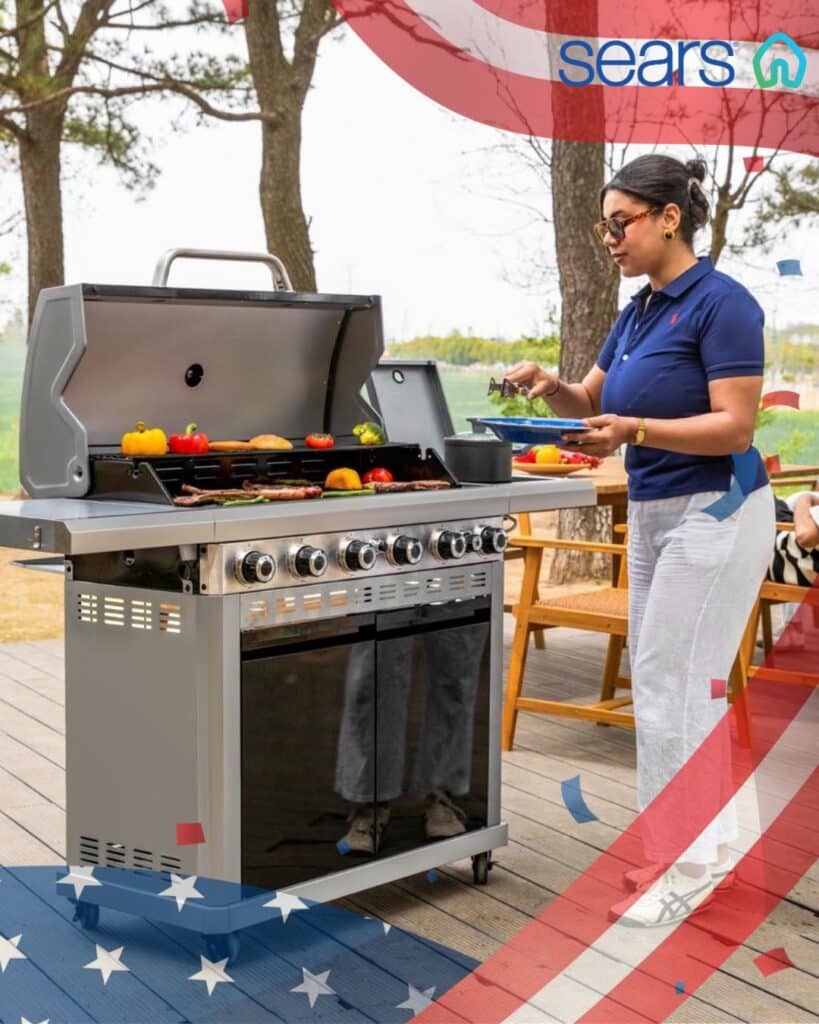
Backyard Ambience: Turning Your Cookout Into an Experience
Food gets people in the yard, but ambience keeps them there. Your perfect Fourth of July timeline should treat atmosphere like a core ingredient, not decoration.
Build your environment intentionally:
- Music progression strategy:
o Soft daytime background tracks for arrival
o Midday upbeat classics as energy rises
o High-energy anthems leading into fireworks
- Lighting design:
o Warm string lights for a relaxed glow
o Lanterns or soft LEDs for visibility and mood
o Keep lighting layered, not overwhelming
- Visual balance:
o Subtle patriotic touches (flags, napkins, accents)
o Avoid over-decorating – don’t turn your yard into a themed aisle
o Let natural smoke + light create the mood
The goal is simple: guests should feel like everything is effortless – even though you’ve quietly engineered every second.
Guest Flow Architecture: The Science of Backyard Movement
A crowded cookout is just traffic without rules. A smart perfect Fourth of July timeline includes guest flow design so your yard doesn’t collapse into chaos near the grill.
Structure movement intentionally:
- Create invisible zones:
o Food zone: serving area and grill proximity
o Drink zone: coolers slightly separated from food
o Seating zone: relaxed social space
o Activity zone: games or open space
- Keep circulation natural:
o Place drinks away from food to encourage movement
o Avoid clustering near the grill (safety + flow control)
o Spread high-traffic items across the yard
- Grill zone rules:
o Close enough for aroma attraction
o Far enough for safety and space
o Treated like a “working kitchen,” not a hangout spot
When done right, guests don’t feel directed – they just move naturally, like your backyard somehow knows what it’s doing.
Beverage Pairing Strategy: What to Drink With Fire and Smoke
Most people think drinks are just “whatever is cold.” That’s where they go wrong. A refined perfect Fourth of July timeline treats beverages as part of the flavor system.
Key pairing logic:
- Smoky meats:
o Crisp, acidic drinks to reset palate
o Lemonades, citrus sodas, iced teas
- Burgers:
o Bold sodas or classic cola profiles
o Something rich enough to match fat content
- Spicy grilled chicken:
o Slightly sweet beverages to balance heat
o Fruit-based coolers or lightly sweet teas
- Hydration strategy:
o Water stations always visible
o Multiple access points (not hidden in coolers)
Think of drinks as emotional support for your food. When pairing works, guests don’t analyze it – they just keep eating and smiling without knowing why.
Kid-Friendly Cookout Strategy: Controlled Chaos Management
If adults bring appetite, kids bring unpredictability. A perfect Fourth of July timeline treats them like a separate system entirely.
Core structure:
- Early food access:
o Mini burgers
o Simple hot dogs
o Fruit skewers and snacks
- Kid zone setup:
o Safe distance from grill
o Easy supervision visibility
o Separate from food traffic
- Activity planning:
o Lawn games
o Water balloons or sprinklers
o Light structured chaos to burn energy early
- Timing strategy:
o Feed them before peak grill chaos
o Prevent “emergency hunger declarations” mid-cook
Because nothing tests a pitmaster like hearing “I’m starving” while flipping burgers over open flame.

Managing Dietary Restrictions Without Losing Your Mind
Every cookout has at least one guest with a dietary requirement. A modern perfect Fourth of July timeline builds flexibility in from the start.
Key principles:
- Vegetarian integration:
o Grilled vegetables cooked alongside meats (separate space)
o Plant-based patties as standard menu item
o Marinated tofu or skewers for variety
- Gluten-free planning:
o Separate bun storage
o Clearly labeled serving options
- Cross-contact awareness:
o Dedicated utensils when needed
o Simple labeling system for dishes
- Mindset shift:
o No need for separate meals
o Just organized separation and awareness
Guests don’t want complexity – they want reassurance that they’re not part of a culinary experiment.
Advanced Smoke Layering: Building Flavor Like a Pitmaster
This is where grilling becomes craft. A perfect Fourth of July timeline includes flavor layering over time, not just heat application.
Key techniques:
- Smoke progression:
o Light wood smoke early for aroma base
o Stronger smoke during slow cook phase
o Final sear to lock flavor
- Wood selection:
o Hickory → bold and traditional
o Applewood → sweet and subtle
o Mesquite → intense and sharp
- Control principle:
o Too much smoke too early ruins balance
o Restraint creates depth
Think of it like storytelling:
- Introduction → setup
- Middle → development
- Finish → impact
When done right, guests won’t say “this is smoky.”
They’ll say: “I don’t know what this is – but I need another bite.”
Fuel Strategy: Gas, Charcoal, or Wood – Choosing Your Weapon
Grills are not equal – they are tools with personalities. A perfect Fourth of July timeline accounts for fuel like strategy, not preference.
Breakdown:
- Gas:
o Fast ignition
o Precise temperature control
o Ideal for high-volume cooking
- Charcoal:
o Deep flavor profile
o Requires patience and setup time
o Best for traditional grilling experience
- Wood-fired:
o Maximum flavor authenticity
o High skill requirement
o Less forgiving, more rewarding
- Hybrid strategy:
o Charcoal for base heat
o Wood for flavor accents
o Gas as backup speed option
Fuel isn’t fixed – it’s dynamic. Smart pitmasters switch modes like gears in a race.
Energy Curve Management: Avoiding the Post-Meal Crash
After eating, cookouts often collapse into silence. A perfect Fourth of July timeline prevents that energy drop.
Keep momentum alive:
- Post-meal refresh:
o Light desserts (fruit, cookies, small bites)
o Avoid heavy food overload
- Energy reactivation:
o Outdoor games
o Music shift to higher tempo
o Social re-engagement moments
- Fireworks timing advantage:
o Natural second energy peak
o Built-in emotional reset point
Avoid the “post-burger coma,” where everyone becomes a lawn chair with a pulse.
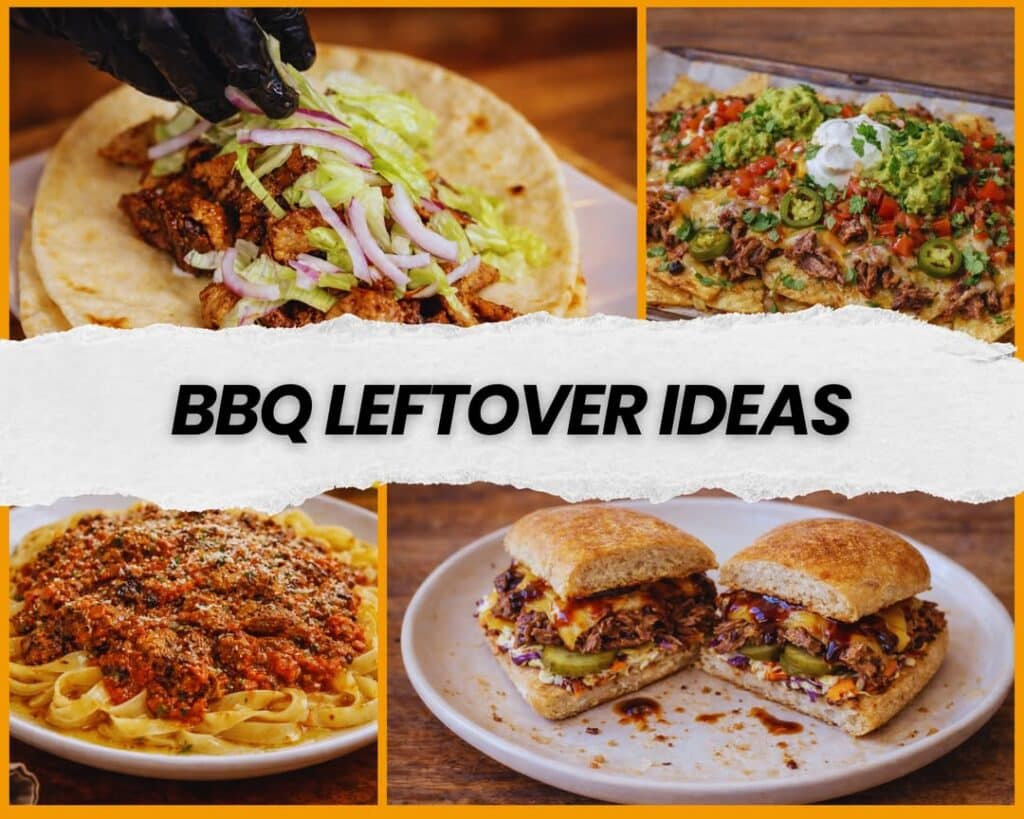
Leftover Transformation Plan: The Next-Day Victory Meal
A true pitmaster knows the cookout doesn’t end when guests leave. A perfect Fourth of July timeline includes a next-day food strategy.
Leftover transformations:
- Burgers → breakfast hash or chopped sandwiches
- Chicken → tacos or wraps
- Ribs → sliders with slaw
- Vegetables → breakfast scrambles
Key execution steps:
- Store food properly immediately after serving
- Preserve moisture and flavor overnight
- Reheat with intention, not desperation
This is “Day Two victory cooking.”
No guests. No pressure. Just smoky leftovers and quiet satisfaction – the reward phase of being the person who ran the whole operation.
Sample Timeline for a 6 PM Dinner
Here’s how your perfect Fourth of July timeline looks in real life:
- 8:00 AM – Prep begins
- 12:00 PM – Sides ready
- 3:00 PM – Grill setup
- 3:30 PM – Slow cooking starts
- 5:00 PM – Burgers and hot dogs
- 6:00 PM – Dinner served
- 8:00 PM – Fireworks and dessert
Simple. Clean. Controlled chaos.
Food Safety: The Unsexy Hero of Grilling
Nobody talks about it… until they absolutely have to.
Keep Cold Food Cold
Hot July sun is not your fridge.
Cook Meat Properly
Undercooked “vibes” are not a food category.
Avoid Cross Contamination
One cutting board for raw meat. Another for everything else.
Unless you enjoy risk-taking. In which case… don’t.
Common Mistakes (Or: How to Accidentally Ruin Your Own Party)
Even experienced grillers fall here:
- Starting too late
- Overcrowding the grill
- Forgetting ice (classic disaster)
- No vegetarian options (someone will remind you loudly)
- Not resting meat
I once saw a guy try to grill 40 burgers at once. The grill cried. I swear it did.
Final Checklist: Your Backyard Survival Guide
Before guests arrive, confirm:
- Meat ready
- Grill hot
- Drinks cold
- Sides prepped
- Ice stocked
- Mood: confident, slightly smoky
The Fireworks Are the Reward
A great Fourth of July isn’t about perfection. It’s about rhythm.
When you follow a perfect Fourth of July timeline, you’re not just cooking – you’re conducting a backyard symphony of smoke, fire, laughter, and slightly overcooked hot dogs that nobody complains about anyway.
Because at the end of the day, people don’t remember whether the ribs were perfect.
They remember that they were fed, laughing, and watching fireworks with sauce on their fingers.
And if you did your job right?
You’re not just the cook.
You’re the pitmaster of the party.
Frequently Asked Questions (FAQ)
Planning & Preparation
Q: When should I actually start planning my Fourth of July cookout?
A: The “Blueprint Stage” starts one week before the event. This is when you should lock in your guest list, plan a realistic menu, check your grilling gear (propane, charcoal, tools, and thermometer), and write down your shopping list.
Q: What is the biggest grocery shopping mistake people make?
A: Forgetting the buns and running out of ice! To avoid the “Hunger Games” chaos of July 3rd grocery shopping, buy your meat, buns, condiments, and ice 3 to 5 days early.
Q: Can I prepare my side dishes ahead of time?
A: Yes, and you absolutely should. Prepare sides like potato salad, coleslaw, and pasta salad the day before. These dishes actually taste better after sitting overnight, and prepping them early saves you from day-of scrambling.
Grilling & Timing Strategy
Q: How do I avoid overcrowding the grill and serving food late?
A: Follow a staggered grilling timeline based on how long different meats take to cook. For a 6:00 PM dinner, your timeline should look like this:
- 3:30 PM: Start slow-cooking “heavy hitters” (ribs, brisket, large chicken cuts).
- 4:30 PM: Add mid-tier meats (chicken thighs, sausages).
- 5:00 PM: Cook crowd favorites (burgers, hot dogs).
- 5:30 PM: Grill quick hits (vegetables, skewers).
Q: Why is resting the meat so important?
A: Resting your meat (scheduled for 5:45 PM on the timeline) locks in the juices. If you cut into the meat immediately after pulling it off the grill, all the juices will run out, leaving you with dry chicken and tough steaks.
Managing Guests & Backyard Logistics
Q: How do I keep guests from getting “hangry” while waiting for the main meal?
A: Put out easy appetizers – like chips and dip, wings, or fruit trays – in the early afternoon (12:00 PM – 3:00 PM). Feeding people early keeps them happy and buys you stress-free time at the grill.
Q: What is “Guest Flow Architecture” and why does it matter?
A: It is the science of separating your backyard into invisible zones to prevent foot-traffic jams. Keep your drink coolers slightly separated from the food serving area, set up a distinct seating space, and keep guests safely away from the immediate “Grill Zone.”
Q: How should I handle kids and guests with dietary restrictions?
A:
- For kids: Feed them early with simple options (mini burgers, hot dogs) before the main grilling chaos peaks.
- For dietary restrictions: Integrate plant-based patties, marinated tofu, and grilled veggies into the menu. Keep gluten-free buns stored separately, and use dedicated utensils to avoid cross-contact.
Weather, Fuel, & Troubleshooting
Q: What should I do if the weather refuses to cooperate?
A: Always have a Plan B. For extreme heat, set up shade tents and extra hydration stations.
For rain, ensure you have a covered awning or a safe, well-ventilated garage space to grill in. If it’s windy, adjust your grill’s position and factor in slightly longer cooking times.
Q: Which fuel type is best for a Fourth of July cookout?
A: It depends on your goals:
- Gas: Best for fast ignition, precise temperature control, and high-volume cooking.
- Charcoal: Best for a traditional experience and a deep flavor profile.
- Wood: Gives maximum flavor authenticity but requires the highest skill level.
- Pitmaster Tip: Use a hybrid strategy – charcoal for base heat and wood chips (like Hickory or Applewood) for flavor accents.
Q: What do I do with all the leftover food the next day?
A: Store everything properly right after serving to preserve moisture. The next day, transform your leftovers into new meals: turn burgers into a breakfast hash, chicken into tacos or wraps, and ribs into sliders with leftover slaw.
Featured image credit: @millville.nj
