
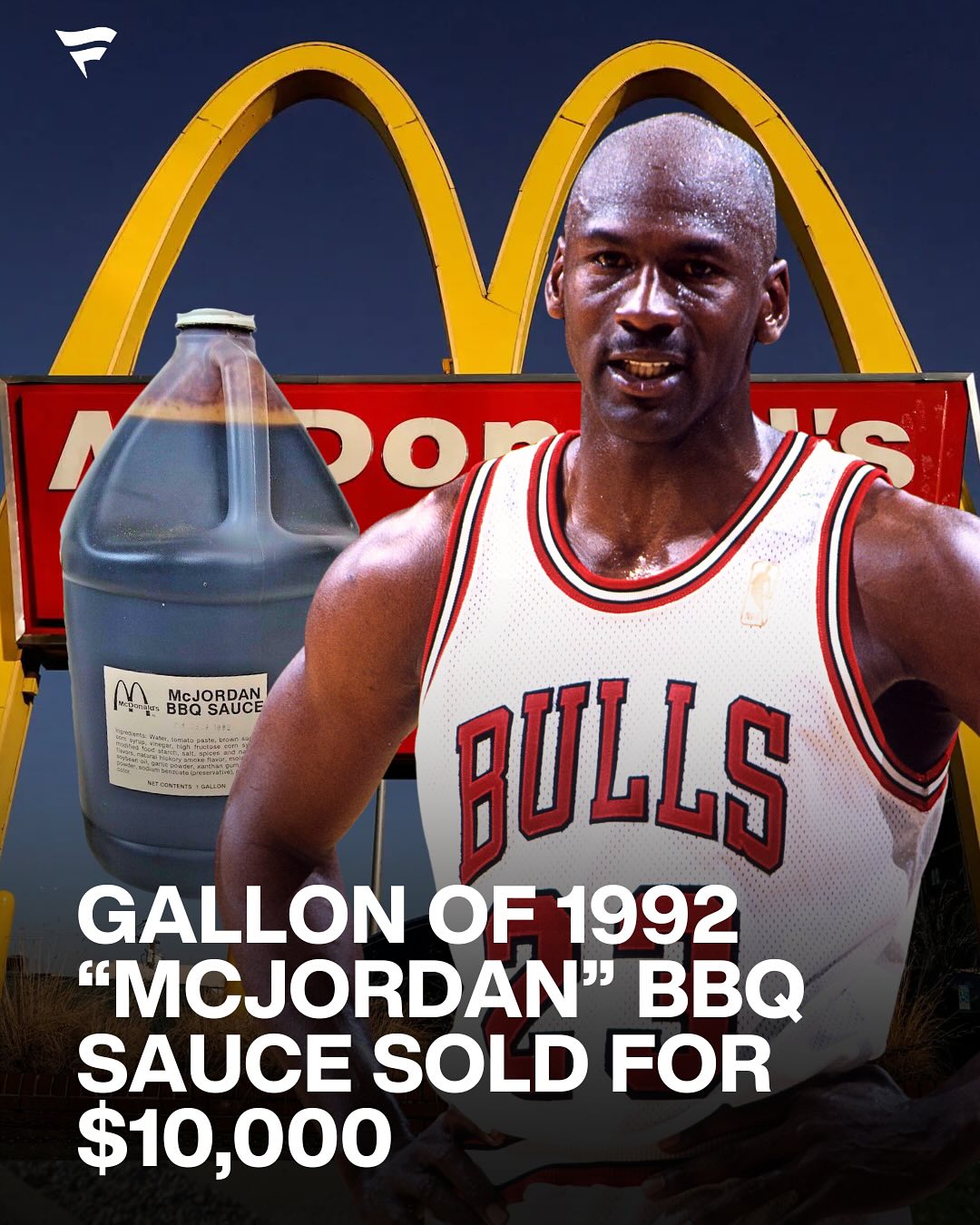
The GOAT Behind the Smoker
We all remember the commercial. A catchy jingle, a montage of gravity-defying dunks, and a generation of kids sweating out Gatorade, wishing they could fly. The slogan was etched into pop culture history:
“Be Like Mike.”
For decades, trying to be like Mike meant lacing up high-tops, working on your fadeaway, and mastering the art of the mid-range jumper.
But as a pitmaster who has spent more time feeding logs into a firebox than shooting hoops, I am here to tell you that there is another arena where His Airness dominated.
It is an arena filled with blue smoke, the hiss of rendered fat, and the sweet aroma of caramelized sugar.
Beyond the six championship rings, the MVP trophies, and the global business empire lies a lesser-known, deeply running passion. Michael Jordan is a barbecue fanatic.
When you strip away the designer suits and the billion-dollar brand, Jordan possesses the soul of a true backyard pitmaster. He understands the patience it takes to break down a tough piece of brisket.
He knows the thrill of locking in a perfect cooking temperature. Most importantly, he respects the heritage of real, slow-and-low cooking.
This isn’t about throwing a few hot dogs on a cheap gas grill before a game. Jordan’s relationship with barbecue runs deep, bridging his childhood memories with his adult life as a global icon.
If you want to truly channel the spirit of the greatest of all time, you don’t necessarily need to work on your vertical leap. You just need to learn how to control your fire.
We are going into the untold story of Jordan’s ultimate culinary obsession, breaking down the flavor profiles that drive his palate, and giving you the exact playbook required to achieve legendary status at your next backyard cookout.
The Genesis of a Culinary Passion: MJ’s North Carolina Roots
To understand anyone’s taste in food, you have to look at where they took their first bites. Food is an anchor to our history. For His Airness, that history is rooted deeply in the coastal soils of Wilmington, North Carolina.
If you know anything about barbecue geography, you know that North Carolina isn’t just a state on a map. It is holy ground. It is the birthplace of an ancient, fiercely defended style of cooking that predates almost every other regional variation in America.
Growing up in the Tar Heel State, young Michael Jordan wasn’t raised on sticky, sweet, factory-bottled sauces. He was raised on wood smoke and vinegar.
North Carolina barbecue is split into two warring factions: Eastern style and Western, or Lexington, style. Eastern style utilizes the whole hog, chopped fine, and dressed with a thin, sharp mop sauce made from apple cider vinegar, red pepper flakes, salt, and pepper.
No tomato allowed. Western style allows a little bit of tomato paste or ketchup into the mix, usually focusing on the pork shoulder.
Growing up in Wilmington, Jordan’s palate was shaped by the sharp, bright, and clean flavors of Eastern North Carolina barbecue. It is a style that demands perfection because there is no thick, sugary sauce to hide your mistakes.
If your fire management is poor, or if your meat is dry, a thin vinegar sauce will expose you immediately.
This environment instilled a lifelong appreciation for authentic technique.
For Jordan, barbecue became the ultimate comfort food. Even as his star rose and he moved into the ultra-luxury world of high-end dining, those baseline flavors of hickory smoke and tangy vinegar remained his culinary North Star.
When you spend your life under the blinding lights of international fame, comfort is found in the simple things that never change.
A plate of perfectly smoked pork, pulled by hand, tastes exactly the same whether you are an unknown teenager or the most famous athlete on the planet.
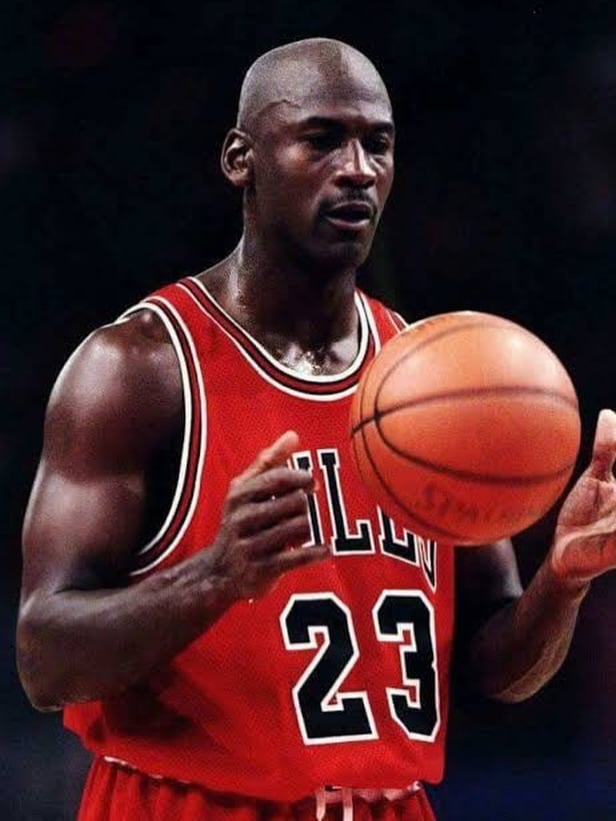
Courtside to Hearthside: How MJ Brought BBQ to the Big Leagues
When Jordan moved to Chicago in 1984, he transitioned from the epicenter of vinegar barbecue to the capital of midwestern rib houses. Chicago has its own incredible barbecue heritage, defined by aquarium-style smokers, hot links, and sweet, molasses-heavy sauces.
Instead of abandoning his roots, Jordan blended these two worlds. As his career skyrocketed, his access to elite culinary talent grew, but his heart stayed close to the pit.
During the legendary championship runs of the 1990s, Jordan was known to employ private chefs who understood that his fuel of choice wasn’t engineered energy bars. It was soul food and barbecue.
On many nights after grueling, high-stakes playoff games, the post-game feast waiting for His Airness didn’t look like an Olympic athlete’s spartan diet. It looked like a Southern Sunday church picnic.
We are talking about racks of baby back ribs, piles of smoked pork, and mountains of mac and cheese.
Barbecue served a dual purpose for Jordan during those high-pressure years. It provided the massive caloric intake required to recover from playing forty-eight minutes of elite basketball, and it offered a psychological escape.
You cannot rush a brisket, and you cannot rush a rib. In a life where every second was micro-managed and scrutinized, the slow pace of barbecue offered a rare form of peace.
Later in his career, Jordan translated this obsession into the commercial space, launching Michael Jordan’s Steak House.
While the restaurants are famous for prime, dry-aged steaks, the DNA of his love for premium meats and wood-fired flavor profiles is woven into the entire menu. He took the rustic concept of the backyard cookout and elevated it to white-tablecloth status.
But ask anyone who has been in his inner circle, and they will tell you that his true appreciation comes out when things are casual.
The real magic happens when the suits are gone, the cigars are lit, and the smoke is rolling off a real pit.
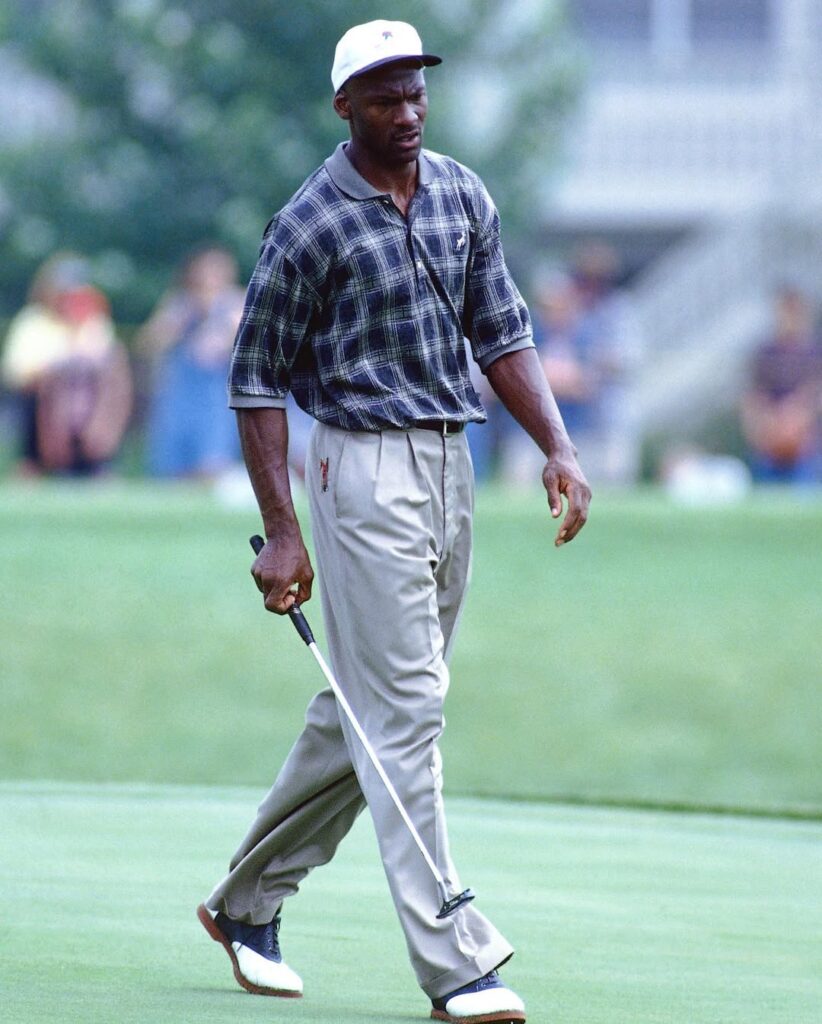
The Playbook: Deconstructing MJ’s BBQ Style & Preferences
If we are going to replicate the culinary success of His Airness, we need to break down his specific flavor profile.
Every pitmaster has a signature style, a fingerprint they leave on the meat. Jordan’s style is a fascinating hybrid of his North Carolina upbringing and his global, premium lifestyle.
The Meat Selection
First, let’s talk about the roster. Jordan does not settle for average cuts of meat. If you are going to cook like the GOAT, you need to source meat that matches that ambition. This means looking for high-quality, highly marbled pork and beef.
While his roots dictate a love for pork, his mature palate leans heavily into premium beef, including smoked Wagyu briskets and short ribs.
The high fat content of prime and Wagyu beef yields a rich, buttery texture that absorbs smoke beautifully while remaining incredibly juicy.
The Flavor Profile
The “Jordan Style” is defined by a bold, aggressive rub balanced by a sophisticated sauce strategy.
- The Rub: This isn’t a subtle seasoning. It is a high-impact blend of kosher salt, coarse black pepper, smoked paprika, garlic powder, and a distinct hit of cayenne pepper. It is an intense rub that builds a dark, crispy bark on the meat, mirroring the competitive edge he brought to the court.
- The Sauce: This is where the magic happens. Jordan’s ideal sauce bridges the gap between East Coast and Midwest. It starts with a base of apple cider vinegar and real molasses. This combination gives you the sharp, fat-cutting acidity of North Carolina alongside the rich, sticky sweetness of Chicago.
The Wood of Choice
You cannot talk about barbecue without talking about wood. Your wood choice is your primary seasoning agent. For Jordan’s preferred profile, a mix of hickory and white oak is the golden standard.
Hickory provides a punchy, traditional bacon-like flavor that pairs perfectly with pork. White oak burns clean and long, providing a solid base of heat and a mild, classic smoke flavor that lets the natural quality of premium beef shine through.

How to “Be Like Mike” at the Grill: 5 Championship Rules
Now that you understand the history and the flavor profile, it is time to step up to the pit. To achieve legendary status at your next backyard cookout, you must approach the grill with the same mindset that Jordan brought to the NBA.
Here are the five championship rules for smoking meat like a hall-of-famer.
Rule 1: Trust the Slow-and-Low Mentality
You cannot rush greatness. Jordan didn’t win his first championship until his seventh season in the league. He had to learn patience, and you do too. Great barbecue requires maintaining a steady, low temperature.
Lock your smoker in between 225°C and 250°C (or 225°F to 250°F depending on your rig). Cooking at this temperature allows the tough connective tissues and collagen in meats like brisket and pork shoulder to slowly melt into gelatin.
This process transforms a tough piece of muscle into a tender, pull-apart masterpiece. If you try to speed up the process by cranking the heat, you will end up with dry, tough shoe leather.
Rule 2: Source Premium Materials
You cannot build a championship team with benchwarmers, and you cannot make world-class barbecue with sub-par meat. Skip the utility-grade meats at the discount supermarket.
Visit a local butcher and look for USDA Prime or Certified Angus Beef. Look for pork that has a deep pink color and visible flecks of white fat throughout the muscle, known as intramuscular marbling.
That fat is your insurance policy; as it melts during the cook, it bastes the meat from the inside out.
Rule 3: Conquer the Meat Stall
Every pitmaster faces a moment of crisis during a long cook. It is called “the stall.”
This happens when the internal temperature of a large piece of meat stops rising, usually around 150°F to 170°F. The meat begins to sweat, and the evaporation cools the meat down, locking the temperature in place for hours.
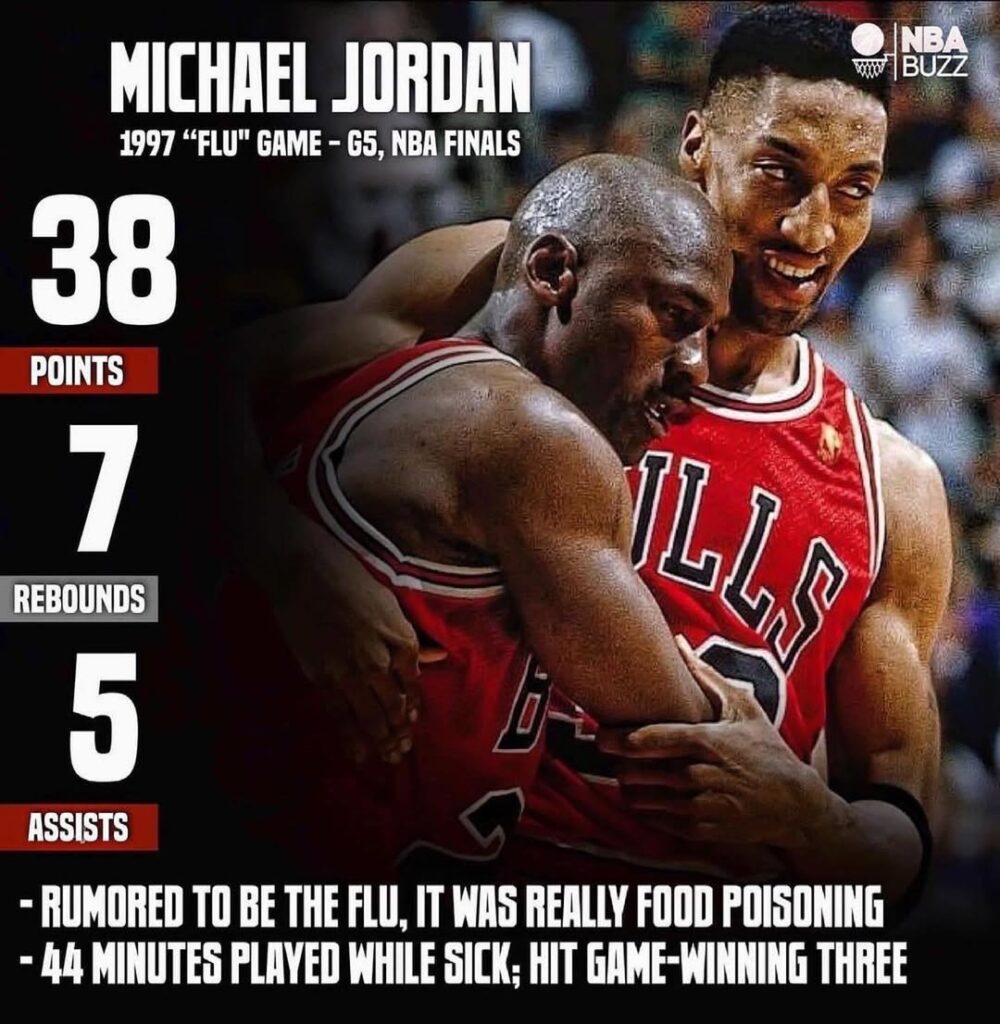
Many amateur cooks panic during the stall, adding more wood and spiking the temperature, which ruins the meat. This is your “Flu Game” moment. You need to maintain mental toughness.
Push through the stall by wrapping your meat in peach butcher paper or aluminum foil once your bark is set. This technique, known as the Texas Crutch, traps the moisture, beats evaporation, and powers the meat through the temperature plateau without drying it out.
Rule 4: Master the Visual Bark
Just like a fresh pair of Air Jordans jumping out of the box, your barbecue needs to look spectacular before the first bite is taken.
Achieving a beautiful visual presentation means mastering the bark and the smoke ring. The bark is the dark, flavorful crust that forms on the outside of the meat from the combination of your rub, moisture, and smoke.
To get a great bark, avoid spritzing the meat with liquid too early in the cook; let the rub dry out and adhere to the surface first.
The smoke ring – the pink halo of meat just beneath the surface – is a badge of honor. It proves you cooked with real wood fire.
Rule 5: Refine Your Craft Daily
Jordan was famous for turning every minor interaction into a personal competitive challenge. You should treat your neighborhood barbecue scene the same way.
Never be fully satisfied with your last cook. Did your ribs have the perfect bite, where the meat comes cleanly off the bone without the whole rib falling apart? Was your brisket slice pliable enough to drape over your finger without breaking?
Take notes on your cook times, your wood choices, and your rub ratios. Constantly tweak your technique to out-cook everyone on your block.
6. The Ultimate “His Airness” Backyard Menu
To make things practical, let’s put together a complete curated menu inspired by Jordan’s specific journey from North Carolina to Chicago. This is the ultimate spread to serve when you want to showcase your elite pitmaster skills.
Main Dish: “Championship Ring” Smoked Baby Back Ribs
We are using baby back ribs for this menu because they are lean, tender, and cook relatively quickly compared to a massive brisket.
- The Prep: Remove the tough membrane, or silverskin, from the bone side of the ribs. This allows your rub and smoke to penetrate both sides of the meat.
- The Seasoning: Apply a thin layer of yellow mustard as a binder, then coat generously with your aggressive cayenne and sweet paprika rub.
- The Cook: Use the 3-2-1 method modified for baby backs. Smoke uncovered for 3 hours at 225°F. Wrap in foil with a few pats of butter, brown sugar, and a splash of apple juice for 2 hours to tenderize. Unwrap and glaze with your hybrid vinegar-molasses sauce for the final 30 to 45 minutes until the sauce is tacky and set.
Side Dish: “Tar Heel” Vinegar-Based Coleslaw
You need a side dish that cuts through the rich, heavy fat of smoked meat. A traditional North Carolina slaw is the perfect solution.
- The Difference: Leave the heavy mayonnaise in the refrigerator. This slaw uses finely shredded green cabbage tossed with a dressing made of apple cider vinegar, a touch of sugar, celery seed, salt, pepper, and a pinch of red pepper flakes.
- The Benefit: The sharp acidity cleanses your palate between bites of rich meat, making every bite of rib taste as good as the first.
Side Dish: Cast-Iron Smoked Mac and Cheese
An elevated southern classic that benefits immensely from a little time spent inside the smoker.
- The Execution: Cook your pasta until it is just under al dente. Create a rich cheese sauce using sharp cheddar, smoked gouda, and a touch of cream cheese for ultimate creaminess. Combine the pasta and sauce in a well-seasoned cast-iron skillet.
- The Smoke Factor: Top with crushed buttered crackers and place the skillet into your smoker at 250°F for the last hour of your rib cook. The cheese will absorb a delicate kiss of wood smoke, and the cracker topping will turn golden brown and shatteringly crisp.
The Drink Pairing: Premium Bourbon on a Large Rock
Barbecue of this caliber deserves a beverage that can stand up to bold flavors. Pair this meal with a high-proof, neat pour of premium Kentucky bourbon.
The natural vanilla and caramel notes derived from the charred oak barrels of the bourbon complement the hickory smoke and sweet molasses of the ribs perfectly.
The Legacy of Flavor
Michael Jordan’s legacy is firmly cemented in the history books of sports, fashion, and business.
He changed the way the world looks at athletes, turning a game into a global culture. But as we have uncovered, his pursuit of excellence didn’t stop when he walked off the hardwood.
The story of Jordan’s barbecue obsession reminds us that the principles of greatness are universal.
Whether you are trying to win a game-six matchup on the road or trying to produce a competition-grade brisket in your backyard, the requirements are exactly the same: dedication, premium materials, respect for heritage, and an unyielding commitment to the process.
Barbecue is an art form that cannot be cheated. There are no shortcuts, no algorithms, and no quick fixes. It forces you to slow down, watch the fire, and read the meat.
The next time you fire up your smoker and smell that sweet hickory smoke rising into the air, remember that you are participating in a tradition that comforts champions.
Put on your apron, lace up your sneakers, lock in your temperatures, and show your guests what it truly means to “Be Like Mike” at the grill.
Frequently Asked Questions (FAQ)
What is Michael Jordan’s connection to barbecue?
While famous for his basketball career, Michael Jordan has a lifelong passion for slow-and-low Southern barbecue. Growing up in North Carolina, barbecue became his ultimate comfort food.
Throughout his NBA career, he frequently relied on post-game barbecue feasts for recovery and mental relaxation, later channeling this love into his upscale restaurants.
What regional style of barbecue did Michael Jordan grow up eating?
Jordan’s palate was shaped by Eastern North Carolina-style barbecue in his hometown of Wilmington.
This traditional style focuses on whole-hog pork dressed with a thin, sharp mop sauce made from apple cider vinegar, red pepper flakes, salt, and pepper – strictly avoiding any tomato or heavy sugars.
How did moving to Chicago change MJ’s barbecue style?
Moving to Chicago introduced Jordan to Midwestern rib houses, famous for aquarium-style smokers and sweet, molasses-heavy sauces. Instead of abandoning his roots, he blended the two styles.
His preferred flavor profile is a hybrid: the sharp, fat-cutting acidity of North Carolina combined with the rich, sticky sweetness of Chicago molasses.
What are the key components of the “Jordan Style” BBQ playbook?
- The Meat: High-quality, heavily marbled meats like USDA Prime, Certified Angus, or premium Wagyu beef and pork.
- The Rub: A bold, high-impact blend of kosher salt, coarse black pepper, smoked paprika, garlic powder, and cayenne pepper.
- The Wood: A combination of hickory (for a punchy, bacon-like flavor on pork) and white oak (for a clean, steady heat that lets beef shine).
What is “the stall” in pitmaster cooking, and how do you beat it?
The stall is a point during a long cook (usually between 150°F and 170°F) where the meat’s internal temperature stops rising because evaporation cools it down.
To conquer the stall without drying out the meat, use the “Texas Crutch” technique: wrap the meat tightly in peach butcher paper or aluminum foil once your outer crust (bark) is set.
What temperature is recommended for smoking meat like a pro?
To achieve tender, pull-apart meat, you must maintain a steady, low temperature between 225°F and 250°F. This slow process allows the tough connective tissues and collagen in the meat to melt into rich gelatin.
A curated menu inspired by Jordan’s culinary journey includes:
- Main: “Championship Ring” Smoked Baby Back Ribs (using a hybrid vinegar-molasses glaze).
- Side 1: “Tar Heel” Vinegar-Based Coleslaw (no mayo, providing a sharp contrast to the rich meat).
- Side 2: Cast-Iron Smoked Mac and Cheese (finished inside the smoker with a crushed cracker topping).
- Drink: Premium Kentucky Bourbon on a large rock to complement the smoky, sweet flavors.
Featured image credit: @collect
