
Filet mignon has a reputation problem. It’s either treated like a luxury item you only order in fancy restaurants… or something people are scared to cook because “it’ll ruin the expensive steak.”
Here’s the truth from a pitmaster’s point of view: it’s one of the easiest premium cuts to get right – if you stop overthinking it.
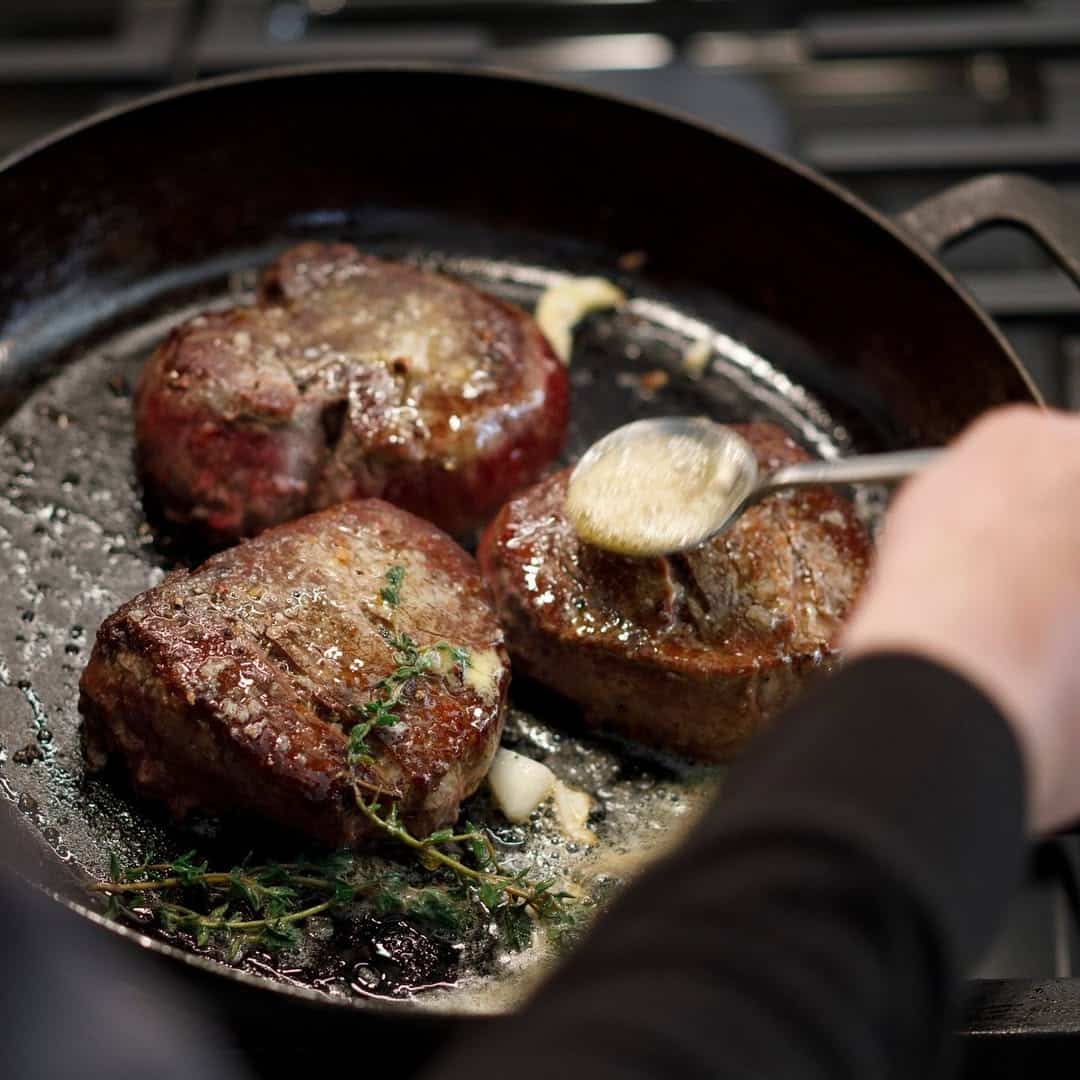
This recipe for the best filet mignon recipe uses a simple method: a hard sear, an oven finish, and a rosemary-garlic butter bath that makes the kitchen smell like you suddenly know what you’re doing (even if you’re winging it).
We’re going for juicy, tender, and deeply flavorful filet mignon – the kind that makes people at the table go quiet for a second after the first bite. That’s the goal. That’s always the goal.
This Recipe Will Win Your Heart in an Instant
Filet mignon is tender because it’s not a muscle that does much work. Think of it as the “chill guy” of the steak world. But that also means it’s lean – so it can dry out faster than other cuts if you’re careless.
That’s where technique saves you.
This method works because:
- Searing builds flavor (that golden crust is not optional – it’s flavor insurance)
- Oven cooking controls heat so you don’t overshoot doneness
- Butter + rosemary + garlic turn a mild steak into something bold and aromatic
Or in chef terms: we’re stacking small wins until the steak can’t fail.
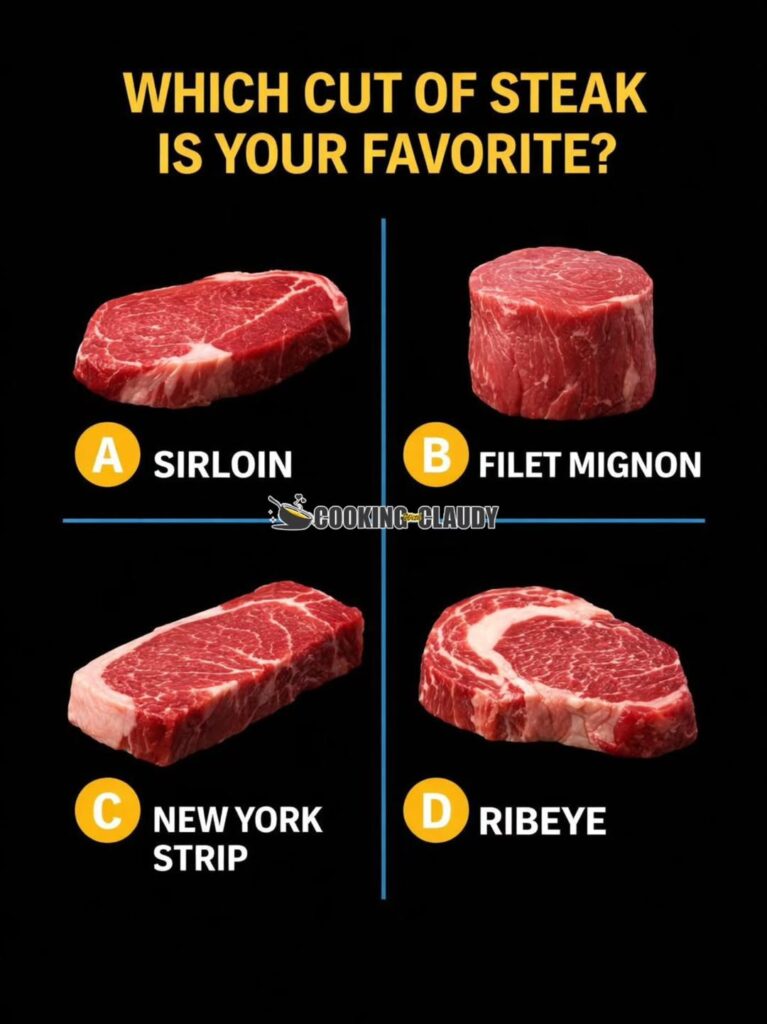
Choosing the Best Filet Mignon Cut at the Butcher Counter
Not all filet mignon steaks are created equal, and the best filet mignon recipe starts long before the skillet gets hot. Choosing the right cut at the butcher counter can mean the difference between steakhouse-quality results and an expensive disappointment.
Here’s what to look for:
- Thickness matters most
Choose steaks that are at least 1.5 to 2 inches thick. Thick cuts give you enough time to build a flavorful crust without overcooking the center. - Look for marbling
Filet mignon is naturally lean, but small streaks of fat throughout the meat create a richer, more flavorful bite. - USDA Prime vs. Choice
USDA Prime is ideal for maximum tenderness and flavor, but a high-quality Choice cut still delivers excellent results. - Check the color
Fresh filet mignon should appear deep red and vibrant, not dull or grayish.
Thin steaks cook too fast and leave almost no room for error. That’s how people accidentally turn premium beef into expensive shoe leather.
Why Resting Steak Is More Important Than Most People Realize
One of the biggest steak mistakes happens after the cooking is already done.
People spend serious money on filet mignon, nail the perfect sear, then immediately slice into it because everyone at the table is hungry. That’s the moment perfectly cooked steak turns into a juice-covered cutting board tragedy.
Here’s why resting matters:
- During cooking, juices move toward the center of the steak
- Cutting too early releases those juices onto the plate
- Resting allows moisture to redistribute evenly through the meat
- The result is a noticeably juicier, more tender steak
For filet mignon, the sweet spot is usually:
- 5–10 minutes of resting time
- Loosely tented with foil
- Never tightly wrapped, or the crust softens
Think of resting steak like letting the final scene of a great movie play out. Sure, you could leave early – but you’d miss the best part.
Patience is what turns a good steak into the best filet mignon recipe people remember.
The Science Behind That Perfect Steak Crust
That dark, golden crust on filet mignon isn’t luck. It’s the Maillard reaction, one of the most important flavor-building processes in cooking.
When intense heat hits the surface of the steak, proteins and sugars react together to create deep, savory flavors and that signature steakhouse crust.
But here’s the secret most home cooks miss:
Moisture is the enemy of crust.
If the steak surface is wet, the pan spends its energy steaming instead of searing.
For the best crust possible:
- Pat the steak dry before seasoning
- Use a very hot skillet
- Avoid overcrowding the pan
- Don’t constantly flip the steak
- Let the meat stay in contact with the pan long enough to caramelize
One of the biggest mistakes is moving the steak too much. Filet mignon needs uninterrupted contact with the skillet to form that crisp exterior.
The payoff is worth it:
- Crispy, flavorful crust outside
- Tender, buttery-soft center inside
That contrast is the signature of the best filet mignon recipe.
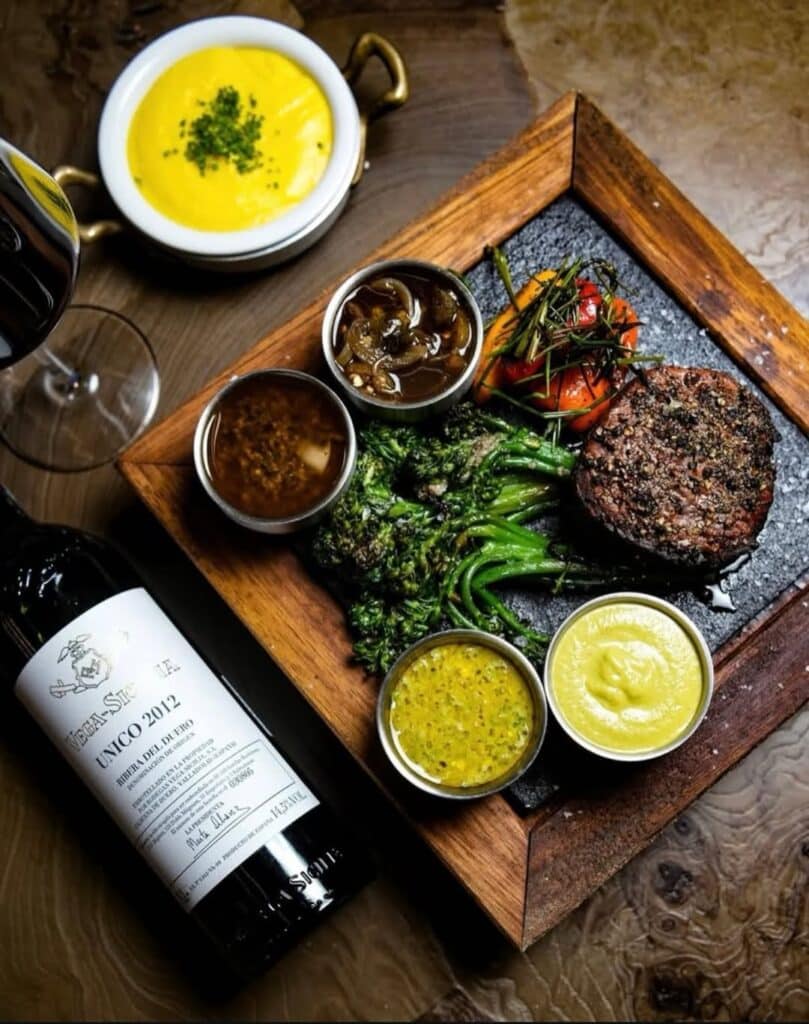
Wine Pairings That Actually Work with Filet Mignon
A great filet mignon deserves a drink that complements the steak instead of overpowering it.
Because filet mignon is more delicate than heavily marbled cuts like ribeye, it pairs best with drinks that balance richness without stealing the spotlight.
Best wine pairings for filet mignon:
- Cabernet Sauvignon
Bold enough to stand up to butter, garlic, and rosemary flavors - Merlot
Softer tannins and dark fruit notes pair beautifully with tender beef - Pinot Noir
Lighter-bodied but earthy and elegant with filet mignon
Not a wine person? No problem.
Other great pairings include:
- A rich stout beer
- A bourbon-based cocktail
- An old fashioned with subtle sweetness
The key is balance. You want the drink to elevate the steak – not compete with it like a karaoke singer trying to hit impossible notes.
When the pairing works, every bite feels richer, deeper, and more memorable.
How Restaurants Make Steak Taste Better Than Home Cooks
People assume steakhouses have secret ingredients hidden somewhere in the kitchen.
Most of the time, they don’t.
What restaurants do have is:
- Extremely high heat
- Proper seasoning
- Confidence
- An almost alarming amount of butter
Professional chefs understand that steak rewards aggressive cooking techniques. High heat creates a crust quickly while keeping the center juicy and tender.
Home cooks often make the mistake of cooking too cautiously, which leads to:
- Weak crusts
- Gray-looking steaks
- Less flavor development
Restaurants also season earlier and more generously than most people expect.
Steakhouse tricks worth stealing:
- Use a screaming-hot skillet
- Salt aggressively
- Pat steak dry before cooking
- Baste continuously with butter
- Use fresh herbs and garlic in the pan
And yes, butter matters more than people want to admit.
Restaurants don’t use a tiny dab. They fully commit to butter basting because fat carries flavor into every bite of the steak.
The best part? Once you understand the technique, recreating steakhouse-quality filet mignon at home becomes surprisingly repeatable – and that’s when the best filet mignon recipe starts becoming your signature dish.
Garlic Rosemary Butter Basting Tips
This is the part that separates “good steak” from “why is this so good?”
- Tilt the pan slightly so butter pools
- Spoon butter over the steak repeatedly
- Keep garlic and rosemary in the butter so they infuse it
- Don’t rush – this is slow flavor layering
Think of it as aromatherapy, but for meat.
Serving Suggestions
You’ve built a rich, buttery steak – don’t serve it with something that fights it.
Go with:
- Mashed potatoes (classic and reliable)
- Roasted asparagus or green beans
- Crispy potatoes if you’re feeling extra
For sauces:
- Pan jus (just deglaze that skillet – you already did the work)
- Light red wine reduction if you want to get fancy without getting complicated
And yes, slicing it cleanly before serving is not optional if you want that “restaurant moment.”
Pro Tips from the Pitmaster Side
If you remember nothing else, remember this:
- Do not overcook filet mignon (it’s a crime against texture)
- Always use a thermometer, not intuition
- High heat = crust. Controlled heat = tenderness
- Let butter do the flavor-building for you
- Thick cuts are easier to control than thin ones
A steak doesn’t need your creativity. It needs your discipline.
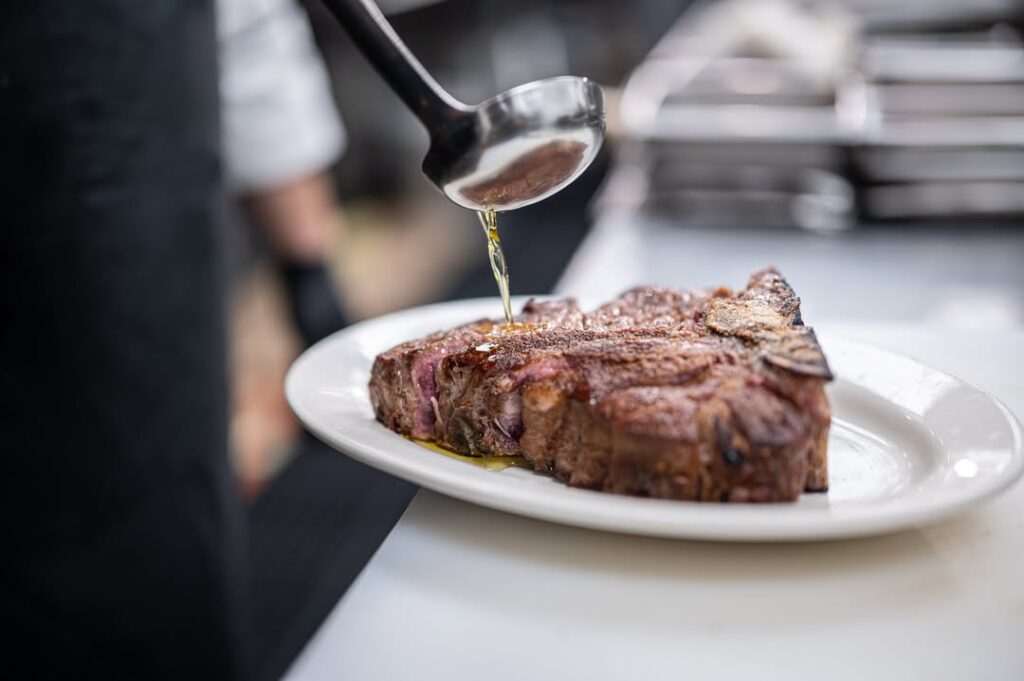
Common Mistakes (a.k.a. steak tragedies)
- Skipping the sear → you get “boiled beef energy”
- Cutting immediately after cooking → juice loss disaster
- Weak seasoning → bland luxury (the worst kind of irony)
- Guessing doneness → unpredictable outcomes
- Using low heat the whole time → no crust, no glory
If you avoid these, you’re already halfway to mastering the best filet mignon recipe.
Where Simplicity Meets Steak Perfection
Filet mignon isn’t complicated. It just demands respect.
A good sear, a hot oven, and a rosemary-garlic butter bath – that’s the whole story. No tricks. No gimmicks. Just technique doing its job.
And when you slice into that perfectly pink center and the butter drips down the side like it’s showing off, you’ll understand why this cut has a reputation in the first place.
Not because it’s hard.
Because when it’s done right, it feels effortless.

Best Filet Mignon Recipe
Image credit: @ambramcallen
Ingredients
- For a true best filet mignon recipe result, you don’t need a spice rack explosion. You need restraint.
- Main ingredients:
- 2 filet mignon steaks (about 1.5–2 inches thick)
- Salt (kosher preferred)
- Fresh cracked black pepper
- 1–2 tbsp oil (high smoke point like avocado or canola)
- 3–4 tbsp butter
- 3–4 garlic cloves, lightly smashed
- 2–3 sprigs fresh rosemary
- Optional, but nice:
- Thyme (if you want extra herb depth)
- Finishing salt for plating drama
- If your grocery list looks longer than this, you’re probably overcomplicating it.
- Tools You’ll Need
- You don’t need fancy gear, but you do need the right surfaces.
- Cast iron skillet (non-negotiable for best crust)
- Tongs (not forks – don’t stab your steak like it owes you money)
- Meat thermometer (this is your insurance policy)
- Oven preheated and ready to go
- A pitmaster rule: guessing steak doneness is how steaks become “learning experiences.”
Instructions
1. Bring the steak to room temperature
Take your filet mignon out of the fridge about 20–30 minutes before cooking. Cold steak in a hot pan is like sending someone into a sauna wearing a winter coat – it cooks unevenly and panics at the edges.
2. Preheat your oven (hot and ready)
Set your oven to 425°F (220°C). Then heat your cast iron skillet on the stove until it’s seriously hot. Not warm. Not “kinda hot.” You want it to behave like it has something to prove.
3. Season like you mean it
Salt and pepper the steaks generously on all sides. This is where most people underdo it because they’re nervous. Don’t be that person. A well-seasoned steak should look like it’s been lightly snowed on.
4. Sear for the crust (this is the personality moment)
Add oil to the hot pan, then place the steaks down. You should hear an immediate, aggressive sizzle. If you don’t, your pan wasn’t ready – go back and fix that.
Sear:
- 2–3 minutes per side
- Don’t move it too early (let the crust form)
- Don’t forget the edges
This step is where flavor is born. No crust = no respect.
5. Garlic, rosemary, and butter enter the chat
Turn the heat slightly down, then add:
- Butter
- Garlic
- Rosemary
Now spoon that melted butter over the steak repeatedly. This is called basting, but honestly it feels more like spooning flavor directly into existence.
The garlic softens, the rosemary perfumes everything, and suddenly your kitchen smells like a steakhouse with good decisions.
6. Finish in the oven
Transfer the skillet to the preheated oven.
Cook until your internal temperature hits:
- Rare: 120–125°F
- Medium-rare: 130–135°F (the sweet spot for filet mignon)
- Medium: 135–145°F
Use a thermometer. Seriously. This is not a vibes-based cooking moment.
7. Rest the steak (don’t rush this part)
Remove the steaks and let them rest for 5–10 minutes. This is where juices settle back in. Cut too early and you’ll watch all that flavor run onto the plate like it missed its bus. Resting is patience. Patience is flavor.
Featured image credit: @6666ranchbeef
