
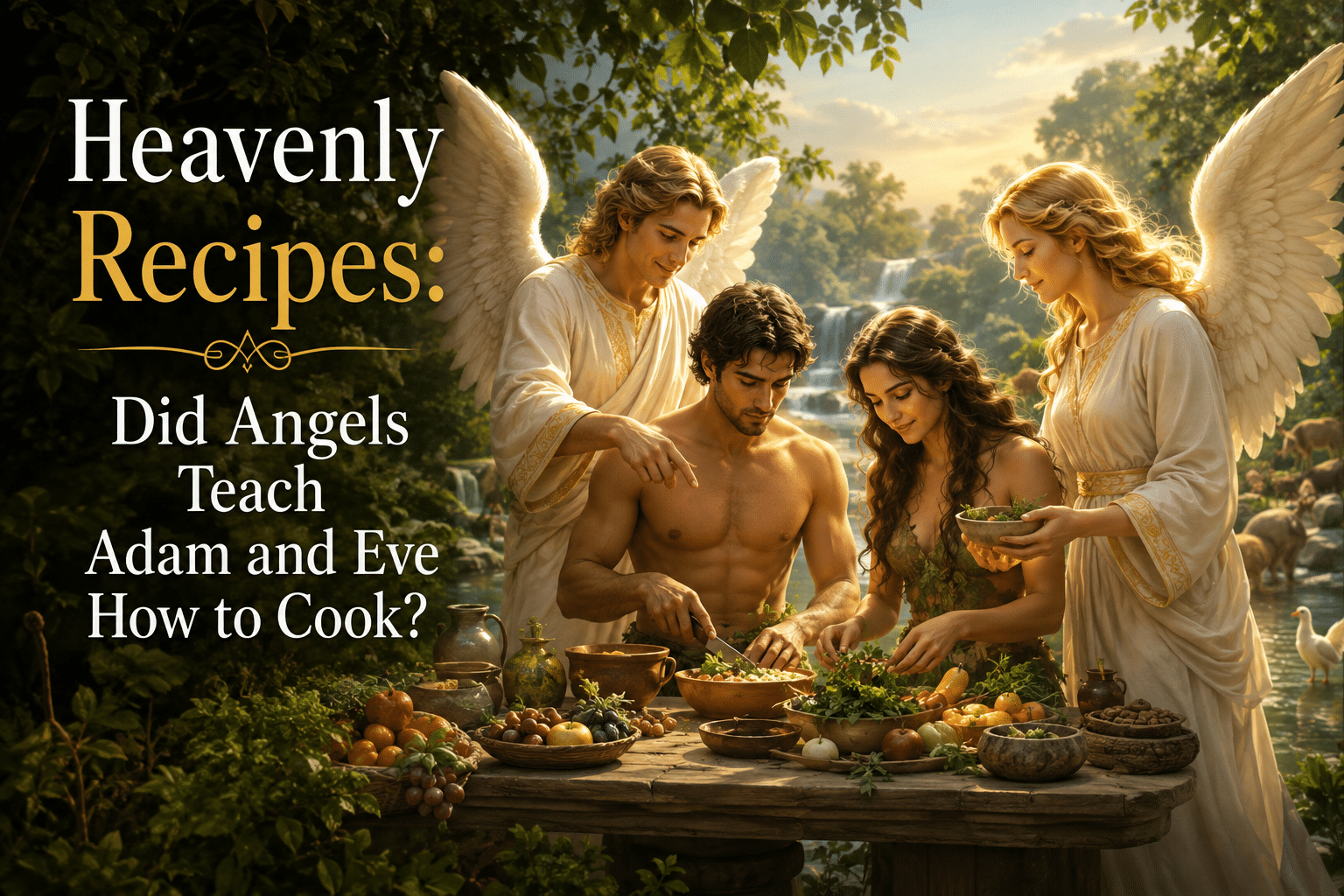
Humanity spent thousands of years convinced that cooking was a gift from the divine, right up until modern suburbanites decided that burning a hot dog over a rusty charcoal grill was the ultimate expression of masculinity.
Modern science claims early hominids stumbled upon fire, dropped a raw chunk of mammoth into the embers, and suddenly realized that charred protein tasted way better than picking parasites off a rock. The ancient world strongly disagreed with that boring evolutionary take.
Ancient Jewish texts, early Christian writings, and apocryphal lore insist that the earliest human beings didn’t just figure out culinary arts by accident.
They had celestial help. After getting kicked out of Paradise, humanity stood in front of raw ingredients with zero knowledge of how to make them edible, requiring archangels to step down from the heavens to drop the ultimate heavenly recipes.
Unpacking how Adam and Eve went from picking fruit in a pristine garden to mastering fire, spices, and bread baking reveals a fascinating blend of biblical history, ancient mysticism, and pure survival instinct.
The Forgotten Origins of Human Cuisine
Evolutionary biology loves to give early humans all the credit for mastering fire. Anthropologists talk about the “cooking hypothesis,” arguing that heating food expanded human brain capacity and turned us into the dominant species on Earth. It sounds logical, but it lacks soul.
Try telling a veteran pitmaster standing over a smoking smoker at three in the morning that barbecue is just an evolutionary accident. Cooking requires intuition, heat control, timing, and an understanding of flavor profiles.
Ancient texts tell a radically different story. According to apocryphal books like the Life of Adam and Eve and the Book of Jubilees, early humans were utterly clueless when they left the Garden of Eden.
They didn’t know how to till soil, grind grain, or control fire for cooking.
- The Secular View: Man finds fire, drops meat, realizes cooked food doesn’t cause stomach cramps, invents civilization.
- The Apocryphal View: Man gets evicted, panics, cries for seven days because he can’t eat grass, and God sends an archangel with a cookbook.
The transition from effortless, pre-packaged Edenic dining to labor-intensive food preparation represents the biggest shift in human history. To understand how celestial beings fit into the picture, examining what Adam and Eve were eating before things went downhill is essential.

Sustenance in Eden: Before the Need to Cook
Before the Fall, cooking didn’t exist because it didn’t need to. Genesis 1:29 lays out the original menu in plain English: God gave humanity every seed-bearing plant and every tree with fruit for food.
No prep work, no chopping boards, no low-and-slow wood smoke, and zero dishwashing.
The Raw Diet of Paradise
In Paradise, nourishment was direct, raw, and perfect.
The food in Eden contained complete nutritional profiles requiring zero processing or heat. Fire wasn’t needed to break down tough muscle fibers or neutralize toxins, because decay and toughness were not part of the creation equation.
The Concept of “Angels’ Food”
Ancient texts like the Apocalypse of Moses (a version of the Life of Adam and Eve) reveal that Adam and Eve didn’t eat regular earthly food in the Garden; they consumed Panis Angelorum – the “bread of angels.”
This wasn’t actual baked bread as known today. It was a pure, celestial energy source that sustained spiritual and physical bodies simultaneously.
When Eve reflects on the expulsion in Life of Adam and Eve 4:2, she laments directly to God:
“Lord, our food was that by which the angels live, and now we are reduced to eating the herbs of the field like the beasts.”
Imagine going from eating ethereal, divine nourishment to chewing on tough, bitter, raw wild greens. It was the ancient equivalent of going from a Michelin-star tasting menu to eating lawn clippings.
| Feature | Edenic Diet (Celestial Food) | Post-Fall Diet (Earthly Food) |
| Effort Required | Effortless gathering | Backbreaking physical labor |
| Nutritional Source | Pure spiritual and physical value | Requires heat, grinding, and processing |
| Preparation | Zero waste, zero prep work | Threshing, grinding, seasoning, cooking |
| Primary Menu | “Bread of Angels” and raw Edenic fruit | Bitter herbs, wild roots, and cultivated grains |

The Great Hunger: Expulsion and the Need for Food
The moment the gates of Eden slammed shut, reality hit like a bag of cold wood pellets. The Earth outside the Garden was rugged, untamed, and filled with thorns and thistles.
Adam and Eve quickly realized that their stomachs were empty, but their old food source was entirely gone.
Seven Days of Starvation
Extrabiblical lore records that Adam and Eve wandered the earth for seven full days without finding a single thing that resembled the food of Paradise. They were starving, physically exhausted, and culturally illiterate when it came to basic survival.
Refusing the Beast Diet
Animals were grazing on grass, wild bushes, and raw roots. Adam tried eating the same herbs, but his body couldn’t handle it, and his spirit rejected it.
The ancient texts paint a dramatic picture of Adam falling on his face, weeping, and begging the Creator for mercy. Eating raw grass like a cow wasn’t going to cut it for the creature made in the image of God.
They needed a way to transform the harsh, bitter vegetation of the outside world into something digestible, nutritious, and palatable. To pull that off, they needed a miracle.
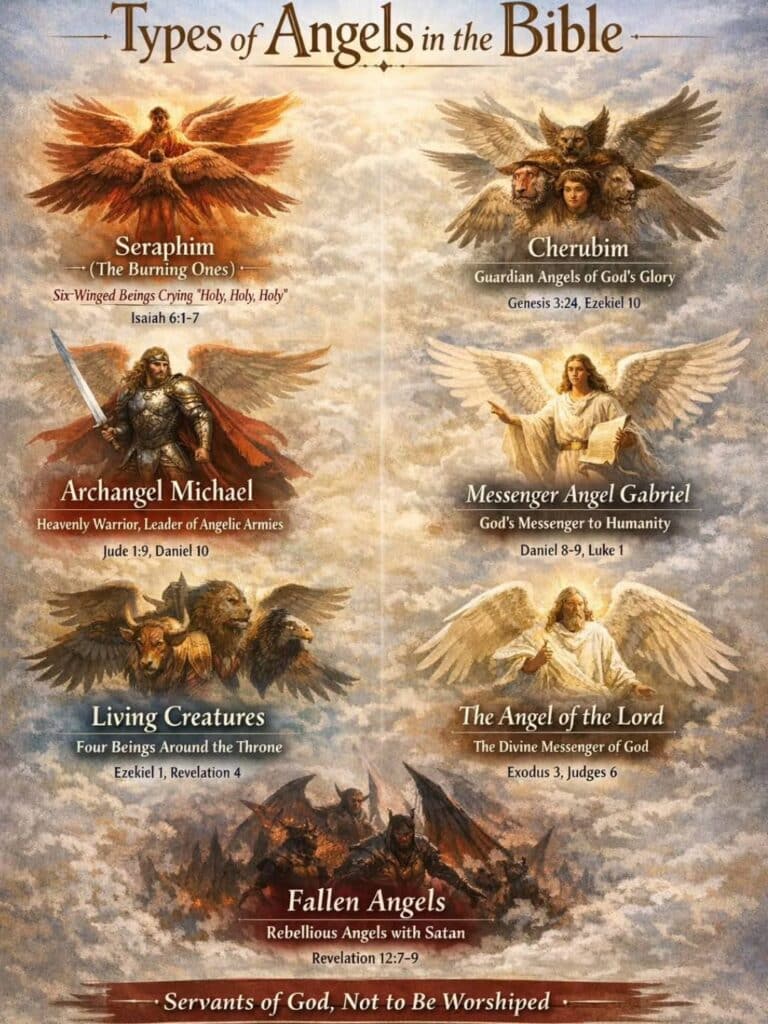
Angelic Culinary Lessons in Apocryphal Literature
When humanity was on the verge of starving to death out of sheer ignorance, the heavens intervened. God didn’t just throw Adam a bag of wheat and say, “figure it out.” He sent an instructor.
Archangel Michael: The First Culinary Instructor
The Book of Jubilees and Legends of the Jews detail how God sent the Archangel Michael down to Earth with a specific mission: teach Adam the art of agriculture, food processing, and basic kitchen chemistry.
Michael brought four fundamental items from Paradise to help jumpstart human culinary history:
- Seeds: Wheat, barley, and rye to cultivate clean crops.
- Draft Animals: Guidance on how to harness oxen to till the compacted soil.
- Plowing Techniques: How to turn soil, bury seeds, and harvest at the right moisture level.
- Grinding & Preparation: How to crush hard grains into flour to render them digestible.
The Spices of Paradise
You can’t have great food without seasoning. According to Ginzberg’s Legends of the Jews, as Adam was being escorted out of Eden, the angels felt deep pity for him. They petitioned God to allow Adam to take a few small keepsakes from Paradise.
God granted the request, allowing Adam to harvest four essential aromatic plants:
- Saffron: For deep color and distinct, earthy sweetness.
- Nard (Spikenard): An intensely aromatic herb used for seasoning and oil infusions.
- Calamus: A fragrant reed with a warm, spicy flavor profile similar to cinnamon.
- Cinnamon: The ultimate warming spice, used both in food and sacred incense.
These aromatic plants were the original seasonings – the world’s first rub lineup. They transformed plain, boiled, or baked grains into flavorful heavenly recipes that reminded early humans of the lost garden.
The First Loaf of Bread
Genesis 3:19 states, “By the sweat of your brow you shall eat bread.” Baking bread is an intricate science. It requires harvesting wheat, threshing it to remove the chaff, grinding the grain into fine flour, mixing it with water, and applying exact heat.
Apocryphal lore reveals that Archangel Michael literally stood beside Adam, showing him how to rub wheat heads between his palms, grind the kernels between heavy stones, work the dough, and bake flatbreads on hot river stones.
It wasn’t an evolutionary trial-and-error process; it was a practical workshop handed down directly from the heavens.
Heavenly Recipes: What Did the First Meals Look Like?
Reconstructing the earliest human meals based on apocryphal traditions and ancient Near Eastern foodways reveals simple, nutrient-dense, and deeply flavorful preparations. These dishes relied on raw fire, stone surfaces, and natural aromatics.
1. The Paradise-Ash Flatbread
This was the staple food of early post-Eden survival. Stone-ground wild wheat or barley flour was mixed with clean spring water and crushed aromatic herbs, then slapped directly onto hot coals or heated flat stones.
- Ingredients: Ancient coarse wheat flour, spring water, sea salt, crushed cinnamon bark, wild honey.
- Method: Hand-kneaded into dense discs and baked directly over glowing hardwood embers until charred on the outside and soft inside.
2. The Angelic Grain & Spice Porridge
Before ovens were mastered, boiling crushed grains over open flames was the most efficient way to break down tough starches and unlock calories.
- Ingredients: Cracked barley, wild animal fats or olive oil, crushed saffron, calamus, and dried wild berries.
- Method: Slow-simmered in clay pots or hollowed stone vessels over low heat until the grains burst and infused with aromatic, golden saffron notes.
3. Fire as a Sacred Gift
Pagan mythology tells stories like Prometheus stealing fire from the gods and getting chained to a rock as punishment. Biblical and Jewish apocryphal traditions offer a completely different vibe. Fire wasn’t stolen; it was granted as a gift of grace.
When darkness fell and cold settled over the Earth, Adam was terrified. Texts record that God provided Adam with two stones – the dark stone of shadow and the stone of the shadow of death – and taught him to strike them together.
Sparks flew, fire ignited, and Adam offered a prayer of thanksgiving. Fire was given to warm the body, keep predators at bay, and cook nourishment.
The Dark Side of Celestial Cooking: The Watchers and Fallen Angels
Not every angel brought wholesome cooking tips to the table. While holy archangels like Michael taught basic survival, grain processing, and clean seasoning, a rogue faction of celestial beings had far more chaotic plans for human cuisine.
The Enochian Perspective (1 Enoch)
The Book of Enoch details the fall of the Watchers – a group of 200 angels who abandoned their heavenly posts, descended to Mount Hermon, and intermarried with human women. To win human favor, these fallen angels began spilling high-level, forbidden cosmic secrets.
Azazel, Hermoni, and their fallen brethren didn’t teach simple bread-making or basic griddle cooking. They introduced advanced, decadent, and destructive arts:
- Botanical Sorcery & Roots: Teaching humans how to extract powerful, dangerous compounds from wild roots for mind-altering concoctions.
- Complex Fermentation & Alchemy: Turning simple agricultural yields into potent intoxicants designed for wild rituals rather than wholesome nourishment.
- Gluttonous Culinary Indulgence: Transforming food from a sacred act of survival and thanksgiving into a display of status, vanity, and excess.
| Category | Holy Angels (e.g., Archangel Michael) | Fallen Watchers (e.g., Azazel) |
| Core Intent | Survival, health, and nourishment | Decadence, luxury, and intoxication |
| Food Sources | Simple whole grains, salt, and Paradise spices | Mind-altering plant extracts and roots |
| Methods Taught | Bread baking, grain grinding, and simple heat | Sorcery, alchemy, and illegal potion-making |
| Spiritual Result | Gratitude, order, and connection to God | Gluttony, chaos, and self-indulgence |
The Watchers corrupted food culture, taking humanity from simple, hearth-cooked heavenly recipes to decadent, intoxicating banquets that fueled corruption across the ancient world.
Theological Meaning: Why Cooking is a Sacred Act
Understanding this ancient battle over the dinner plate shifts the way we view food preparation today. Cooking isn’t just a chore to stop stomach rumblings; it is a spiritual discipline embedded in human history.
Transforming Chaos into Order
Raw meat, bitter roots, and tough grains are products of a wild, unrefined world. Applying heat, wood smoke, salt, and spices transforms raw elements into a harmonious meal. This process mirrors the act of creation itself: taking chaos and establishing order.
The Kitchen as an Altar
Throughout canonical Scripture, the line between cooking food and worshiping God is thin.
- The Old Testament tabernacle was essentially a massive, high-end open-air kitchen. The priests were expert butchers, managing wood fires, salting meats, preparing unleavened bread, and burning sweet incense.
- The “pleasing aroma” pleasing to the Lord (Leviticus 1:9) came from high-quality fat, well-seasoned meat, and aromatic herbs burning over hot coals.
Angelic Catering Throughout Scripture
The idea of angels stepping in to feed hungry humans doesn’t stop with Adam and Eve.
Scripture is packed with stories of celestial catering:
- Elijah Under the Broom Bush (1 Kings 19): Exhausted, depressed, and ready to give up, the prophet Elijah fell asleep under a tree. An angel tapped him on the shoulder and served him fresh, hot cake baked over embers and a jar of cold water.
- Abraham’s Guests at Mamre (Genesis 18): Abraham hosted three divine visitors, serving them fresh baked bread, butter, milk, and tender roasted calf. Food created a bridge between mortality and the divine.
- Manna in the Wilderness (Psalm 78:24-25): When the Israelites were wandering in the desert, God rained down sweet, coriander-like grains that the Psalmist explicitly calls the “bread of angels.”
| Biblical Event | Recipient | Menu Provided |
| Post-Eden Expulsion | Adam and Eve | Grain seeds, agricultural methods, and Paradise spices |
| Desert Exhaustion | Prophet Elijah | Ember-baked cake and fresh water |
| Wilderness Exodus | The Nation of Israel | Manna (“Angels’ Food”) |
| Mamre Oak Gathering | Heavenly Messengers | Tender roasted calf, warm bread, butter, and milk |
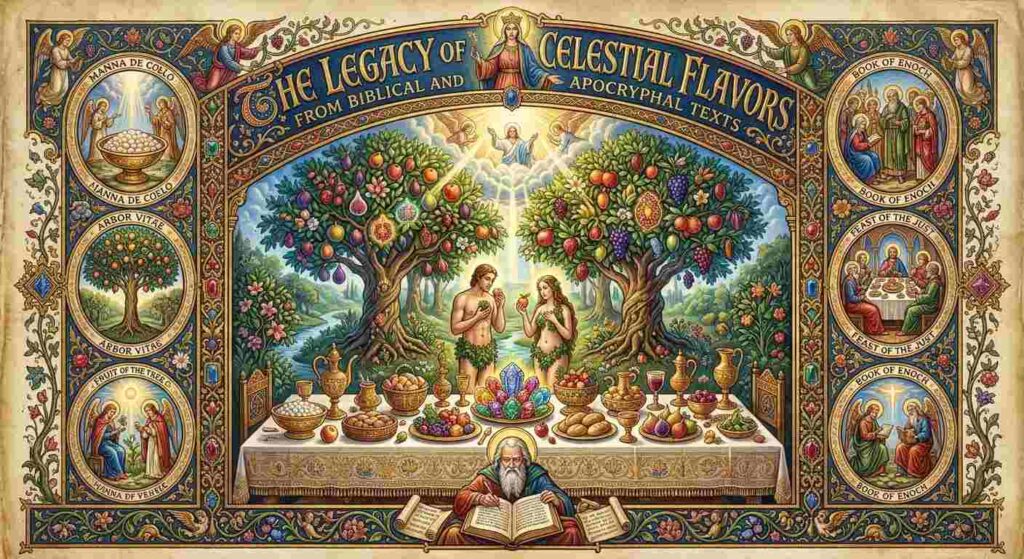
The Legacy of Celestial Flavors
Human culinary history is far richer than just primitive hominids banging rocks together around a campfire.
Looking back through the lens of ancient traditions, apocryphal legends, and biblical history reveals that every time fire is lit, wood smoke rises, and raw ingredients turn into something incredible, an ancient tradition is being honored.
Adam and Eve may have lost access to the effortless fruit of the Garden, but through divine mercy and angelic instruction, they were given the tools to create comfort, flavor, and community in a harsh world.
The next time meat hits a screaming hot grate, spices color a simmering stew, or fresh bread bakes in a hot oven, remember that cooking isn’t an evolutionary accident.
It is an art form born in Paradise, shaped by heavenly recipes, and handed down through the ages to keep humanity fed, connected, and grounded. Fire up the pit, season with purpose, and eat well.
Frequently Asked Questions
What is the main theory behind the idea that angels taught Adam and Eve how to cook?
Ancient apocryphal texts like the Book of Jubilees and the Life of Adam and Eve suggest that after being expelled from Paradise, early humans did not know how to cultivate, process, or prepare food.
To prevent starvation and ease their hardship, God sent heavenly messengers – primarily the Archangel Michael – to teach Adam how to farm, grind grain, make fire, and cook basic meals using heavenly recipes and Paradise-derived spices.
Where in the canonical Bible does it mention angels teaching humans to prepare food?
The canonical Bible (such as the Book of Genesis) does not explicitly describe angels giving cooking lessons.
Genesis 1:29 outlines the original raw, plant-based diet in Eden, and Genesis 3:19 notes that post-Fall food would require hard labor (“by the sweat of your brow”).
The specific details about angelic culinary instruction, seed delivery, and spice gathering come from intertestamental, apocryphal, and pseudepigraphical writings rather than the biblical canon.
What did Adam and Eve eat while they were inside the Garden of Eden?
Before the Fall, Adam and Eve consumed a raw, effortless diet of seed-bearing plants and fruit trees provided directly by God.
Early Jewish tradition also refers to this original nourishment as Panis Angelorum (“bread of angels”) – a pure, divine energy source that sustained both spiritual and physical life without needing heat, grinding, or preparation.
Which spices did Adam and Eve allegedly bring with them from Paradise?
According to Ginzberg’s Legends of the Jews, the angels petitioned God out of pity for humanity, allowing Adam to carry four aromatic plants out of Eden: saffron, spikenard (nard), calamus, and cinnamon.
These aromatics served as the world’s first seasonings, helping flavor early grain preparations and providing a comforting reminder of Paradise.
How does the Book of Enoch view the culinary knowledge brought by fallen angels?
While holy angels like Archangel Michael taught basic survival skills like grain grinding and bread baking, the Book of Enoch states that fallen angels (the Watchers, led by Azazel) introduced far darker, decadent practices.
They taught humans botanical extraction for mind-altering compounds, complex alchemy, and gluttonous food preparation designed for excess rather than nourishment.
What are some examples of ancient “heavenly recipes” described in these lore traditions?
Early post-Eden meals were basic, nutrient-dense preparations created over open fire.
Examples include Paradise-Ash Flatbread (stone-ground ancient wheat flour, water, and cinnamon baked directly on glowing embers) and Angelic Grain & Spice Porridge (cracked barley slow-simmered over low heat with olive oil or animal fats, infused with golden saffron and dried berries).
Are there other instances in Scripture where angels serve or interact with food?
Yes, angels frequently interact with food throughout biblical history. In Genesis 18,
Abraham cooks a meal of roasted calf, fresh bread, butter, and milk for three divine visitors. In 1 Kings 19, an angel bakes a cake over hot embers and provides water to sustain an exhausted Elijah.
Additionally, Psalm 78 refers to Manna – the coriander-like grain provided to the Israelites in the wilderness – as the “bread of angels.”
Featured image credit: Google Gemini
