
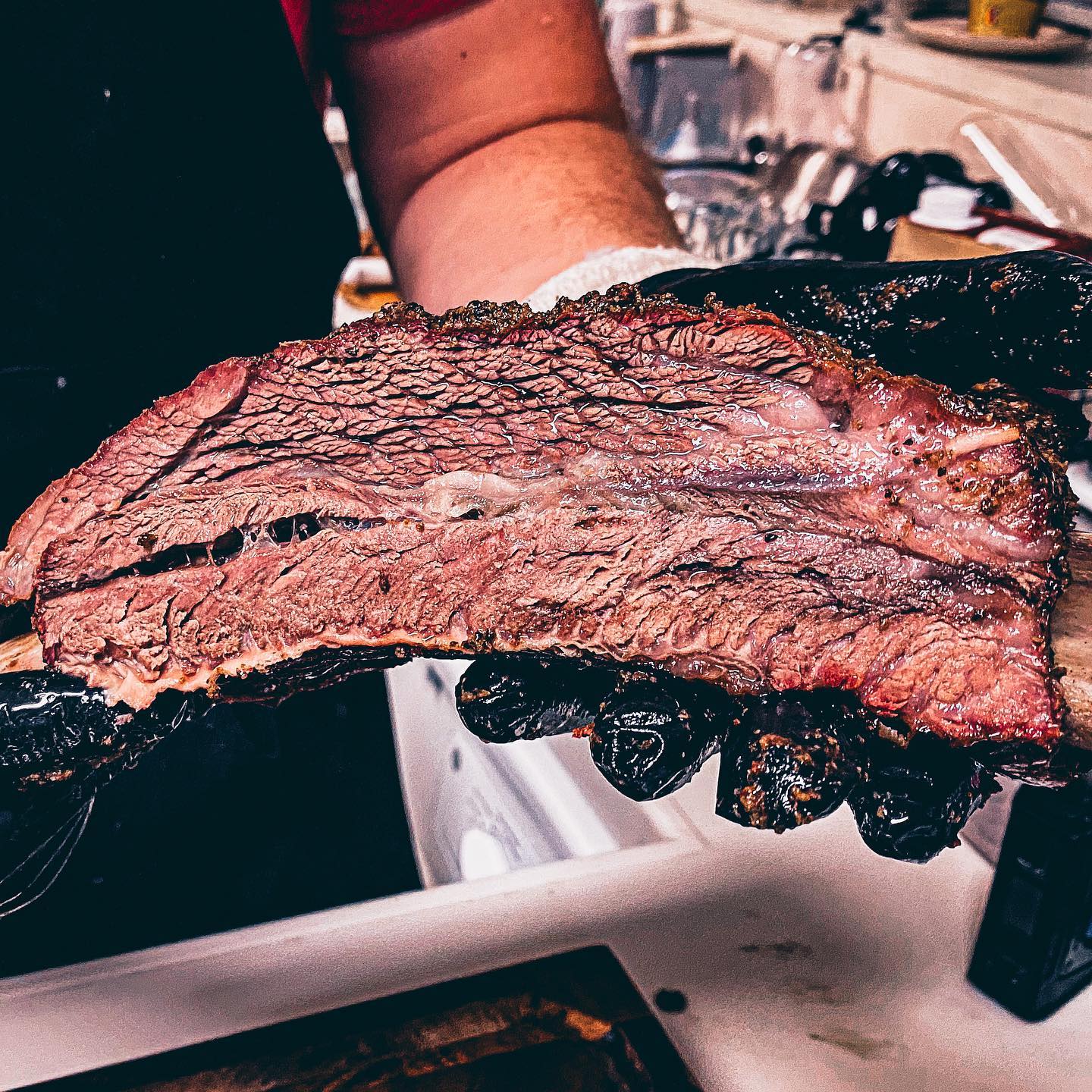
The first time you watch a stubborn brisket refuse to render its fat, you learn an important BBQ lesson: meat has its own schedule, and it doesn’t care about yours.
I once had a brisket on the smoker that looked nearly perfect from across the pit.
The bark was dark, the aroma was doing its job on everyone within a three-house radius, and the internal temperature was right where I expected it to be. Surely, it was getting close.
Then I probed the thickest section.
The thermometer went in smoothly enough, but the fat underneath the bark told a different story. It pushed back with that unmistakable rubbery, waxy resistance that every BBQ cook eventually learns to recognize.
The brisket wasn’t ready. It had reached a respectable temperature, but the fat hadn’t quite surrendered.
So the brisket went back on the smoker.
A little more time passed. The bark deepened. The fat softened. Another probe went in, and this time it slipped through with barely a whisper of resistance.
That’s when it happened.
The meat had finally given up the fat.
That little moment is one of the most useful things to learn about BBQ because fat rendering in BBQ isn’t controlled by a single temperature, timer, or magic pitmaster trick. It’s a process.
And learning to recognize that process can be the difference between meat that’s merely cooked and BBQ that’s genuinely enjoyable to eat.
So, how do you know when the fat has finally rendered?
The answer starts with learning to read what the meat is telling you.
What Does It Mean When Meat “Gives Up the Fat”?
When BBQ cooks say a piece of meat has finally “given up the fat,” they’re talking about the gradual transformation of firm fat into softer, rendered fat during cooking.
Fresh fat can be surprisingly stubborn.
It may be:
- Firm
- White or opaque
- Waxy
- Rubbery
- Resistant when you probe it
With prolonged exposure to heat, that fat begins to soften and melt. Some drains away from the meat. Some remains within the cut. Some mixes with the juices and drippings in the smoker.
But here’s an important distinction:
Rendering fat isn’t the same thing as simply hitting a certain internal temperature.
That’s where many BBQ cooks get tripped up.
A brisket might reach a temperature that sounds impressive but still contain pockets of fat that haven’t softened enough. Another brisket might become beautifully tender at a different temperature.
Why?
Because meat isn’t manufactured to identical specifications.
The amount of fat, thickness of the cut, cooking temperature, connective tissue, wrapping, and even the shape of the meat can influence how quickly everything changes.
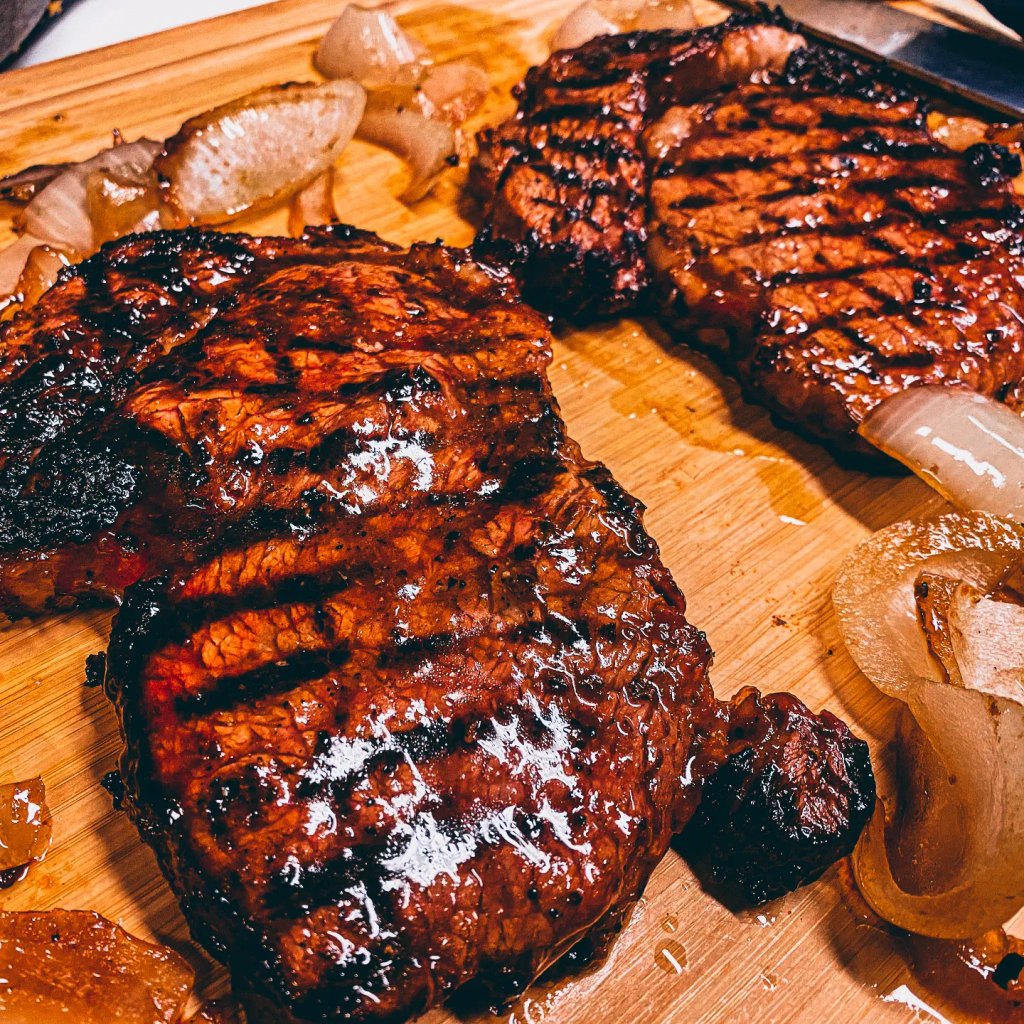
Rendering isn’t the Same as Tenderness
Fat rendering and connective-tissue breakdown happen alongside each other, but they’re separate processes.
Collagen needs time and heat to break down into gelatin. Fat needs heat and time to soften and render.
You can have rendered fat without perfectly tender meat. You can also have tender meat with some visible fat remaining.
The goal isn’t to make every trace of fat disappear.
The goal is to turn hard, chewy fat into soft, rich, pleasant-tasting fat that complements the meat rather than fighting your teeth.
What Actually Happens During Fat Rendering?
Fat is stored in meat in different forms, and not all of it behaves exactly the same way.
You’ve got the fat you can see, such as a brisket’s fat cap, along with fat between muscles and the intramuscular fat running through the meat.
That marbling is one reason certain cuts are so flavorful.
Fat Starts Firm
Early in the cook, visible fat can remain surprisingly solid.
A thick fat cap may look almost unchanged during the first part of a long cook. That’s normal.
Then the heat begins doing its work.
Fat Gradually Softens
As the cooking continues, the structure of the fat changes.
It becomes softer and more fluid. Some of it eventually drips away, while other portions remain within the meat.
This gradual softening is what you’re really watching for.
You don’t need to see a brisket swimming in grease to know that rendering is happening. In fact, some of the most important changes are happening where you can’t see them.
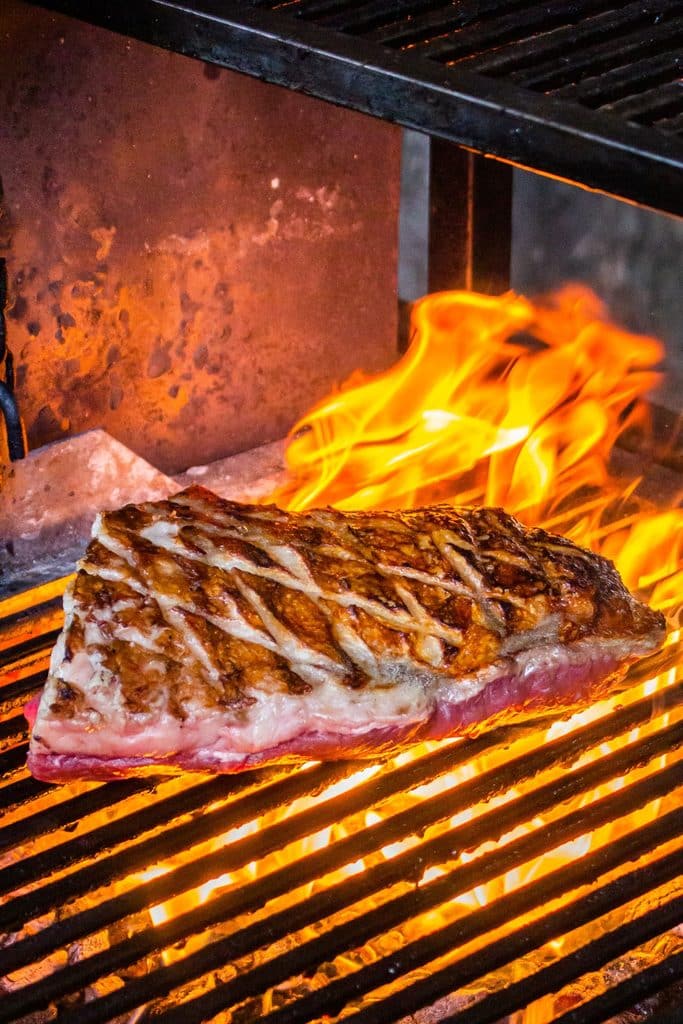
Connective Tissue is Changing Too
Large BBQ cuts such as brisket and pork shoulder contain plenty of connective tissue.
Long cooking allows collagen to break down and form gelatin, contributing to the tenderness and texture we associate with good barbecue.
That’s why great BBQ is a combination of processes.
Fat rendering, collagen breakdown, moisture management, bark development, and time all work together.
The thermometer gives you useful information, but it doesn’t tell the whole story.
Why Fat Rendering Matters in BBQ
Why spend hours thinking about fat?
Because poorly rendered fat can turn an otherwise beautiful piece of BBQ into a chewy disappointment.
You can have gorgeous bark, a beautiful smoke ring, and enough seasoning to make your neighbors mysteriously appear at your back door.
Then somebody bites into a chunk of rubbery fat. The mood changes quickly.
Flavor
Rendered fat contributes richness and helps carry flavor through the meat.
The interaction between fat, smoke, seasoning, and heat is part of what gives slow-cooked BBQ its characteristic depth.
Texture
This is perhaps the biggest reason to care.
Underrendered fat can be waxy, chewy, rubbery, or greasy.
Properly rendered fat should be much softer. Think less candle and more buttery richness. That’s the transformation you’re after.
Bark
Surface fat also affects bark.
A thick layer of exterior fat can limit how seasoning and smoke interact with the surface.
That’s one reason trimming matters.
But trimming doesn’t mean stripping the meat bare.
The goal is balance.
Leave enough fat to contribute flavor and protect the meat, but don’t leave huge sections of hard fat that are unlikely to become pleasant to eat.
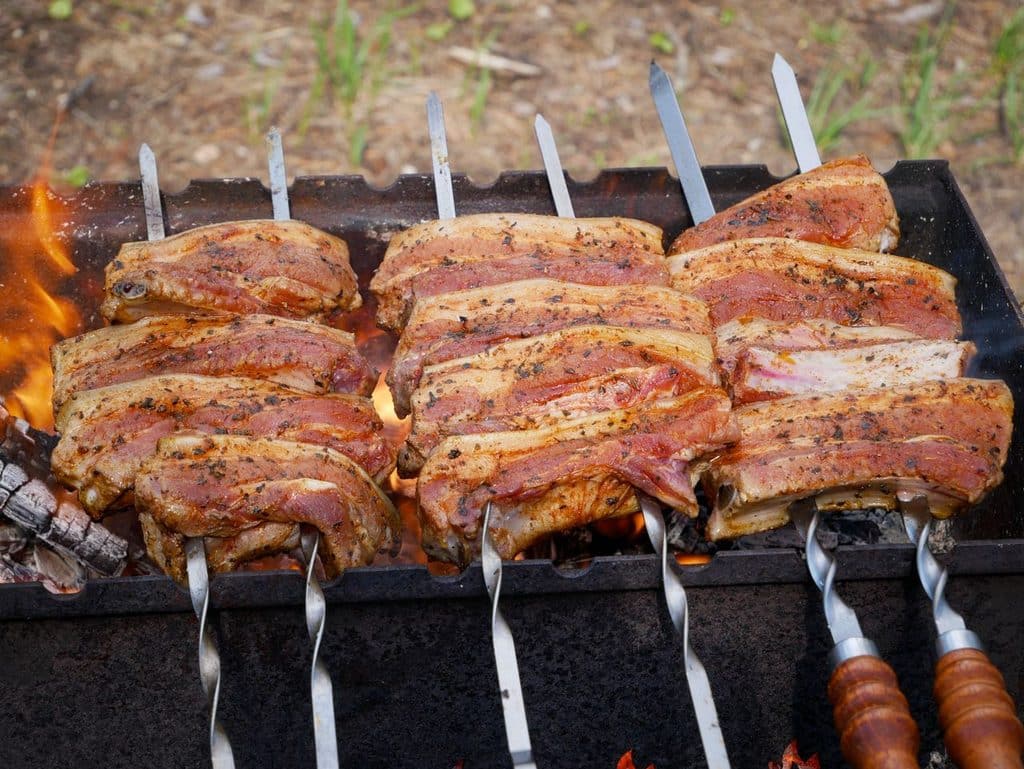
The Biggest Signs That Meat Has Finally Rendered
Here’s where the real pitmaster detective work begins. Rather than relying on one signal, look for several clues that point in the same direction.
The Fat Looks Soft, Glossy, or Gel-Like
One of the first things you’ll notice is a change in appearance.
Underrendered fat often looks firm, white, opaque, and waxy.
Rendered fat generally becomes softer and may look glossy, translucent, or slightly gelatinous.
That visual change can be a useful clue.
But don’t get too hung up on color. Fat doesn’t have to completely disappear or turn transparent to be rendered.
Texture matters more than color.
The Fat Cap Has Shrunk
A large fat cap usually changes noticeably during a long cook. As the fat renders, the layer becomes thinner and softer.
Look for:
- A noticeable reduction in thickness
- Softer edges
- Less rigid structure
- A more integrated appearance
That’s a good sign.
But remember that the outside doesn’t tell the whole story.
A smaller fat cap doesn’t guarantee that all the internal fat has rendered.
A large cut can contain several different textures and fat deposits, each responding to heat at its own pace.
Your Probe Slides Through the Fat
This is one of the most useful practical tests. Take your thermometer probe and gently test the meat. You’re not trying to stab through it with enthusiasm. You’re feeling for resistance.
Rendered fat should feel soft and yielding.
Underrendered fat often feels noticeably rubbery or waxy. Probe several areas instead of trusting a single spot.
This is especially important with brisket because the point and flat contain different amounts of fat and connective tissue.
A smooth probe in one location doesn’t necessarily mean the entire brisket is ready.
The Meat Feels Tender, Not Rubber-Band Tough
Tenderness is another major clue.
As a large cut approaches doneness, the probe should begin moving through the meat with considerably less resistance.
Pitmasters often compare this sensation to sliding a probe into softened butter.
It’s a useful comparison because you’re looking for that smooth, almost effortless movement. Temperature tells you how far the cook has progressed.
Probe tenderness tells you what the meat actually feels like.
That’s a much more useful combination.
Rendered Fat Is Dripping Away
You may notice rendered fat collecting in a drip pan or falling from the meat during cooking. That’s a clear sign that rendering is taking place.
But don’t confuse activity with completion.
Fat dripping means fat is rendering. It doesn’t necessarily mean all the fat has rendered.
Think of it as evidence, not a verdict.
The Bark Has Set
A properly developed bark should feel established rather than wet and loose. As the cook progresses, the exterior darkens and firms.
Surface fat interacts with the seasoning and smoke as the bark develops. If the bark remains excessively greasy, thick surface fat may be part of the reason.
The important thing is to consider the bark alongside the other signals.
No single visual cue should decide when the meat is finished.
Internal Temperature Is a Guide, Not the Final Answer
Temperature matters.
A lot.
But temperature is a guide, not a finish-line flag.
BBQ cooks sometimes become obsessed with reaching a specific number because it’s easy to measure and easy to remember.
The problem is that meat doesn’t always cooperate.
Two briskets can reach the same internal temperature and produce noticeably different textures. That’s because the cooking process depends on more than temperature alone.
Consider:
- The cut of meat
- Fat content
- Thickness
- Cooking temperature
- Wrapping
- Resting
- Connective tissue
- Shape of the meat
All of these can affect the final result.
A better approach is:
Use temperature to monitor the cook. Use tenderness to judge the finish.
Once the meat reaches a reasonable stage, begin paying attention to how the probe feels. Don’t pull the brisket simply because the thermometer reached a famous number.
And don’t leave it cooking indefinitely because somebody on a BBQ forum insists that “real brisket” requires another 10 or 15 degrees.
Your brisket has never visited that forum. It doesn’t know the rules.
How Fat Rendering Differs by Cut
Different cuts have different personalities when it comes to rendering.
Brisket
Brisket is the classic example. It contains substantial connective tissue and varying levels of fat.
The point generally contains more intramuscular fat than the leaner flat, so the two sections can cook differently.
That’s why probing several locations is important.
You want the meat to feel tender across the areas you’re serving rather than relying on one convenient thermometer reading.
Pork Shoulder
Pork shoulder contains plenty of fat and connective tissue, making it a natural candidate for long, slow cooking.
As the cook progresses, fat softens while collagen breaks down.
For pulled pork, you’re ultimately looking for deep tenderness and meat that separates easily.
Beef Ribs
Beef ribs contain substantial fat and connective tissue. Probe around the thickest sections and between the bones where appropriate. You’re looking for that same gradual transition from resistance to tenderness.
Pork Ribs
Ribs require a slightly different approach.
You’re generally less concerned with a giant fat cap and more concerned with the overall tenderness and bite.
The important lesson is that every BBQ cut has its own finish line.

How to Check for Rendered Fat Without Ruining the Cook
One of the easiest ways to make a long BBQ cook even longer is to keep opening the smoker every ten minutes.
The brisket doesn’t need a wellness check every quarter hour. When you do check it, make the inspection useful.
Step 1: Check the internal temperature
Know where the meat is in the cooking process.
Step 2: Look at the surface
Inspect the bark and visible fat. Does the fat look soft rather than hard and waxy?
Step 3: Probe multiple areas
Check thicker sections and different muscles.
Step 4: Pay attention to resistance
You’re looking for a smooth, easy insertion.
Resistance is information.
Step 5: Make the call
Combine everything you’ve learned:
- Temperature
- Fat appearance
- Probe resistance
- Bark development
- Overall tenderness
That’s a much stronger indication of doneness than any single measurement.
Common Fat-Rendering Mistakes
Mistake #1: Chasing a magic temperature
There’s no universal number that guarantees perfectly rendered fat.
Don’t confuse a temperature milestone with a finished piece of BBQ.
Mistake #2: Assuming all visible fat is bad
Some visible fat is normal and desirable. The goal is not fat-free meat. It’s properly rendered fat.
Mistake #3: Blaming every problem on rendering
Dry meat isn’t automatically the result of poorly rendered fat. Overcooking, excessive trimming, cooking temperature, airflow, and resting can all influence the final texture.
Mistake #4: Cutting the meat open too early
Resist the temptation to slice into a brisket just to see what’s happening inside. A probe gives you useful information without sacrificing the meat’s heat and juices.
Mistake #5: Judging one tiny spot
Large cuts are complicated. One section may be beautifully tender while another still has some resistance.
Judge the overall cut, not just the easiest spot to probe.
What If the Fat Still Looks Underrendered?
Don’t panic.
Sometimes the answer is simply more time.
If the meat is progressing normally and the fat still feels firm or rubbery, continue cooking and check again later.
Keep the cooking environment steady rather than making dramatic temperature changes.
If the exterior is getting darker than you want, wrapping can help alter the cooking environment and protect the bark.
But don’t crank the heat simply because you’re getting impatient.
Fat rendering is a gradual process.
Trying to force it can create another problem: an overcooked exterior or dried-out lean meat.
Good BBQ requires patience.
Unfortunately, patience doesn’t come with a shortcut button.
The Final Test: Let the Meat Tell You
The biggest lesson in fat rendering in BBQ is that the meat itself is your best guide.
Temperature matters.
Timing matters.
Your smoker matters.
But eventually, you need to stop staring at the numbers and start paying attention to the meat. Look for fat that has become soft, glossy, and yielding.
Look for a fat cap that has noticeably reduced. Look for bark that has developed properly. Feel how the probe moves through the meat.
Most importantly, look for tenderness without that stubborn rubbery resistance.
That’s when you know the cook is coming together.
The goal was never to make every bit of fat vanish. The goal was to transform it. Hard becomes soft. Waxy becomes rich. Stubborn becomes tender.
And somewhere along the way, that once-stubborn piece of meat finally gives up the fat. That’s the moment worth waiting for.
Because great BBQ isn’t about forcing meat to obey a number on a thermometer.
It’s about learning to recognize when the meat is ready to tell you it’s done.
Frequently Asked Questions
1. What temperature does fat render in BBQ?
Fat begins softening and rendering over a range of temperatures rather than at one exact point. Cooking time, heat level, fat type, and the cut of meat all affect how quickly it renders.
2. How do you know when fat is fully rendered?
Rendered fat should feel soft, tender, and yielding rather than firm, waxy, or rubbery. Look for a softer appearance, a reduced fat cap, and a probe that moves through the fat with little resistance.
3. Can meat be overcooked while waiting for the fat to render?
Yes. Chasing perfectly rendered fat for too long can overcook the meat, especially lean sections. Use internal temperature as a guide and rely on probe tenderness and overall texture to decide when the meat is ready.
4. Why is the fat on my brisket still tough and chewy?
Tough, chewy fat may simply need more time to render. The thickness of the fat, cooking temperature, brisket size, and the amount of connective tissue can all affect the process.
Don’t assume one temperature guarantees fully rendered fat.
5. Does wrapping help render fat faster?
Wrapping can change the cooking environment by trapping moisture and heat around the meat, which may help soften fat and connective tissue. However, it also affects the bark, so wrapping is a cooking choice, not a requirement for fat rendering.
Featured image credit: @crazyjadesbbq
