
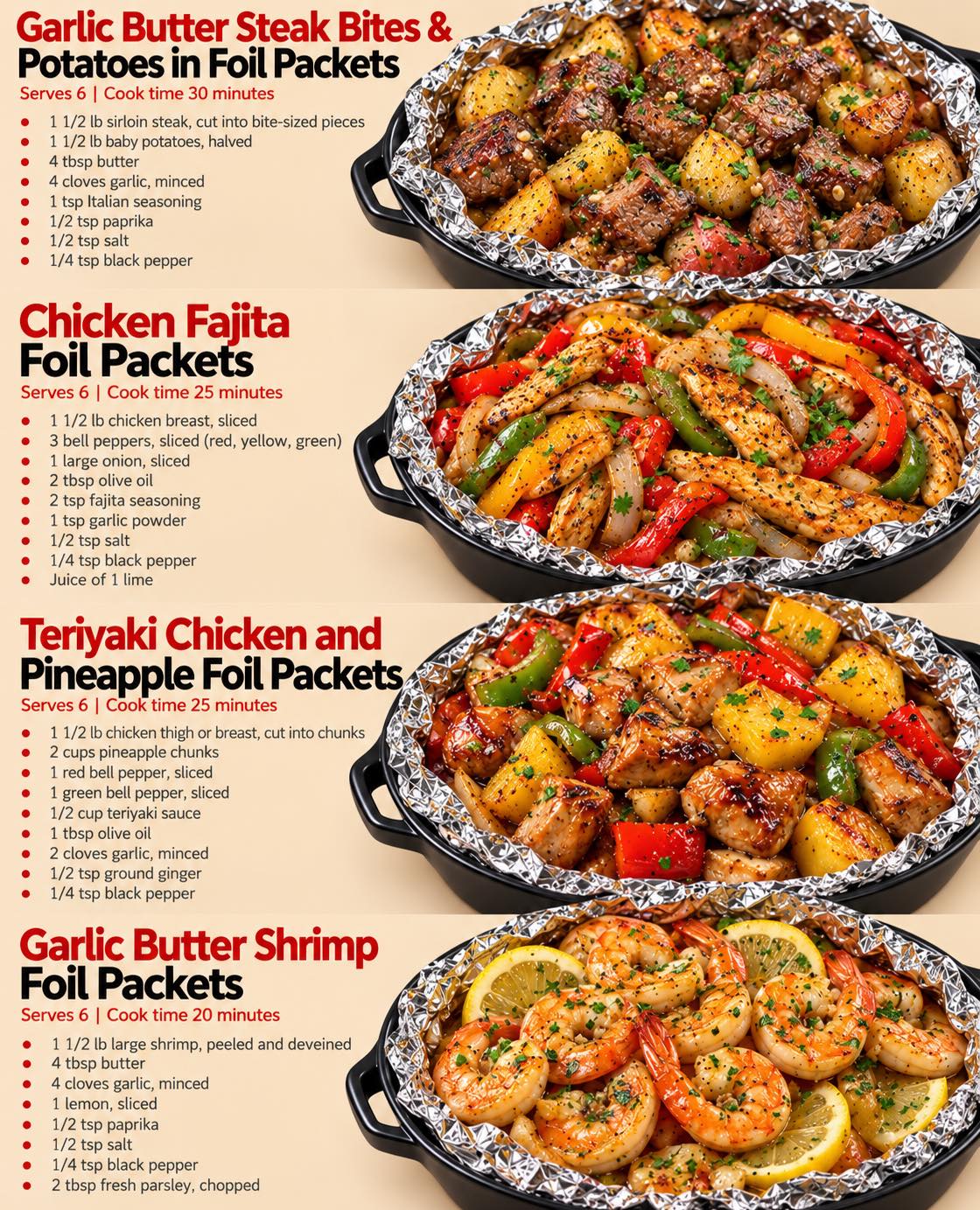
What if your grill could cook the main course, side dishes, and cleanup plan all at once? That is pretty much the magic trick behind easy foil packet meals.
Foil packets may not have the swagger of a perfectly smoked brisket or the dramatic sizzle of a steak hitting a hot grill grate, but don’t underestimate them.
Wrap the right combination of meat, vegetables, seasoning, and a little fat in foil, and you get a complete meal that cooks in its own savory little steam room.
And here’s the part grill cooks really appreciate: almost nothing to wash afterward.
That makes foil packets a backyard-grilling secret weapon, a camping staple, and one of the easiest ways to get a flavorful dinner on the table when you don’t feel like turning your kitchen into a crime scene involving six pans and a sink full of dishes.
The trick is knowing how to build the packets properly. Cut your ingredients correctly, balance cooking times, season aggressively but intelligently, and give everything enough room to cook. Do that, and foil packets go from “lazy dinner” to genuinely good grilling.
What Are Foil Packet Meals?
A foil packet meal is exactly what it sounds like: ingredients are wrapped inside aluminum foil and cooked together on a grill, over a campfire, or in an oven.
The foil creates a small enclosed cooking environment. As the food heats, moisture turns into steam. That steam circulates inside the packet, helping vegetables soften while keeping meat juicy.
Meanwhile, the grill supplies direct heat and plenty of smoky character. Think of the packet as a tiny self-contained cooking chamber.
You can combine:
- Chicken, steak, pork, sausage, or seafood
- Potatoes, peppers, onions, zucchini, corn, mushrooms, or green beans
- Olive oil, butter, marinades, or sauces
- Herbs, spices, garlic, citrus, and other seasonings
The beauty is flexibility. You don’t need an exact recipe carved into stone tablets. You need a good understanding of how ingredients cook.
That distinction matters.
A thick potato chunk and a thin slice of zucchini do not cook at the same speed. Throw them together and hope for the best, and you may end up with perfectly cooked zucchini surrounding potatoes that could double as hockey pucks.
Good foil packets are built around compatible cooking times.
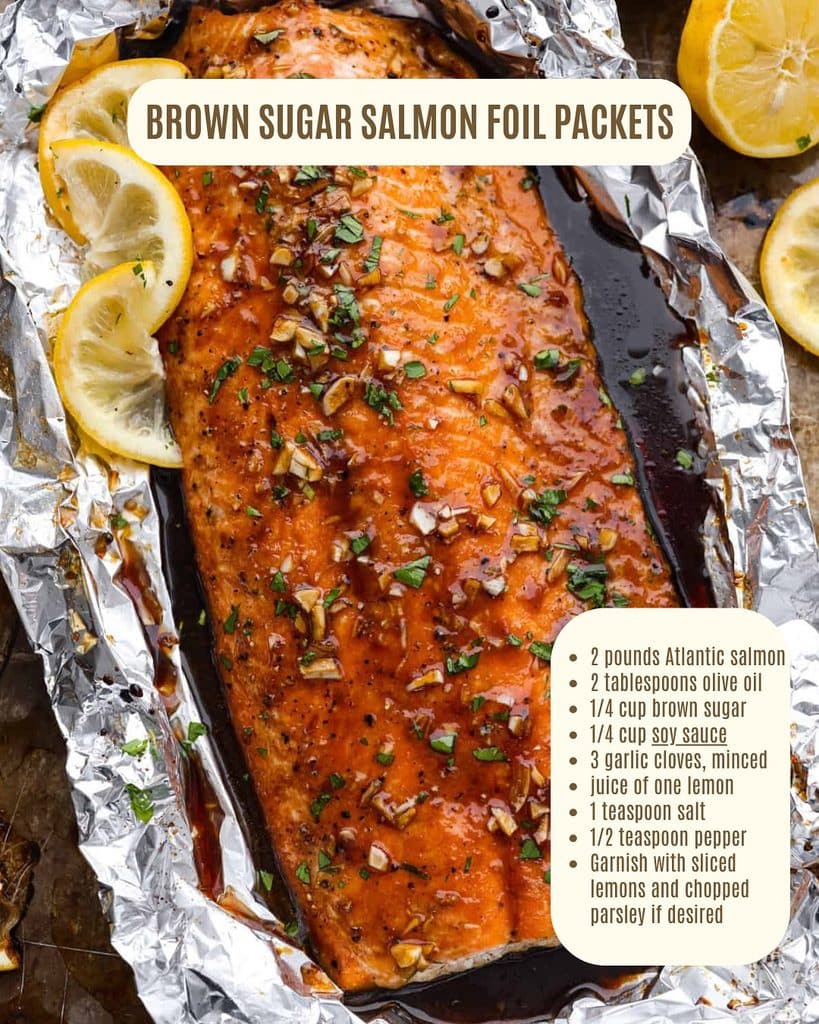
Why Foil Packet Meals Are So Easy
The biggest advantage of easy foil packet meals isn’t simply that they require less cooking equipment. It’s that the entire process is streamlined. You prepare the ingredients, wrap them, grill them, and open the packet when dinner is ready.
Minimal Prep
Most packets require nothing more complicated than chopping vegetables and seasoning the protein.
You don’t need a separate pan for the vegetables. You don’t need a skillet for the meat. You don’t need to make a sauce in another saucepan while pretending you enjoy washing saucepans.
Everything goes into one packet.
One-Packet Cooking
Meat and vegetables cook together, allowing their flavors to mingle. Chicken juices can season potatoes. Garlic butter can coat mushrooms. Sausage can lend its smoky, savory fat to peppers and onions.
That’s where foil packets become more than a convenience trick.
The ingredients actually help flavor one another.
Almost No Cleanup
Once dinner is finished, you can carefully open the packets and serve.
The grill grate may need a quick brush, and your cutting board and knife still exist, unfortunately. But you won’t have a mountain of cookware waiting for you after dinner.
That’s why calling these meals “zero cleanup” is best understood as virtually no cookware cleanup.
The dishes don’t disappear by magic. We haven’t cracked that code yet.
Endless Combinations
Once you understand the basic formula, you can build dozens of meals from whatever is in the refrigerator.
The basic formula is:
Protein + vegetables + seasoning + fat or sauce + foil = dinner.
Simple doesn’t have to mean boring.
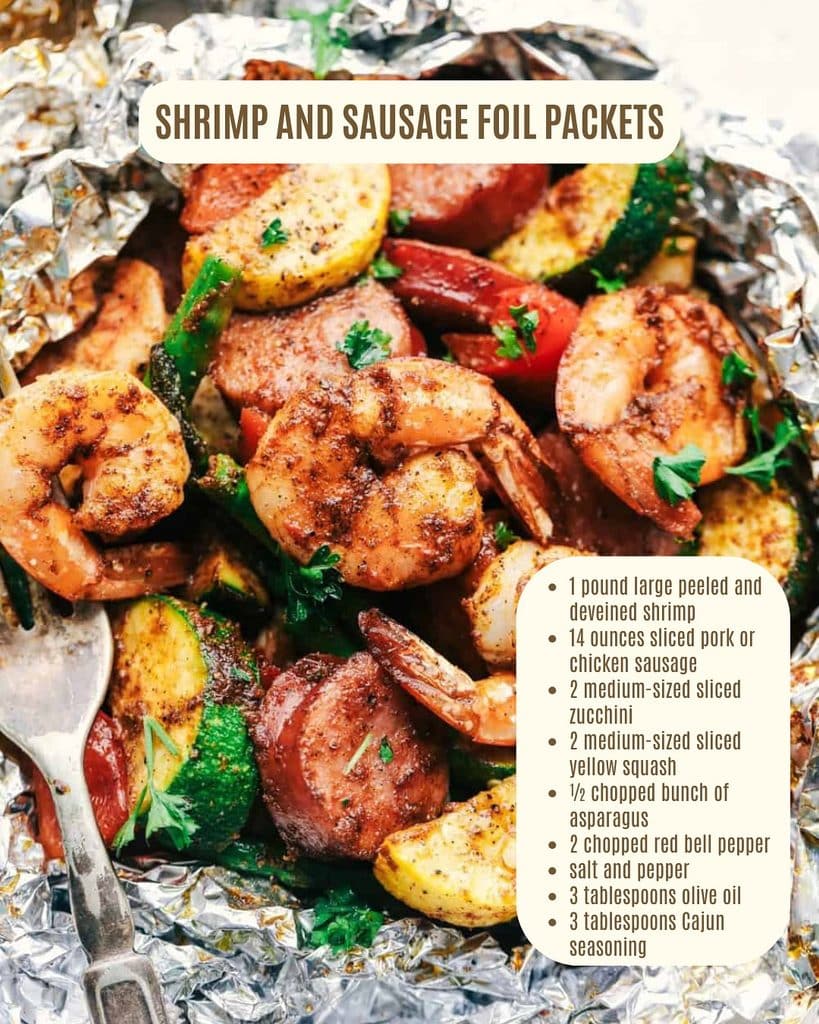
The Best Ingredients for Grilled Foil Packets
Choosing the right ingredients is where great foil packets begin.
The goal isn’t to throw every vegetable in your refrigerator onto a sheet of foil and hope the grill sorts out your decisions. Give the ingredients a little thought first.
Best Meats for Foil Packets
Several proteins work particularly well.
Chicken is one of the most versatile. Boneless thighs are especially forgiving because they stay juicy even when they cook a little longer than planned. Chicken breast works too, but cut it into even pieces so it doesn’t dry out before the vegetables are ready.
Sausage is another excellent choice. Smoked sausage, kielbasa, and similar varieties bring plenty of seasoning and fat to the packet, making them almost unfairly easy to cook.
Steak works beautifully when cut into bite-sized pieces. Choose a tender cut and avoid making the pieces too large.
Pork can work well with hearty vegetables and sweet or smoky seasonings.
Shrimp is excellent for quick-cooking packets. Just remember that shrimp cook much faster than potatoes, so pair them with quick-cooking vegetables or partially cook dense vegetables first.
The key rule is simple:
Cut your protein into pieces that will cook evenly.
Best Vegetables
Foil packets love sturdy vegetables.
Try:
- Potatoes
- Carrots
- Bell peppers
- Onions
- Corn
- Zucchini
- Mushrooms
- Green beans
- Broccoli
Dense vegetables such as potatoes and carrots need more time. Softer vegetables such as zucchini and mushrooms need less.
That means you have two options: cut dense vegetables smaller or give them a head start.
Baby potatoes can be halved or quartered. Carrots can be sliced thinly. Potatoes can also be briefly parboiled before assembly.
Small details like these make a surprisingly big difference.
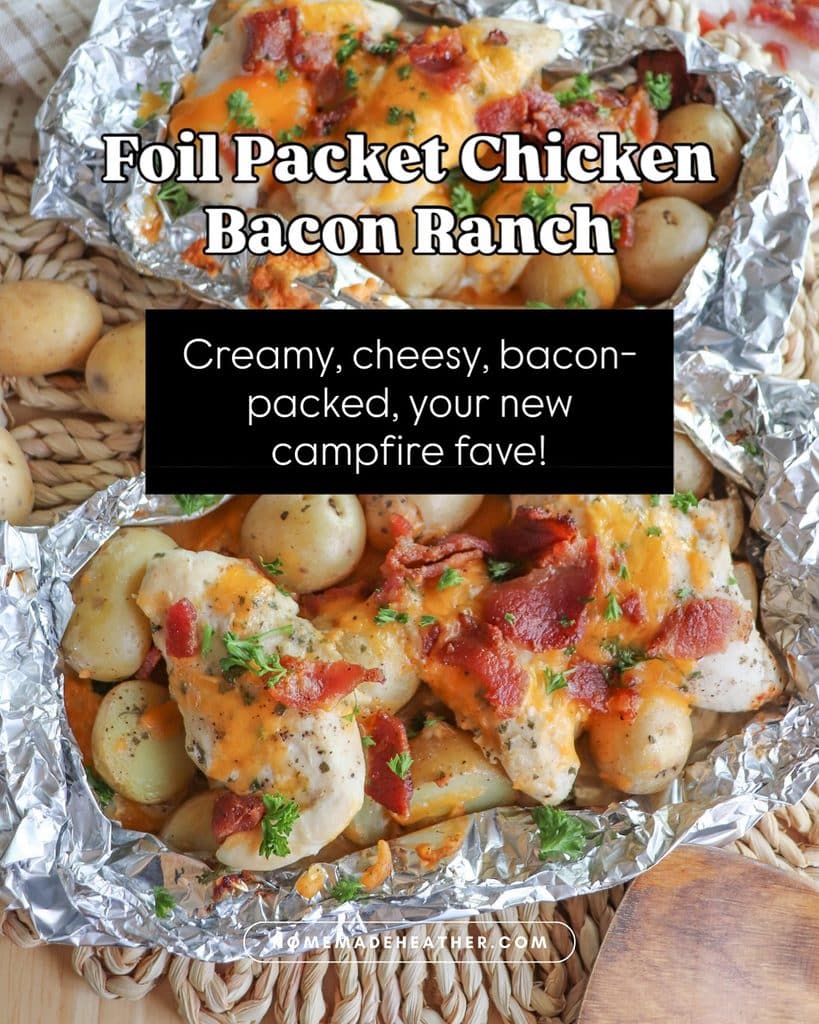
Fats, Sauces, and Seasonings
Foil packets benefit from a little moisture and fat.
Olive oil is a dependable choice. Butter brings richness. Garlic butter can turn a simple packet into something that smells suspiciously like you worked much harder than you actually did.
For seasoning, consider:
- Garlic
- Black pepper
- Smoked paprika
- Italian seasoning
- Cajun seasoning
- Chili powder
- Fresh herbs
- Lemon juice
- Barbecue sauce
Don’t be afraid to season the vegetables.
A common mistake is heavily seasoning the meat while treating the vegetables like innocent bystanders.
Every component deserves flavor.
How to Make Easy Foil Packet Meals
Once your ingredients are ready, assembly is straightforward.
1. Prepare the Ingredients
Cut the meat and vegetables into relatively even pieces.
This doesn’t mean every potato needs to be mathematically identical. We’re grilling dinner, not calibrating laboratory equipment.
But avoid pairing a huge potato chunk with a tiny piece of chicken.
For dense vegetables, use smaller cuts. For delicate vegetables, use larger pieces.
Keep raw meat refrigerated until you’re ready to assemble and cook.
2. Choose Heavy-Duty Foil
Regular aluminum foil can work, but heavy-duty foil is a better choice for grilling.
It’s stronger and less likely to tear when you move the packets.
For especially rugged outdoor cooking, such as campfire cooking, a double layer can provide additional protection.
Use enough foil to comfortably enclose the ingredients. You don’t want to wrestle with a tiny square of foil while raw chicken is trying to escape from every corner.
3. Season Everything
Place the ingredients in a bowl and toss them with your chosen oil, butter, seasoning, or sauce.
This distributes flavor more evenly than simply dumping seasoning over the top once everything is wrapped.
For a simple combination, try chicken, potatoes, bell peppers, onions, olive oil, garlic, smoked paprika, salt, and black pepper.
That’s already a solid dinner.
4. Build the Packet
Lay the foil flat and place the ingredients in the center.
Bring the long sides together over the food. Fold them down securely, then fold the ends inward to seal the packet.
You want a secure packet with a little room inside.
Don’t compress everything into a tight brick. Leave enough space for steam to circulate.
5. Grill the Packets
Preheat the grill before cooking.
Place the packets on the grill, generally with the seam facing upward. Cooking times will vary depending on the protein, vegetable size, packet size, and grill temperature.
The important thing isn’t memorizing one universal cooking time.
Use ingredient size and internal temperature as your guide.
Thick potatoes take longer than zucchini. Chicken takes longer than shrimp. A crowded packet takes longer than a loosely packed one.
That’s why foil packet cooking rewards attention more than stopwatch worship.
6. Check for Doneness
When you open a packet, watch out for escaping steam. That little cloud of steam can be much hotter than it looks.
Use a food thermometer to verify that meat has reached a safe internal temperature. Don’t rely entirely on color or texture, particularly with poultry.
If the vegetables aren’t tender or the meat needs more time, simply reseal the packet and return it to the grill.
7. Finish and Serve
Once everything is cooked, add a finishing touch.
Fresh parsley, cilantro, lemon juice, grated cheese, hot sauce, or a spoonful of barbecue sauce can brighten the finished meal.
You can serve the food directly from the foil or transfer it to plates. Either way, the grill has done most of the heavy lifting.
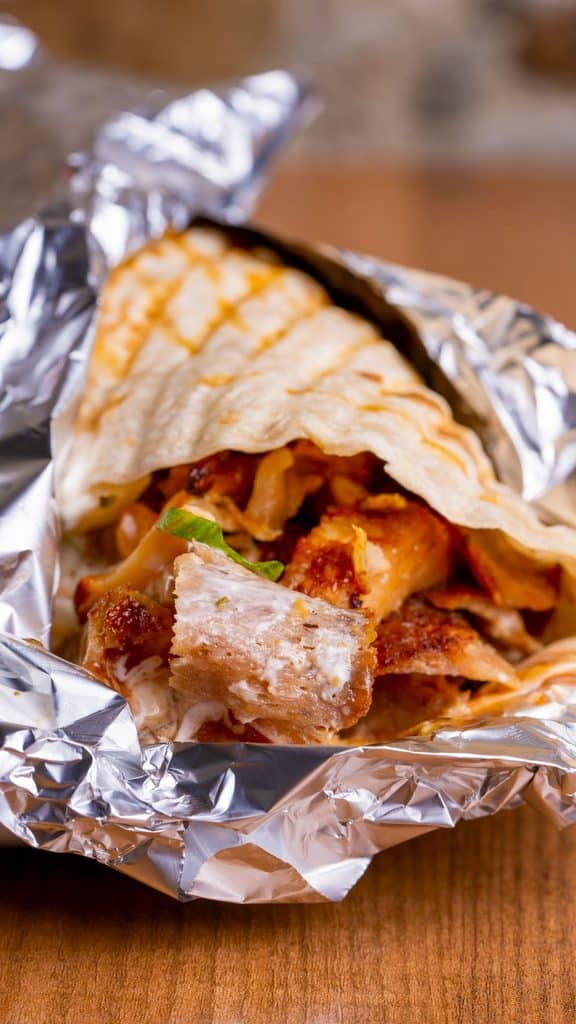
Easy Foil Packet Meal Combinations to Try
Once you understand the technique, experimenting becomes half the fun.
Garlic Herb Chicken and Vegetables
Combine chicken, potatoes, green beans, bell peppers, garlic, olive oil, and Italian herbs.
The potatoes absorb the savory juices from the chicken while the green beans and peppers bring color and freshness.
Sausage, Peppers, and Potatoes
This is one of the easiest combinations to get right.
Use sliced smoked sausage, small potatoes, bell peppers, onions, garlic, paprika, and black pepper.
The sausage releases flavorful fat as it cooks, essentially seasoning the rest of the packet for you.
That’s what I call efficient teamwork.
Steak and Mushroom Foil Packets
Use bite-sized steak pieces with mushrooms, onions, and potatoes. Add garlic butter and black pepper for a rich, steakhouse-style flavor.
For best results, make sure the potatoes are cut small enough to cook in the same timeframe as the steak.
Cajun Shrimp and Corn
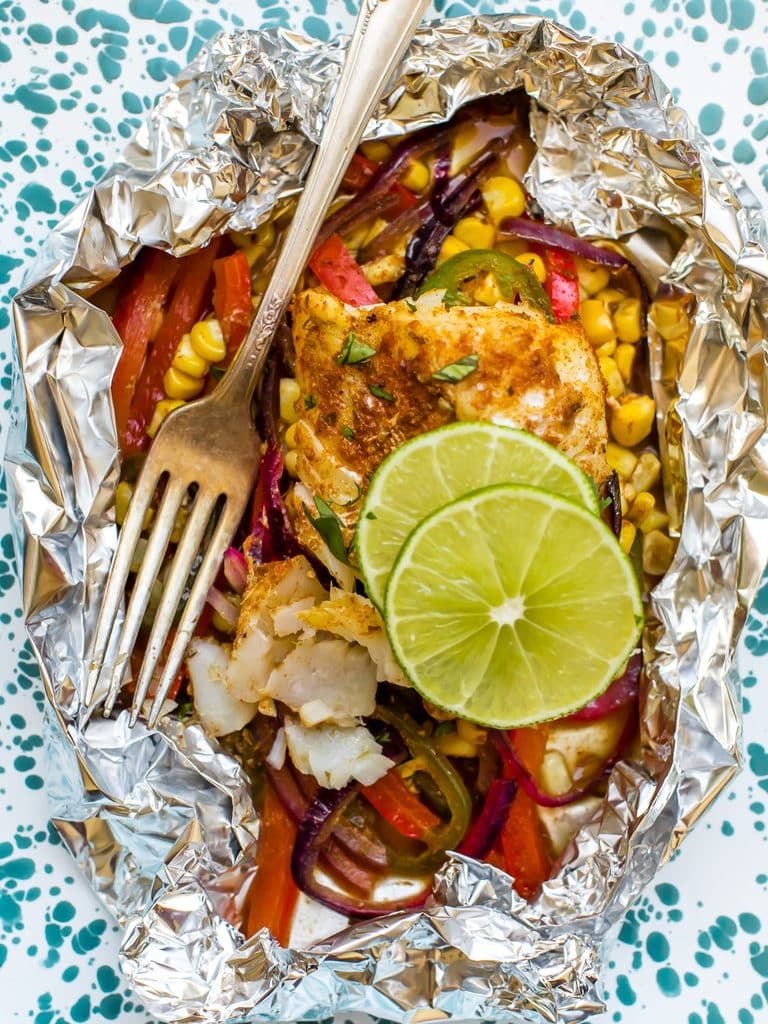
Shrimp, corn, bell peppers, zucchini, Cajun seasoning, butter, and lemon make a fast and flavorful packet. This combination is particularly useful when you want a meal that cooks quickly.
BBQ Chicken Foil Packets
Try chicken, corn, bell peppers, and potatoes with your favorite barbecue sauce.
Add the sauce toward the end if you want a more pronounced barbecue flavor and less chance of the sauce becoming overly dark from the grill’s heat.
Tips for Perfect Grilled Foil Packets
The difference between a good packet and a great one usually comes down to a handful of small details.
Cut Ingredients to Similar Sizes
Uniform pieces cook more evenly. This is especially important with meat and dense vegetables.
Give Dense Vegetables a Head Start
Potatoes and carrots are delicious, but they aren’t exactly known for their sense of urgency.
Slice them thinly, cut them small, or partially cook them before assembling the packets.
Don’t Overfill the Packets
A packet stuffed like a suitcase before vacation won’t cook efficiently. Keep the ingredients in a relatively even layer.
More food in the packet does not mean a better meal.
It usually means a longer cooking time.
Add Enough Moisture
A small amount of oil, butter, broth, or sauce helps prevent dryness and encourages steam production.
You don’t need to flood the packet. Too much liquid can leave vegetables soggy and dilute the seasoning.
Seal the Packet Properly
A good seal keeps juices and steam where they belong. A loose packet can leak, dry out, or fall apart when you try to move it.
Be Careful when Opening
This deserves repeating.
Steam burns are real.
Open the packet away from your face and hands. Use tongs or a long utensil when appropriate.
Use a Meat Thermometer
A thermometer takes the guesswork out of cooking meat. It’s especially useful when different packet sizes are cooking at once.
A pitmaster can smell smoke from halfway down the street, but even a good nose can’t tell you whether chicken has reached a safe internal temperature.
Common Foil Packet Mistakes to Avoid
A few predictable mistakes can turn a promising packet into a plate of culinary confusion.
Overfilling: The food cooks unevenly.
Oversized potatoes: They remain hard while everything else is finished.
Too little seasoning: The meal tastes flat.
Too much liquid: Vegetables become soggy instead of tender.
Thin foil: The packet tears and leaks.
Opening too early: Heat and steam escape before the food is finished.
Guessing when meat is done: A thermometer is safer and more reliable.
The good news is that most of these problems are easy to prevent.
Can You Prepare Foil Packets Ahead of Time?
Yes, foil packet meals can be assembled ahead of time, which makes them particularly useful for camping trips, busy weeknights, and backyard gatherings.
Prepare the vegetables, portion the meat, add your seasonings, and assemble the packets before you’re ready to grill.
Keep raw meat and other perishable ingredients properly refrigerated until cooking.
For some recipes, you may want to keep sauces separate until the packets go onto the grill. This can help prevent delicate vegetables from becoming overly wet and keeps sugary sauces from burning prematurely.
Make-ahead preparation also lets you create individual packets for different people.
One person wants spicy Cajun seasoning.
Another wants garlic butter.
Someone else apparently believes black pepper is too adventurous. No problem.
Foil packets make customization easy.
Foil Packet Meals for Grilling, Camping, and Weeknight Dinners
The versatility of foil packets is one of their biggest strengths.
For a backyard barbecue, prepare individual packets so everyone gets their preferred combination.
For camping, portion ingredients ahead of time and keep them properly chilled until you’re ready to cook.
For weeknight dinners, assemble the packets earlier in the day and grill them when everyone gets hungry.
They’re especially useful when you want a complete meal without managing multiple pans.
And because each packet can contain a protein and several vegetables, you don’t necessarily need separate side dishes.
One packet can be the whole dinner.
Final Thoughts: An Easy Dinner With Almost No Cleanup
Great grilling doesn’t always require a complicated rub, a twelve-hour smoke, or a brisket that demands more attention than a newborn.
Sometimes, dinner is a handful of ingredients wrapped in foil and placed on a hot grill.
That’s the charm of easy foil packet meals.
You get tender meat, flavorful vegetables, concentrated seasoning, and remarkably little cookware to clean afterward. Better yet, the method is flexible enough to fit whatever you have in the refrigerator.
Remember the basic formula:
Choose a protein. Add vegetables. Season generously. Add a little fat or sauce. Seal it well. Grill until everything is properly cooked.
From garlic herb chicken and potatoes to Cajun shrimp and corn, the combinations are nearly endless.
The real secret isn’t a complicated recipe. It’s understanding how your ingredients behave over heat.
Once you learn that, foil packets stop being a shortcut and become what they really are: one of the smartest ways to put a complete grilled meal on the table without turning cleanup into the second course.
Frequently Asked Questions
Can you put raw meat in foil packets?
Yes. Raw meat can be cooked directly inside a foil packet as long as it is handled safely and reaches the appropriate safe internal temperature before serving. A food thermometer is the most reliable way to check.
Do you need to flip foil packets on the grill?
Not always.
Whether flipping is useful depends on your grill, heat source, packet construction, and recipe. Many packets can cook without being flipped.
If you do flip them, use sturdy tongs and handle the packets carefully.
Should foil packets be sealed completely?
A secure seal is generally best because it helps retain steam and cooking juices. However, don’t wrap the ingredients so tightly that there is no room for steam to circulate.
Can vegetables and meat cook together?
Absolutely.
The key is choosing ingredients with compatible cooking times or adjusting the size of individual pieces.
Dense vegetables may need to be smaller or partially cooked before they go into the packet.
Can foil packets be cooked in the oven?
Yes.
The same basic technique can be adapted to oven cooking. Cooking temperature and timing will depend on the specific ingredients and recipe.
What vegetables work best in foil packets?
Potatoes, onions, bell peppers, corn, zucchini, mushrooms, carrots, green beans, and broccoli are all excellent choices.
The important consideration isn’t simply whether a vegetable tastes good. It’s how quickly it cooks.
Featured image credit: @yummmydish
