
Strip away the marketing buzz, and half the barbecue rubs sitting on store shelves are essentially identical.
We have all seen the guy at the neighborhood cookout dumping half a tub of sugary, neon-red dust onto a gorgeous $60 thick-cut ribeye, convincing himself he is a culinary genius.
Fifty bucks says that steak ends up tasting like a burnt spoonful of chili powder and maple sugar.
If you are tired of masking good meat with the same generic spice mixes, it is time to upgrade the arsenal.
The secret weapon blowing up backyard pits right now isn’t a top-secret hardwood blend or an absurdly expensive offset smoker.
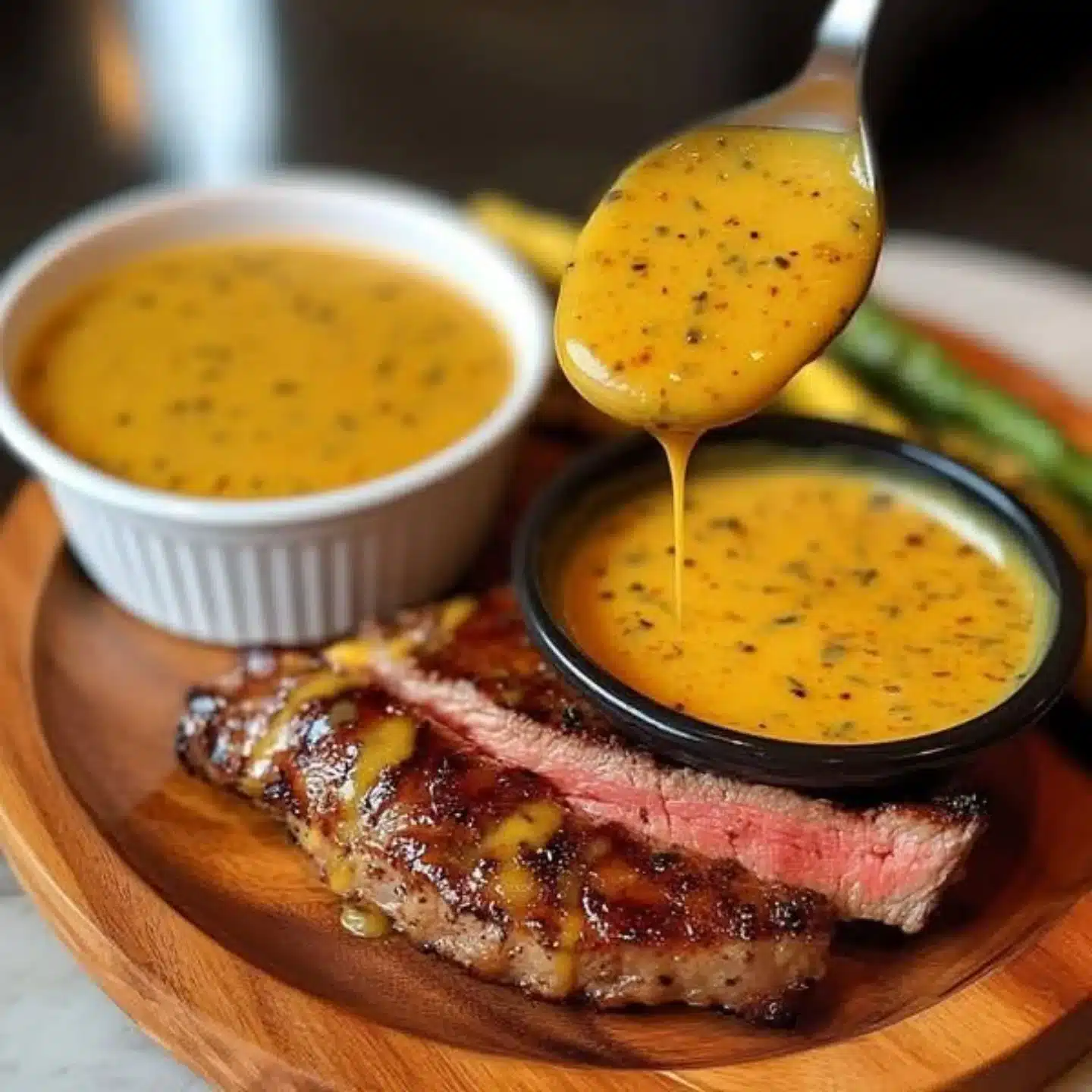
It is the cowboy butter rub – a rich, tangy, garlic-loaded power move that bridges the gap between a high-end steakhouse compound butter and an aggressive barbecue seasoning.
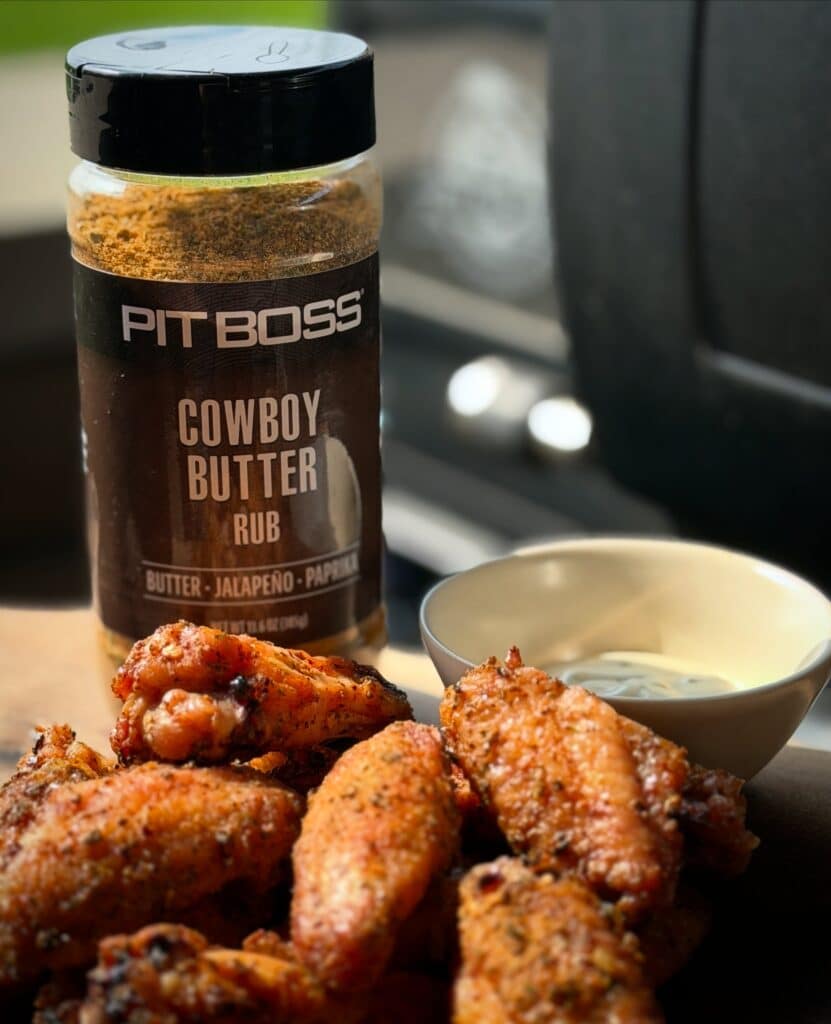
What Is a Cowboy Butter Rub?
To understand why this mixture works so well, you have to look at the flaw of the classic liquid dipping sauce.
Melted cowboy butter is fantastic, but dipping your meat in a dish of oil and fat right before taking a bite often washes away the gorgeous crust you spent forty-five minutes managing over open coals.
A true cowboy butter rub solves this problem by turning those exact same legendary dipping flavors – garlic, citrus, herbs, and spice – into an adhesive paste or dry prep rub that cooks with the meat.
The profile hits four distinct flavor pillars simultaneously:
- Richness: Real butter fat (or heavy-duty powdered butter) that bastes the meat from the outside in.
- Pungency & Acid: Heavy garlic and freshly grated lemon zest that slice right through heavy animal fats.
- Herbaceous Lift: Dried or finely chopped parsley, thyme, and chives to balance the savory weight.
- The Kick: Crushed red pepper, cracked black pepper, and cayenne that linger just enough to keep you reaching for another beer.
Key Ingredients & Smart Substitutions
Getting this mix right requires zero pretension, but it does demand respect for ratios. If you dump in too much sugar, it scorches; too little salt, and the fat tastes flat.
- Unsalted Butter (or Butter Powder): Softened real butter creates a slather-ready paste. If you are prepping a long-term dry storage batch, swap in high-grade powdered butter fat.
- Fresh Minced Garlic: Skip the pre-minced jar stuff floating in mysterious liquid. It tastes like sad copper. Use fresh cloves or coarse dehydrated garlic.
- Lemon Zest: The undisputed hero of the entire recipe. The bright citric oils pull the whole savory circus together.
- Smoked Paprika: Adds depth, deep mahogany color, and a subtle nod to classic low-and-slow smoke.
- The Herb Trio: Parsley, thyme, and chives. Fresh works best if cooking immediately, but dried herbs hold up better against direct, high-heat searing.
- Crushed Red Pepper & Cayenne: Adjust this dial to match your tolerance for heat, but do not skip it entirely – the butter fat needs a little spice to cut through.
The Maillard Miracle: Why Butter Fat Beats Oil for Crusts
Most cooks reach for canola or olive oil as a binder, but oil lacks the chemical secret weapon hiding inside butter: a natural milk solids and water emulsion.
Plant-based oils simply insulate meat, while butter actively transforms the entire outer texture through three distinct mechanisms:
- Accelerated Crust Formation: Milk proteins fuse with surface amino acids on contact with the grate, triggering a rapid Maillard reaction that yields a deep, crunchy, mahogany crust.
- Steam-Tenderized Interior: As the natural water content boils off in micro-bursts, it forms tiny steam pockets that tenderize the outer muscle fibers to lock in moisture.
- Unmatched Flavor Depth: The browned dairy solids deposit rich, caramelized flavor profiles that neutral or vegetable-based oils cannot replicate.
The Cold-Smoked Butter Base Upgrade
To push this recipe into competition territory, skip plain softened butter and cold-smoke your butter blocks first using this simple method:
- Set the Smoker Target: Calibrate your pit between 15°C and 27°C (60°F–80°F) using sweet applewood or pecan wood pellets.
- Infuse the Fat: Place unsalted butter blocks over indirect smoke for roughly 45 minutes, ensuring the temperature stays low enough to prevent melting.
- Build Complex Flavor: The fat absorbs a smooth, woody depth before blending with the garlic, herbs, and lemon zest.
- Elevate Quick Cooks: Applying this cold-smoked butter fat to quick-cooking cuts like thick pork chops or jumbo shrimp delivers a long-and-slow woodfire aroma in a fraction of the time.
Pairing Acid and Fat: The Craft Beer & Wine Equation
A heavy, fat-rich seasoning mix demands a strategic beverage pairing to reset your palate between bites, as the dense garlic, butterfat, and lemon oils quickly coat the tongue.
- Top Pour Choices: Match the dish with a citrus-forward West Coast IPA or a high-acid Unwooded Chardonnay. Sharp hops and crisp fruit acids slice through heavy dairy fats to keep your palate refreshed.
- What to Avoid: Skip overly malty stouts or heavy, oak-aged wines.
- Flavor Clash: Dark, oaky beverages compete directly with the smoked paprika and cayenne, turning an otherwise crisp flavor balance into a heavy, muddy finish.
How to Apply & Cook with Cowboy Butter Rub
Using a butter-based rub isn’t quite the same as slapping a standard dry spice mix onto a rack of baby backs. Butter contains milk solids and water, which means it behaves differently over live fire.
- Direct-Searing (The Slather Method): Slother a generous layer of the cowboy butter rub directly onto steaks, chops, or chicken 30 minutes before grilling. The fat acts as an incredible heat conductor, creating a deep, caramelized crust without burning the meat underneath.
- The Foil Wrap Hack: If you are smoking ribs or pork shoulder, use this rub during the wrap phase. Instead of just adding squeeze-butter and brown sugar, pack a heavy layer of this rub along the top of the meat before wrapping tightly in foil or butcher paper.
- The Log & Slice Finish: Double the recipe, roll half of the rub mixture into a tight log using parchment paper, and throw it in the fridge. Slice cold discs directly over hot steaks the second they come off the grate for an instant finish.
Keep an eye on your heat zones. Direct high heat will scorch garlic if left unattended, so keep a cooler two-zone safety area on your grill to shift the meat if flare-ups get out of hand.
Best Meat Pairings & Tips
This rub is surprisingly versatile, but certain cuts practically demand it.
- Thick-Cut Ribeyes & NY Strips: The high intramuscular fat of a good steak pairs seamlessly with the lemon-garlic acidity.
- Spatchcock Chicken: Rub a liberal amount underneath the skin directly onto the breast meat before roasting or smoking.
- Grilled Lobster Tails & Swordfish: Seafood craves citrus and butter; this gives it an edge without overpowering the delicate flesh.
A quick tip for the road: If you find the butter flares up too much over raw charcoal, swap the softened butter for clarified butter or ghee.
Ghee removes the milk solids and water, raising the smoke point significantly while keeping every ounce of rich, nutty butter flavor intact.
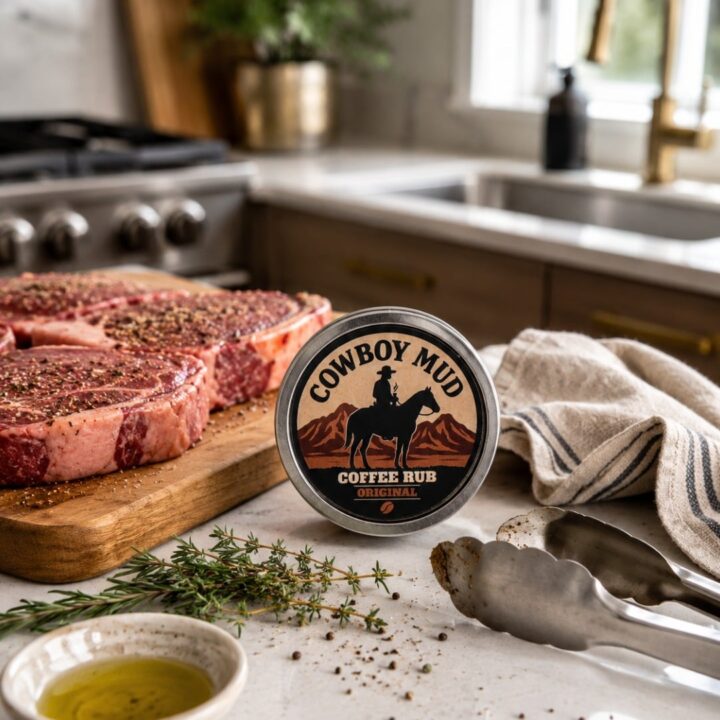
The Ultimate Cowboy Butter Rub Recipe
Image credit: @cowboymudrub
Ingredients
- Ingredients:
- 1/2 cup Unsalted Butter, brought to room temperature (or 4 tbsp butter powder mixed with 2 tbsp water)
- 4 cloves Garlic, finely minced
- 1 tbsp Fresh Lemon Zest
- 1 tbsp Fresh Parsley, finely chopped
- 1 tsp Fresh Thyme leaves
- 1 tsp Dried Chives
- 1 tsp Smoked Paprika
- 1 tsp Kosher Salt
- 1/2 tsp Coarsely Cracked Black Pepper
- 1/2 tsp Crushed Red Pepper Flakes
- 1/4 tsp Cayenne Pepper
Instructions
- Combine the Dry Base: In a small bowl, whisk together the garlic, lemon zest, paprika, salt, black pepper, red pepper flakes, cayenne, and herbs until uniformly mixed.
- Fold in the Fat: Add the softened butter to the bowl. Use a fork to mash and fold the dry seasonings directly into the butter until it forms a uniform, vibrant green-and-red speckled paste.
- Let the Flavors Bloom: Cover the bowl and let it sit on the counter at room temperature for at least 15 minutes. Fat absorbs aromatic compounds best when given a moment to rest.
Featured image credit: @chef_zouheir
