
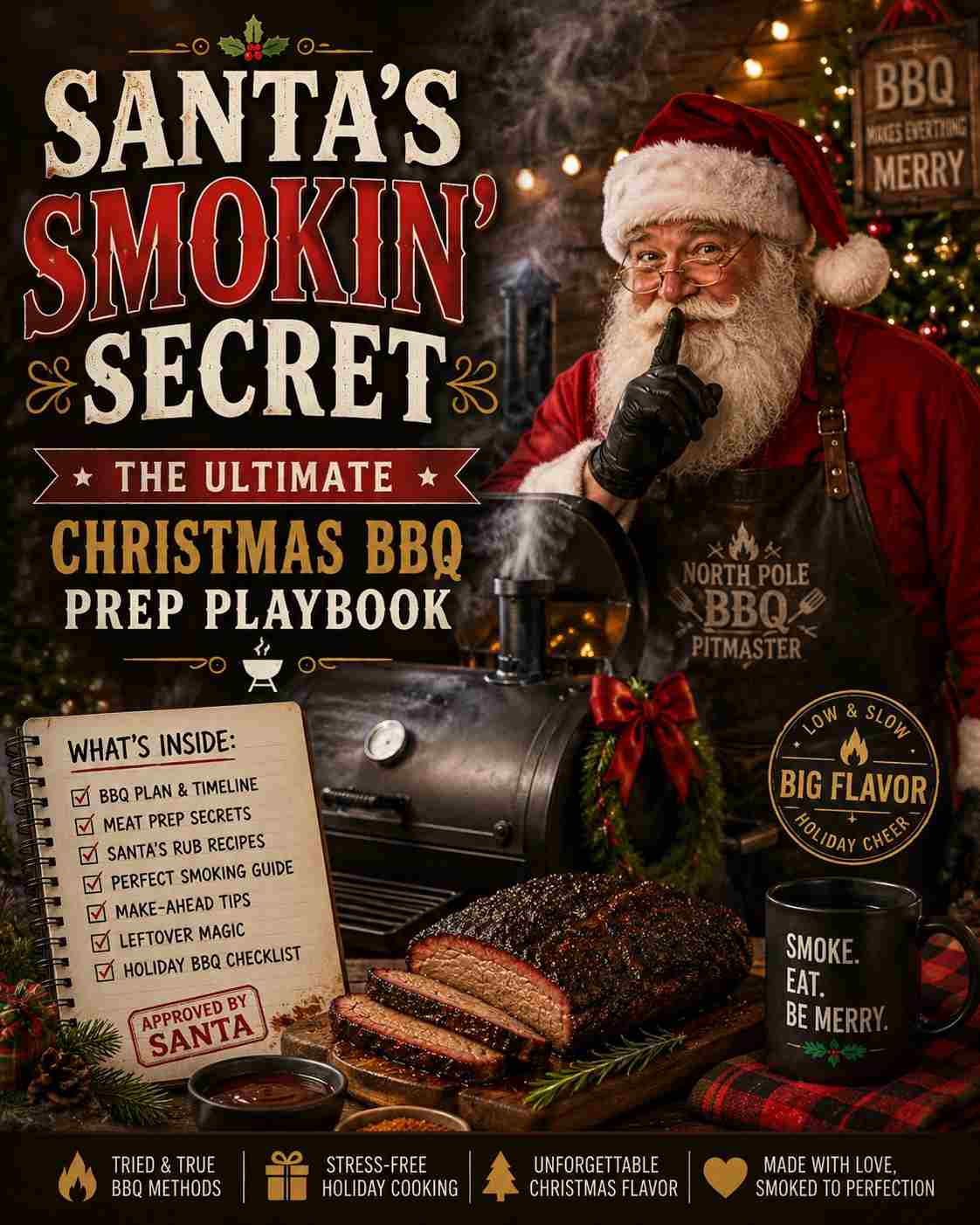
Although Christmas is still a ways off, plenty of people are already gearing up for the holiday hustle in more ways than one – and locking in your game plan for an epic Christmas BBQ is definitely top of the list.
Christmas has a funny way of turning perfectly reasonable adults into frantic kitchen generals.
Someone is asking where the gravy is, someone else has eaten the “reserved” sausages, and the turkey is somehow both too dry and still mysteriously cold in the middle.
Then there’s the person standing in front of the oven saying, “It’ll be fine,” with the confidence of a man who has absolutely no idea whether it will be fine.
Here’s a better idea: take Christmas outside and fire up the grill.
A properly planned Christmas BBQ can be more relaxed, more social, and arguably more fun than a traditional holiday feast. The catch? You cannot wing it. Great BBQ rewards patience and preparation, not Christmas miracles.
The real secret behind a smoky holiday feast isn’t some mysterious Santa-approved seasoning.
It’s doing the right work before Christmas Day arrives.
From choosing the right meats and building a sensible menu to managing fire, timing, sauces, sides, and food safety, this guide covers everything you need to turn your Christmas BBQ into the kind of feast people talk about long after the wrapping paper has disappeared.
Why Christmas BBQ Prep Starts Early
A Christmas BBQ sounds wonderfully simple until you’re cooking for 10, 15, or 20 hungry relatives.
Suddenly, the grill becomes a small-scale logistics operation.
Different meats need different temperatures. Some cuts need hours of cooking.
Others need only minutes. Your sides need attention. Your guests need drinks. And somebody will inevitably ask, “Is it ready yet?” approximately seven minutes after you put the meat on.
Preparation is what separates a relaxed BBQ from a holiday barbecue emergency.
Start by deciding three things:
- How many people are you feeding?
- What exactly are you cooking?
- What time do you want everyone eating?
That third question matters more than you might think.
Don’t start with, “I’ll put the meat on around noon.” Start with your desired serving time and work backward. A large smoked cut may need several hours of cooking, plus resting time. Add a little extra time for the unexpected because BBQ has a sense of humor.
A brisket that decides to take an extra hour is not interested in your Christmas schedule.
Your basic preparation strategy
- Choose the menu early.
- Buy long-lasting ingredients ahead of time.
- Prepare rubs and sauces before the big day.
- Marinate or season meats according to their requirements.
- Check your grill or smoker.
- Buy enough fuel.
- Build a cooking timeline.
- Leave yourself a buffer.
The goal isn’t to cook faster. The goal is to avoid needing to.
Build Your Christmas BBQ Game Plan
A great Christmas BBQ begins with a menu that makes sense.
That sounds obvious, but holiday cooks often make the same mistake: they choose too many dishes because everything sounds delicious.
Smoked brisket? Absolutely.
Ribs? Of course.
Chicken? Why not?
Three kinds of sausages? Naturally.
Grilled prawns, corn, potatoes, vegetables, homemade bread, six sauces and Aunt Linda’s famous salad? At this point, congratulations. You’ve accidentally opened a restaurant.
Choose a manageable menu rather than trying to prove something.
A good BBQ menu should have a main attraction, supporting players, and a few easy sides.
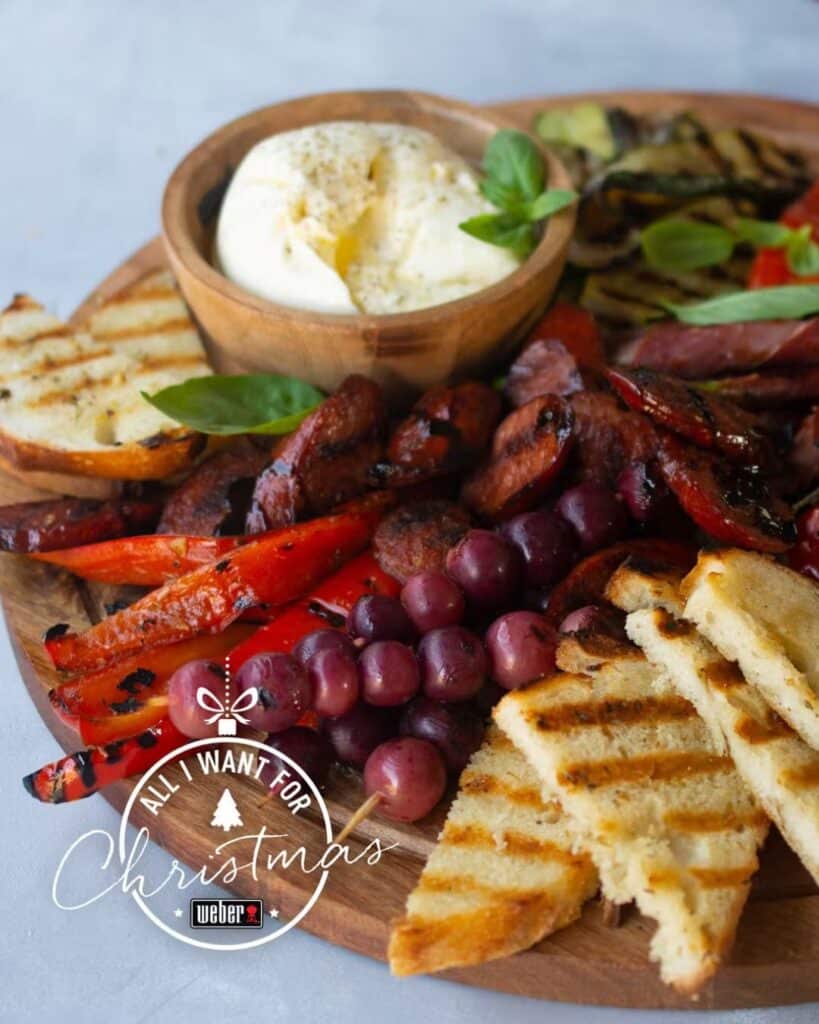
For example, your centerpiece could be smoked beef, complemented by grilled chicken, sausages, roasted vegetables, a fresh salad, bread, and two sauces.
Think about cooking temperatures and timing when choosing your menu. Foods that can share the same cooking environment are your friends.
Consider your guests.
Before buying a mountain of meat, consider who is actually coming.
Children may prefer chicken or sausages. Some guests may avoid certain meats. Others may be vegetarian or have food allergies.
A thoughtful Christmas BBQ doesn’t require a separate five-course menu for everyone. It simply means making sure nobody is left staring sadly at a bowl of lettuce while everyone else attacks the ribs.
Know your guest list before you finalize your shopping list.
Choose the Right Christmas BBQ Meats
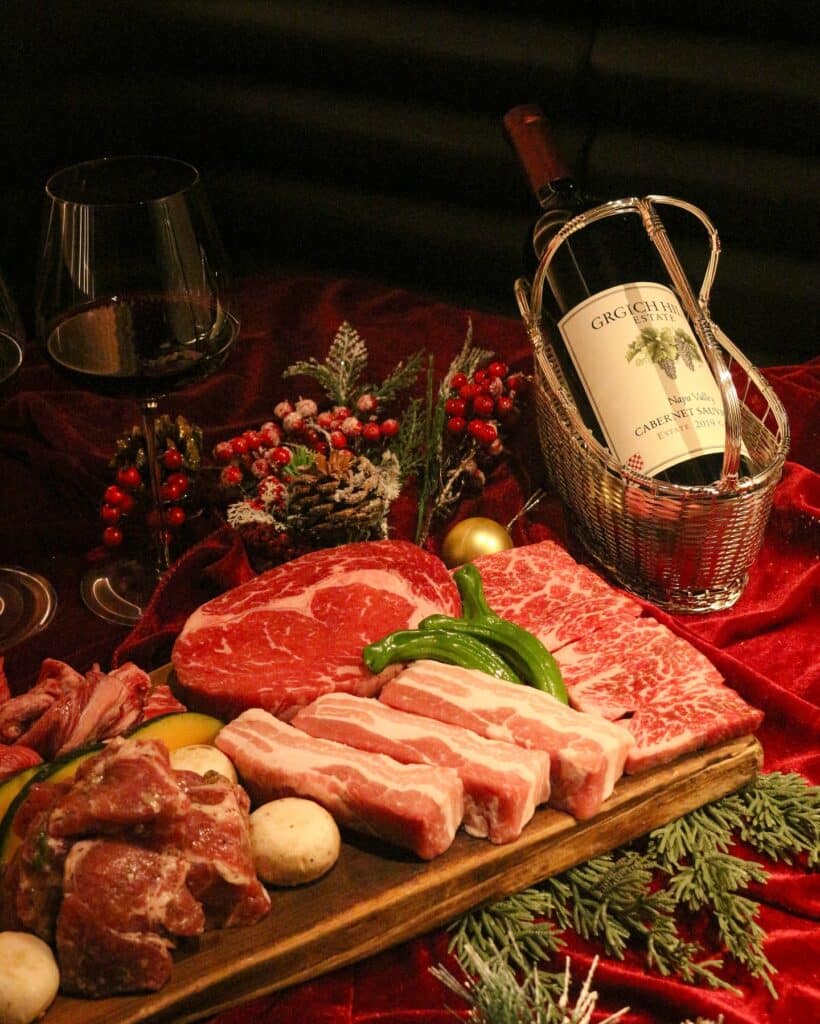
The best meat isn’t necessarily the most expensive cut. It’s the cut that fits your equipment, time, budget, and cooking skills.
Brisket
Brisket is a classic low-and-slow option. It rewards patience with deep flavor and tender texture.
The downside?
It doesn’t care about your schedule.
A brisket can take many hours, and the cooking time can vary considerably depending on its size and how it behaves during the cook.
That makes it a fantastic choice for experienced BBQ cooks who can start early and keep an eye on temperature.
Ribs
Ribs bring plenty of festive appeal without demanding the same commitment as a large brisket.
They can be smoked until tender and finished over higher heat to develop a caramelized exterior.
Don’t drown ribs in sauce from the beginning. Sugary sauces can burn when exposed to high heat for too long.
Add sauce toward the end so it can become sticky and glossy without turning into charcoal.
Chicken
Chicken is practical, versatile, and generally easier to manage.
Thighs are particularly forgiving because they contain more fat and connective tissue than leaner cuts. They can handle a little extra cooking without becoming completely dry.
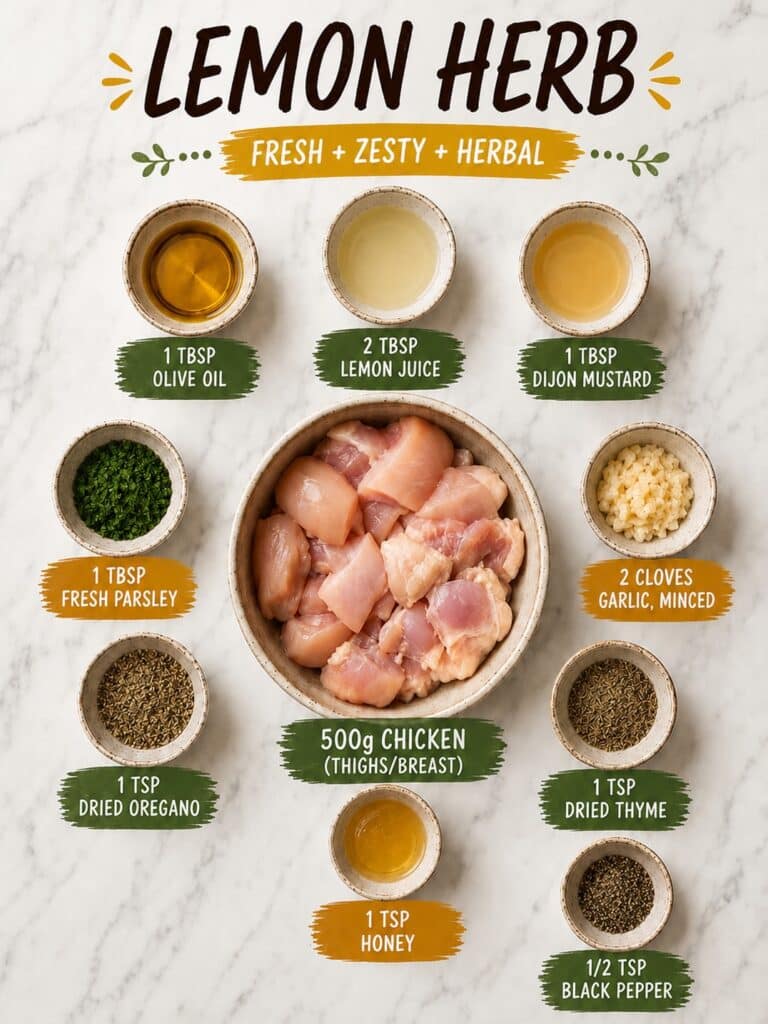
For Christmas, chicken also gives you room to play with flavor. A smoky spice rub, citrus marinade, or sticky BBQ glaze can completely change the character of the dish.
Steak and Sausages
Steaks are ideal for cooks who want something quick. Sausages are even easier and are practically the unofficial mascot of backyard BBQs.
Just remember that fast-cooking meats should generally be scheduled toward the end of your cook, rather than sitting around while you finish everything else.
Santa’s Smokin’ Secret: Seasoning, Marinades and Rubs
Great BBQ isn’t about dumping a bottle of sauce over meat five minutes before dinner.
Flavor starts much earlier.
A dry rub can create a flavorful crust. A marinade can introduce acidity, herbs, spices, and other flavors. A sauce can provide the finishing touch.
Each has a different job.
Dry Rubs
A basic rub might contain salt, black pepper, paprika, garlic, onion, herbs, chili, and a little sugar.
The exact combination depends on the meat.
Salt is especially important because it does more than make food taste salty. Given enough time, it helps season the meat more deeply.
Apply your rub according to the recipe and cut you’re cooking. Large cuts benefit from more preparation time than small pieces.
Don’t pile on an enormous layer simply because more seasoning looks impressive. You want balance, not a spice landslide.
Marinades
Marinades work particularly well with chicken and certain smaller cuts.
Acidic ingredients such as citrus juice or vinegar can add brightness, while oil and seasonings help build flavor.
But longer isn’t always better.
A highly acidic marinade can negatively affect the texture of some meats when left too long.
Follow the principle: enough time to flavor, not enough time to wreck the texture.
BBQ sauce
Sauce is the final handshake between the cook and the eater.
Sweet sauces work beautifully with smoke, but sugar can burn over aggressive heat. Apply sweet sauces late in the cooking process, particularly when finishing meat directly over the flames.
For a more interesting spread, offer two contrasting sauces.
Try one that’s sweet and smoky and another that’s sharp, spicy, or vinegar-forward.
That gives guests a choice and makes the meal feel more considered without creating another kitchen project.
Prepare Your Grill or Smoker for Christmas Day
Christmas morning is not the time to discover that your grill has developed the structural integrity of a garden ornament.
Inspect your equipment before the holiday.
Clean the grates. Remove old grease. Check gas connections if you’re using a gas grill. Make sure your charcoal, wood, pellets, or other fuel supply is sufficient.
And buy more fuel than you think you’ll need.
Running out halfway through a long cook is one of those mistakes that becomes very funny about six months later.
Not on Christmas Day.
A reliable thermometer is also essential.
The lid thermometer tells you what’s happening around the grill. A probe thermometer tells you what’s happening inside the meat.
Those are two very different pieces of information.
Create Cooking Zones
A two-zone setup is incredibly useful.
One side provides direct heat. The other provides indirect heat.
This allows you to move food when necessary.
A thick piece of meat can cook gently away from the flames before being moved over direct heat for browning. Smaller foods can cook directly when you need speed.
Control the fire instead of letting the fire control you.
That’s one of the biggest differences between simply grilling and properly managing a BBQ.
Your Christmas BBQ Prep Timeline
A simple timeline keeps the holiday from turning into a fire drill.
One to Two Weeks Before
Start with organization rather than cooking.
- Finalize the guest list.
- Plan the menu.
- Check your grill or smoker.
- Check thermometers and tools.
- Buy non-perishable ingredients.
- Decide what can be prepared ahead.
This is also the time to think about your cooking capacity.
A grill can only hold so much food. If your planned menu requires three times the available cooking space, change the menu now – not when hungry relatives are standing around.
Three to Four Days Before
Buy fresh ingredients and organize the kitchen.
Prepare sauces, rubs, dressings, and other items that will keep well.
Check your serving equipment. Holiday meals have a habit of revealing that you own 14 dinner plates but somehow only one serving spoon.
The Day Before
This is when the heavy lifting should happen.
Trim large cuts where appropriate. Apply rubs according to your recipes. Prepare salads and sides that can safely be made ahead.
Marinate foods that benefit from advance preparation.
Organize your refrigerator so raw meats are stored safely and separately from ready-to-eat foods.
The more work you complete the day before, the more enjoyable Christmas Day becomes.
Christmas Morning
Get the fire going early enough for the grill or smoker to reach a stable temperature.
Start long-cooking meats first.
Don’t rush the preheating stage. A grill that hasn’t stabilized can produce inconsistent temperatures, which makes cooking more difficult.
Keep your cooking schedule visible.
A piece of paper taped near the grill works perfectly. You don’t need a fancy BBQ command center.
Write down:
- What is cooking
- When it went on
- Target temperature
- Expected finishing time
- Resting time
- When it needs to be served
Before Serving
Check the internal temperature of meats with a reliable food thermometer.
Once cooked, allow appropriate resting time.
Then slice, plate, garnish, and serve.
And finally, do the most important thing of all:
Step away from the grill.
Your guests came to see you, not your backside disappearing behind a smoker for six consecutive hours.

Don’t Forget the Supporting Cast
A Christmas BBQ needs more than meat.
Rich, smoky food becomes much more enjoyable when paired with fresh, bright, crunchy, or acidic sides.
Think grilled vegetables, fresh salads, potato dishes, bread, corn, roasted vegetables, or crisp slaws.
You don’t need 12 side dishes.
Two or three excellent sides beat seven mediocre ones.
The same principle applies to desserts.
Choose something that can be prepared ahead so you’re not trying to bake a complicated dessert while monitoring a brisket.
Drinks should also be easy to access.
Set up a dedicated drinks area if possible. That keeps people away from the cooking station and prevents someone from asking you to open a bottle while you’re simultaneously trying to rescue a flare-up.
Christmas BBQ Food Safety Essentials
Good BBQ is about flavor, but good food safety is non-negotiable.
Keep raw meat refrigerated until you’re ready to cook it. Store raw and cooked foods separately.
Use different utensils and plates for raw and cooked meat.
Never place cooked meat back onto a plate that held raw meat unless the plate has been thoroughly cleaned.
Use a food thermometer rather than relying on appearance alone.
Color isn’t always a reliable indicator of doneness.
Pay attention to how long perishable foods have been sitting out, particularly in warm weather. Keep cold foods properly chilled and don’t let the buffet become an all-day food display.
And keep your cooking area clean.
A BBQ can get messy quickly, but grease, raw meat juices, and dirty utensils are not festive decorations.
Common Christmas BBQ Mistakes to Avoid
Even experienced cooks make mistakes. The trick is not making the same ones every Christmas.
Starting Too Late
A long cook cannot be bullied into finishing early. Start earlier than you think you need to.
Overloading the Grill
More food doesn’t mean more productivity if heat can’t circulate properly. Give your food room.
Constantly Opening the Lid
Every time you open the grill, heat escapes. Trust your thermometer.
Saucing Too Early
Sugary sauces can burn. Save the glaze for the finishing stage.
Forgetting Resting Time
Resting isn’t dead time. It’s part of the cooking process. Build it into your schedule.
Trying a Complicated New Recipe
Christmas Day is a terrible time to discover that your experimental 14-step BBQ recipe is much harder than the internet made it look. Try new recipes beforehand.
Christmas is for confidence, not culinary gambling.
The Ultimate Christmas BBQ Checklist
Before the big day, run through this quick list:
Food
- Main meats
- Vegetables
- Side dishes
- Sauces
- Bread
- Desserts
Seasoning
- Salt
- Spices
- Dry rub ingredients
- Marinades
- BBQ sauces
BBQ Equipment
- Grill or smoker
- Fuel
- Thermometer
- Tongs
- Trays
- Foil
- Heat-resistant gloves
Serving
- Plates
- Cutlery
- Napkins
- Serving dishes
- Storage containers
Safety
- Clean utensils
- Separate raw and cooked food
- Proper refrigeration
- Food thermometer
Backup supplies
- Extra fuel
- Ice
- Foil
- Paper towels
- Containers for leftovers
That final category deserves more respect than it gets.
Always have extra fuel.
Christmas has a remarkable ability to turn “I have plenty” into “How is the bag already empty?”
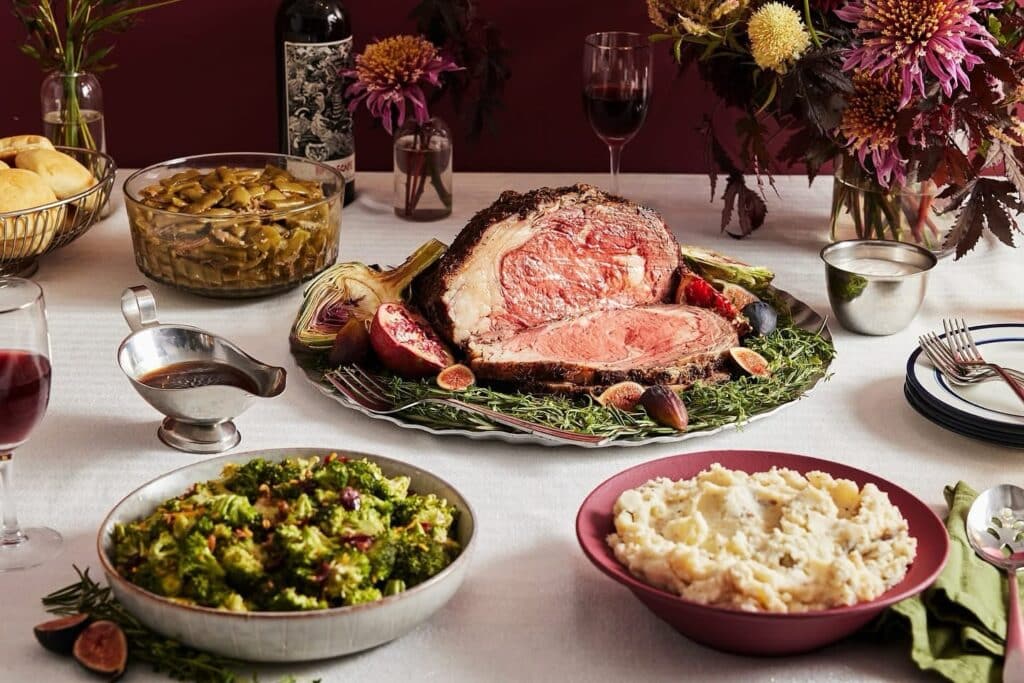
The Real Secret to a Great Christmas BBQ
The best Christmas BBQ isn’t necessarily the one with the biggest brisket, the fanciest smoker, or the most complicated rub.
It’s the one where the food is hot, the meat is properly cooked, the sides are ready, and the person doing the cooking actually gets to sit down and eat.
That’s the part worth remembering.
Preparation creates freedom.
Plan your menu before Christmas. Buy what you need. Season ahead.
Check your equipment. Build a realistic cooking timeline. Give long-cooking meats plenty of time. Keep the grill organized. Use a thermometer. And don’t be afraid to simplify the menu.
Most importantly, remember that BBQ is supposed to be enjoyable.
The smoke should smell good. The fire should be under control.
The meat should have time to develop flavor. And your family should hear you laughing more often than they hear you shouting, “WHO MOVED MY TONGS?”
Christmas doesn’t need another stressed-out cook.
It needs good food, good company, and a grill that’s doing exactly what it’s supposed to do. So light the fire, keep the menu sensible, and let Santa keep his secrets.
Your smokin’ secret is simple: prep early, cook patiently, and enjoy the feast.
Frequently Asked Questions
1. What is the best meat for a Christmas BBQ?
Popular choices include ribs, brisket, chicken, steak, and sausages. Choose based on your guest count, available cooking time, budget, and BBQ setup.
2. How far in advance should I prepare for a Christmas BBQ?
Start planning one to two weeks before Christmas. Prepare sauces and rubs a few days ahead, and season or marinate suitable meats the day before.
3. How do I plan the cooking time for a Christmas BBQ?
Start with your desired serving time and work backward. Cook long-cooking meats first, schedule quicker foods later, and allow extra time for resting and unexpected delays.
4. How do I keep BBQ meat from drying out?
Choose the right cuts, maintain a stable cooking temperature, avoid overcooking, and let the meat rest before serving. A reliable meat thermometer is essential for consistent results.
5. Should I put BBQ sauce on meat before or after cooking?
For most sweet BBQ sauces, apply them near the end of cooking. The sugar in many sauces can burn over high heat, while late application creates a flavorful, sticky glaze.
6. What sides go well with a Christmas BBQ?
Grilled vegetables, fresh salads, potato dishes, slaws, corn, and bread all work well. Balance rich, smoky meats with fresh and lighter sides for a more enjoyable meal.
7. What are the most common Christmas BBQ mistakes?
The biggest mistakes include starting too late, overcrowding the grill, opening the lid too often, saucing meat too early, forgetting resting time, and running out of fuel.
8. How do I keep food safe during a Christmas BBQ?
Keep raw meat refrigerated, separate raw and cooked foods, use clean utensils and plates, and check meat with a food thermometer. Don’t leave perishable food sitting out for extended periods, particularly in warm weather.
Featured image credit: ChatGPT
