
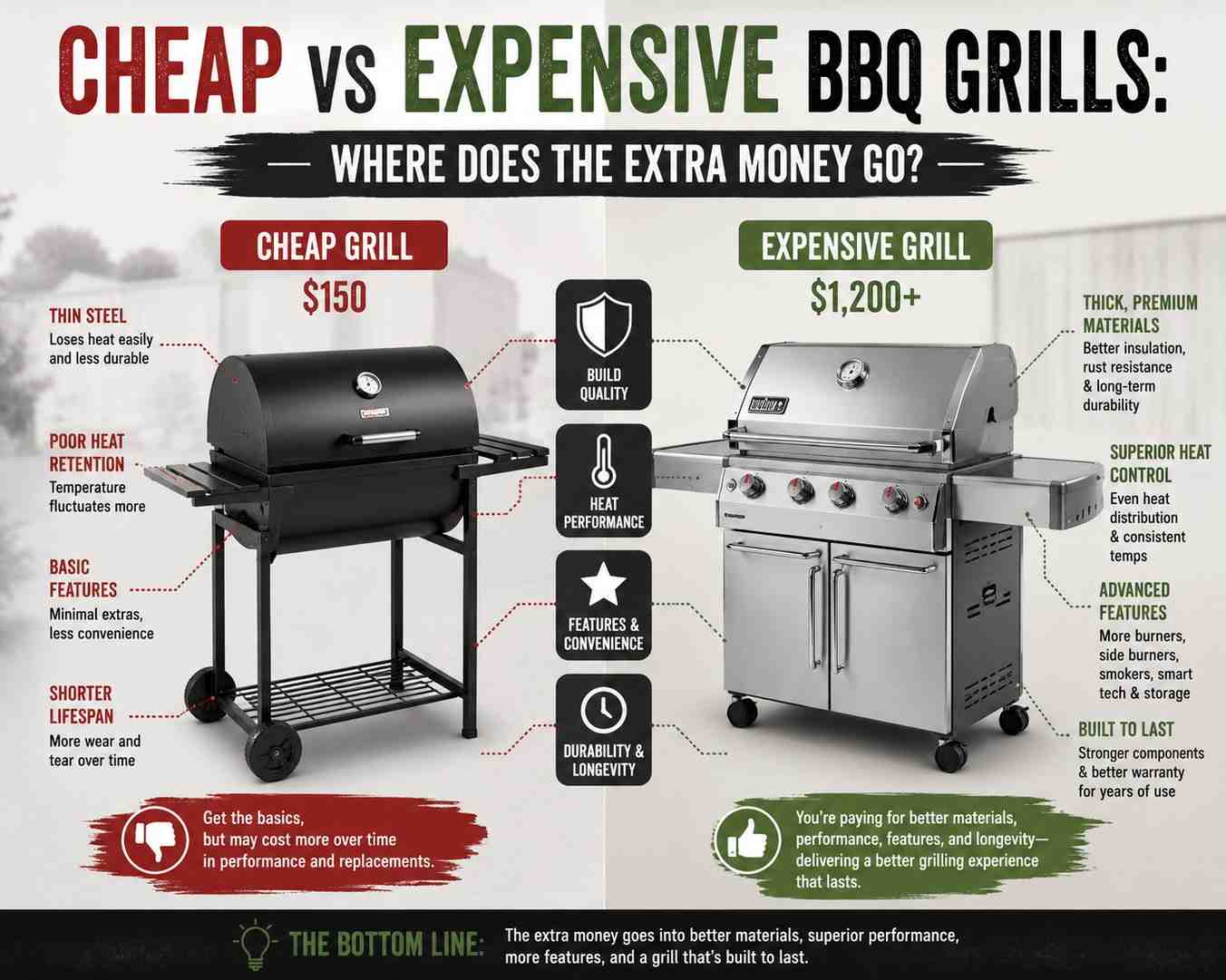
Walk into any grill store and you’ll see something that confuses a lot of buyers. One BBQ grill costs $200. Another sitting right beside it costs $2,000.
At first glance, they both have burners, cooking grates, and a lid. They both promise burgers, steaks, and backyard cookouts. So naturally, people ask the same question:
Where does all that extra money go?
My journey through the world of smokers, charcoal pits, pellet grills, and gas grills has taken me to both ends of the spectrum, where I have cooked championship barbecue on cheap gear and tested premium setups worth thousands.
The truth is that cheap vs expensive BBQ grills isn’t simply a question of cooking food. It’s a question of construction, consistency, durability, convenience, and long-term value.
And no, an expensive grill doesn’t automatically make someone a pitmaster.
If that were true, every backyard cook with a luxury grill would be winning competitions, and we’d all know that’s not how barbecue works.
Let’s break down exactly where the extra money goes and whether it’s worth paying for.
Why BBQ Grill Prices Vary So Much
The first thing buyers should understand is that grills aren’t priced randomly.
A budget grill typically falls between $100 and $500. Mid-range models often sit between $500 and $1,200. Premium grills can easily climb past $2,000, and some luxury outdoor kitchen setups reach five figures.
That price difference usually comes down to four major factors:
- Materials
- Manufacturing quality
- Features
- Brand support
Think of it like buying a pickup truck.
Both a basic truck and a luxury truck can haul lumber. The difference is how well they do it, how long they last, and how comfortable the experience is.
The same principle applies to grills.
The biggest misconception in the cheap vs expensive BBQ grills debate is that you’re paying only for cooking performance. In reality, you’re paying for everything surrounding that performance.
Build Quality and Materials: The Biggest Difference
If you’ve ever picked up the lid of a budget grill and then lifted the lid on a premium model, you’ve probably noticed something immediately.
The expensive grill feels heavier.
That’s not an accident.
Thin Steel vs Heavy-Gauge Construction
Many affordable grills use thinner steel to reduce manufacturing costs.
The downside?
Thin metal loses heat quickly and can warp over time.
Imagine trying to maintain cooking temperatures during a windy evening. Every gust steals heat from the grill, forcing burners to work harder and making temperature control more difficult.
Premium grills often use heavier-gauge steel that retains heat better and creates a more stable cooking environment.
Heat retention is one of the most underrated advantages of premium grills.
A grill that maintains temperature consistently produces more predictable cooking results.
And barbecue loves consistency.
Stainless Steel Isn’t Always the Same
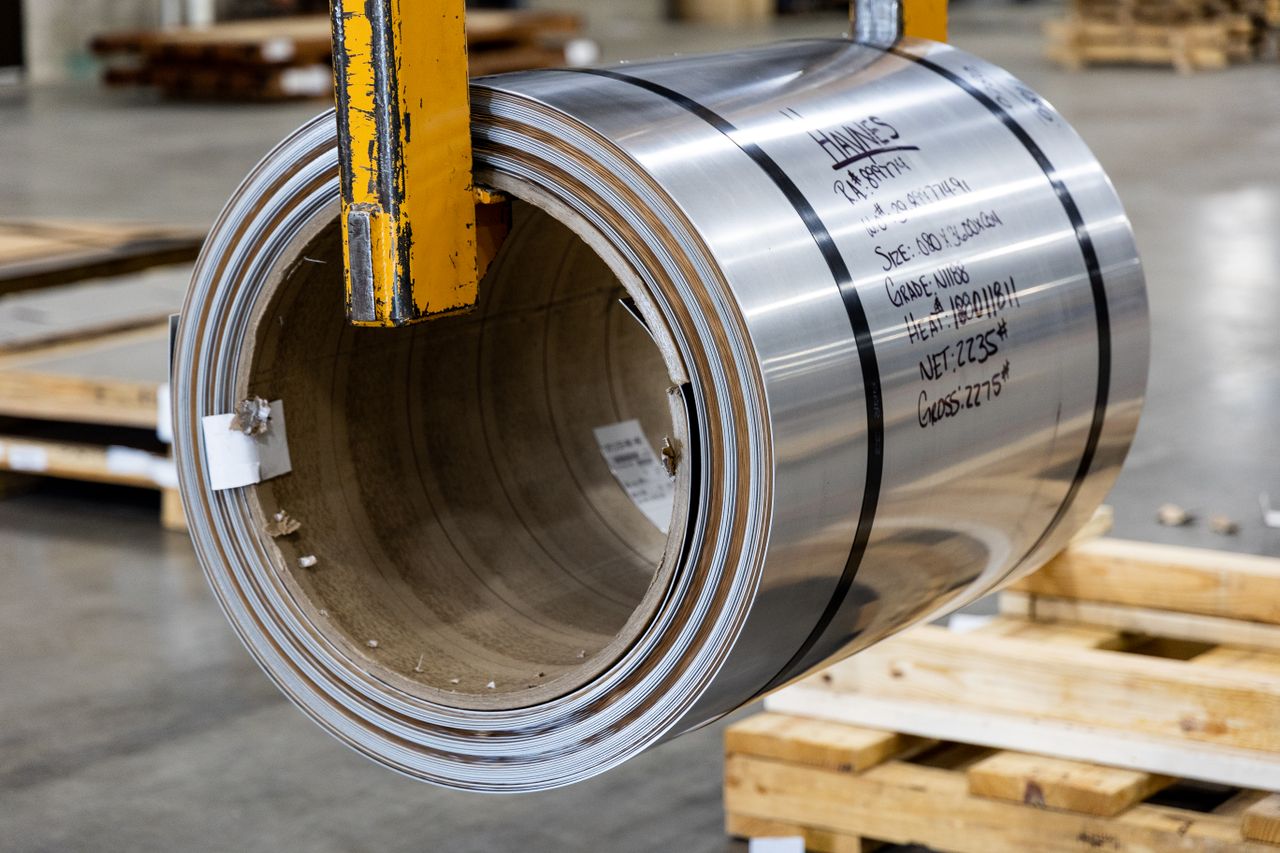
Here’s something many buyers don’t realize. Not all stainless steel is created equal.
Budget grills may use lower-grade stainless steel that looks shiny on the showroom floor but develops rust after a few seasons.
Higher-end grills often use premium stainless steel grades that resist corrosion, moisture, and outdoor exposure much more effectively.
That difference matters if your grill spends most of its life outdoors.
Premium Components Add Up
The extra money also goes into components many people never notice until something breaks.
These include:
- Better burners
- Stronger hinges
- Heavier cooking grates
- Higher-quality igniters
- Reinforced frames
None of these parts look particularly exciting. Nobody invites friends over to admire a hinge.
But when that hinge still works perfectly after ten years, you’ll appreciate where the money went.
Cooking Performance: Does More Money Mean Better Food?
Now for the question everyone really wants answered. Does an expensive grill cook better? The answer is yes and no.
Heat Consistency Matters More Than Raw Power
Many buyers obsess over BTUs. Manufacturers know this. That’s why giant BTU numbers get plastered across marketing materials.
Here’s the reality.
More BTUs don’t automatically mean better cooking.
What matters is how efficiently the grill distributes and retains heat.
A well-designed premium grill often outperforms a cheaper high-BTU grill because the heat is distributed more evenly.
That means:
- Fewer hot spots
- Fewer cold zones
- Better searing
- More consistent cooking
As a pitmaster, consistency is gold. A steak doesn’t care about marketing numbers. It cares about even heat.
Better Temperature Control
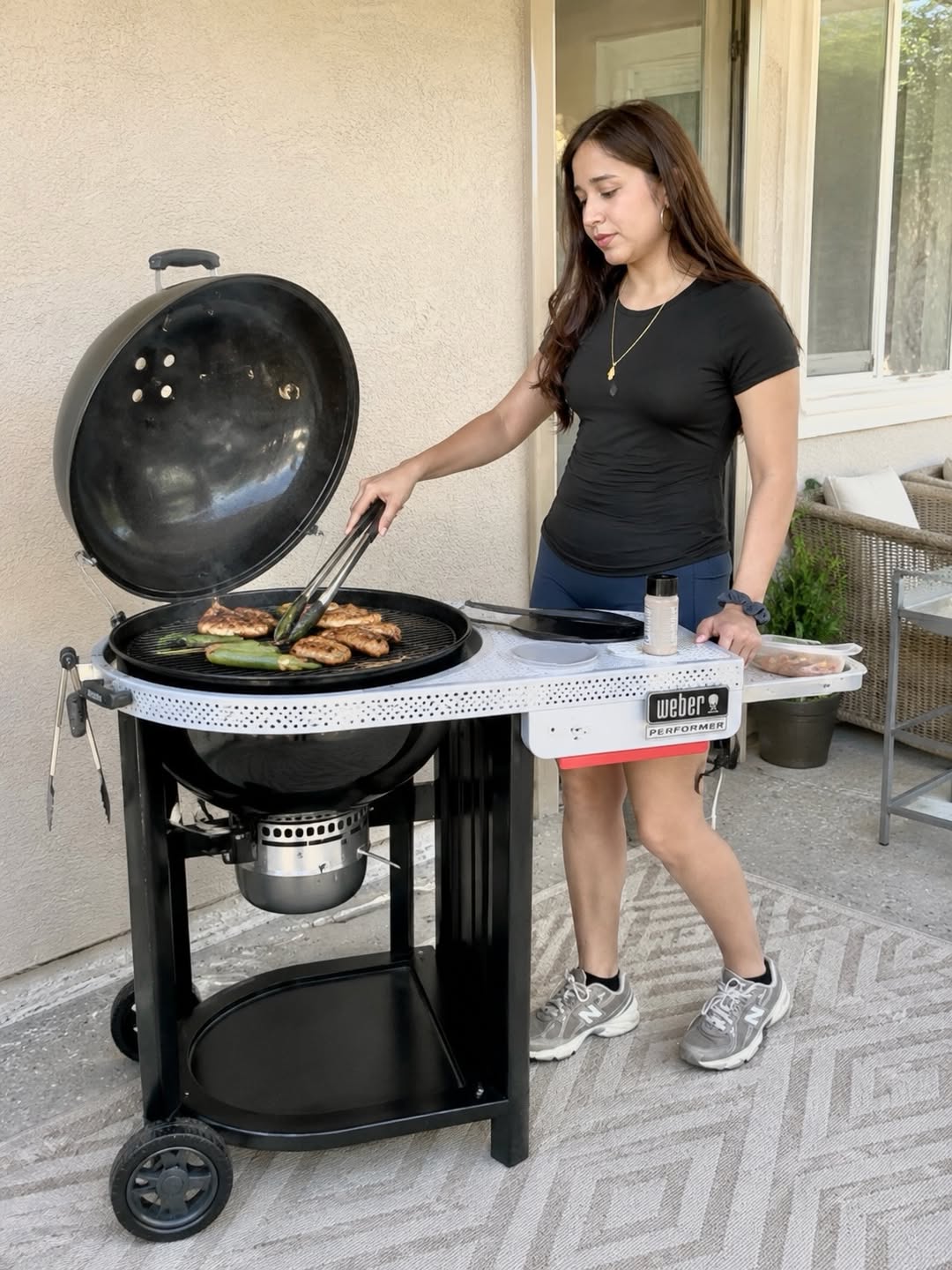
One area where expensive grills truly shine is precision.
Budget grills often feel like they have three settings:
- Off
- Hot
- Extremely Hot
Premium models provide much finer control.
That precision becomes valuable when cooking delicate foods or smoking meats at lower temperatures. Maintaining 225°F for hours is far easier when your equipment isn’t constantly fighting itself.
Fuel Efficiency
A grill that leaks heat burns more fuel. Over time, that adds up.
Premium grills typically use fuel more efficiently because they seal heat better and maintain temperatures more consistently.
It’s not the flashiest feature, but it’s one of the hidden ways quality pays for itself.
Durability and Lifespan
Here’s where the economics become interesting. A cheap grill might cost less upfront. But how long will it last?
The Typical Life of a Budget Grill
Many budget grills perform well for several years.
Then the issues begin.
Burners rust.
Igniters fail.
Grates deteriorate.
Heat shields warp.
Suddenly, you’re replacing parts or shopping for another grill.
Premium Grills Are Built for the Long Haul
High-end manufacturers design their products with longevity in mind. Some premium grills remain in service for 15 to 20 years or longer. I’ve personally cooked on grills older than some of the people eating the barbecue.
That’s not because the owners got lucky. It’s because quality materials and construction were built into the product from day one.
Cost Per Year Matters
Let’s do simple math.
A $300 grill lasting three years costs roughly $100 annually.
A $1,500 grill lasting fifteen years also costs roughly $100 annually.
The difference?
One provides a better experience throughout its lifespan. The cheapest purchase isn’t always the cheapest ownership experience.
Features and Technology That Increase the Price
Not every premium feature is essential. Some are genuinely useful. Others are closer to luxury.
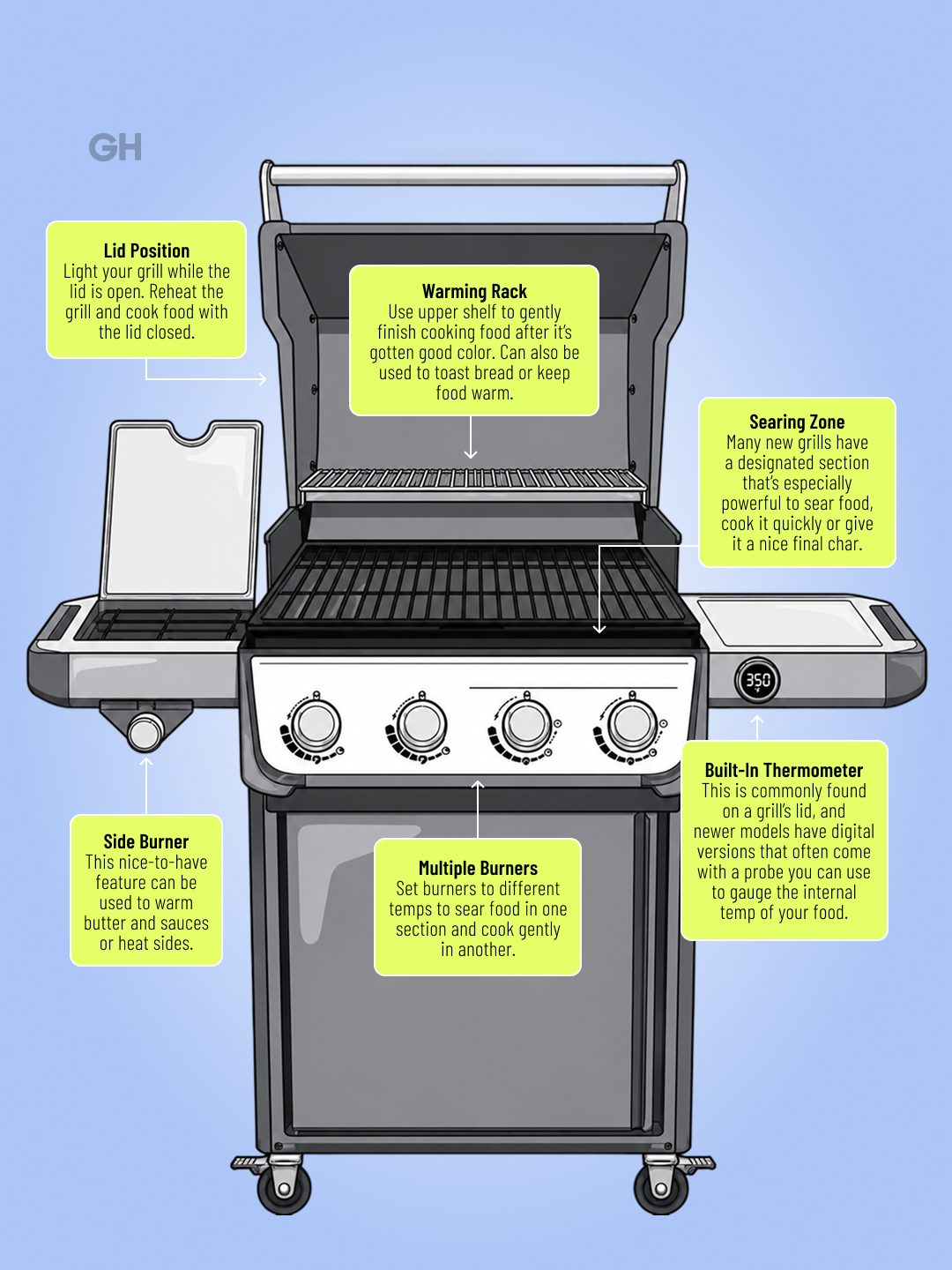
Advanced Cooking Systems
Higher-end grills often include:
- Multi-zone cooking
- Infrared burners
- Rotisserie systems
- Dedicated sear stations
These features expand cooking versatility.
Instead of simply grilling burgers, you can roast chickens, reverse-sear steaks, or cook different foods simultaneously.
Smart Technology
Modern grills have entered the digital age.
Many premium models now offer:
- Wi-Fi monitoring
- Smartphone apps
- Digital temperature tracking
- Automated pellet feeding systems
Some traditional pitmasters joke that barbecue shouldn’t require software updates. I understand the sentiment. But being able to monitor a brisket from the couch during a football game is undeniably convenient.
Convenience Features
Small conveniences often make a bigger difference than flashy technology.
Things like:
- Better storage
- Larger side shelves
- Superior lighting
- Easier cleaning systems
They don’t directly improve flavor. They improve the cooking experience. And that’s worth something.
Brand Reputation and Customer Support
Part of what you’re paying for is what happens after the sale.
Quality Control
Premium brands typically invest more heavily in:
- Engineering
- Testing
- Research and development
- Manufacturing oversight
That investment contributes to better reliability.
Warranty Coverage
Warranty differences can be dramatic. Some budget grills provide only limited coverage. Premium brands may offer warranties lasting ten years or more on critical components. That level of support has real value.
Replacement Parts Availability
This is a hidden factor many first-time buyers overlook. Imagine needing a burner replacement seven years from now. Will the manufacturer still sell it? With established premium brands, the answer is often yes.
With bargain brands, not always. Nothing turns a grill into yard art faster than unavailable replacement parts.
Cheap vs Expensive BBQ Grills: Side-by-Side Comparison
When comparing cheap vs expensive BBQ grills, here’s where the major differences usually appear.
Build Quality
Budget grills prioritize affordability. Premium grills prioritize longevity.
Performance
Budget grills can cook excellent food. Premium grills usually make it easier to cook excellent food consistently.
Features
Budget models focus on essentials. Premium models offer greater versatility.
Durability
Budget grills may last a few seasons. Premium grills are often designed for decades.
Overall Value
The right choice depends entirely on how often you cook. That’s the key distinction many buyers miss.
When a Cheap BBQ Grill Makes Sense
Let’s be fair.
Not everyone needs a premium grill. In fact, many people don’t.
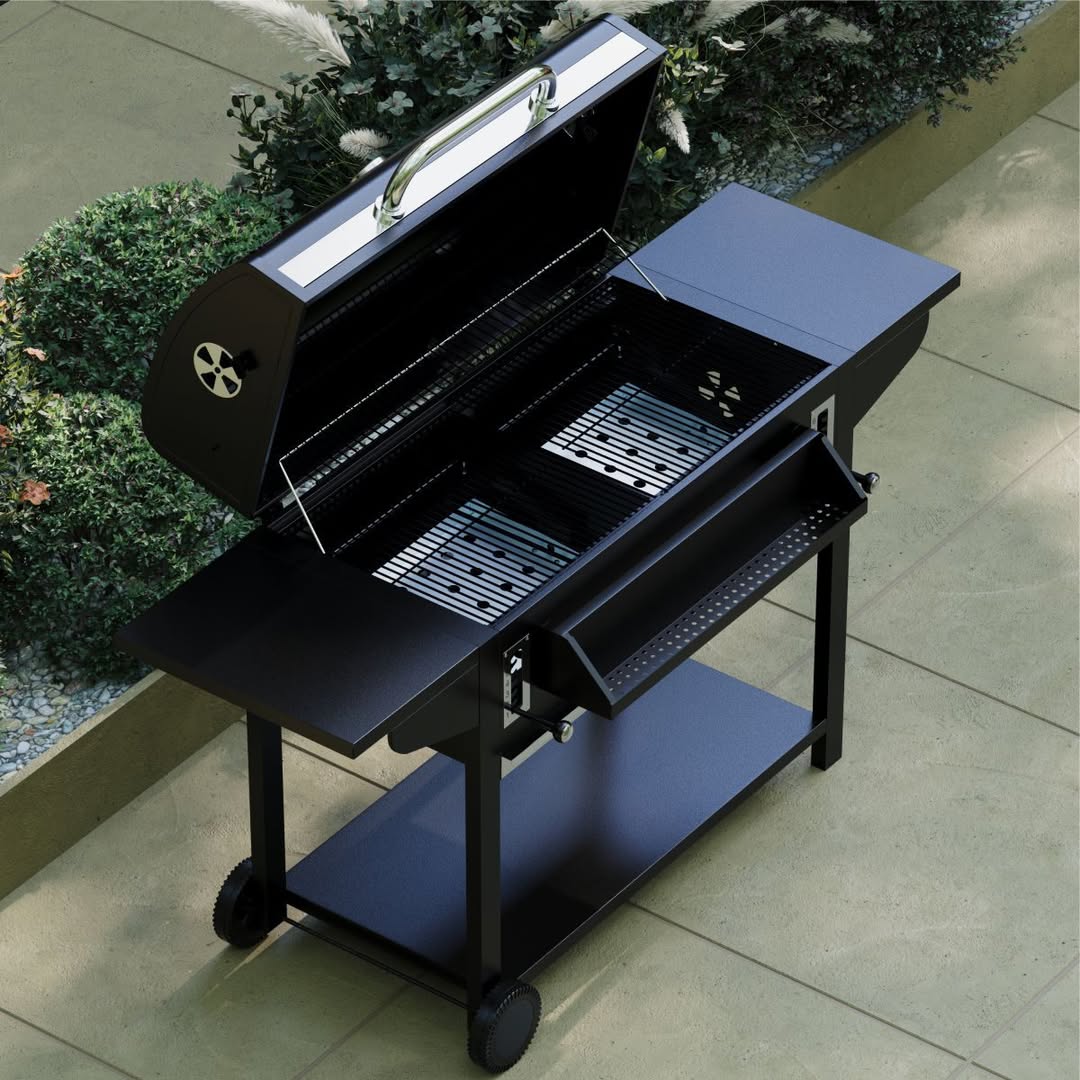
A budget grill can be a fantastic purchase if:
- You grill occasionally
- You’re learning the basics
- You have limited outdoor space
- You’re working within a tight budget
If you cook burgers once a month during summer, spending thousands on a grill may not make much sense.
There’s nothing wrong with buying according to your actual needs. Barbecue is about good food and good company, not expensive equipment.
When an Expensive BBQ Grill Is Worth It
Now let’s talk about the other side. Some people absolutely benefit from premium equipment.
Frequent Grillers
If you’re cooking multiple times every week, durability becomes far more important.
Serious BBQ Enthusiasts
People who enjoy experimenting with techniques often appreciate the added control and versatility.
Large Families and Entertainers
Cooking for crowds regularly places greater demands on equipment. Premium grills are typically better suited for heavy use.
Long-Term Homeowners
If you’re planning to stay in your home for many years, investing in a long-lasting grill may make financial sense. Think of it as buying once rather than buying repeatedly.
Hidden Costs Buyers Often Overlook
The sticker price is only part of the story.
Maintenance Costs
Cheaper components often require replacement sooner.
Fuel Consumption
Poor heat retention increases operating costs.
Repairs
Lower-quality parts can generate additional expenses over time.
Replacement Cycles
Replacing multiple budget grills throughout a decade may ultimately cost as much as one premium grill. These hidden expenses rarely appear on price tags, but they affect ownership costs significantly.
How to Choose the Right BBQ Grill for Your Budget
When evaluating cheap vs expensive BBQ grills, ask yourself a few practical questions.
How Often Do You Grill?
Frequency should influence spending more than enthusiasm. Someone grilling weekly can justify spending more than someone grilling twice a year.
How Many People Do You Cook For?
Larger groups often benefit from larger cooking surfaces and better heat management.
What Type of Cooking Do You Enjoy?
Simple burgers and hot dogs require less sophistication. Smoking briskets and reverse-searing steaks demand greater control.
How Long Do You Expect the Grill to Last?
Be realistic.
A grill intended to last fifteen years should be evaluated differently than one intended for occasional use.
The goal isn’t finding the most expensive grill. The goal is finding the best value for your specific situation.
Final Thoughts
So where does the extra money go?
It goes into better materials, stronger construction, improved heat management, longer lifespan, advanced features, stronger warranties, and better customer support.
That doesn’t mean everyone needs a premium grill.
A skilled cook can create fantastic barbecue on affordable equipment. I’ve seen incredible ribs come off rusty old charcoal grills that looked like they survived three hurricanes and a family reunion.
But premium grills often make great results easier, more consistent, and more reliable over time.
The real lesson from the cheap vs expensive BBQ grills debate is simple:
Buy the grill that matches your cooking habits, not your ego.
Because at the end of the day, nobody gathers around the backyard table talking about how expensive the grill was.
They’re talking about how good the food tasted.
And that’s the part that truly matters.
Frequently Asked Questions
Are expensive BBQ grills really worth it?
They can be worth it for frequent grillers who value durability, consistency, and advanced features. Casual users may find a budget grill perfectly adequate.
How long should a quality BBQ grill last?
A well-maintained premium grill can last 10 to 20 years or more, while many budget grills typically last between 3 and 7 years.
What is the most important feature to look for in a BBQ grill?
Consistent heat distribution is often more important than high BTU ratings because it directly affects cooking performance.
Do higher BTU ratings mean better grilling performance?
Not necessarily. Efficient heat retention and even heat distribution are usually more important than raw BTU numbers.
Can a cheap BBQ grill cook food as well as an expensive one?
Yes. In skilled hands, a budget grill can produce excellent food. Premium grills mainly provide better consistency, convenience, and long-term durability.
Featured image credit: ChatGPT
