
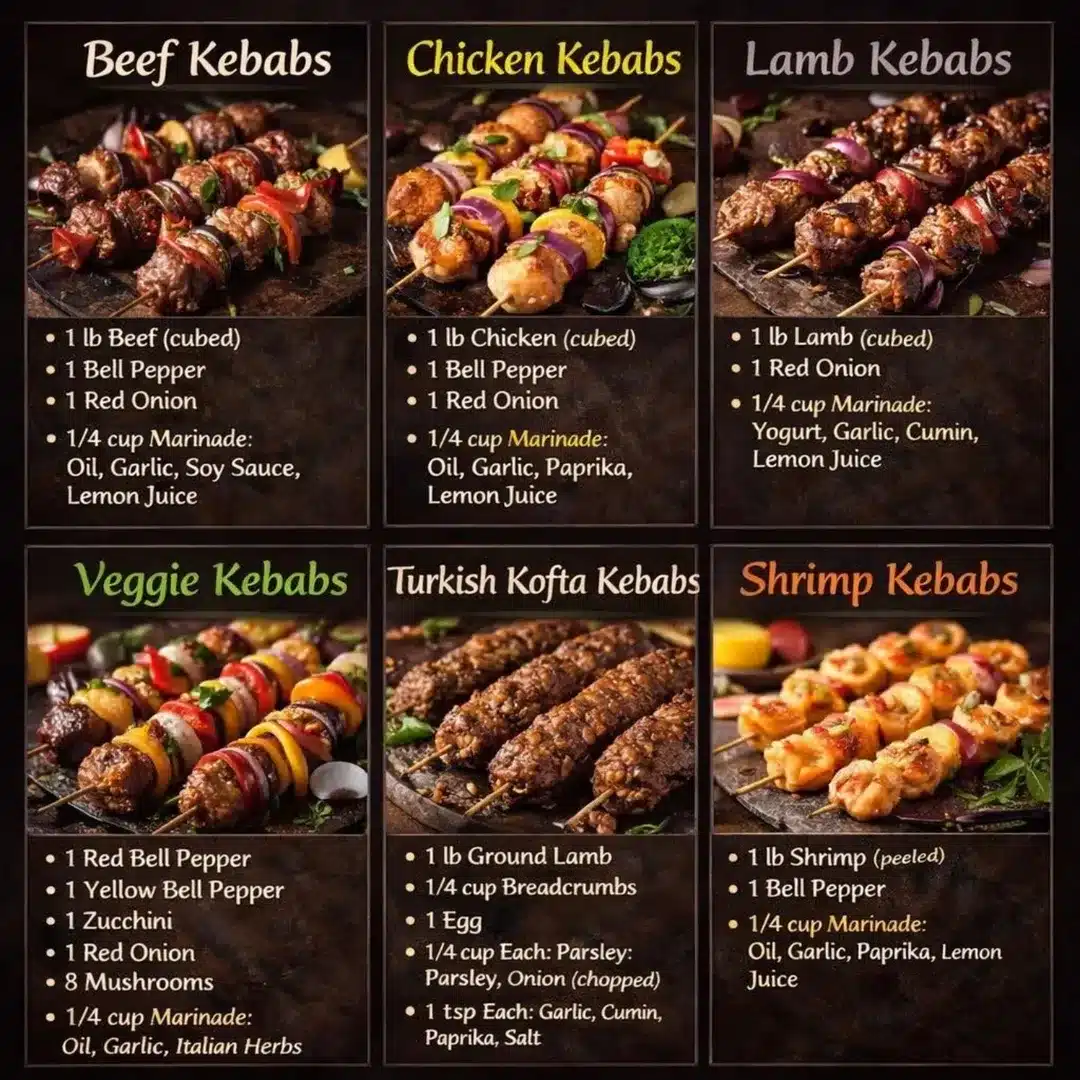
Kabobs look simple. Meat on a stick. Fire underneath. Backyard glory above. Easy, right?
Then reality shows up.
One skewer turns out dry enough to qualify as beef jerky, another somehow burns on the outside while staying suspiciously raw in the middle, and the vegetables slide off the stick like they’re abandoning ship.
That’s where the best marinade for kabobs changes everything.
A great kabob marinade does three jobs at once: it builds flavor, helps tenderize the meat, and protects everything from drying out over high heat.
When done right, every bite comes off the grill juicy, smoky, and just charred enough to make the neighbors suddenly “drop by to say hello.”
After years behind grills, smokers, and enough cookouts to smell like charcoal permanently, I can tell you this: the marinade matters more than the fancy skewers, the expensive meat, or the guy wearing grilling gloves like he’s welding a submarine.
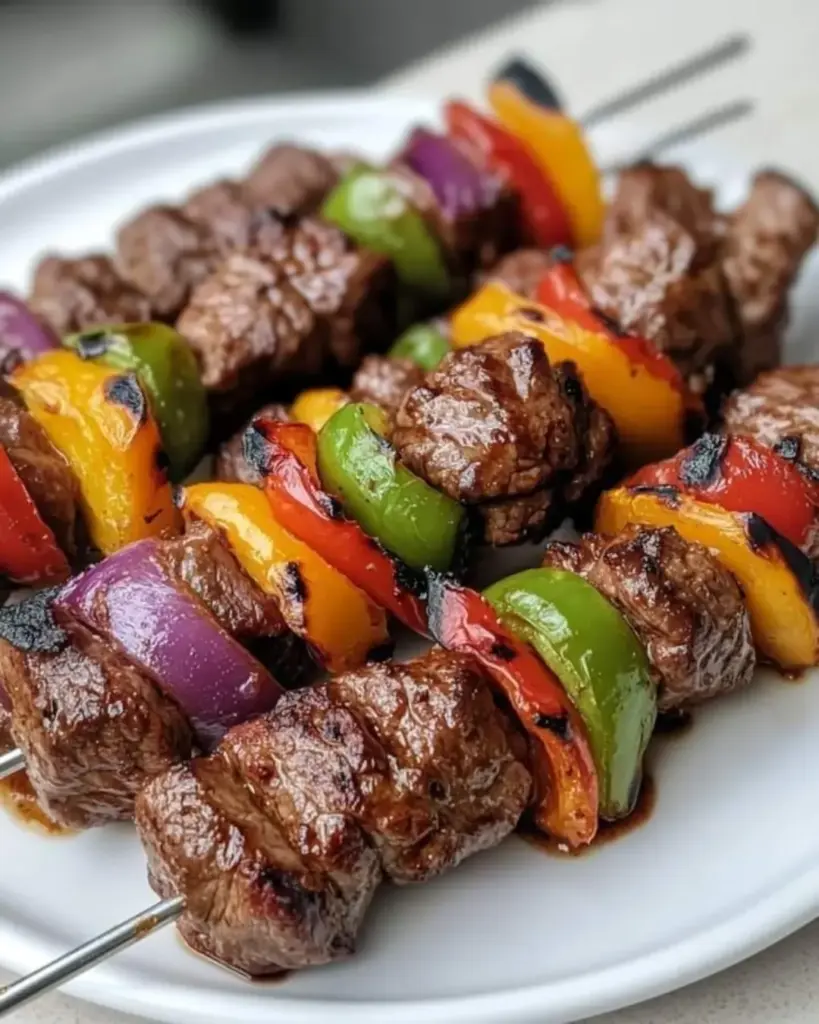
Why This Is the Best Marinade for Kabobs
The secret to the best marinade for kabobs is balance.
Too acidic? Your chicken turns mushy.
Too salty? Every bite tastes like a soy sauce packet exploded.
Too sweet? Congratulations, you’ve invented meat candy.
This marinade keeps everything in check. It’s savory, smoky, slightly sweet, and bright enough to wake up grilled meat without overpowering it.
The real magic comes from combining oil, acid, salt, and aromatics correctly.
- Olive oil locks in moisture
- Soy sauce delivers deep umami flavor
- Lemon juice gently tenderizes
- Garlic and Worcestershire sauce create rich savory depth
- Honey or brown sugar helps caramelization on the grill
That combination creates kabobs with crispy edges, juicy centers, and enough flavor to stand on their own without drowning in sauce afterward.
Which, honestly, is the sign of a good marinade. If your guests need half a bottle of barbecue sauce afterward, something went wrong upstream.
Why Restaurant Kabobs Taste Different
Ever notice how restaurant kabobs somehow taste smokier, juicier, and just a little more dramatic than backyard versions? That’s usually because restaurants understand two important details: high heat and proper spacing.
Most professional kitchens cook kabobs over blazing-hot grills that create fast caramelization without drying out the inside. That sizzling char locks in juices while giving the meat those crave-worthy crispy edges.
Restaurant kabobs also benefit from a few simple tricks:
- Metal skewers conduct heat through the center of the meat for more even cooking
- High grill temperatures create better browning and smoky flavor
- Proper spacing between ingredients prevents steaming
- Layered seasoning adds flavor before and after grilling
The best marinade for kabobs creates the flavor foundation, but chefs usually finish skewers with small touches that make a huge difference:
- Flaky salt
- Fresh herbs
- Lemon juice
- A brush of melted butter or garlic oil
That final hit wakes everything up.
It’s the kind of small detail that makes people suddenly stop chewing mid-bite and ask, “Okay… why is this so good?”
The Science Behind a Perfect Kabob Crust
One of the most underrated parts of great kabobs is the crust. Not burnt. Not soggy. A proper crust.
That thin layer of smoky caramelization is where massive flavor lives.
The secret is something called the Maillard reaction. Fancy name, simple idea. When proteins and sugars hit high heat, they create rich browning and deep savory flavor. That’s why grilled kabobs smell incredible before you even take a bite.
The best marinade for kabobs helps this process by combining ingredients that promote browning:
- Soy sauce adds amino acids and umami
- Honey or brown sugar encourages caramelization
- Oil helps transfer heat evenly
- Worcestershire sauce boosts savory depth
A few extra steps also improve crust dramatically:
- Pat meat lightly dry before grilling
- Avoid overly wet skewers
- Preheat the grill properly
- Don’t flip too often
Too much marinade on the surface causes steaming instead of searing.
And that’s the difference between kabobs that taste fire-grilled and kabobs that taste like they survived a sauna.
Fire wants dryness. Flavor rewards patience.
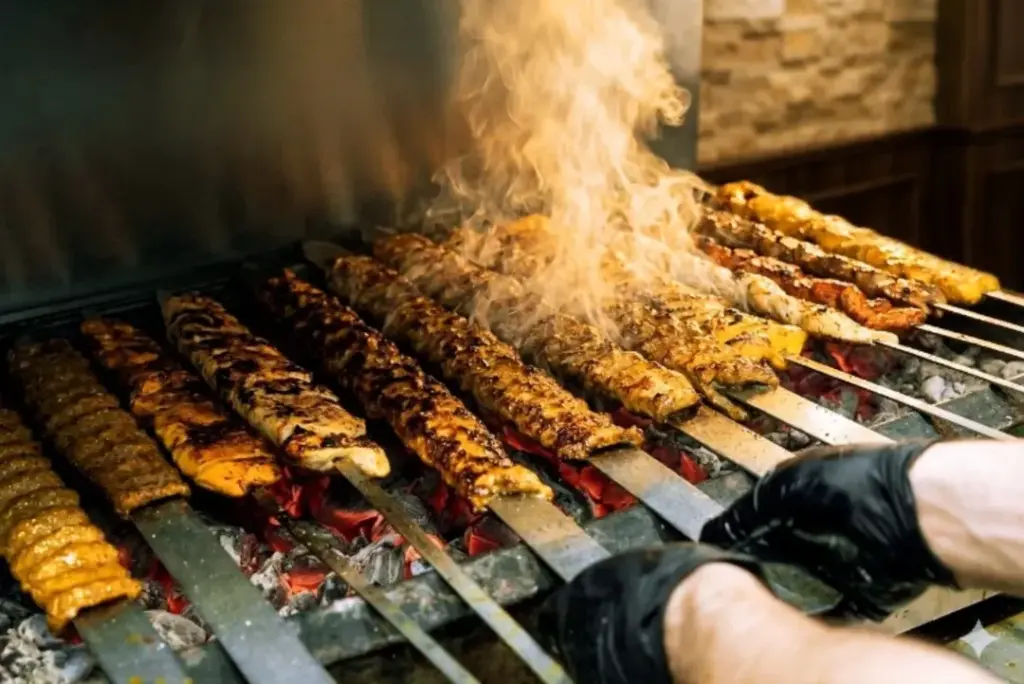
Why Charcoal Changes Everything
Gas grills are convenient. Charcoal grills are emotional support systems for pitmasters.
There’s something about charcoal that transforms kabobs into a completely different experience. The best marinade for kabobs already delivers bold flavor, but charcoal adds a smoky depth that gas grills simply can’t fake.
As meat drippings hit hot coals, they vaporize into smoky flavor clouds that rise back into the food. It’s basically edible magic.
Charcoal grilling also brings a few serious advantages:
- Hotter cooking temperatures
- Better caramelization
- Richer smoky flavor
- Crispier exterior with juicy interiors
- More natural wood-fire aroma
Lump charcoal works especially well because it burns hotter and cleaner than briquettes. Add a few chunks of hickory or mesquite, and suddenly your backyard smells like a barbecue championship.
Charcoal also teaches patience. You can’t rush the fire.
You wait.
Adjust vents.
Manage heat zones.
Earn the final result.
That little bit of effort changes the entire cooking experience.
Besides, standing beside glowing coals with tongs in hand makes everybody feel at least 17% more legendary.
International Kabob Styles Worth Trying
Kabobs are one of those foods that exist almost everywhere on Earth, and every culture brings its own personality to the grill.
Exploring global styles can completely change how you think about the best marinade for kabobs.
Some regions focus on smoke. Others lean into herbs, spice, sweetness, or tangy marinades.
A few standout styles include:
- Middle Eastern shish kebabs – yogurt marinades, cumin, garlic, warm spices
- Greek souvlaki – lemon, oregano, olive oil, and bright fresh flavors
- Japanese yakitori – sweet-savory glazes with precise grilling
- Southeast Asian satay – rich peanut sauces and aromatic spices
- Turkish kebabs – onion-heavy marinades that naturally tenderize meat
One of my favorite discoveries was adding grated onion into marinades. Turkish grill masters have used that trick forever because onion juice helps tenderize meat while boosting flavor at the same time.
Turns out people around the world solved the “how do we make meat over fire taste amazing?” problem centuries ago.
Humanity deserves a round of applause for that one.
The Biggest Kabob Mistake Nobody Talks About
Most people blame dry kabobs on the marinade. Sometimes the real problem starts long before the grill.
Cold meat cooks unevenly.
Pulling marinated meat straight from the refrigerator and throwing it onto screaming-hot grates creates a temperature battle:
- The outside cooks too fast
- The inside struggles to catch up
- Edges dry out
- Centers stay undercooked
Letting kabob ingredients rest at room temperature for about 20 to 30 minutes before grilling helps everything cook more evenly. It’s one of those quiet pitmaster habits that dramatically improves results.
Another huge mistake is combining ingredients with wildly different cooking times on the same skewer.
Here’s where things usually go wrong:
- Shrimp cooks faster than potatoes
- Cherry tomatoes collapse quickly
- Mushrooms soften fast
- Beef chunks need more time
The best marinade for kabobs can only do so much if your skewer lineup looks like a cooking obstacle course.
Smart kabob building matters. Pair ingredients with similar cooking times whenever possible.
Because nothing destroys grilling confidence faster than serving perfectly cooked beef beside onions that somehow reached “carbonized meteorite” status.
Pro Tips for Tender, Juicy Kabobs
A few lessons learned the hard way:
Don’t Skip the Oil
Oil protects meat from drying out over direct heat. Lean meats especially need that extra insurance policy.
Soak Wooden Skewers
At least 30 minutes in water.
Otherwise, they ignite halfway through cooking and suddenly your kabobs look like tiny medieval torches.
Leave Space Between Pieces
Airflow equals better browning. Packed skewers trap steam and prevent proper char.
Use Two-Zone Heat
Keep one side of the grill hotter than the other.
If flare-ups happen, move the skewers temporarily to the cooler side instead of panic-flipping everything like a game show contestant.
Reserve Clean Marinade
Never reuse marinade that touched raw meat unless it’s boiled first. Food poisoning is not the smoky flavor profile we’re chasing.
Serving Suggestions
Kabobs are already the star of the show, so side dishes should support the meal instead of trying to steal the spotlight.
Great pairings include:
- Rice pilaf
- Grilled corn
- Warm pita bread
- Cucumber tomato salad
- Garlic yogurt sauce
- Roasted potatoes
For drinks, lemonade and iced tea work beautifully. A cold beer alongside smoky beef kabobs also feels like one of life’s small victories.
Storage and Make-Ahead Tips
The marinade itself keeps in the refrigerator for up to 5 days.
You can also freeze raw marinated meat in freezer bags for future cookouts. As it thaws, the flavor continues developing.
Leftover kabobs reheat best in a skillet or air fryer. Microwaves tend to turn perfectly grilled meat into chewy sadness.
Final Thoughts
The best marinade for kabobs doesn’t need fancy ingredients or culinary gymnastics. It just needs balance, proper timing, and a hot grill.
When you get those things right, kabobs become more than backyard party food. They become the thing people hover around while pretending they’re “just checking the grill.”
And honestly, that’s the highest compliment a pitmaster can get.
Featured image credit: @chef_zouheir
