
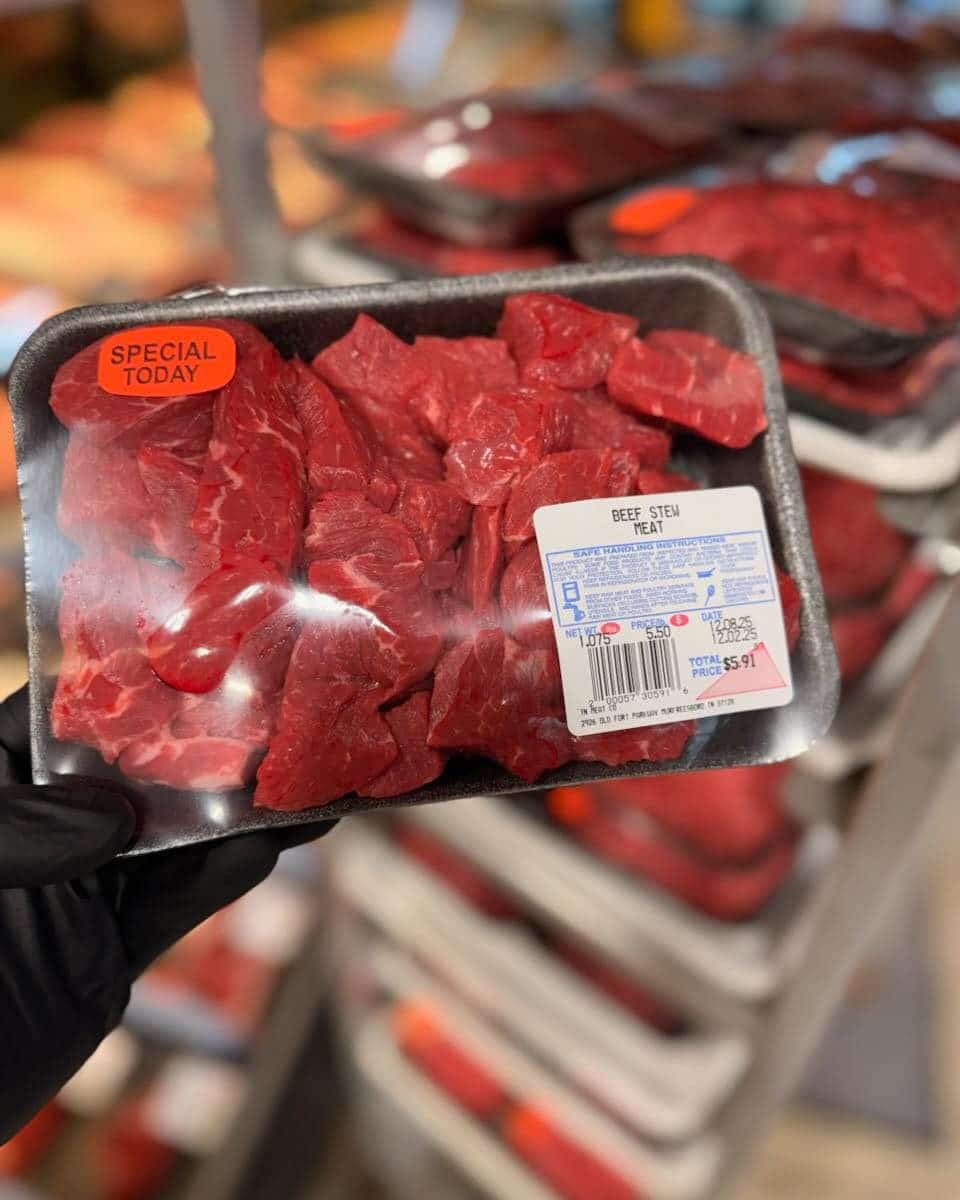
“Good food starts with good ingredients.”
That sounds simple enough, but walk into a butcher shop for the first time and suddenly that simple steak dinner can feel like an oral exam you forgot to study for.
Ribeye or sirloin? Bone-in or boneless?
How thick should the steaks be? What does “marbling” actually mean? And why does the person behind the counter seem to know 47 different things about a cow that you never knew existed?
Relax.
Buying meat from a butcher isn’t a test.
You don’t need to know every cut, muscle, or butcher-shop term before you walk through the door. You just need to know what you’re cooking, how many people you’re feeding, and roughly what you want to spend.
The rest can be a conversation.
A good butcher can help you choose a better cut, trim it to your liking, portion it properly, and sometimes even point you toward a less expensive option that will make your dinner just as delicious.
Here’s how to make the most of that conversation.
What to Expect When You Visit a Butcher Shop
A butcher shop can feel intimidating because the meat isn’t always presented in neat little plastic trays with a recipe printed on the back.
That’s actually part of the fun.
A butcher works with whole cuts and larger pieces of meat, breaking them down into portions customers can cook at home. Depending on the shop, they may also trim fat, remove bones, grind meat, slice it, tie roasts, or prepare custom cuts.
You’re not simply buying meat. You’re buying knowledge and flexibility, too.
Walk up to the counter and tell the butcher what you’re making.
Instead of:
“I need some beef.”
Try:
“I’m making beef stew for six people and want something tender after a few hours of slow cooking.”
That one sentence gives the butcher useful information.
They can point you toward a suitable cut, tell you how much to buy, and explain how it should be prepared.
And don’t worry about asking questions. Butchers hear them all the time.
In fact, asking a question is usually smarter than nodding knowingly while secretly wondering what the heck “dry-aged” means.
Know What You’re Cooking Before You Shop
The smartest way to approach buying meat from a butcher is to start with the meal, not the meat.
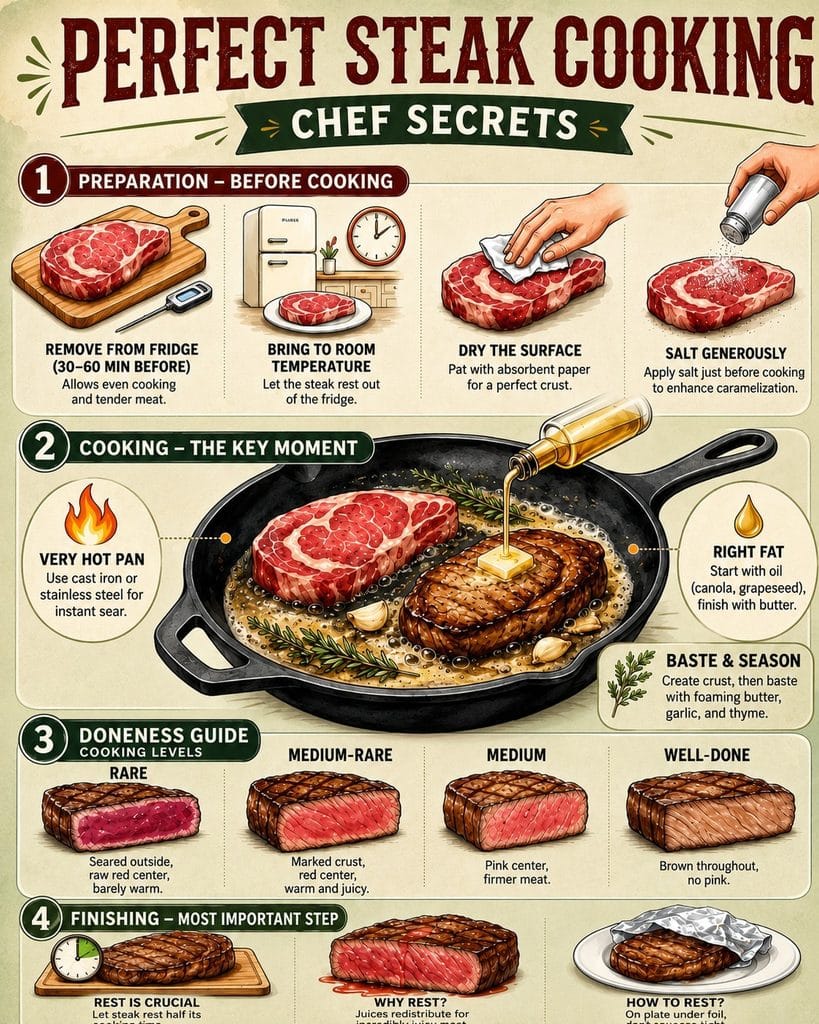
Think about what you’re cooking first. Planning steaks on the grill? You need a cut that handles high heat well.
Making pulled pork? You want a cut with enough connective tissue and fat to stay juicy during a long cook.
Making stew? A naturally tougher cut can be your best friend because slow cooking transforms it.
Your cooking method matters because different cuts are built for different jobs.
Before visiting the butcher, answer three simple questions:
- What am I cooking?
- How many people am I feeding?
- What’s my budget?
That’s enough to get the conversation started.
You don’t need to memorize an entire butcher’s handbook. You just need a destination. The butcher can help you choose the road.
Understanding the Basic Cuts of Meat
You don’t need to become a walking meat encyclopedia, but understanding a few common cuts will make shopping much easier.
Beef
Ribeye is prized for its marbling and rich flavor. It’s an excellent choice for grilling or pan-searing.
Sirloin offers a nice balance between flavor, tenderness, and price. It’s versatile and often a practical choice for everyday steaks.
Tenderloin is exceptionally tender but relatively lean. It’s also expensive, so it’s not necessarily the best choice for every occasion.
Chuck comes from a hardworking area of the animal. That means it can be tough when cooked quickly, but it’s fantastic for braising, stews, and slow cooking.
Brisket is another hardworking cut. Give it enough time and gentle heat, and it can become incredibly tender.
Short ribs contain plenty of flavor and connective tissue. They’re excellent for braising and low-and-slow cooking.
Pork
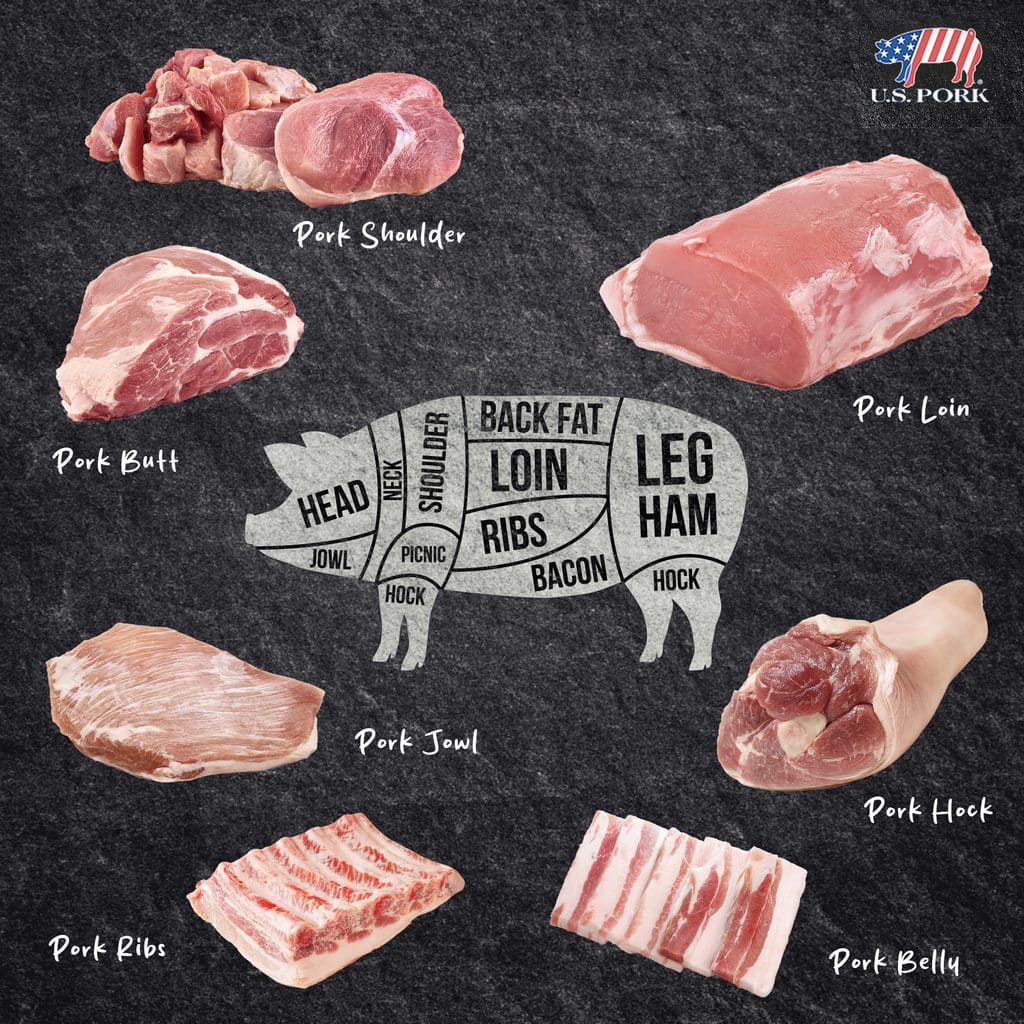
Pork shoulder is a classic choice for pulled pork because it contains the fat and connective tissue needed for long cooking.
Pork loin is leaner and works well roasted or grilled, but it can dry out if overcooked.
Pork belly is rich, fatty, and incredibly versatile.
Pork chops are convenient for quick meals, particularly when cut to the right thickness.
Chicken
Chicken thighs are darker, richer, and generally more forgiving than breasts.
Chicken breasts are lean and versatile but can become dry when overcooked.
A whole chicken can be one of the best-value options because you get multiple portions from one bird.
The important lesson is this:
The best cut isn’t necessarily the most expensive cut. It’s the cut that suits the way you’re going to cook it.
How to Choose Quality Meat
Quality meat isn’t determined by one visual detail.
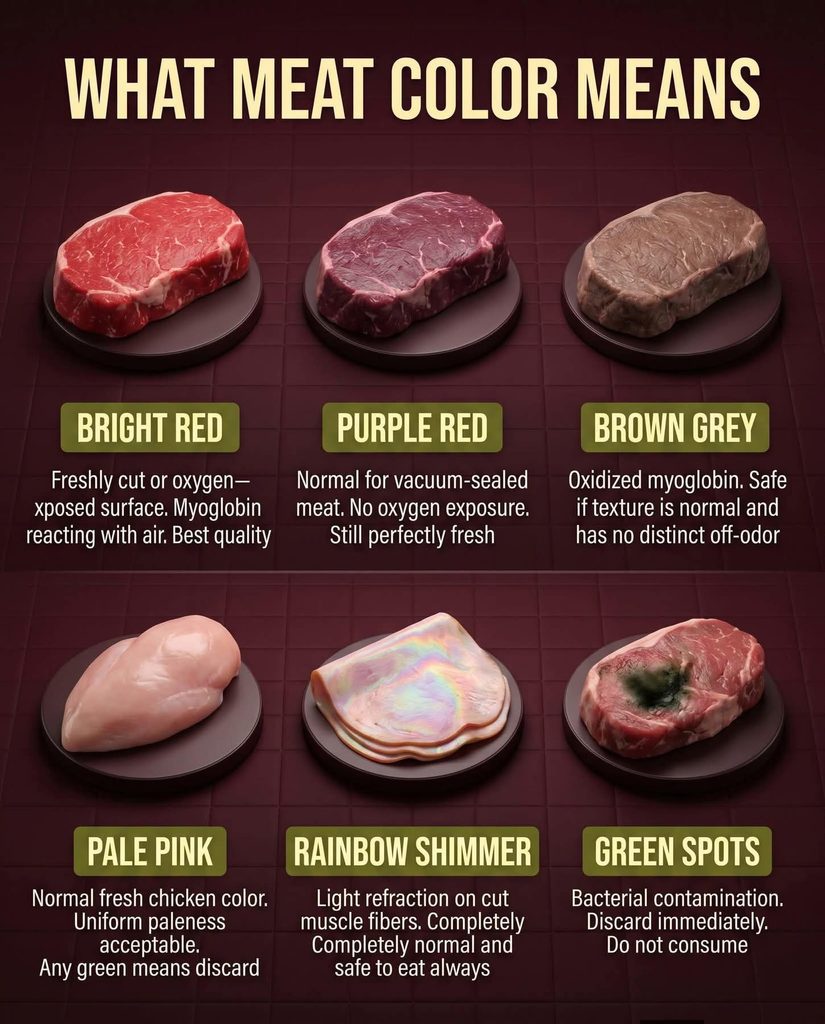
Color matters, but it isn’t the whole story.
Beef can naturally vary in color depending on exposure to oxygen and how it has been stored. Pork and poultry also have their own normal appearance.
Instead of obsessing over color alone, look at the overall condition of the meat.
Look for Good Marbling
Marbling refers to the small streaks of fat distributed throughout the muscle.
For many beef steaks, good marbling means more flavor and moisture during cooking.
But more isn’t always better.
A beautifully marbled steak may be perfect for a special dinner, while a leaner cut may be better for another recipe.
Examine the Texture
Fresh meat should generally look firm and intact rather than excessively soft, damaged, or dried out.
Use Your Nose
Fresh meat should not have a strong, unpleasant odor.
When something smells seriously wrong, don’t try to convince yourself that cooking it for four hours will magically solve the problem.
Smoke can do many wonderful things.
It cannot perform miracles.
Ask About Freshness
Don’t be afraid to ask:
- When was this prepared?
- Has it been frozen?
- How should I store it?
- How long should I use it within?
A butcher should be able to give you practical answers about the meat they’re selling.
Questions Every Beginner Should Ask a Butcher
A butcher isn’t just there to weigh your steak and tell you the price. Use the expertise standing in front of you.
Some of the most useful questions are surprisingly simple:
“What cut would you recommend for this recipe?”
Probably the best question of all.
“Is there a less expensive cut that would work?”
This can save you money without sacrificing the meal.
“How thick should I have these steaks cut?”
Thickness affects cooking time and how easily you can develop a crust without overcooking the center.
“Can you trim this for me?”
Absolutely worth asking. Depending on the cut, trimming can remove unwanted fat, silver skin, or excess tissue.
“How much should I buy for six people?”
Let the butcher help you calculate portions.
“Is this better grilled, roasted, or slow-cooked?”
You may learn something useful. A good butcher doesn’t just sell you meat. They can help you avoid buying the wrong meat.
Don’t Be Afraid to Ask for Custom Cuts
One of the biggest advantages of buying meat from a butcher is customization.
A supermarket package gives you what’s on the shelf.
A butcher may be able to prepare the meat specifically for your meal.
You can often request:
- Thicker or thinner steaks
- Bone-in or boneless cuts
- Trimmed meat
- Cubed meat for stew
- Ground meat
- Thinly sliced meat
- Portion-sized pieces
- Roasts tied for cooking
Let’s say you’re cooking steaks for four people.
Instead of grabbing whatever happens to be available, you can say:
“I’d like four steaks, about an inch and a half thick, with enough marbling for grilling.”
That’s a much more useful conversation.
And don’t feel embarrassed if you don’t know exactly what you want.
Tell the butcher what you’re trying to achieve.
“I’m grilling these over charcoal and want a good crust without drying them out.”
That’s enough information for an experienced butcher to start making recommendations.
Understanding Meat Prices
Meat prices can be confusing because the most expensive cut isn’t always the best value. Why does one steak cost significantly more than another?
Several factors come into play:
- Tenderness
- Demand
- Amount of usable meat
- Fat and marbling
- Labor involved in trimming
- Bone content
- Availability
Tender cuts generally cost more because they’re naturally tender and require less work from the cook.
But here’s where things get interesting.
Some of the most flavorful cuts are not the most expensive.
Chuck, brisket, pork shoulder, and short ribs can be incredibly delicious when cooked properly.
They simply require more time.
That’s an important lesson for beginners:
Time can be an ingredient.
A tough cut cooked quickly may be disappointing.
The same cut cooked low and slow can become the star of dinner.
So when shopping, don’t simply ask, “What’s the cheapest?”
Ask:
“What’s the best value for the way I’m cooking?”
That’s a much better question.
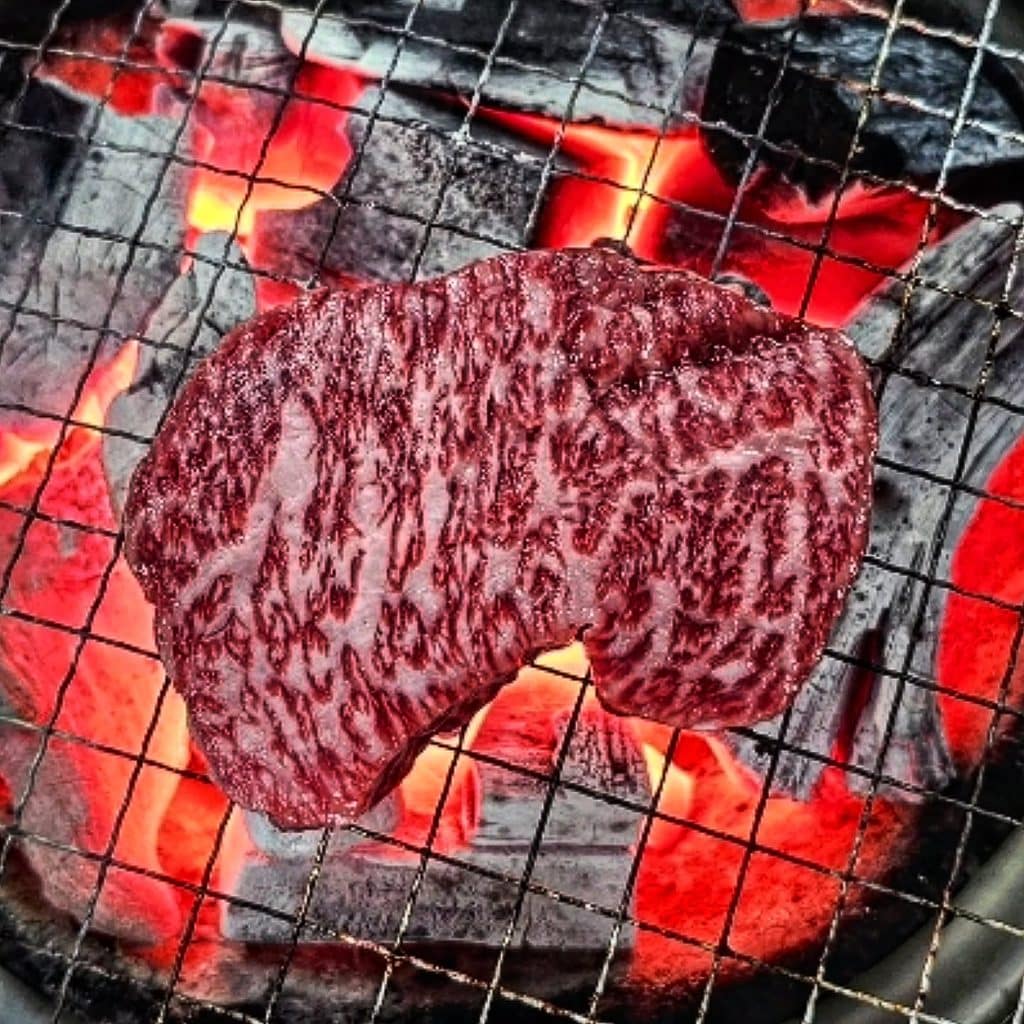
Match the Meat to Your Cooking Method
This is where your inner pitmaster gets to have some fun.
Grilling
For fast, high-heat cooking, look for cuts that are naturally tender enough to cook quickly. Steaks, pork chops, chicken thighs, and certain sausages are good examples.
Roasting
Large cuts designed for roasting can develop excellent flavor while cooking more slowly. Beef roasts, pork loin, and whole poultry are common choices.
Braising and Slow Cooking
This is where tougher cuts shine. Chuck, brisket, short ribs, and pork shoulder contain connective tissue that breaks down during long cooking.
The result?
Tender, rich meat that practically falls apart under your fork.
Smoking and BBQ
Low-and-slow cooking is particularly well suited to brisket, pork shoulder, and ribs. These cuts reward patience.
And barbecue has a funny way of teaching patience. You start by checking the smoker every ten minutes. Eventually, you realize you’ve been staring at the thermometer like it’s going to reveal the secrets of the universe.
It won’t.
Let the cooker do its job.
How Much Meat Should You Buy?
Portion sizes depend on what you’re serving, whether the meat is bone-in, and whether it’s the main attraction or part of a larger meal.
For steaks, chops, and other boneless portions, a common starting point is roughly 6 to 8 ounces per person, although appetites vary.
For bone-in cuts, you’ll generally need more because part of the weight comes from the bone.
For BBQ and large gatherings, the calculation gets more complicated because cooking causes meat to lose moisture and fat, and some cuts contain considerable bone or trimming waste. When you’re unsure, ask the butcher.
That’s what they’re there for.
You can simply say:
“I’m feeding eight adults and serving this with several side dishes. How much should I buy?”
That’s far better than buying enough meat to feed a small football team because you got nervous in the butcher shop.
How to Transport and Store Your Meat
Getting good meat home safely is just as important as choosing it.
Keep raw meat cold and minimize the time it spends at room temperature. When possible, go straight home after shopping.
At home:
- Refrigerate meat promptly.
- Keep raw meat separate from ready-to-eat foods.
- Store it in appropriate packaging or containers.
- Use meat within a suitable timeframe or freeze it.
- Label packages with the type of meat and date before freezing.
Freezing meat in meal-sized portions can also make life easier.
Instead of freezing one enormous package, divide it into portions you can actually use.
That way, Tuesday-night dinner doesn’t require thawing enough pork to feed your entire extended family.
Common Mistakes Beginners Make
Choosing Only by Price
Cheap meat isn’t automatically good value.
A less expensive cut that requires hours of cooking may be perfect for your recipe. A cheap steak that you don’t enjoy is simply cheap disappointment.
Buying the Most Expensive Cut
Expensive doesn’t automatically mean better. A premium steak won’t magically improve a recipe that calls for slow cooking.
Match the cut to the cooking method.
Not Telling the Butcher What You’re Making
This is probably the easiest mistake to avoid. Your butcher can’t recommend the right cut if they don’t know what you’re cooking.
Buying Too Much
More meat isn’t always better. Think about the number of people you’re feeding, the side dishes, leftovers, and storage space.
Being Afraid to Ask Questions
This is the big one. A butcher shop isn’t a trivia contest. You don’t lose points for saying, “I have no idea which cut I need.”
In fact, that’s often where the best advice begins.
A Simple Beginner’s Butcher Shop Checklist
Before heading to the shop, keep these questions in mind:
1. What am I cooking?
Know the dish or cooking method.
2. How many people am I feeding?
This helps determine how much to buy.
3. What’s my budget?
Tell the butcher. They may know a better-value option.
4. What cut suits my cooking method?
Grilling, roasting, braising, and smoking all favor different cuts.
5. Can the butcher trim or portion it for me?
Take advantage of that service.
6. How should I store and cook it?
A quick question can prevent an expensive mistake.
Keep this checklist handy and your next butcher-shop visit will feel considerably less intimidating.
Buy Meat With Confidence
The secret to buying meat from a butcher isn’t knowing every cut before you walk through the door.
It’s knowing how to communicate.
Tell the butcher what you’re cooking. Explain how many people you’re feeding. Give them a budget. Ask questions. Listen to their recommendations.
And remember one of the most useful rules in cooking:
The right cut for the right job will usually beat the fanciest cut used the wrong way.
A humble piece of chuck can become an incredible stew. Pork shoulder can turn into spectacular pulled pork. A properly selected steak can make a simple dinner feel like an occasion.
The more you shop at a butcher, the more familiar everything becomes.
Eventually, you’ll know your cuts, understand your preferences, and walk up to the counter with confidence.
Until then, don’t worry about sounding like an expert. Just tell the butcher what you’re cooking.
That’s where the good stuff starts.
Frequently Asked Questions
1. What should I tell a butcher when buying meat for the first time?
Tell the butcher what you’re cooking, how many people you’re feeding, and your budget. You can also explain your preferred cooking method, such as grilling, roasting, smoking, or slow cooking.
The more information you provide, the easier it is for the butcher to recommend the right cut.
2. How do I know if meat from a butcher is fresh?
Look for meat that appears fresh, firm, and properly stored, and ask the butcher when it was prepared or how it has been stored. Fresh meat should not have a strong or unpleasant odor.
Color can vary naturally, so it shouldn’t be the only factor you use to judge freshness.
3. Is buying meat from a butcher more expensive than buying meat at a supermarket?
Not necessarily. While some premium cuts may cost more, a butcher can often recommend less expensive cuts that work well for your recipe. Asking about alternative cuts, bone-in options, and value cuts can help you get better quality for your budget.
4. Can a butcher cut or prepare meat to my specifications?
Yes. Depending on the shop, a butcher may be able to trim fat, cut steaks to a specific thickness, remove bones, cube meat, grind it, or portion it for you.
Tell the butcher how you plan to cook the meat so they can prepare it appropriately.
5. What is the best cut of meat for a beginner to buy?
There isn’t one universally best cut. The best cut depends on how you plan to cook it.
Ribeye and sirloin are popular for quick grilling, while chuck is excellent for slow cooking, and pork shoulder is ideal for low-and-slow BBQ.
Ask your butcher for a cut that matches your recipe and budget.
Featured image credit: @tnmeatco
