
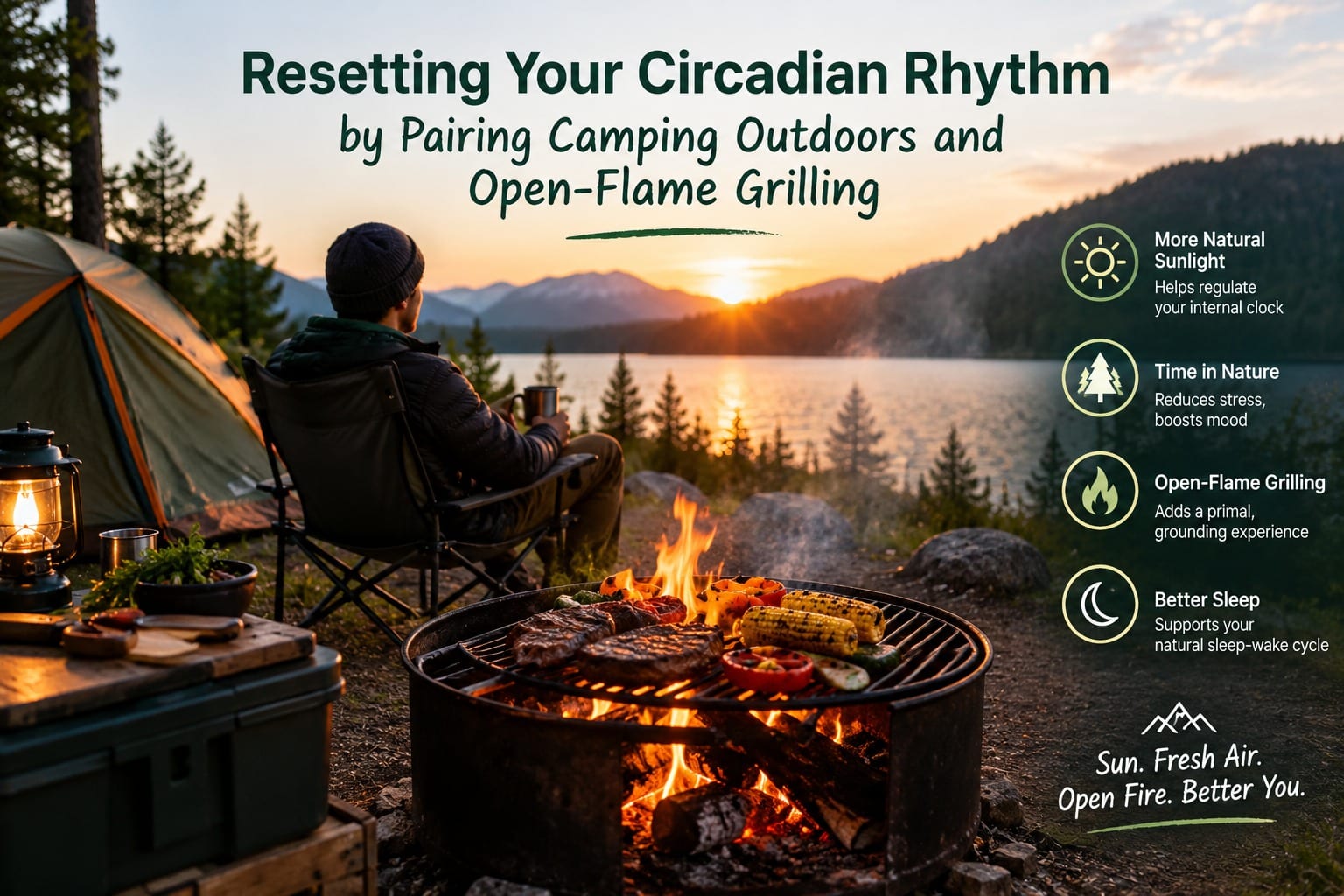
Catherine the Great once famously observed, “I praise loudly, I blame softly.”
It is a brilliant rule for ruling an empire, but when it comes to how we treat our own bodies, we have done the exact opposite: we loudly complain about our chronic exhaustion while softly ignoring the fact that we were built to feast next to a crackling fire under an open sky, not stand frozen in front of an open refrigerator at 2:00 AM while bathed in the haunting blue glare of a smartphone.
Modern civilization has given us air conditioning, door-delivered burritos, and 4K televisions.
In exchange, it broke our biological clocks. We spend our lives trapped inside climate-controlled drywall boxes, staring at glowing glass panels all day, and then wondering why we toss and turn like a pig on a spit when midnight rolls around.
We try to fix our ruined sleep with melatonin gummies, noise machines, and expensive lavender pillow sprays that smell like a discounted day spa.
Here is a radical, time-tested alternative: pack a tent, grab a cast-iron skillet, and go cook over wood in the wild.
When you pair a few days of wilderness camping with intentional, open-flame grilling, you aren’t just taking a weekend vacation – you are hitting the hard reset button on your internal clock.
Combining natural sunlight cycles with outdoor smoke and primitive cooking is the ultimate prescription to reset your circadian rhythm naturally.
The Science of Your Internal Engine: Understanding the Circadian Rhythm
To fix an engine, you need to understand how the gears turn. Your body runs on a master internal clock known as the circadian rhythm.
Located inside a tiny cluster of brain cells called the suprachiasmatic nucleus (SCN), this biological timepiece governs almost every critical function in your body – from when you feel hungry and energized to when your body temperature drops and signals it is time for deep sleep.
Think of your body like a well-managed barbecue pit:
- Light is the primary oxygen vent (The Master Zeitgeber): Just as adjusting the air intake controls how hot your coals burn, natural light exposure regulates cortisol and melatonin levels.
- Food timing is the secondary fuel intake: Your stomach, liver, and pancreas have their own local clocks. When you eat dictates when your internal organs stay awake to work.
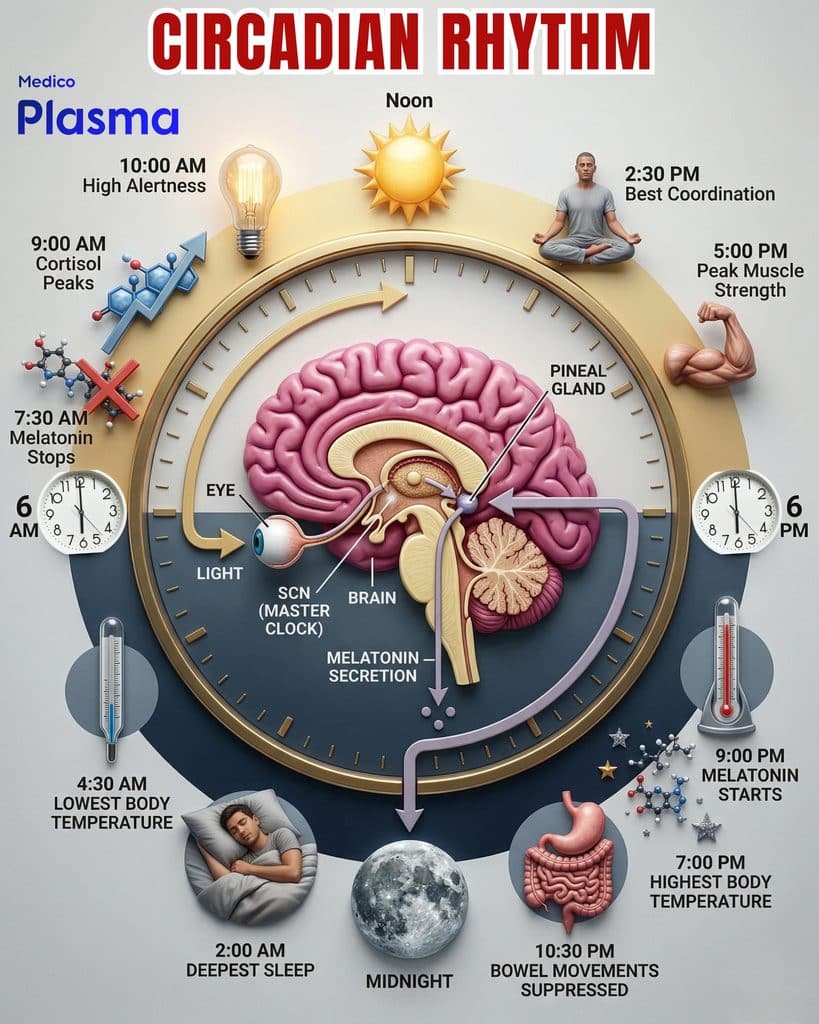
The Dual-Clock System
- Light Timing (Master Clock / Brain SCN): Controls cortisol and melatonin secretion based on daylight exposure.
- Food Timing (Peripheral Clocks / Digestive System): Controls metabolism, body temperature, and digestion based on meal schedules.
- The Synergy: When light and food timing align with natural day-night cycles, your sleep becomes perfectly synchronized.
When these two signals get out of sync – say, by staring at a laptop screen until 11:00 PM while eating cold leftover pizza – your body gets completely confused.
Your brain thinks it is high noon, while your liver is trying to shut down for the night.
The result?
Brain fog, chronic fatigue, metabolic slowing, and terrible sleep quality.
Why Camping Is the Ultimate Light Reset
Indoor lighting is an evolutionary lie. The average bright living room or office supplies roughly 300 to 500 lux of light intensity.
Compare that to stepping outside on a clear morning, where nature blasts your eyes with anywhere from 10,000 to 100,000 lux of direct solar energy.
When you step away from electrical grids and pitch a tent outdoors, two miraculous shifts happen:
A. The Sunlight Spectrum Shift
- Morning Blue-Green Light: As the sun rises, early morning rays hit special light-sensitive receptors in your retina. This immediately shuts off melatonin production and signals your adrenal glands to release a healthy surge of cortisol, making you awake, alert, and ready to tackle the day.
- Evening Amber Wavelengths: As the sun dips toward the horizon during golden hour, high-frequency blue light drops out, leaving long, soft red and amber wavelengths. This spectrum change signals the pineal gland to begin ramping up melatonin production.
B. Natural Light Intensity
Researchers at the University of Colorado Boulder tracked campers in the Rocky Mountains and discovered something incredible: just two days of wilderness camping completely restored natural melatonin timing.
By stripping away artificial overhead lights and screen glow, the campers’ internal clocks shifted earlier by nearly two hours, aligning perfectly with sunset and sunrise.
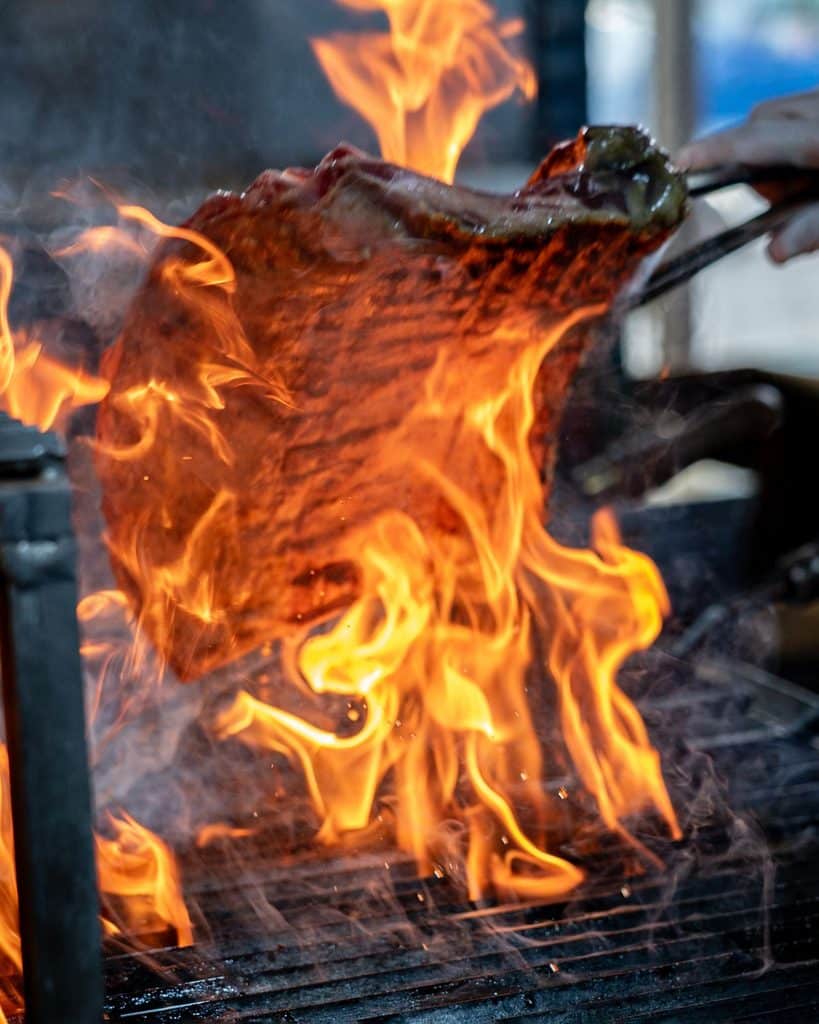
Open-Flame Grilling: The Metabolic & Sensory Connection
Camping gets your eyes back on nature’s schedule, but what you cook – and how you cook it – resets your metabolic clock.
Fire is our oldest cooking partner. Long before electric ovens and microwave timers, humans gathered around wood embers to cook, eat, and tell stories. Cooking over an open fire acts as a powerful psychological and physiological bridge between day and night.
How Open-Flame Grilling Restores Your Body
- Zero Blue Light Exposure: Warm red firelight keeps natural melatonin flowing freely through your system without nocturnal disruption.
- Nutrient-Dense Amino Acids: Tryptophan, magnesium, and zinc from whole grilled foods fuel sleep hormones and muscle recovery.
- Parasympathetic Activation: Slow, wood-fired cooking lowers stress hormones like cortisol and brings your nervous system into deep relaxation.
The Magic of Wood & Charcoal Light
Electric kitchen lighting floods your vision with blue spectrum wavelengths right when you are trying to wind down to prepare dinner. Firelight, on the other hand, operates almost entirely in the warm red and infrared spectrum.
Campfire light contains virtually zero blue light, meaning you can cook a multi-course meal over live embers without suppressing melatonin production.
Searing Nutrient-Dense Real Foods
When you build a meal around open flames, you naturally tend to dump processed packaged foods in favor of whole ingredients.
- Tryptophan and Amino Acids: Grilling high-quality proteins – like thick-cut ribeyes, pork chops, or fresh river trout – delivers rich amounts of L-tryptophan, an amino acid that acts as the raw building block for serotonin and melatonin.
- Magnesium and Zinc: Roasting vegetables like asparagus, zucchini, and mushrooms directly over hot coals unlocks vital micronutrients that relax tense muscle tissue and support deep REM sleep cycles.
Parasympathetic Slow Cooking
Cooking over live wood forces you to slow down. You cannot push a button to instantly raise coal temperatures; you have to manage the fire, watch the smoke, and listen to the sizzle.
This rhythmic, focused process lowers heart rate and shifts your autonomic nervous system out of “fight-or-flight” mode into parasympathetic relaxation.
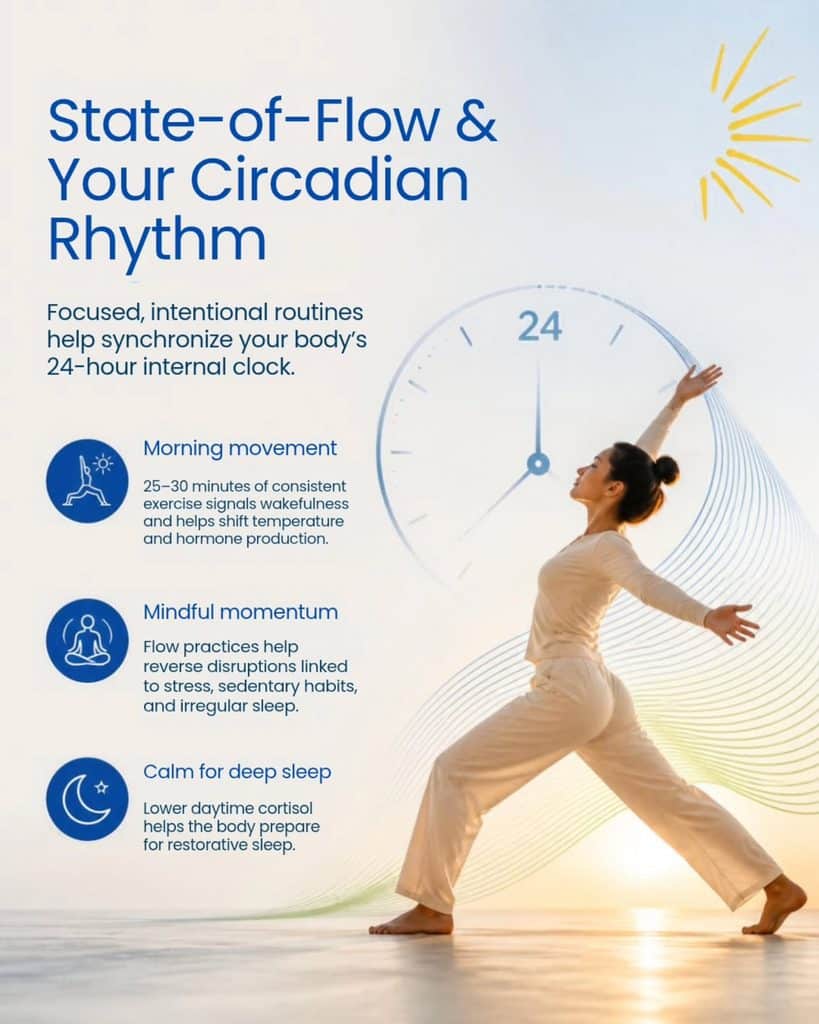
Designing the 48-Hour “Circadian Reset” Outdoor Itinerary
Ready to trade your insomnia for deep, restorative sleep? Here is a step-by-step 48-hour weekend game plan to recalibrate your mind and body.
Day 1: The Evening Shift
- 03:00 PM — Arrival & Setup: Pitch your tent, clear your fire pit, and get organized. Do not put on sunglasses unless the glare is blinding; let your eyes soak up natural afternoon light levels.
- 05:30 PM — Build Your Fire: Use hardwood logs like oak, hickory, or mesquite to build a stable ember bed and fire up the grill.
- 07:00 PM — Sunset Dinner Rule: Finish eating your meal before full dark. Aligning your last bite with natural dusk sends a clear signal to your metabolic clock that the digestive workday is done.
- 08:30 PM — Ember Gazing: Stash phones in your backpack and switch headlamps to red-light mode. Spend 30 minutes sitting around the fire watching coals burn to quiet racing thoughts.
- 09:30 PM — Turn In: Head into your tent to sleep naturally in a dark, quiet outdoor environment.
Day 2: The Full Light-and-Fuel Loop
- 06:30 AM — Catch the Sunrise: Step out of your tent immediately upon waking. Get 15 to 30 minutes of direct morning sunlight on your face without wearing glasses.
- 08:00 AM — Campfire Breakfast: Fry eggs, thick bacon, or cast-iron potatoes over morning embers to reinforce morning alertness to your biological clock.
- 12:30 PM — Physical Activity: Hike, row a canoe, or chop firewood. Physical movement builds up adenosine in your brain—the natural chemical compound responsible for creating sleep pressure at night.
- 06:00 PM — Evening Cook: Roast a rack of ribs, smoke a whole chicken, or grill seasonal vegetables over open flame.
- 09:00 PM — Restorative Sleep: Turn in early when your body naturally feels tired.
Essential Gear and Rules for a Successful Trip
To keep this trip restorative rather than stressful, stick to a few fundamental outdoor cooking rules:
- Ditch White LED Lanterns: Ultra-bright modern LED lanterns blast intense blue light. Stick to wood fire, wax candles, or dim red-light settings on headlamps.
- Bring Heavy Cast Iron: A pre-seasoned 12-inch cast-iron skillet and a simple campfire grate are all you need to cook world-class meals over coals.
- Pack Whole, Real Ingredients: Skip pre-packaged, sugar-laden trail mixes and instant ramen. Stock your cooler with high-quality meats, fresh vegetables, real butter, and simple seasonings.
- Embrace Temperature Drops: Sleeping in cooler outdoor night air mimics our ancestral environment. A drop in ambient temperature triggers your body to lower its core temperature, facilitating deeper sleep.
The Smoke & Olfactory Trigger: How BBQ Aromas Signal Nightfall
Scent is our most direct sense, routing straight to the brain’s emotional hub without passing through conscious filters. When you sizzle fat over hot hardwoods, woodsmoke carries powerful biological cues:
- Chemical Signatures: Burning hardwoods release compounds like guaiacol and eugenol, which humans evolutionary associate with safety and warm food.
- Parasympathetic Response: Inhaling these rich campfire aromas as daylight fades lowers your heart rate and signals that the day’s work is done.
- Sleep Preparation: Paired with natural dusk, the olfactory sensation of outdoor grilling acts as a primary sensory cue, telling your nervous system to power down for deep rest.
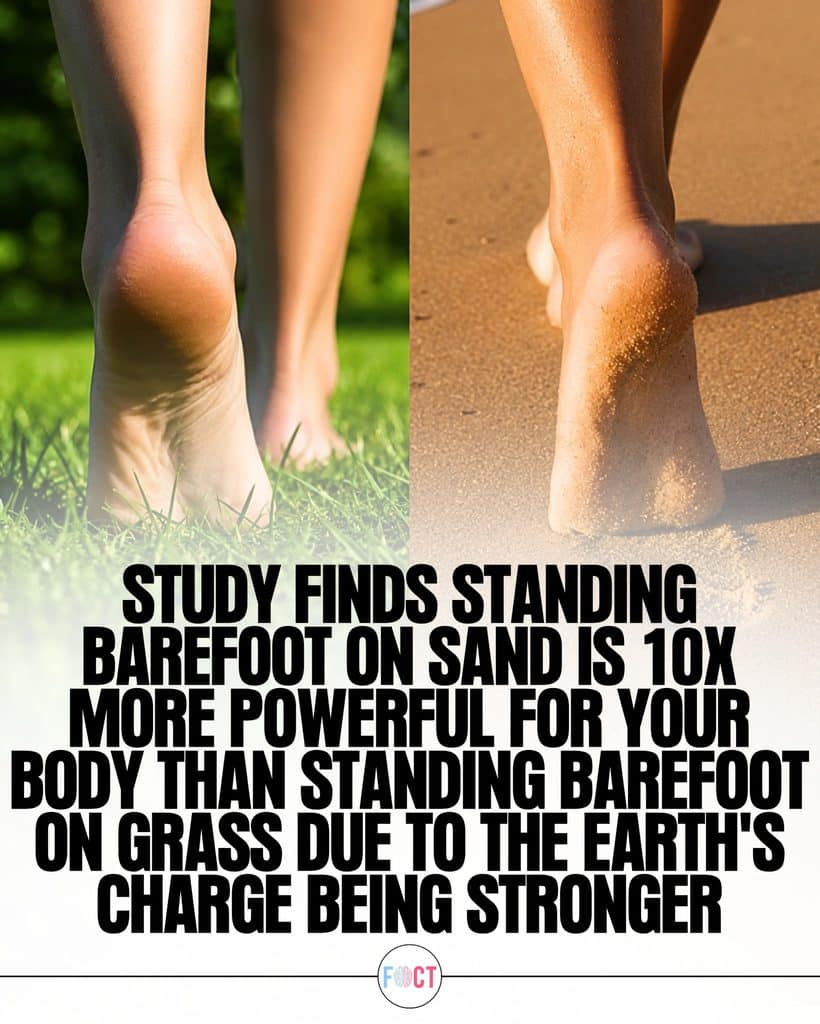
Earthing at the Pit: How Barefoot Grilling Resets Inflammation
While your charcoal burns down to a glowing bed, try kicking off your boots. Earthing, or direct skin contact with the surface of the Earth, allows your body to reconnect with natural biological charges:
- Electron Transfer: Standing barefoot on dirt or grass absorbs free electrons, counteracting the isolation caused by modern rubber-soled shoes.
- Natural Antioxidant Action: This charge transfer helps neutralize free radicals and lower systemic inflammation.
- Enhanced Sleep Architecture: Reduced body inflammation directly boosts night-time recovery, helping you wake up with fewer aching joints and a clearer head.
The Cold-Drift Effect: Temperature Drop as a Secondary Sleep Trigger
Light isn’t the only environmental cue governing your sleep clock; ambient temperature changes drive biological sleepiness. While thermostat-controlled homes keep us in an artificial perpetual summer, the wilderness forces a natural cooling cycle:
- Core Temperature Drop: Your body must cool down by roughly two degrees Fahrenheit to initiate deep, restorative non-REM sleep.
- Thermal Contrast: Standing near the radiant heat of your grill while feeling crisp evening air creates a sharp thermal contrast.
- Sleep Onset Signal: Stepping away from the warm fire into cool night air signals your hypothalamus that it is time for bed, accelerating natural sleepiness.
Ancestral Fasting Windows: The Post-Sunset Charcoal Protocol
In our modern 24-hour world, late-night snacking keeps digestive organs grinding when they should be resting. Cooking over live coals creates a clean, natural boundary for your metabolic clock:
- Built-In Eating Window: Preparing your wood-fired feast before twilight establishes a firm end to your daily food intake.
- 12-to-14-Hour Overnight Fast: Cleaning up as embers die naturally kicks off an extended fasting window before breakfast.
- Cellular Autophagy: Giving your liver and stomach a break aligns your digestive metabolism with your brain’s sleep clock, preventing heavy digestion from disrupting your sleep cycles.
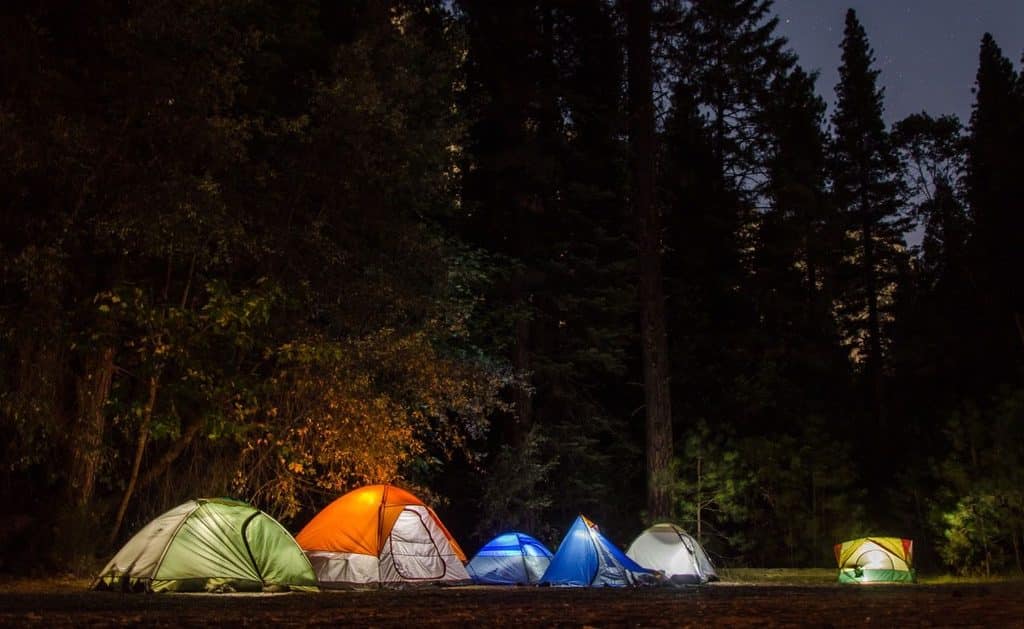
Night Vision and Pineal Gland Activation: The Starlight Effect
Staring at a phone screen destroys your night vision, but spending an evening lit only by firelight allows your eyes to fully adapt to true dark:
- Scotopic Vision Adaptation: Natural darkness activates specialized rod cells in your retinas that remain completely blind under artificial light.
- Pineal Gland Unlocking: Eliminating bright screen glow allows your pineal gland to work at full capacity, maximizing nocturnal melatonin output.
- Rebuilding Sleep Cycles: Extinguishing bright headlamps after dinner lets true, unpolluted dark finish the job of restoring your biological rhythm.
Rekindle Your Internal Flame
We were never meant to live under flickering fluorescent lights, eating micro-waved food in front of glowing monitors late into the night. Our bodies are finely tuned instruments that operate on light, darkness, smoke, and seasonal cycles.
When you pack up your gear, pitch a tent in the wilderness, and cook raw ingredients over live embers, you aren’t just making dinner – you are realigning with the fundamental rhythm of nature.
So skip the sleep supplements this weekend. Grab a bag of charcoal, step into the outdoors, let the sun guide your days and the fire guide your nights, and wake up restored.
Frequently Asked Questions (FAQ)
1. How many days of camping do I actually need to reset my circadian rhythm?
You don’t need a month-long expedition off the grid to see real results.
Scientific studies show that just two to three days of wilderness camping – essentially a weekend trip – is enough to shift your melatonin production forward by up to two hours and align your body clock with natural sunrise and sunset.
2. Can I get the same circadian benefits by grilling in my backyard?
Backyard grilling is fantastic for your mood, but it won’t give you a full circadian reset if you head right back indoors. Indoor artificial lights, glowing TVs, and streetlights will quickly suppress the melatonin your body started producing around the fire.
To get the full reset effect, you need to combine open-flame cooking with spending the entire night away from electric light sources.
3. Won’t eating a heavy, grilled meat dinner right before bed ruin my sleep quality?
It will if you eat too late! The key is the Post-Sunset Charcoal Protocol: finish your meal before full dark (around sunset) so your body has 2 to 3 hours to digest before you sleep.
Protein-rich foods like grilled meats provide L-tryptophan – a key amino acid for sleep – without bogging down your digestion overnight as long as you wrap up dinner early.
4. What if I can’t sleep without a headlight or lantern at night?
Bright white LED lanterns blast high-intensity blue light that tricks your brain into thinking it’s daytime.
If you need light around camp after dark, use headlamps or flashlights set to dim red-light mode, or rely strictly on campfire embers and wax candles. Red light wavelengths do not suppress melatonin production, keeping your brain in night mode.
5. What is the single most important thing to do on Day 1 to guarantee better sleep?
Get direct morning sunlight in your eyes within 30 minutes of waking up. Early morning sunlight delivers high-lux blue-green light that instantly stops melatonin production, spikes alertness, and sets a biological timer in your brain that will trigger natural sleepiness roughly 14 to 16 hours later.
Featured image credit: ChatGPT
