
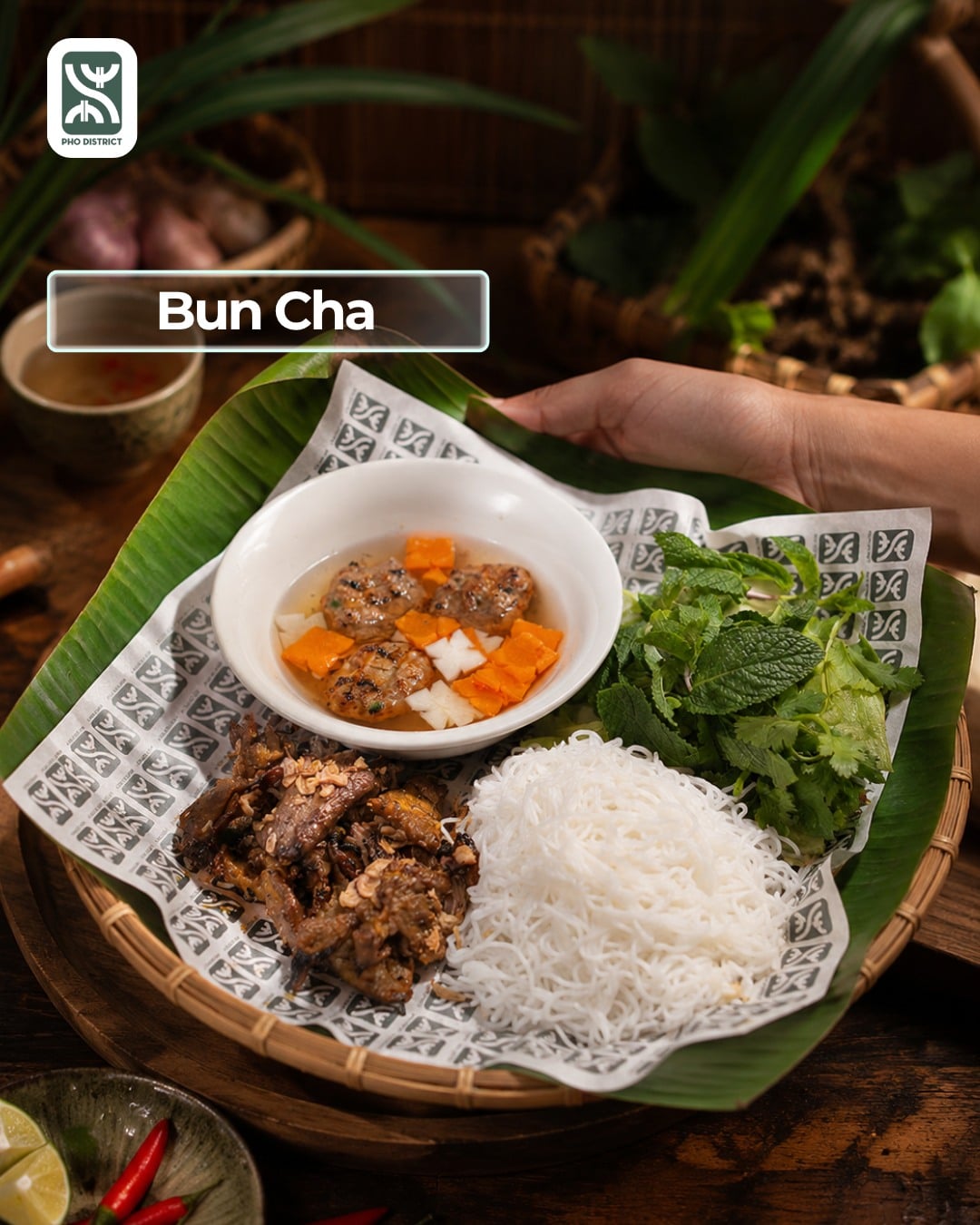
What is a Vietnamese pork meatball?
My first attempt at recreating Hanoi-style grilling ended with my neighbor calling the fire department because they thought my porch was actively burning down.
Once the firefighters realized I wasn’t in danger and smelled the sizzling pork, they ended up staying to ask for a plate.
If you have ever walked through the narrow, chaotic alleyways of the Old Quarter, you know the scent before you see the smoke.
It billows out from tiny, sidewalk-bound wire grills, carrying an intoxicating mix of caramelized sugar, toasted garlic, and charred pork straight to your nostrils.
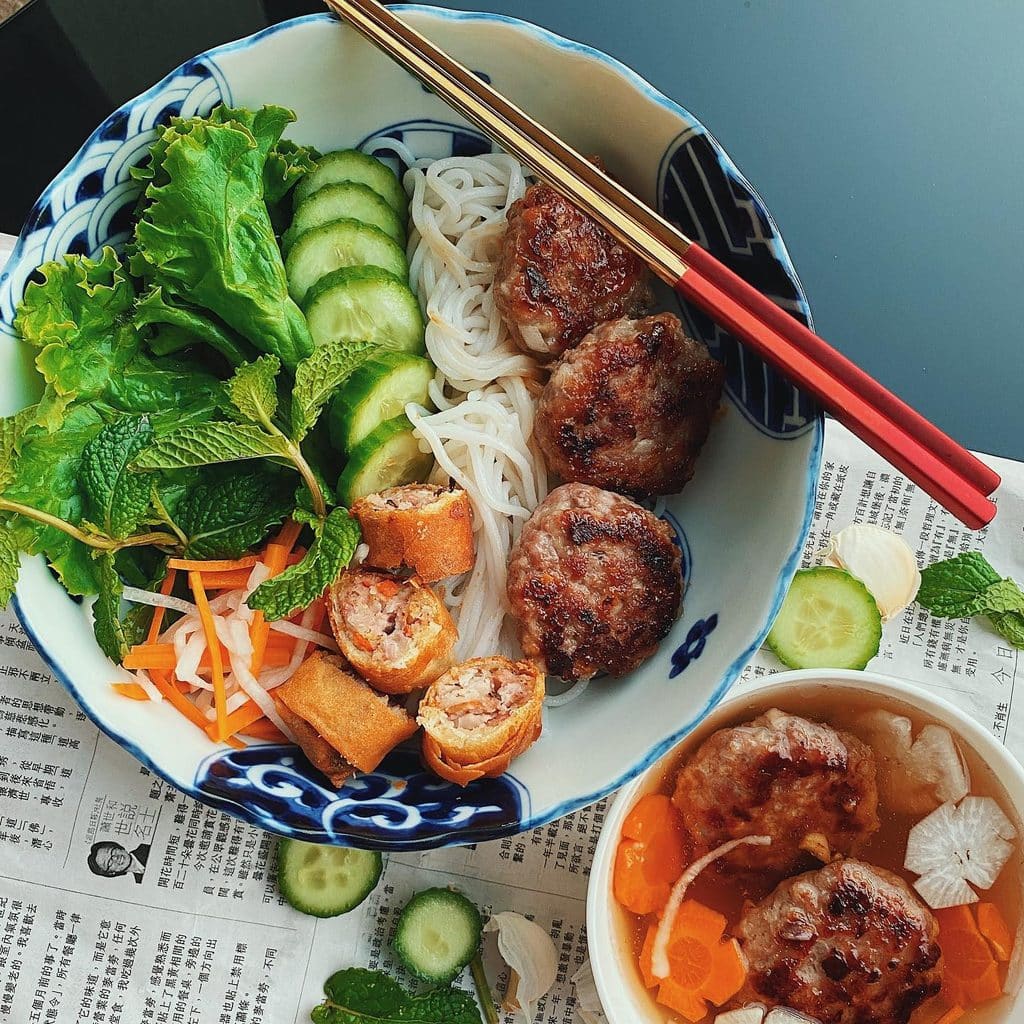
This is the realm of Bún Chả – Hanoi’s undisputed heavy-weight champion of lunchtime street food.
While Western barbecue tends to obsess over twelve-hour brisket smoking sessions that require a nap afterward, this legendary dish operates on speed, high heat, and pure flavor contrast.
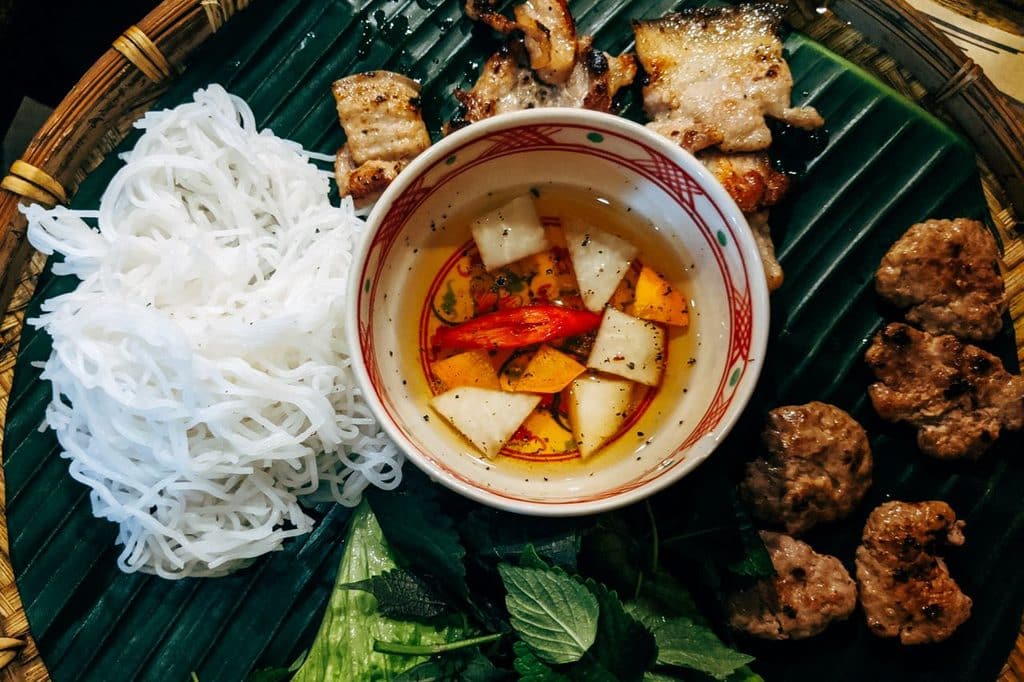
We are talking about smoky Vietnamese pork meatballs submerge-swimming in a warm, sweet-salty broth, balanced by cold vermicelli noodles, crisp pickled papaya, and a mountain of fresh herbs.
It is fast, aggressively flavorful, and remarkably simple to recreate on your own backyard setup or kitchen stove.
Grab a pair of chopsticks and ditch the idea that barbecue has to be slathered in thick molasses sauce. It is time to master the art of northern Vietnamese grilling.
What Makes Authentic Bún Chả Meatballs So Delicious?
The magic of these Vietnamese pork meatballs lies in a chemical reaction that pitmasters and home cooks alike obsess over: the Maillard reaction, turned up to eleven.
Unlike a traditional Italian meatball that relies on breadcrumbs and eggs for a soft, pillowy texture, a proper Vietnamese chả viên relies entirely on the quality of the meat, smart seasoning, and aggressive high-heat sear.
- The Fat Factor: Lean pork is the enemy of smoke. If you attempt to make this recipe with 90/10 lean ground pork, you will end up with dry, bouncy rubber hockey pucks. You need an 80/20 lean-to-fat ratio at minimum, though grinding up fresh pork belly mixed with pork shoulder yields the absolute best results. The fat acts as a vehicle for the marinade and flares up over the coals to create that iconic smoky crust.
- The Aromatic Triad: Finely minced garlic, purple shallots, and fragrant lemongrass form the base profile. They do not just flavor the meat; as they hit the heat, they toast and crisp up on the exterior of the patty.
- The Secret Weapon (Nước Màu): Authentic recipes use a touch of Vietnamese caramel sauce. Made by cooking sugar and water down until it turns a deep, mahogany brown, this dark liquid gives the meatballs their signature dark, glossy sheen and instant surface char without burning the meat inside.
Pro Tips for the Best Street-Style Smoke at Home
Before lighting the grill, keep these core cooking techniques in mind to ensure your Vietnamese pork meatballs match the flavor profile of a Hanoi back-alley eatery:
- Embrace the Tacky Texture: When mixing your ground pork and marinade, work the meat vigorously with your hands or a wooden spoon for 2–3 minutes. You want the proteins to align until the mixture becomes sticky and cohesive. This prevents the meatballs from falling apart on the grill grid without needing binding agents like flour or eggs.
- Flatten the Patties Slightly: While we call them “meatballs,” chả viên are actually shaped into slightly flattened, thick discs (about 1.5 inches wide and half an inch thick). Flat surfaces mean more contact with the hot grill grate, which translates directly to more crispy, charred edges.
- Use a Wire Grill Basket: Traditional vendors place dozens of patties into a handheld, hinged wire mesh basket to flip them all simultaneously over open coals. If you are using an outdoor charcoal grill, a seafood or vegetable grill basket keeps smaller meatballs from dropping into the coals while letting the flames lick the meat directly.
- Don’t Serve the Broth Cold: The dipping broth (Nước Chấm) should be served warm or at room temperature, never ice-cold straight from the fridge. Warm broth keeps the rendered pork fat soft and luscious when you submerge the hot meat into the bowl.
How to Assemble and Eat Bún Chả Like a Local
If you pour the dipping sauce over a huge bowl of noodles like a salad dressing, a Hanoi local might gently weep. Bún Chả is an interactive dipping experience, constructed bite by bite at the table.
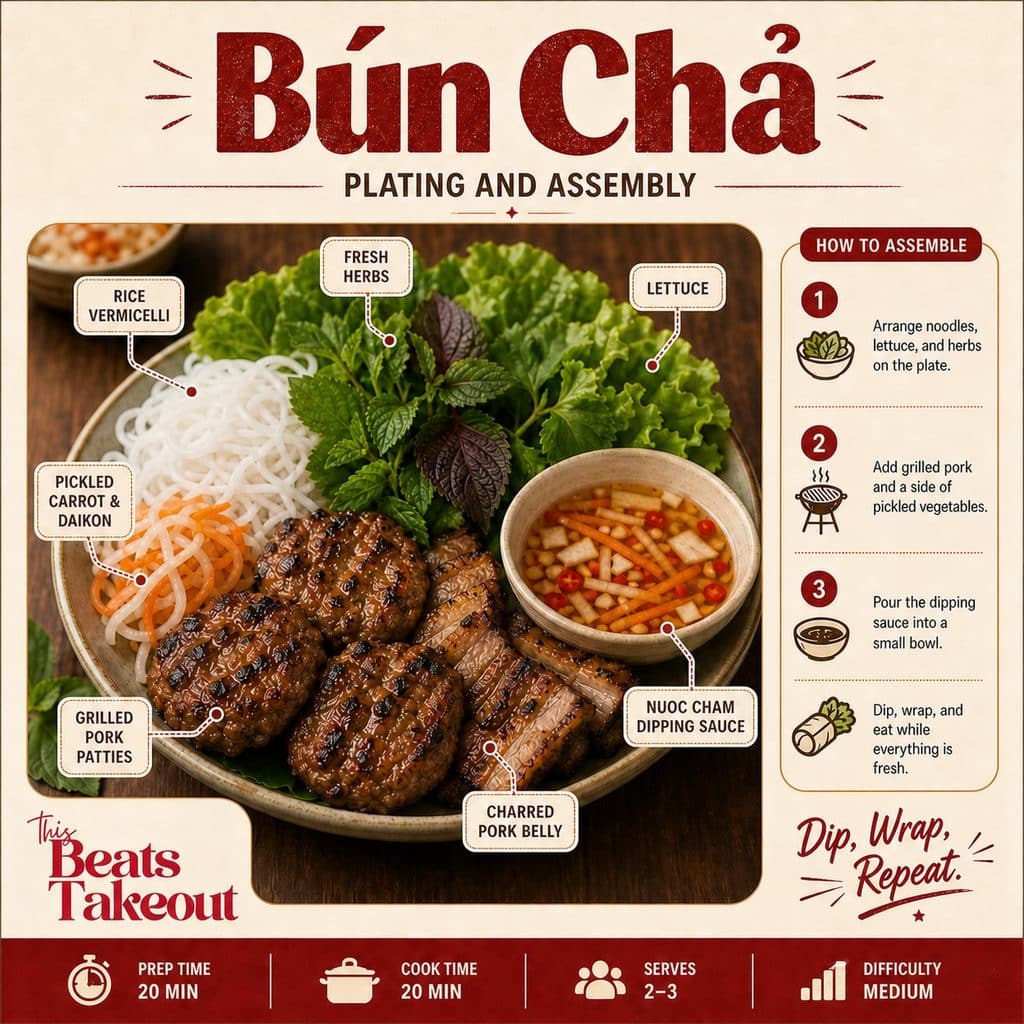
Start by placing a generous bowl of warm dipping broth in front of each person. Drop several hot, freshly grilled Vietnamese pork meatballs directly into the broth, along with a spoonful of the crisp pickled papaya and carrots.
Place the platter of cold cooked vermicelli noodles and fresh green herbs in the center of the table.
To eat, use your chopsticks to grab a bite-sized clump of noodles, a few leaves of mint and lettuce, and submerge them directly into the warm broth.
Lift out a mouthful containing the cool noodles, crisp herbs, tangy pickles, and a piece of smoky, savory pork all in one go.
The contrast between the warm, rich meat, cold silkiness of the noodles, and sharp crunch of the fresh herbs is what makes this dish legendary.
Final Thoughts
Making authentic street food at home isn’t about owning specialized equipment or spending days obsessing over complex culinary terminology. It is about understanding how basic elements – fat, sugar, fire, and acid – work together to create balance.
These Vietnamese pork meatballs bring a dynamic, flame-kissed energy to your dinner table that standard burgers or smoked sausages simply cannot match. Fire up the charcoal, prep your herb basket, and enjoy one of the greatest noodle dishes the world has to offer.
Featured image credit: @phodistrictlondon
