
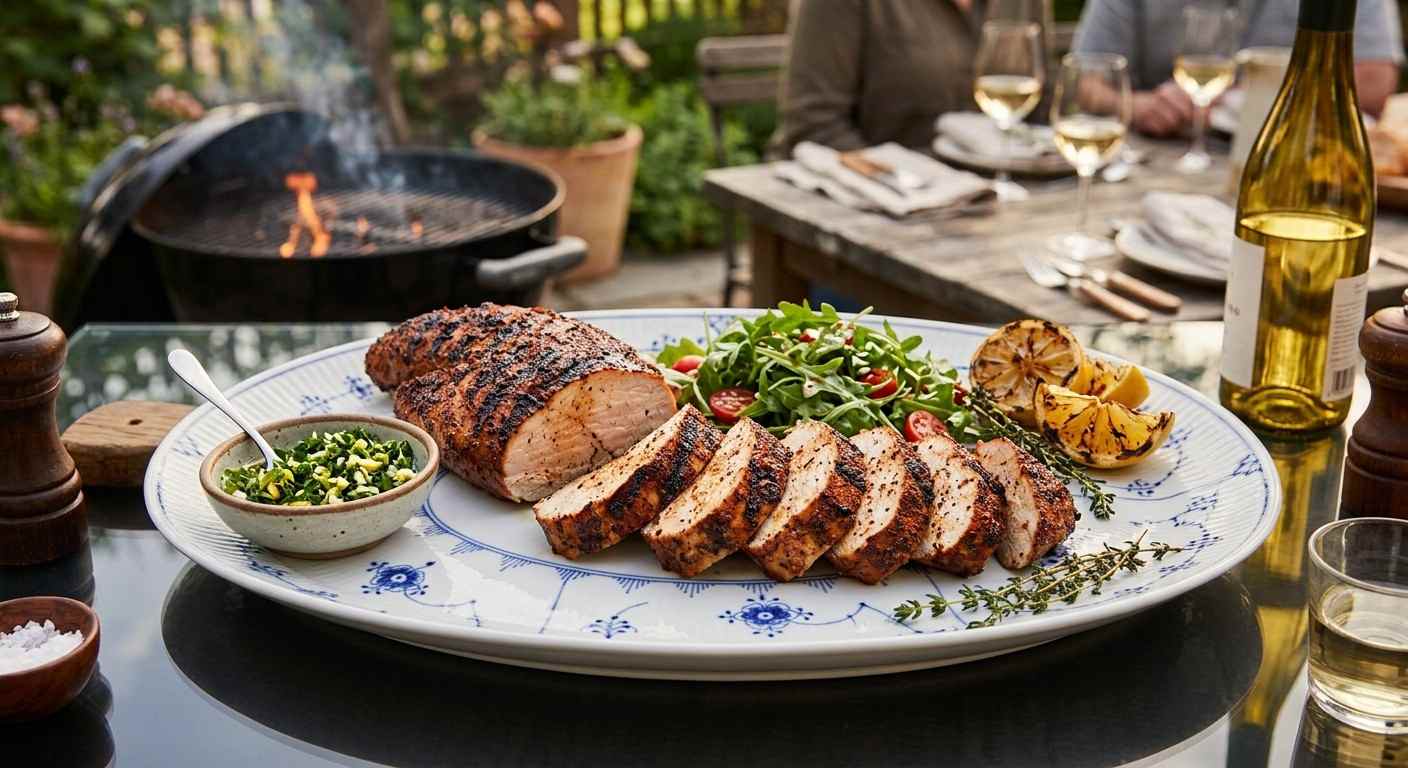
Why do we collectively decide to care about turkey exactly once a year, right around late November, only to sentence it to four hours of drying out in a hot oven? Most folks treat this bird like a holiday obligation rather than a legit weeknight protein option.
But he was talking about whole birds, and frankly, whole birds are a pain in the tailfeathers. When you throw a grilled turkey tenderloin over live fire, everything you thought you knew about dry, sawdust-textured poultry completely falls apart.
This isn’t your grandma’s dried-out holiday roast that requires a gallon of lukewarm gravy to swallow. Turkey tenderloins cook fast, hold onto juice like a sponge, and absorb bold wood-fired flavor better than almost any meat in the meat case.
If you have 30 minutes and a grate hot enough to sear, you are about to pull off the ultimate weeknight grilling victory.
Why Turkey Tenderloins Are Perfect for the Grill
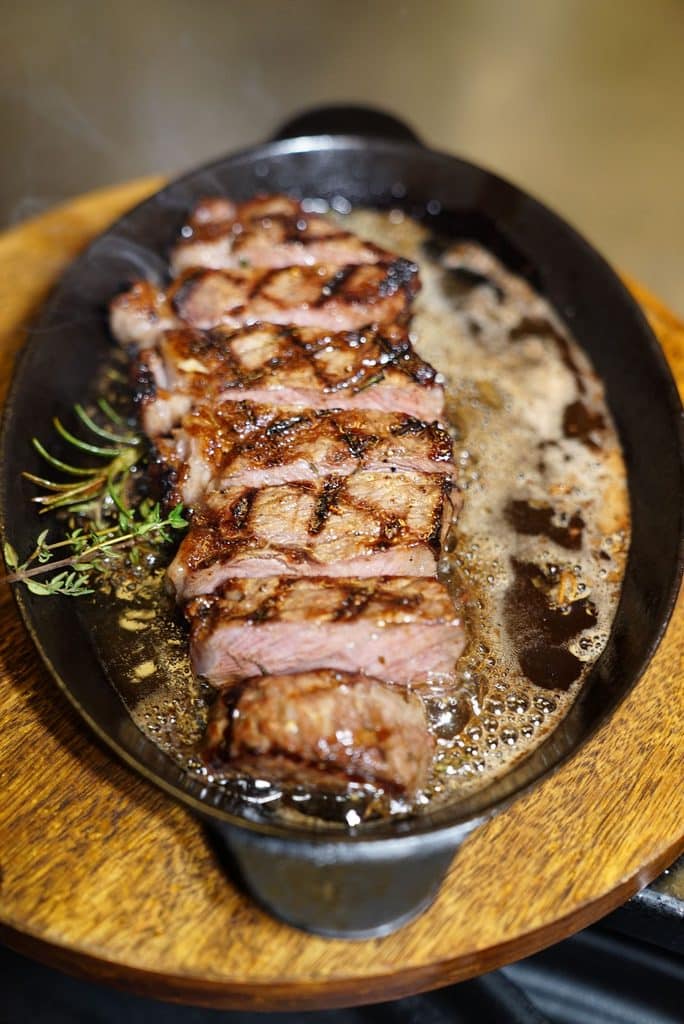
If you walk past the poultry section, you will usually see boneless breasts, wings, and ground meat hogging the spotlight. Nestled quietly nearby is the inner tenderloin – the long strip of boneless, skinless muscle nestled under the breast.
Here is why grilled turkey tenderloin deserves a permanent spot on your weekly rotation:
- Uniform Shape: Unlike whole turkey breasts that taper off wildly, tenderloins feature a consistent thickness from end to end. That means even cooking without burnt tips.
- Zero prep work required: No butchering, no skin removal, and no tedious trimming. They come ready to cook straight out of the vacuum seal.
- Rapid flavor absorption: Because the muscle fibers are incredibly lean and fine, a quality dry rub clings tightly to the surface and seasons the meat deeply in minutes.
Unlike a whole 15-pound bird that demands 24 hours of liquid brining and a prayer, tenderloins give you that deep, savory poultry fix in under half an hour.
Wood Smoke Pairing: Choosing Your Fuel
Fuel choice transforms a good grilled turkey tenderloin into a competition-grade feast. Because turkey is mild, heavy hardwoods like hickory or mesquite easily overpower the delicate meat, leaving a bitter, ash-like finish.
Reach for sweet fruitwoods instead.
Applewood and cherry wood are the gold standard here. Cherry wood creates a stunning, deep-mahogany smoke ring and a sweet surface note, while apple delivers a soft, crisp aroma.
If you want a bit more backbone, mix pecan wood with fruitwood for a rich, nutty depth that complements the spice rub perfectly without masking the turkey.
The Mayo Slather Hack for Maximum Crust
If you want an insanely crispy crust without burning your spices, swap the olive oil binder for a thin layer of mayonnaise.
It sounds bizarre, but pitmasters use this secret weapon constantly. Mayonnaise is simply an emulsion of oil and egg yolk. The egg proteins accelerate the Maillard reaction, creating an ultra-caramelized, golden-brown bark that locks in internal moisture.
Don’t worry – the mayo completely melts away on the grates, leaving zero egg flavor behind. Paint a paper-thin coat over the dry turkey, apply your spice rub on top, and watch it cling like cement.
High-Heat Glazing: The Flash-Caramelization Finish
While a dry rub builds the foundational bark, adding a sweet-and-tangy glaze during the final two minutes elevates a grilled turkey tenderloin to restaurant status.
- Avoid Early Burning: Sugary glazes – like peach bourbon, hot honey, or maple mustard – will burn into a bitter char if applied too early to lean meat.
- Time the Application: Wait until the internal temperature reaches 155°F on the indirect side of the grill.
- Flash-Caramelize: Brush a thin layer over the crust, then flip the tenderloin back onto direct heat for precisely 60 seconds per side.
- The Result: The intense heat instantly sets the glaze into a sticky, glossy lacquer without scorching the spices beneath.
The Acid Fix: Bright Board Sauces for Lean Poultry
Unlike fatty pork shoulder or marbled ribeye, lean poultry lacks rendered fat to coat your palate, meaning heavy sauces can easily overwhelm the meat.
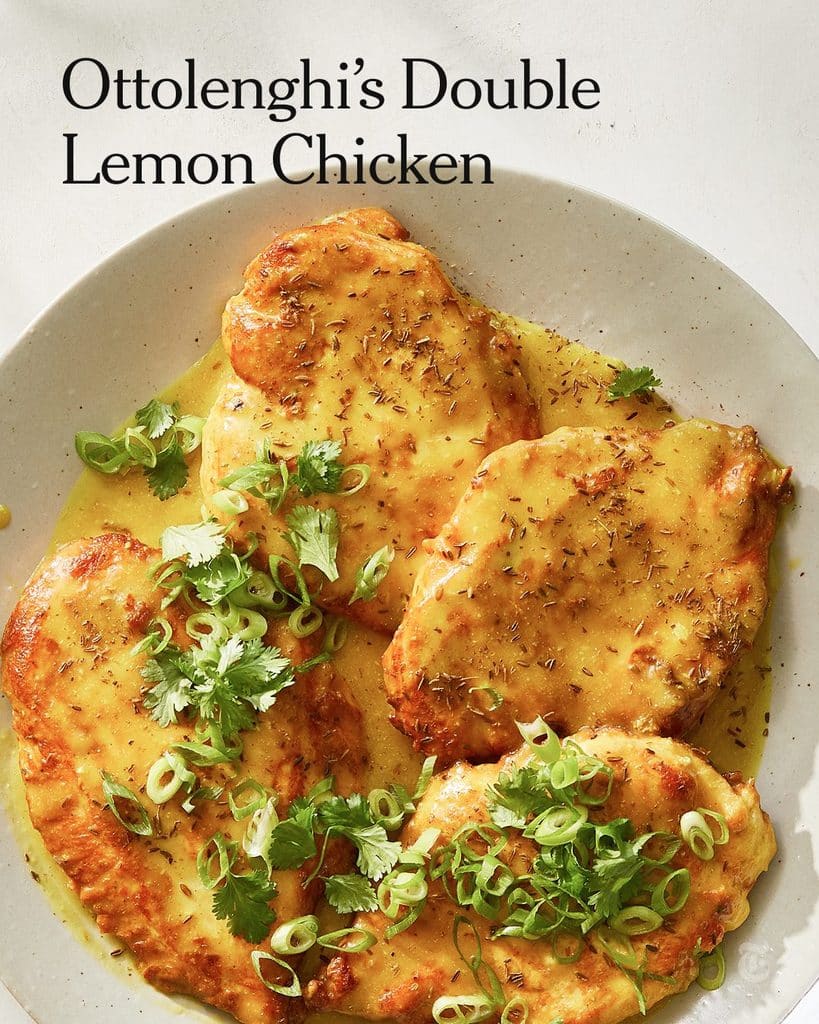
- Prep the Board: While your tenderloin rests, pool extra virgin olive oil, fresh lemon juice, chopped flat-leaf parsley, and crushed red pepper flakes directly on your cutting board.
- Slice into the Pool: Slice the hot grilled turkey tenderloin straight into this mixture.
- Create an Instant Pan Sauce: As the meat releases its savory juices, it emulsifies with the oil and citrus.
- Flavor Impact: This splash of bright acid cuts through the smoky spice rub and guarantees every bite tastes freshly dressed.
Reverse Brining: The Overnight Dry-Salt Advantage
Skip the messy buckets of liquid brine – dry brining is the ultimate trick for maximum juice retention.
- Season in Advance: Rub your tenderloin with kosher salt 12 to 24 hours before it touches the grill to fundamentally change its cellular structure.
- Lock in Moisture: The salt draws out surface moisture, dissolves, and is reabsorbed deep into the muscle tissue to denature poultry proteins, holding water even at 400°F.
- Build a Better Crust: Resting the salted meat uncovered on a wire rack in the fridge dries out the exterior layer, ensuring a shatteringly crisp crust over direct flame.
Next-Day Transformation: Creative Leftover Ideas
If you happen to have leftovers, do not suffer through cold, sad turkey slices. Cold grilled turkey tenderloin holds its structural integrity remarkably well, making it built for high-end meals.
Thinly slice the chilled meat on a bias for smokey turkey bahn mi sandwiches stacked with pickled daikon, fresh cilantro, and spicy sriracha mayo.
Alternatively, dice the tenderloin into thick cubes and toss them into a hot cast-iron skillet for 90 seconds to create crispy turkey street tacos. The caramelized spice rub re-activates in the hot fat, creating instant, flavorful carnitas-style edges.
Key Pro Tips for Moisture & Internal Temperature
- Trust the Thermometer, Not the Timer: Poultry goes from silky to leather in a matter of 2 minutes. Pull the meat at 160°F–162°F – resting will bring it to the food-safe threshold without boiling out the juices.
- Slice on a Bias Across the Grain: Look closely at the muscle fibers running down the tenderloin. Cut across those lines at a slight angle to shorten the fibers, making every slice melt-in-your-mouth tender.
The Takeaway
Forget everything you thought you knew about dry holiday turkey. Mastering a fast, juicy grilled turkey tenderloin comes down to controlling your heat, pulling the meat at the right temp, and letting a bold spice blend do the heavy lifting over live fire.
It is lean, ridiculously tender, and fast enough to rescue any busy weeknight dinner routine. Crank up the heat on your grill, grab a reliable digital meat thermometer, and skip the oven altogether.
Once you slice into this tenderloin, you will never relegate turkey to just late November ever again.
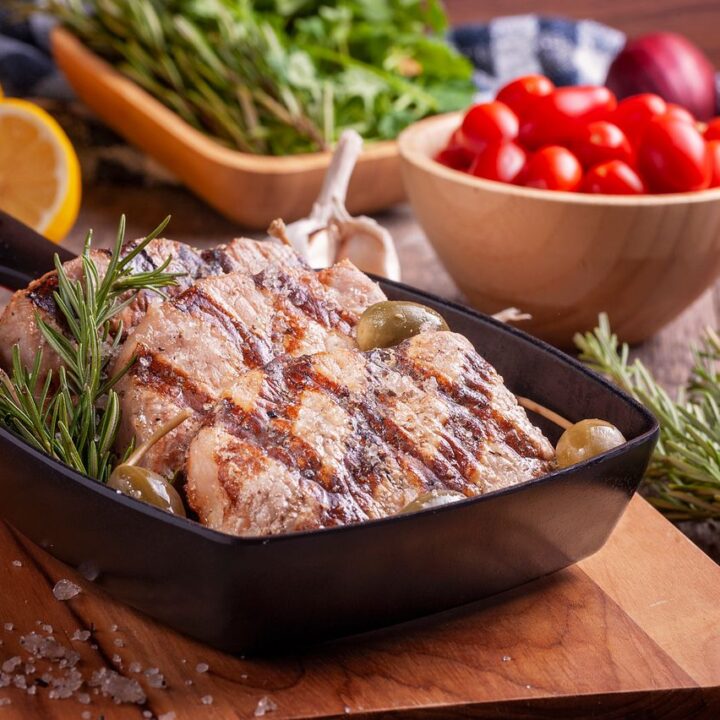
Fast Spice-Rubbed Grilled Turkey Tenderloins
Image credit: Marcelo Verfe
Ingredients
- 1.5 lbs turkey tenderloins (typically 2 pieces per pack)
- 2 tbsp olive oil or avocado oil
- 2 tbsp smoked paprika
- 1 tbsp dark brown sugar
- 1 tbsp granulated garlic
- 1 tbsp onion powder
- 1 tsp dry mustard powder
- 1.5 tsp kosher salt
- 1 tsp coarse black pepper
Instructions
Step 1: Prep and Season
Pat the tenderloins completely dry using paper towels. Moisture is the enemy of a good crust; if the surface is wet, the meat steams instead of sears.
Drizzle the meat with high-heat oil, then coat generously with your spice blend. Press the rub firmly into the meat – don't just dust it. Let it sit on the counter for 15 minutes to take the chill off.
Step 2: Build a Two-Zone Fire
Whether you use charcoal or gas, set up your grill for two-zone indirect cooking.
- Direct Zone: Medium-high heat (around 400°F) for searing.
- Indirect Zone: A cooler area with no direct flame underneath for gentle finishing.
Step 3: Sear for Bark
Lay the tenderloins over the direct heat zone. Grill for 3 to 4 minutes per side with the lid open. Look for deep sear marks and a caramelized spice crust, but watch for flare-ups caused by dripping oil or sugar.
Step 4: Move to Indirect Heat
Once you have earned a proper crust, slide the tenderloins over to the cool side of the grill. Close the lid to let the indirect heat roast the interior without burning the exterior.
Step 5: Pull and Rest
Insert a digital instant-read thermometer into the thickest part of the meat. Pull the tenderloins off the grill at 160°F–162°F.
Transfer them to a cutting board, tent loosely with aluminum foil, and let them rest for 7 to 10 minutes. Carryover heat will drive the final internal temperature to a safe, juicy 165°F.
Featured image credit: Google Gemini
