
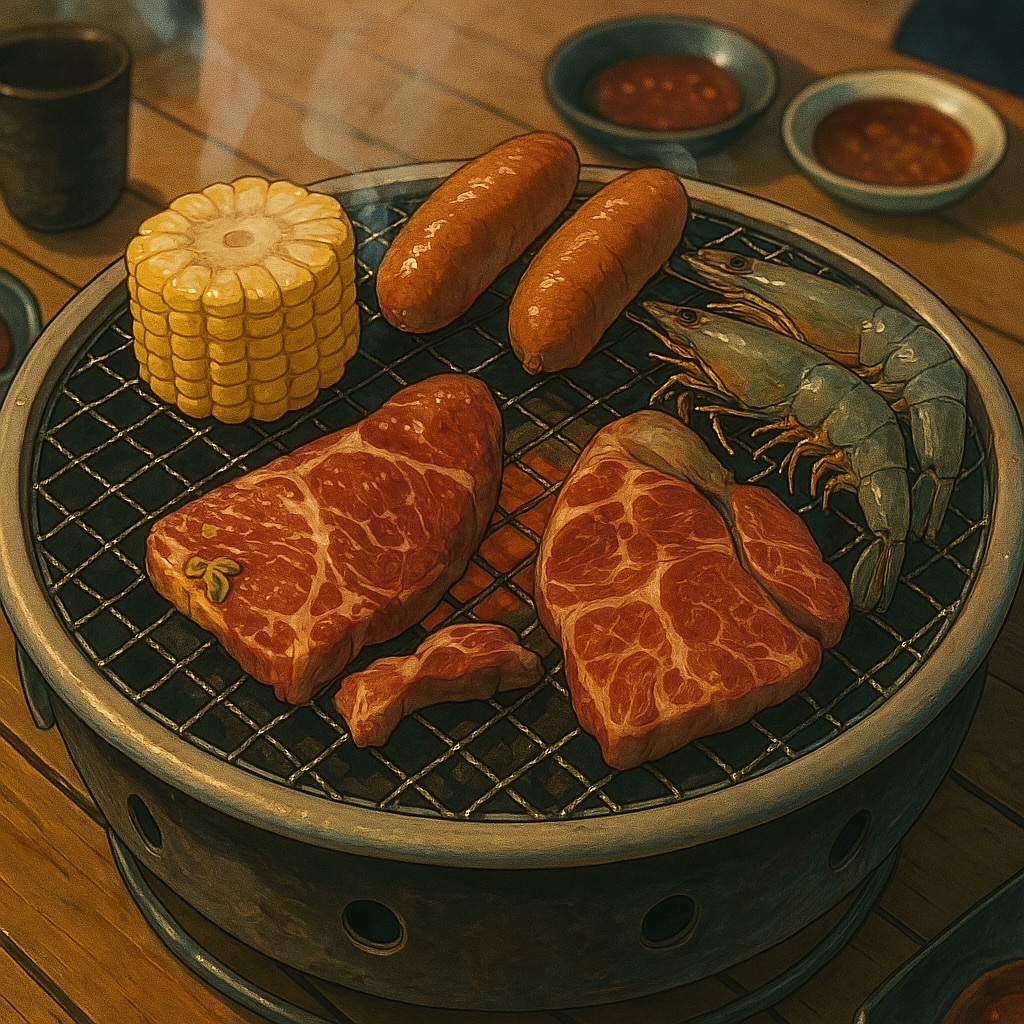
Humanity spent thousands of years mastering live-fire cooking, perfecting the delicate art of wood smoke, heat management, and internal temperatures, only to be completely outdone by a tired animator running on three hours of sleep and a draw pad.
It feels like an insult to anyone standing over a pit for twelve hours straight.
You spend half a day tending hickory coals to get a beautiful smoke ring, then tune into a Japanese cartoon where a hand-drawn slab of meat glistens with such extreme graphic precision that it instantly renders your real-world brisket utterly inadequate.
Anime has a full-blown, clinically documented obsession with food, but nothing gets the royal animation treatment quite like anime BBQ.
It does not matter if the plot involves teenage demon slayers, giant mech robots, or low-stakes fantasy camping – at some point, everything pauses so a piece of marbled beef can sizzle on a grill for three uninterrupted minutes.
This isn’t an accident, nor is it cheap filler time to save on production budgets.
In fact, animating live-fire cooking is one of the most expensive, painstaking, and technically demanding tasks in modern hand-drawn media.
The Art of the Sizzle: Technical Animating and Visual Flexing
Managing real fire requires balancing oxygen, fuel, and ambient temp. Animating fire and food requires a completely different kind of mastery: convincing the human brain that a flat 2D drawing is dripping with warm, rendered animal fat.
The Physics of Flavor and Fluid Motion
Real meat changes state rapidly under direct heat. To capture this, animators do not just draw a static piece of steak and change its color from red to brown.
They animate the physics of high-heat searing:
- Fat Rendering: Visualizing rendered fat demands dynamic fluid physics. Animators paint translucent, high-contrast white highlights that shift across the surface to mimic bubbling, liquid tallow.
- Heat Distortion and Smoke: Fire changes the air around it. Top-tier animation studios draw actual heat-refraction waves—warping the background lines behind the grill to simulate thermal currents.
- The Maillard Reaction: The browning process is drawn frame-by-frame. You can see the edges charring into a crisp, caramelized crust while the center retains a translucent pink hue.
Sound Design Synchronization
You cannot separate the visual from the audio. The visual impact of an anime BBQ scene relies almost entirely on hyper-realistic Foley sound work.
The sound engineers do not use generic fire audio; they press real microphones inches away from sizzling yakiniku grates.
That crisp ssshhhh sound as raw meat touches hot iron fires off the exact same neural pathways as real-world cooking, triggering instant salivation.
The Ultimate Studio Flex
In the animation industry, rendering complex liquid physics and dynamic light sources is a direct display of technical dominance.
When a studio like MAPPA or Ufotable spends twenty percent of an episode’s budget on a fifteen-second scene of grilled skewers, they are sending a clear message to rival studios: we have the time, skill, and budget to burn on charred beef.
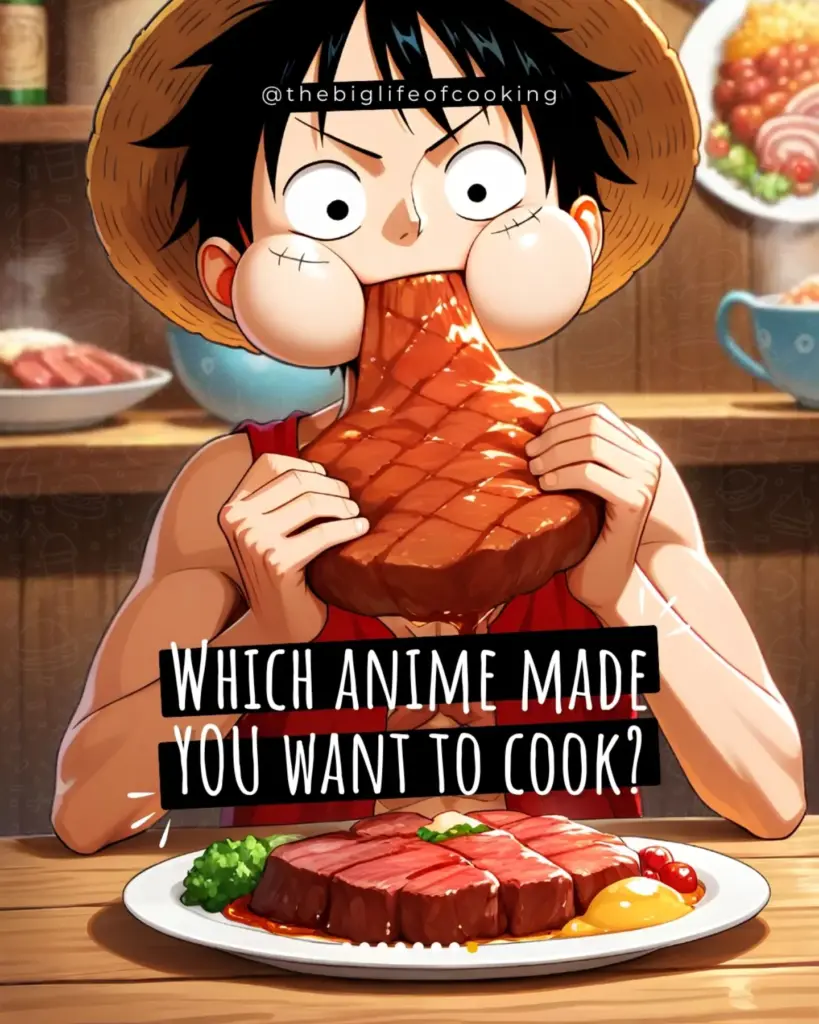
More than Meat: BBQ as a Storytelling Tool
Standing around a fire is the oldest human social habit. Long before we had smartphones, we sat in circles trying not to burn our dinner.
Anime directors lean into this ancient psychology heavily. An anime BBQ scene is almost never just about feeding the characters; it is a narrative tool disguised as a meal break.
Building Intimacy and Breaking Tension
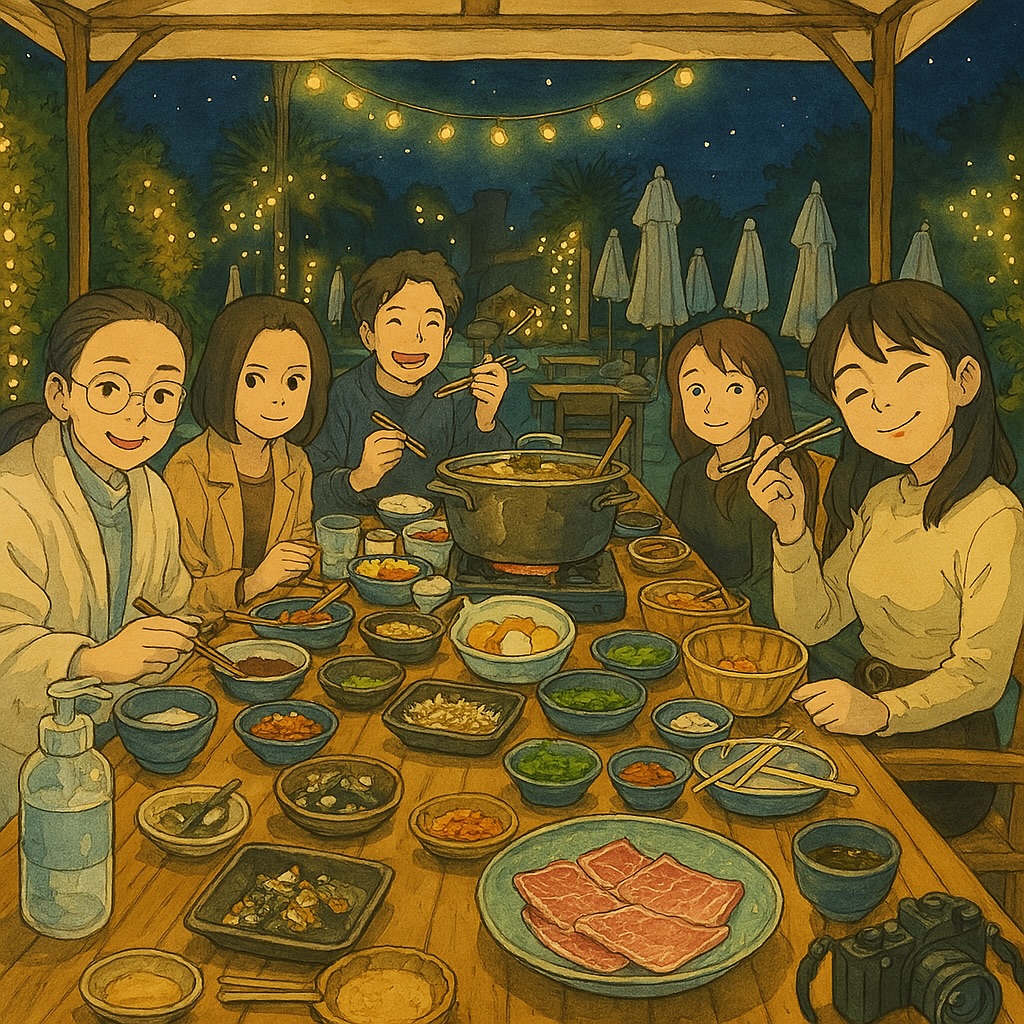
You can put two sworn enemies in a room and they will stare at each other in silence. Place them in front of a communal yakiniku grill, and the dynamic instantly changes.
Communal grilling forces interaction because live-fire cooking requires active participation. Someone has to turn the meat. Someone has to guard the charcoal. Someone has to call out who is taking the last piece of short rib.
The Anime BBQ Character Archetypes
- The Impatient Powerhouse: Eats meat half-raw straight off the coals. This behavior highlights their reckless nature, high energy, and lack of restraint.
- The Meticulous Master: Controls the heat and flips the meat only once. This demonstrates patience, control, precision, and practical wisdom.
- The Food Thief: Snatches prime cuts off others’ plates when they are not looking. This sparks easy comic relief and establishes dynamic group rivalries.
Pacing and Emotional Breathers Action stories cannot run at 100 miles per hour continuously without burning out the viewer.
After an intense battle or an emotionally draining plot twist, the anime BBQ acts as a narrative reset button. It anchors the story back in safety, reminding the audience what the heroes are actually fighting to protect: peace, good company, and a warm meal.
Cultural Roots: Japanese BBQ Culture On-Screen
To truly understand why anime BBQ looks the way it does, you have to look at how live-fire cooking operates in daily Japanese life.
Western barbecue heavily leans toward low-and-slow smoking – briskets, pork shoulders, and ribs cooked over twelve hours in massive steel offset smokers.
Japanese live-fire traditions skew toward high-heat, high-interaction formats like Yakiniku (tabletop grilled meat) and Yakitori (skewered chicken over ultra-hot binchotan charcoal).
The Magic of Binchotan Charcoal
Real pitmasters hold tremendous respect for binchotan – a specific type of oak charcoal cooked at extreme temperatures until it becomes nearly pure carbon. It burns completely smokeless, odorless, and red-hot.
Animators depict this exact heat source with remarkable fidelity:
- White-Hot Core Dynamics: Instead of drawing orange flame wood, animators color binchotan with a powdery white exterior that glows deep crimson from within.
- Infrared Precision: High-heat charcoal sears the outside instantly without drying out the inside. Animators capture this by drawing crisp, dark grill marks on meat that remains incredibly juicy when cut open.
The Camping Boom and Outdoor Animation
Shows like Laid-Back Camp (Yuru Camp) sparked a massive, real-world surge in outdoor recreation across Japan.
Anime transformed outdoor cooking from a rugged survival skill into an accessible, therapeutic lifestyle aesthetic.
Sales of portable solo-grills, compact fire pits, and specialized camping seasoning exploded in Japan simply because audiences wanted to recreate the exact grilled meals they watched on their screens.
The Logistics and Budget: Why Invest Time in Grilling Scenes?
Why do animation producers willingly spend thousands of dollars per minute on animated meat? The answer comes down to return on investment and viral marketing momentum.
Field Research and Reference Photography
Animators do not guess how a ribeye looks when it hits a grate. Production teams actively conduct “field research.”
Animators visit real yakiniku spots, set up high-definition cameras, and order premium cuts just to film the fat rendering process frame by frame.
They study how light bounces off wet glaze, how meat contracts as muscle fibers tighten, and how smoke swirls around exhaust hoods.
Social Media Virality and Short-Form Clips
In the modern streaming era, short clips drive viewership.
A complex thirty-second sequence of a character eating perfectly glazed, grilled chicken skewers travels rapidly across TikTok, Instagram, and YouTube.
A beautifully rendered anime BBQ clip serves as a high-converting, free advertisement for an entire series.
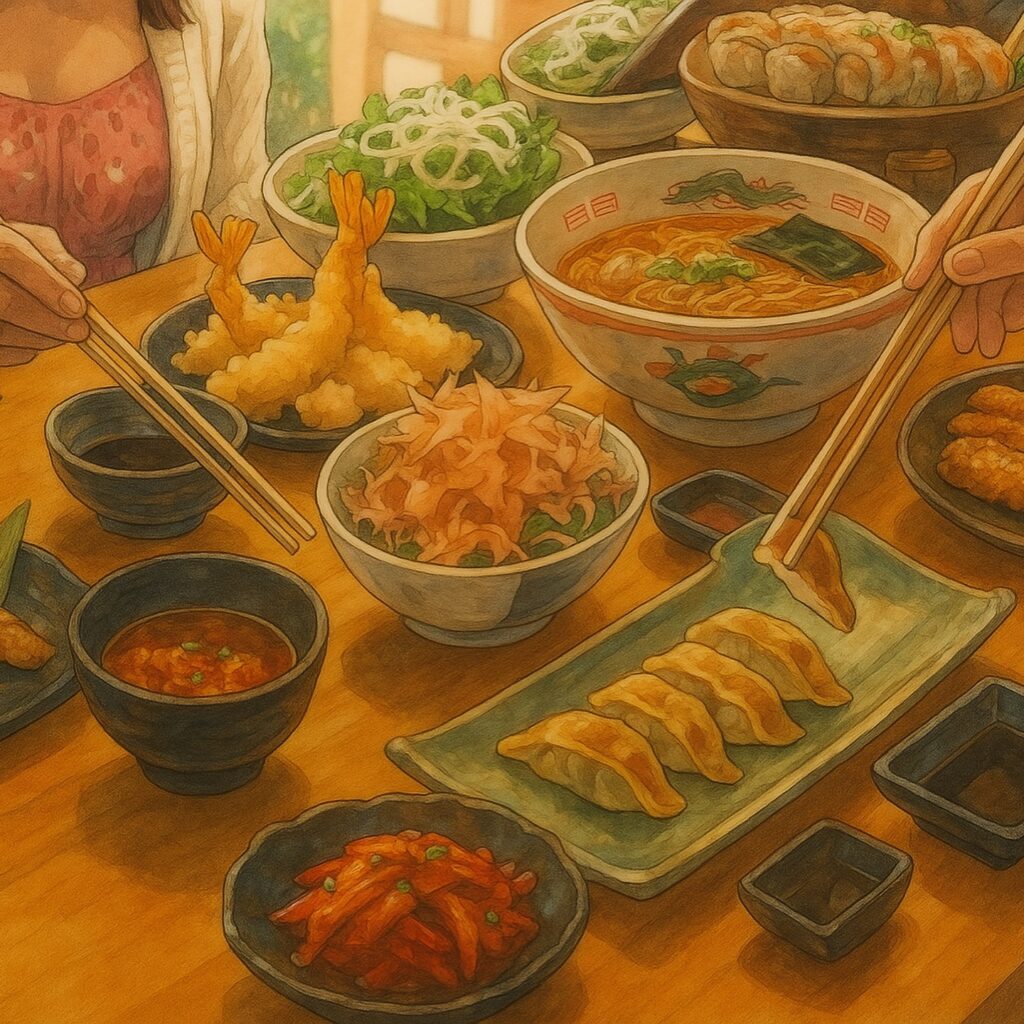
How to Recreate the Ultimate Anime BBQ at Home
If watching these animated masterpieces leaves you starving, you do not need an animation budget to capture that visual and culinary magic on your own backyard setup. You just need to apply a few fundamental live-fire principles.
Translating Anime Tropes to Real Pitmaster Techniques
- Glistening, Hyper-Shiny Surface: Anime shows exaggerated liquid sheen on cooked meats. Achieve this in real life by brushing your meat with a high-sheen tare or glaze during the final sixty seconds of cooking.
- Intense Red Glow Without Heavy Smoke: This visual comes from ultra-clean heat sources. Use high-quality lump charcoal or binchotan to get a blazing heat bed without smoking out your backyard.
- Thick, Perfectly Cut Meat Strips: Anime meat looks uniform and clean. Hand-slice high-marbled beef across the grain into uniform strips so every piece cooks at the exact same rate.
Focus on High-Heat, Direct Searing
Skip the massive long-haul smoke sessions if you are chasing the quick-sear style seen in most shows. Set up a charcoal grill for two-zone cooking, piling your coals high on one side to create a blazing direct-heat surface.
Master the Tare Glaze
That mirror-like shine on anime skewers comes from tare – a rich combination of soy sauce, mirin, sake, and sugar reduced until it coats the back of a spoon.
- Dip or brush the glaze onto the meat during the last 60 seconds of cooking.
- The sugar in the glaze caramelizes over the hot coals instantly, creating that dark, glossy finish and deep umami crust that looks like it was drawn by a master illustrator.
The Color Palette of Craving: Color Theory in Anime BBQ
Behind every jaw-dropping animation lies a masterclass in color psychology designed to trigger human appetite. Animators do not just paint meat brown; they engineer a spectrum of warm, high-intensity color palettes.
- Color Transitions: Raw cuts feature deep magentas and translucent whites that shift into rich amber, golden-brown, and mahogany as heat hits the surface.
- Contrast Highlights: Pale yellows are painted along the edges to mimic sizzling fat and reflected flame.
This hyper-saturated color tuning exploits our brain’s natural hardwiring to recognize nutrient-dense foods, turning basic ink and pixels into an irresistible visual trigger that makes your stomach growl instantly.
Fantasy Beast Barbecue: Cooking the Impossible
While real-world yakiniku gets high technical praise, the fantasy monster BBQ subgenre pushes animator creativity into uncharted territory.
In shows like Delicious in Dungeon, creators invent the texture, fat distribution, and cooking physics of non-existent creatures like dragon tail, basilisk, or giant boar.
- Real-World Butchery: Applying traditional cutting and prep techniques to fictional creature anatomy.
- Speculative Physics: Demonstrating how thick monster hide renders down over open flames or how magical spices react to intense heat.
Inventing speculative culinary science grounds bizarre fantasy worlds in believable reality, proving that no matter how wild a universe gets, the universal rules of a good sear still apply.
The Foley Magic: How Sound Designers Sear the Audio
Long before you see the meat, your ears tell you it is delicious. Audio Foley work is the unsung hero of anime BBQ, responsible for half of the viewer’s sensory experience.
Foley artists do not rely on stock sound libraries; they set up hyper-sensitive microphones in actual kitchens to capture distinct live-fire sounds:
- The dry crackle of binchotan charcoal under high heat.
- The wet slap of marinated beef hitting hot iron grates.
- The sharp hiss of rendered fat striking glowing embers.
Layering multi-track audio effects allows sound designers to isolate the crunch of a caramelized crust from the soft squish of a juicy interior, creating an immersive sonic landscape that tricks your brain into smelling the smoke.
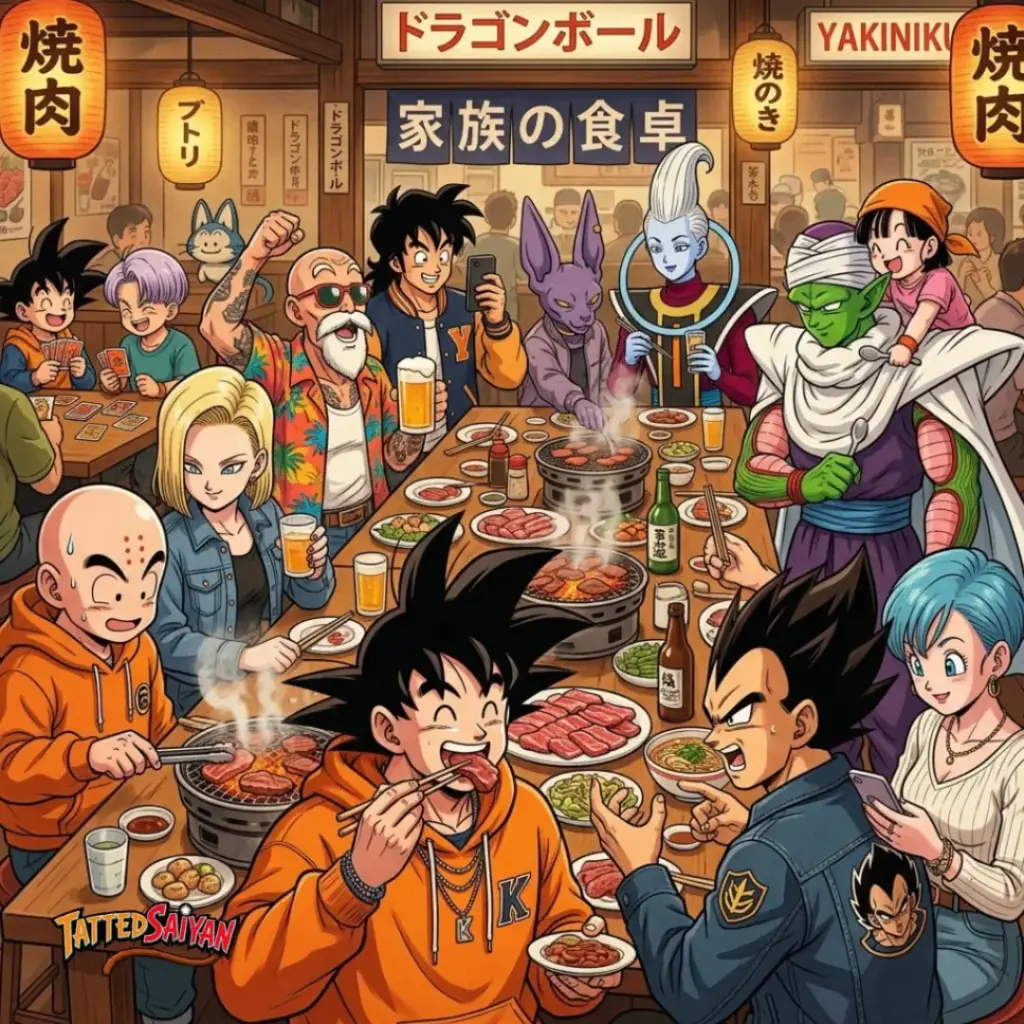
The “Anime Food” Phenomenon in Real-World Restaurants
The obsession with animated grilling has come full circle, spawning a massive trend of real-world themed anime pop-up dining.
Japanese restaurants and global pop-ups now actively design menu items to mirror the exact proportions, glazes, and presentation of famous animated meals.
- Blowtorch Searing: Used to achieve hyper-localized charring that mimics hand-drawn grill marks.
- Heavy-Sheen Reductions: Concentrated soy and mirin glazes engineered to replicate that signature cartoon shine.
This visual-first culinary design caters directly to digital audiences eager to recreate iconic screen moments for social media, proving that the boundary between 2D animation and real-world food culture has completely dissolved over a shared love of grilled meat.
Frame Rate Psychology: Why Choppy Motion Makes Food Look Better
Counterintuitively, smoother animation does not always mean more appetizing food. Japanese studios frequently employ limited animation techniques, intentionally lowering the frame rate during food preparation scenes.
- Animating on “Threes” or “Fours”: Holding a single drawn frame for three or four film frames instead of updating every frame.
- Visual Absorption: The deliberate rhythmic pause gives the viewer’s brain time to process intricate details like glistening oil drops and carbon lines.
Strategic frame-rate manipulation creates a stylized, painterly rhythm that feels far more dramatic and luxurious than hyper-smooth 60fps video, turning a simple meal into an epic, lingering cinematic event.
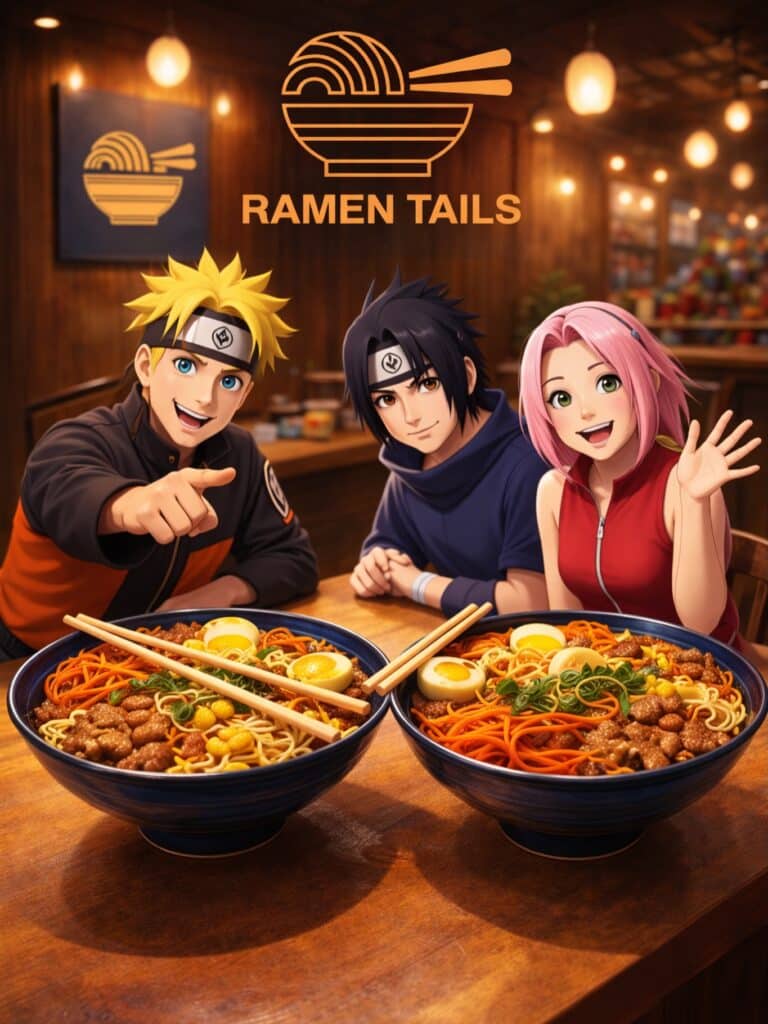
Frame by Frame, Bite by Bite: The Magic of Animated Barbecue
There is an undeniable magic in watching drawn ink transform into something that genuinely triggers hunger. Anime BBQ represents the perfect intersection of technical artistic skill, cultural tradition, and psychological storytelling.
Animators pour endless hours into capturing the exact way fat renders over charcoal because they understand a basic truth about human nature: fire and food bring people together.
Whether you are sitting in front of a real offset smoker, hovering over a tabletop charcoal grill, or just watching an animated hero share a meal with their team, live-fire cooking hits a deeply primal chord.
The next time you see a slab of animated meat sizzle across your screen, appreciate the craftsmanship behind it. An artist spent days getting that fat drip just right – and honestly, they deserve a plate of real barbecue for their efforts.
Frequently Asked Questions
Why does food in anime look better than real-life food?
Anime food relies on artistic exaggeration and color theory.
Animators push color saturation, paint hyper-reflective light highlights, and exaggerate liquid movement (like bubbling fat and flowing glazes) far beyond what naturally occurs in real life.
Combined with hyper-detailed sound effects, it tricks your brain into perceiving the food as warmer, juicier, and more flavorful than real food.
What is the name for the style of Japanese BBQ commonly seen in anime?
The two most common styles are Yakiniku (tabletop grilled meat cooked over a small grill right at the table) and Yakitori (skewered, bite-sized chicken cooked over open coals, usually brushed with a sweet soy glaze called tare).
What kind of charcoal do anime creators model in grilling scenes?
Animators frequently depict binchotan (Japanese white charcoal). It burns virtually smokeless and odorless at extremely high temperatures, producing a distinct white-grey exterior and a deep crimson glowing core.
Why do animation studios spend so much budget on short food scenes?
High-detail food animation serves as a technical “flex” for studios to showcase frame-rate control, lighting mastery, and liquid physics.
Additionally, 5-to-10-second food loops generate massive engagement on short-form social media platforms like TikTok and Instagram, serving as free viral marketing for the show.
How can I make my grilled meat shine like anime BBQ?
Brush your meat with a high-sugar glaze – such as a reduced mixture of soy sauce, mirin, sake, and sugar (tare) – during the final minute of cooking over direct heat. The sugar instantly caramelizes and creates a mirror-like, glossy sheen across the crust.
Featured image credit: @kimurayamarina
