
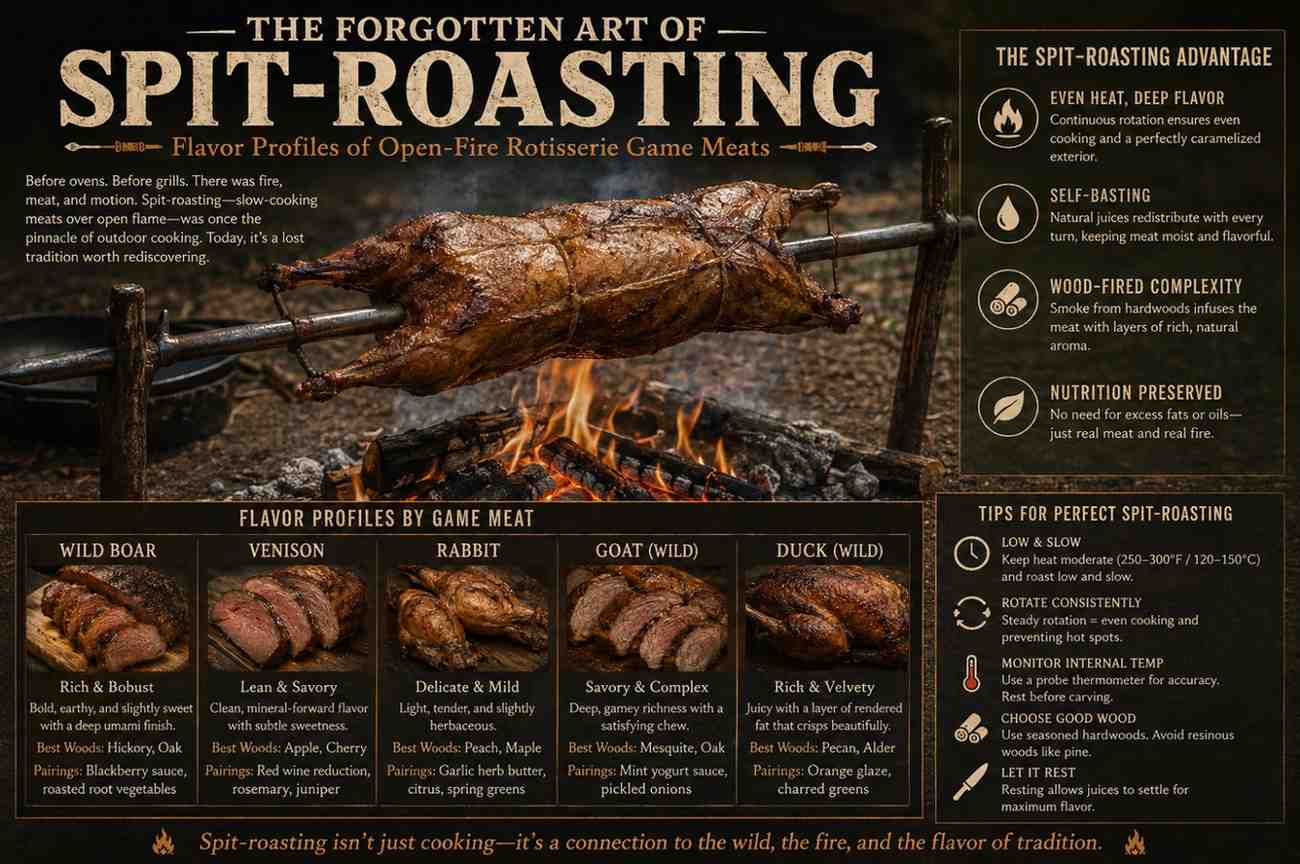
The crackle of hardwood coals has a way of grabbing your attention long before dinner is served.
Add a whole roast slowly turning over glowing embers, and suddenly every conversation around the fire slows down. That slow rotation isn’t just for show. Spit-roasting transforms game meat into something remarkably tender, deeply flavorful, and impossible to rush.
Modern grills and pellet smokers deserve their popularity, but they have quietly pushed one of humanity’s oldest cooking techniques into the background.
Long before digital thermometers and smartphone apps entered the scene, hunters relied on a simple spit, steady heat, and patience. The reward was meat with a crisp, caramelized exterior, juicy interior, and smoky aroma that no indoor oven could ever hope to imitate.
One lesson becomes clear after spending enough evenings tending an open fire: fire isn’t merely a heat source – it is an ingredient. The wood, the embers, the breeze, and even the distance between the meat and the flames all influence the final flavor.
Game meats are particularly suited for this traditional method. Their unique textures and natural flavors respond beautifully to slow rotation over live coals, creating results that celebrate the animal rather than hiding it beneath heavy sauces.
What Is Spit-Roasting? Understanding a Timeless Cooking Method
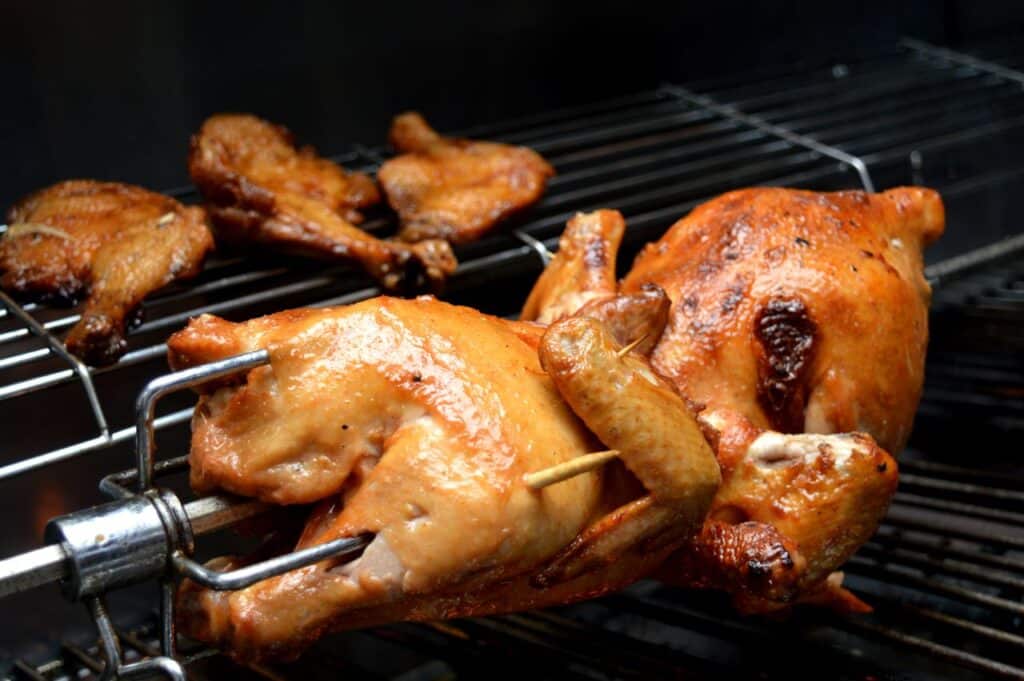
At its core, spit-roasting is beautifully simple. Meat is secured to a rotating rod and slowly cooked beside or above an open fire. Constant rotation exposes every surface to the same amount of heat, preventing one side from drying while another remains undercooked.
Unlike grilling, where food rests directly over intense flames, spit-roasting relies on gentle radiant heat. Think of it as letting the fire hug the meat instead of punching it.
That slower approach delivers several advantages:
- Even cooking from edge to center
- Continuous self-basting as rendered fat coats the meat
- Better moisture retention
- A beautifully browned crust without excessive charring
The technique dates back thousands of years. Ancient civilizations cooked whole animals over campfires, while medieval feasts often featured large spits turned by hand – or by the kitchen apprentice who probably wished he’d picked a different career.
Eventually, ingenious cooks recruited dogs running on treadmills, water wheels, and later electric motors to do the turning. Thankfully, today’s rotisserie motors are considerably less dramatic.
Despite modern conveniences, the principle hasn’t changed. Slow rotation plus controlled fire equals exceptional flavor.
Why Open Fire Changes the Flavor of Game Meat
Game meat already possesses character. Open fire simply helps it tell its story.
1. Radiant Heat Creates Gentle Cooking
Radiant heat cooks more evenly than direct flames.
Instead of scorching the outside before the center catches up, the meat gradually warms throughout. This is especially valuable for lean game like venison or elk, which can become dry surprisingly fast.
Slow cooking gives connective tissue time to relax while preserving moisture.
2. Smoke Adds Layers of Flavor
Smoke isn’t meant to overpower. A light kiss of hardwood smoke adds notes that vary depending on the wood species.
For example:
- Oak: balanced and earthy
- Apple: mild sweetness
- Cherry: fruity aroma
- Hickory: bold and savory
- Mesquite: intense and slightly spicy
Good smoke should make guests wonder why dinner smells so incredible – not make them feel like they’re standing inside a chimney.
3. Rotating Fat Becomes Natural Basting
One of the biggest advantages of spit-roasting is constant self-basting. As fat renders, it slowly travels around the meat during each rotation.
Instead of dripping away immediately, much of it repeatedly coats the surface, helping create:
- Juicier meat
- Richer flavor
- Better browning
Nature invented its own barbecue sauce long before bottled versions appeared.
4. The Magic of the Maillard Reaction
That deep golden crust isn’t simply “burnt.” It’s the result of the Maillard reaction, where proteins and sugars combine under heat to create hundreds of new flavor compounds.
This produces:
- Nutty aromas
- Toasted flavors
- Rich savory notes
- Beautiful color
It’s one of the biggest reasons properly spit-roasted meat tastes so much more complex than boiled or steamed alternatives.
Flavor Profiles of Popular Game Meats on the Spit
Every game animal brings its own personality to the fire. Understanding those differences helps you season wisely instead of covering everything with the same spice rub.
Venison
Venison often receives an unfair reputation for being “gamey.” More often than not, poor handling or overcooking deserves the blame rather than the deer itself.
Properly prepared venison offers:
- Clean, earthy flavor
- Lean texture
- Slight mineral richness
- Delicate sweetness
Because it’s naturally lean, spit-roasting helps prevent dryness. Oak and cherry wood pair beautifully without masking the meat’s natural taste.
Seasonings work best when kept simple:
- Rosemary
- Juniper berries
- Garlic
- Black pepper
- Sea salt
Heavy sugary sauces can overwhelm venison’s subtle character.
Wild Boar
Wild boar sits somewhere between pork and beef while bringing its own rustic personality.
The meat carries:
- Nutty richness
- Mild sweetness
- Earthy depth
- Pleasant marbling
That extra fat makes wild boar particularly forgiving over open fire. As the roast slowly turns, rendered fat bastes every surface, creating an incredibly flavorful crust.
Apple wood and hickory complement wild boar exceptionally well.
One memorable roast lasted nearly five hours over glowing oak coals. Nobody spoke much once dinner was served. The only sounds came from knives slicing crispy skin and the occasional request for seconds.
Silence at dinner can sometimes be the highest compliment.
Rabbit
Rabbit surprises first-time diners. Many expect something intensely wild.
Instead, properly cooked rabbit delivers:
- Mild flavor
- Fine texture
- Gentle sweetness
Its leanness demands careful cooking. Too much direct heat quickly dries it out, making slow rotation especially valuable.
Wrapping sections with bacon or periodically brushing with herb butter helps maintain moisture while adding another layer of flavor.
Duck
Duck practically seems designed for spit-roasting. The rotating motion allows fat beneath the skin to render gradually while the exterior becomes wonderfully crisp.
Expect flavors that are:
- Rich
- Buttery
- Slightly sweet
- Deeply savory
Cherry wood adds subtle fruitiness without overpowering the meat. A glaze made from honey, citrus, and herbs during the final thirty minutes creates an irresistible lacquered finish.
Pheasant and Other Wild Birds
Wild birds require a lighter touch. Pheasant, grouse, and partridge possess delicate flavors that disappear beneath aggressive smoke or heavy seasoning.
Best practices include:
- Mild fruit woods
- Light seasoning
- Moderate fire
- Frequent basting
Handled carefully, the meat develops subtle smoky complexity while remaining juicy.
Goat
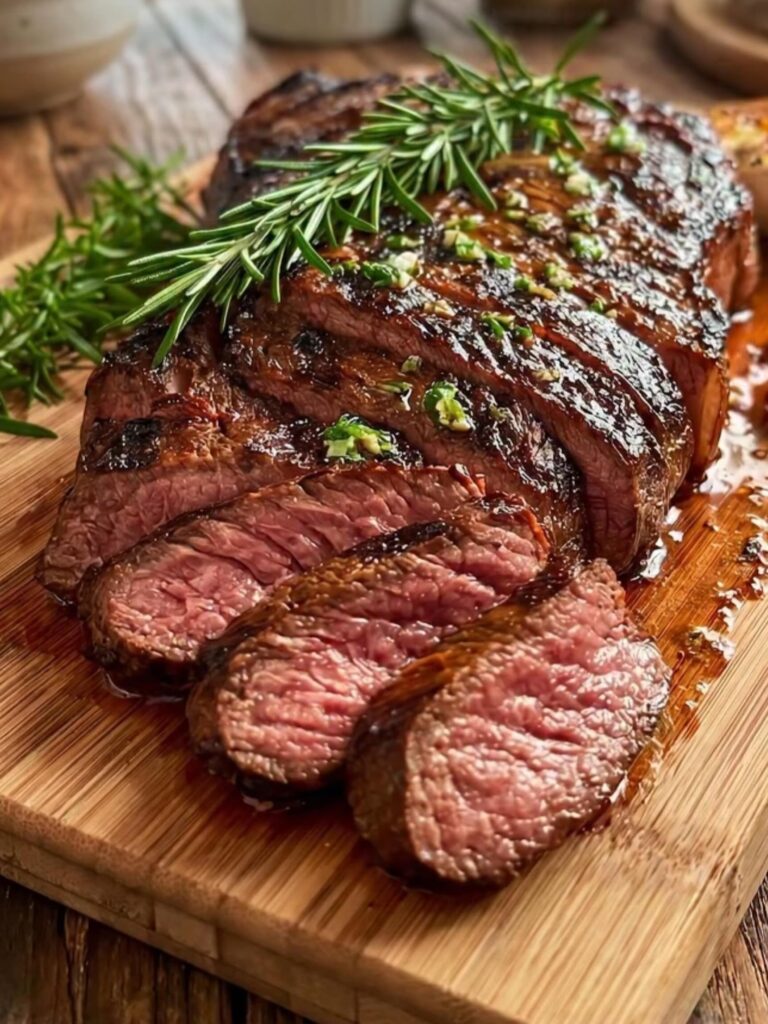
Goat enjoys worldwide popularity yet remains surprisingly underappreciated in many outdoor kitchens.
Its flavor is:
- Bold but clean
- Slightly earthy
- Rich without excessive fat
Goat responds wonderfully to marinades containing garlic, lemon, yogurt, rosemary, oregano, or cumin. Long, gentle cooking softens tougher muscles while preserving its distinctive taste.
Elk
Elk offers many similarities to venison but with a slightly milder personality. Many first-time tasters describe it as crossing beef with deer.
Expect:
- Mild earthiness
- Tender texture
- Clean finishLow fat content
Oak remains the classic wood pairing, while thyme and cracked pepper provide enough seasoning without stealing the spotlight.
How Firewood Influences Flavor
Choosing firewood deserves almost as much attention as selecting the meat. Hardwoods burn longer, produce steadier coals, and generate cleaner smoke than softwoods.
Popular options include:
- Oak: Balanced and versatile.
- Apple: Sweet and gentle.
- Cherry: Fruity with excellent color.
- Hickory: Rich and bacon-like.
- Mesquite: Powerful and best used sparingly.
Matching wood to meat creates harmony. Think of it like seasoning. A little enhances. Too much dominates.
For most game meats, oak serves as an excellent foundation. Fruit woods add elegance, while stronger woods like mesquite work best in moderation.
Traditional Seasonings and Marinades
Game meat already carries distinctive flavor, so restraint usually wins.
Some timeless combinations include:
- Garlic and rosemary
- Thyme and black pepper
- Juniper and bay leaves
- Sage and parsley
Marinades help tenderize lean cuts while introducing subtle complexity.
Common ingredients include:
- Red wine
- Apple cider vinegar
- Citrus juice
- Olive oil
- Fresh herbs
Avoid drowning game meat in sugary barbecue sauces before cooking. High sugar burns quickly over open fire, masking the meat instead of enhancing it.
The Science Behind Rotation: Why Constant Movement Matters
A stationary roast develops hot spots. A spit-roasted roast doesn’t. That continuous rotation is one of the biggest reasons open-fire cooking delivers such consistently flavorful results.
As the meat slowly turns, several things happen at once:
- Heat is distributed evenly, reducing the risk of one side overcooking.
- Rendered fat and natural juices continuously coat the meat, creating a natural self-basting effect.
- The exterior browns more uniformly, producing an even, caramelized crust.
- Moisture is better retained, helping the inside stay tender and juicy.
Think of it as giving every part of the roast equal time in front of the fire. It’s a surprisingly simple technique that solves several cooking challenges without requiring fancy equipment or constant attention.
Choosing the Right Cut for Spit-Roasting Success
Not every cut of game meat is equally suited for spit-roasting. Larger, well-balanced cuts generally perform best because they cook evenly during long exposure to radiant heat.
Some of the best cuts include:
- Whole legs
- Shoulders
- Saddles
- Whole birds
These cuts naturally retain moisture better than smaller steaks or thin fillets. Cuts with moderate fat and connective tissue are especially rewarding because they gradually become more tender as those tissues break down during the cook.
Leaner cuts can still produce excellent results with a little extra care, such as:
- Trussing the meat for even rotation.
- Barding with strips of fat or bacon to add moisture.
- Occasional basting throughout the cook.
Choosing the right cut before lighting the fire gives you a more forgiving cook and a far more satisfying meal once it’s time to carve.
How Weather Can Change Your Open-Fire Cook
Cooking outdoors means working with nature instead of trying to control it. Wind, humidity, and outside temperature all play a role in how your fire behaves.
Keep these conditions in mind:
- Steady wind can cause one side of the roast to cook faster than the other.
- Strong gusts may fan the coals and create unexpected hot spots.
- Cold weather usually requires a larger bed of coals to maintain steady heat.
- Hot summer days can accelerate cooking, making closer monitoring essential.
- Light rain cools the cooking environment and may extend cooking time.
Experienced fire cooks learn to read the fire rather than fight it. Small adjustments throughout the cook usually produce better results than constantly chasing perfect conditions – which, outdoors, rarely exist.
The Ritual That Makes Spit-Roasting More Than Cooking
One reason spit-roasting has survived for centuries isn’t just the incredible flavor – it’s the experience that surrounds it.
Unlike meals that come together in minutes, a slowly turning roast naturally encourages everyone to slow down. Before long, the fire becomes the center of attention, and the cooking itself turns into part of the entertainment.
It’s common to see people:
- Gather around the fire while the roast slowly turns.
- Swap stories and share laughs as the aroma fills the air.
- Sneak a taste under the excuse of “checking the meat.”
- Build anticipation with every crackle of the wood and every turn of the spit.
By the time the roast is ready to carve, everyone has already shared part of the experience.
Spit-roasting transforms cooking into an event, creating memories that often last much longer than the meal itself. In many ways, the time spent around the fire becomes just as rewarding as what’s served on the plate.
Essential Tips for Successful Spit-Roasting
Mastering spit-roasting requires patience more than expensive equipment.
Keep these principles in mind:
Build a Coal Bed
Steady embers produce more consistent cooking than roaring flames.
Balance the Spit
An uneven roast strains the motor and creates uneven cooking.
Cook by Temperature
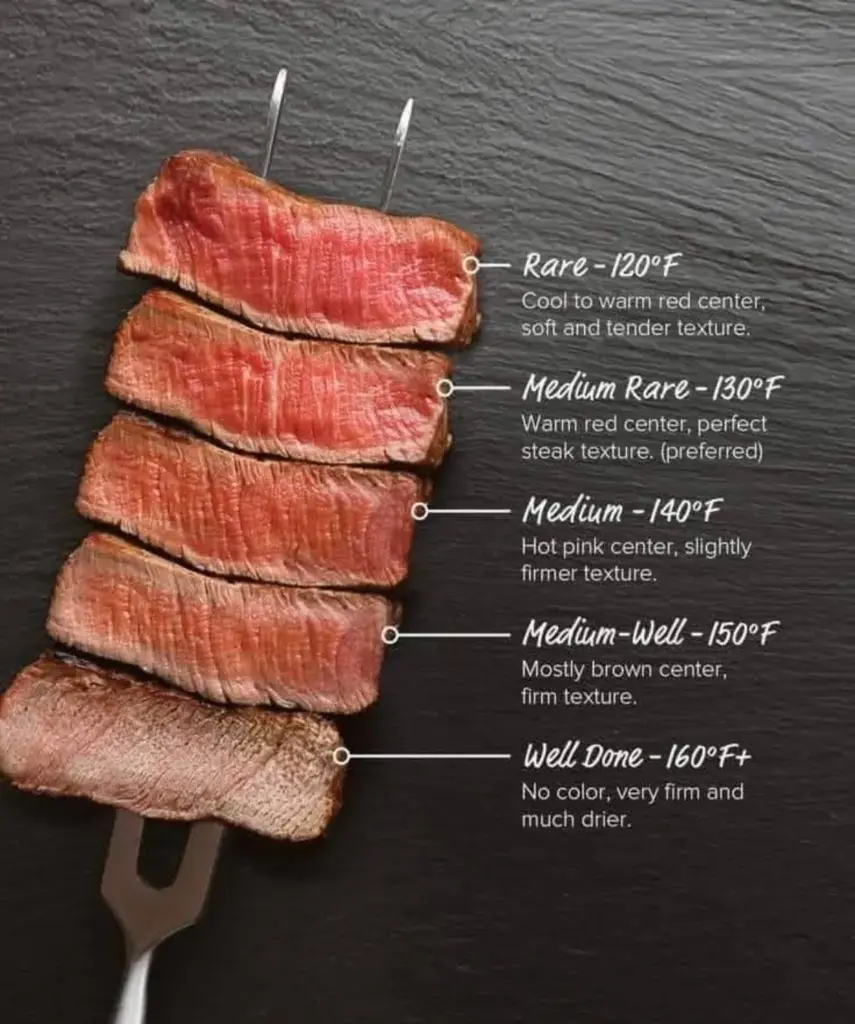
Time offers only an estimate. A quality meat thermometer provides confidence.
Let It Rest
Allow meat to rest 10 to 20 minutes after cooking. This simple step lets juices redistribute, producing noticeably juicier slices.
Stay Flexible
Wind shifts.
Coals cool.
Rain occasionally decides to join dinner uninvited.
Learning to adjust the fire is part of the tradition – and occasionally part of the entertainment.
Why Spit-Roasting Is Making a Comeback
Outdoor cooking has become more than simply preparing food. People increasingly seek experiences that slow life down.
Spit-roasting naturally creates that atmosphere.
Friends gather around the fire.
Stories get longer.
Phones disappear into pockets.
Dinner becomes an event rather than another task crossed off a list.
Interest in sustainable hunting, farm-to-table cooking, heritage recipes, and live-fire cuisine has also introduced a new generation to this centuries-old technique.
Sometimes the oldest ideas remain the smartest ones.
The Wisdom of Ember and Iron
Modern grills can cook dinner quickly, but spit-roasting delivers something speed simply cannot match.
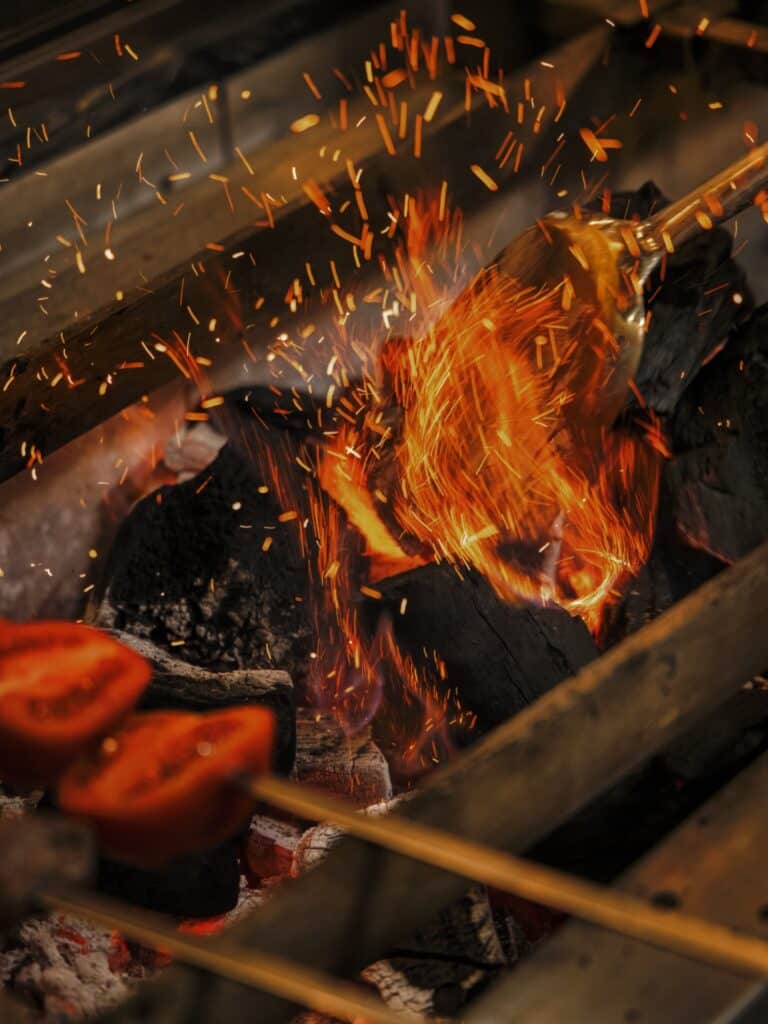
Every slow rotation over glowing coals builds layers of flavor through gentle heat, aromatic smoke, rendered fat, and careful caramelization. The result is meat that develops a crisp, deeply savory exterior while staying remarkably juicy inside.
Whether you’re cooking venison, wild boar, rabbit, duck, pheasant, goat, or elk, each game meat reveals its own personality when given the time and respect that open-fire cooking demands.
Pair it with the right hardwood, season it thoughtfully, and let patience do much of the work. The fire becomes more than a cooking tool – it becomes part of the recipe.
That may be the greatest lesson this forgotten tradition has to offer. Great barbecue isn’t always about bigger smokers, more gadgets, or the latest rub.
Sometimes it’s about gathering around glowing embers, listening to the gentle turn of the spit, and letting an age-old technique remind everyone why food cooked over a real fire has never gone out of style.
Frequently Asked Questions
Is spit-roasting better than grilling for game meat?
For larger cuts and whole animals, spit-roasting often produces more even cooking and better moisture retention than direct grilling.
Which wood is best for spit-roasting game meats?
Oak is the most versatile choice. Apple and cherry provide milder sweetness, while hickory and mesquite offer stronger smoky flavors.
Does spit-roasting make lean meat more tender?
Yes. The slow rotation promotes even cooking and continuous self-basting, helping lean meats like venison and elk stay juicy.
Should game meat be marinated before spit-roasting?
Lean cuts benefit from marinades made with herbs, oil, and mild acids such as wine or citrus, while naturally fattier meats like wild boar may need only simple seasoning.
What is the biggest mistake beginners make?
Cooking over flames instead of glowing coals. Steady radiant heat delivers far better flavor, texture, and control than high flames.
Featured image credit: ChatGPT
