
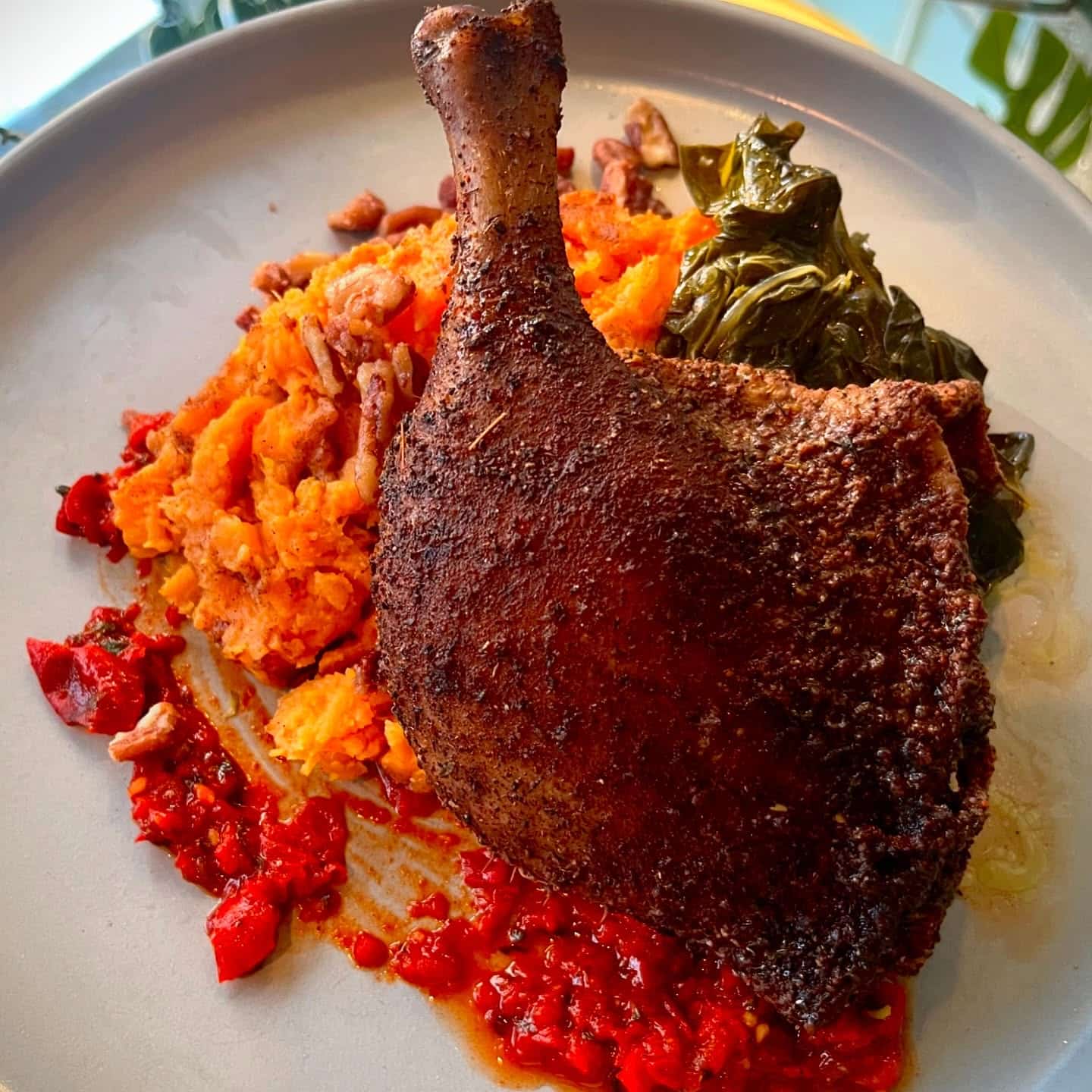
Summer cookouts usually lean on the usual suspects – burgers, hot dogs, and maybe a rack of ribs if you’re feeling ambitious.
But if you really want to set your backyard pit apart from the neighborhood noise, it’s time to bring serious island fire to the grate.
This jerk-smoked duck recipe fuses the intense, aromatic heat of traditional Jamaican jerk paste with a bright, sticky summer fruit glaze.
Most backyard cooks shy away from duck, treating it like a finicky restaurant dish reserved for fancy white-cloth establishments.
The truth? Duck is built for low-and-slow smoking. Its rich, dark meat can handle heavy seasonings, and its natural fat layer acts as a built-in basting system while it absorbs wood smoke.
When you slap a fiery Scotch bonnet marinade onto a bird and let the smoker do the heavy lifting, magic happens.
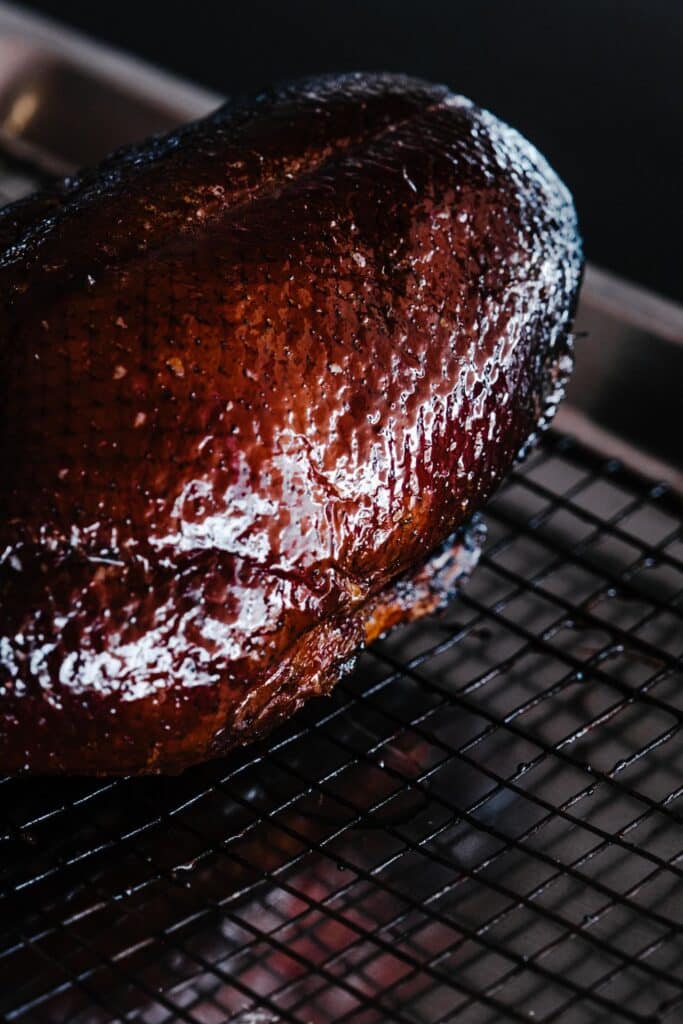
Flavor Profile: Why Jerk & Sweet Fruit Belong Together
Jamaican jerk isn’t just about blowing your tastebuds out with raw heat – it’s an art form built on balance. The backbone of any authentic jerk seasoning comes from two non-negotiables:
Scotch bonnet peppers for intense heat and allspice (pimento) for warm, earthy complexity. Throw in fresh thyme, green onions, ginger, and garlic, and you get a marinade that packs a massive flavor punch.
Now, enter the duck. Because duck meat is naturally fatty and deeply savory, it needs bright, aggressive flavors to slice through that richness.
- Scotch Bonnet (Fiery Heat) + Allspice & Thyme (Earthy & Herbal) + Mango-Honey Glaze (Sweet Counter) = Perfect Flavor Balance for Rich Duck
- The Heat Balance: The sweet fruit glaze acts as a fire extinguisher for the Scotch bonnet’s fierce kick.
- The Wood Match: Pair this cook with pimento wood chips, pecan, or fruitwoods like apple or cherry. Heavy woods like mesquite will fight the jerk spices, whereas sweet fruitwoods complement both the bird and the marinade.
Spatchcocking vs. Whole Bird: The Airflow Advantage
While smoking a whole bird looks incredible on a platter, spatchcocking (butterflying) your duck is a game-changer for smoke penetration. Removing the backbone and flattening the bird offers several distinct benefits:
- Maximum Exposure: Doubling the surface area exposed to direct wood smoke and hot air.
- Even Cooking: Ensuring fat renders uniformly across the thighs and breast, preventing dry white meat while waiting on the legs.
- Superior Bark: Giving the wet jerk paste a flat canvas to crisp up into an irresistible crust.
- Faster Pit Time: Cutting total cook time down by nearly 45 minutes without sacrificing flavor or moisture.
Upcycling Liquid Gold: How to Save and Use Jerk-Infused Duck Fat
When duck fat hits your drip pan, don’t throw it away – that liquid gold is pure flavor. As the bird smokes, rendered fat mixes with dripping jerk spices and sweet glaze, creating an ultra-savory cooking medium.
- How to Store: Filter the rendered fat through cheesecloth into a clean glass jar and refrigerate for up to a month.
- Roast Potatoes: Toss with potatoes before baking for an insanely crisp, jerk-seasoned side.
- Cast-Iron Searing: Use as the high-heat cooking base for steaks or chops.
- Elevated Breakfasts: Fry up decadent hash browns infused with subtle Caribbean heat and rich smoky undertones.
Wet Rub vs. Dry Rub: The Jerk Paste Debate
Barbecue purists often debate dry rubs versus wet marinades, but duck demands a hybrid approach. A heavy wet jerk paste creates a deep flavor layer, but high moisture can delay skin crisping. To get the best of both worlds, follow this simple hybrid strategy:
- Deep Marination: Apply your wet jerk paste 12 to 24 hours in advance to let the flavor penetrate deep.
- Surface Prep: Lightly pat the skin dry with paper towels right before putting the bird on the grate.
- The Crunch Layer: Dust the exterior with a thin coating of fine sea salt and cornstarch.
This simple technique draws out residual surface moisture, guaranteeing that crunch you crave while preserving the deep, herb-infused flavor underneath.
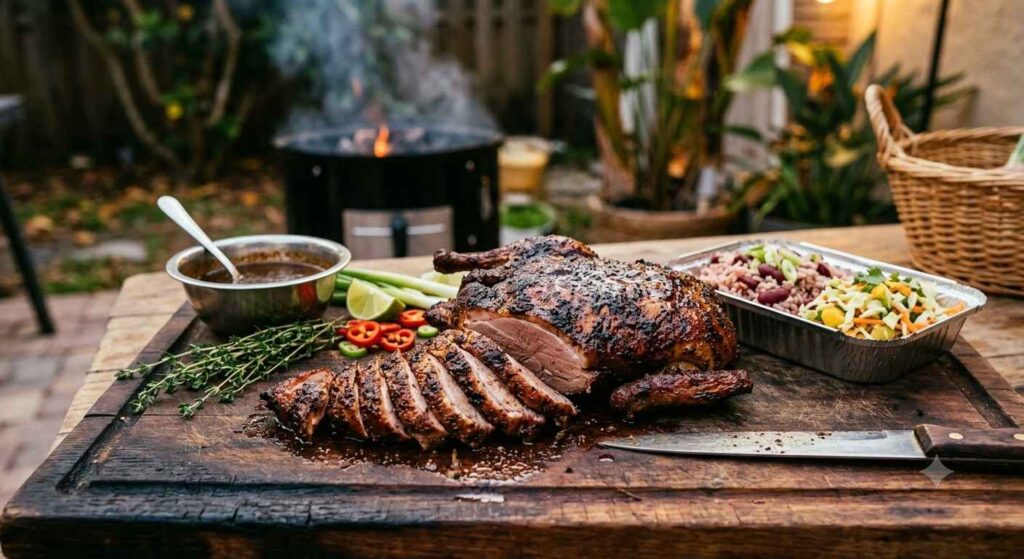
Every pitmaster respects the “stall” – that frustrating plateau where internal meat temperatures level off due to evaporative cooling. On a duck, this phenomenon is exacerbated by its thick, moisture-heavy fat cap.
- Don’t Panic: Avoid cranking up the heat prematurely when the numbers stop rising.
- Embrace the Render: Treat the stall as prime fat-rendering time at a steady 225°F.
- Liquefy the Fat: Slow heat allows sub-dermal fat to drain off without boiling the meat underneath.
Patience during the stall is what separates rubbery, chewy duck skin from melt-in-your-mouth perfection, so keep the smoker lid shut and trust the process.
Repurposing Leftovers: Next-Day Jerk Duck Tacos & Bao Buns
If you manage to have leftovers, consider yourself lucky – smoked jerk duck tastes even better the next day after the spices meld.
Shred the cold duck meat away from the bone, flash-sear it in a hot skillet to crisp the edges, and try these crowd-pleasing ideas:
- Caribbean Street Tacos: Stuff crispy shredded duck into warm flour tortillas, then top with mango salsa and pickled red onions.
- Island Bao Buns: Tuck the duck inside warm, steamed bao buns with a drizzle of spicy mayo and fresh cilantro.
The rich, smoky duck meat holds up effortlessly against bright, acidic toppings, making your second-day meal feel like a completely new culinary event.
Equipment & Prep Essentials
Before you fire up the pit, set yourself up for success with a few basic tools:
- A sharp paring knife (essential for scoring without slicing the meat).
- A reliable digital meat thermometer (because guessing internal temperatures is a fast track to dry poultry).
- A heavy-duty aluminum drip pan to place beneath the grill grate.
The secret to a killer jerk-smoked duck recipe comes down to fat rendering. Duck skin holds a thick layer of fat underneath. If you don’t give that fat an escape route, you’ll end up with rubbery skin and grease fires in your smoker.
Take your paring knife and carefully score the skin in a diamond pattern. Keep the cuts shallow – you want to pierce the fat without cutting into the breast meat beneath.
Chef’s Tips for Smoking Success
Watch the Drip Pan: Duck renders an astonishing amount of liquid fat. Skipping the drip pan guarantees a smoky grease fire that will turn your dinner into a charcoal briquette.
Pepper Safety Rule: Wear gloves when handling Scotch bonnet peppers. Touching your eyes after chopping a Scotch bonnet is a lesson you only need to learn once in your lifetime.
Perfect Summer Sides & Pairing Suggestions
Round out this fiery, sweet feast with sides that balance the heat and heavy smoke:
- Caribbean Rice and Peas: Cooked in coconut milk to cool down the palate.
- Grilled Sweet Plantains: Adds a soft, caramelized texture that matches the glaze.
- Mango-Cucumber Slaw: Crisp, cold, and refreshing to cut through the rich duck fat.
- Beverage Match: Serve alongside an ice-cold Jamaican lager or a tart rum punch to keep the summer vibes rolling.

Bring the Island Heat to Your Backyard
Stepping outside the comfort zone of basic burgers and ribs might feel bold, but this jerk-smoked duck is proof that the greatest BBQ rewards come to those who embrace the smoke.
By balancing the fierce, fiery heat of Jamaican Scotch bonnets with a bright fruit glaze and the rich complexity of low-and-slow duck, you aren’t just firing up the grill – you’re creating a backyard legend.
So, light your pimento wood, trust the render, and get ready to serve a summer feast that your neighbors will be talking about long after the last coal goes out.
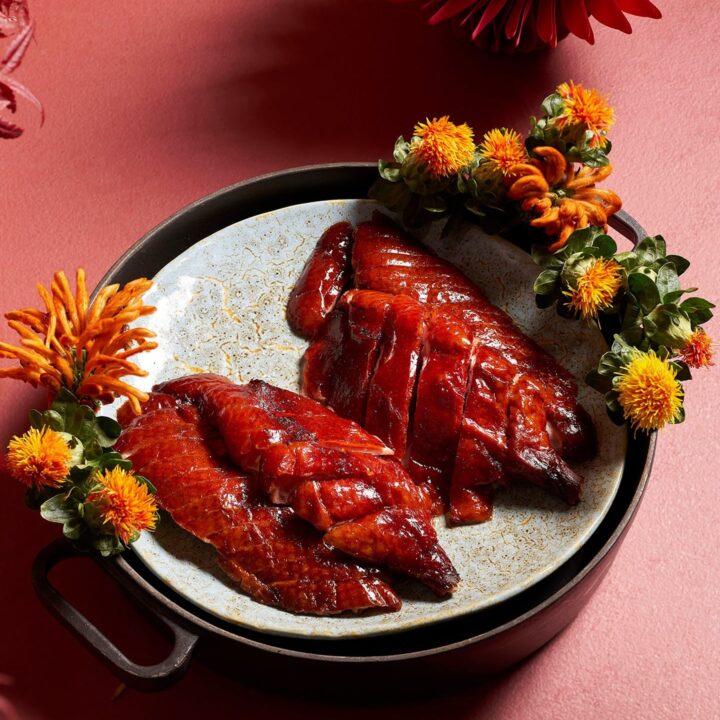
The Ultimate Jerk-Smoked Duck Recipe
Image credit: @peachblossomssg
Ingredients
- For the Whole Duck:
- 1 Whole Duck (approx. 5–6 lbs), patted completely dry
- For the Fresh Jerk Marinade:
- 4 Green onions, chopped
- 1–2 Scotch bonnet peppers (seed them to tone down the heat, or keep them whole if you like living dangerously)
- 3 Large cloves garlic, peeled
- 1-inch knob fresh Ginger, peeled
- 2 tbsp Whole allspice berries (or 1 tbsp ground allspice)
- 1 tbsp Fresh thyme leaves
- 2 tbsp Soy sauce
- 2 tbsp Dark brown sugar
- 1 tbsp Fresh lime juice
- 1 tbsp Vegetable oil
- 1 tsp Kosher salt
- 1/2 tsp Freshly cracked black pepper
- For the Summer Sweet Glaze:
- 1/2 cup Mango or pineapple preserves
- 2 tbsp Raw honey
- 1 tbsp Apple cider vinegar
- 1 tbsp Reserved jerk marinade (taken before touching raw meat)
Instructions
1. Prep and Score the Bird
Pat the duck thoroughly dry with paper towels – moisture is the enemy of crisp skin. Using your paring knife, score the breast skin in a crosshatch pattern. Gently prick the skin around the legs and wings where fat tends to hide.
2. Blend the Jerk Paste
Combine all the jerk marinade ingredients in a food processor or blender. Pulse until a thick, fragrant paste forms. Pro-tip: Scoop out 1 tablespoon of this paste now and set it aside for your glaze later.
3. Marinate Deeply
Massage the remaining paste all over the duck, getting inside the skin folds and coating the cavity. Cover the bird tightly and let it rest in the fridge for at least 6 hours, preferably overnight.
This gives the salt and acid time to tenderize the meat and infuse the island spices deep into the bone.
4. Fire Up the Smoker
Set up your smoker for indirect cooking at a steady 225°F to 250°F (107°C to 121°C). Add your choice of fruitwood or pecan. Place a water-filled drip pan under the grate directly beneath where the duck will sit to catch fat runoff.
5. Smoke Low and Slow
Place the duck breast-side up on the smoker grate. Close the lid and let the smoke work its magic for about 2 to 2.5 hours. Resist the urge to peek every ten minutes; if you're lookin', you ain't cookin'.
6. Glaze and Crisp
While the duck smokes, whisk together the preserves, honey, cider vinegar, and reserved jerk paste in a small bowl. Once the internal temperature of the duck breast hits 155°F (68°C), generously brush the sweet glaze over the entire bird.
7. The High-Heat Finish (Optional, but Highly Recommended)
If you want ultra-crispy skin, crank your smoker or oven up to 375°F (190°C) for the last 10 to 15 minutes of the cook. This caramelizes the sugars in the glaze and crisps up the outer skin into pure culinary gold.
8. Rest and Carve
Pull the duck off the heat when the thickest part of the thigh registers 165°F to 170°F (74°C to 77°C). Let it rest on a cutting board for 15 minutes before carving so the juices redistribute.
Featured image credit: @undercurrent_restaurant
