
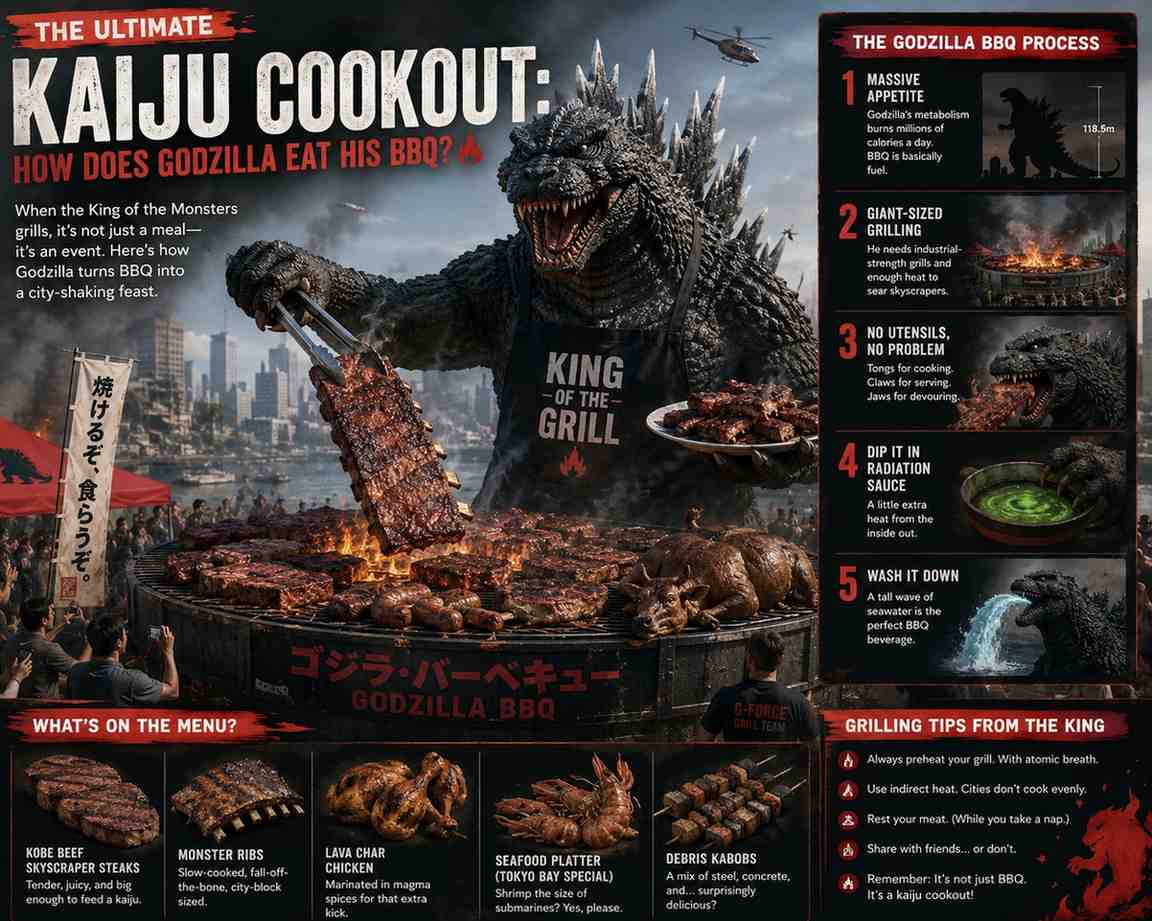
Firing up an offset smoker on a crisp Saturday morning requires patience, wood management, and a sharp knife. Fire up a smoker for a 300-foot prehistoric alpha predator, however, and you are dealing with a totally different beast.
Godzilla has spent seven decades stomping down metropolitan centers, knocking over power grids, and trading blows with rival giant monsters. Yet, behind that terrifying radioactive roar lies a simple biological truth: keeping a 90,000-ton body active demands serious fuel.
Every backyard griller knows that plain raw protein gets old fast. Caramelization, smoke penetration, and low-and-slow heat distribution transform tough muscle fibers into tender, mouthwatering perfection.
So, what happens when the King of the Monsters decides to swap city destruction for a smoky weekend feast?
Setting up the ultimate Kaiju cookout means looking at barbecue through the lens of extreme thermal physics, massive culinary logistics, and a whole lot of nuclear-grade flavor.
Part 1: The Caloric Math of a 100-Meter Reptile
Running a barbecue joint requires careful portion control. You calculate roughly half a pound of cooked meat per person, throw in extra for heavy eaters, and call it a day.
Managing the appetite of an amphibious apex predator throws every standard catering formula completely out the window.
Godzilla weighs somewhere between 20,000 tons in his classic Showa-era incarnation and over 90,000 tons in modern cinematic outings. Biologically speaking, large reptiles are metabolic marvels.
They do not burn energy like warm-blooded mammals, but at that size, simply lifting a tail requires millions of calories. A creature of Godzilla’s immense mass would need an estimated 25 million calories per day just to maintain basic physiological function.
If he is actively fighting King Ghidorah or swimming across the Pacific Ocean, that number skyrockets into the billions.
Godzilla Caloric Needs by Era
| Godzilla Era & Stats | Estimated Daily Caloric Requirement |
| Showa Era (~20,000 tons) | ~5.5 Million Calories |
| Heisei Era (~60,000 tons) | ~16.5 Million Calories |
| MonsterVerse (~99,600 tons) | ~28.0+ Million Calories |
Translating those caloric numbers into real-world barbecue proportions reveals a mind-boggling order list:
- Whole Blue Whales: Serving as the brisket equivalent, offering dense, blubber-rich layers perfect for rendering down over 72 hours.
- Prehistoric Megafauna: Massive prime cuts harvested from hollow-earth creatures, packed with rich intramuscular fat.
- Oceanic Crabs and Squid: Seafood options that provide the perfect canvas for high-heat searing and spicy glazes.
Raw meat supplies basic nutrients, but cooking meat breaks down complex protein structures, making calories significantly easier to absorb. For Godzilla, eating cooked BBQ is not just a luxury – it is maximum energy efficiency.
Part 2: The Ultimate Heat Source – Atomic Breath vs. Charcoal
Every pitmaster knows that controlling heat is the real secret to great barbecue. Blue bag charcoal briquettes work fine for backyard burgers, and split oak logs are the gold standard for smoking brisket.
When your guest of honor generates internal thermonuclear fusion, traditional fuel choices need a serious upgrade.
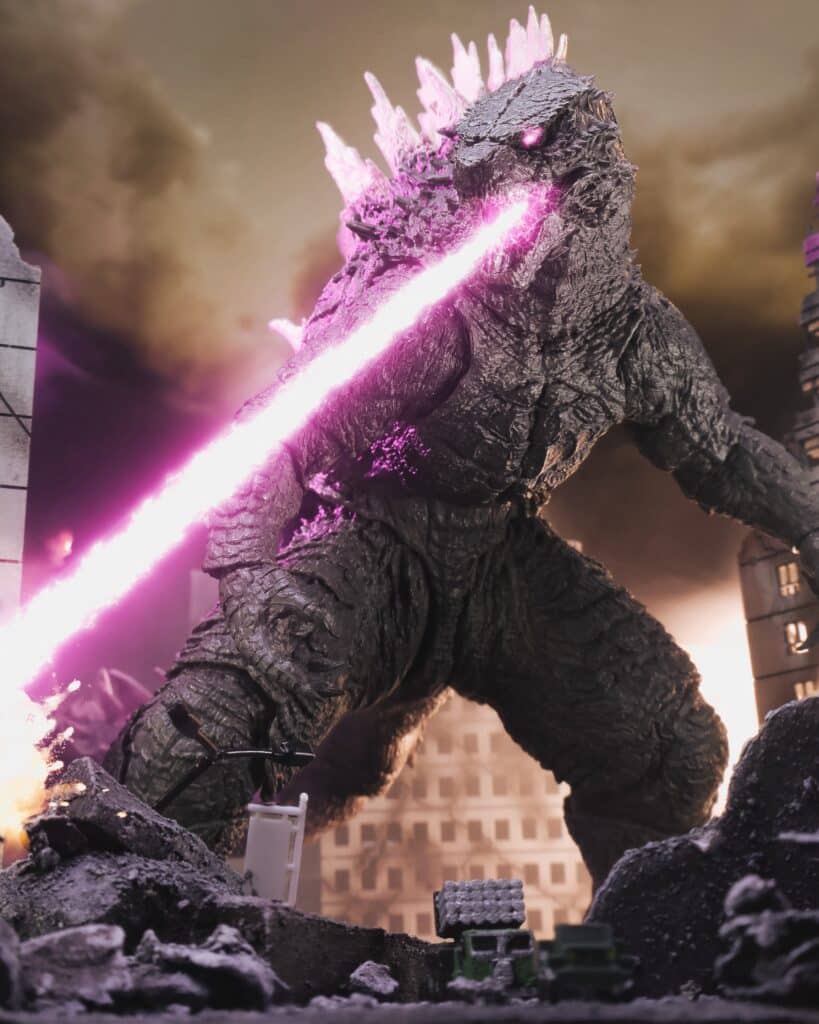
Godzilla’s signature weapon is his atomic breath. Science fiction lore establishes that this beam releases localized temperatures exceeding 20,000 degrees Celsius. For context, standard wood smoke hovering around 225°F (107°C) breaks down collagen over time.
High-heat searing happens around 500°F (260°C). An atomic blast at 20,000 degrees will not give you a nice bark; it will instantly vaporize your dinner on a molecular level, leaving nothing behind but carbon dust and regret.
Pro Pitmaster Note: Vaporized brisket tastes terrible. To get proper smoke absorption and a sweet crust, Godzilla must learn precise thermal throttle control.
To host a successful ultimate Kaiju cookout, Godzilla has to regulate his radiation output down to a controlled, gentle glow:
- The Low-and-Slow Glow: Dialing back his dorsal fin charge to about 1% capacity generates an even, ambient radiant heat. This creates a natural thermal convection zone around the meat without disintegrating the muscle fibers.
- Geothermal Pit Assist: Tapping into active magma vents provides a steady, subterranean heat source. Volcanic basalt rocks retain thermal energy for days, serving as the world’s largest kamado grill.
- The Atomic Reverse Sear: Using radiant volcanic heat to bring massive cuts up to internal temperature, followed by a half-second flash of low-intensity atomic breath to set the glaze and lock in the crust.
Part 3: Sourcing the Menu: What’s on the Monster Plate?
A great barbecue menu features a blend of textures, flavors, and fat profiles. You cannot just throw random meat on the grate and expect a culinary triumph.
Sourcing proteins capable of standing up to nuclear-level cooking requires looking back into Earth’s prehistoric past – and into the ocean’s deep trenches.
The Crown Jewel: Brisket of Ebirah
Standard beef brisket comes from the breast section of cattle, packed with connective tissue that turns into liquid gelatin during a long smoke. For a Kaiju, the ideal equivalent comes from ocean-dwelling mega-crustaceans like Ebirah.
Giant lobster and crab meat are naturally sweet and dense. Smoking a 50-ton crustacean tail over aromatic mangrove wood infuses deep smoky notes directly into the sweet ocean meat.
The Pork Shoulder Alternative: Great Primeval Ribs
When smoking pork butt, fat caps melt downward to baste the meat naturally. Sourcing whole ribs from massive hollow-earth mega-beasts gives Godzilla that classic, fall-off-the-bone experience.
The key here is the fat-to-lean ratio. Without enough fat, giant terrestrial cuts will dry out before the core reaches a tender 203°F (95°C).
The Marinades, Rubs, and Sauces
Standard seasoning shakers will not cut it when coating half an ocean vessel’s worth of protein. Seasoning at this scale requires heavy-duty agricultural sprayers filled with custom flavor profiles:
- Tectonic Salt & Cracked Lava Pepper Rub: Heavy, coarse mineral grains that do not burn under intense radiant heat.
- Deep-Sea Brine Injection: Injecting hyper-saline ocean water into the deep interior muscle tissue to retain moisture throughout the cook.
- Radioactive Sweet Heat Glaze: A sticky sauce made from concentrated molasses, fermented hot peppers, and a splash of heavy-water reduction for that extra zing.
Part 4: Engineering a Megastructure Smoker
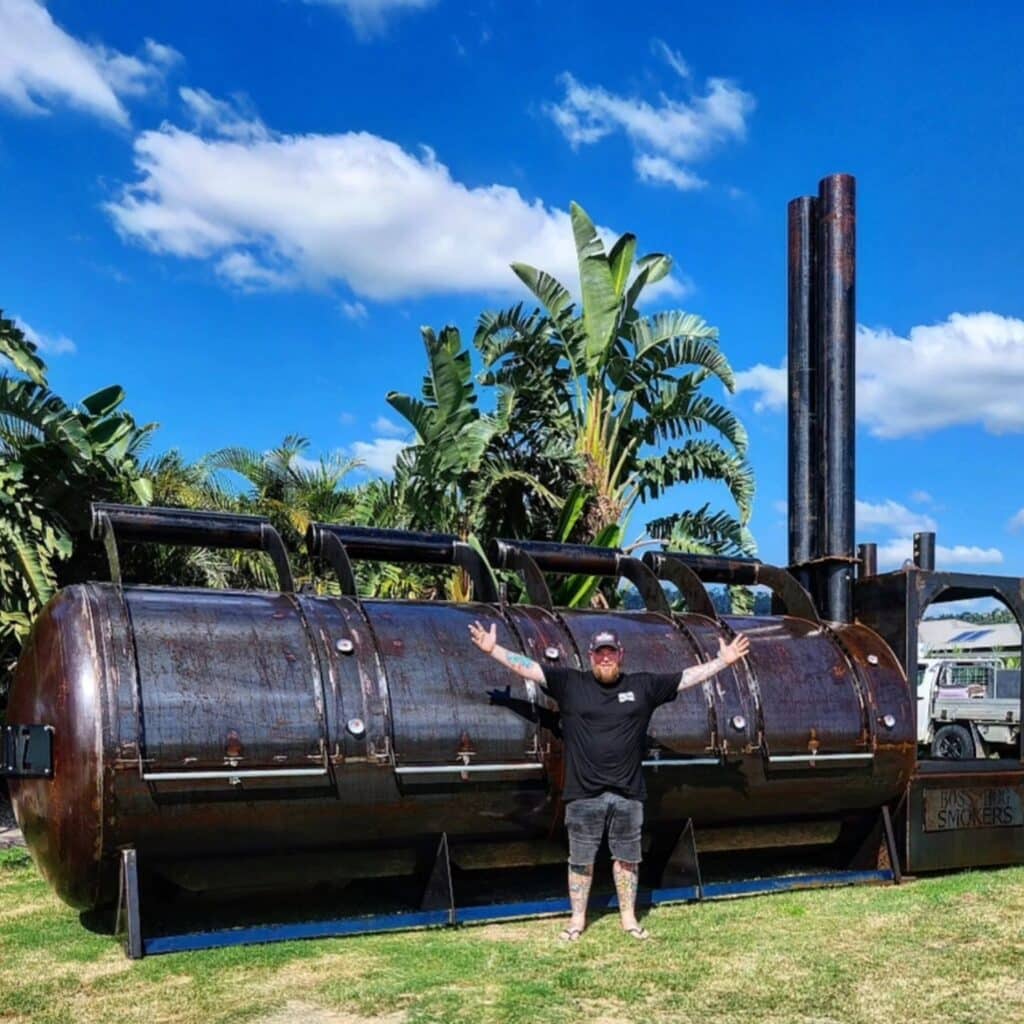
Building a smoker capable of holding thousands of tons of meat while withstanding atomic-grade heat requires serious civil engineering. Forget sheet metal or cast iron – those materials warp, melt, or turn to a puddle under this level of thermal energy.
Monster Smoker Blueprint
- The Chimney System: Active volcanic craters venting heat and wood smoke upward.
- Cooking Surface: Heavy titanium alloy grates forged from decommissioned naval hulls to support 50-ton cuts.
- The Heat Bed: Subterranean geothermal lava channels lined with dense volcanic rock.
1. Structural Materials
The smoking chamber must be carved directly out of a natural volcanic caldera lined with high-density basalt stone. Basalt has a melting point near 1,200°C, making it durable enough to withstand both long-term heat and accidental radiation surges.
The cooking grates themselves must be forged from titanium alloys recovered from decommissioned naval ships or Mechagodzilla scrap parts.
2. Airflow and Wood Selection
Barbecue lives and dies by clean, thin blue smoke. Heavy, white, dirty smoke makes meat bitter. Generating clean smoke for a mega-pit requires burning entire stands of dense hardwood:
- Ancient Redwoods: Burn slow and steady, delivering a rich, earthy flavor profile.
- Hickory Forests: Provide that classic, punchy bacon flavor that cuts through thick mega-fauna fat.
- Mesquite Groves: Ideal for quick, high-heat sears on giant marine cuts.
3. Turning the Meat
Flipping a 20-ton slab of ribs cannot be done with a simple pair of long tongs. The ultimate Kaiju cookout relies on heavy industrial crane systems, or Godzilla’s own claws wrapped in heat-resistant volcanic leather.
Getting an even bark requires precise flipping schedules to prevent juices from escaping into the ash pit.
Part 5: The Cookout Culture and Etiquette
Barbecue is fundamentally a social event. You fire up the grill, invite the neighbors over, play music, and argue about whether vinegar-based sauce beats mustard-based sauce.
Even radioactive alpha predators need a social circle, but inviting giant monsters to a backyard party requires strict ground rules.
Kaiju Guest List & Party Behavior
| Kaiju Guest | Preferred Dish | Behavioral Risk Level |
| Mothra | Nectar-Glazed Greens | Low (Polite guest, brings sides) |
| Rodan | Flash-Seared Seafood | Medium (Flaps wings, ruins ash) |
| King Ghidorah | Entire Rib Racks (x3) | High (Three heads fight over food) |
| King Kong | Smoked Island Fruits | Low (Brings his own snacks) |
Atomic Aging: The Physics of Radiation Tenderization
Beyond heat, radiation completely changes how muscle fibers break down. Traditional barbecue relies on weeks of wet or dry aging to let natural enzymes soften tough cuts, but Godzilla uses physics to take a massive shortcut:
- Instant Collagen Breakdown: Subtle ionizing radiation acts as an accelerated catalyst, fracturing tough collagen bonds in seconds without needing a 45-day aging locker.
- Targeted Gamma Baths: Giving a fresh 20-ton slab of ocean mega-fauna a controlled, low-level radiation blast relaxes the meat’s cellular structure immediately.
- Prime-Grade Results: This rapid nuclear tenderization yields buttery-soft textures in seconds, turning normally unchewable prehistoric muscle into melt-in-your-mouth cuts.
Pitmasters would consider this the ultimate secret technique – just be sure to sweep the steak with a Geiger counter before taking your first bite!
The Great Sauce Debate: Vinegar, Mustard, or Nuclear Fallout?
Every regional barbecue culture fiercely defends its signature glaze, and Kaiju territories are no different. Regional rivalries run deep across titan habitats:
- Pacific Rim Style (Godzilla): A heavy-bodied teriyaki glaze amplified by crushed volcanic sea salt and high-heat caramelization.
- Skull Island Style (King Kong): A fermented tropical fruit mash loaded with a heavy vinegar kick designed to cut straight through thick blubber.
- The Fusion Pitfalls: Combining sweet molasses glazes with acidic mustard bases creates explosive flavor clashes over the pit.
Godzilla strictly bans sweet barbecue sauce near his seafood, proving that even a 300-foot nuclear apex predator holds extremely petty, non-negotiable opinions on regional sauce purity.
Pairing the Feast: Mega-Sized Beverages & Nuclear Brews
A legendary barbecue feast demands a complementary drink to wash down tons of smoky protein. You cannot hand Godzilla a standard can of craft beer, so beverage logistics require custom-built glacial fermentation vats:
- Kelp-Brewed Brine: Godzilla pairs heavy meats with industrial batches of ice-cold, mineral-rich ocean water brewed with fermented giant kelp.
- Electrolyte Replenishment: This saline, umami-packed drink cuts through dense intramuscular fat while restoring vital minerals lost during atomic heating.
- Geothermal Volcanic Teas: For guest titans, steam vents are harvested to brew piping-hot herbal teas infused with crushed ancient botanicals, providing a sharp palate cleanser between courses.
Food Safety at 10,000 Degrees: Avoiding Kaiju Food Poisoning
Even a radioactive titan cannot ignore basic food hygiene when feeding a pit full of giant monsters. Feeding 90,000 tons of meat to guests requires strict safety protocols:
- Eradicating Mega-Parasites: Undercooked deep-sea organisms and ancient bacteria pose severe biological hazards if the core temperature fails to hit safe zones.
- Thermal Imaging Inspection: Since standard meat thermometers warp instantly, Godzilla uses internal thermal imaging to verify a safe core temperature of 203°F (95°C) across every muscle zone.
- Atomic Flame Sterilization: To prevent cross-contamination from raw giant squid, cooking surfaces are sterilized with a quick flash of atomic flame, keeping every guest safe from radioactive food poisoning.
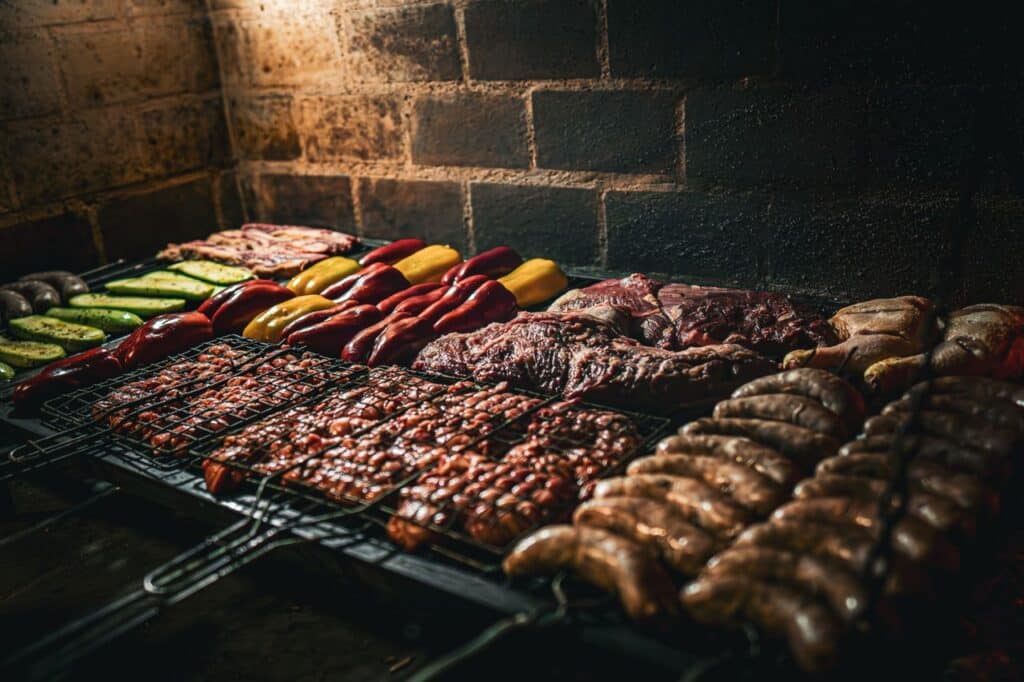
Cleaning Up After a 90,000-Ton Feast: Environmental Reclamation
The hardest part of any cookout is scrubbing down the grates and disposing of greasy waste – a nightmare magnified to apocalyptic proportions here.
A single monster feast leaves behind charred mega-bones, tons of rendered grease, and radioactive ash plumes, which Godzilla recycles through natural elemental cycles:
- Sub-Oceanic Grease Traps: Rendered fats are routed directly into deep ocean trenches, feeding benthic marine ecosystems.
- Bone Dust Fertilization: Giant mega-bones are crushed into nutrient-rich mineral dust to fertilize surrounding island forests.
- Thermal Incineration: Controlled thermal blasts incinerate leftover debris, leaving the volcanic battleground spotless and eco-friendly.
Guest Dynamics at the Monster Table
- Mothra: As a benevolent guardian spirit, Mothra avoids heavy meats. She prefers smoked ancient ferns, giant floral nectar reductions, and light, wood-fired plant dishes. She is the guest who politely brings a massive, beautiful side salad to balance out the heavy proteins.
- Rodan: Born in a volcano, Rodan loves high-heat cooking. However, his giant wings present a serious fire hazard. One careless flap creates a thermal draft that blows ash across the entire cooking zone, ruining the bark. Rule number one for Rodan: Keep your wings folded near the pit.
- King Ghidorah: The ultimate party-crasher. With three distinct heads sharing one body, dinner conversation gets chaotic fast. The left head wants spicy mustard sauce, the right head insists on sweet Kansas City style, and the middle head eats the entire rack before anyone else gets a bite.
Etiquette Rule: Respect the Pitmaster
In any backyard setting, hovering over the grill and telling the cook how to manage their fire is a fast way to get kicked out.
In a monster-level gathering, questioning Godzilla’s internal temperature checks is a great way to get hit with a direct beam of atomic breath.
When the King of the Monsters is standing over the smoker, you wait patiently for your portion and thank him for the meal.
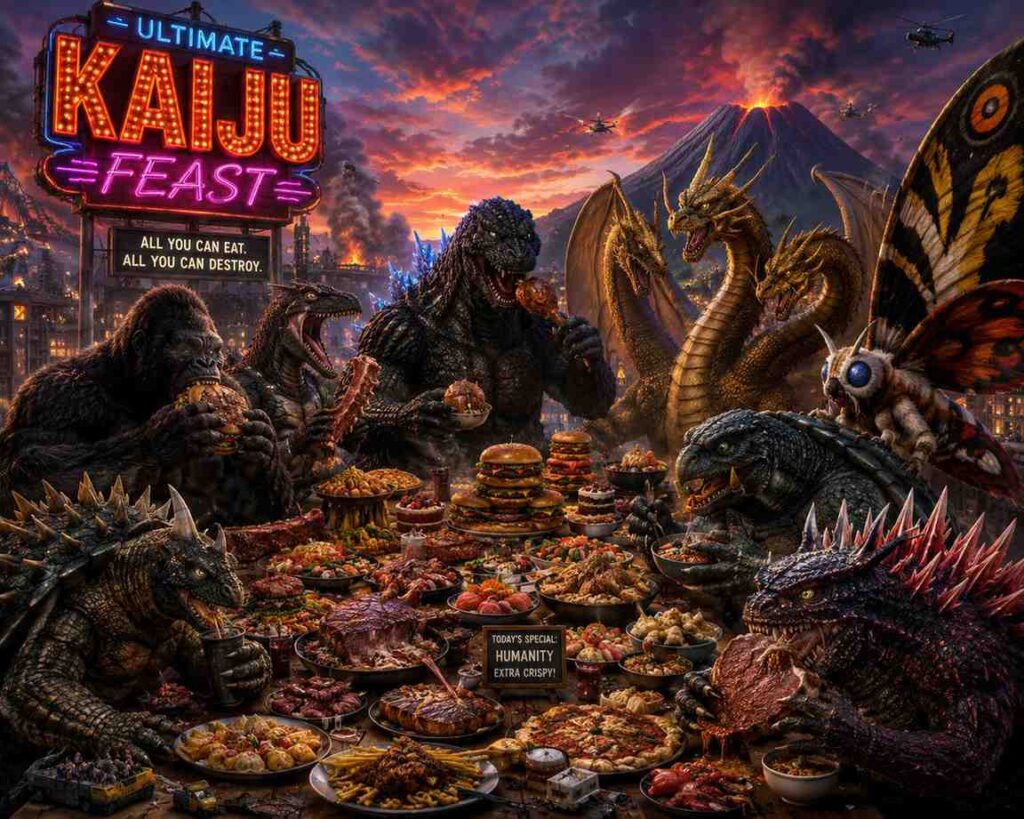
The Verdict on the Ultimate Kaiju Feast
Barbecue at its core is about taking tough ingredients, applying precise heat, and letting time do the hard work. Scaling that process up to fit a 300-foot nuclear titan sounds absurd on paper, but the basic laws of thermal cooking still apply.
Whether you are smoking a five-pound pork shoulder in Texas or roasting a 50-ton sea monster inside an active volcano, great BBQ comes down to heat control, quality wood, and patience.
Next time you hear a mysterious rumble underground or see a glowing blue light on the ocean horizon, do not panic. It might just be
Godzilla dialing in his low-and-slow heat, getting ready to throw down the most epic, mouthwatering, ocean-shaking feast the world has ever seen.
Grab your heavy-duty apron, keep your sauce brush ready, and respect the power of the atomic pit.
Frequently Asked Questions (FAQ)
1. How does Godzilla cook BBQ without completely vaporizing the meat?
Godzilla’s atomic breath reaches temperatures over 20,000ºC, which would instantly turn any cut of meat into ash. To cook properly, he uses precise thermal throttle control.
By dialing his energy down to roughly 1% capacity, he uses his dorsal fins to create a low-and-slow ambient heat or relies on geothermal volcanic vents for steady, long-term smoking.
2. What kind of meat does Godzilla put on his barbecue pit?
A creature of Godzilla’s size needs massive, dense proteins.
His menu focuses on oceanic mega-fauna and prehistoric cuts, including giant crustacean tails (like Ebirah), whole blue whales (which act as the monster-sized equivalent of a beef brisket), and thick, fat-rich rib racks harvested from Hollow Earth creatures.
3. How many calories would Godzilla need to eat at a single cookout?
A 90,000-ton apex predator requires an estimated 25 to 28+ million calories per day just to maintain basic physiological functions.
During heavy activity or intense battles, that number skyrockets into the billions, making a high-fat, slow-smoked BBQ feast the most energy-efficient way to refuel.
4. What is “Atomic Aging” and how does it work?
Unlike traditional dry-aging, which takes weeks for enzymes to tenderize meat, Godzilla uses subtle ionizing radiation as a rapid catalyst.
A targeted, low-level gamma bath fractures tough collagen bonds in seconds, instantly tenderizing thick 20-ton slabs of prehistoric muscle into melt-in-your-mouth cuts.
5. What kind of barbecue sauce does the King of the Monsters prefer?
Godzilla leans toward a Pacific Rim flavor profile, preferring heavy-bodied teriyaki glazes infused with crushed volcanic sea salt and deep-sea brine injections. He strictly avoids overly sweet molasses or vinegar sauces on his seafood cuts.
6. How do other Kaiju behave at Godzilla’s cookout?
Guest dynamics require strict pit etiquette:
- Mothra is the polite guest who brings
- Wood-fired plant dishes and smoked ancient ferns.
- Rodan loves high heat, but must keep his wings folded to prevent thermal drafts from blowing ash over the food.
- King Ghidorah is the ultimate party-crasher, often causing chaos because his three heads constantly fight over sauce choices and rib portions.
Featured image credit: ChatGPT
