
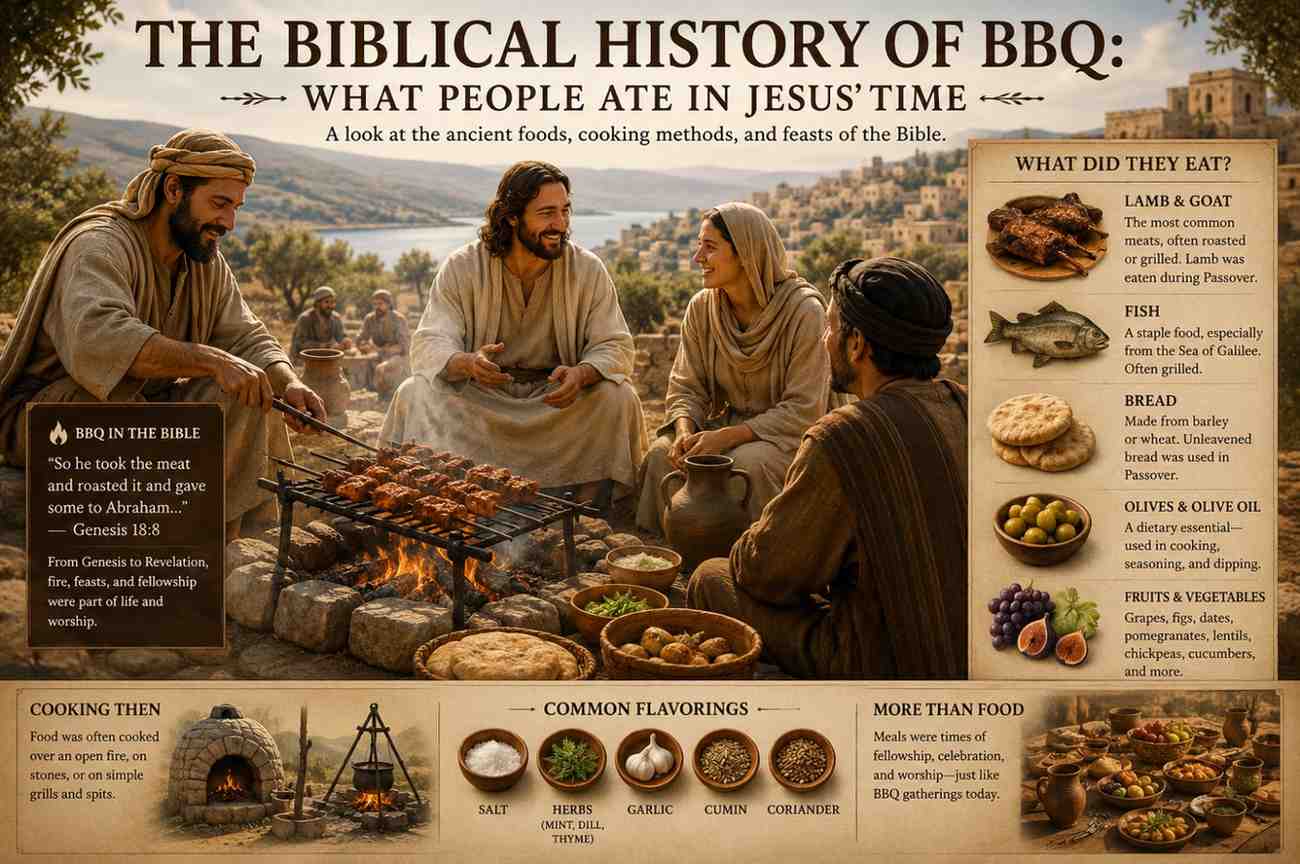
Smoke, fire, and roasted meat have been bringing people together for thousands of years.
Long before offset smokers, pellet grills, and backyard cookouts, families gathered around open flames to prepare meals that were simple, nourishing, and deeply connected to their culture.
That raises an interesting question: what did people eat during the time of Jesus? And perhaps even more intriguing for barbecue enthusiasts, did anything resembling BBQ exist in the biblical world?
The answer is surprisingly fascinating.
While first-century Judea didn’t have brisket competitions or secret sauce recipes passed down through generations, many of the cooking methods would feel familiar to modern grillmasters.
Meat was roasted over fire, fish cooked on hot coals, and communal meals often centered around food prepared outdoors.
In many ways, the story of barbecue begins long before modern America. It stretches back to ancient civilizations where fire was not a hobby but a daily necessity.
Studying the foods of Jesus’ time offers more than historical trivia. It provides a window into everyday life, religious traditions, agricultural practices, and the importance of sharing meals with family and community.
And let’s be honest: anytime a conversation includes roasted lamb, fresh bread, and cooking over live fire, it already has my attention.
Was There BBQ in Biblical Times?
The word “barbecue” means different things depending on where you live.
Mention BBQ in Texas and you’ll probably hear about brisket. In the Carolinas, pork takes center stage. Kansas City fans might immediately start debating sauce.
None of those traditions existed during the lifetime of Jesus.
However, the core idea behind barbecue absolutely existed: cooking food over fire.
Ancient people regularly prepared meals using:
- Open flames
- Charcoal fires
- Hot coals
- Primitive roasting pits
- Clay ovens
Fire was one of humanity’s most important tools. It provided warmth, light, protection, and perhaps most importantly, dinner.
The biggest difference is that biblical cooking focused on practicality rather than recreation. Nobody spent sixteen hours tending a smoker because they wanted perfect bark on a brisket. They cooked because feeding a family was essential for survival.
Still, many of the same principles apply today:
- Heat transforms food.
- Smoke adds flavor.
- Shared meals strengthen relationships.
Some things never change.
Understanding Food Culture During Jesus’ Time
To understand biblical cooking, it’s important to understand the world in which Jesus lived.
First-century Judea was primarily an agricultural society. Most families lived close to the land and relied heavily on local food production. Grocery stores didn’t exist. Refrigeration didn’t exist. Food delivery apps were still about two thousand years away.
People ate what they could grow, raise, catch, trade, or preserve.
That meant diets changed throughout the year according to seasonal availability. Fresh figs might be abundant during one season, while preserved foods carried families through another.
Meals Were Simpler Than Modern Diets
Today’s average supermarket contains thousands of products from around the globe. People during the time of Jesus had far fewer options.
Most meals revolved around:
- Bread
- Fish
- Olive oil
- Fruits
- Vegetables
- Legumes
- Occasional meat
This simplicity wasn’t necessarily a disadvantage.
Many biblical foods were nutrient-dense, minimally processed, and prepared fresh. While modern consumers obsess over ingredient labels, ancient cooks often knew exactly where every ingredient originated because they grew it themselves.
Food Had Deep Cultural Meaning
Meals weren’t simply about calories.
Food played an important role in:
- Religious celebrations
- Family gatherings
- Community events
- Hospitality traditions
Sharing food created social bonds that extended beyond the meal itself.
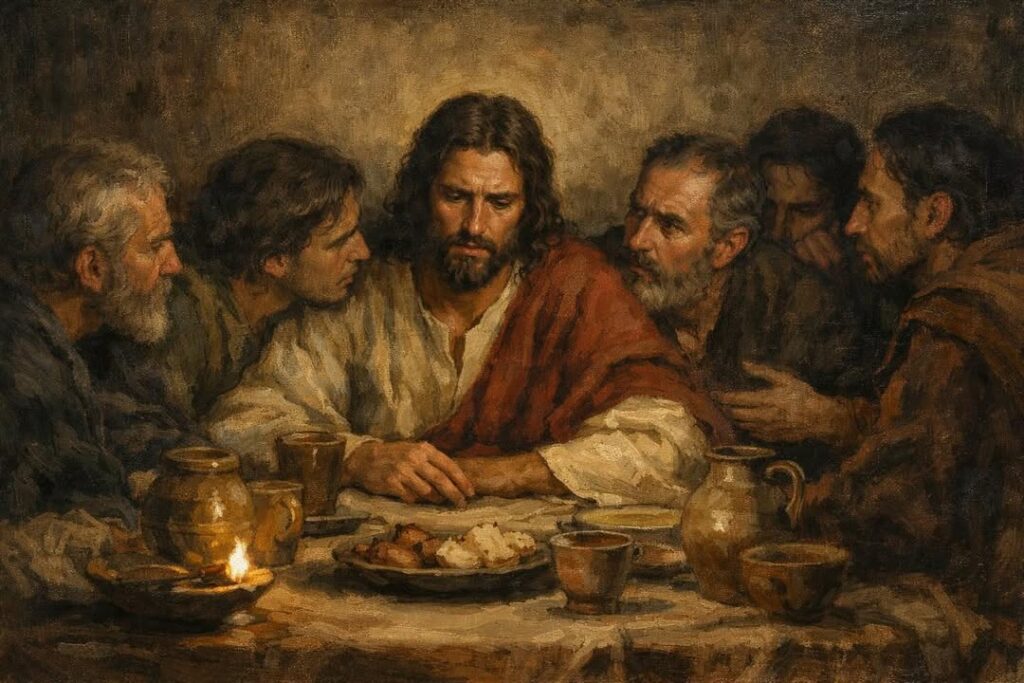
This theme appears repeatedly throughout Scripture, especially in stories involving Jesus. Some of the most memorable moments in the Gospels take place around a table, a meal, or a gathering where food is shared.

The Meats Most Commonly Eaten During the Time of Jesus
When modern readers imagine biblical meals, they often assume meat appeared on the table every day.
The reality was different.
Meat was valuable and generally consumed less frequently than in modern Western diets.
Lamb Was the Most Significant Meat
Among all meats mentioned in Scripture, lamb carries enormous importance.
Sheep were raised throughout the region for:
- Meat
- Milk
- Wool
Lamb also played a major role in religious observances, particularly Passover.
One of the most famous biblical meal traditions involved roasting lamb over fire, a cooking method that sounds remarkably familiar to modern barbecue enthusiasts.
The process was straightforward:
The animal was prepared, seasoned modestly, and cooked using direct heat from fire or coals.
No fancy rubs.
No temperature probes.
No debates on social media about wrapping techniques.
Just fire, meat, and patience.
Goats Were Common and Practical
Goats were another valuable livestock animal in ancient Judea. They adapted well to rugged terrain and provided both milk and meat.
Because goats could thrive in environments where other animals struggled, they became an important source of protein for many households.
Goat meat tends to be leaner than beef and offers a rich flavor profile that remains popular throughout many parts of the world today.
Beef Was More of a Luxury
Many people are surprised to learn that cattle were often too valuable to slaughter regularly.
A healthy cow represented wealth, labor, and agricultural productivity.
Because of this, beef was frequently reserved for:
- Special celebrations
- Religious feasts
- Significant family events
When Scripture mentions a “fatted calf,” it often signals an extraordinary occasion.
In other words, beef wasn’t necessarily everyday food. It was the biblical equivalent of bringing out the good stuff.

Fish: The Everyday Protein of Jesus’ Region
If one food category deserves recognition as the everyday protein source during Jesus’ lifetime, it’s fish.
Fishing supported local economies throughout the region, particularly around the Sea of Galilee.
Several of Jesus’ disciples worked as fishermen before following Him, making fishing an important part of the Gospel narrative.
Fish Was Affordable and Accessible
Not everyone could afford livestock.
Fish offered a practical alternative.
Fresh catches supplied communities with a steady source of protein while requiring fewer resources than raising large animals.
People consumed fish in several ways:
- Freshly cooked
- Dried
- Salted
- Preserved for later use
These preservation methods helped extend shelf life in a world without refrigeration.
Fish Cooked Over Coals
One detail often overlooked involves how fish was prepared. The Gospel accounts include references to fish cooking over charcoal fires.
That image should sound familiar to anyone who enjoys grilling. Hot coals provided consistent heat, easy temperature control, and efficient cooking.
The technology may have been ancient, but the basic principle remains exactly the same today.
A good bed of coals has been making food taste better for a very long time.
Bread: The Foundation of Every Meal
While meat and fish receive plenty of attention, bread was arguably the most important food during the time of Jesus.
Many meals began and ended with bread. For countless families, bread wasn’t a side dish.
It was the meal.
Producing bread required tremendous effort.
Grain had to be:
- Harvested
- Dried
- Stored
- Ground into flour
- Mixed into dough
- Baked
Every loaf represented significant labor. That helps explain why bread carries such powerful symbolism throughout Scripture.
How Bread Was Made
Most households prepared bread using simple ingredients and traditional techniques.
Common grains included:
- Wheat
- Barley
Dough was baked in clay ovens or over heated surfaces near a fire.
The result was hearty, practical bread designed to provide energy throughout long days of work.
Compared to modern artisan bakeries, the process was less about presentation and more about survival.
Still, fresh bread emerging from a hot oven remains one of the greatest food aromas ever created.
Some things transcend centuries.
How Food Traveled Before Refrigeration
Keeping food fresh during the time of Jesus was a daily challenge. Without refrigerators, freezers, or modern storage systems, ancient families relied on traditional preservation methods to protect their food and make supplies last longer.
Instead of simply placing food in a cold container, people used techniques that naturally extended freshness, including:
- Drying fruits, grains, and certain meats to remove moisture
- Salting fish and meat to slow spoilage
- Fermenting foods to create longer-lasting ingredients
- Smoking foods to add flavor while helping preserve them
Fish caught near the Sea of Galilee could be salted and transported to nearby towns, while dried fruits like figs and dates were easy for travelers to carry during long journeys.
These preservation methods shaped everyday meals. A merchant traveling to Jerusalem couldn’t pull over for a quick snack at a roadside shop. Instead, he carried foods designed to survive the trip.
In the biblical world, food storage was just as important as cooking itself. Before the fire was ever lit, careful planning had already gone into creating the meal.
The Role of Honey as the Ancient Sweetener
Modern barbecue lovers have plenty of ways to add sweetness to food, from brown sugar rubs to maple glazes and sweet BBQ sauces. During the time of Jesus, however, honey was one of the most valuable natural sweeteners available.
Honey added flavor, energy, and richness to simple meals. It was also viewed as a symbol of abundance and prosperity, which explains why Scripture often uses the phrase “a land flowing with milk and honey.”
Unlike modern sauces that are often poured generously over smoked meats, ancient cooks used honey more carefully. Sweet flavors were rare, making even a small amount feel special.
Honey served several purposes:
- A natural sweetener for foods and drinks
- A source of quick energy for workers and travelers
- A symbol of blessing and plenty
For ancient families, honey was more than a flavor enhancer. It was a reminder that some of the best ingredients came directly from nature, not from a pantry full of processed products.

Dining Customs That Might Surprise Modern Readers
A meal during the time of Jesus looked very different from a modern dinner around a kitchen table. Food was not just something people ate quickly before moving on. It was a moment for conversation, connection, and hospitality.
At formal gatherings, guests often reclined while eating, resting on cushions around low tables rather than sitting upright in chairs.
Meals were usually social experiences where:
- Conversations continued for hours
- Guests were treated with honor and respect
- Food created opportunities for teaching and storytelling
This helps explain why meals appear so often throughout the Gospels. Food wasn’t simply about filling an empty stomach. It was connected to relationships, community, and tradition.
Modern barbecue gatherings still carry that same spirit.
Friends might come for the food, but they often stay for the conversation. A smoker can finish cooking hours before the stories around the table finally end.
Water, Wine, and What People Drank
When discussing the foods of Jesus’ time, drinks are often forgotten. However, what people drank was just as important as what they ate.
Access to clean drinking water could vary depending on the location, so beverages played a practical role in daily life. Wine was commonly consumed, often mixed with water, and was a regular part of meals.
Wine was not only for celebrations. It was part of everyday culture because it was easier to preserve than many fresh water sources.
Common drinks included:
- Water from wells, springs, and cisterns
- Wine served with many meals
- Simple natural beverages made from available ingredients
In a hot climate, staying hydrated was essential. Ancient communities depended on these basic drinks to support travel, work, and daily routines.
While modern BBQ tables might feature iced tea or soda, ancient meals relied on simpler beverages that reflected the realities of first-century life.
Why Salt Was More Valuable Than You Think
Today, salt is something most people barely think about. It sits on kitchen counters and restaurant tables, always available when needed. During the time of Jesus, however, salt was a valuable resource that played a major role in survival.
Salt did much more than improve flavor. Without refrigeration, it helped people preserve food and prevent waste.
Salt was important because it:
- Preserved meat and fish
- Enhanced the taste of simple foods
- Supported trade between communities
- Had cultural and symbolic meaning
Ancient cooks understood something every pitmaster knows today: seasoning can completely transform food.
A piece of meat cooked over fire becomes something special with the right balance of flavor. Thousands of years ago, salt was one of the most powerful tools available.
The next time you season ribs, chicken, or brisket, remember that this simple ingredient has been helping cooks create better meals for generations.
Marketplaces: The Grocery Stores of Jesus’ Time
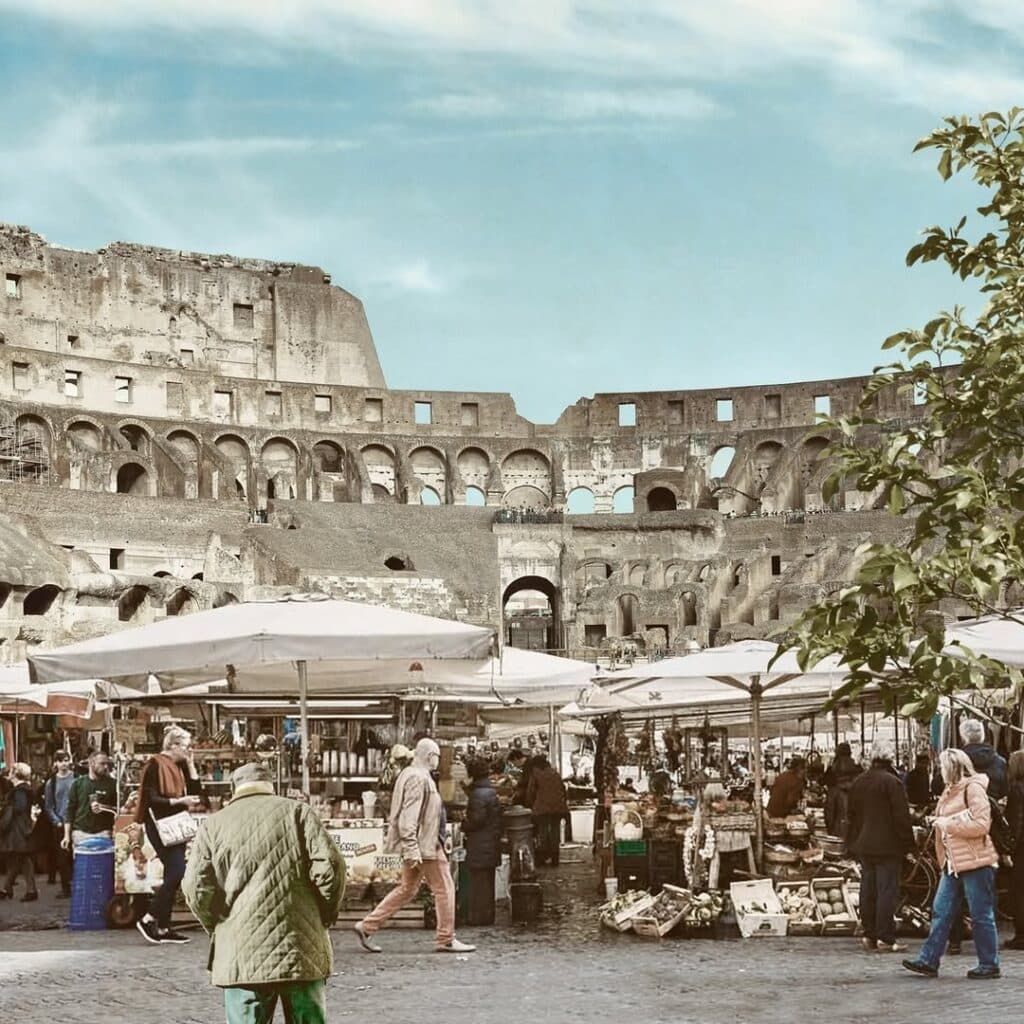
Before supermarkets and online grocery delivery existed, people relied on local marketplaces to find the ingredients needed for daily meals.
During the era of Jesus, markets were busy centers filled with merchants, farmers, fishermen, and traders. They were not just places to buy food – they were places where communities connected.
People could find:
- Fresh fruits and vegetables
- Fish from nearby waters
- Grains and bread
- Olive oil and spices
- Preserved foods for longer storage
The atmosphere would have been unforgettable. The sounds of merchants calling out, the smell of fresh bread, and the sight of colorful produce created a lively experience.
For many families, planning dinner started at the marketplace. The ingredients available that day often determined what ended up over the fire that evening.
The Cost of a Feast in Biblical Times
Hosting a large feast during the lifetime of Jesus required much more effort than preparing a modern celebration.
Today, someone can run to a store and buy everything needed for a gathering in a single afternoon. Ancient hosts had a much bigger task ahead of them.
Preparing a feast often involved:
- Selecting animals for the meal
- Gathering grains and vegetables
- Preparing bread
- Organizing enough food for guests
- Spending days planning and cooking
A feast represented generosity, hospitality, and community, not just a large menu.
This is why celebrations like weddings and special gatherings were so meaningful in biblical stories. They required real sacrifice and preparation.
In many ways, a biblical feast was similar to a massive barbecue event today. The bigger the crowd, the bigger the responsibility. The difference? Ancient hosts couldn’t make a quick trip to the store when they underestimated how hungry their guests would be.
The Smells of a First-Century Kitchen
Before anyone tasted a meal during the time of Jesus, they likely experienced it through smell first.
A first-century kitchen would have been filled with powerful aromas from:
- Freshly baked bread
- Roasting meat
- Olive oil
- Herbs and spices
- Burning wood and smoke
Aroma played an important role in daily life. The smell of food cooking meant something was happening – a meal was coming, guests were arriving, and people were gathering.
Wood smoke likely surrounded many homes and cooking areas throughout the day.
For barbecue lovers, that image feels familiar. The smell of smoke drifting from a grill or smoker still has the same effect today. It signals comfort, patience, and the promise of good food.
Thousands of years later, the scent of food over fire still brings people together.
From Biblical Fires to Modern BBQ: A Tradition That Endures
The history of BBQ reaches much further back than most people realize. During the time of Jesus, cooking over fire was not about backyard competitions or secret family sauces – it was about survival, tradition, and bringing people together.
From roasted lamb and fresh fish to bread baked over heat and meals shared around the table, ancient food culture was built on simple ingredients and meaningful connections.
While the tools and techniques have changed, the heart of cooking remains the same. Fire creates flavor, food creates memories, and shared meals create community.
The next time smoke rises from a grill or a slow-cooked meal brings people together, remember that this tradition is part of a story that began thousands of years ago, back when ancient cooks were already discovering the magic of food prepared over flame.
Frequently Asked Questions (FAQ)
Did people have BBQ during the time of Jesus?
While people in biblical times did not have modern barbecue grills or smokers, they commonly cooked food using open flames, charcoal, and hot coals.
Methods like roasting meat and grilling fish over fire were common, making ancient cooking surprisingly similar to some BBQ traditions today.
What meats did Jesus and people in biblical times eat?
People during the time of Jesus commonly ate meats such as lamb, goat, and occasionally beef.
Lamb was especially important because of its role in religious celebrations like Passover. Meat was often reserved for special occasions because raising livestock required significant resources.
What was the most common food in Jesus’ time?
Bread was the foundation of most meals during the biblical era. Other common foods included fish, olives, olive oil, fruits, vegetables, grains, and legumes. Meals depended heavily on local agriculture and seasonal availability.
Did Jesus eat fish?
Yes, fish was an important part of the diet in the region where Jesus lived. The Sea of Galilee supported many fishing communities, and fish was an accessible source of protein. The Gospels also mention fish in several important events.
How did people cook food without modern ovens or grills?
Ancient cooks used clay ovens, open fires, and heated stones to prepare meals. Meat could be roasted over flames, while bread was baked in simple ovens made from clay or stone. Cooking depended on controlling heat from natural sources.
What spices and seasonings were used in biblical cooking?
People in biblical times used natural seasonings such as salt, herbs, and oils to enhance food. Salt was especially valuable because it helped preserve meat and fish while also improving flavor.
Why was honey important in biblical times?
Honey was one of the main natural sweeteners available during the time of Jesus. It added sweetness to foods and symbolized abundance and prosperity in biblical writings.
What did people drink during Jesus’ lifetime?
People drank water from wells, springs, and cisterns, while wine was a common beverage during meals. Wine was often diluted with water and was part of everyday dining culture, not only special celebrations.
How did people preserve food before refrigeration?
Ancient families preserved food using methods like drying, salting, fermenting, and smoking. These techniques helped protect ingredients from spoiling and allowed food to be stored or transported over long distances.
What did a typical meal look like during the time of Jesus?
A typical meal often included bread, vegetables, fruits, olive oil, and sometimes fish or meat. Meals were usually simple but meaningful, with food serving as a way to bring families and communities together.
Were biblical feasts similar to modern BBQ gatherings?
In some ways, yes. Biblical feasts involved large amounts of food, preparation, and community. While the cooking methods were different, the idea of gathering around a meal and sharing stories is very similar to today’s BBQ traditions.
What can modern BBQ cooks learn from ancient cooking methods?
Ancient cooking teaches that great food does not always require complicated techniques. Quality ingredients, patience, fire, and good company have been creating memorable meals for thousands of years.
Featured image credit: ChatGPT
