
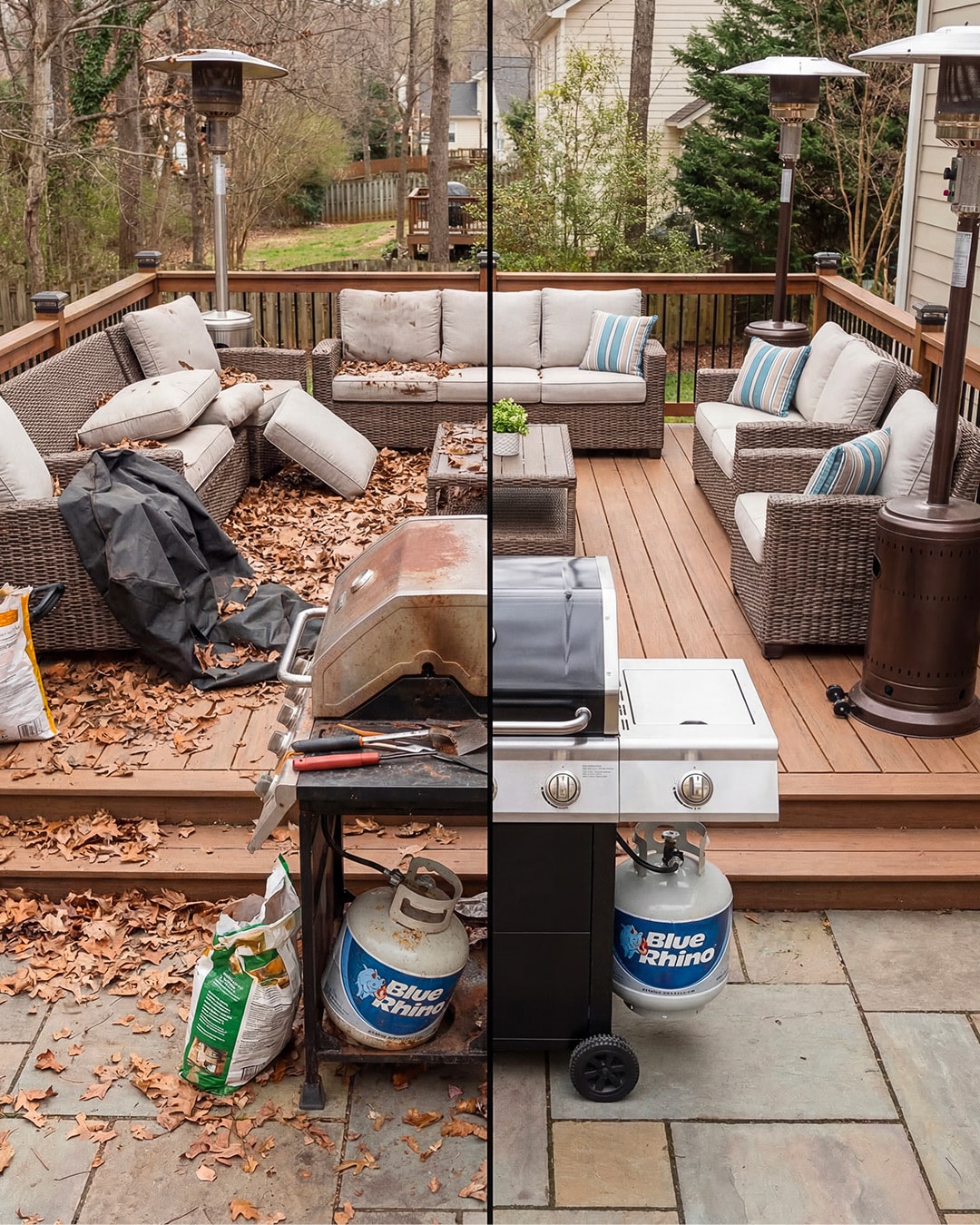
When a propane grill goes from roaring like a backyard dragon to wheezing like it just climbed a flight of stairs, replacement shouldn’t be your first thought. Most grills lose heat and efficiency because of one simple thing: neglected maintenance.
Behind every great cookout is a well-maintained machine; after years of testing burners, searing steaks, and rescuing sad grills from retirement, I can guarantee that regular maintenance dramatically improves heat output, fuel efficiency, and cooking performance.
And the best part? You don’t need a toolbox worthy of a NASCAR pit crew. A little cleaning and a few inspections go a long way.
Why Propane Grill Maintenance Matters
A propane grill works by mixing gas and air, then burning that mixture through a series of burners and ports. When grease, debris, rust, or blockages interfere with that process, you get:
- Weak flames
- Uneven heat
- Longer preheat times
- Higher propane consumption
- Frustrating cooking results
Think of it like this: a dirty grill is trying to sprint while breathing through a straw.
The following eight tips will help your grill burn hotter, cook more evenly, and use less fuel.
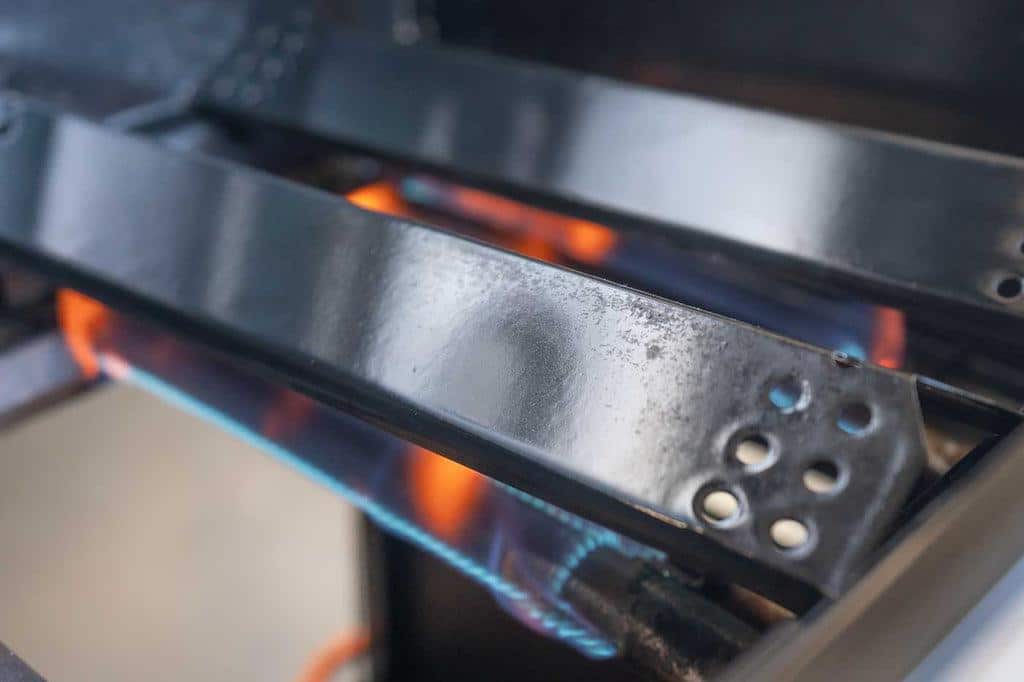
1. Clean the Burners Regularly for Consistent Flame Performance
Burners are the heart of your grill. When they’re coated in grease, carbon, and food debris, flames become uneven and heat drops fast.
Why it matters
Dirty burners can create:
- Hot and cold spots across the grill
- Yellow, lazy flames instead of strong blue flames
- Reduced heat output and slower cooking times
Key point: Clean burners mean stronger flames and more even heat distribution.
How to do it
- Turn off the gas and disconnect the propane tank.
- Remove the cooking grates and heat plates.
- Take out the burners (most lift out easily).
- Brush off debris with a stainless steel brush or burner brush.
- Wipe with warm soapy water, then dry completely before reinstalling.
I clean my burners every 10–15 cooks. If you grill every weekend, that’s about once a month. Your grill will thank you by actually reaching 500°F again.
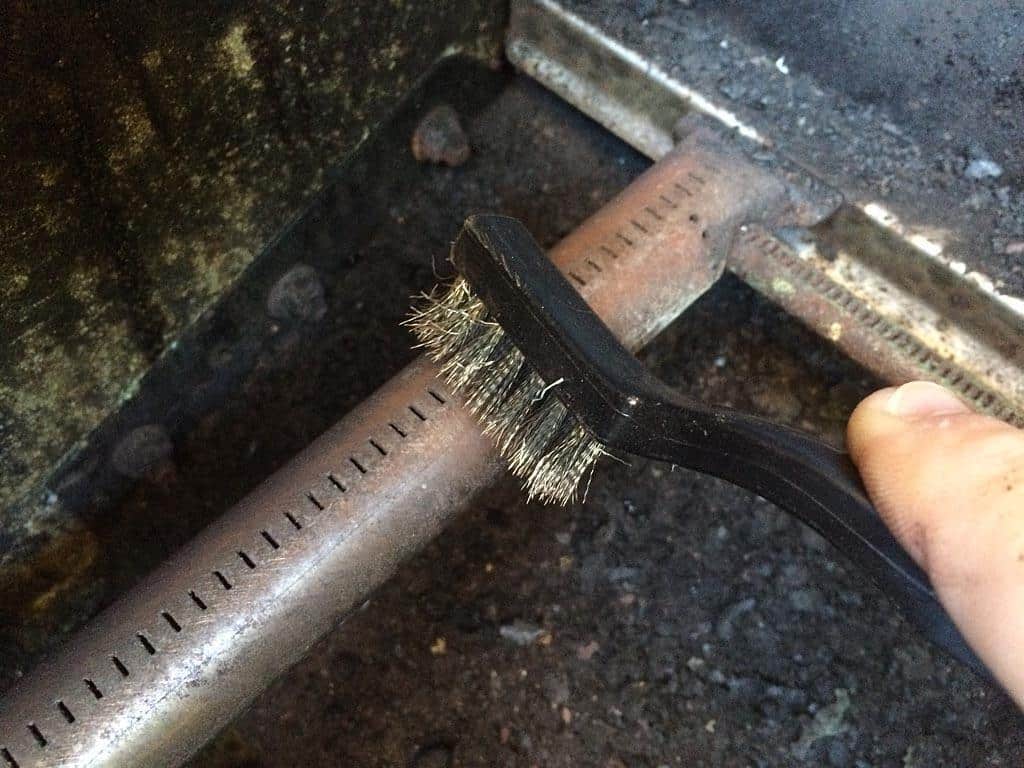
2. Check and Clear Clogged Burner Ports
Those tiny holes along the burner tubes are called burner ports. They’re where the gas exits to create the flame. And yes, spiders apparently think they’re luxury condos.
Signs of clogged ports
- Flames are weak or uneven
- Some sections of the burner won’t light
- You hear popping noises or see yellow flames
Important phrase: Clogged burner ports restrict gas flow and reduce grill efficiency.
How to clear them safely
Use a small wire, paper clip, or burner-port cleaning tool to gently clear each hole. Don’t enlarge the holes – just remove the blockage.
After cleaning, relight the grill and check for a steady, even blue flame across the entire burner.
A quick pitmaster tip: if one side of your grill is always cooler, clogged ports are often the culprit.
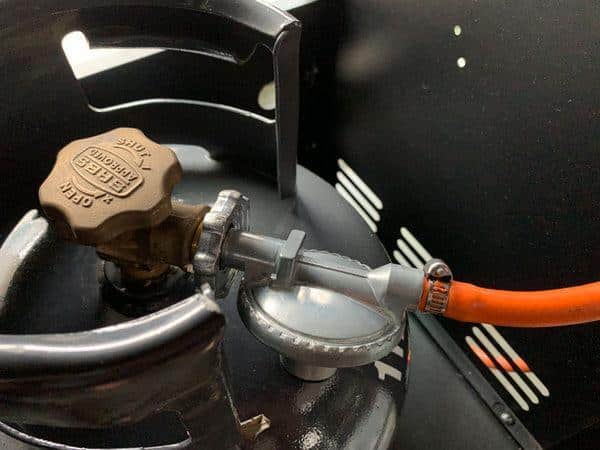
3. Inspect the Propane Regulator and Hose
Your regulator controls gas pressure. If it’s failing, your grill may never reach full heat no matter how clean everything else is.
Warning signs
- Weak flames on all burners
- Grill won’t get above 300–350°F
- Hissing sounds or the smell of gas
- Cracked or brittle hose material
Key point: A faulty regulator can cut heat output dramatically and waste propane.
Do a quick leak test
- Mix dish soap with water in a spray bottle.
- Turn on the propane tank (but not the burners).
- Spray the hose connections and regulator.
- If bubbles form, you have a leak.
Replace damaged hoses or regulators immediately. They’re inexpensive compared to the cost of wasted fuel – or worse, a safety hazard.
And here’s a common trick: if your grill suddenly has weak flames after reconnecting the tank, the regulator may have gone into safety mode. Turn everything off, disconnect the tank, wait a minute, reconnect, and slowly open the tank valve.
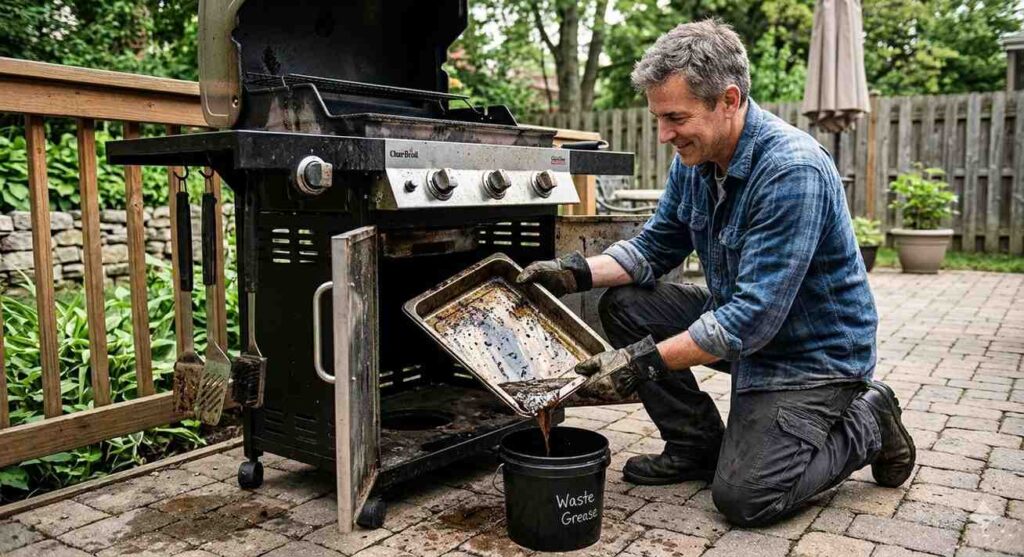
4. Empty and Clean the Grease Management System
That grease tray under your grill isn’t just collecting drippings. It’s collecting future problems.
Why grease buildup hurts performance
Excess grease can:
- Block airflow inside the grill
- Cause flare-ups
- Create unpleasant smoke
- Trap heat in the wrong places
Important phrase: A clean grease system improves airflow and helps your grill burn more efficiently.
What to do
After every few cooks:
- Remove the grease tray or cup.
- Scrape out hardened grease with a plastic scraper.
- Wash with warm soapy water.
- Dry thoroughly before reinstalling.
I’ve seen grease trays so full they could’ve qualified as deep-fryers. Don’t be that griller.
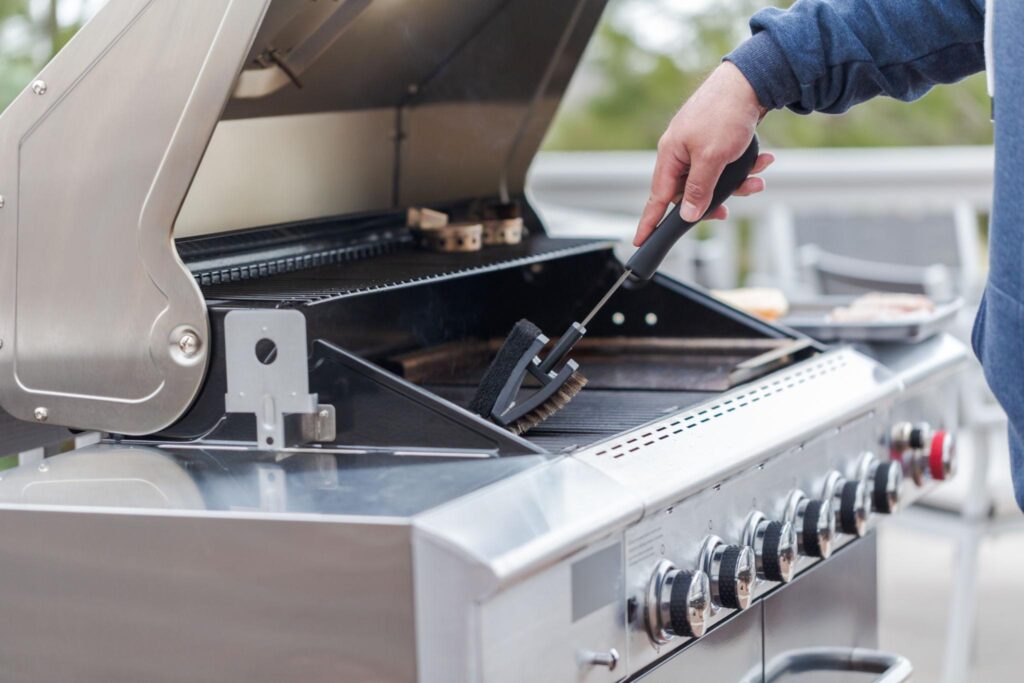
5. Clean Cooking Grates to Improve Heat Transfer
Dirty grates don’t just look bad – they reduce heat transfer to your food. Carbon buildup acts like insulation, making it harder to get a proper sear.
Why it matters
Clean grates:
- Transfer heat more efficiently
- Reduce sticking
- Create better grill marks and searing
- Help food cook more evenly
Key point: Clean grates help your grill cook hotter and more efficiently.
Best cleaning method
- Preheat the grill for 10–15 minutes to loosen debris.
- Scrub with a grill brush while the grates are hot.
- For stubborn buildup, soak grates in warm soapy water and scrub again.
- Lightly oil the grates before cooking to prevent sticking.
Cast iron grates need a little extra love: dry them completely and apply a thin coat of oil to prevent rust.
A clean grate is the difference between a steak with a restaurant-quality crust and one that looks like it lost a fight with a sponge.
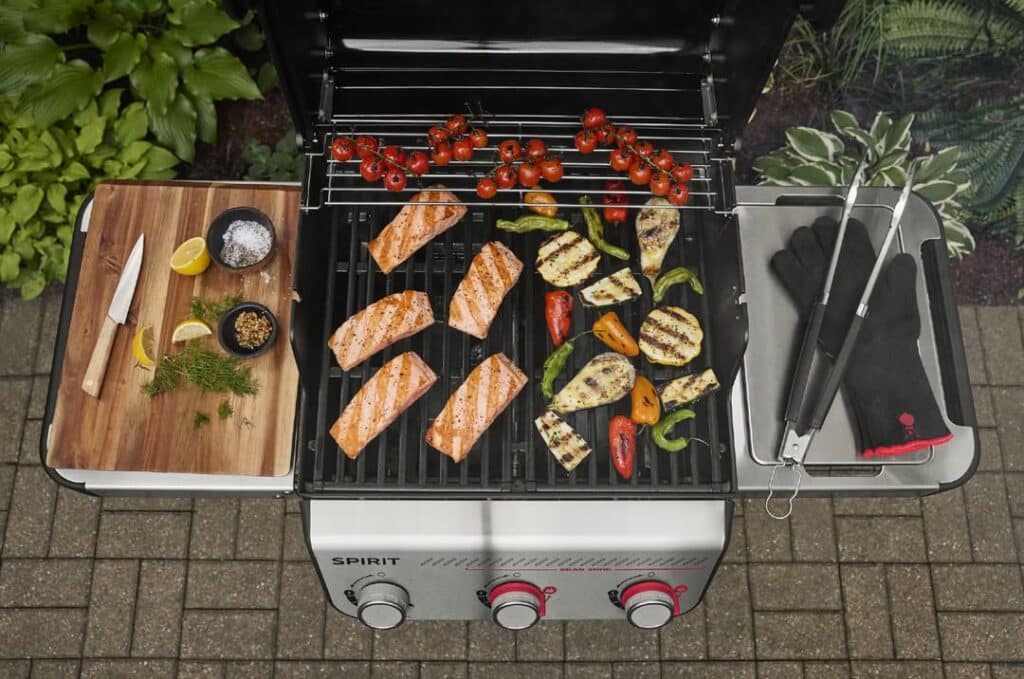
6. Inspect Heat Plates or Flame Tamers
Heat plates (also called flame tamers or heat shields) sit above the burners and help distribute heat evenly.
What they do
They:
- Protect burners from grease drippings
- Reduce flare-ups
- Spread heat more evenly across the grill
Important phrase: Damaged heat plates can cause uneven heating and strain your burners.
Check for these issues
- Heavy rust
- Warping
- Holes or cracks
- Excessive grease buildup
Clean lightly dirty plates with a brush, but replace severely rusted or damaged ones. New heat plates can make an old grill feel surprisingly new again.
I once replaced a set on a 7-year-old grill and the owner swore I’d secretly installed a turbocharger.
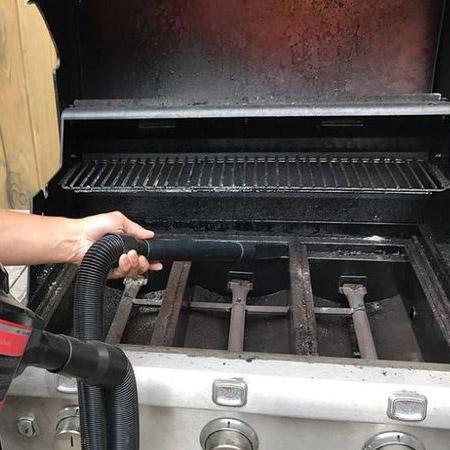
7. Keep the Interior of the Grill Free of Debris
Food particles, ash, grease flakes, and carbon buildup collect inside the grill body over time. This debris can restrict airflow and interfere with proper combustion.
Why airflow matters
A propane grill needs oxygen to burn efficiently. Poor airflow leads to weaker flames and lower temperatures.
Key point: Good airflow is essential for strong heat output and efficient propane use.
Deep-cleaning checklist
Every few months:
- Remove grates, burners, and heat plates.
- Scrape loose debris from the bottom of the grill.
- Vacuum out crumbs and ash with a shop vac.
- Wipe the interior with a damp cloth.
- Reassemble once everything is dry.
This is the grill equivalent of cleaning behind your refrigerator. You know you should do it, and you’ll be mildly horrified by what you find.
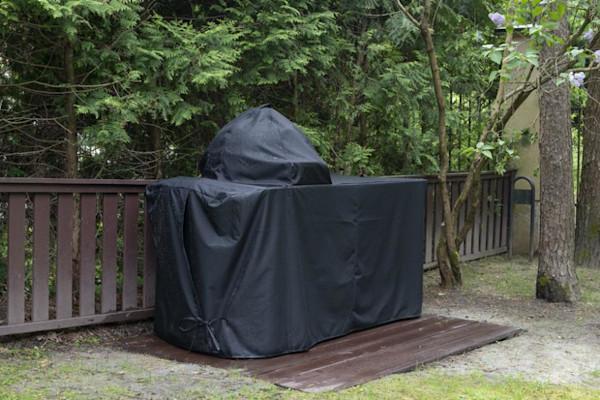
8. Protect Your Grill from Weather and Corrosion
Rain, humidity, and sun can slowly destroy a grill. Rusted burners, corroded igniters, and warped components all reduce performance.
How to protect it
- Use a quality grill cover that fits properly
- Store the grill in a sheltered area when possible
- Dry the grill after rain before covering it
- Remove snow or standing water from the cover
Important phrase: Protecting your grill from the elements extends its life and preserves heat performance.
Off-season tip
If you won’t use the grill for a while:
- Clean it thoroughly.
- Disconnect the propane tank.
- Store the tank safely outdoors.
- Cover the grill and keep it in a dry spot.
A covered grill lasts years longer than one left to battle the weather year-round.
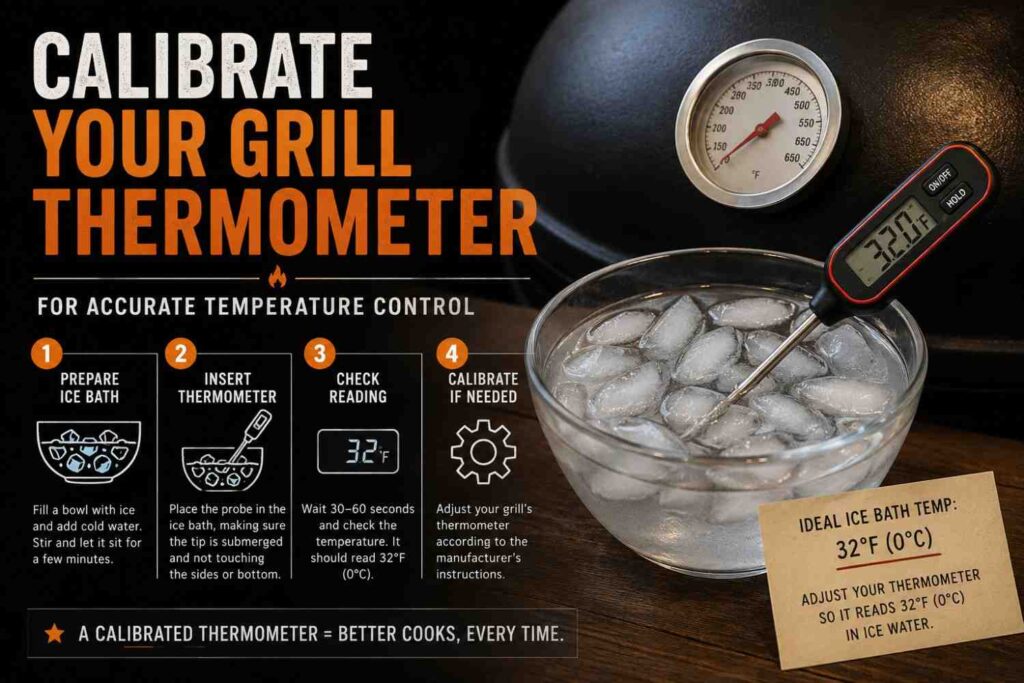
9. Calibrate Your Grill Thermometer for Accurate Temperature Control
Many grill owners assume the built-in thermometer is telling the truth. Unfortunately, factory-installed thermometers can sometimes be off by 25 to 50 degrees – or even more. That can lead to undercooked food, overcooked steaks, and unnecessary propane consumption.
As part of smart propane grill maintenance, check your thermometer’s accuracy at least once per grilling season. A grill that seems to be struggling with heat output may actually be reaching the correct temperature while displaying the wrong reading.
Use a reliable digital thermometer to compare readings and identify discrepancies. The benefits include:
- More accurate cooking temperatures
- Better heat management
- Improved fuel efficiency
- Consistent cooking results
After all, you wouldn’t trust a bathroom scale that adds ten pounds to your weight. Why trust a grill thermometer that lies about the heat?
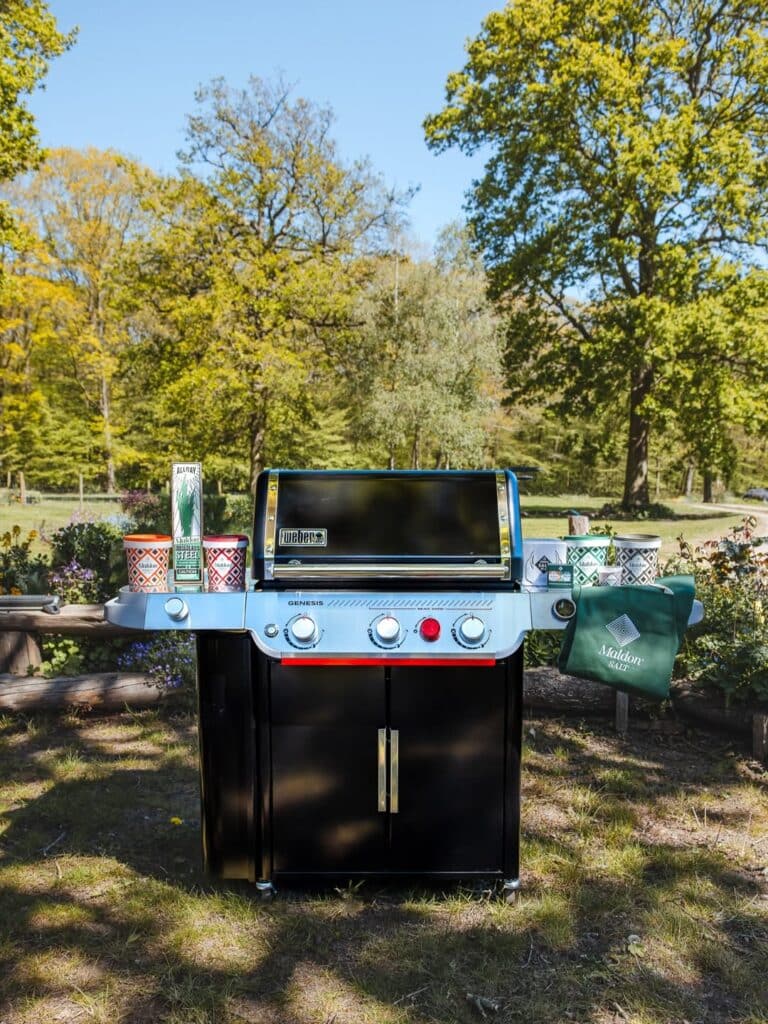
10. Optimize Grill Placement for Better Airflow and Performance
Believe it or not, where you place your grill can significantly impact how efficiently it operates. Strong winds can pull heat away from the cooking chamber, forcing burners to work harder and consume more propane.
Likewise, positioning your grill too close to walls, fences, or other obstacles can restrict air circulation, which is essential for proper combustion.
For optimal performance, place your grill in a location that offers:
- Good ventilation
- Protection from strong winds
- Adequate clearance from nearby structures
- Safe operating conditions
This often-overlooked aspect of propane grill maintenance can help improve heat retention and cooking consistency.
The payoff is simple:
- Proper airflow
- More stable cooking temperatures
- Consistent burner performance
- Greater fuel efficiency
Think of it as giving your grill the ideal workspace to perform at its best.
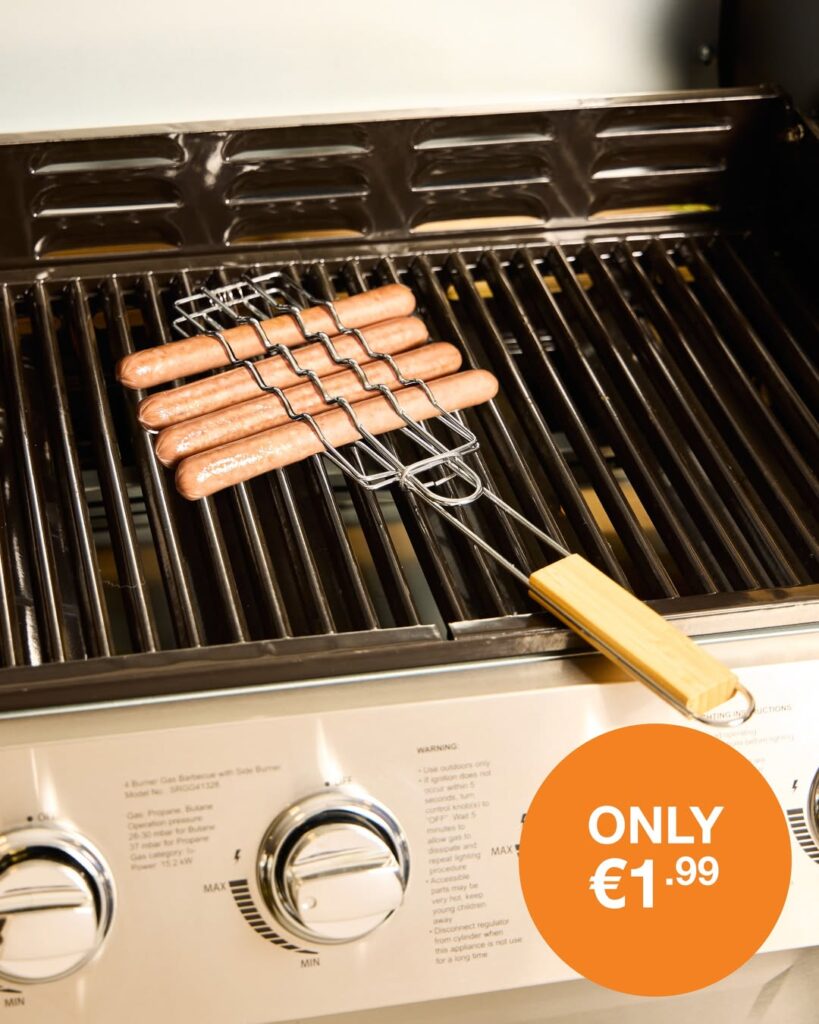
11. Replace Worn Ignition Components Before They Fail
Nothing kills the excitement of a cookout faster than clicking the igniter twenty times and hearing absolutely nothing happen.
While ignition systems don’t directly affect heat output, worn components can make your grill frustrating and unreliable. During routine propane grill maintenance, inspect the following components for signs of wear:
- Ignition wires
- Electrodes
- Battery-powered igniters
- Connection points and terminals
Watch for corrosion, loose connections, cracks, or visible damage.
A weak spark can lead to delayed ignition, which may allow excess gas to accumulate before lighting. Replacing worn ignition parts is usually inexpensive and can quickly restore convenience and safety.
Benefits of maintaining your ignition system include:
- Reliable startup performance
- Faster grill ignition
- Improved safety
- Fewer maintenance headaches
Besides, nobody wants their neighbors watching them perform a thirty-click ignition ritual before dinner.
12. Create a Seasonal Grill Maintenance Schedule
One of the easiest ways to keep a grill operating efficiently is to stop thinking about maintenance only when something goes wrong.
Professional pitmasters follow routine schedules because preventive maintenance is always easier than repair. Instead of tackling everything at once, break tasks into manageable monthly and seasonal checklists.
A simple maintenance schedule might include:
Monthly Tasks
- Clean cooking grates
- Empty the grease tray
- Inspect burner flames
- Check propane levels
Seasonal Tasks
- Deep-clean the grill interior
- Inspect burners and burner ports
- Test thermometer accuracy
- Check hoses and regulators for wear
- Examine ignition components
Consistent propane grill maintenance delivers several long-term benefits:
- Stronger heat output
- Improved fuel efficiency
- Fewer unexpected repairs
- Longer component lifespan
- More reliable cooking performance
Think of it like changing the oil in your vehicle – you don’t wait for the engine to fail before taking action. A few minutes of maintenance today can save hours of troubleshooting later.
Bonus Tips for Maximum Grill Efficiency
Preheat properly
Give your grill 10–15 minutes to preheat. Starting too early forces the burners to work harder and cook unevenly.
Cook with the lid closed
Open-lid cooking is like trying to heat your house with the front door open. Keep the lid closed as much as possible to maintain temperature and reduce propane use.
Use quality propane and monitor fuel levels
Low propane levels can reduce pressure and heat output. Keep a spare tank handy so your cookout doesn’t end with half-seared burgers and awkward apologies.
Final Thoughts
A propane grill doesn’t need constant tinkering, but it does need regular care. With these 8 propane grill maintenance tips, you can:
- Boost heat output
- Improve fuel efficiency
- Reduce flare-ups
- Extend the life of your grill
- Cook better food with less frustration
The secret is consistency. A quick clean after cooks and a deeper maintenance session every few months will keep your grill performing like a champ.
And remember: the best grill isn’t always the newest one – it’s the one that’s properly maintained.
Now fire it up, close the lid, and let that blue flame do what it was born to do.
Frequently Asked Questions
How often should I perform propane grill maintenance?
Basic propane grill maintenance should be performed after every few cooking sessions, while a more thorough inspection and cleaning should be done every three to six months.
If you grill frequently, monthly maintenance can help prevent heat loss, burner issues, and excessive propane consumption.
Why is my propane grill not getting hot enough?
Several issues can cause a propane grill to lose heat output, including dirty burners, clogged burner ports, a faulty regulator, low propane levels, or restricted airflow. Regular propane grill maintenance helps identify and fix these problems before they affect cooking performance.
Can a dirty grill reduce fuel efficiency?
Yes. Grease buildup, clogged burners, and blocked airflow force the grill to work harder to maintain cooking temperatures. As a result, the grill burns more propane than necessary. Keeping your grill clean can improve both heat output and fuel efficiency.
How do I know if my propane regulator is bad?
Common signs of a failing regulator include weak flames, difficulty reaching high temperatures, uneven heating, and inconsistent burner performance. If your grill suddenly struggles to get hot despite proper cleaning, the regulator may need inspection or replacement.
What color should propane grill flames be?
Healthy propane grill flames should be mostly blue with small yellow tips. Large yellow or orange flames often indicate dirty burners, clogged burner ports, or improper air-to-fuel mixture, all of which can reduce efficiency.
Should I cover my propane grill when not in use?
Absolutely. A quality grill cover helps protect your grill from rain, moisture, UV exposure, and debris. Protecting the grill from the elements can extend the lifespan of burners, igniters, heat plates, and other critical components.
How long do propane grill burners typically last?
Most quality grill burners last between 2 and 10 years, depending on the material, frequency of use, and maintenance habits. Regular cleaning and inspections can significantly extend burner life and maintain consistent heat output.
Is it safe to clean grill burners with water?
Yes, but burners should be thoroughly dried before being reinstalled. Excess moisture left inside burner tubes can contribute to rust and ignition problems. Always allow burners to dry completely before reconnecting the propane supply.
Can weather affect my grill’s performance?
Yes. Strong winds can pull heat away from the cooking chamber, while moisture can lead to rust and corrosion. Proper grill placement and using a protective cover are simple ways to maintain consistent cooking performance year-round.
What’s the most important propane grill maintenance task?
If you could only do one thing, regularly cleaning the burners and burner ports would have the biggest impact on heat output and efficiency. Clean burners promote proper gas flow, stronger flames, more even heating, and better overall grilling performance.
Featured image credit: @bluerhinoco
