
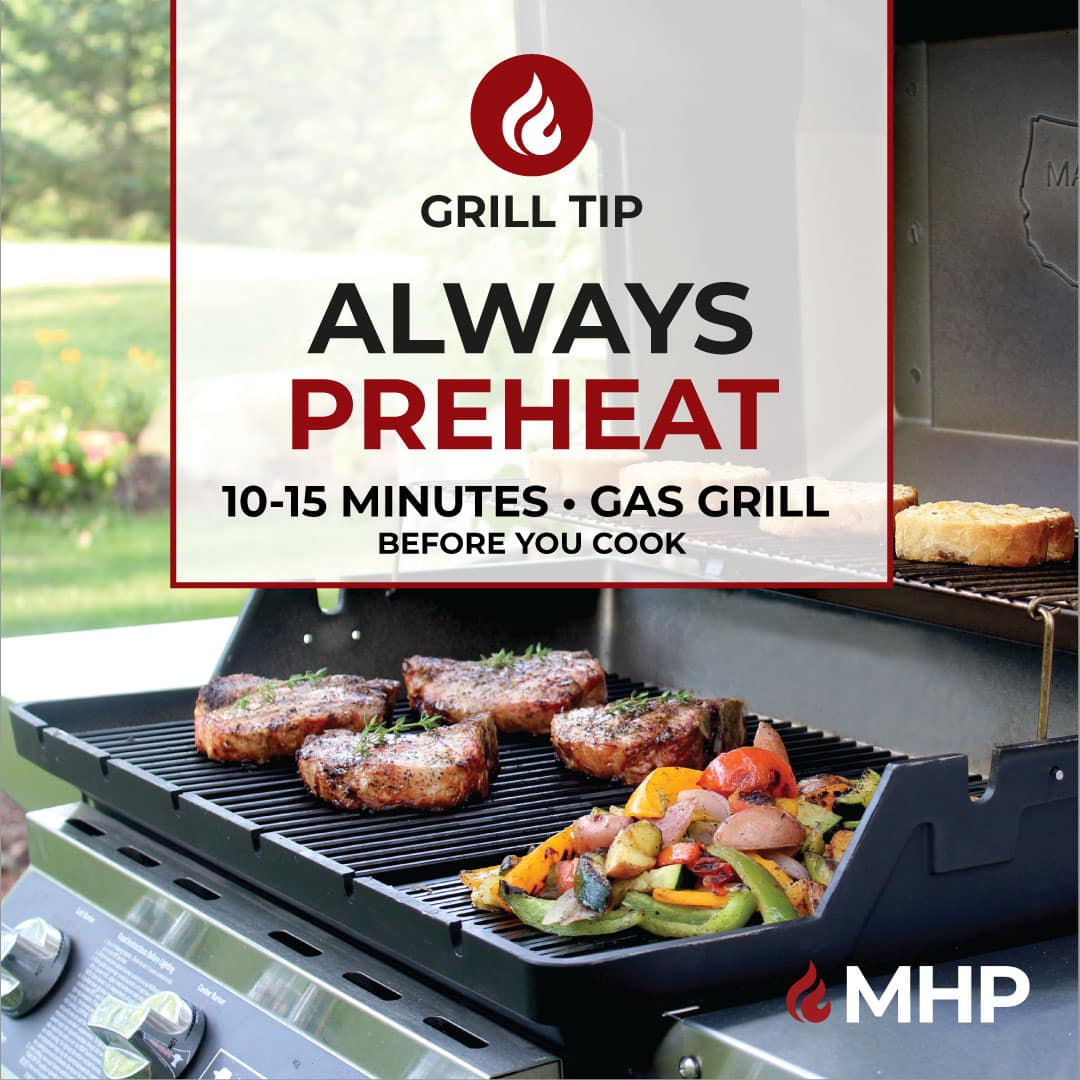
If there’s one mistake I see backyard grillers make over and over again, it’s rushing the preheat.
Picture this: the burgers are seasoned, the guests are hungry, and someone flips the burners on for about three minutes before tossing food onto the grates.
Five minutes later they’re wondering why the meat is sticking, why the grill marks look weak, and why dinner is taking forever.
I’ve been cooking over fire for years, and I can tell you that learning how to properly preheat a grill is one of the easiest ways to improve your grilling results instantly.
The funny thing is that preheating doesn’t feel exciting. Nobody posts photos of a perfectly preheated grill on social media. But it’s the foundation of great barbecue and grilling. Think of it like warming up before a workout.
Could you skip it? Sure. Will you regret it later? Probably.
So, how long should you really preheat a grill?
The answer depends on your grill type, cooking temperature, weather conditions, and what you’re cooking. But don’t worry – by the end of this guide, you’ll know exactly how long to wait and, more importantly, what signs tell you your grill is truly ready.
What Does Preheating a Grill Actually Do?
Many people assume preheating simply makes the grill hot. That’s part of the story, but it’s far from the whole picture. A properly preheated grill creates the ideal cooking environment from the moment food touches the grates.
It Creates Even Heat
One of the biggest enemies of great grilling is uneven temperatures.
When you don’t preheat a grill long enough, some areas are blazing hot while others are still warming up. This leads to food that’s burned on one side and undercooked on the other.
A fully heated grill distributes heat more evenly, giving you better control over cooking times and results.
It Helps You Achieve a Better Sear
Everyone loves those dark, beautiful grill marks. They’re not just for looks. Those marks are created by the Maillard reaction, the process responsible for the rich, savory flavors that make grilled food taste incredible.
No heat, no sear. No sear, no magic.
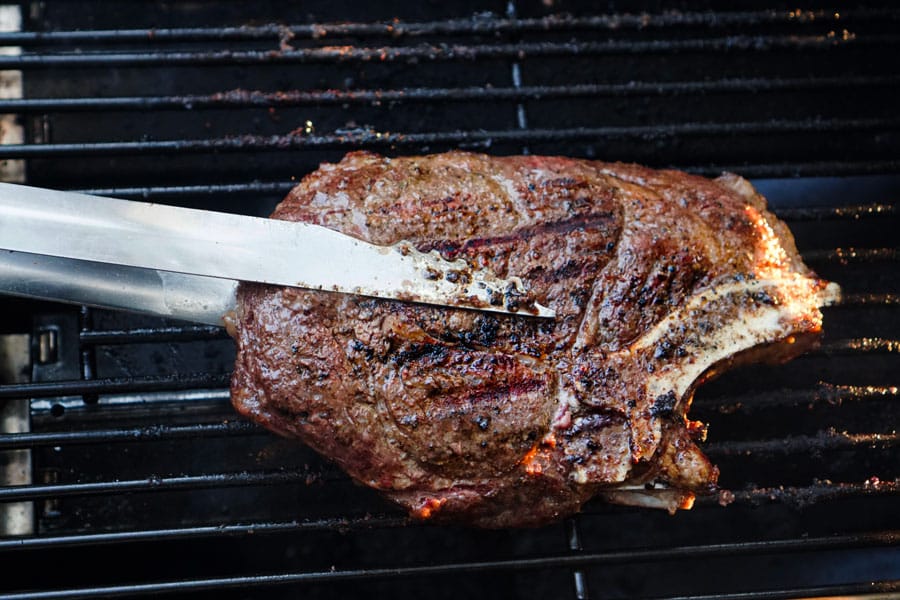
That’s why steaks cooked on a properly heated grill almost always taste better than those thrown onto lukewarm grates.
It Prevents Food from Sticking
Here’s a lesson many grillers learn the hard way. Food naturally releases from hot cooking surfaces when it’s ready to flip. Cold grates are sticky grates.
Properly preheating helps create a surface that reduces sticking, especially when combined with clean grates and a light coating of oil.
It Burns Off Leftover Residue
Even if you cleaned your grill after your last cookout, there may still be tiny bits of grease, food particles, and residue hanging around.
A good preheat helps burn away those leftovers, giving you a cleaner cooking surface and better flavor. Because nobody wants today’s chicken tasting like last weekend’s salmon.
How Long Should You Preheat a Grill?
Let’s get to the question everyone came here for.
The general rule is simple:
Most grills should be preheated for 10 to 15 minutes before cooking.
However, that’s only a starting point.
The actual time depends on several factors:
- Grill type
- Target cooking temperature
- Outdoor weather
- Grill size
- Thickness of the cooking grates
Instead of focusing only on time, focus on temperature. A grill that’s been heating for 15 minutes but hasn’t reached cooking temperature isn’t truly preheated. Likewise, a grill that reaches temperature in 8 minutes may already be ready to go.
Temperature matters more than the clock.
Recommended Preheating Times by Grill Type
Not all grills heat up the same way. Let’s break it down.
Gas Grills
Gas grills are generally the fastest to heat.
For most models:
Recommended preheat time: 10–15 minutes
Start the burners, close the lid, and allow the grill to reach your desired temperature. For high-heat cooking such as steaks and burgers, aim for around 450°F to 550°F. Many modern gas grills can hit these temperatures fairly quickly.
Charcoal Grills
Charcoal requires a little more patience.
Recommended preheat time: 20–30 minutes
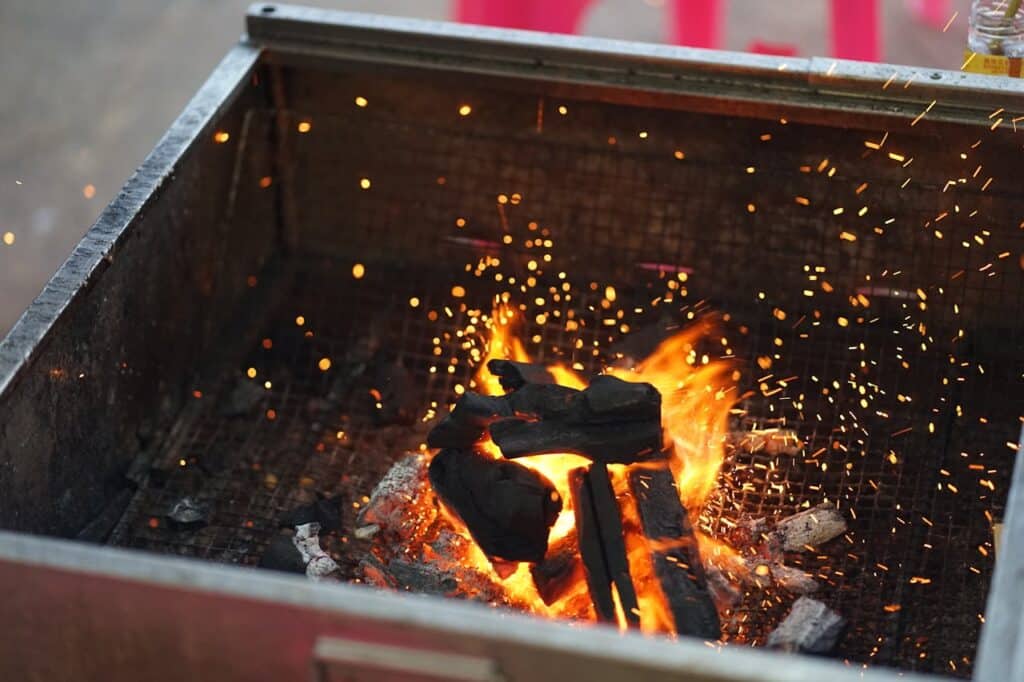
The goal isn’t simply lighting the charcoal. You need to wait until the coals develop a layer of gray-white ash. That’s when they’re producing steady, consistent heat.
As a pitmaster, I always tell beginners:
Don’t cook when the charcoal is lit. Cook when the charcoal is ready.
There’s a big difference.
Pellet Grills
Pellet grills combine convenience with wood-fired flavor.
Recommended preheat time: 10–20 minutes
Most pellet grills have startup cycles that gradually bring the cooker to temperature. Once the display reaches your target temperature, allow a few additional minutes for the cooking chamber and grates to stabilize.
Electric Grills
Electric grills tend to be very straightforward.
Recommended preheat time: 10–15 minutes
Many models include indicator lights that signal when they’re ready. Even so, giving the grill a few extra minutes often improves cooking performance.
How to Know When Your Grill Is Fully Preheated
The smartest grillers don’t rely entirely on the clock. They look for signs.
Check the Temperature Gauge
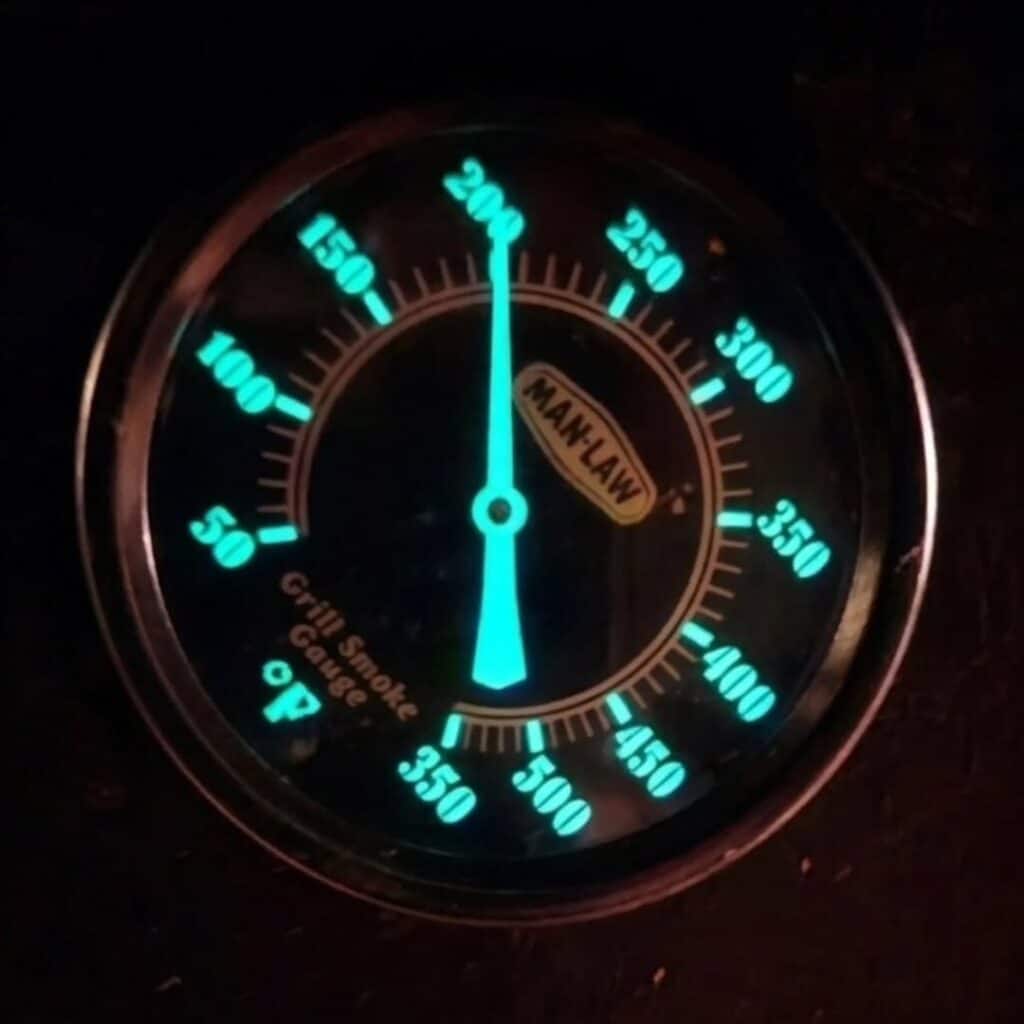
Most grills come with a built-in thermometer. While these aren’t always perfectly accurate, they provide a useful starting point. If the gauge shows your target temperature and remains stable, you’re likely ready to cook.
Use a Digital Thermometer
For maximum accuracy, use a digital grill thermometer. This is especially helpful for serious grillers who want consistent results. In my experience, a good thermometer improves your cooking more than almost any accessory you can buy.
Look for Visual Clues
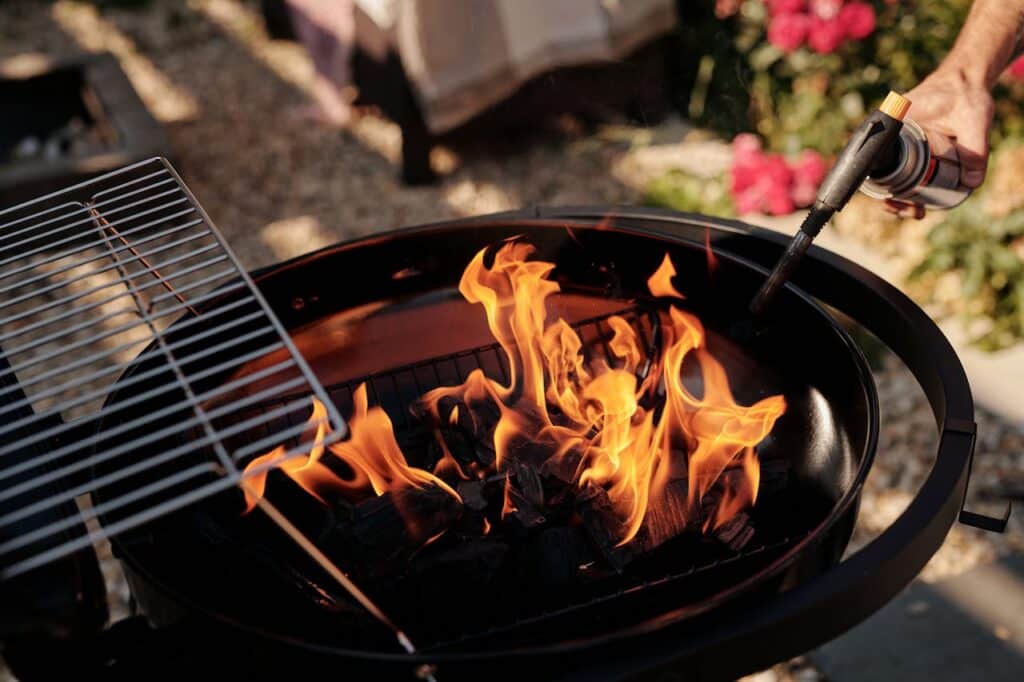
A grill that’s properly preheated often shows visible signs. On gas grills, you’ll notice heat waves rising from the grates. On charcoal grills, the coals should appear mostly covered with light ash.
The grates themselves may take on a slightly darker appearance as they heat.
The Best Temperature to Preheat a Grill
Different foods require different temperatures.
High-Heat Cooking
Best for:
- Steaks
- Burgers
- Pork chops
Target temperature:
450°F–550°F
This range creates excellent searing and rich flavor development.
Medium-Heat Cooking
Best for:
- Chicken breasts
- Vegetables
- Seafood
Target temperature:
350°F–450°F
This allows food to cook evenly without burning the outside.
Low-and-Slow Cooking
Best for:
- Ribs
- Brisket
- Pulled pork
Target temperature:
225°F–275°F
For barbecue, patience becomes your secret ingredient. The best pitmasters know that slow cooking isn’t a shortcut-free zone – it’s the destination.
What Happens If You Don’t Preheat Long Enough?
Skipping or shortening the preheat phase can cause several problems.
Food Sticks
This is probably the most common complaint. You try to flip your burger and suddenly half of it remains glued to the grate like it signed a long-term lease. Proper heat helps prevent this.
Uneven Cooking
Cold spots and hot spots become more noticeable when the grill hasn’t fully warmed. The result is inconsistent cooking and unpredictable outcomes.
Weak Grill Marks
Those beautiful restaurant-style grill marks require high surface temperatures. Without sufficient preheating, they simply won’t develop properly.
Longer Cooking Times
Ironically, trying to save a few minutes by skipping preheating often makes the entire cook take longer. The grill spends part of the cooking process continuing to heat up rather than cooking your food efficiently.
Can You Preheat a Grill for Too Long?
Surprisingly, yes. While under-preheating is more common, excessive preheating isn’t ideal either.
Potential Downsides
Long preheating sessions can:
- Waste fuel
- Increase operating costs
- Create unnecessary wear on components
- Overheat delicate foods when cooking begins
Leaving a gas grill running at maximum heat for 45 minutes before cooking usually provides no additional benefit.
When Extra Preheating Makes Sense
There are exceptions. Heavy cast-iron grates often benefit from additional heating time. Cold winter conditions may require a few extra minutes.
Some grillers also intentionally perform longer high-heat burns when cleaning heavily soiled grates.
Tips for Faster and More Efficient Grill Preheating
After years of grilling, I’ve picked up a few tricks.
Keep the Lid Closed
This is one of the simplest ways to speed up heating. An open lid lets valuable heat escape. Think of it like trying to preheat your oven with the door wide open.
Clean Burners and Vents
Blocked burners and clogged vents restrict airflow and reduce efficiency. Regular maintenance helps your grill reach temperature faster.
Use a Chimney Starter
For charcoal grilling, a chimney starter is a game changer. It lights charcoal more quickly and evenly than many alternative methods.
Block Strong Winds
Wind can significantly increase heating times. Positioning your grill in a sheltered area can make a noticeable difference.
Invest in Better Thermometers
Guesswork is the enemy of consistency. Reliable temperature monitoring removes uncertainty from the process.

Seasonal Considerations for Grill Preheating
Weather affects grilling more than many people realize.
Summer Grilling
Warm temperatures generally reduce preheating times. Your grill starts closer to its target temperature and loses less heat to the environment.
Winter Grilling
Cold weather can add several minutes to your preheat. Metal grates absorb more heat before reaching cooking temperature. Don’t rush the process.
Windy Conditions
Wind can cool surfaces surprisingly fast. Even on warm days, strong gusts may increase heating times and create temperature fluctuations.
Why Restaurant Grills Heat Up Faster Than Backyard Grills
Ever wonder why restaurant steaks seem to hit the grill almost instantly while your backyard grill feels like it’s taking its sweet time?
The secret isn’t magic. Professional kitchens simply have equipment designed to heat faster, stay hotter, and cook continuously throughout the day.
Several factors give restaurant grills an advantage:
- Higher BTU output for faster heating and stronger searing power.
- Greater thermal mass, allowing grills to retain heat more efficiently.
- Constant use throughout service, meaning grills rarely cool down completely.
- Commercial-grade construction designed for heavy-duty cooking.
By comparison, most backyard grills start completely cold. Every burner, grate, and internal component must heat up from scratch before cooking can begin.
As a pitmaster, I like to compare it to a pickup truck and a race car. Both will get you where you’re going, but they’re built for very different purposes.
The key takeaway: Don’t judge your grill by steakhouse standards. Understanding the difference helps set realistic expectations and reminds you why it’s important to properly preheat a grill before cooking.
The Hidden Role of Grill Grates During Preheating
Many people assume preheating is all about heating the air inside the grill. In reality, the true workhorses are the grill grates themselves.
After all, the grates are what directly touch your food. They’re responsible for:
- Creating those iconic grill marks.
- Delivering direct heat to the surface of your food.
- Helping form a flavorful crust.
- Reducing sticking when properly heated.
Here’s where many grillers get fooled. The thermometer might read 500°F, but that doesn’t necessarily mean the grates have reached the same temperature.
This is especially true for cast-iron grates, which take longer to absorb heat than thinner stainless-steel versions.
Think of your grates like a cast-iron skillet. You wouldn’t throw a steak onto a cold skillet and expect restaurant-quality results.
The same rule applies when you preheat a grill.
Hot grates equal better flavor, better texture, and better-looking food.
How Grill Preheating Impacts Flavor Development
One of the biggest grilling secrets is that flavor development starts before the food ever hits the grates.
A properly heated grill creates the conditions needed for:
- Faster browning
- Deeper caramelization
- Stronger searing
- Richer smoky flavors
When food lands on a fully preheated surface, moisture evaporates quickly. This allows crust-forming reactions to begin almost immediately.
Without enough heat, the opposite happens. Instead of searing, food starts to steam.
And let’s be honest – that’s about as exciting as showing up to a barbecue and discovering someone forgot the charcoal.
The difference is especially noticeable with:
- Steaks
- Burgers
- Pork chops
- Vegetables
- Seafood
If you’ve ever wondered why restaurant food often develops a richer, more complex flavor, one reason is simple:
Chefs understand the powerful connection between preheating, browning, and flavor chemistry.
Should You Oil the Grates Before or After Preheating?
Ask ten grillers this question and you’ll probably get eleven opinions. While some people oil the grates before heating, most pitmasters recommend waiting until after you preheat a grill.
Here’s why:
- Oil exposed to heat for too long can burn.
- Burned oil can create excess smoke.
- Residue from overheated oil can build up on the grates.
- Early oiling may increase the chance of flare-ups.
A better approach looks like this:
- Preheat the grill fully.
- Clean the hot grates with a grill brush.
- Apply a light coat of oil.
- Add your food.
I always tell people that oil should be the finishing touch, not the starting point. A properly heated and lightly oiled grate creates a better nonstick surface and helps food release cleanly when it’s time to flip.
The Biggest Preheating Mistakes Even Experienced Grillers Make
You don’t have to be a beginner to make preheating mistakes. In fact, some of the biggest mistakes come from experienced grillers who become a little too confident.
The most common preheating errors include:
- Relying on time instead of temperature.
- Opening the lid repeatedly during preheating.
- Skipping grate cleaning before heating.
- Assuming every grill heats the same way.
- Rushing because everyone is hungry.
One of the biggest heat killers is constantly lifting the lid to check progress. Every peek allows valuable heat to escape and forces the grill to work harder.
Another mistake is assuming that because one grill reaches temperature in ten minutes, every grill will do the same.
The truth is that every grill has its own personality. Some heat quickly. Others take their time.
Learning how your specific grill behaves is one of the fastest ways to improve your cooking results.
Great grilling isn’t about luck. It’s about consistency, patience, and understanding your equipment.
Common Grill Preheating Myths Debunked
Let’s clear up a few misconceptions.
Myth #1: Two Minutes Is Plenty
Not usually. Most grills need significantly longer to reach cooking temperature.
Myth #2: Hotter Is Always Better
Not every food wants extreme heat. Vegetables, fish, and chicken often benefit from moderate temperatures.
Myth #3: Charcoal Doesn’t Need Preheating
Charcoal absolutely requires preheating. Waiting for the coals to ash over creates more consistent heat and cleaner flavor.
Myth #4: Preheating Only Matters for Steaks
Every type of food benefits from a properly heated grill. From vegetables to shrimp, heat consistency improves results across the board.
Final Thoughts
So, how long should you really preheat a grill?
For most situations, 10 to 15 minutes works well for gas, pellet, and electric grills, while 20 to 30 minutes is a good target for charcoal.
But remember the most important takeaway:
Don’t focus solely on time. Focus on temperature.
A properly preheated grill delivers better searing, cleaner cooking, fewer sticking problems, and more consistent results. As pitmasters like to say, great barbecue rewards patience.
Fortunately, we’re only asking for 10 to 15 minutes of it. Trust me – your steaks, burgers, chicken, and guests will thank you.
Frequently Asked Questions
Should I Preheat a Grill with the Lid Open or Closed?
Generally, keep the lid closed. This allows heat to build more efficiently and shortens the preheating process.
Do I Need to Preheat Before Every Cook?
Yes. Every grilling session benefits from proper preheating. Even quick meals cook better on a fully heated grill.
How Long Should Cast-Iron Grates Preheat?
Cast iron retains heat exceptionally well but takes longer to warm up. Allow an extra five to ten minutes compared with standard grates.
Can I Put Food on While the Grill Is Heating?
Technically yes. Practically, it’s rarely the best approach. You’ll sacrifice searing, consistency, and overall cooking performance.
Does Grill Size Affect Preheating Time?
Absolutely. Larger grills contain more metal and cooking space, often requiring additional heating time.
Featured image credit: @modern_home_products
