
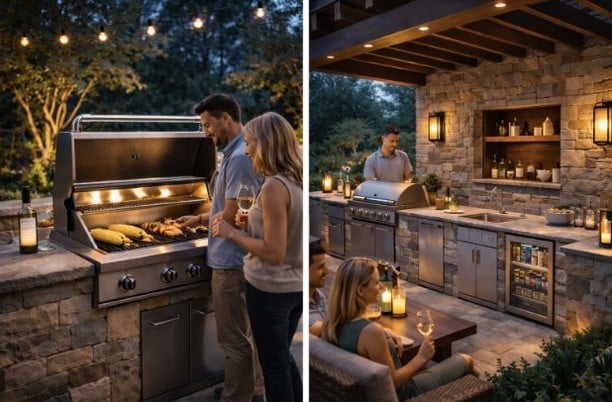
Few home upgrades feel as rewarding as creating a space for outdoor cooking.
Maybe it’s the smell of charcoal drifting through the yard. Maybe it’s the sound of steaks sizzling while your friends hover nearby pretending they’re “just checking the temperature.” Or maybe it’s the simple fact that food somehow tastes better when eaten under the open sky.
I’ve spent years behind grills, smokers, and fireboxes, and one thing I can tell you for sure is this: a proper outdoor kitchen upgrade changes the entire backyard experience. It turns a plain patio into the kind of place people naturally gather around.
The grill becomes the campfire. The cook becomes the host. And suddenly nobody wants to go back inside.
The good news? You don’t need a celebrity-chef budget or a luxury mansion to make it happen. You just need a solid plan, smart choices, and a little pitmaster wisdom.
Let’s fire it up.
Why Upgrade to an Outdoor Kitchen?
A grill sitting alone in the corner of the patio is fine. Most of us started there. A folding table. One spatula. Maybe a cooler full of drinks sweating in the heat.
But a real outdoor kitchen upgrade creates flow.
You prep outside. Cook outside. Serve outside. Relax outside.
No more sprinting back into the house every five minutes because you forgot plates, seasoning, or tongs. Trust me, nothing ruins your “grill master” moment faster than jogging through the kitchen carrying raw chicken while guests stare at you through the window.
An outdoor kitchen also adds real property value. Buyers love functional outdoor living spaces, especially when they’re designed well and built with durable materials.
But honestly? The biggest benefit is lifestyle.
Cooking outdoors feels slower in the best possible way. People linger. Conversations stretch longer. Kids run around the yard while smoke rolls gently off the grill.
That’s hard to put a price on.
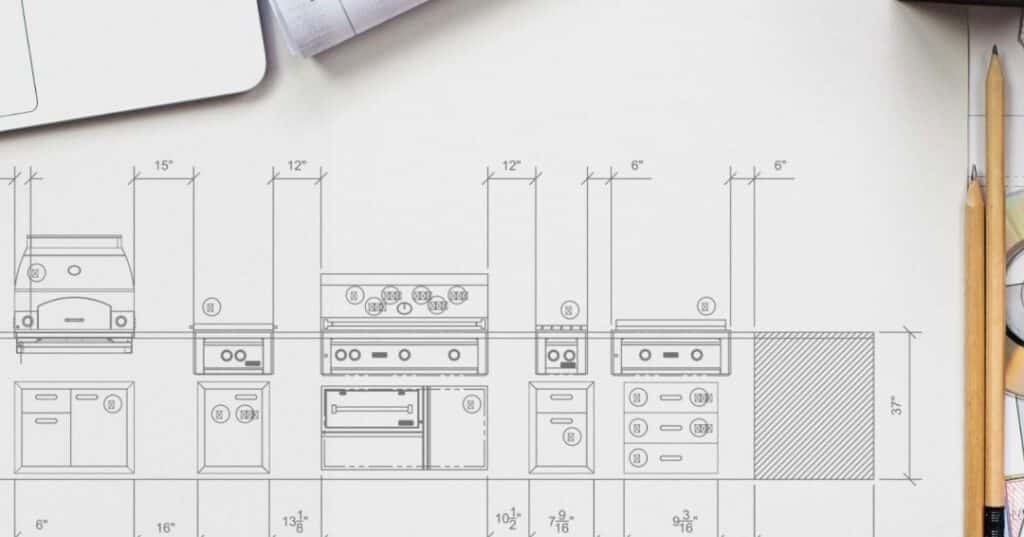
Step 1 – Define Your Outdoor Kitchen Goals
Before buying shiny appliances or sketching layouts, ask yourself one question:
What kind of outdoor cook are you?
Because there’s a big difference between:
- The weekend burger flipper
- The brisket-smoking perfectionist
- The pizza oven fanatic
- The entertainer hosting twelve people every Saturday
Your goals shape everything.
Think About How You’ll Use the Space
If you mostly cook quick family meals, you may only need:
- A quality grill
- Prep space
- Compact storage
- Basic seating
But if your dream is becoming the neighborhood barbecue legend, you’ll want:
- Multiple cooking zones
- Refrigeration
- Larger counters
- A sink
- Plenty of seating
One pitmaster mistake I see constantly is overbuilding. Folks install massive outdoor kitchens only to cook hot dogs twice a year. Start with your actual lifestyle. Then build for comfort and function.
Set a Realistic Budget
A modest outdoor kitchen upgrade can cost a few thousand dollars. A luxury setup can easily climb into five figures.
The key is prioritizing.
Spend money where it matters most:
- Durable appliances
- Weather-resistant materials
- Quality countertops
- Proper utility work
Don’t blow the entire budget on flashy extras before the essentials are handled. A built-in TV sounds amazing until your cheap cabinets start warping after one rainy season.
Evaluate Your Patio Space
Not every backyard needs a sprawling resort-style setup.
Small patios can still become fantastic cooking spaces with:
- Compact grills
- Fold-down prep areas
- Slim storage cabinets
- Vertical shelving
Some of the best barbecue I’ve ever eaten came from tiny patios packed with smart design choices.
Size matters less than workflow.
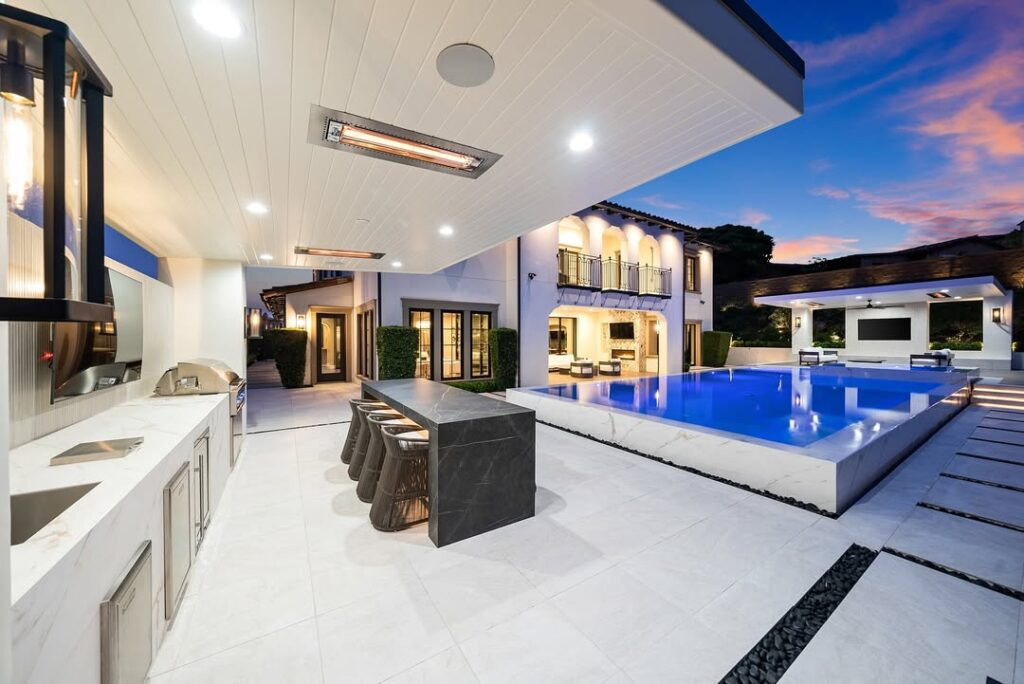
Step 2 – Choose the Right Layout
Good outdoor kitchens feel effortless. Bad ones feel like cooking in a crowded airport security line. The layout matters more than people think.
Straight-Line Layout
Perfect for smaller patios.
Everything sits along one wall or counter:
- Grill
- Prep area
- Storage
- Refrigerator
Simple. Efficient. Budget-friendly. This setup works especially well if your patio already borders the house.
L-Shaped Outdoor Kitchen
This is where things start getting serious. An L-shape creates better movement between prep and cooking zones while giving you extra counter space.
As a pitmaster, I love this setup because it keeps guests slightly out of the danger zone while still letting them hover nearby asking whether the ribs are “almost done yet.”
Spoiler alert:
Ribs are never almost done.
Island-Style Layout
If entertaining is the goal, islands shine. People naturally gather around them while you cook. It creates that social, open-air restaurant vibe that makes outdoor kitchens so enjoyable.
Add bar seating and suddenly your backyard becomes everyone’s favorite weekend destination.
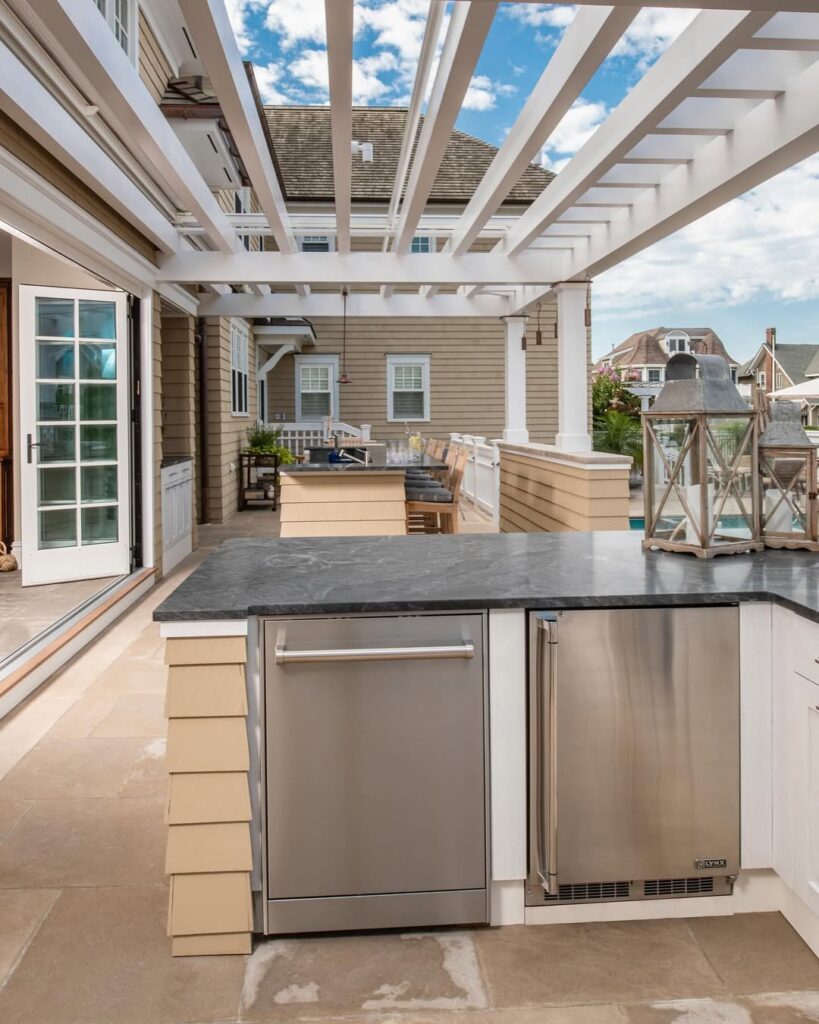
Step 3 – Plan Utilities the Right Way
This part isn’t glamorous. But it’s incredibly important. A beautiful kitchen with poor planning becomes a very expensive headache.
Gas and Fuel Considerations
Decide early:
- Natural gas
- Propane
- Charcoal
- Pellet grilling
Each option changes your setup.
Natural gas offers convenience. Charcoal delivers classic flavor. Pellet grills provide incredible consistency.
Personally, I love a combination setup. A gas grill for quick weeknight cooking and a smoker for long weekend sessions feels like having both speed and soul.
Electrical Needs
Outdoor kitchens need more power than many homeowners expect.
You may need outlets for:
- Refrigerators
- Lighting
- Rotisserie motors
- Sound systems
- Pellet smokers
- Phone charging stations
Nobody wants extension cords snaking across the patio like spaghetti. Hire a professional electrician when needed.
Plumbing and Drainage
If you add a sink, drainage matters. Outdoor kitchens take a beating from rain, grease, and weather changes. Proper drainage prevents standing water and long-term damage.
This isn’t the area to cut corners.

Step 4 – Choose Durable Materials
Outdoor kitchens live outside year-round.
That means heat.
Rain.
Humidity.
Grease.
Sun exposure.
And the occasional barbecue sauce disaster. Choose materials built for battle.
Countertops
Granite
A pitmaster favorite.
Granite handles heat well and looks fantastic. Darker colors also hide seasoning spills better, which matters more than Pinterest designers would like to admit.
Concrete
Modern and customizable. Concrete delivers that high-end outdoor look while holding up well against weather.
Stainless Steel
Clean. Professional. Easy to sanitize. Perfect if you love that commercial kitchen feel.
Cabinets and Storage
Outdoor-rated cabinets are non-negotiable. Indoor cabinets swell and deteriorate quickly outside.
Look for:
- Stainless steel
- Marine-grade polymer
- Weather-sealed materials
Storage becomes especially important once your grill tool collection mysteriously multiplies over time.
And trust me…It will.

Step 5 – Pick the Right Appliances
This is the fun part. The appliance section is where outdoor kitchen dreams either become legendary or painfully disappointing.
The Grill Is the Heart of Everything
Your grill deserves serious thought.
A quality grill should offer:
- Consistent heat
- Durable construction
- Easy cleaning
- Reliable ignition
- Strong temperature control
Cheap grills often look impressive online but perform like shopping carts filled with fire. Invest wisely.
Consider Multiple Cooking Options
The best outdoor kitchens create versatility.
You might combine:
- Gas grill
- Charcoal smoker
- Flat-top griddle
- Pizza oven
- Side burner
Different tools create different experiences. One night you’re reverse-searing steaks.
Next weekend you’re smoking pork shoulder for twelve hours while pretending not to obsessively monitor temperatures every fifteen minutes.
Refrigeration Matters More Than You Think
An outdoor refrigerator changes everything. Cold drinks stay nearby. Ingredients remain accessible. Less running inside.
It’s one of those upgrades people underestimate until they have it. Then they never want to live without it again.
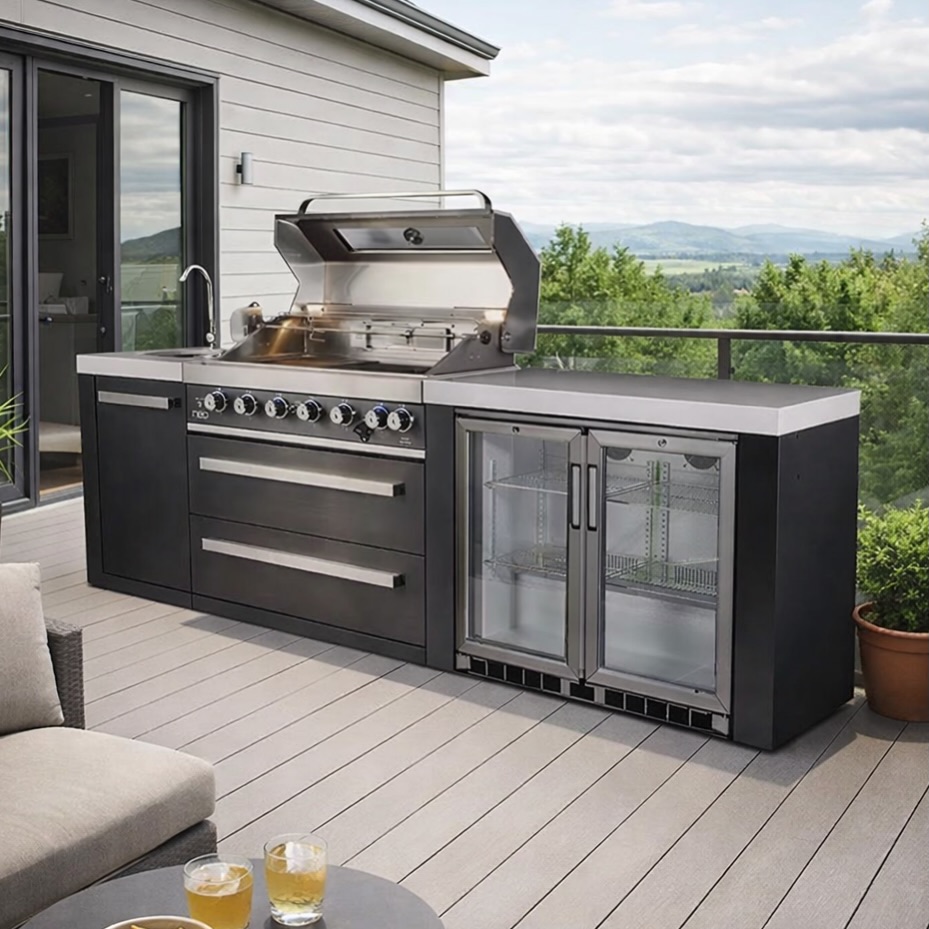
Step 6 – Design for Comfort and Function
An outdoor kitchen shouldn’t just cook well. It should feel good to spend time in.
Lighting Changes Everything
Good lighting extends your kitchen into the evening.
Use layered lighting:
- Task lighting near cooking zones
- Ambient lighting for seating
- Accent lighting for atmosphere
Nothing says “rookie grilling mistake” like trying to slice brisket under one lonely porch bulb.
Add Shade and Weather Protection
Sun exposure wears people out fast.
Consider:
- Pergolas
- Covered roofs
- Retractable awnings
- Ceiling fans
A shaded kitchen becomes dramatically more usable during hot afternoons.
Seating Creates Community
People gather where they feel comfortable. Built-in benches, bar stools, and dining areas help transform the space from “cooking station” into “backyard destination.”
That’s the real goal of a successful outdoor kitchen upgrade.
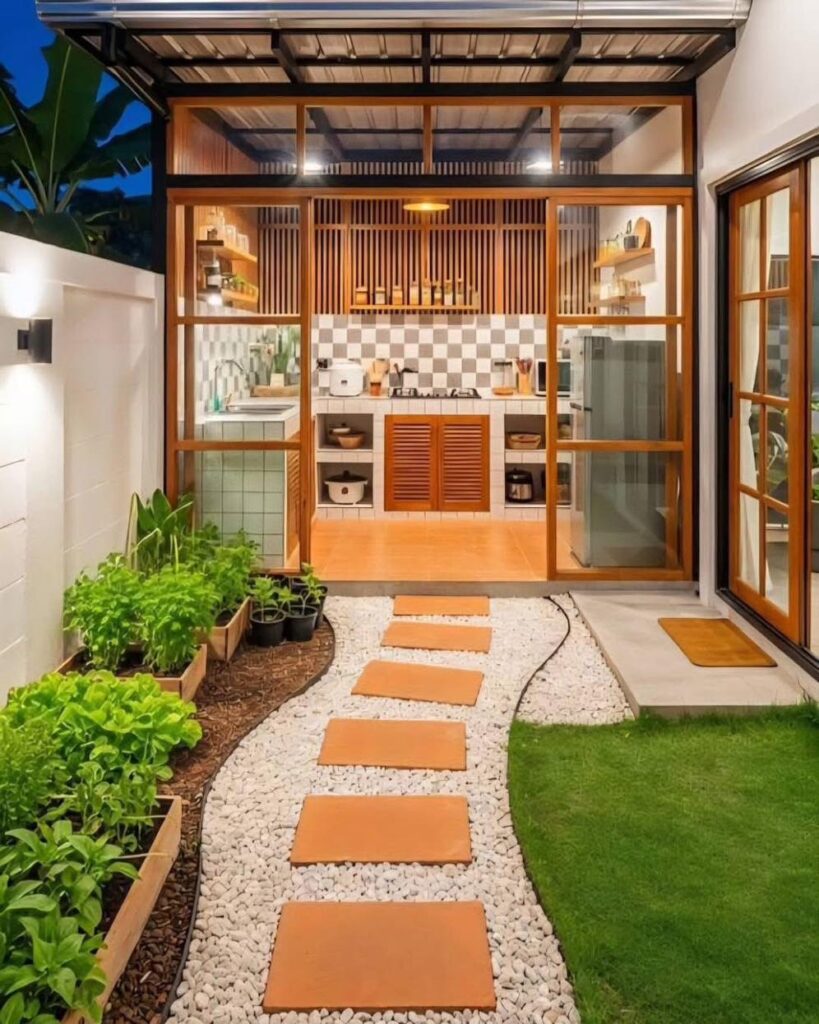
Step 7 – Add Personality and Style
This is where your kitchen stops feeling generic.
Modern Minimalist
Clean lines. Neutral colors. Stainless steel finishes. Perfect for sleek contemporary homes.
Rustic Pitmaster Style
Now we’re talking. Natural stone. Wood accents. Heavy-duty smokers. Warm lighting. The kind of setup where brisket feels mandatory.
Tropical Resort Vibes
If your goal is backyard vacation energy:
- Palm landscaping
- Bright cushions
- Outdoor bars
- Ambient lighting
You don’t need an ocean view to create paradise. Just good design and better food.
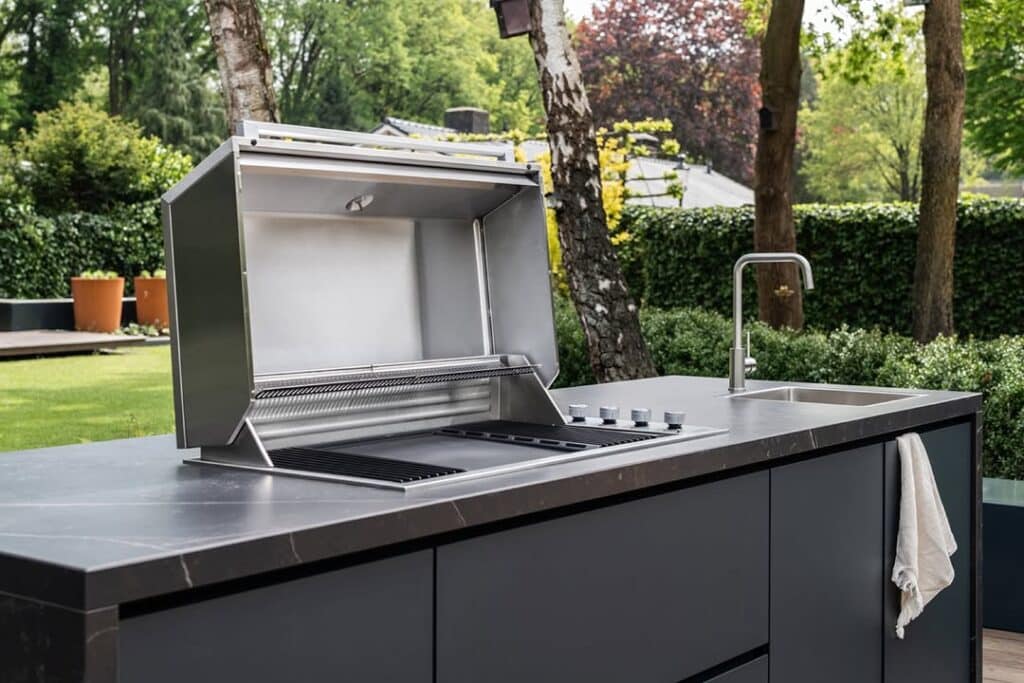
Step 8 – Prioritize Safety and Maintenance
Outdoor kitchens involve:
- Open flames
- Gas lines
- Electricity
- Heat
- Grease
Safety matters.
Fire Safety Basics
Always keep:
- Fire extinguishers nearby
- Proper ventilation
- Safe grill spacing
- Clean grease traps
Grease buildup is sneaky dangerous.
Protect Your Investment
Use covers whenever possible. Clean surfaces regularly. Seal countertops when needed.
Inspect burners and gas lines seasonally. Outdoor kitchens last far longer when maintained consistently instead of repaired reactively.
Think of it like seasoning a cast iron skillet. Small care now prevents massive problems later.
Common Outdoor Kitchen Mistakes to Avoid
I’ve seen some backyard disasters over the years. Learn from them.
Ignoring Workflow
A gorgeous kitchen becomes frustrating if:
- Prep space is tiny
- Appliances are crowded
- Storage is inconvenient
Function first. Looks second.
Buying Cheap Appliances
Low-quality grills age badly outdoors. Rust spreads fast. Burners fail. Heat becomes inconsistent. A bargain grill often becomes an expensive replacement project.
Forgetting About Weather
Outdoor kitchens need weather strategy. Sun, rain, and humidity destroy poorly planned setups.
Always think long term.
Outdoor Kitchen Trends Worth Watching
Outdoor living keeps evolving. Some newer trends genuinely improve the cooking experience.
Smart Grilling Technology
Wi-Fi smokers and app-connected thermometers are everywhere now. And honestly? Some of them are fantastic.
Monitoring brisket temperatures from your phone while relaxing with guests feels slightly ridiculous and completely amazing at the same time.
Multi-Functional Spaces
Modern patios blend:
- Cooking
- Dining
- Lounging
- Entertainment
The backyard is becoming an extension of the home itself.
Sustainable Materials
Eco-conscious designs are growing fast:
- Recycled materials
- Energy-efficient appliances
- Solar lighting
- Sustainable wood options
Good design and sustainability now work hand in hand.
Final Thoughts
A great outdoor kitchen upgrade isn’t really about impressing people. It’s about creating experiences. It’s late-night burgers after long workweeks. Slow-smoked ribs on lazy Sundays.
Friends hovering near the grill pretending they’re helping. Kids stealing chips before dinner is ready. Those moments matter.
And the best outdoor kitchens make them happen naturally. Start simple if needed. Focus on durable materials. Prioritize workflow over flashy extras. Invest in quality cooking equipment.
Most importantly, build a space you’ll actually use.
Because at the end of the day, the perfect outdoor kitchen isn’t the fanciest one. It’s the one filled with smoke, laughter, and people asking for seconds.
Frequently Asked Questions
How much does an outdoor kitchen upgrade cost?
Costs vary widely depending on size and appliances. Smaller projects may start around a few thousand dollars, while luxury outdoor kitchens can exceed $50,000.
What is the best grill for an outdoor kitchen?
That depends on your cooking style. Gas grills offer convenience, charcoal delivers traditional flavor, and pellet grills provide precision smoking capabilities.
Do outdoor kitchens increase home value?
Yes. Well-designed outdoor kitchens often improve property appeal and can increase resale value.
Can I build an outdoor kitchen on a small patio?
Absolutely. Smart layouts and compact appliances allow even smaller patios to become highly functional cooking spaces.
What countertop material works best outdoors?
Granite, stainless steel, and concrete are among the most durable options for outdoor environments.
How do I maintain an outdoor kitchen?
Regular cleaning, protective covers, seasonal inspections, and weather-resistant materials all help extend the life of your outdoor kitchen.
Featured image credit: @synergyinspiredtech
