
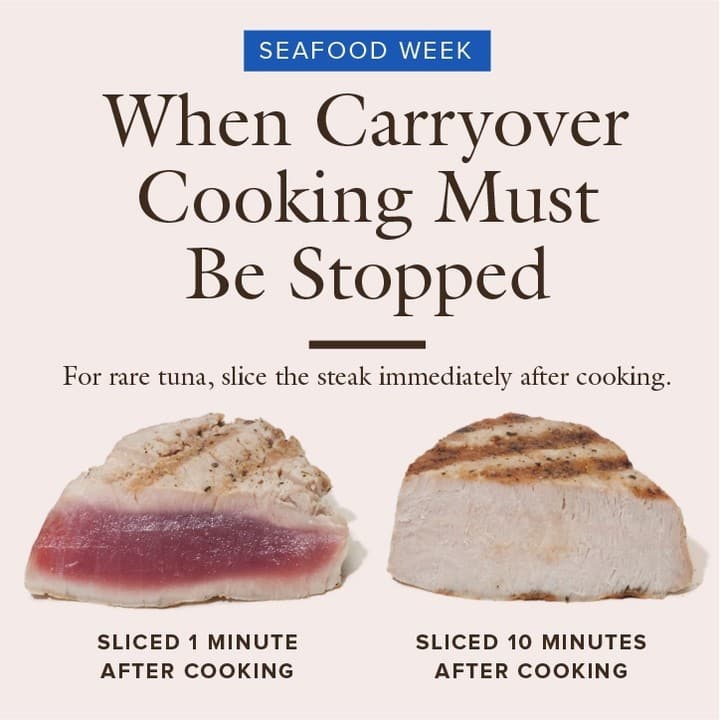
I’ve lost count of how many times I’ve seen it happen.
A steak comes off the grill looking like a masterpiece – perfect crust, gorgeous grill marks, the kind of thing you’d photograph before eating. Ten minutes later? You slice it open and suddenly it’s gone from “medium-rare dream” to “oops… medium-well reality.”
That, my friend, is not bad luck. That’s carryover cooking doing its thing. And once you understand it, you stop fighting it – and start using it like a pitmaster.
Let’s break it down in plain English, no smoke and mirrors (well… maybe a little smoke).
What is Carryover Cooking?
At its core, carryover cooking is simple:
Meat keeps cooking after you take it off the heat.
That’s it. No mystery. No grill ghost haunting your steak.
But here’s the part most people miss: the heat inside the meat doesn’t vanish when it leaves the grill. It’s still moving, still spreading, still working.
Think of it like this:
You turn off a hot oven, but the metal inside stays warm for a long time.
Meat behaves the same way – but a little more dramatic, because it’s juicy, dense, and full of fat and muscle fibers that hold onto heat like they’re hoarding it for winter.
So even though your steak is off the grill, the center is still catching up.
That “catching up” is carryover cooking in action.
The Science (Without the Headache)
I’m not going to turn this into a physics lecture. You didn’t come here for homework.
But here’s what matters:
When meat cooks, the outside gets hot first. That heat slowly moves inward.
So when you pull your steak off the grill:
- The outside is still hotter than the center
- That heat keeps traveling inward
- The internal temperature continues to rise
This is why a steak at 130°F on the grill can easily hit 135–140°F while resting.
And yes – that small jump can absolutely change your doneness level.
That’s why pitmasters don’t cook to “final temp.” They cook to a pull temperature, accounting for carryover cooking.
Why Meat Keeps Cooking After the Grill
Let’s make this real.
Picture a thick ribeye sizzling over fire. The outside is screaming hot – like summer pavement in July. The inside? Still catching up like it hit snooze three times.
When you pull it off the grill:
1. Heat is still trapped inside
Meat is dense. It doesn’t release heat quickly. It’s basically a thermal battery.
2. Temperature equalization begins
Heat moves from hot zones (outer layers) to cooler zones (center).
3. The cooking doesn’t “stop,” it just shifts
There’s no off switch. Only redistribution.
And here’s the kicker:
The thicker the cut, the stronger the carryover cooking effect.
A burger? Barely noticeable.
A brisket? Oh buddy – it’s still cooking long after you’re done bragging about it.
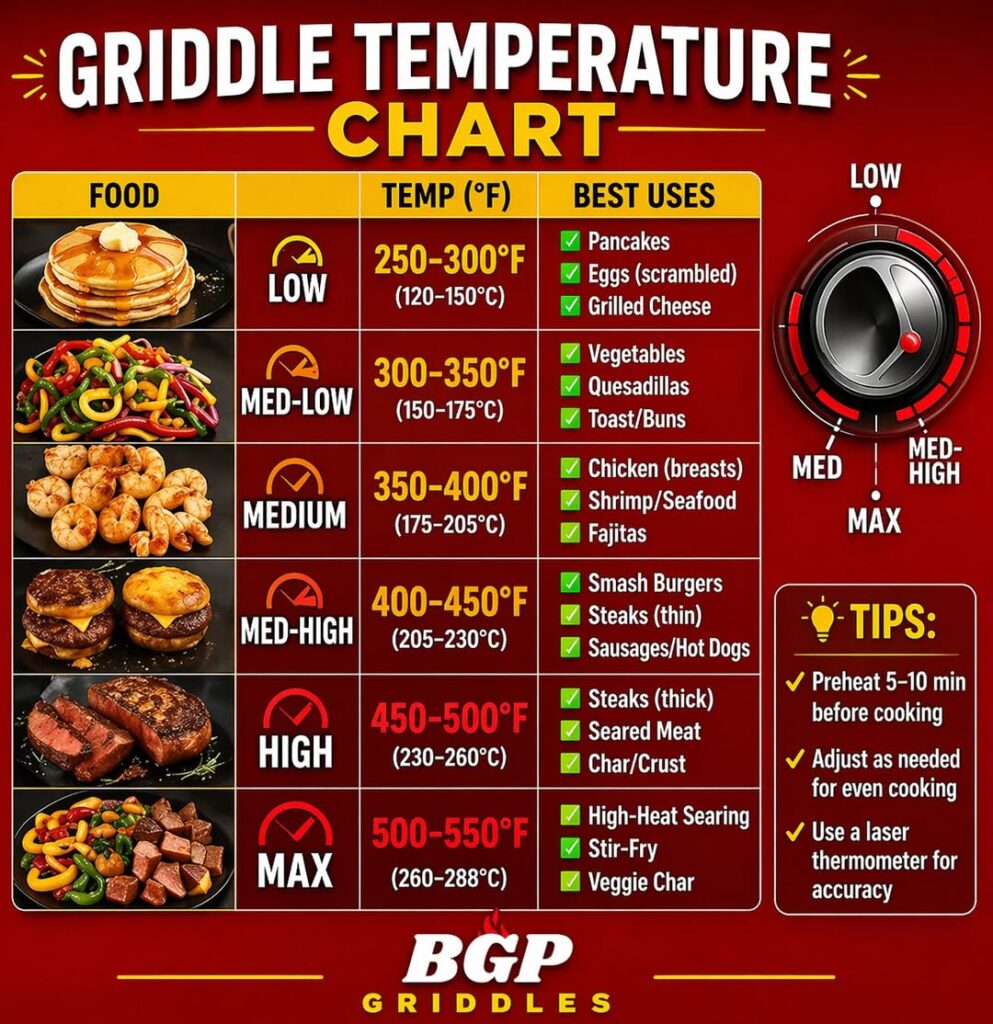
How Much Does Temperature Actually Rise?
This is where people usually get burned (sometimes literally).
Here’s what I see in real kitchens and backyard setups:
- Thin steaks: +3 to 5°F
- Thick steaks: +5 to 10°F
- Chicken breasts: +5 to 8°F
- Whole chicken: +10 to 15°F
- Pork roasts: +5 to 10°F
- Brisket: +10 to 15°F (sometimes more if it’s huge)
Yes, brisket is basically a slow-cooking space heater disguised as meat.
And here’s the mistake beginners make:
They pull at the final target temp instead of accounting for carryover cooking.
That’s how a perfect medium-rare becomes “chef’s interpretation of well done.”
Why Resting Meat Isn’t Optional
Let me say this clearly like a pitmaster leaning over a cutting board:
If you don’t rest your meat, you’re working against yourself.
Resting does three important things:
1. It finishes the cook gently
That’s your carryover cooking doing the final stretch.
2. It redistributes juices
Cut too early and those juices hit the plate like a breakup text – fast and messy.
3. It improves texture
Rested meat bites cleaner, feels juicier, and doesn’t shred like wet paper.
I’ve seen people skip resting because they were hungry.
We’ve all been there.
But hunger is temporary. Dry steak regret? That sticks around.
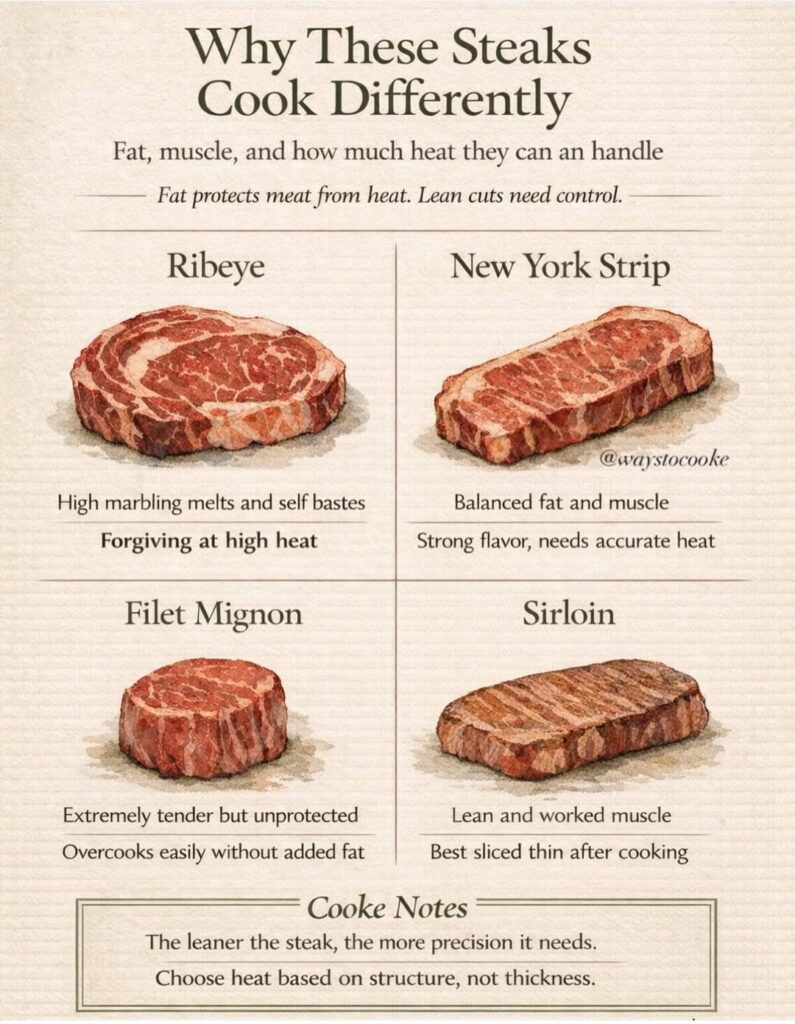
Carryover Cooking by Meat Type
Not all meat behaves the same. Some are calm. Some are… dramatic.
Steak
Steak is the easiest place to see carryover cooking in action.
A good rule of thumb:
- Pull at 125°F → finishes around 130–135°F (medium-rare)
Thick ribeyes are especially tricky because fat holds heat longer. Bone-in cuts also behave differently because bones act like internal heat radiators.
Translation: steak is not just steak. It’s a thermal system.
Chicken
Chicken is where safety meets science.
You want it cooked through, but not dry.
Here’s the trick:
Pull chicken slightly early and let carryover cooking finish the job.
A breast pulled at 158°F might land perfectly at 165°F after resting.
Whole chicken? Even more dramatic. It keeps cooking long after it’s off the grill like it’s trying to prove a point.
Pork
Pork chops behave like steak – quick and responsive.
But pork shoulder? That’s a different beast.
With larger cuts, carryover cooking can continue deep into the resting phase. That’s why BBQ pitmasters sometimes rest pork for hours.
Yes, hours.
Because great BBQ is patient. And slightly stubborn.
Brisket
Brisket doesn’t rest. It meditates.
After hours of smoking, it still climbs in temperature during rest. That slow carryover cooking phase helps finish connective tissue breakdown and locks in juices.
This is why pros use warm holding boxes or wrap-and-rest methods.
You don’t rush brisket. You negotiate with it.
Pull Temperatures vs Final Temperatures
Here’s where beginners level up fast.
You never cook to the final temp. You cook to the pull temp.
Because carryover cooking handles the rest.
Example mindset shift:
- Wrong: “I want medium-rare at 135°F, so I pull at 135°F”
- Right: “I want medium-rare at 135°F, so I pull at 125–128°F”
That 5–10°F difference is the entire game.
And yes, thermometers matter more than timing.
If you’re still poking steak like it’s a guessing game… we need to talk.
Why Different Cooking Methods Change Everything
Not all heat is created equal.
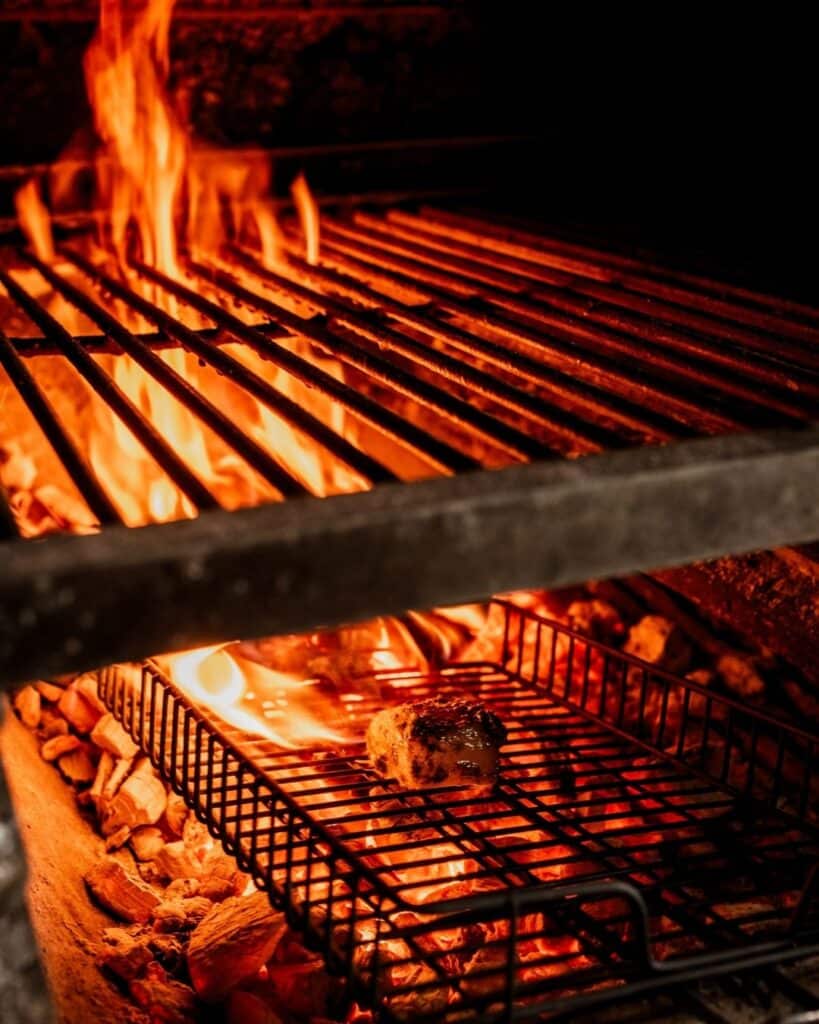
Charcoal grilling
High radiant heat = stronger carryover cooking
More controlled, slightly less aggressive carryover
Smoking
Low and slow means gentler rise – but longer rest behavior
Reverse sear
One of the most predictable methods for controlling carryover cooking
Cast iron sear
High thermal retention = intense carryover spike
Basically: the hotter and denser your cooking surface, the more carryover you’ll get.
Myths That Need to Die
Let’s clear the air.
“Resting makes meat cold”
Nope. It just stabilizes temperature. You’re not serving ice cubes unless you really messed up.
“Only steak needs resting”
Wrong. Chicken, pork, brisket – all benefit from carryover cooking management.
“Foil always helps”
Sometimes it traps too much heat and overcooks your food. Foil is a tool, not a religion.
“Color tells you doneness”
Color is lying to you more often than it’s telling the truth.
The Role of Fat Rendering in Carryover Cooking
One of the most overlooked drivers of carryover cooking is fat. When meat comes off the grill, the fat inside doesn’t just stop working – it keeps melting. This process, called fat rendering, continues even during rest and gently raises internal temperature.
Think of a well-marbled ribeye. Those little fat veins act like tiny heat reservoirs. As they liquefy, they release stored energy back into the meat, subtly extending the cooking process.
This is why fatty cuts often overshoot target doneness more easily than lean cuts. A lean steak stabilizes quickly, but a fatty one keeps “coasting.”
Pitmaster tip: the more marbling you see, the more aggressively you should account for carryover cooking when pulling your meat off the grill. Fat isn’t just flavor – it’s heat insurance you didn’t ask for.
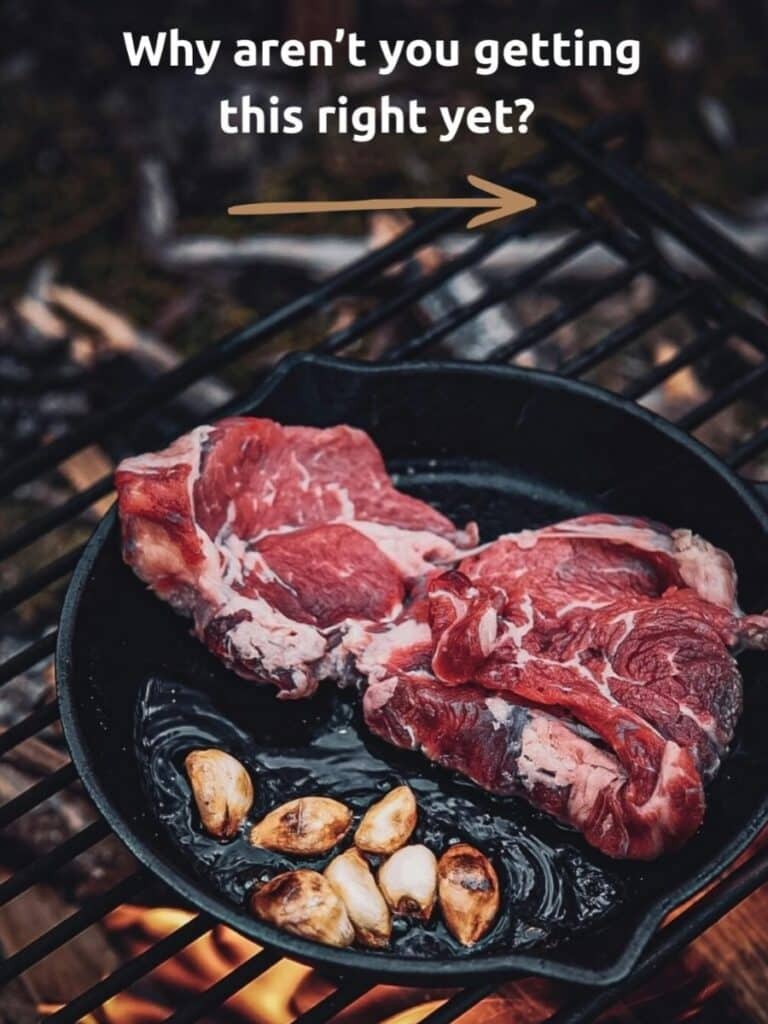
Why Surface Searing Accelerates Internal Heat
That beautiful crust you chase on a steak? It’s not just flavor – it also affects carryover cooking.
When you sear meat hard over high heat, you’re loading the outer layer with intense thermal energy. That energy doesn’t disappear when you pull the meat – it rushes inward during rest.
This is why heavily seared steaks often jump more in temperature than gently cooked ones. The crust acts like a heat “battery,” slowly discharging into the center.
It’s also why reverse-seared steaks behave more predictably: the initial low-and-slow phase builds gentler internal heat, reducing post-grill spikes.
Pitmaster truth: the darker the crust, the more aggressive your carryover cooking management needs to be. You’re not just cooking surface flavor – you’re storing heat in it.
How Carryover Cooking Changes Based on Meat Density
Not all meat is built the same. Density plays a huge role in carryover cooking, and it’s something many backyard grillers completely ignore.
Dense cuts like pork shoulder, brisket, and whole chickens act like heat sponges. They absorb energy slowly but release it just as slowly, meaning internal temperature continues climbing long after cooking stops.
On the other hand, thinner or looser-structured meats – like flank steak or chicken cutlets – cool and stabilize much faster.
Think of it like comparing a brick to a sponge. One holds heat deep inside; the other releases it quickly.
This is why pitmasters always say: “Know your cut before you know your timing.”
Density dictates everything – heat retention, resting time, and the strength of carryover cooking. If you ignore it, your results will always feel unpredictable, no matter how good your grill skills are.
The Impact of Cutting Meat Too Soon (Micro Carryover Loss)
Most people think the only mistake is overcooking. But slicing too early is just as damaging – and it directly interferes with carryover cooking.
When you cut into meat immediately off the grill, you release internal pressure too soon. Heat escapes rapidly instead of redistributing evenly through the muscle fibers. That interrupts the natural temperature rise that happens during rest.
Even worse, juices spill out before they can reabsorb, leaving the meat drier and less cohesive in texture.
You’re basically stopping the cooking process mid-sentence.
Pitmaster rule: every second you wait before slicing is working in your favor. You’re not just resting the meat – you’re allowing carryover cooking to complete its final, invisible adjustment phase.
Good barbecue isn’t rushed at the grill… and it’s definitely not rushed on the cutting board.
Environmental Factors That Change Carryover Cooking Speed
Here’s something most guides never mention: the environment around your meat dramatically affects carryover cooking.
A steak resting on a cold metal tray in winter behaves very differently from one resting on a warm wooden board in summer heat. Wind, humidity, and even altitude can subtly shift how fast internal heat dissipates.
- Cold air = faster cooling, weaker carryover
- Warm environments = slower cooling, stronger carryover
- Wind exposure = rapid heat loss from surface
Even your resting surface matters. Metal pulls heat away faster than wood or butcher paper.
Pitmaster insight: great cooks don’t just control the grill – they control the environment. Resting is not passive. It’s a controlled phase of carryover cooking where external conditions quietly shape the final result.
How Carryover Cooking Behaves in Sous Vide Finishing
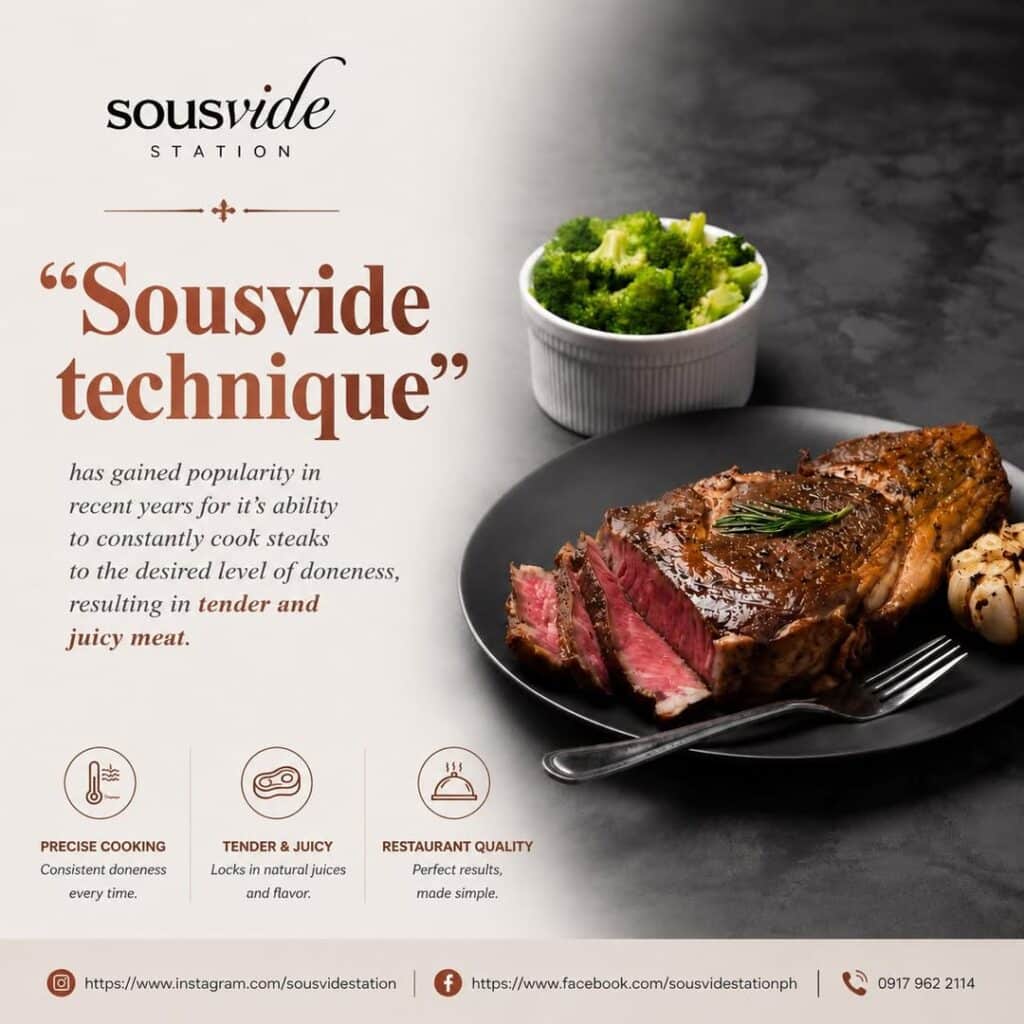
Sous vide changes the entire conversation around carryover cooking.
Because the meat is already cooked to a precise internal temperature, there’s minimal thermal imbalance inside the cut. That means carryover is significantly reduced compared to traditional grilling or roasting.
But it doesn’t disappear completely.
The final sear after sous vide is where things shift. That high-heat finish adds surface energy, which creates a smaller but still real carryover effect during resting.
The difference is control. Sous vide gives you a stable core, so the post-sear temperature rise is predictable rather than chaotic.
Pitmaster takeaway: sous vide doesn’t eliminate carryover cooking – it just tames it. You’re no longer guessing. You’re refining.
Pro Pitmaster Tips
Here’s where things get practical.
Pull earlier than feels comfortable
This is the hardest lesson. Every new griller underestimates carryover cooking at first.
Use a thermometer (always)
Not optional. Not “sometimes.” Always.
Rest based on size
- Steak: 5–10 minutes
- Chicken: 10–15 minutes
- Large roasts: 20–60 minutes
Don’t suffocate the meat
Light tenting is fine. Tight wrapping = accidental overcooking.
Learn your grill’s personality
Every setup behaves differently. Your grill has “habits.” Learn them.
Mistakes I Still See All the Time
Even experienced cooks slip up.
- Cutting too early because “it looks done”
- Forgetting that thick cuts keep cooking longer
- Over-resting small steaks until they cool too much
- Ignoring thermometer readings because vibes felt right
Cooking is not vibes-based. It’s temperature-based.
The grill doesn’t care how confident you feel.
Final Thoughts: The Real Secret Behind Better BBQ
If there’s one thing I want you to take away, it’s this:
carryover cooking is not a problem to fix. It’s a process to understand.
Once you stop fighting it, everything gets easier:
- Juicier steaks
- More consistent doneness
- Less stress at the grill
- Fewer “why is this overcooked?” moments
The best pitmasters don’t guess.
They anticipate.
Because the fire doesn’t stop when you turn off the heat.
And neither does the cooking.
So next time you pull that steak off the grill and it looks just slightly underdone…
Smile.
You didn’t mess up.
You just understood the cook better than most people ever will.
Frequently Asked Questions
1. What is carryover cooking?
Carryover cooking is the process where meat continues to cook after it’s removed from the heat source. The internal temperature keeps rising as heat from the outer layers moves toward the center.
2. How much does meat usually rise during carryover cooking?
It depends on size and cut. Small steaks may rise 3–5°F, while larger cuts like brisket or whole chickens can jump 10–15°F or more due to stronger carryover cooking effects.
3. Should I always rest meat after grilling?
Yes. Resting is essential because it allows carryover cooking to finish the process evenly and helps juices redistribute inside the meat instead of spilling out when sliced.
4. Does carryover cooking happen with all meats?
Yes, but not equally. Thin cuts experience minimal carryover cooking, while thick, fatty, or dense cuts like brisket, pork shoulder, and roast chicken show much stronger temperature increases.
5. How long should I rest meat after cooking?
It depends on size:
- Steaks: 5–10 minutes
- Chicken: 10–15 minutes
- Large roasts: 20–60 minutes or more
Resting time directly affects carryover cooking and final texture.
6. Can carryover cooking overcook my meat?
Yes. If you don’t account for carryover cooking, your meat can rise past your target doneness, especially with thick steaks or high-heat grilling methods.
7. Should I cover meat while it rests?
Light tenting with foil is okay, but wrapping too tightly can trap heat and increase carryover cooking too much, leading to overcooking.
8. Why does steak keep cooking even off the grill?
Because heat stored in the outer layers continues moving inward. This internal heat transfer is the core of carryover cooking, and it doesn’t stop immediately when heat is removed.
9. Do thermometers help with carryover cooking?
Absolutely. A thermometer helps you pull meat at the right moment so carryover cooking finishes it to the perfect final temperature instead of overshooting.
10. What’s the biggest mistake beginners make with carryover cooking?
The most common mistake is pulling meat at the final desired temperature instead of accounting for carryover cooking, which leads to overcooked results after resting.
Featured image credit: @cooksillustrated
