
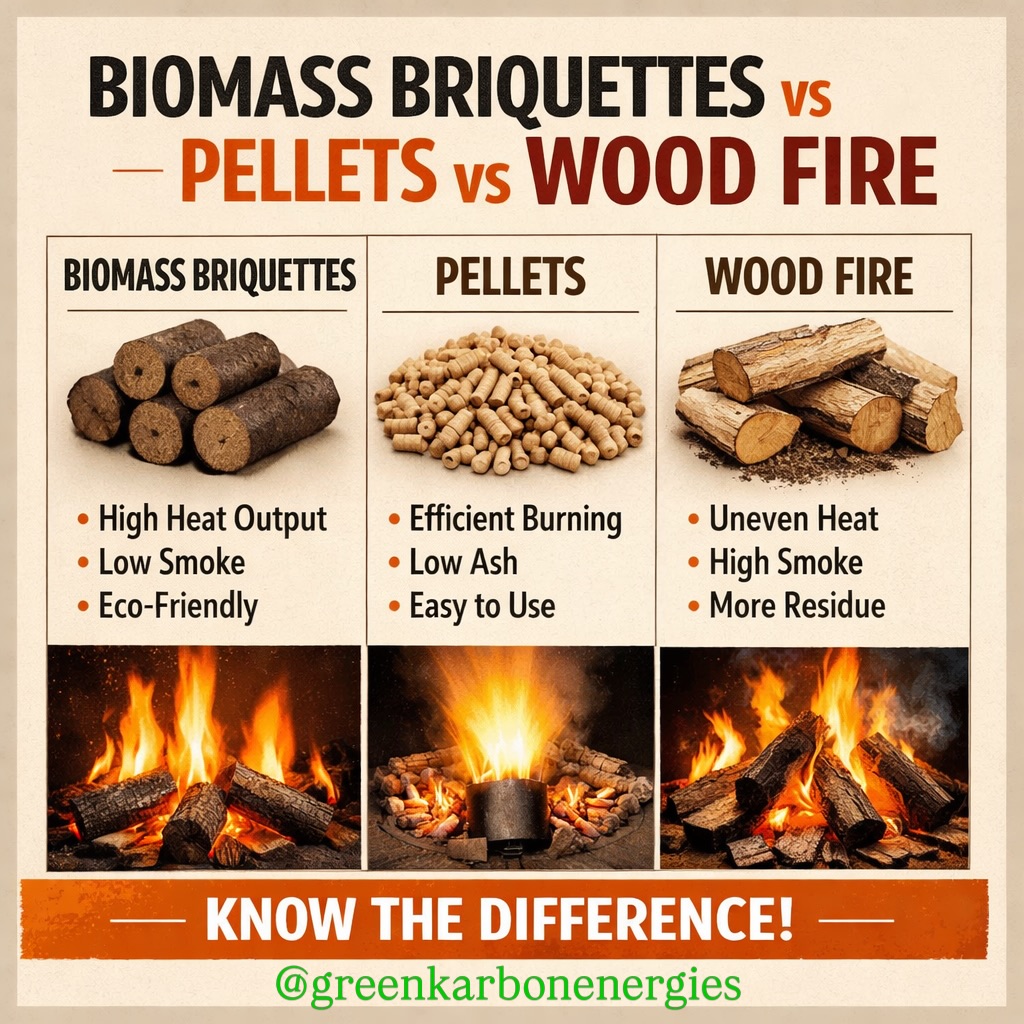
The Fuel Is the Flavor
I’ve cooked ribs in the rain, brisket in the heat, and once – against my better judgment – chicken during a blackout using a headlamp and stubborn optimism. After all that, here’s the truth most beginners miss:
Your fuel isn’t just heat. It’s an ingredient.
When people argue about rub vs sauce, I just smile. Because the real debate – the one that actually changes the taste – is charcoal vs wood vs pellets.
Each one leaves its fingerprint on your food:
- A different smoke profile
- A different depth of flavor
- A different kind of BBQ personality
So if you’ve ever wondered why one brisket tastes like a campfire dream and another like… well, expensive roast beef, this is where it starts.
Let’s break it down properly – no fluff, no nonsense, just real pitmaster talk.
What Defines “Great BBQ Flavor”?
Before we crown a winner in charcoal vs wood vs pellets, we need to define what “best flavor” even means.
Because “good BBQ” isn’t just smoky. If it were, we’d all be chewing on burnt logs.
Here’s what actually matters:
1. Smoke Quality (Clean vs Dirty)
Clean smoke is thin and almost invisible. It smells sweet and inviting. Dirty smoke? Thick, white, and bitter – like licking an ashtray.
2. Flavor Depth
Great BBQ has layers. You don’t just taste “smoke” – you get sweetness, richness, and a slow-building savoriness.
3. Bark Formation
That dark crust on brisket? That’s flavor gold. It comes from heat + smoke + time working together.
4. Balance
Too much smoke ruins meat faster than overcooking. The goal is harmony – not dominance.
👉 Key takeaway:
The “best BBQ flavor” isn’t the strongest – it’s the most balanced and complex.
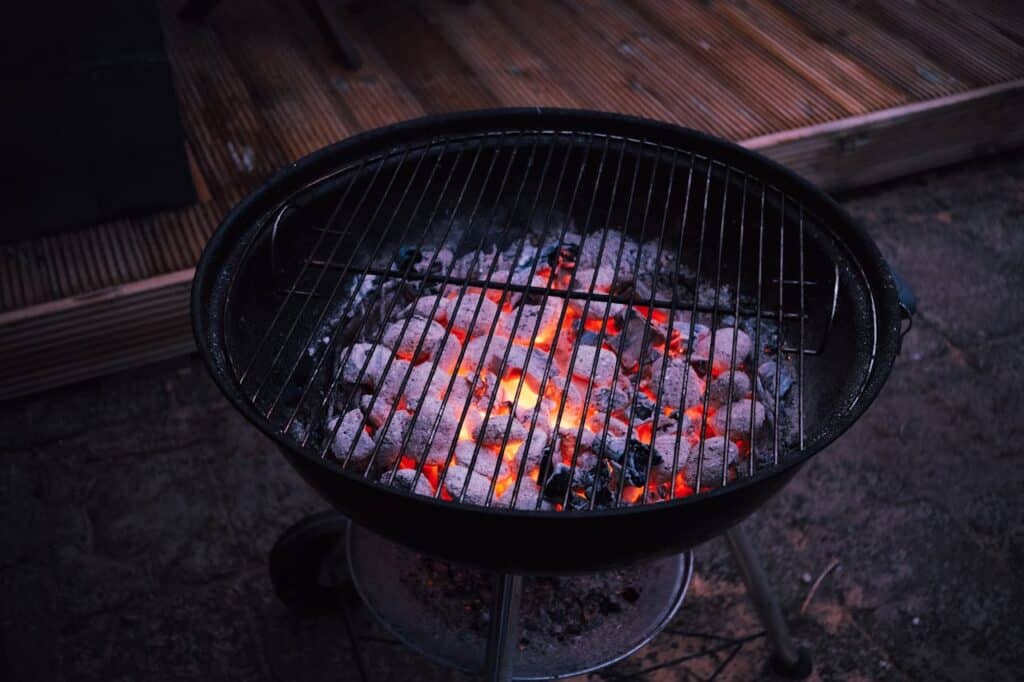
Charcoal BBQ Flavor: Classic, Bold, and Reliable
Charcoal is where most of us fall in love with BBQ. It’s the smell of weekend grilling. The sound of sizzling fat. The reason your neighbors suddenly “just happen to be outside.”
What Charcoal Adds to Flavor
Charcoal gives you a clean, steady, slightly smoky base flavor. Not overpowering. Not shy either.
Think of it as:
The rhythm section of BBQ – it holds everything together. It doesn’t scream for attention, but without it, the whole thing falls flat.
Lump Charcoal vs Briquettes
This is where things get interesting.
Lump Charcoal
- Burns hotter and cleaner
- Made from real wood chunks
- Flavor: more natural, slightly wood-like
Briquettes
- Uniform shape, steady burn
- Sometimes contain additives
- Flavor: consistent but less nuanced
If flavor is your goal, lump charcoal usually wins.
Why Pitmasters Love Charcoal
- Balanced smoke flavor that doesn’t overpower
- High heat capability for perfect searing
- Works beautifully when paired with wood chunks
👉 Pro tip:
Throw in a chunk of hickory or apple wood and suddenly charcoal steps up its game.
Where Charcoal Falls Short
Let’s be honest:
- It doesn’t have the deep complexity of pure wood smoke
- You’ll need to manage airflow and temperature manually
But if BBQ were a band, charcoal would be the drummer – not flashy, but absolutely essential.
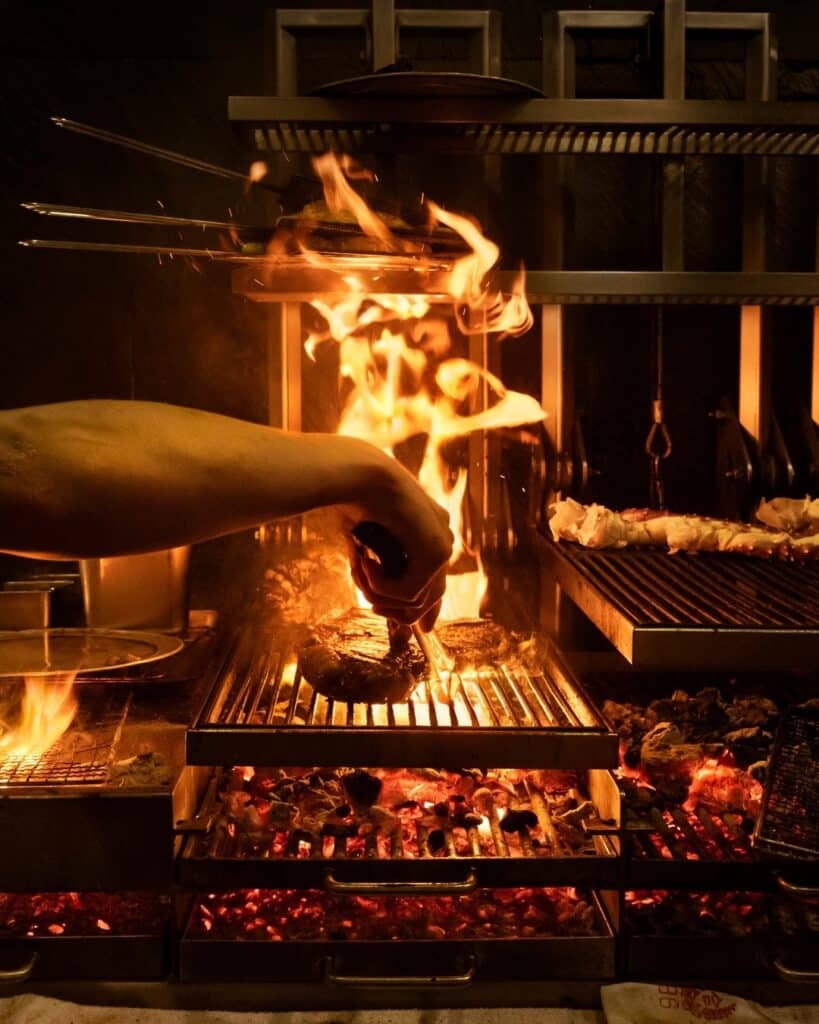
Wood BBQ Flavor: Deep, Complex, and Unapologetically Authentic
Now we’re talking about the heavy hitter in charcoal vs wood vs pellets. Cooking with wood is like switching from instant coffee to a slow-crafted espresso. It takes more effort – but the payoff?
Unmatched flavor.
Why Wood Delivers the Strongest Flavor
When wood burns, it releases a complex mix of compounds that create:
- Deep smokiness
- Sweet undertones
- Savory richness
This is what people mean when they say:
“This tastes like real BBQ.”
Because it is.
Different Woods, Different Stories
Each type of wood tells its own flavor story:
- Hickory → bold, bacon-like, classic BBQ punch
- Mesquite → intense, earthy, not for the faint-hearted
- Apple/Cherry → mild, sweet, slightly fruity
👉 Key insight:
Wood gives you control over flavor in a way no other fuel can.
Why Pitmasters Respect Wood
- Maximum flavor intensity and complexity
- Endless combinations and customization
- The gold standard for low-and-slow BBQ
The Catch (Because There’s Always One)
Cooking with wood isn’t forgiving.
- Temperature swings can sneak up on you
- Too much smoke = bitter meat
- Fire management becomes a full-time job
I’ve babysat a brisket for 12 hours straight. At some point, you start talking to it like it’s a coworker.
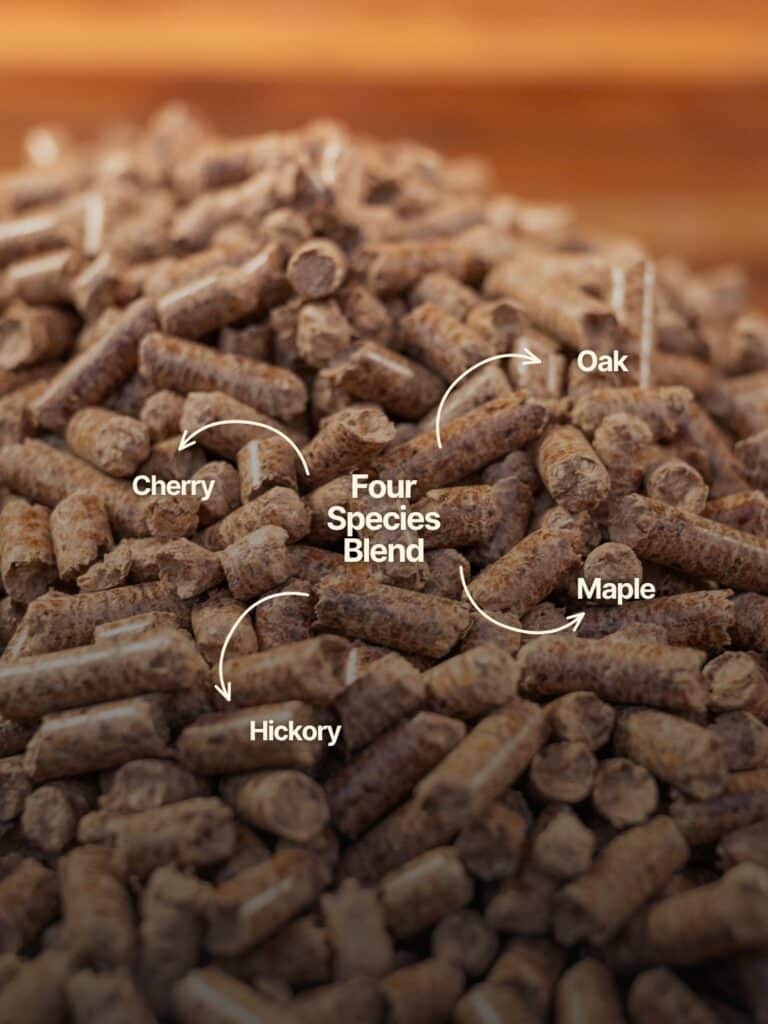
Pellet BBQ Flavor: Clean, Mild, and Effortlessly Consistent
Pellet grills are the modern answer to BBQ. They’re smart, efficient, and dangerously convenient. Sometimes a little too convenient.
How Pellets Work
Pellets are compressed sawdust fed into a fire automatically. You set the temperature. The grill does the rest.
It’s basically:
BBQ on autopilot.
What Pellet Flavor Tastes Like
Pellets produce a light, clean, controlled smoke.
- Not aggressive
- Not overwhelming
- Very approachable
Great for beginners. Sometimes frustrating for flavor chasers.
Why People Love Pellet Grills
- Set-it-and-forget-it cooking
- Consistent results every time
- Easy to experiment with flavors
You can cook overnight and actually sleep. That alone feels illegal in traditional BBQ.
Where Pellets Fall Short
Here’s the honest truth:
- Smoke flavor is milder than charcoal or wood
- Lacks that deep, “stick-burner” character
- Needs electricity – no power, no BBQ
👉 Fix:
Use a smoke tube and suddenly pellets get a lot more interesting.
Charcoal vs Wood vs Pellets: The Flavor Showdown
Let’s settle the core debate.
Flavor Intensity
- Wood: bold and dominant
- Charcoal: balanced and steady
- Pellets: light and subtle
Flavor Complexity
- Wood leads by a mile
- Charcoal holds its own
- Pellets keep it simple
Ease of Use
- Pellets are effortless
- Charcoal takes practice
- Wood demands commitment
👉 Straight answer:
- Best flavor: wood
- Best balance: charcoal
- Best convenience: pellets
No surprises – just trade-offs.
Which Fuel Works Best for Different Meats?
Not all meats want the same smoke. Pairing matters more than people think.
Beef (Brisket, Steak)
Strong flavors love strong smoke.
→ Wood or charcoal wins here
Pork (Ribs, Shoulder)
Sweet smoke shines.
→ Fruit wood or pellets work beautifully
Chicken
Too much smoke overwhelms it fast.
→ Pellets or mild wood
Fish & Seafood
Delicate and unforgiving.
→ Light pellet smoke or fruit wood only
👉 Key takeaway:
Match smoke intensity to the meat – not your ego.
The Role of Smoke Timing: When You Add Flavor Matters
Here’s something most backyard cooks miss: when you apply smoke matters just as much as what fuel you use.
Meat doesn’t absorb smoke forever. There’s a window – usually early in the cook – when it’s most receptive. After that, you’re mostly layering heat, not flavor.
Think of it like this:
Smoke is a handshake, not a long hug.
In the first few hours, especially with brisket or pork shoulder, the surface is still moist and cool. That’s when charcoal vs wood vs pellets really shows its differences. Wood delivers a strong early punch. Charcoal gives a steady baseline.
Pellets stay gentle and controlled.
Miss that window? You can burn all the wood you want later – it won’t stick the same way.
👉 Key takeaway:
Front-load your smoke early, then focus on maintaining clean heat.
Moisture and Humidity: The Hidden Flavor Boosters
Let’s talk about something underrated: humidity inside your grill or smoker.
Dry heat cooks meat.
Moist heat builds better BBQ flavor.
When there’s moisture in the chamber – whether from a water pan, spritzing, or the meat itself – smoke particles stick better to the surface. That means deeper smoke penetration and richer bark formation.
This is where the charcoal vs wood vs pellets debate gets interesting again. Wood fires tend to create more natural moisture. Pellet grills, being efficient and sealed, often run drier. Charcoal sits somewhere in the middle.
Ever wonder why your bark sometimes looks dull instead of glossy and rich?
Chances are, your cook environment was too dry.
👉 Pro tip:
A simple water pan can quietly level up your entire BBQ game.
The Hidden Power of Fat in BBQ Flavor Development
Fat isn’t just there to keep meat juicy – it’s a flavor delivery system.
As fat renders, it melts through the meat, carrying smoke compounds with it. That’s how you get that deep, lingering BBQ taste that sticks with you long after the last bite.
In the charcoal vs wood vs pellets conversation, this matters more than people think. Stronger fuels like wood create more compounds for the fat to absorb. Milder fuels like pellets create a cleaner, lighter profile.
But here’s the catch:
If your temperature is off, fat won’t render properly – and all that flavor potential goes to waste.
Undercooked fat is chewy and bland.
Properly rendered fat? Liquid gold.
👉 Key takeaway:
Flavor doesn’t just sit on the surface – it moves through the meat with the fat.

Airflow: The Invisible Ingredient That Changes Everything
You can have the best fuel in the world, but if your airflow is off, your BBQ will suffer.
Airflow controls:
- Combustion quality
- Smoke cleanliness
- Temperature stability
In other words, it controls flavor.
Too little oxygen? Your fire smolders and produces dirty, bitter smoke.
Too much airflow? You burn too hot and lose subtlety.
This is where charcoal vs wood vs pellets separates beginners from experienced pitmasters. Pellet grills manage airflow automatically. Charcoal and wood setups require you to adjust vents like you’re tuning an instrument.
And yes – you’ll mess it up at first. Everyone does.
👉 Pitmaster truth:
Great BBQ isn’t just about fire – it’s about how that fire breathes.
Does Grill Design Affect Flavor? Absolutely.
Not all grills are created equal – and your equipment plays a bigger role than most people admit.
An offset smoker, a kettle grill, and a pellet smoker all handle heat and smoke differently. That changes how flavor develops.
- Offset smokers (wood) create flowing, layered smoke
- Charcoal kettles produce direct + indirect heat combos
- Pellet grills deliver even, controlled convection heat
So when people debate charcoal vs wood vs pellets, they often forget:
the cooker itself shapes the outcome.
It’s like cooking the same steak in a cast iron pan vs an oven – you’ll get different results even with the same ingredients.
👉 Key insight:
Fuel matters – but the way your grill moves heat and smoke matters just as much.
Resting Meat: The Final Step That Locks in BBQ Flavor
You’ve nailed the fire. Managed the smoke. Cooked it perfectly. Now don’t ruin it in the last 30 minutes.
Resting meat is not optional – it’s essential.
When meat comes off the grill, juices are still moving. Slice too early, and all that flavor spills out onto the cutting board instead of staying where it belongs.
During rest, something magical happens:
- Juices redistribute
- Fibers relax
- Flavor becomes more balanced and concentrated
This applies no matter where you stand in charcoal vs wood vs pellets.
Skip the rest, and even the best-smoked brisket falls flat.
👉 Simple rule:
If you spent hours cooking it, give it time to finish itself properly.
Can You Combine Fuels for Better Flavor?
Now we’re getting into pitmaster territory. Because the real secret in charcoal vs wood vs pellets is this:
You don’t always have to choose.
Some of the best BBQ I’ve made used:
- Charcoal for heat
- Wood chunks for flavor
Pellet users?
Add a smoke tube and suddenly you’re playing in a different league.
👉 Hybrid cooking = control + flavor + flexibility
Common Mistakes That Kill BBQ Flavor
I’ve made all of these. Probably twice.
1. Too Much Smoke
More smoke ≠ better flavor It just turns bitter.
2. Dirty Fire
Thick white smoke is a warning sign. Clean fire = clean flavor.
3. Cheap Fuel
Bad charcoal or pellets = bad taste. No way around it.
4. Ignoring Temperature
Flavor develops at the right heat. Not random guesswork.
So, What Actually Gives the Best BBQ Flavor?
Let’s answer it cleanly.
In the battle of charcoal vs wood vs pellets:
- Wood delivers the deepest, most authentic BBQ flavor
- Charcoal gives the best balance of flavor and control
- Pellets win on convenience – but with lighter smoke
👉 The real answer?
The best BBQ flavor comes from understanding your fuel – not just picking one.
Master the Fire, Master the Flavor
At the end of the day, BBQ isn’t about chasing perfection.
It’s about:
- Learning how fire behaves
- Understanding how smoke interacts with food
- And making small adjustments that lead to big flavor
You can make incredible BBQ with charcoal, wood, or pellets. But once you understand them?
That’s when things get interesting. And when your neighbors start “dropping by” again – you’ll know you got it right.
FAQ: Charcoal vs Wood vs Pellets BBQ Flavor
Is charcoal or wood better for BBQ flavor?
If we’re talking pure flavor, wood usually wins. It delivers a deeper, richer, and more complex smoke profile that defines traditional BBQ. But here’s the honest pitmaster answer:
charcoal is more forgiving and still produces excellent flavor, especially when paired with wood chunks.
👉 Quick takeaway:
- Wood = maximum flavor
- Charcoal = best balance of flavor + control
Why do pellet grills have a milder smoke flavor?
Pellet grills burn very efficiently, which creates a clean, controlled combustion. That’s great for consistency – but it also means less intense smoke compounds hitting your meat.
Think of it like this:
Pellets whisper flavor. Wood shouts it.
That’s why some BBQ lovers say pellets lack that “deep pit-smoked character.”
Can you get stronger smoke flavor on a pellet grill?
Yes – and this is where things get fun.
You can boost flavor by:
- Using a smoke tube or smoke box
- Choosing stronger wood pellets (like hickory or mesquite)
- Cooking at lower temperatures early on to increase smoke absorption
👉 Key move:
Front-load your smoke during the first few hours of the cook.
What fuel do professional pitmasters prefer?
Most traditional pitmasters lean toward wood or a mix of charcoal and wood.
Because it gives them:
Why?
- Full control over flavor intensity
- The ability to create signature smoke profiles
- That unmistakable competition-level BBQ taste
That said, plenty of modern pros use pellets for consistency – especially in high-volume settings.
Is charcoal enough for smoking meat, or do you need wood?
Charcoal alone can absolutely smoke meat, especially with indirect heat setups.
But if you want that classic BBQ depth, adding wood chunks is a game changer.
👉 Simple upgrade:
Charcoal + wood chunks = richer, more authentic smoke flavor
Does more smoke always mean better BBQ flavor?
No – and this is one of the biggest beginner mistakes.
Too much smoke creates:
- Bitter taste
- Harsh, overpowering flavor
- Dark, unpleasant bark
👉 Golden rule:
You want clean, thin smoke – not thick clouds.
Which fuel is easiest for beginners to use?
That’s an easy one: pellets.
They’re:
- Set-it-and-forget-it simple
- Extremely consistent
- Great for learning temperature control
Charcoal comes next, while wood requires the most hands-on skill.
Can you mix charcoal, wood, and pellets together?
You can combine charcoal and wood easily – and it’s actually one of the best setups out there.
Pellets are usually used in dedicated pellet grills, but you can still:
- Add extra smoke tools
- Experiment with hybrid cooking methods
👉 Pitmaster insight:
Some of the best BBQ doesn’t come from one fuel – it comes from blending them smartly.
What’s the best fuel for brisket?
For brisket, you want bold flavor.
Top choices:
- Wood (oak, hickory, mesquite) for deep smoke
- Charcoal + wood chunks for balance
Pellets can work – but you may need to boost smoke to match that traditional profile.
How do I know if my smoke is “clean”?
Look at the smoke coming out of your grill.
- Thin, light blue or nearly invisible = perfect
- Thick, white, billowy = problem
Clean smoke smells slightly sweet and inviting – not harsh.
👉 Quick check:
If it smells good, your BBQ will taste good.
Featured image credit: @greenkarbonenergies
