
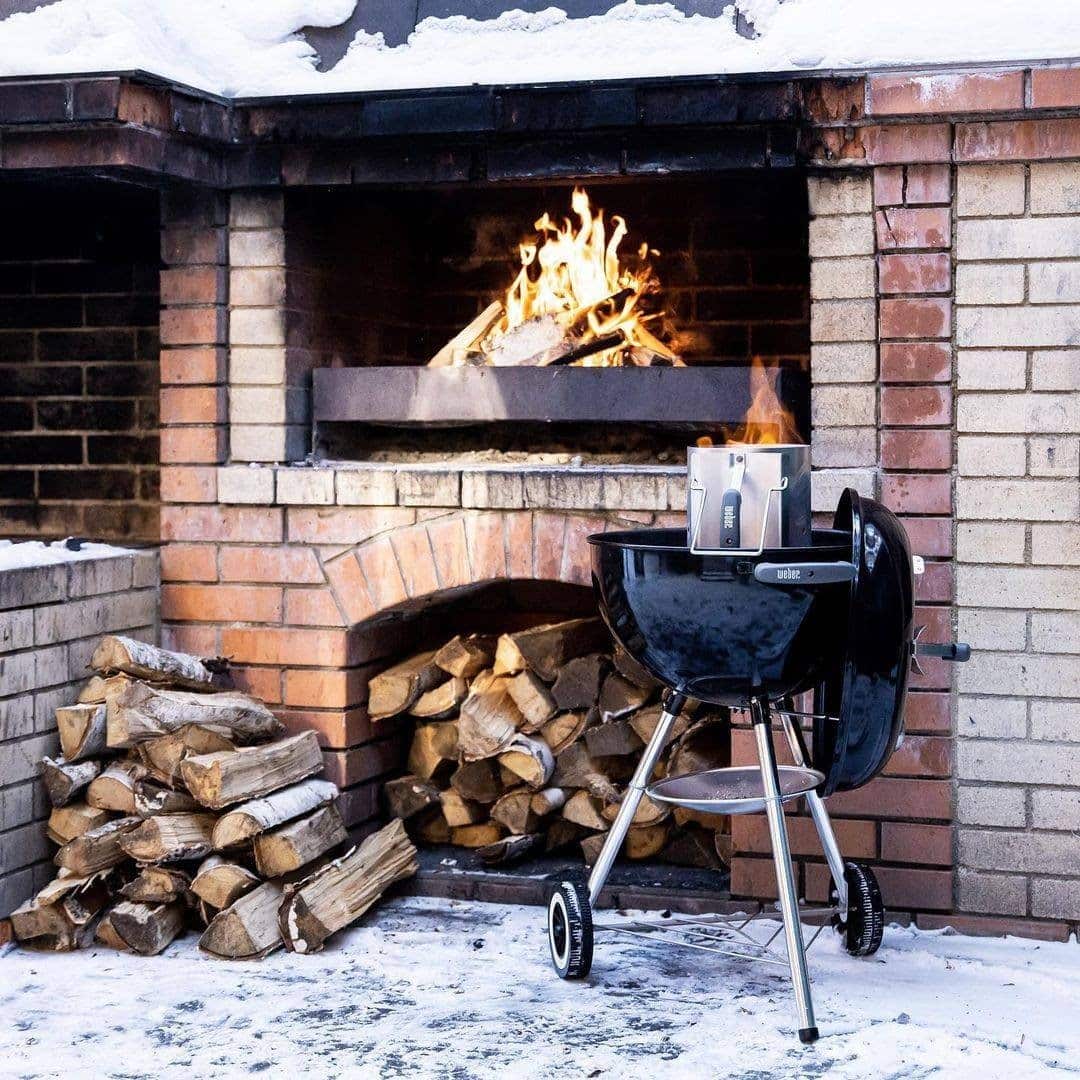
There is a specific kind of heartbreak that only a backyard cook understands.
It’s the feeling of standing over a cutting board at 8:00 PM, after twelve hours of tending a fire, only to realize your brisket has the structural integrity of a chalkboard eraser.
You did everything the “internet” told you to do, yet the meat is dry, the bark is bitter, and your guests are reaching for the extra bottle of sauce just to swallow it.
BBQ is a beautiful marriage of thermodynamics, atmospheric chemistry, and raw patience. It isn’t just “grilling’s older, slower cousin.” It’s a process where small errors early in the day compound into massive failures by dinner time.
If you want to move from being the person who “burns stuff on weekends” to a respected neighborhood pitmaster, you have to stop making these common bbq mistakes.
Let’s break down the seven cardinal sins of the smoker and, more importantly, how to fix them before your next cook.

1. Rushing the Cook: The “Low and Slow” Myth
The biggest lie in BBQ is the clock. If a recipe tells you a pork shoulder takes eight hours, that recipe is a suggestion, not a law. Many cooks hit the six-hour mark, see that the internal temperature has plateaued, and panic.
They crank the heat to 300°F to “push through,” effectively turning their smoker into a very expensive, dry oven.
The Science of the Stall
When meat reaches around 150°F to 170°F, it hits “the stall.”
This is evaporative cooling – the meat is literally sweating to stay cool, just like you do at the gym. If you rush this by spiking the heat, you’ll tighten the muscle fibers before the connective tissue has a chance to melt.
Collagen only transforms into silky gelatin with sustained, gentle heat. The Fix: Stop cooking by time and start cooking by feel and temperature. Invest in a high-quality leave-in thermometer. When the meat hits the stall, stay the course.
Patience is the most expensive ingredient in your pantry, but it’s the only one that guarantees tenderness.

2. The “White Smoke” Trap
We’ve all seen it: the neighbor who starts his smoker and sends up a plume of thick, billowing white smoke that looks like a Victorian-era factory chimney. He thinks he’s “flavoring” the meat. In reality, he’s seasoning his dinner with creosote.
Why Dirty Smoke Destroys Flavor
Thick white or gray smoke is “incomplete combustion.” It’s full of heavy particulates and soot. If your smoke looks like a signal fire, your meat will taste like a literal campfire – bitter, medicinal, and tongue-numbing.
You aren’t looking for a fog machine; you’re looking for the “Thin Blue Smoke.”
The Fix:
Manage your airflow. A fire needs oxygen to burn clean.
Ensure your exhaust vent is wide open and your intake is adjusted to maintain a small, hot fire rather than a large, smoldering one. If the smoke is almost invisible to the eye but smells like heaven, you’ve nailed it.
3. Botching the “Texas Crutch”
The Texas Crutch – wrapping your meat in foil or butcher paper – is a pro move, but it’s often executed with the grace of a wrecking ball.
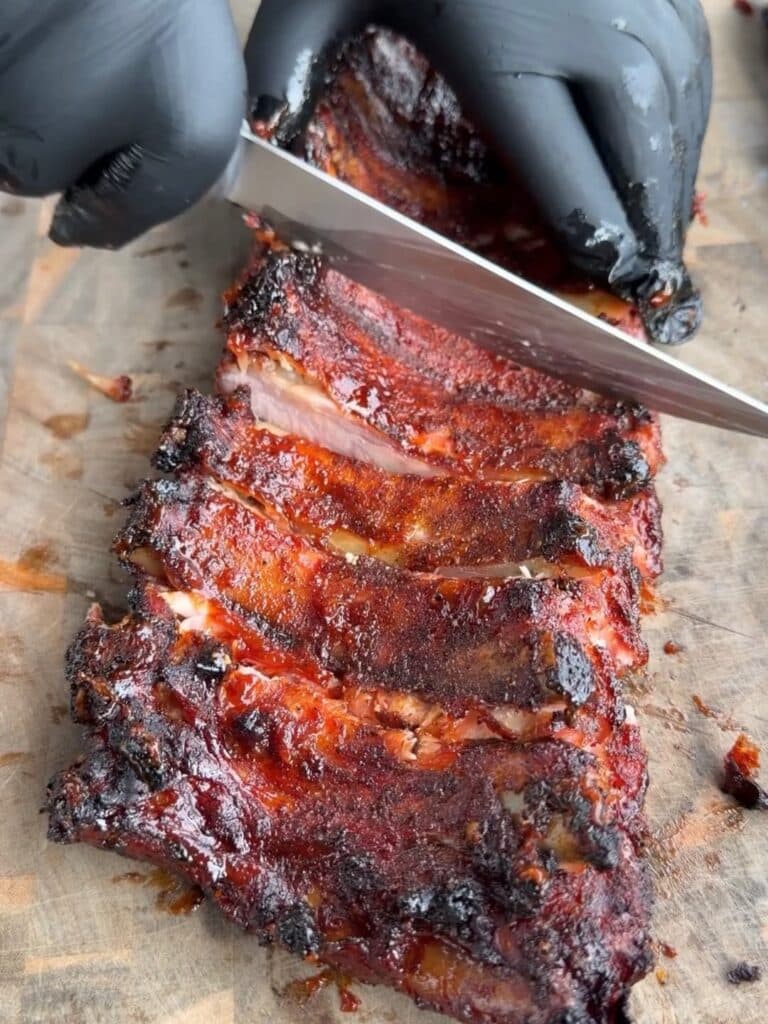
The most common bbq mistakes here involve wrapping too early. If you wrap the second the meat hits 150°F, you are essentially steaming your meat. You’ll end up with a “pot roast” texture and a soggy, grey exterior that has zero “bark.”
The Fix:
Wait for the bark to earn its keep. You should only wrap once the exterior of the meat has developed a dark, mahogany crust that doesn’t rub off when you touch it.
Use peach butcher paper instead of foil if you want to preserve that crunch; it breathes just enough to keep the bark intact while still speeding up the cook.
4. Improper Dry Brining and the Sugar Burn
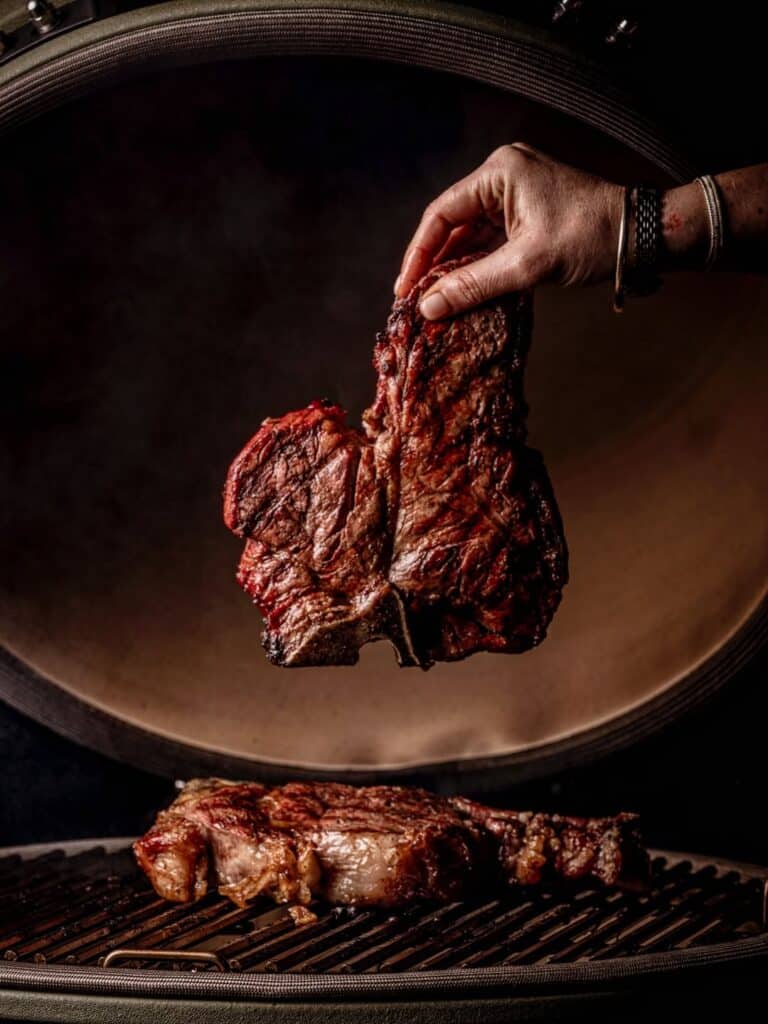
Most people season their meat five minutes before it hits the grates. That’s not seasoning; that’s just decorating. Salt is a molecular magician, but it’s a slow worker. Furthermore, many store-bought rubs are 50% sugar.
While sugar is great for caramelization, it has a “burn point” of about 350°F. If you’re doing a high-heat sear with a sugar rub, you aren’t getting “char” – you’re getting carbon.
The Importance of Osmosis
When you salt meat early (dry brining), the salt draws moisture out, dissolves, and then is reabsorbed into the muscle fibers. This seasons the meat deeply and changes the protein structure so it holds more water during the cook.
The Fix:
- Salt early: Aim for at least 4 hours for steaks and up to 24 hours for large roasts like brisket.
- Watch the sugar: If you’re cooking at higher temperatures, use a “dalmatian rub” (just salt and pepper) and save the sweet glazes for the final 20 minutes of the cook.

5. If You’re Lookin’, You Ain’t Cookin’
There is a strange, magnetic pull that draws a cook to lift the lid of their smoker every twenty minutes. Maybe you want to see the color, or maybe you just want to feel like you’re “doing something.” Stop it.
Thermal Consistency is King
Every time you lift that lid, you dump the ambient heat and moisture that you’ve spent an hour building up.
In a thin-walled offset smoker or a kettle grill, it can take 15 minutes for the internal temperature to recover to where it was before you “peeked.”
Do that four times, and you’ve added an hour to your cook and dried out the surface of your meat.
The Fix:
Trust your probes. Use a dual-channel thermometer – one for the meat and one for the ambient air at grate level. If the numbers on your remote display are steady, the meat is fine. Leave it alone.
6. Neglecting Thermal Mass and Environment
Your smoker does not live in a vacuum. A 20-degree drop in outside temperature or a light breeze can turn a steady 225°F cook into a rollercoaster of temperature spikes and dips. Many beginners ignore the “thermal mass” of their equipment.
If you put a cold, 15-pound brisket onto a smoker that hasn’t been properly preheated, the metal will lose its “heat soak,” and you’ll spend the first three hours of your cook fighting to get back to temperature.
The Fix:
Give your smoker at least 45 minutes to an hour to “heat soak” before adding the meat. The metal itself should be hot to the touch. This creates a battery of heat that helps stabilize the air temperature.
If it’s windy, use a welding blanket or move the smoker to a sheltered area to prevent the wind from sucking the heat right out of the firebox.
7. The Tragedy of the Premature Slice
You’ve done it. The meat is off the smoker. It smells incredible. Your family is circling the kitchen like vultures. You grab your knife and slice into that brisket immediately.
The Result:
A literal flood of juice rushes onto the cutting board, leaving the meat fibers parched and stringy within minutes.
The Science of the Rest
When meat cooks, the muscle fibers tighten and squeeze moisture toward the center. If you cut it immediately, that pressurized moisture escapes instantly. Resting allows those fibers to relax and reabsorb the liquid.
A rested piece of meat is a juicy piece of meat.
The Fix:
For steaks, 10 minutes is plenty. For a large brisket or pork butt, you need at least one to two hours. Wrap the meat in foil, then a couple of old towels, and stick it in an empty plastic cooler (the “faux Cambro” method).
It will stay piping hot for hours and the texture will improve significantly.
The Pitmaster’s Final Word
Great BBQ isn’t about having the most expensive rig on the block; it’s about respecting the process. If you avoid these bbq mistakes, you’re already ahead of 90% of the weekend warriors out there.
Remember:
- Watch the smoke color.
- Trust the thermometer, not the clock.
- Let the meat rest longer than you think is necessary.
Now, go light the fire. You’ve got some perfect meat to make.
Featured image credit: @webergrills
