
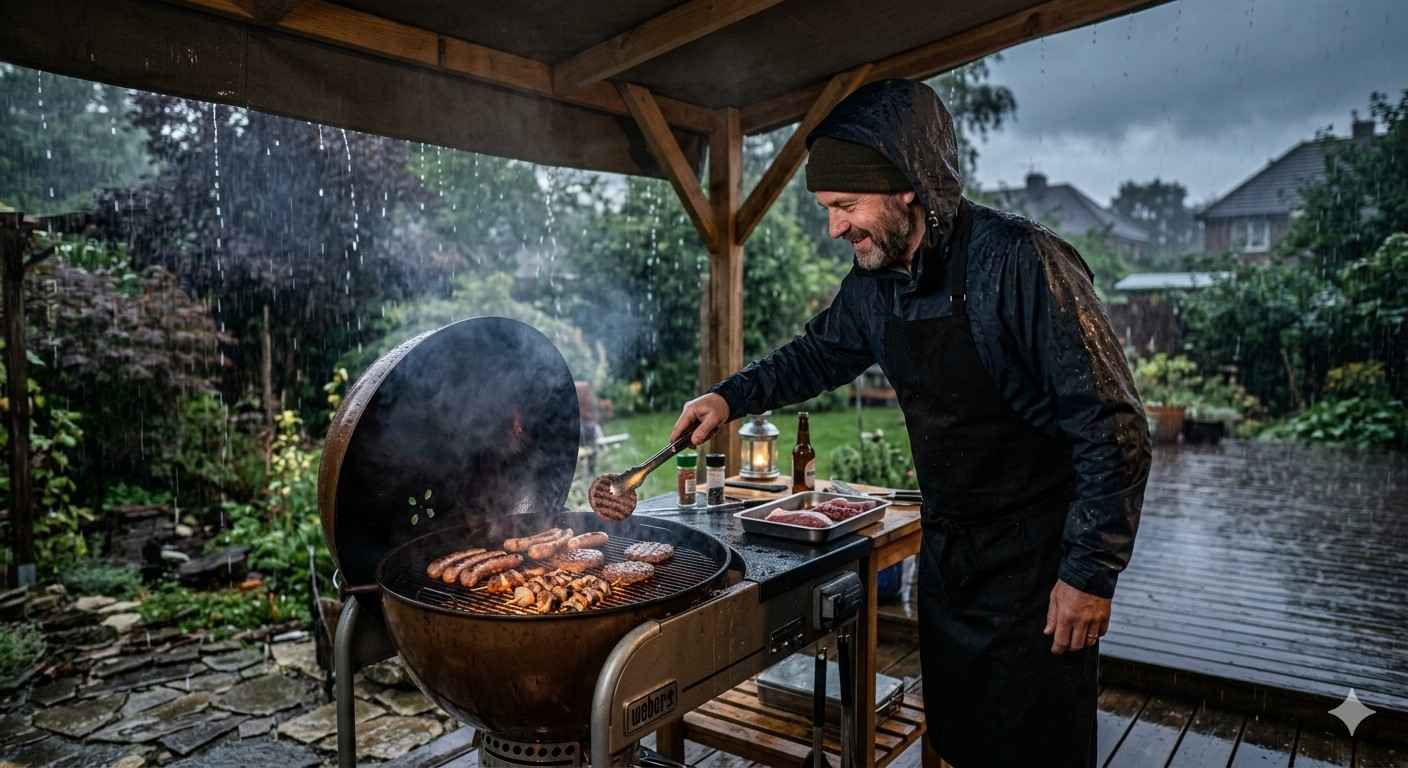
Few things hit the soul quite like the smell of a grill firing up on a lazy afternoon. But then, the skies darken. A few drops fall. And suddenly, your plans for a backyard feast are threatened by nothing more terrifying than… rain.
Fear not. I’ve been grilling in every kind of weather you can imagine – from scorching sun to relentless drizzle – and I’m here to show you that rainy-day grilling doesn’t have to be a disaster.
In fact, with the right precautions, it can even be fun. Here’s how to stay safe, keep your food delicious, and make the most of a soggy BBQ day.
Why Safety Matters When Grilling in the Rain
Rain adds an element of unpredictability to your grill. Water and fire don’t mix well. One slip, one puddle, or one unexpected flare-up can turn a fun afternoon into a disaster.
Think about it. Wet decks, slippery shoes, wind blowing sparks around – the risks are real.
But with rainy-day grilling, safety is more about awareness than fear. Plan ahead, respect your equipment, and you can turn that drizzle into a lighthearted cooking challenge instead of a hazard.
Choosing the Right Grill for Rainy Weather
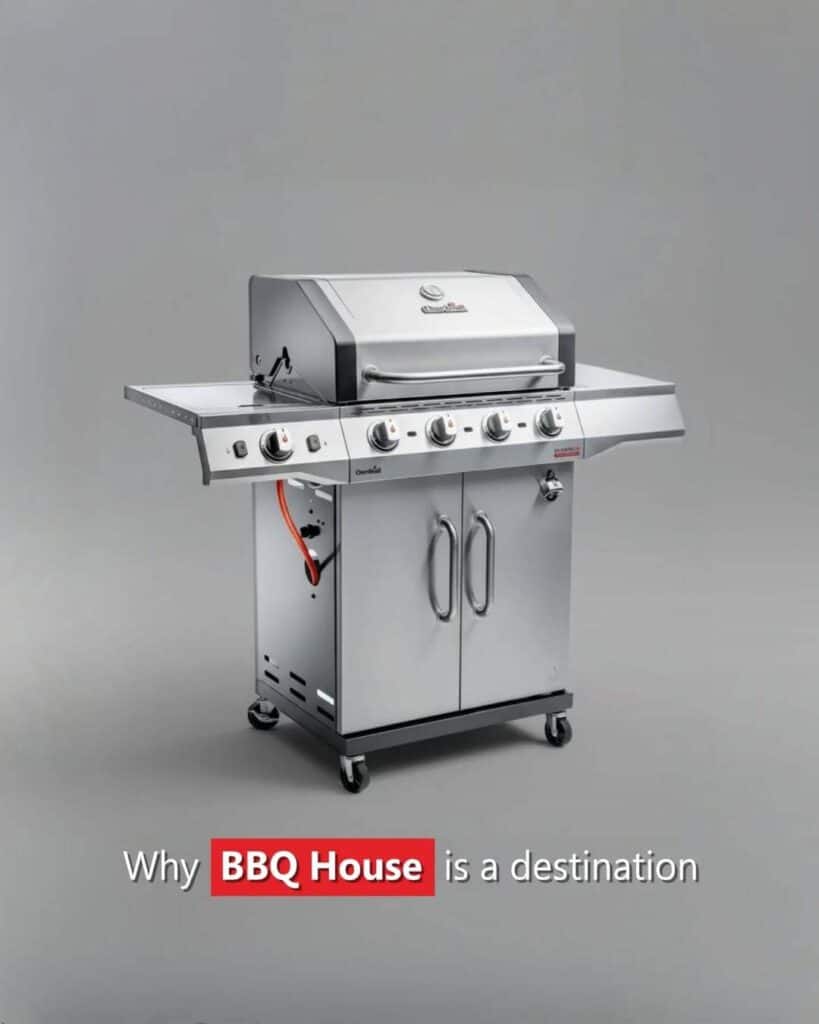
Not all grills are created equal when it comes to wet conditions. Your choice of equipment can make or break your rainy BBQ:
- Gas Grills: My top pick for rainy-day grilling. Easy to control, quick to start, and the lid keeps heat where it belongs.
- Charcoal Grills: Delicious smoky flavor, but wet charcoal and wind can turn cooking into an endurance test. Keep a bag of dry charcoal nearby.
- Electric Grills: Safe under cover, but never let water drip on cords or plugs.
Pro tip: Invest in a grill with a sturdy lid and always have a cover on hand. If you think your umbrella is enough to protect a hot grill, think again.
Preparing Your Grilling Area
You can have the best grill in the world, but if your surroundings aren’t ready, it’s a recipe for disaster. Here’s how I prep my rainy-day BBQ spots:
- Make sure your grill is on a stable, dry surface – no puddles, no mud, no chance of slipping.
- Use canopies or patio umbrellas wisely. Keep the flames away from fabric and overhead hazards.
- Keep the grill far from structures and overhangs. Rain may fall from above, but sparks travel sideways.
- Clear the area of clutter. Wet BBQ tools, chairs, and kids running around are a recipe for chaos.
A little prep goes a long way in turning a stormy cookout into a safe, memorable experience.
Essential Rainy-Day Grilling Safety Tips
Here’s where we get serious – without sounding like a safety video from the 90s.
- Dress the part: Waterproof apron, non-slip shoes, heat-resistant gloves. Nothing ruins a BBQ like slipping and dropping a burger.
- Keep electronics dry: Thermometers, lights, or speakers can fry faster than you can say “well-done.”
- Watch for flare-ups: Rain hitting hot grease causes steam and sizzling. Stay alert and adjust the heat if necessary.
- Never grill indoors: Even a covered garage is no substitute for open air. Carbon monoxide doesn’t care if you’re avoiding raindrops.
- Have a fire extinguisher nearby: Or a bucket of sand or water. Just in case—because yes, accidents do happen.
Safety isn’t the enemy of fun – it’s the foundation that lets you enjoy rainy-day grilling without panicking.
Cooking Tips for Rainy-Weather BBQ
Now let’s talk food. Rain changes how heat behaves, and your grill needs a little TLC:
- Adjust cooking times: Wind and rain cool the grill, so your meats may take a bit longer to cook. Patience is key.
- Use lids and covers: Keep heat where it belongs. The grill lid is your best friend in the rain.
- Preheat properly: Don’t start cooking too early. Wet weather saps heat fast.
- Pick forgiving foods: Burgers, sausages, and skewers do better than delicate fish or thin steaks.
- Avoid cross-contamination: Keep prep surfaces dry and clean—water plus raw meat equals trouble.
Even on a gloomy day, a bit of strategy keeps flavors on point.
Maintaining Flavor Despite Wet Weather
Rain can be a flavor thief if you’re not careful. Here’s how to lock in taste:
- Marinades and rubs: They help seal moisture and boost flavor when the weather tries to wash it away.
- Manage your smoke: Wind and rain affect how smoke travels. Use heavier woods or chunks to maintain aroma.
- Charcoal vs. gas: Both work, but gas is more consistent in wet conditions. Charcoal gives that smoky punch, but you’ll need extra patience.
Remember: the rain isn’t ruining your food – it’s just asking you to be a little smarter.
After the Rain: Cleaning and Protecting Your Grill
Once the food is gone and the rain stops, your work isn’t over. Moisture is a grill’s enemy:
- Wipe down surfaces to prevent rust.
- Dry grates and trays thoroughly.
- Invest in a quality grill cover and store your grill in a safe, sheltered area.
A little TLC post-BBQ keeps your grill ready for the next rainy adventure.
Choosing the Right Rainy-Day Grilling Tools
When the skies open up, the right tools can make all the difference in rainy-day grilling. Key essentials include:
- Long-handled tongs and heat-resistant gloves for safety.
- Sturdy grill brush to keep cooking surfaces clean.
- Waterproof aprons and slip-resistant shoes to prevent accidents.
- Digital meat thermometer to manage cooking times despite wind or drizzle.
- Grill mats to protect surfaces from water and stabilize coals.
- Waterproof containers for seasonings and a tarp for wood chips.
Investing in weather-resistant gear ensures your cookout is:
- Efficient
- Safe
- Flavorful
With the right tools, rainy-day grilling goes from risky to routine.
Protecting Your Charcoal in Wet Weather
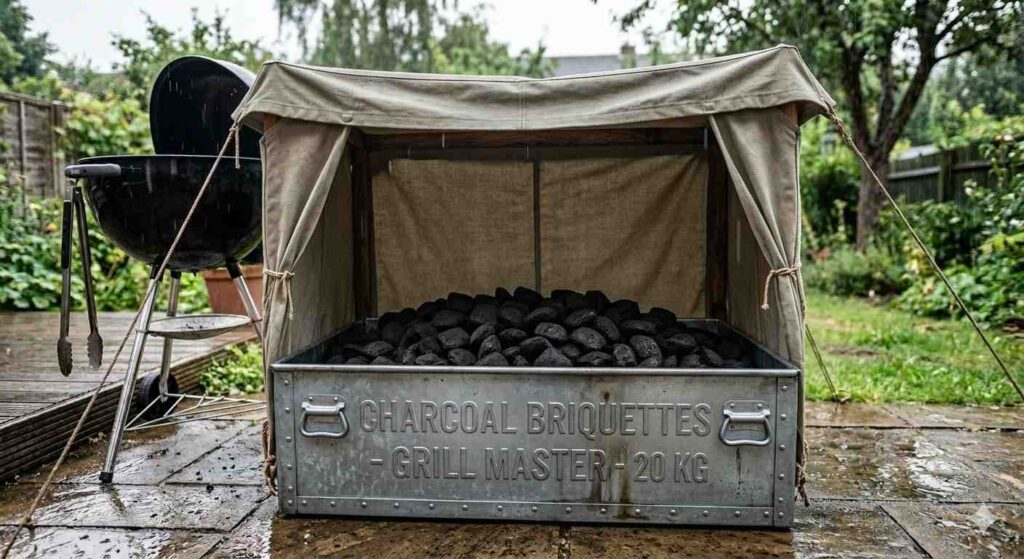
Charcoal doesn’t play nice with rain, but proper prep keeps your BBQ flavorful:
- Store briquettes in a waterproof container, only open when ready.
- Use chimney starters or foil wraps to ignite damp coals efficiently.
- Keep pre-soaked wood chunks separate to maintain moisture and aroma.
- Light coals away from puddles to prevent steam flare-ups.
Planning ahead helps maintain consistent heat and allows you to focus on:
- Cooking techniques
- Perfect flavor
A little preparation makes all the difference in rainy-day grilling success.
Maximizing Smoke Flavor in the Rain
Rain and wind can wash away your signature smoke. To lock in flavor:
- Use heavier wood chunks that burn longer and resist moisture.
- Keep the grill lid down as much as possible.
- Gas grill users: try smoke boxes or foil packets for concentrated flavor.
- Avoid thin chips – they burn too quickly in wet conditions.
- Place the grill in a sheltered area to reduce wind disruption.
With attention to smoke management, your BBQ can stay rich and aromatic – even on a rainy day.
Dealing with Wind During Rainy Grills
Wind is often the hidden challenge of rainy-day grilling. Manage it by:
- Positioning the grill upwind of seating areas.
- Using windbreaks: walls, fences, or portable screens.
- Keeping a heavy lid on to hold in heat and protect flames.
- Having a spray bottle ready for flare-ups.
- Monitoring coals and burners closely.
- Adjusting cooking times for heat loss, especially on large cuts.
Even small precautions make your cookout safer, smoother, and more flavorful.
Creating a Cozy Rainy BBQ Atmosphere
Rainy-day grilling can be cozy, not gloomy. Enhance the vibe with:
- Soft lighting: LED lanterns or battery-operated string lights.
- Comfortable gear: blankets or hooded jackets for guests.
- Scented smoke from the grill to fill the air with aroma.
- Hot drinks: mulled cider, coffee, or cocoa to keep everyone warm.
- Covered seating areas to enjoy food and socialize without getting wet.
A focus on comfort, ambiance, and safety turns a wet day into a memorable BBQ experience.
Choosing Rain-Friendly Recipes
Not all recipes survive rainy-day grilling. Stick to foods that tolerate moisture:
- Burgers, sausages, skewers, and thick cuts of meat.
- Vegetables: bell peppers, mushrooms, corn on the cob.
- Use marinades, dry rubs, and sauces to lock in flavor and moisture.
- Consider pre-cooking indoors, then finishing on the grill for char.
Selecting rain-friendly recipes ensures delicious results regardless of drizzle and lets you focus on the experience, not the weather.
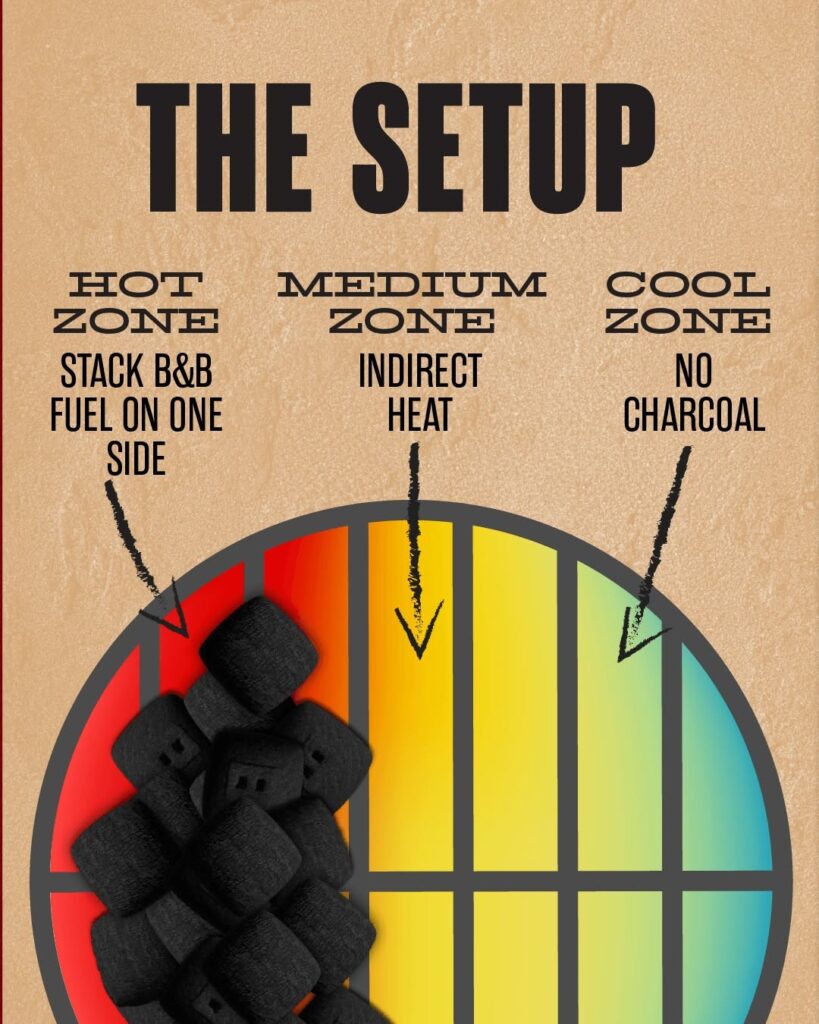
Mastering Heat Zones in Wet Conditions
Rain affects grill temperature, making heat zones essential:
- Direct heat for searing.
- Indirect heat for slow-cooking large cuts.
- Monitor temps closely with a thermometer – wet grills lose heat faster.
- Create zones by banking charcoal or adjusting gas burners.
- Move food between zones depending on rain intensity and flare-ups.
Controlling heat zones guarantees juicy, perfectly cooked meals – even in wet weather.
Turning Rain Into a BBQ Learning Experience
Rain can be a teaching moment for pitmasters:
- Think creatively about prep, timing, and flavor.
- Experiment with smoking techniques, wood flavors, and sauces.
- Document wind, rain intensity, and grill placement for future cookouts.
- Share laughs and stories with guests, turning a soggy day into a memorable adventure.
Embracing rainy-day grilling challenges builds skills and makes your BBQ journey even more satisfying.
Alternative Solutions for Rainy Days
Sometimes, the storm is relentless. That’s when you get creative:
- Indoor grilling: Electric grills or stovetop griddles mimic the BBQ experience.
- Oven broiling: You can get a nice char without stepping into a puddle.
- Smokers or slow cookers: For BBQ flavors without standing in the rain for hours.
Even when Mother Nature doesn’t cooperate, you can still deliver a feast.
Rainy-Day Grilling FAQ
1. Can you grill safely in the rain?
Yes! Rainy-day grilling is safe if you take precautions. Use a stable, dry surface, wear non-slip shoes, keep electrical items dry, and maintain control of your fire. Investing in weather-resistant tools and covers helps a lot.
2. What’s the best grill for rainy weather?
Gas grills are ideal because they heat quickly, have lids to trap heat, and are easier to control in damp conditions. Charcoal can work but requires extra care to keep coals dry. Electric grills are safe if cords and plugs stay dry.
3. How do I protect charcoal from getting wet?
Store briquettes in a waterproof container and only open it when you’re ready. Consider using chimney starters or foil wraps to ignite damp coals. Pre-soaked wood chunks can add smoke without introducing moisture to your charcoal.
4. How do I maintain smoky flavor in wet weather?
- Use heavier wood chunks that burn longer.
- Keep the lid closed as much as possible.
- Gas grill users can try smoke boxes or foil packets.
Position your grill in a sheltered area to prevent wind from blowing smoke away.
5. What foods are best for rainy-day grilling?
Choose rain-friendly recipes:
- Thick cuts of meat (burgers, sausages, skewers)
- Vegetables like corn, mushrooms, and bell peppers
- Use marinades, dry rubs, and sauces to lock in moisture and flavor
6. How do I deal with wind while grilling in the rain?
- Position your grill upwind of guests
- Use windbreaks like fences or portable screens
- Keep a spray bottle handy for flare-ups
- Monitor heat and cooking times carefully
7. Can I grill under a canopy or umbrella?
Yes, but only if it’s safely positioned. Ensure it’s far from flames, stable in wind, and made of fire-resistant material. Never grill inside garages or tents – open air is essential for safety.
8. How can I turn rainy-day grilling into a fun experience?
- Create a cozy atmosphere with lighting, blankets, and hot drinks
- Experiment with new smoking techniques or recipes
- Embrace the rain as a learning opportunity for better timing, tools, and flavor
Good Prep for Rainy-Day Grilling is Wise
Rainy days don’t have to cancel your BBQ. With the right prep, equipment, and mindset, rainy-day grilling can be safe, fun, and even a little adventurous. Dress smart, protect your grill, mind the heat, and keep the flavors locked in.
After all, nothing tastes better than a burger cooked in the drizzle while everyone else is hiding inside. And that’s the secret: embrace the rain, respect the fire, and never let a little water put out your grilling spirit.
Featured image credit: Google Gemini
