
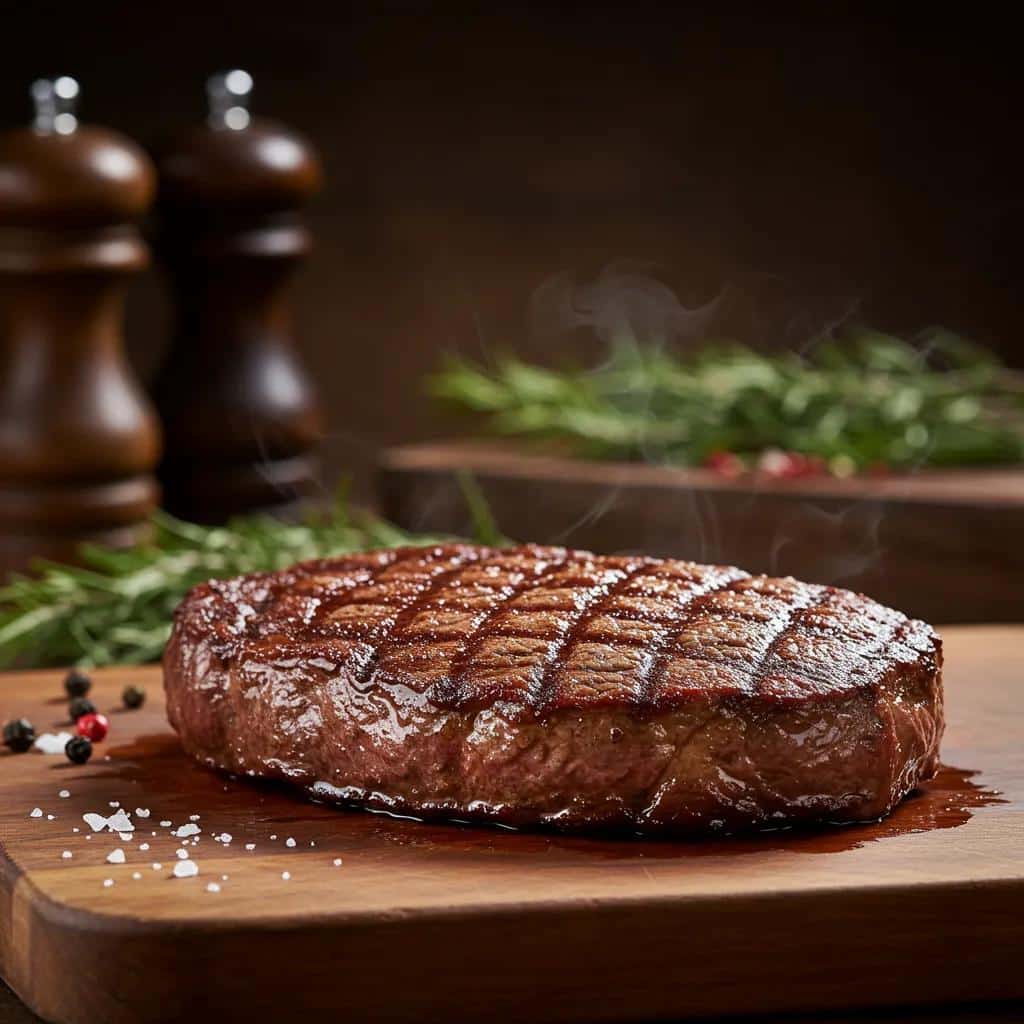
Resting a steak means letting a cut sit briefly after cooking so internal temperatures stabilize, muscle fibers relax, and juices redistribute—delivering a juicier, more flavorful result. In this article you will learn the science behind resting, how carryover cooking affects doneness, practical timing for different cuts and thicknesses, and simple techniques to preserve crust while keeping meat warm.
Many cooks slice immediately and notice a flood of juices and uneven doneness; resting solves that by allowing expelled juices to re-balance and by letting collagen and fibers settle for better texture. This guide walks through the mechanisms (muscle fiber behavior and fluid dynamics), sensory outcomes (tenderness and flavor concentration), and actionable rules of thumb including a quick reference table and common mistakes to avoid.
You’ll also find clear answers to popular questions—how long to rest, whether to tent, and what happens if you skip resting—along with practical lists and concise tables to make resting easier at the grill or stovetop.
What Is the Science Behind Resting Steak?
Resting steak is the post-cook phase when heat-driven contractions relax, allowing some expelled intramuscular juices to redistribute and partly reabsorb, which reduces surface juice loss when slicing. This process improves perceived juiciness and tenderness because muscle fibers and connective tissue relax and internal fluids equalize across temperature gradients.
The immediate mechanism involves heat-induced protein denaturation and fiber contraction followed by gradual relaxation; understanding those steps helps cooks time their pull temperature and rest period. Below is a short summary table linking the main entities, what changes during rest, and the effect on the finished steak.
Different physical components change during the rest and influence eating quality.
This table clarifies why those three elements—fibers, juices, heat—are central to resting and why timing matters for texture and flavor.
How Do Muscle Fibers and Juices React During Resting?
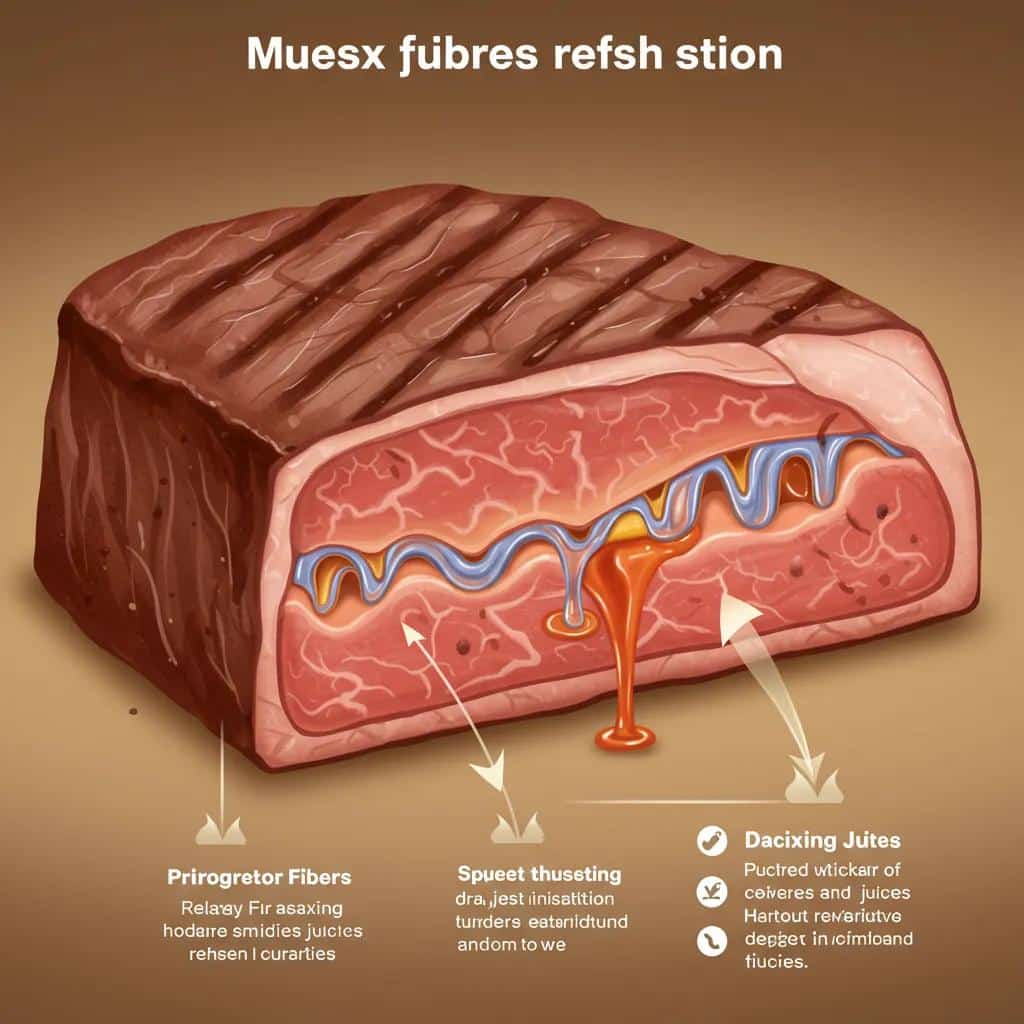
Muscle fibers contract when heated, squeezing out water and soluble flavor compounds much like compressing a sponge, and immediate slicing sends that fluid onto the cutting board. During rest the fibers gradually relax and the pressure differential decreases, allowing a portion of those fluids to redistribute laterally and back into the meat’s structure.
That rebalancing reduces the amount of free surface juice lost on the first cut and makes each bite feel juicier and more even in texture. Understanding this sponge analogy helps cooks visualize why a short wait preserves succulence and supports a more tender mouthfeel.
What Role Does Carryover Cooking Play in Resting Meat?
Carryover cooking is the continued rise in internal temperature after a steak leaves the heat source, typically 2–6°F for thinner steaks and up to 10–15°F for large roasts, depending on mass and cooking intensity. This residual heat finishes protein denaturation and can move a steak from rare toward medium-rare if pulled too late, so skilled cooks pull slightly below target to account for the rise.
Planning pull temperatures together with a rest period ensures target doneness without overcooking, and it reduces the temptation to slice immediately. Monitoring thickness and expected carryover helps you decide exact pull temperature and rest length for consistent results.
How Does Resting Improve Steak Flavor and Juiciness?
Resting improves flavor and juiciness by allowing intramuscular juices and flavor compounds to redistribute from hot centers toward cooler regions, so each slice contains concentrated flavors rather than leaving them pooled on the board.
As muscle fibers relax, connective tissue softens slightly and the texture becomes more tender; this structural change enhances mouthfeel and perceived succulence. Rest also affects aroma release: a slightly lower serving temperature can concentrate volatile compounds on each bite, changing perceived saltiness and roast notes.
Below is a short list of the primary sensory gains from a proper rest and a brief summary of how they combine.
- More Even Juiciness: Redistributed juices keep slices moist across the cut.
- Improved Tenderness: Relaxed fibers produce a softer chew and better mouthfeel.
- Concentrated Flavor: Temperature and fluid balance sharpen perceived flavors.
These benefits explain why the small time investment in resting disproportionately lifts the overall eating experience.
Why Does Resting Make Steak Juicier and More Tender?
When you slice immediately, the high internal pressure forces a lot of water out, leaving a drier interior and visible juice on the plate; resting lowers that pressure and reduces immediate loss. Relaxed fibers allow connective tissue to become slightly less rigid, which translates into a softer texture that feels more tender to the bite.
Practical experiments—comparing two otherwise identical steaks sliced at different times—show obvious differences in both juice retention and chew. For cooks, the key takeaway is that a short, planned delay preserves both moisture and texture with no extra equipment required.
How Does Resting Affect the Overall Flavor Profile of Steak?
Resting subtly concentrates flavor because juices that carry dissolved amino acids, sugars, and fat-soluble aromatics redistribute into the meat rather than pooling externally, so each slice delivers a balanced flavor profile. Cooling slightly during rest also shifts aroma volatility, often making salt and umami appear more pronounced while preserving seared crust aromatics.
Small tasting notes: a properly rested steak often tastes more cohesive—salty, beefy, and evenly seasoned—compared with an immediately sliced steak that can seem brighter on the board but drier in the mouth. These flavor shifts show why resting is as much about taste balance as it is about juiciness.
How Long Should You Rest Your Steak for Best Results?
Generally 5–10 minutes for individual steaks and 15–30 minutes for larger roasts yields the best balance of warmth, juiciness, and final doneness. This rule accounts for thickness and mass: thin steaks need less time because they lose heat quickly, while thick steaks and roasts retain heat and benefit from longer rests to complete carryover cooking and redistribution.
For quick reference, the following table maps common cuts and thicknesses to recommended rest times to make selection and timing easier at the grill.
Use this chart as a practical baseline—adjust slightly for personal preference and carryover intensity.
These guidelines prioritize juiciness retention and account for typical carryover cooking; thicker cuts need proportionally longer rests, so scale times by thickness rather than cut alone.
BBQ Host, a brand focused on grilling and BBQ content, offers practical resources that flesh out these timings and techniques for different equipment and cuts. BBQ Host’s Steak Cooking Mastery hub covers resting time adjustments by cut and thickness and provides equipment-specific notes, while dedicated reviews discuss how infrared gas grills affect searing and carryover compared with other heat sources.
For cooks wanting equipment-focused guidance or a resting-time reference tailored to grill type, these resources provide helpful, experience-driven recommendations.
What Are the Optimal Resting Times for Different Steak Cuts?
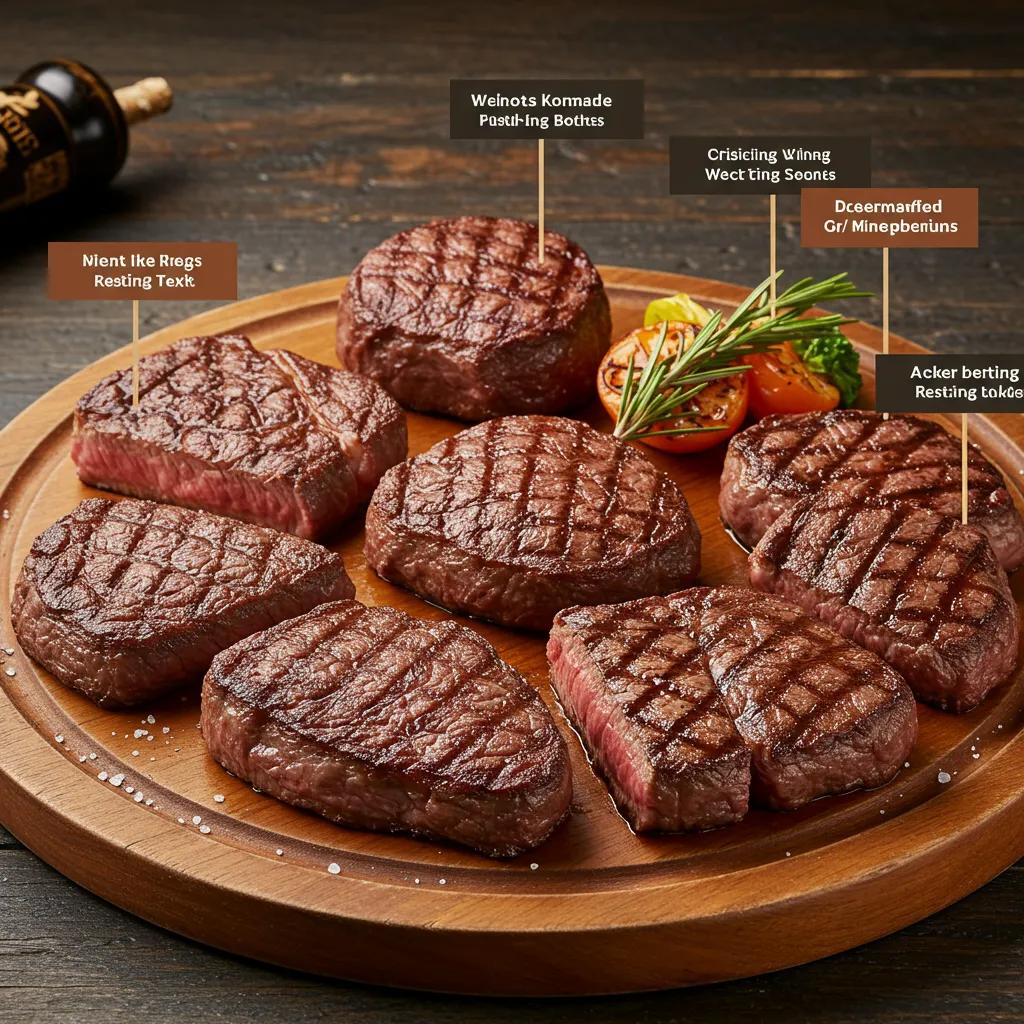
Optimal resting times depend more on thickness and mass than on cut name, but common cuts follow practical windows: thin steaks 3–5 minutes, standard steaks 5–10 minutes, and large roasts 15–30 minutes. Use the rule of thumb: thicker by 50% → rest longer by roughly the same proportion.
Slightly undershoot pull temperature to allow for carryover and use the chart above to fine-tune timing for your cut. This approach keeps slices warm, juicy, and correctly done without overcooking during the hold.
Should You Cover or Tent Steak While Resting?
Tenting with foil traps heat and slows cooling, which helps maintain temperature but risks softening the crust through steam build-up if done tightly. A loose tent preserves heat while allowing some steam to escape; alternatively, short rests with warm plates or a very low oven (warmed, not hot) keep steaks warm without steaming the crust.
Choose tenting when brief warmth retention is essential and use a loose tent or partial covering if crust preservation is important. These simple tactics let cooks balance heat retention and texture preservation.
What Common Mistakes Should You Avoid When Resting Steak?
Many cooks undermine resting by cutting too soon, over-tenting, or leaving steaks to cool for too long; each error reduces juiciness or texture and diminishes the intended flavor payoff.
Cutting early causes immediate juice loss and uneven doneness; sealing tightly with foil can steam the crust; and over-resting makes the steak cool beyond optimal serving temperature. The list below outlines common mistakes and quick corrective steps to preserve both heat and crust.
Common mistakes and fixes:
- Cutting too soon: Wait the recommended minutes to prevent juice loss.
- Tight tenting: Use a loose tent to avoid soggy crust while retaining warmth.
- Over-resting/cooling: Serve within the recommended window or use warm plates.
What Happens If You Don’t Rest Your Steak?
Yes — skipping rest leads to noticeable negative effects: the steak loses more juice onto the plate, gives uneven doneness across slices, and feels drier and tougher. Immediate slicing forces juices out of contracted fibers, concentrating moisture loss and flattening the eating experience.
A quick remedy is to allow even a brief 3–5 minute rest for thin steaks; the small wait typically recovers much of the lost succulence. In short, resting is the difference between a steak that pours its flavor onto the cutting board and one that delivers it to the diner.
How Can You Prevent the “Cold Steak” Problem After Resting?
To keep steak warm without sacrificing crust, use warm plates, pre-warmed serving dishes, or a slightly warmed holding area set at a low temperature; alternatively use a loose foil tent and serve promptly.
Each option trades off speed, convenience, and crust preservation, so choose based on service pace and priority for sear texture. For dinner service, warming plates and slicing just before plating usually deliver the best combination of heat and crust integrity.
These practical steps help avoid the common trap of over-resting until the steak becomes uncomfortably cool.
