
There is a persistent, grimy myth in the world of backyard barbecue that says if you didn’t spend sixteen hours staring at a steel box while questioning every life choice that led you to a 3:00 AM brisket trim, you aren’t a “real” pitmaster.
We’ve all seen that guy – the one who treats a pork shoulder like a high-stakes surgery, refusing to sleep, obsessively checking dampers, and eventually serving a meal to guests who fell asleep three hours prior.
I’m here to tell you that guy is working way too hard.
Welcome to the philosophy of the lazy pitmaster. Being a lazy pitmaster isn’t about being sloppy; it’s about being tactical. It is the art of achieving that legendary bark and melt-in-your-mouth tenderness while reclaiming your Saturday afternoon.
We are looking for the “80/20 rule” of BBQ: 80% of the flavor comes from 20% of the effort. By trimming the fat – metaphorically and literally – out of your process, you can produce world-class meat without the existential crisis.
Pre-Cook & Prep Hacks

1. The “Dry Brine” Shortcut
Traditionalists love a wet brine.
They’ll have you submerged a turkey or a rack of ribs in a bucket of salt water for twelve hours, taking up half your fridge and creating a watery mess when it’s time to cook. The lazy pitmaster opts for the dry brine.
By coating your meat in salt (and only salt) 24 hours in advance, you use the science of osmosis to do the heavy lifting. The salt draws out moisture, dissolves into a concentrated brine, and is then reabsorbed deep into the muscle fibers.
This breaks down proteins and seasons the meat from the inside out.
The hack here is efficiency: you don’t need a complicated marinade to penetrate the surface. A dry brine does the work while you’re at work, meaning the moment you hit the smoker, the flavor is already locked in.
2. Skip the Homemade Rub (Sometimes)
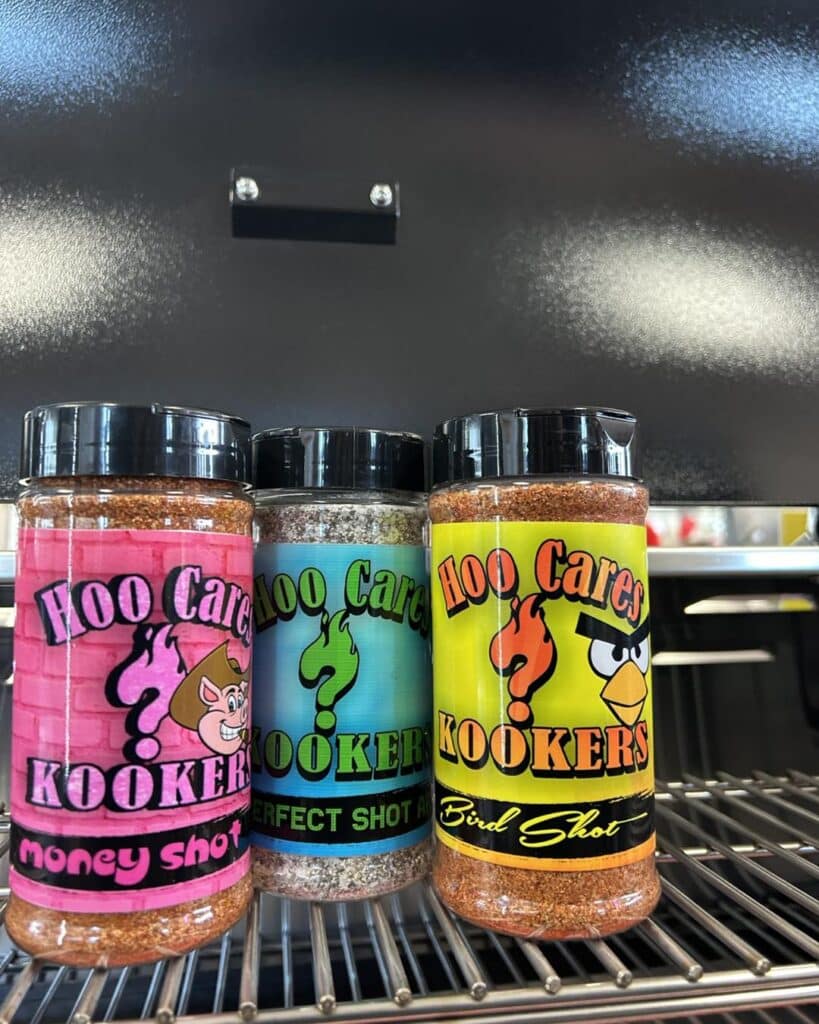
We all want to be the “mad scientist” with twenty spice jars scattered across the counter, but let’s be real: unless you’re competing for a trophy in Memphis, a high-quality commercial rub is often better than what you’ll throw together in a hurry.
Modern BBQ rubs are formulated with specific mesh sizes of pepper and salt to ensure even bark formation. Don’t waste forty minutes grinding spices and balancing sugar-to-salt ratios. Find two or three “house” rubs you love and lean on them.
Your guests won’t know you didn’t hand-toast your own cumin, and your pantry won’t look like a spice rack exploded.

3. The Room-Temp Myth
You’ve heard it a thousand times: “Let the meat come to room temperature before putting it on the smoker.”
If you’re cooking a 15-pound brisket, do you know how long it takes for the center to actually reach room temp? Hours. And in that time, you’re just inviting a bacterial party.
Cold meat actually takes smoke better. Smoke clings to cold, moist surfaces more effectively than warm, dry ones.
By taking your meat straight from the fridge to the smoker, you save a two-hour “waiting period” on your counter and actually enhance your smoke ring. It’s a win-win for the impatient cook.
4. The “Ruthless” Trimming Guide
People spend an hour perfectly sculpting a brisket like they’re Michelangelo carving David. Stop it. Focus only on the “hard fat” (the waxy stuff that won’t render) and the silver skin.
The goal isn’t aesthetic perfection; it’s airflow. Leave the “good fat” alone – it’s going to protect the meat during the cook. A “lazy” trim takes five minutes and focuses on removing the barriers to heat penetration.
If it doesn’t look like a competition entry, who cares? It’s going to be sliced or shredded anyway.
During the Cook: Heat & Speed Hacks
5. The Texas Crutch (The Right Way)
The “stall” is the point in a cook where the meat’s internal temperature stops rising because moisture is evaporating off the surface, cooling it down. It’s the pitmaster’s version of a mid-life crisis – it can last for hours.
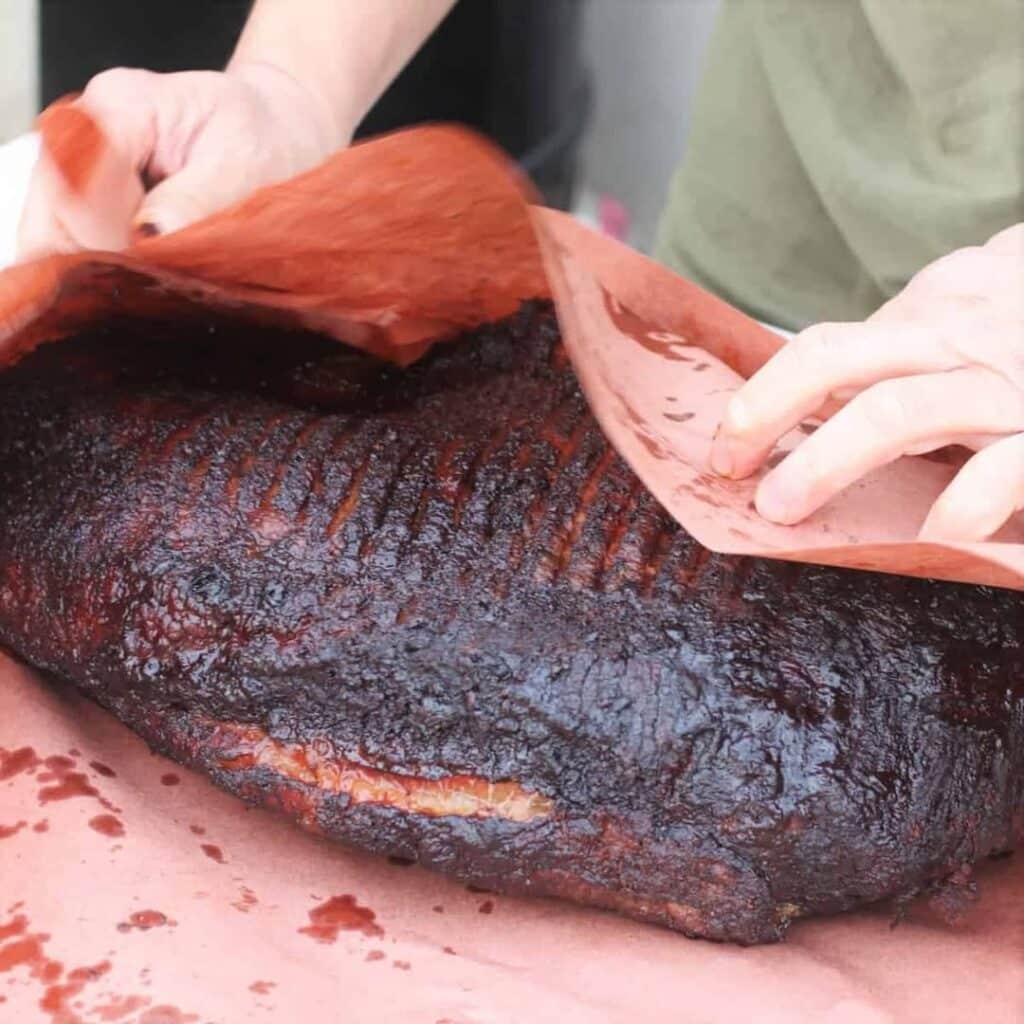
The Texas Crutch (wrapping your meat) is your escape hatch. While foil is the standard, the savvy lazy pitmaster uses pink butcher paper.
It’s the “Goldilocks” of wraps: it traps enough heat to power through the stall and save you three hours of cook time, but it breathes enough to keep your bark from turning into mush.
You get the speed of a wrap with the texture of an open-air smoke.
6. The Hot-and-Fast Revolution
For decades, 225ºF was the holy commandment of BBQ. But here’s a secret the pros don’t always shout from the rooftops: meat doesn’t know the difference between 225ºF and 275ºF.
By bumping your temperature up by just 50 degrees, you can shave nearly 25% off your total cook time. A brisket that takes 12 hours at 225ºF can often be finished in 8 or 9 hours at 275ºF.
As long as you have enough moisture in the cooker (a simple water pan works wonders), the result is virtually identical. This is the ultimate hack for the pitmaster who wants to eat dinner before 9:00 PM.
7. The Pellet Grill Advantage
Purists will moan about offset smokers and “stick burning.”
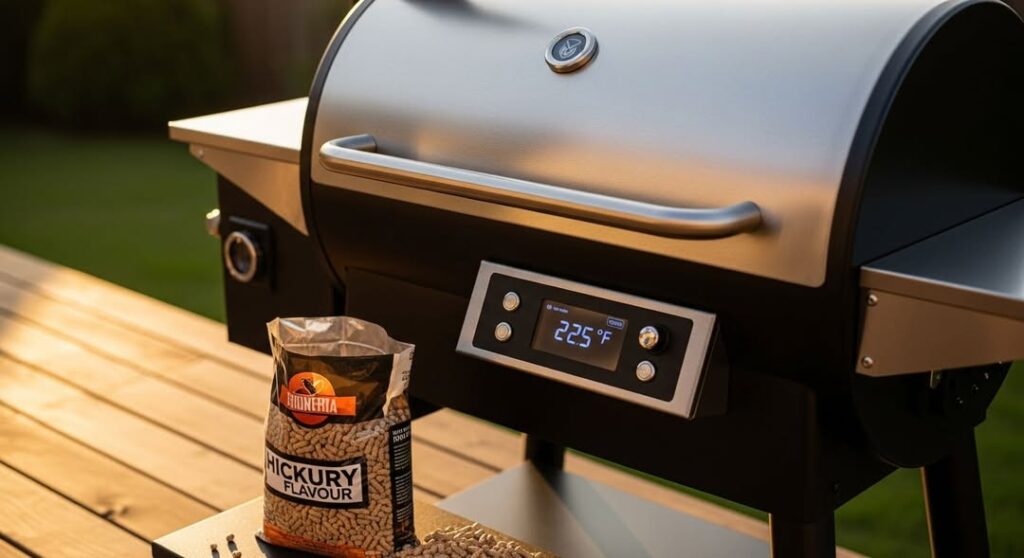
Listen, if you enjoy chopping wood and hovering over a firebox for ten hours, more power to you. But if you want to actually enjoy your weekend, the pellet grill is the lazy pitmaster’s best friend.
It is essentially an outdoor convection oven that burns real wood. It maintains a precise temperature while you go to the hardware store, take a nap, or play with your kids.
The “hack” here is acknowledging that consistency beats intensity. You might lose 5% of that heavy wood-fire flavor, but you gain 100% of your sanity back.
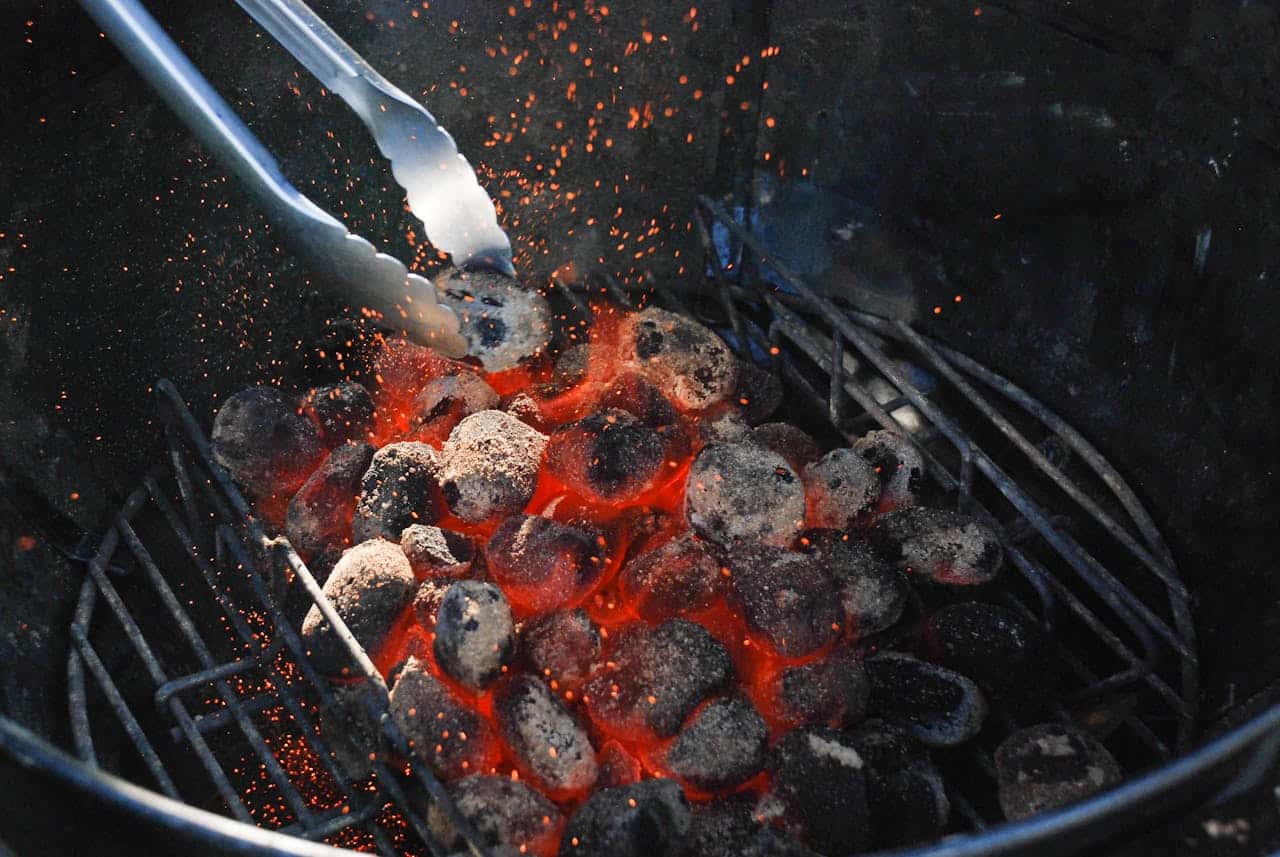
8. Turbo-Charging the Charcoal
Waiting for a charcoal chimney to light can feel like watching grass grow. If you’re using a traditional ceramic grill or a kettle, use a leaf blower or a specialized high-heat torch to jumpstart the coals.
By forcing oxygen into the heart of the fire, you can get a pile of coals from “zero” to “searing hot” in under five minutes. Just be careful not to blow ash all over your neighbor’s fence.
It’s fast, it’s loud, and it makes you look like you’re working much harder than you actually are.
Equipment & Tech Shortcuts

9. Wireless Probes: The “No-Peek” Policy
Every time you open the lid of your smoker to “check” the meat, you’re losing heat and adding 15 to 20 minutes to your cook time. “If you’re lookin’, you ain’t cookin'” is a cliché because it’s true.
Invest in a high-quality wireless meat probe that connects to your phone. You can set an alarm for your target temperature and go about your life.
This eliminates the guesswork and the constant lid-lifting. It’s the digital equivalent of having a sous-chef who never sleeps and never asks for a raise.
10. The Cooler Rest (The Faux-Cambro)
One of the biggest stressors in BBQ is timing the finish. If the brisket is done at 2:00 PM but guests arrive at 6:00 PM, panic sets in.
The lazy pitmaster uses a dry plastic cooler as a holding tank. Wrap your finished meat in foil, then a couple of old towels, and tuck it into the cooler. The meat will stay piping hot for up to four or five hours.
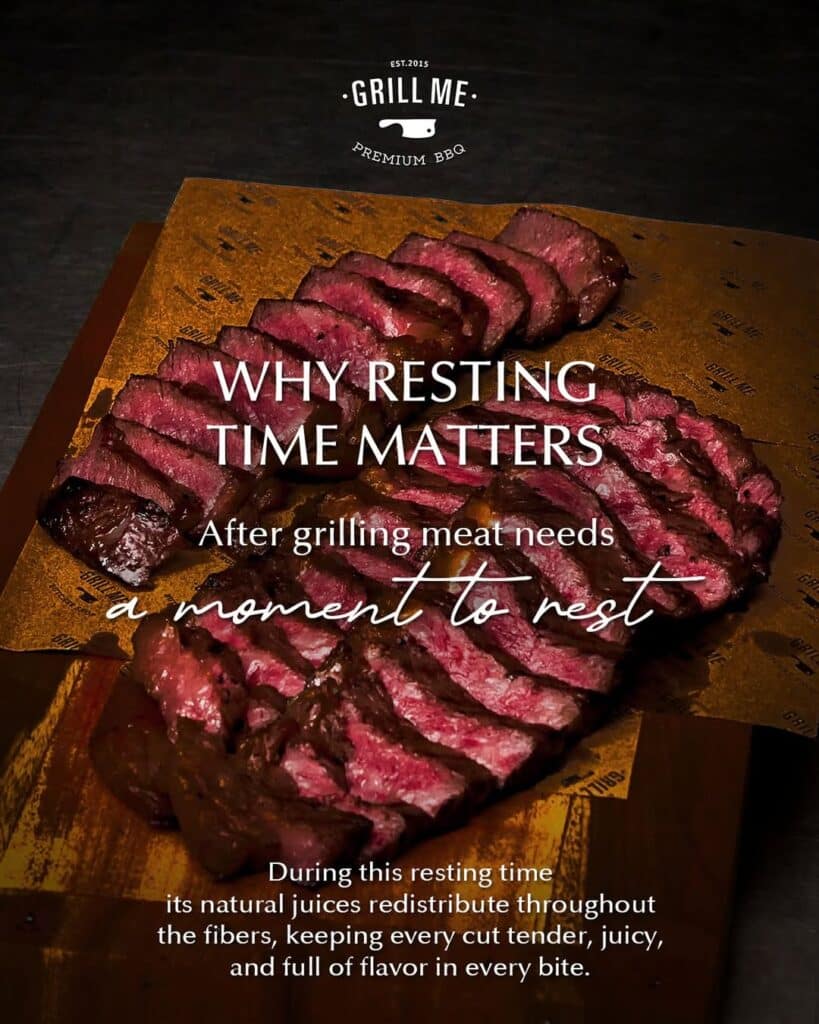
This isn’t just a storage hack; it’s a quality hack. Resting the meat allows the juices to redistribute, meaning you can finish your cook way early and relax until it’s time to serve.
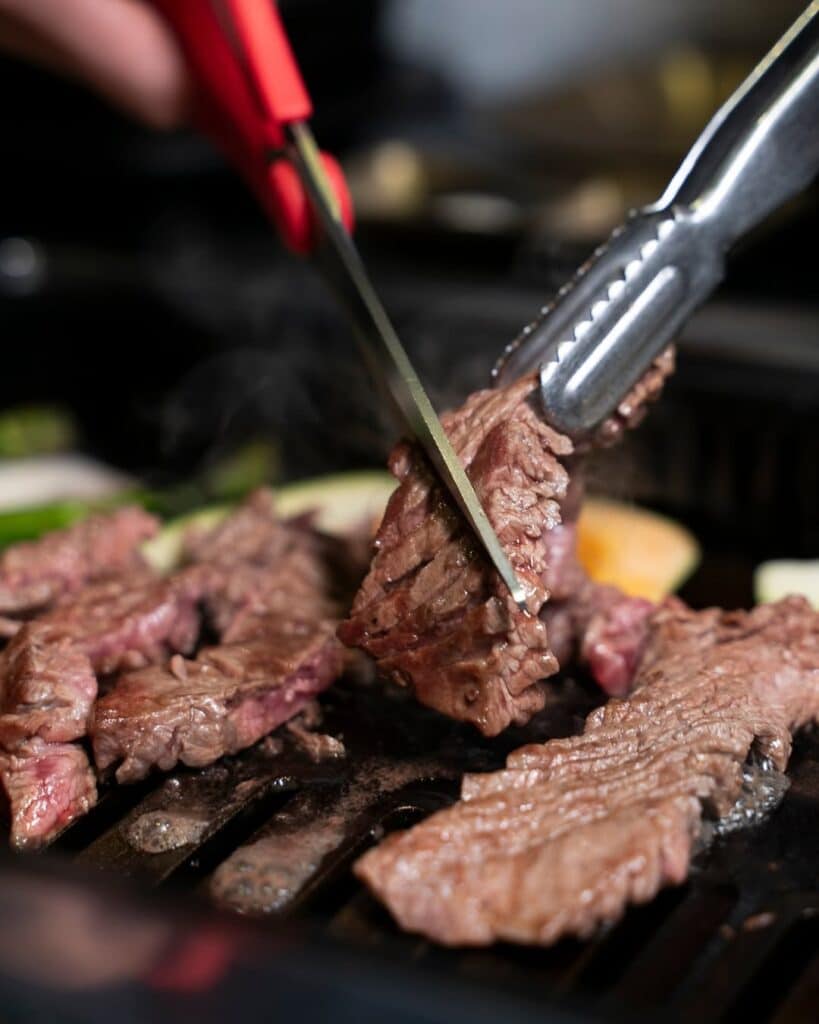
11. The Meat Claws
If you’ve ever tried to shred three pork butts with two dinner forks, you know the meaning of hand cramps. Meat claws (those Wolverine-looking plastic handles) allow you to shred an entire shoulder in about sixty seconds.
It’s satisfying, it’s fast, and it makes you feel like a prehistoric hunter. It’s a five-dollar investment that saves twenty minutes of tedious labor.
Post-Cook & Clean Up

12. The Steam Clean Hack
Nobody wants to scrub greasy grates after a heavy meal and three beers.
The hack? Clean your grill while it’s still hot. As soon as you take the meat off, ball up some aluminum foil, grab it with tongs, and dip it in a bowl of water.
Scrub the hot grates with the wet foil. The steam created will blast off the grease and burnt-on bits instantly. By the time you’re done eating, your grill is already clean for the next cook. No chemicals, no expensive brushes, no effort.
The Bottom Line
The transition from a stressed-out cook to a lazy pitmaster is mostly psychological. We’ve been conditioned to believe that great food requires suffering, but the reality is that great BBQ is about heat management and patience.
By using these hacks – upping your temps slightly, using technology to monitor progress, and mastering the art of the “cool rest” – you aren’t just saving time. You’re ensuring a better result. When you aren’t rushed and exhausted, you make fewer mistakes.
You don’t pull the meat too early because you’re hungry, and you don’t overcook it because you fell asleep on the couch.
Barbecue is supposed to be a celebration, not a chore. So, the next time you fire up the pit, remember: it’s okay to take the easy way out. In fact, if the results are this good, it’s actually the smart way out.
Now go grab a cold drink, set your wireless probe, and let the smoke do the work while you do absolutely nothing. You’ve earned it.
Featured image credit: Martin Boháč
