
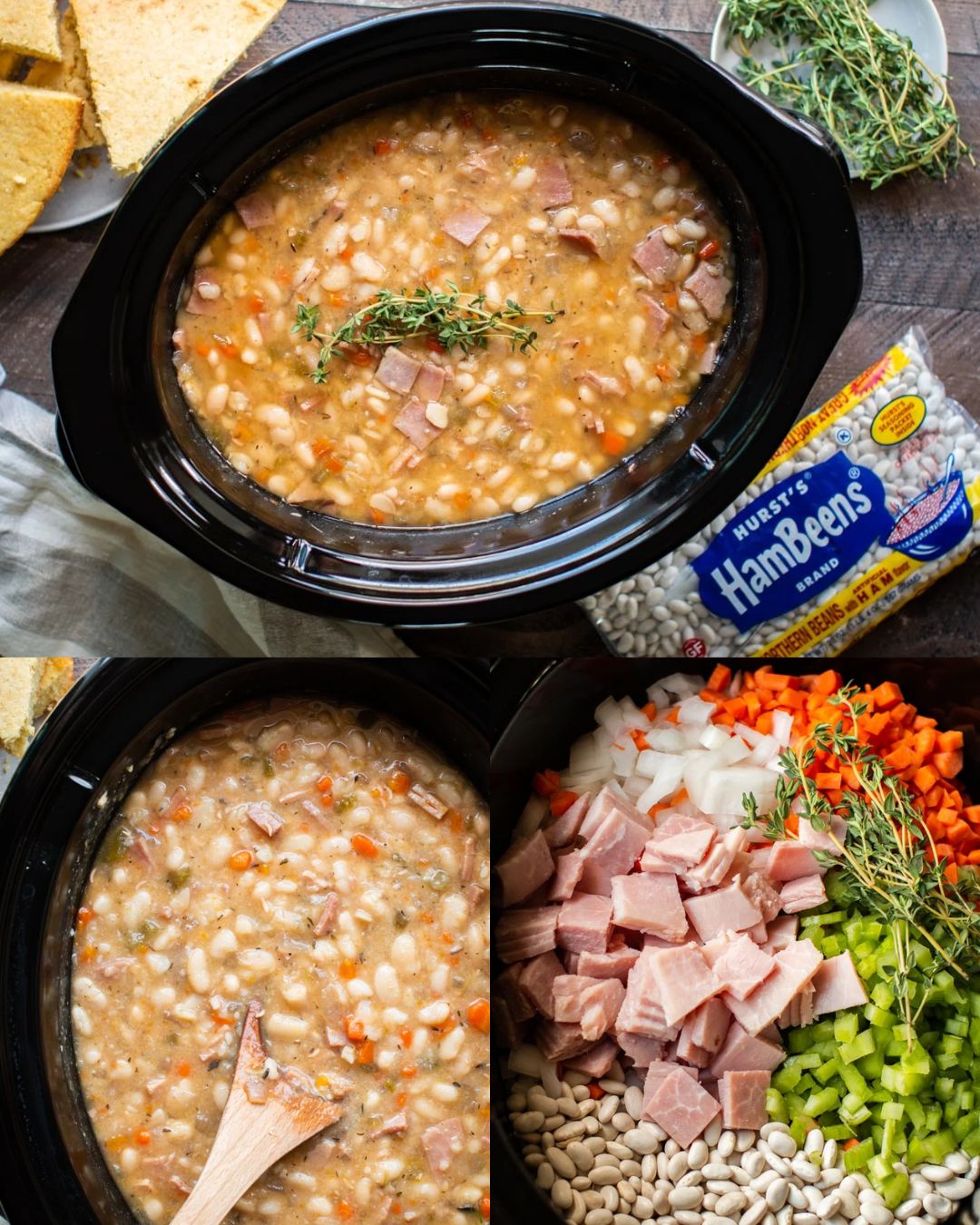
A simmering pot of ham and beans acts like a time machine, pulling every childhood memory right into the kitchen.
As a chef, I’ve worked with high-end cuts and complicated techniques – but I’ll tell you straight: few things beat a humble bowl of this classic.
It’s the kind of meal that doesn’t try to impress you… and ends up doing exactly that anyway.
Growing up, this dish showed up the day after a big family gathering – right when the fridge held leftover ham and not much else. Somehow, Grandma turned scraps into gold.
That’s the beauty of ham and beans: simple ingredients, slow cooking, and a little know-how create something deeply satisfying.
And yes, there is a secret. We’ll get to that.
Why You’ll Love This Recipe
This isn’t just another soup – it’s a masterclass in doing more with less.
- Budget-friendly but rich in flavor
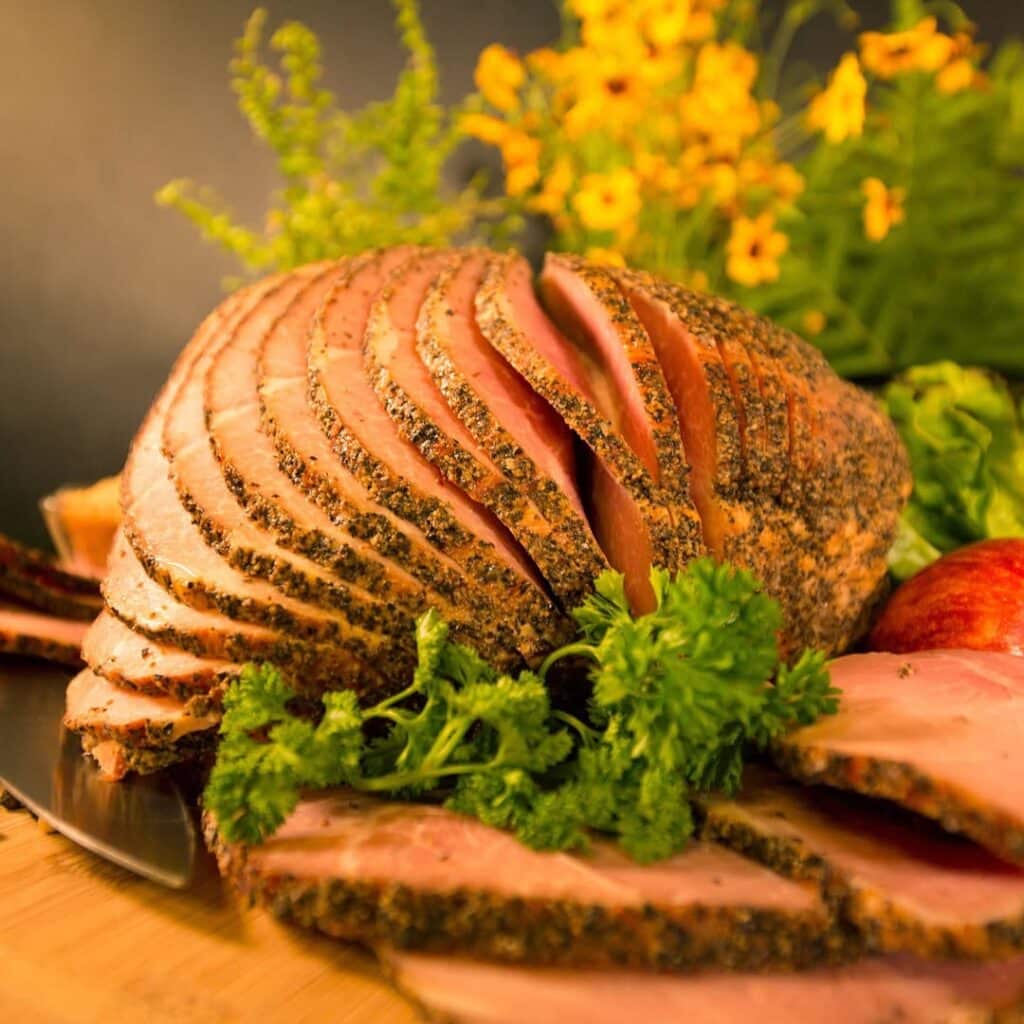
- Uses leftover ham like a pro move
- Feels like a full meal in one bowl
- Easy enough for beginners, satisfying for seasoned cooks
From a pitmaster’s perspective, this dish follows the same philosophy as great barbecue: low heat, time, and patience build flavor you can’t rush.
Choosing the Right Beans: The Foundation of Great Ham and Beans
Not all beans are created equal, and if you’ve been treating them like they are, that might be why your ham and beans never quite hit that “Grandma-level” mark.
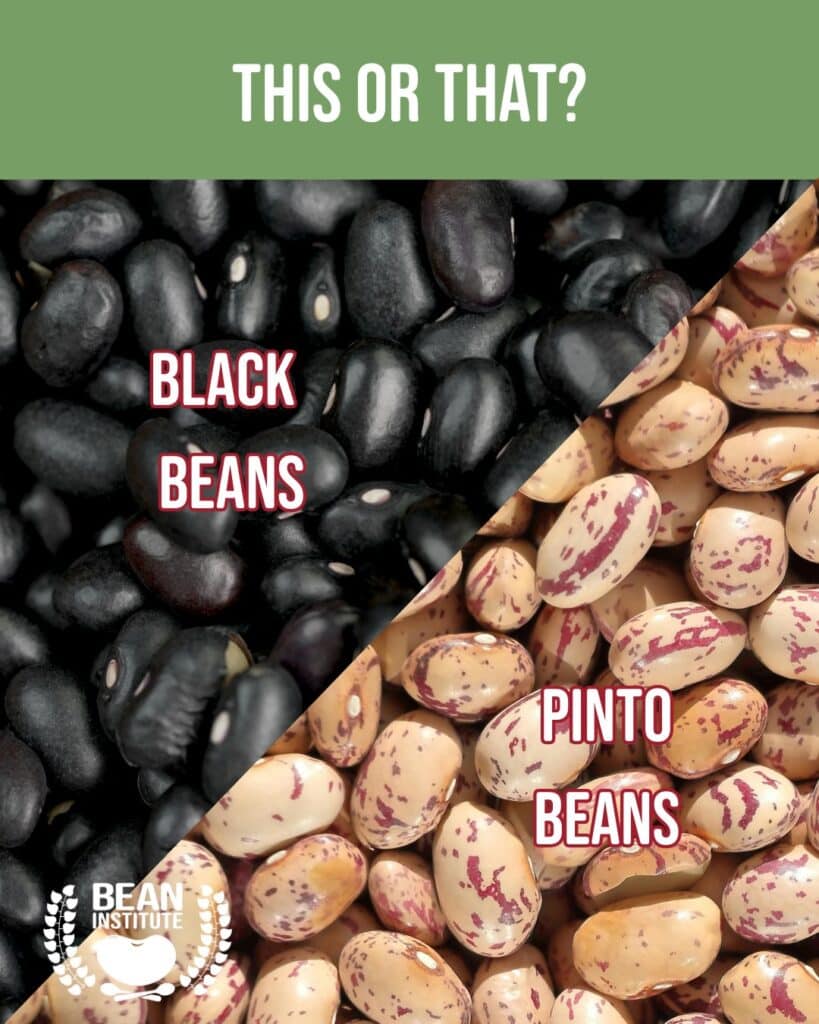
Navy beans are the classic choice – small, creamy, and perfect for soaking up flavor. If you want a slightly firmer bite, go with pinto beans. They hold their shape better and bring a more rustic texture to the pot.
Here’s the insider tip: always check your beans before cooking. Old beans = stubborn beans. If they’ve been sitting in your pantry since your last life decision crisis, toss them.
Fresh dried beans cook more evenly and absorb flavor better.
And don’t skip rinsing. You’re not just cleaning them – you’re removing dust and debris that can mess with the final taste.
Bottom line? The right bean isn’t just an ingredient – it’s the backbone of your entire dish.
The Flavor Boosters Nobody Talks About (But Should)
If you want your ham and beans to stand out, you need to think beyond salt and pepper. This is where cooks separate themselves from recipe-followers.
A small spoon of brown sugar can balance the saltiness of the ham. Not enough to make it sweet – just enough to round things out.
A dash of mustard (yes, really) adds a subtle tang and depth that most people can’t quite identify – but they’ll love it.
And then there’s smoked elements – like smoked paprika or even a drop of liquid smoke. Use lightly, or you’ll overpower the pot.
The goal isn’t to add flavor – it’s to enhance what’s already there.
Think of these as background singers. You don’t notice them right away, but without them, the whole performance falls flat.
Common Mistakes That Ruin Ham and Beans
Let’s save you from a disappointing pot of ham and beans, because I’ve seen every mistake in the book – and made a few myself.
First: cooking at too high a heat. Beans need a gentle simmer, not a rolling boil. Boiling breaks them apart and leaves you with mush.
Second: overcrowding with salt early on. Ham is already salty, and adding more too soon can throw everything off.
Third: not giving it enough time. This dish isn’t fast food – it’s slow food. Rushing it means missing out on deep, developed flavor.
And the big one?
Skipping the taste test at the end.
That final adjustment – whether it’s salt, acid, or spice – is what takes your dish from decent to unforgettable.
Avoid these, and you’re already ahead of most home cooks.
Turning Leftovers Into Next-Level Meals
One pot of ham and beans can easily turn into multiple meals if you know how to work it.
Got leftovers? Good. Now let’s upgrade them.
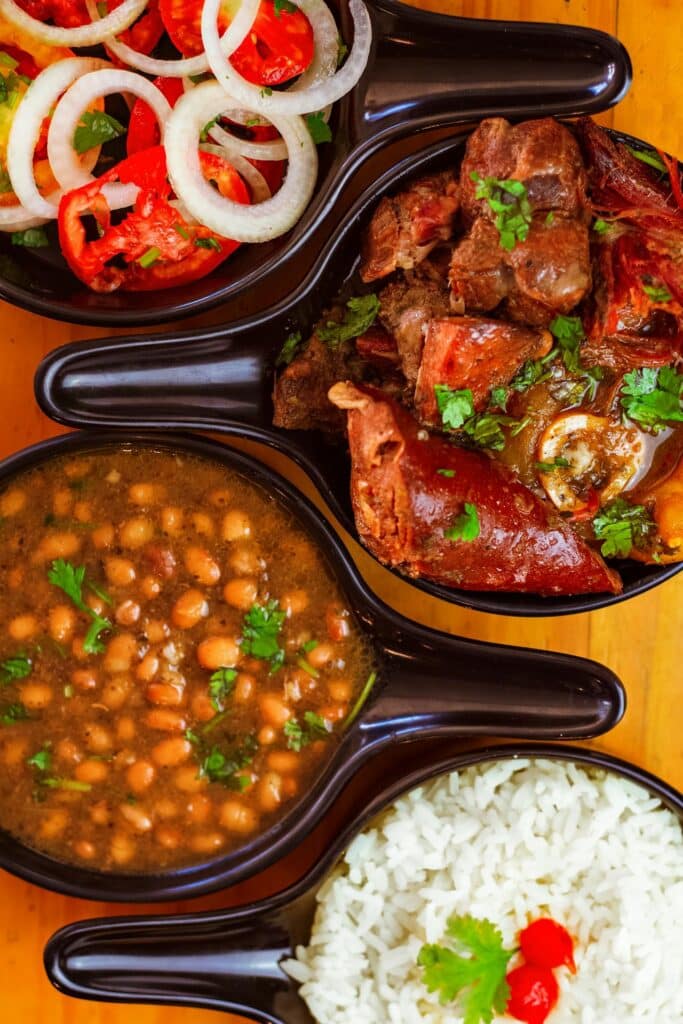
- Thicken it up and serve over rice for a hearty grain bowl
- Add broth and greens for a quick bean soup remix
- Mash it slightly and spread on toast for a rustic, savory bite
Here’s a move most people don’t expect:
Use it as a filling for savory hand pies or empanadas.
It sounds fancy, but it’s really just smart cooking – taking something simple and giving it a second life.
The flavor actually deepens overnight, so in many ways, leftovers are the real reward.
The Role of Time: Why Slow Cooking Wins Every Time
You can’t rush greatness – and ham and beans is proof of that.
Time does more than just cook the beans. It allows flavors to meld, deepen, and transform into something cohesive. That ham doesn’t just sit there – it breaks down, releasing richness into every spoonful.
This is the same principle behind great barbecue. Low heat + time = magic.
Could you speed it up with a pressure cooker? Sure. But you’ll miss out on those subtle layers that develop only through slow simmering.
Flavor isn’t just added – it’s built over time.
So if you’re tempted to crank up the heat or cut the cooking short, don’t. Grab a chair, let the pot do its thing, and trust the process.
Because the best ham and beans aren’t rushed – they’re earned.
Grandma’s Secret Tips
Here’s where the magic really happens:
- Use a ham bone if you have one – it adds a deep, smoky richness you can’t fake
- Don’t salt early – it can toughen the beans
- Keep it at a gentle simmer – boiling ruins texture
- Let it rest 10–15 minutes before serving
And here’s the real kicker:
Add a tiny splash of vinegar or lemon juice at the end.
Sounds strange, right? But that little hit of acid wakes up the entire pot. It’s the difference between “good” and “what did you put in this?!”
Serving Suggestions
A bowl of ham and beans is already a complete meal, but you can level it up:
- Serve with cornbread (non-negotiable in my book)
- Add steamed rice for extra heartiness
- Pair with sautéed greens for balance
- Top with chopped parsley or green onions
Or just grab a spoon and go straight in. No judgment here.
Storage and Reheating
This dish might be even better the next day.
- Store in the fridge for up to 4 days
- Freeze for up to 2–3 months
- Reheat gently on the stove
Add a splash of water or broth when reheating – it thickens as it sits.
Variations and Substitutions
Once you’ve mastered the base, you can play around:
- Swap ham for smoked sausage or bacon
- Use canned beans to cut cooking time
- Go meatless with smoked paprika for depth
- Add chili flakes if you like a little heat
But no matter what you tweak, keep the heart of it intact: slow-cooked, deeply flavored ham and beans.
Nothing Beats Granny’s Love and Warmth in a Bowl of Ham and Beans
At the end of the day, ham and beans isn’t just food – it’s tradition in a bowl.
It’s proof that great cooking isn’t about expensive ingredients or fancy plating. It’s about understanding flavor, respecting time, and knowing a few tricks that turn simple into unforgettable.
If you make this, don’t rush it. Let it simmer, let it develop, and most importantly – make it your own. Because when you finally pull up a chair, you’re not just eating a meal; you’re tasting a memory that feels like home.

Hearty Ham and Beans Recipe from Grandma's Cookbook
Image credit: @easyrecipes.with_paula
Ingredients
- Here’s what you’ll need to build a proper pot of ham and beans:
- Main Ingredients
- 1 lb dried navy or pinto beans
- 2 cups cooked ham (or 1 ham hock for deeper flavor)
- 1 medium onion, chopped
- 3 cloves garlic, minced
- 2 carrots, diced (optional but recommended)
- 2 celery stalks, diced
- Seasonings
- 1 bay leaf
- ½ tsp black pepper
- Salt (add later – trust me on this)
- Optional: thyme or smoked paprika
- Liquid
- 6–8 cups water or chicken broth
- Chef’s note: If you’re in a rush, canned beans work – but you’ll lose some of that slow-developed depth. And depth is the whole game here.
- Kitchen Tools Needed
- Nothing fancy – this recipe is old-school for a reason:
- Large pot or Dutch oven
- Knife and cutting board
- Measuring cups
- Wooden spoon
- Optional: slow cooker or pressure cooker, but honestly? A pot on the stove gives you the most control.
Instructions
1. Prep the Beans
If you’ve got time, soak the beans overnight. If not, do a quick soak: boil for 2 minutes, then let them sit for an hour.
Why this matters: Proper soaking means even cooking and better texture. Nobody wants crunchy beans in their comfort food.
2. Build the Flavor Base
Heat a bit of oil in your pot and sauté the onion, garlic, carrots, and celery.
Cook until softened and fragrant – about 5–7 minutes.
This is where your ham and beans start developing character.
3. Add Beans and Ham
Drain your beans and toss them into the pot along with the ham or ham hock. Add bay leaf, pepper, and your liquid.
Bring it to a gentle boil, then reduce to a low simmer.
4. Simmer Low and Slow
Let it cook for 1.5 to 2 hours, stirring occasionally.
This is where patience pays off. The beans soften, the broth thickens, and the ham starts to break down into the mix.
This is the secret most people rush – and it shows.
5. Adjust Seasoning
Only now do you add salt. Taste first – ham is already salty.
Remove the bay leaf.
6. Optional: Thicken the Pot
Mash a small portion of the beans against the side of the pot and stir. Instant creamy texture without adding anything extra.
Featured image credit: @hurstbeans
