
A common misconception among many folks is that great barbecue starts with expensive meat or fancy rubs. Truth is, great BBQ starts with fire control.
You can hand two people the same smoker, the same charcoal, and the same brisket, and one cook will turn out smoky perfection while the other produces something that tastes like a campfire-flavored shoe.
That difference usually comes down to BBQ fire management.
A lot of beginners make BBQ harder than it needs to be. They chase temperatures every five minutes, panic when the thermometer moves ten degrees, and crank vents open and closed like they’re trying to launch a submarine.
Meanwhile, experienced pitmasters are sitting in lawn chairs sipping coffee because they understand one thing:
Once you learn how charcoal, vents, and airflow work together, BBQ starts making a whole lot more sense. The smoke gets cleaner. Temperatures stay stable. Food cooks more evenly.
And you stop opening the lid every thirty seconds like an anxious parent checking on a sleeping baby.
Let’s break it all down simply.
Understanding the Basics of BBQ Fire Management
At its core, BBQ fire management means controlling three things:
- Fuel
- Oxygen
- Heat
That’s it. Every grill and smoker on Earth works using those same principles.
Think of your fire like a living thing. Feed it oxygen and fuel, and it grows stronger. Restrict airflow, and it calms down. Ignore it too long, and it throws a tantrum at 275°F while your ribs dry out.
The biggest mistake beginners make is assuming BBQ is about building a giant fire. It’s not.
Barbecue is controlled combustion.
You’re trying to maintain steady cooking temperatures for hours, not recreate a volcano in your backyard.
Low and slow cooking especially depends on balance. A stable 250°F fire will almost always beat a wildly swinging fire bouncing between 180°F and 350°F.
And yes, your neighbors may still think you’re performing ancient smoke rituals. That’s part of the experience.
Types of Charcoal and How They Burn
Not all charcoal behaves the same way. Understanding the difference matters because fuel directly affects airflow, temperature stability, and smoke quality.
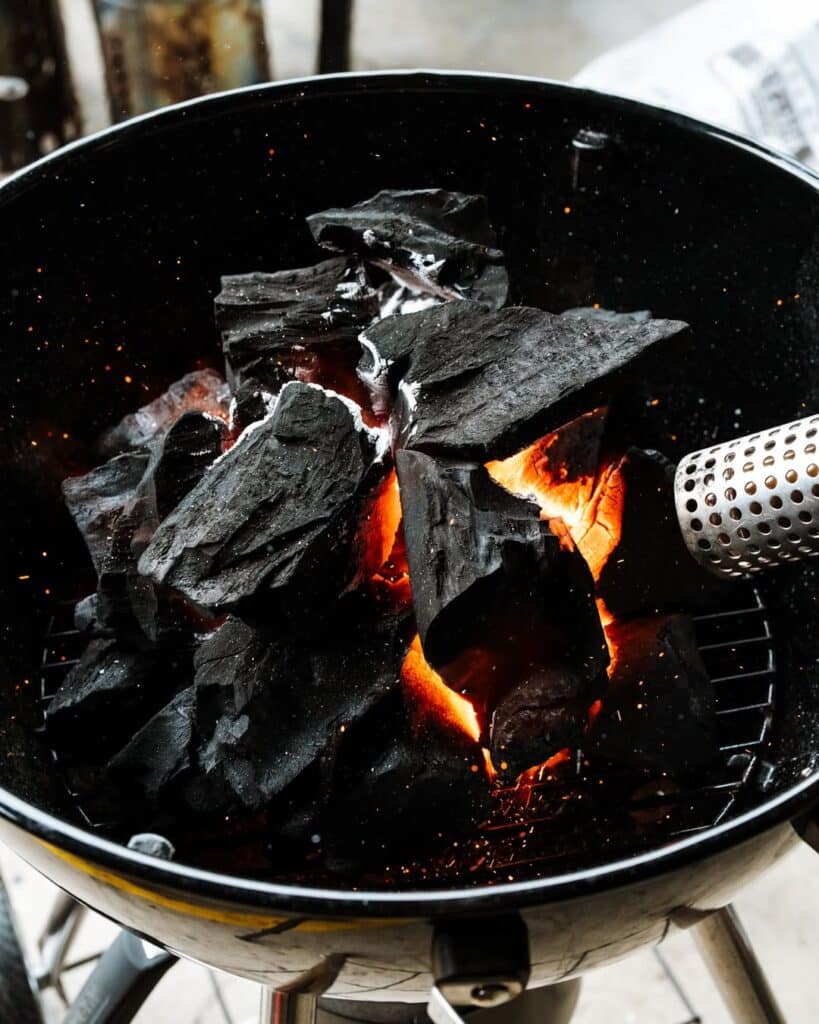
Lump Charcoal
Lump charcoal is made from real hardwood burned down into carbon. It lights quickly, burns hotter, and produces a natural wood-fire flavor many pitmasters love.
Pros:
- Burns hot fast
- Produces less ash
- Great flavor
- Responds quickly to airflow changes
Cons:
- Burns unevenly sometimes
- Different chunk sizes
- Can spike temperatures quickly
Using lump charcoal is a little like cooking with a sports car. Fast, powerful, exciting – but it demands attention.
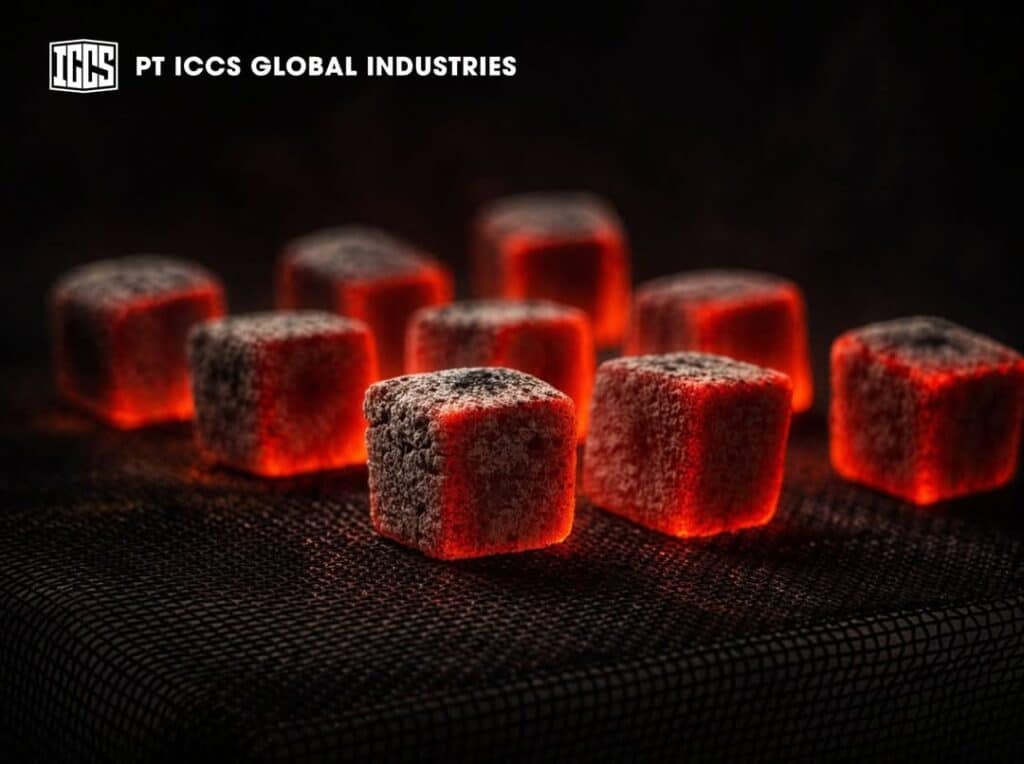
Charcoal Briquettes
Briquettes are compressed charcoal mixed with binders and fillers for consistent shape and burn time.
They’re predictable. Reliable. The “dad jeans” of BBQ fuel.
Pros:
- Consistent heat
- Long burn times
- Easier for beginners
- Great for overnight cooks
Cons:
- Produces more ash
- Slightly less natural smoke flavor
- Slower to react
For long smoking sessions, many pitmasters prefer briquettes because they maintain steady temperatures with less babysitting.
Charcoal Arrangement Matters
How you place charcoal changes everything.
Two-Zone Setup
One side hot, one side cooler. Perfect for grilling burgers, chicken, or steaks because you can move food away from flare-ups.
Snake Method
Charcoal arranged in a curved line around the grill. Excellent for long cooks because the fire slowly burns through the chain over several hours.
Minion Method
Unlit charcoal topped with a small amount of lit charcoal. This creates gradual ignition and stable temperatures for smoking.
Good BBQ fire management often starts before the fire is even lit.
How BBQ Vents Actually Work
Vents confuse beginners more than almost anything else. People treat them like mystery dials from a spaceship. In reality, vents simply control oxygen flow. And oxygen controls fire.
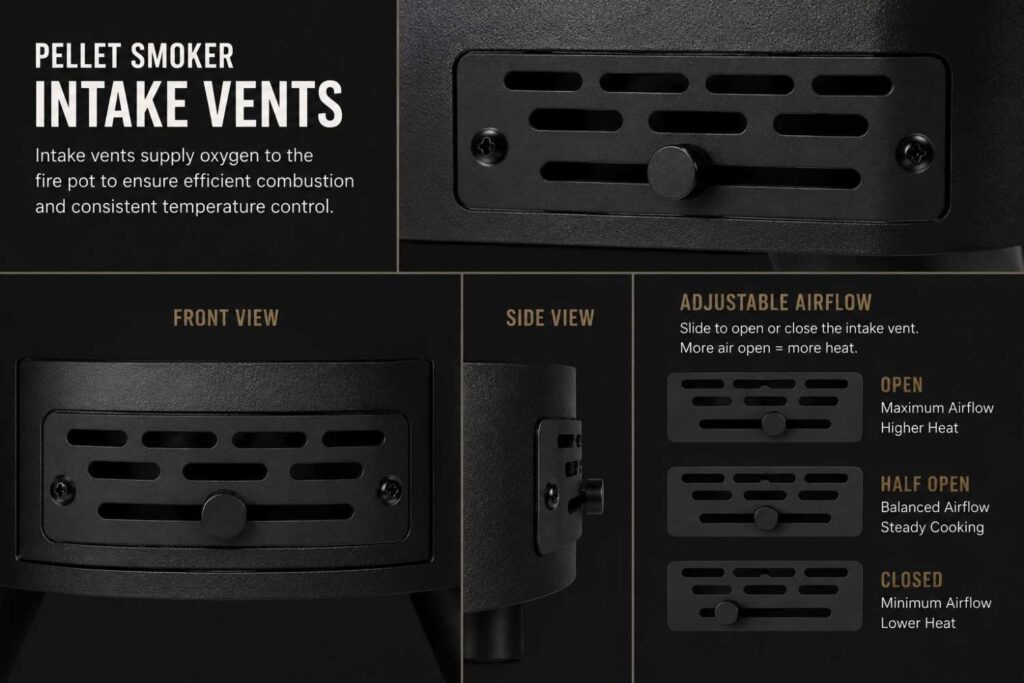
Intake Vents
Usually located near the bottom of the grill or smoker. These vents allow fresh oxygen into the cooker.
More open intake vents:
- More oxygen
- Hotter fire
- Faster charcoal burn
Less open intake vents:
- Reduced oxygen
- Lower temperatures
- Slower burn rate
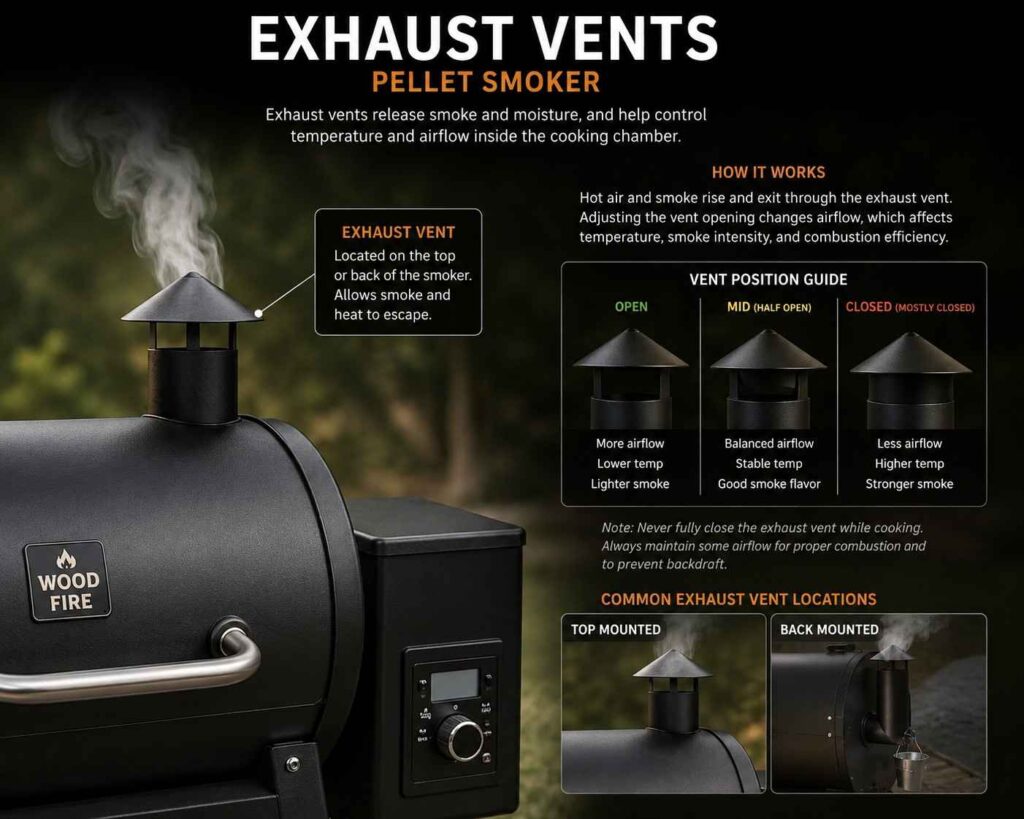
Exhaust Vents
Usually found on top. These allow heat, smoke, and gases to escape. A common beginner mistake is closing the top vent too much.
Don’t do that.
Closing the exhaust too heavily traps dirty smoke inside the cooker, and dirty smoke tastes bitter. Your brisket should taste smoky, not like it survived a house fire.
A good rule:
Control temperature mostly with the bottom vent. Keep the top vent mostly open.
Understanding Airflow in a BBQ Smoker or Grill
Airflow is the invisible engine behind great barbecue. You can have premium charcoal and an expensive smoker, but without proper airflow, the fire struggles.
Clean Smoke vs Dirty Smoke
This is huge. Beginners often think thick white smoke equals strong BBQ flavor. Actually, thick white smoke usually means incomplete combustion. That bitter, harsh flavor? That’s dirty smoke.
Clean smoke looks like:
- Thin blue smoke
- Light wispy smoke
- Sometimes almost invisible
Dirty smoke looks like:
- Thick white clouds
- Heavy gray smoke
- Acrid smell
If your backyard looks like a tire fire, something needs adjusting. Usually the problem is restricted airflow.
Lid Position Matters
Every time you open the lid:
- Heat escapes
- Oxygen rushes in
- Fire intensity changes
That quick “peek” can raise temperatures fast. Pitmasters joke that if you’re looking, you’re not cooking. And honestly, there’s truth in it. Trust your thermometer more than your curiosity.
Weather Affects Fire
Wind can turn a stable smoker into chaos. Cold weather forces the fire to work harder.
Rain increases humidity and impacts combustion.
Experienced pitmasters often position smokers strategically to block wind because even small airflow changes affect temperature control.
Nature loves testing your patience during BBQ.
How to Build and Maintain a Stable BBQ Fire
A stable fire starts with proper lighting.
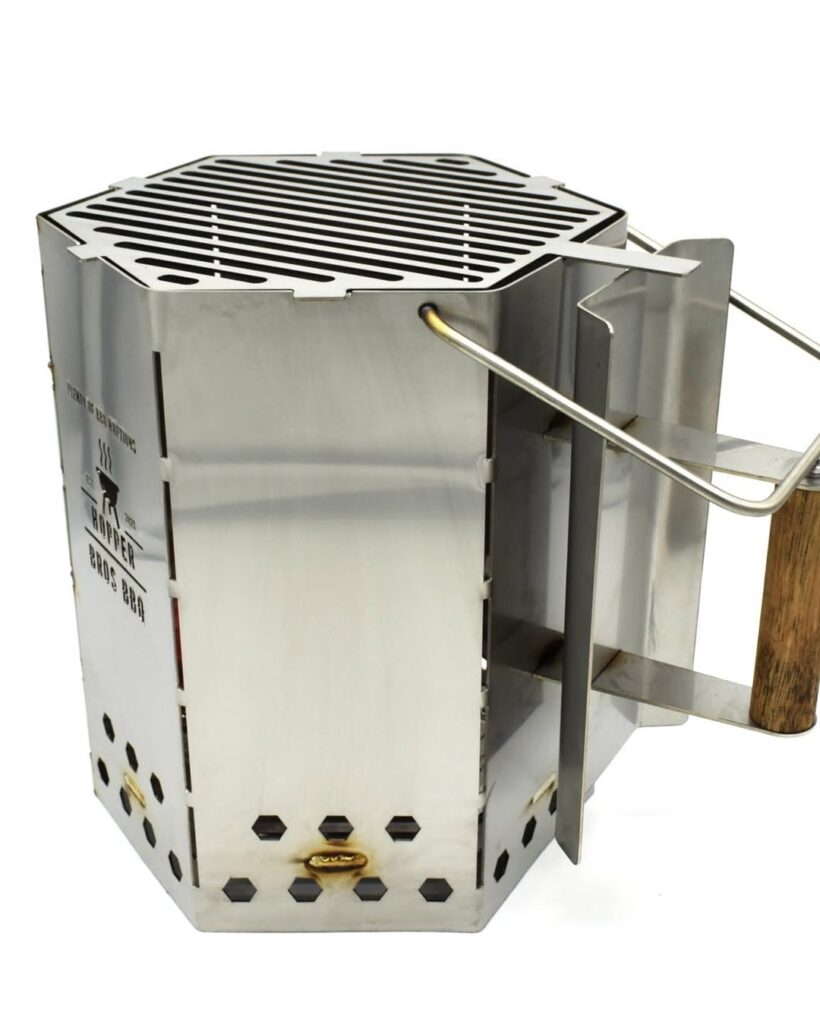
Use a Chimney Starter
A chimney starter is one of the best BBQ tools ever invented. No lighter fluid. No chemical taste. No regret. Fill the chimney with charcoal, light newspaper underneath, and wait until the coals ash over.
Simple.
Lighter fluid might seem convenient, but nobody wants ribs tasting like gasoline.
Don’t Use Too Much Charcoal
Beginners often overload their grills. More charcoal doesn’t automatically mean better cooking.
It usually means:
- Temperature spikes
- Harder control
- Wasted fuel
Start smaller than you think you need. You can always add more later.
Adding Charcoal During Long Cooks
For longer smoking sessions:
- Add unlit charcoal gradually
- Avoid dumping large amounts at once
- Keep airflow steady
Sudden fuel dumps create sudden temperature swings. And temperature swings are the enemy of consistency.
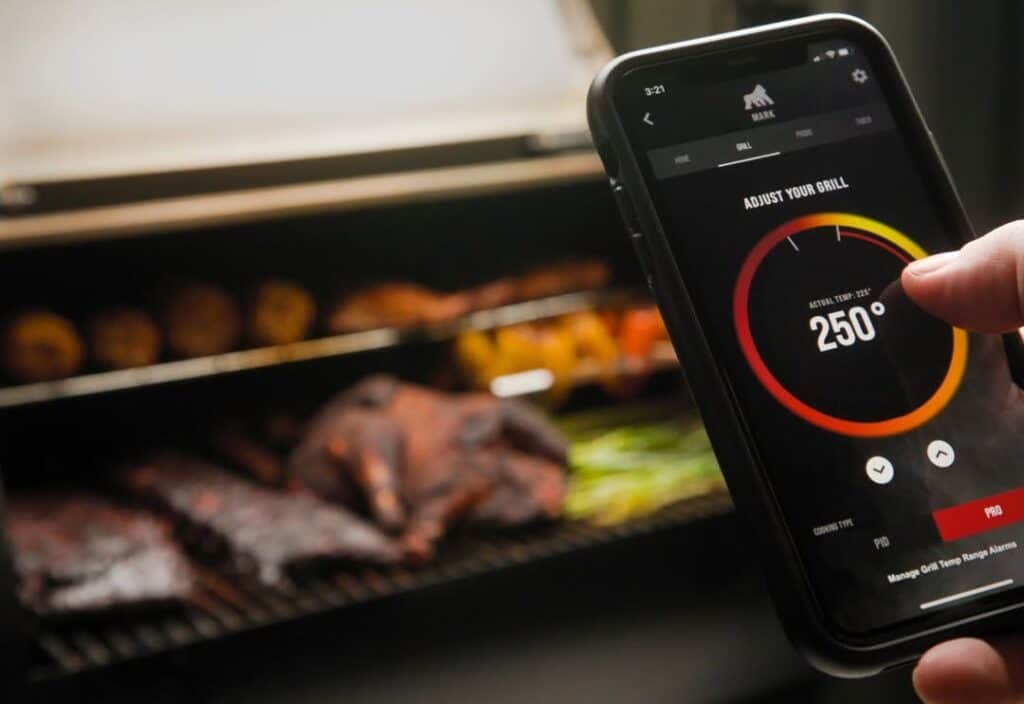
Managing Temperature Swings
Here’s where beginners panic. The thermometer moves from 250°F to 265°F and suddenly they’re twisting vents like a safecracker in a heist movie.
Relax.
Small fluctuations are normal. In fact, experienced pitmasters know that stable cooking matters more than obsessing over exact numbers.
A cooker holding between 240°F and 270°F consistently is usually perfectly fine.
Fire Management Techniques for Different BBQ Styles
Different cooking styles require different fire setups.
Direct Heat Cooking
This is classic grilling. Steaks. Burgers. Hot dogs. Chicken thighs. Food sits directly over the flame.
Best practices:
- Use high heat
- Create a cool zone nearby
- Watch for flare-ups
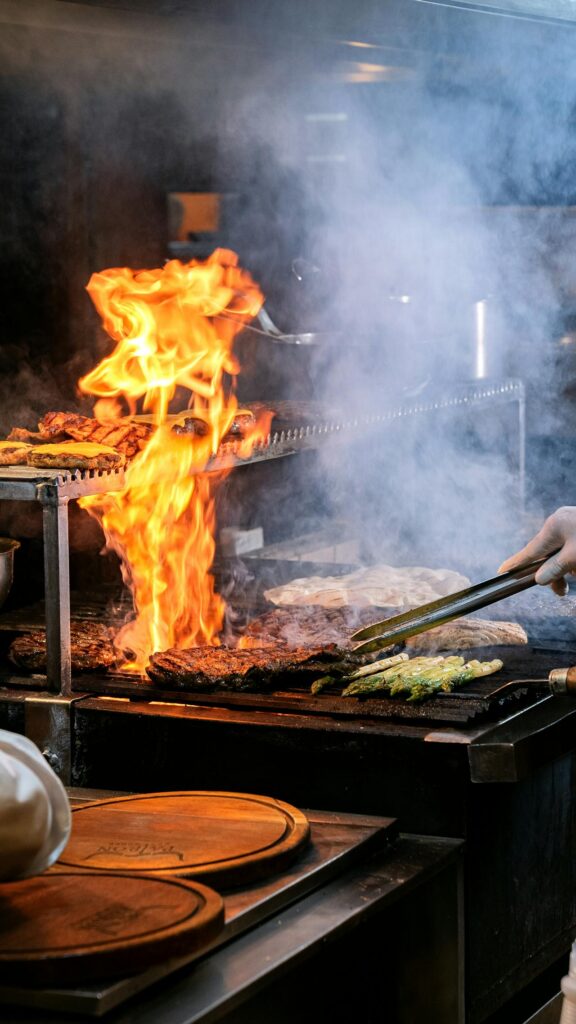
Fat dripping onto charcoal creates flavor, but too much causes burned food fast. There’s a fine line between “beautiful char” and “carbonized regret.”
Indirect Heat Cooking
Indirect cooking places food away from direct flames. This creates oven-like cooking conditions.
Perfect for:
- Whole chickens
- Pork shoulders
- Ribs
- Brisket
This method relies heavily on controlled airflow and stable charcoal burn.
Low and Slow Smoking
Low and slow cooking is where BBQ fire management becomes an art form. You’re maintaining steady heat for many hours.
The goal is:
- Stable temperatures
- Clean smoke
- Controlled oxygen flow
Patience matters here more than gadgets. A calm pitmaster usually cooks better BBQ than a stressed one.
High-Heat Searing
For searing steaks:
- Open vents wider
- Increase oxygen flow
- Build concentrated heat zones
Lump charcoal shines here because it burns hotter and faster. Just don’t walk away. A steak can go from medium-rare to meteorite surprisingly fast.
Common BBQ Fire Problems and How to Fix Them
Every pitmaster runs into problems. Even experienced ones. The difference is knowing how to recover.
Fire Keeps Going Out
Usually caused by:
- Poor airflow
- Excess ash buildup
- Damp charcoal
Ash blocks oxygen from reaching coals. This is especially common with briquettes because they produce more ash over time. Clean your smoker regularly. Your fire needs room to breathe.
BBQ Running Too Hot
This usually means:
- Too much fuel
- Too much oxygen
- Vents too open
Instead of slamming vents shut completely, make gradual adjustments. Fire responds slowly sometimes. Think of BBQ like steering a large boat, not driving a go-kart.
Uneven Cooking Temperatures
Hot spots happen in every grill. Learn where yours are. Experienced pitmasters rotate food during cooks because no cooker distributes heat perfectly.
Even expensive smokers have personality quirks. Some behave like precision instruments. Others behave like emotional support dragons.
Bitter Smoke Flavor
This almost always traces back to dirty smoke.
Fixes include:
- Better airflow
- Cleaner-burning charcoal
- Avoiding smothered fires
- Keeping the exhaust vent open
Remember:
Good smoke smells pleasant. Bad smoke smells angry.
How Ash Buildup Secretly Ruins BBQ Fire Management
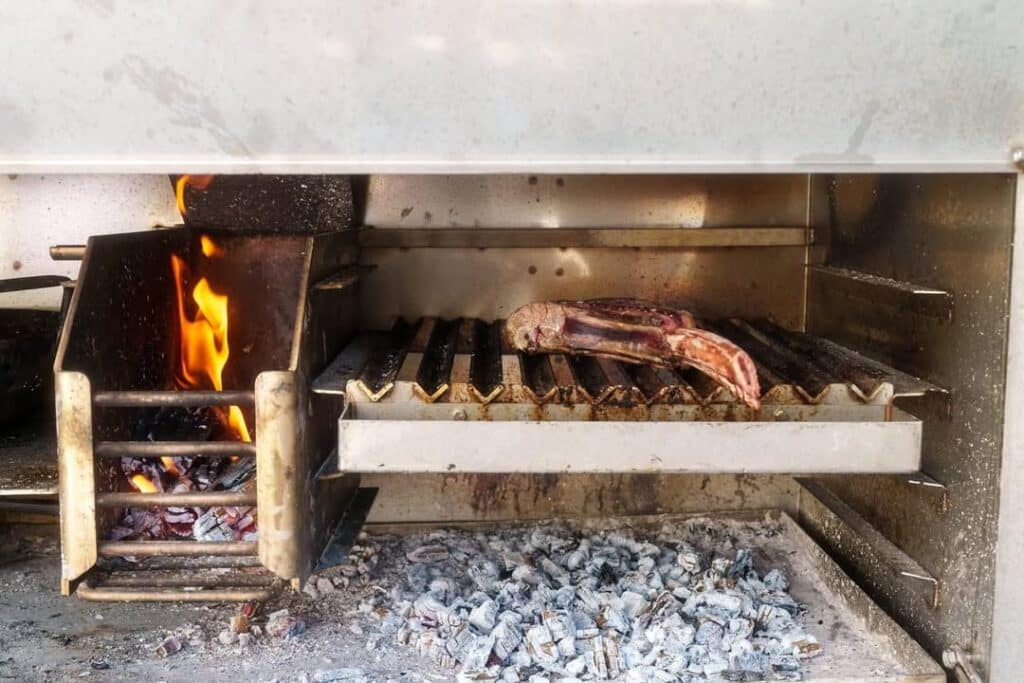
One thing many beginners overlook in BBQ fire management is the effect of ash buildup. As charcoal burns, it naturally creates ash, and over time that ash can quietly choke your fire without you realizing it.
Many people assume the charcoal is simply burning out, when the real issue is blocked airflow underneath the coals.
This happens most often during long smoking sessions, especially when using briquettes because they create more ash than lump charcoal.
Signs ash buildup is hurting your fire:
- Temperatures slowly dropping for no clear reason
- Charcoal struggling to stay lit
- Thick, dirty smoke developing late in the cook
- Weak airflow inside the smoker
Experienced pitmasters regularly shake charcoal grates or clear ash during overnight cooks to keep oxygen moving freely. Think of ash like a heavy winter blanket covering your fire. The more buildup you have, the harder it becomes for the coals to breathe.
A clean fire:
- Burns hotter
- Produces cleaner smoke
- Maintains steadier temperatures
- Creates more reliable cooking results
Sometimes the difference between perfect ribs and disappointing ribs is simply removing a few cups of ash before the cook even begins.
Why Preheating Your Smoker Makes a Huge Difference
A lot of people rush to put food on the grill the second the charcoal lights up, but experienced pitmasters know that preheating the smoker is a major part of proper BBQ fire management. Your cooker needs time to stabilize before the meat ever touches the grate.
During preheating:
- The smoker walls absorb heat
- Airflow patterns settle down
- Dirty startup smoke burns away
- Temperatures become more consistent
If you skip this step, your meat can absorb harsh smoke flavors early in the cook. That first 20 to 30 minutes is more important than most beginners realize.
A properly preheated smoker also recovers temperature faster whenever you open the lid. Instead of struggling to regain heat, the cooker stays more stable throughout the cook.
Think of it like warming up an engine before a long road trip. Sure, you can slam the gas pedal immediately, but things usually run smoother when everything reaches the right operating temperature first.
Simple preheating tips:
- Let charcoal fully ash over before cooking
- Preheat the smoker for at least 20 minutes
- Watch for thin, clean smoke before adding food
- Avoid rushing the startup phase
Good barbecue rewards patience almost every single time.
The Surprising Role of Wood Chunks in Fire Control
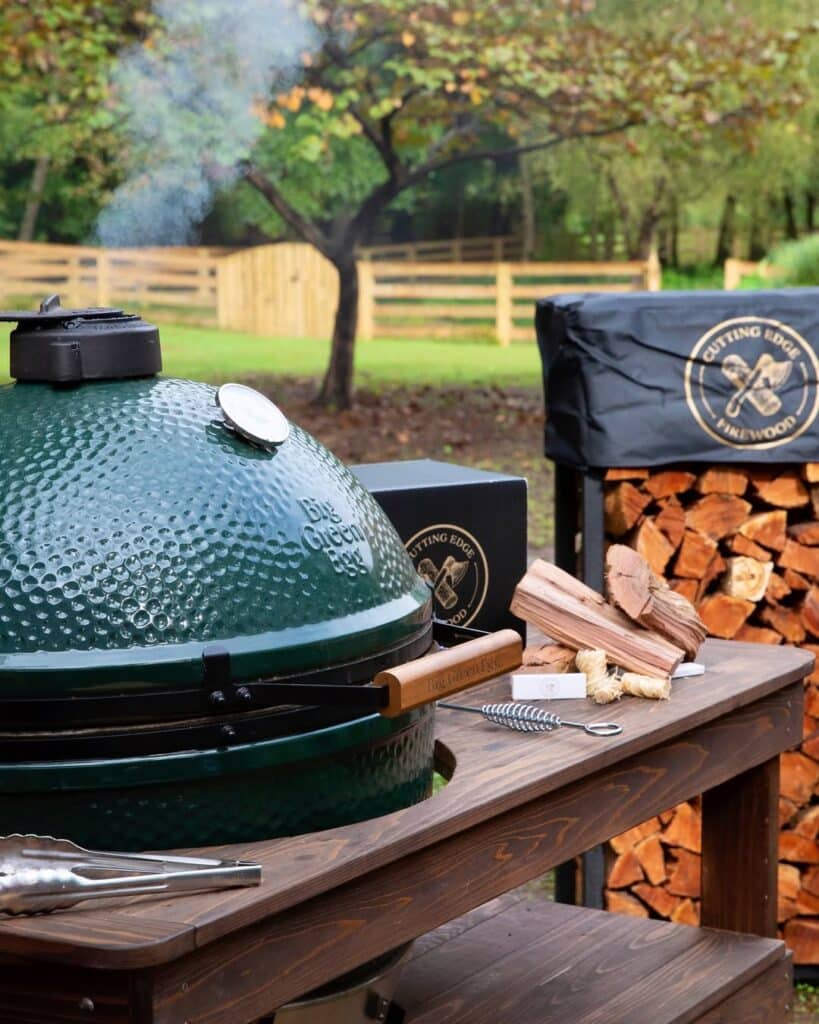
Most people think wood chunks are only there to add smoke flavor, but they also affect BBQ fire management in subtle ways. Different woods burn at different speeds and intensities, which changes both heat output and airflow inside the cooker.
Smaller wood chunks:
- Ignite faster
- Produce quick bursts of smoke
- Increase heat rapidly
- Burn out quicker
Larger wood chunks:
- Burn slower
- Produce steadier smoke
- Help maintain longer cooks
- Create more controlled flavor
One common beginner mistake is adding too much wood at once. Overloading the fire can temporarily smother airflow and create thick, bitter smoke that overwhelms the meat.
That’s why experienced pitmasters add wood gradually instead of dumping in half a bag like they’re fueling a steam locomotive. Wood moisture also matters.
Dry wood:
- Burns cleaner
- Produces lighter smoke
- Creates more stable combustion
Damp wood:
- Produces dirty smoke
- Burns unevenly
- Creates bitter flavors
The goal is balance. Great barbecue smoke should support the meat, not attack your taste buds like a smoky heavyweight boxer looking for a knockout in round one.
Useful BBQ Fire Management Tools
You don’t need every gadget on the market, but a few tools genuinely help.
Chimney Starter
Probably the best value tool in BBQ. Reliable ignition without chemicals. Simple and effective.
Digital Thermometers
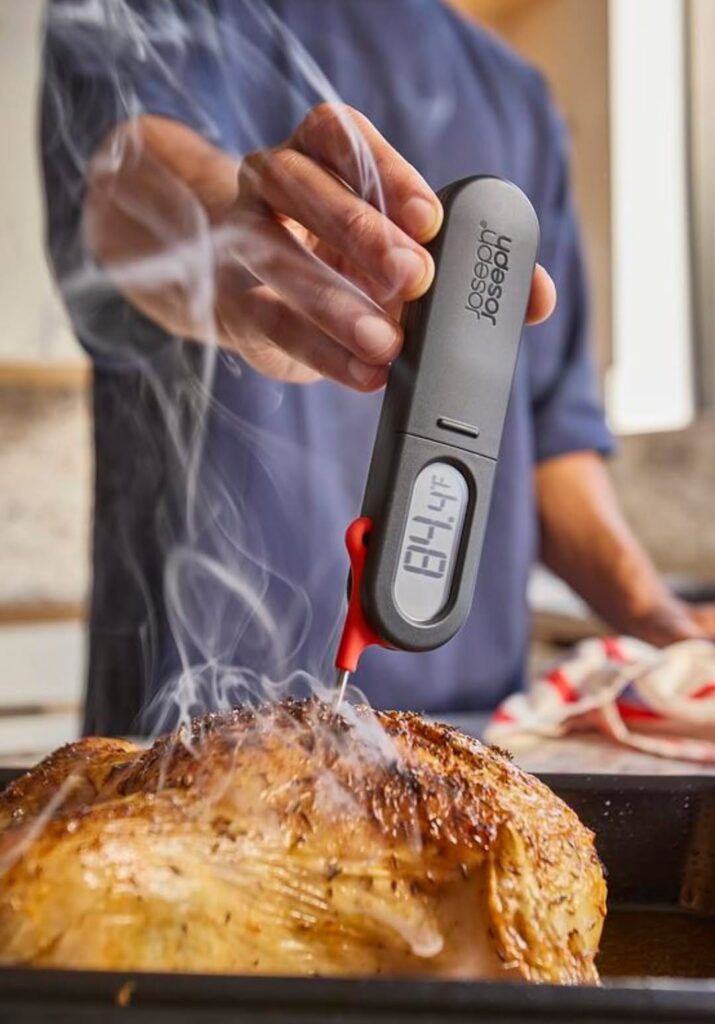
The thermometer built into most grills is often wildly inaccurate. A good digital probe thermometer changes everything. You stop guessing and start cooking with confidence.
Charcoal Baskets
These help organize fuel for:
- Better airflow
- More consistent heat
- Easier charcoal management
Especially useful in kettle grills.
Heat-Resistant Gloves
Because eventually every pitmaster touches something they shouldn’t. Usually while saying:
“I barely touched it.”
Beginner Tips for Better BBQ Fire Control
Stop Chasing Temperatures
This is the biggest lesson. Tiny fluctuations are normal. Constant vent adjustments create instability. Make small changes and wait.
Learn Your Cooker
Every smoker behaves differently.
Over time, you’ll learn:
- Where hot spots form
- How quickly vents react
- How much charcoal your cooker needs
That knowledge matters more than fancy equipment.
Keep Notes
Serious pitmasters track:
- Charcoal amounts
- Vent positions
- Weather conditions
- Cook times
You don’t need a laboratory notebook, but simple notes help improve consistency fast.
Practice Short Cooks First
Before attempting a 14-hour brisket, practice with:
- Chicken
- Burgers
- Pork chops
Short cooks teach fire control without the stress of overnight smoking sessions. And if things go sideways, dinner isn’t ruined for half a day.
Update Your Knowledge on BBQ Fire Management
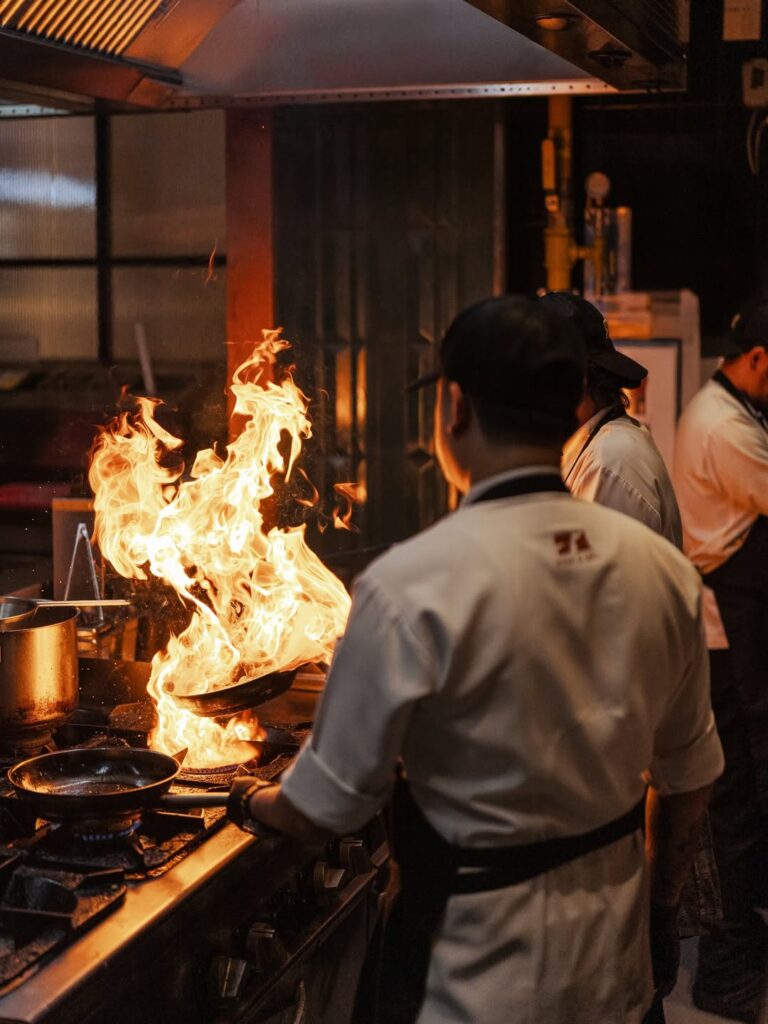
At the end of the day, BBQ fire management is really about understanding relationships. Charcoal creates fuel. Vents control oxygen. Airflow determines combustion. And together, they control heat, smoke, and flavor.
Once you understand how those pieces work together, BBQ becomes far less intimidating. You stop fighting the fire and start working with it. That’s when barbecue gets fun.
You’ll still have bad cooks sometimes. Every pitmaster does. One day the fire behaves beautifully, and the next day a gust of wind humbles you in front of your entire family.
That’s barbecue.
But mastering fire management gives you consistency, confidence, and better food. And eventually, you’ll reach the point where you can glance at the smoke coming from your cooker and instantly know whether the fire is happy.
That’s the kind of backyard wizardry every pitmaster secretly loves.
Frequently Asked Questions
What is BBQ fire management?
BBQ fire management is the process of controlling heat, smoke, and airflow inside a grill or smoker. It involves managing charcoal, vent settings, oxygen flow, and cooking temperatures to create consistent barbecue results.
Why is airflow so important in BBQ?
Airflow controls how much oxygen reaches the fire. More oxygen creates a hotter fire, while restricted airflow lowers temperatures. Proper airflow also helps produce clean smoke instead of thick, bitter smoke that can ruin food flavor.
Should BBQ vents stay open or closed?
In most cases, the top exhaust vent should stay mostly open to allow clean smoke and heat to escape. The bottom intake vent is usually used to control cooking temperatures by adjusting oxygen intake.
What’s the difference between lump charcoal and briquettes?
Lump charcoal burns hotter and faster with a more natural wood flavor, while briquettes burn longer and more consistently. Lump charcoal produces less ash, but briquettes are often easier for beginners to manage during long cooks.
Why does my charcoal fire keep going out?
A fire usually goes out because of poor airflow, excess ash buildup, damp charcoal, or restricted vents. Cleaning ash regularly and maintaining proper oxygen flow helps keep the fire stable during long cooks.
What does clean smoke look like?
Clean smoke is usually thin, light blue, or almost invisible. Thick white smoke often means the fire is struggling and producing dirty smoke, which can make meat taste bitter and harsh.
How do I keep my BBQ temperature stable?
To maintain steady temperatures:
- Make small vent adjustments
- Avoid opening the lid too often
- Use consistent charcoal amounts
- Keep airflow unobstructed
- Allow the smoker time to stabilize
Patience is one of the biggest secrets to successful BBQ fire management.
Is it normal for BBQ temperatures to fluctuate?
Yes. Small temperature swings are completely normal. Most pitmasters consider fluctuations of 10–20°F acceptable during long cooks. Constantly chasing perfect temperatures often causes bigger problems.
Why should I avoid lighter fluid?
Lighter fluid can leave chemical flavors on food and create unpleasant smoke. Most pitmasters prefer chimney starters because they light charcoal naturally without affecting flavor.
How long should I preheat my smoker?
Most smokers should preheat for about 20–30 minutes before adding food. This helps stabilize temperatures, warm the cooking chamber, and burn off dirty startup smoke.
How often should I add charcoal during long cooks?
That depends on your grill, charcoal type, and cooking temperature. During low-and-slow cooks, many pitmasters add small amounts of charcoal every few hours instead of adding large amounts all at once.
Does weather affect BBQ fire management?
Absolutely. Wind can increase airflow and raise temperatures, while cold weather forces the fire to work harder. Rain and humidity can also affect charcoal combustion and smoke quality.
What causes bitter smoke flavor in BBQ?
Bitter flavor usually comes from dirty smoke caused by:
- Poor airflow
- Smothered fires
- Too much wood at once
- Damp wood chunks
- Restricted exhaust vents
Clean-burning fires create better-tasting barbecue.
What is the best charcoal setup for beginners?
A two-zone cooking setup is one of the easiest methods for beginners. It creates:
- A hot direct heat zone
- A cooler indirect heat zone
This setup gives you more control and reduces the risk of burning food.
Do expensive smokers make fire management easier?
Not always. While premium smokers may hold heat better, good BBQ fire management still comes down to understanding airflow, charcoal control, and temperature management. Even simple grills can produce amazing barbecue with proper technique.
Featured image credit: @townofdeepriver
