
“You can’t rush barbecue. It’s done when it’s done, but more importantly, it’s done when the meat tells you it’s done.”
Central Texas BBQ icon Aaron Franklin nailed the core philosophy, but here is what most folks forget: your meat communicates through internal temperature, not the clock.
Ever watched a grown adult poke a $100 brisket with a thumb, stare into the heavens like an ancient oracle, and announce, “Yep, she’s ready”? That isn’t expertise; that’s gambling with dinner.
Cooking meat over live fire without an accurate digital thermometer is like driving blindfolded down an interstate because you “know the road by feel.”
You might make it to your destination, or you might end up eating a shoe-leather brisket that cost more than your first car payment.
To achieve legendary, melt-in-your-mouth barbecue, guessing by time, color, or vibe needs to stop today. Internal meat temperatures dictate every single thing happening under the hood of your smoker – from food safety to collagen breakdown and moisture retention.
Here is the exact playbook on internal meat temperatures to turn your backyard smoke pit into a fine-tuned flavor laboratory.
Understanding Barbecue Physics: Stall, Softening, and Safety
Before diving into specific cuts, let’s look at the underlying science. Smoking meat isn’t just baking with smoke; it’s a chemical conversion process.
The Core Stages of Smoking
- Stage 1: Raw Meat (Tough Muscle) – High in raw collagen and water content.
- Stage 2: The Stall (165°F / 74°C) – Moisture evaporates from the surface, cooling the meat down and stalling your cook.
- Stage 3: Collagen Conversion (160°F – 180°F / 71°C – 82°C) – Tough connective tissues begin breaking down into silky gelatin.
- Stage 4: The Sweet Spot (203°F / 95°C) – Fat is completely rendered, leaving meat tender and ready to pull.
165°F (74°C) – The Stall & Wrap Point
Around 150°F to 170°F, your meat will suddenly stop rising in temperature. It will sit there for hours, mocking your patience. This maddening phenomenon is evaporative cooling – the meat is essentially sweating out moisture as fast as the smoker heats it up.
- The Fix: This is where pitmasters employ the “Texas Crutch.” Wrapping your meat in butcher paper or aluminum foil at roughly 165°F traps the moisture, kills the evaporation process, and pushes the meat past the stall without drying out the exterior.
160°F–180°F – Collagen Conversion
Tough barbecue cuts (brisket, pork shoulder, beef ribs) are packed with collagen – a rigid structural protein.
- Between 160°F and 180°F, heat converts collagen into soft, silky gelatin.
- This transformation takes time and sustained heat, which is why a brisket pulled at a food-safe 165°F tastes like a piece of chewed cardboard, but one pulled at 203°F melts on your tongue.
200°F–205°F – The Sweet Spot
For low-and-slow tough cuts, the USDA minimum safe temp of 145°F is irrelevant. The real magic happens between 200°F and 205°F. At this threshold, fat has fully rendered, collagen is completely liquefied, and the meat fibers naturally separate under light pressure.
Carryover Cooking & Thermal Mass
Heat doesn’t stop moving the moment meat leaves the smoker.
- A massive 15-pound brisket carries immense thermal mass.
- It will continue to cook internally, driving temperatures up by another 5°F to 10°F while sitting on your cutting board.
- Always pull your meat slightly before your target final temperature to prevent overcooking.
The Essential Meat Temperature Master Reference
Bookmark this table or save it to your phone. It covers target pull temperatures and final serving targets across all major proteins.
| Cut of Meat | Ideal Smoke Temp | Pull Temp (Off Heat) | Final Target Temp | Key Doneness Indicator |
| Beef Brisket | 225°F – 250°F | 200°F – 203°F | 203°F – 205°F | Probe slides in like warm butter |
| Beef Short Ribs | 250°F – 275°F | 203°F – 205°F | 205°F – 208°F | Meat pulled back heavily from bone |
| Pork Shoulder (Pulled) | 225°F – 250°F | 201°F – 203°F | 203°F – 205°F | Bone slides out clean with no grip |
| Pork Ribs | 225°F – 250°F | 195°F – 200°F | 195°F – 203°F | Bend test: surface breaks slightly |
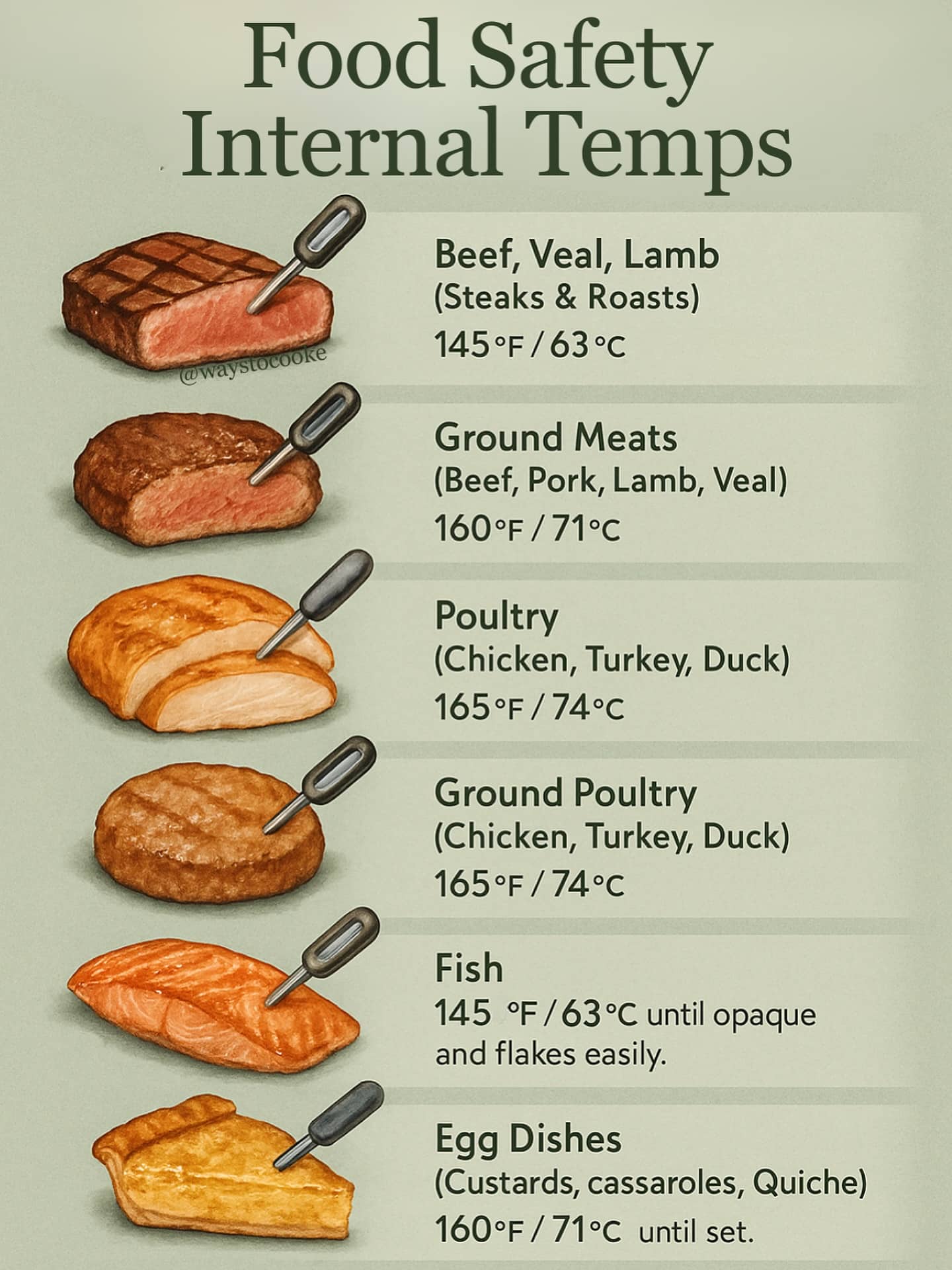
| Pork Loin / Tenderloin | 225°F – 275°F | 140°F – 142°F | 145°F | Slightly pink interior, 3-min rest |
| Poultry Breast | 250°F – 300°F | 160°F | 165°F | Juices run clear, firm to probe |
| Poultry Thighs/Wings | 275°F – 325°F | 175°F – 180°F | 180°F – 185°F | Rendered fat, tender bite |
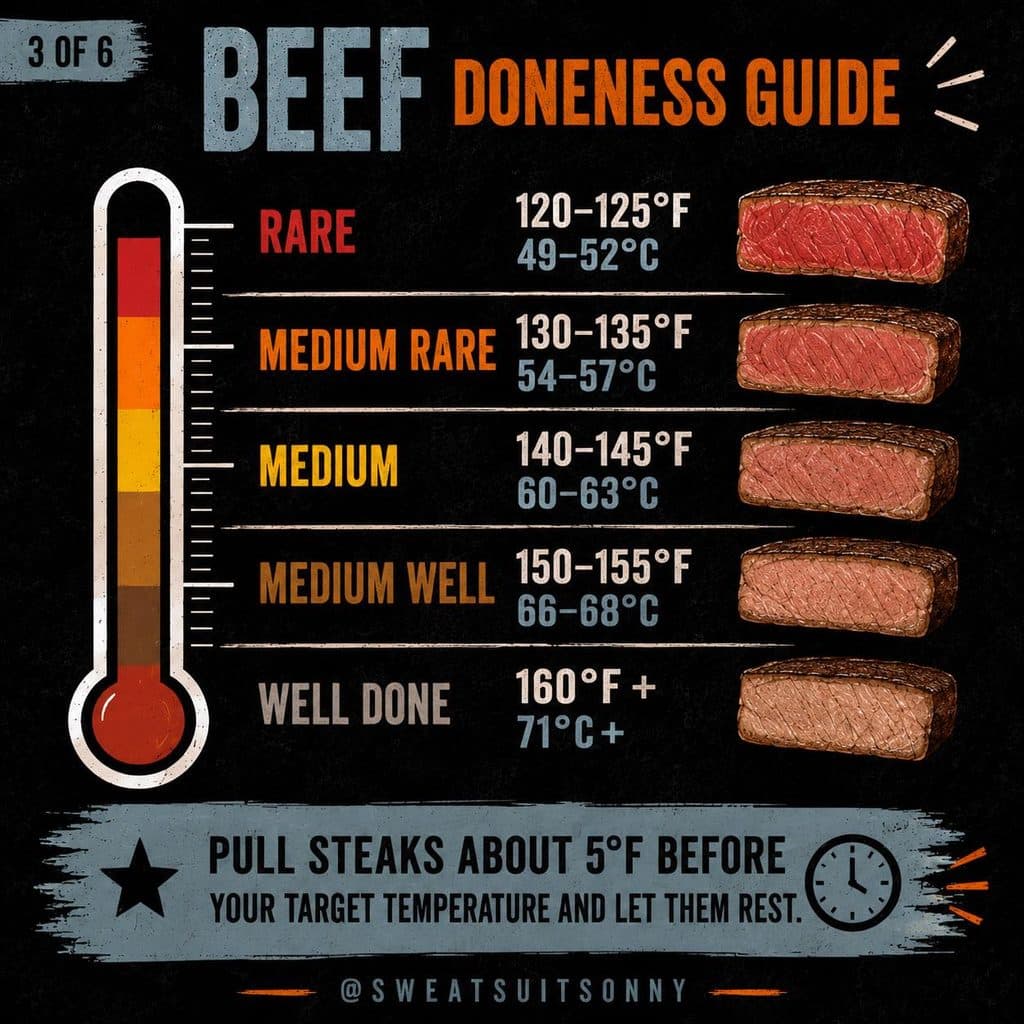
| Steak (Medium-Rare) | 225°F (Reverse Sear) | 120°F – 125°F | 130°F – 135°F | Rich red-pink center after sear |
Beef: Master Temps for Brisket, Ribs, and Steaks
Beef demands respect. Skimp on temperature control here, and you are throwing expensive cuts directly into the trash.
The Two Sections of Brisket
- The Flat: Leaner muscle structure requiring a pull target of 200°F–202°F to retain moisture.
- The Point: Fattier muscle with heavy marbling requiring a pull target of 203°F–205°F to fully render.
Smoked Beef Brisket (Flat & Point)
Brisket is the ultimate test of a pitmaster’s patience. It consists of two muscles: the lean Flat and the fatty Point.
- Wrap Target: 165°F–170°F. Wrap when the dark bark is set and doesn’t rub off when scratched.
- Pull Target: 203°F. Never pull by temperature alone – use a probe. When your thermometer slides into the center of the Flat like it’s entering a tub of softened butter, it’s done.
Beef Short Ribs / Dinosaur Ribs
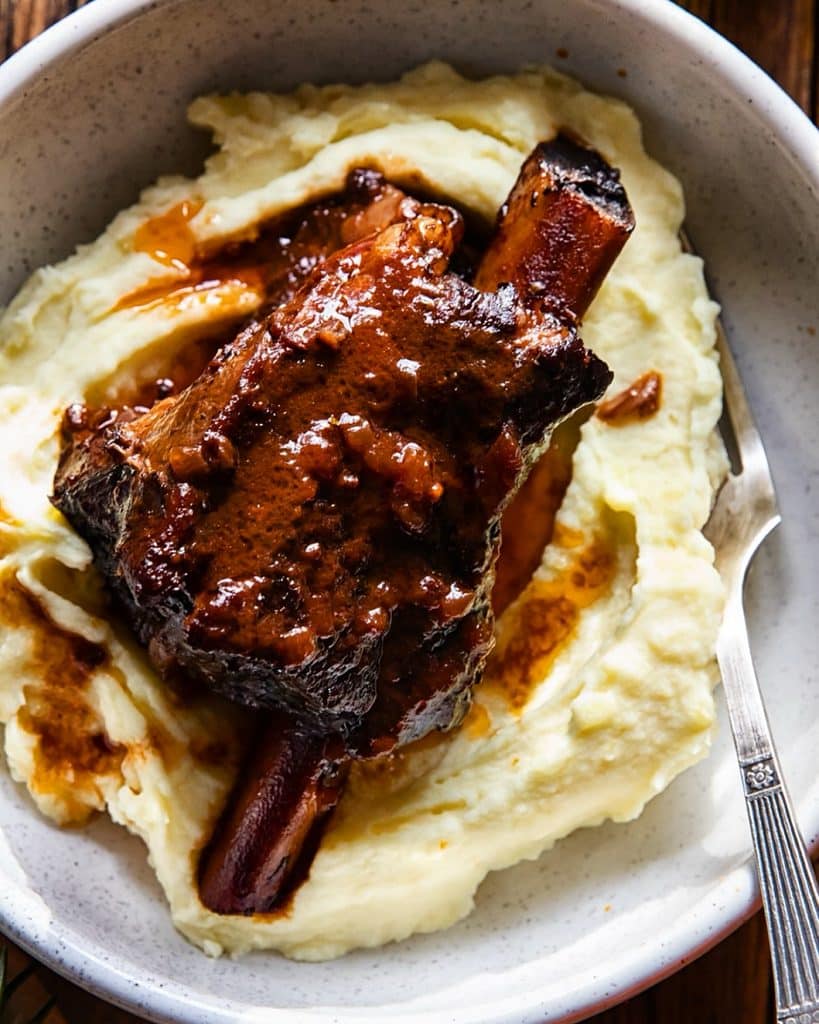
Beef ribs carry significantly more fat and dense connective tissue than brisket.
- Pull Target: 205°F–208°F. Do not be alarmed by this high number. Beef ribs need that extra heat to render their massive fat cap fully. If pulled at 195°F, they will taste chewy and greasy instead of rich and tender.
Reverse-Seared Tri-Tip & Prime Rib
For thick, tender cuts of beef, high-heat grilling is the enemy. Use the reverse-sear method: smoke low at 225°F, then sear over screaming hot coals to finish.
- Rare: Pull at 120°F (Rises to 125°F target)
- Medium-Rare: Pull at 130°F (Rises to 135°F target)
- Medium: Pull at 140°F (Rises to 145°F target)
Pork: Pulled Pork, Ribs, and Tenderloin Thresholds
Pork is forgiving, but that doesn’t give you license to treat a tenderloin like a shoulder butt.
Pork Shoulder / Pork Butt (Pulled Pork)
Pork shoulder is practically bulletproof thanks to heavy intramuscular fat.
- Pull Target: 203°F–205°F. At 190°F, pork shoulder can be sliced, but it won’t pull cleanly. 203°F is the magic threshold where the shoulder bone can be pulled out by hand completely clean without taking any meat with it.
Pork Ribs (Baby Backs & St. Louis Cut)
Probing ribs can be tricky because bone interferes with accurate readings.
- Target Range: 195°F–203°F. Use temperature as a prompt to check the physical indicators. Combine your temp check with the Bend Test: pick up the rack with tongs from one end. If the middle bends gracefully and the bark cracks slightly on top, grab the meat off the smoker immediately.
Pork Loin & Tenderloin
Throw away the old 1970s advice of cooking pork to 160°F. Modern agricultural standards mean trichinosis is no longer a concern in commercial pork, and cooking lean loin to 160°F turns it into sawdust.
- Target Temp: 145°F. Pull your tenderloin at 140°F–142°F and let it rest for 3 minutes. The meat will show a lovely blush pink center, carrying unmatched juiciness and tenderness.
Poultry: Chicken and Turkey Done-ness Without Drying Out
Poultry presents a unique physical puzzle: breasts dry out at the exact temperature dark meat becomes delicious.
The Poultry Temperature Split
- Breast Meat: Lean muscle with a target of 165°F (dries out if cooked higher).
- Thigh & Wing: Dark muscle with a target of 175°F – 185°F (tough and gummy if cooked lower).
The Two-Zone Poultry Problem
White meat is lean and dries out fast. Dark meat (thighs, legs, wings) contains fat and collagen that require higher heat to render properly.
Chicken & Turkey Breasts
- Target Temp: 160°F pull (Rises to 165°F rest target).
- The Science Nuance: The USDA dictates that 165°F kills Salmonella instantly. However, pasteurization is a function of time AND temperature. Holding chicken breast at 155°F for 45 seconds achieves the exact same bacterial pasteurization as 165°F instantly. Pulling at 160°F ensures safety without wringing out the juices.
Chicken Thighs, Drumsticks, & Wings
- Target Temp: 175°F–185°F.
- While dark meat is technically safe at 165°F, it is rubbery and tough at that level. Cooking thighs to 180°F breaks down the joint tissues, rendering the fat to yield rich, tender bites.
Whole Smoked Turkey
- Strategy: Spatchcock (butterfly) the bird by removing the backbone. This lays the turkey flat, allowing the thighs to be positioned closer to your heat source so they hit 175°F at the exact same moment the breast reaches 160°F.
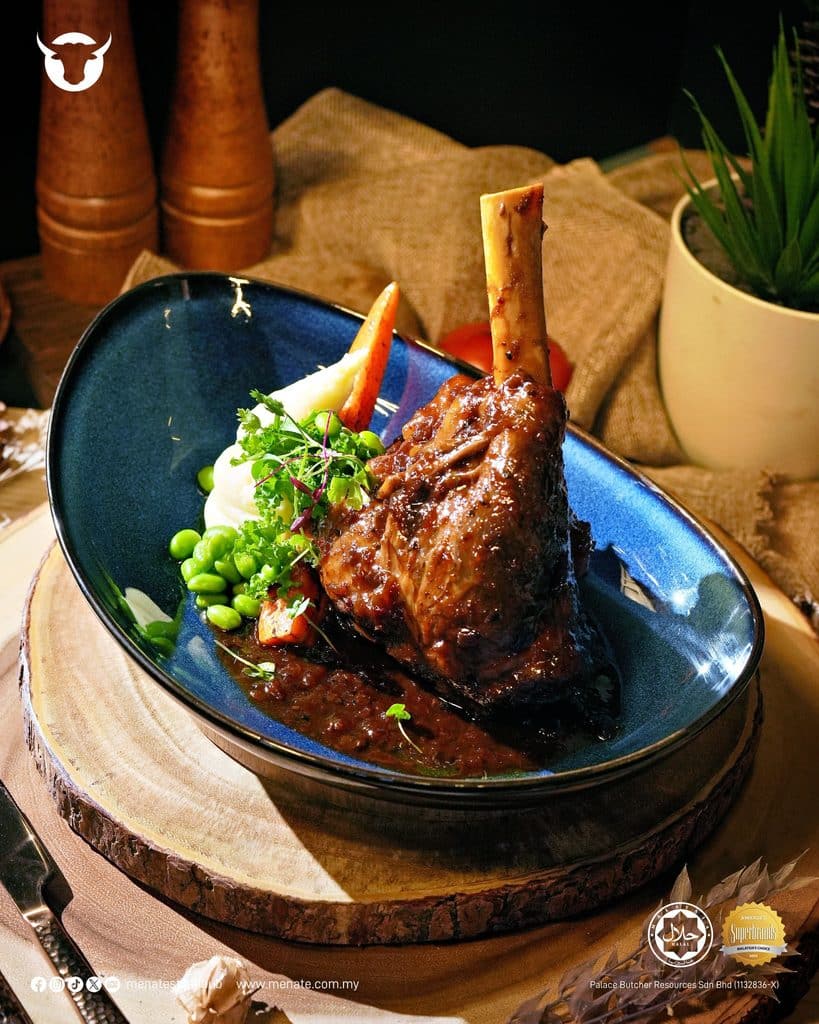
Lamb & Exotic Smoked Meats
Game meats require precision because they carry virtually zero intramuscular fat to protect against overcooking.
Game Meat Safety & Doneness Stages
- 125°F – Medium-Rare: Juicy and tender; ideal for lean venison.
- 135°F – Medium: Recommended finish for lamb chops and loin.
- 145°F – Medium-Well: Meat begins losing moisture quickly.
- 155°F+ – Well-Done / Ruined: Overcooked; tastes dry and tough.
Leg of Lamb / Rack of Lamb
Lamb features a rich, distinct flavor profile that shines best when kept medium-rare to medium.
- Medium-Rare Target: Pull at 130°F (Serves at 135°F).
- Medium Target: Pull at 140°F (Serves at 145°F).
- Pitmaster Tip: Do not push lamb past 145°F, or the rendered fat takes on a gamey, greasy taste.
Smoked Venison / Game
Venison, elk, and wild boar are incredibly lean.
- Target Temp: 130°F–135°F.
- Because wild game lacks fatty tissue, cooking it past medium-rare drains all moisture, leaving you with dry meat. Wrap lean game cuts in bacon or baste frequently with butter while monitoring internal meat temperatures closely.
Probe Placement: How to Get an Accurate Reading Every Time
Buying a top-tier thermometer won’t help if you insert the probe incorrectly. A misplaced probe will lie to you every time.
Placement Rules
- Correct Placement: Always target the absolute thermal center of the meat, farthest away from bones and outer fat caps.
- Incorrect Placement: Inserting probes too close to bone, gristle, or air pockets yields false high readings due to heat conduction from bone.
- Find the Thermal Center: Insert your probe into the thickest part of the muscle, keeping it as far away from bones, heavy fat pockets, and air gaps as possible. Bone conducts heat differently than muscle, causing premature high readings.
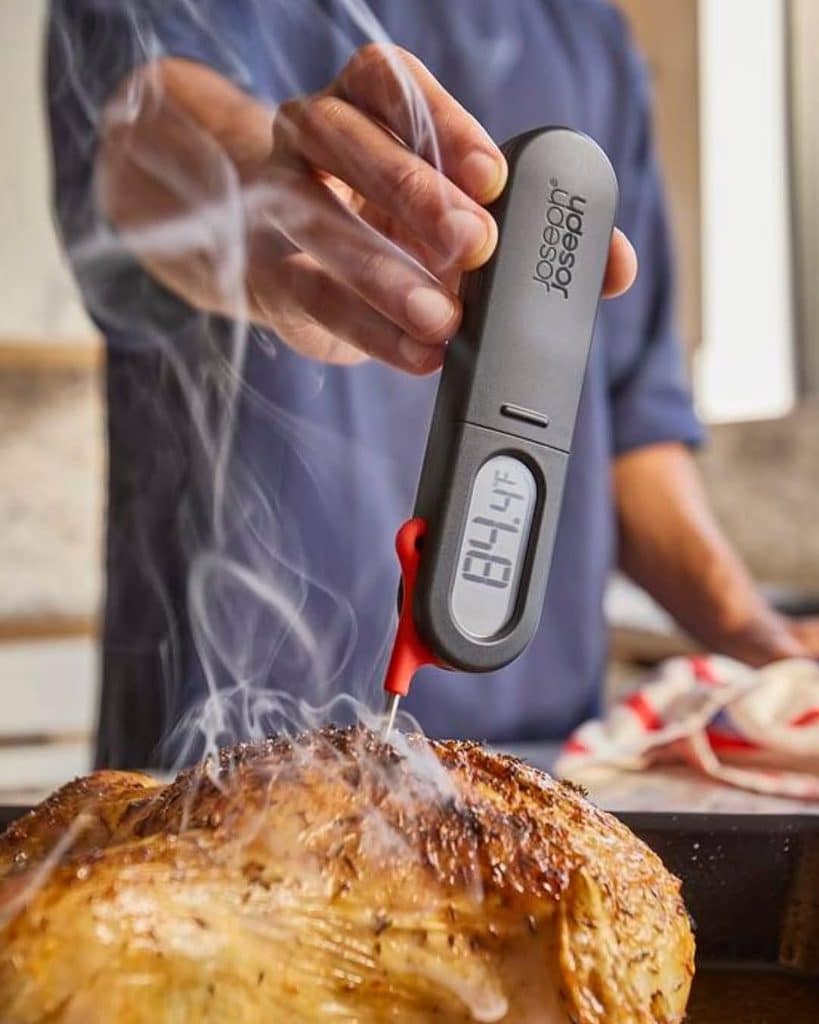
- Angle of Entry: For thin cuts like chicken breasts, pork chops, or steaks, push the probe horizontally through the side of the meat rather than pushing down from the top. This places the probe tip squarely in the center of the meat.
- Leave-In Probes vs. Instant-Read Thermometers:
o Leave-In Probes: Best for tracking ambient smoker temp and monitoring the slow climb toward the stall on long cooks.
o Instant-Read Thermometers (Pen Style): Best for spot-checking multiple areas of the meat during the final 30 minutes of a smoke to verify overall tenderness and doneness.
Crucial Post-Smoke Rules: Resting and Holding
Pulling your meat at the right temp is only 80% of the battle. The last 20% happens on the counter.
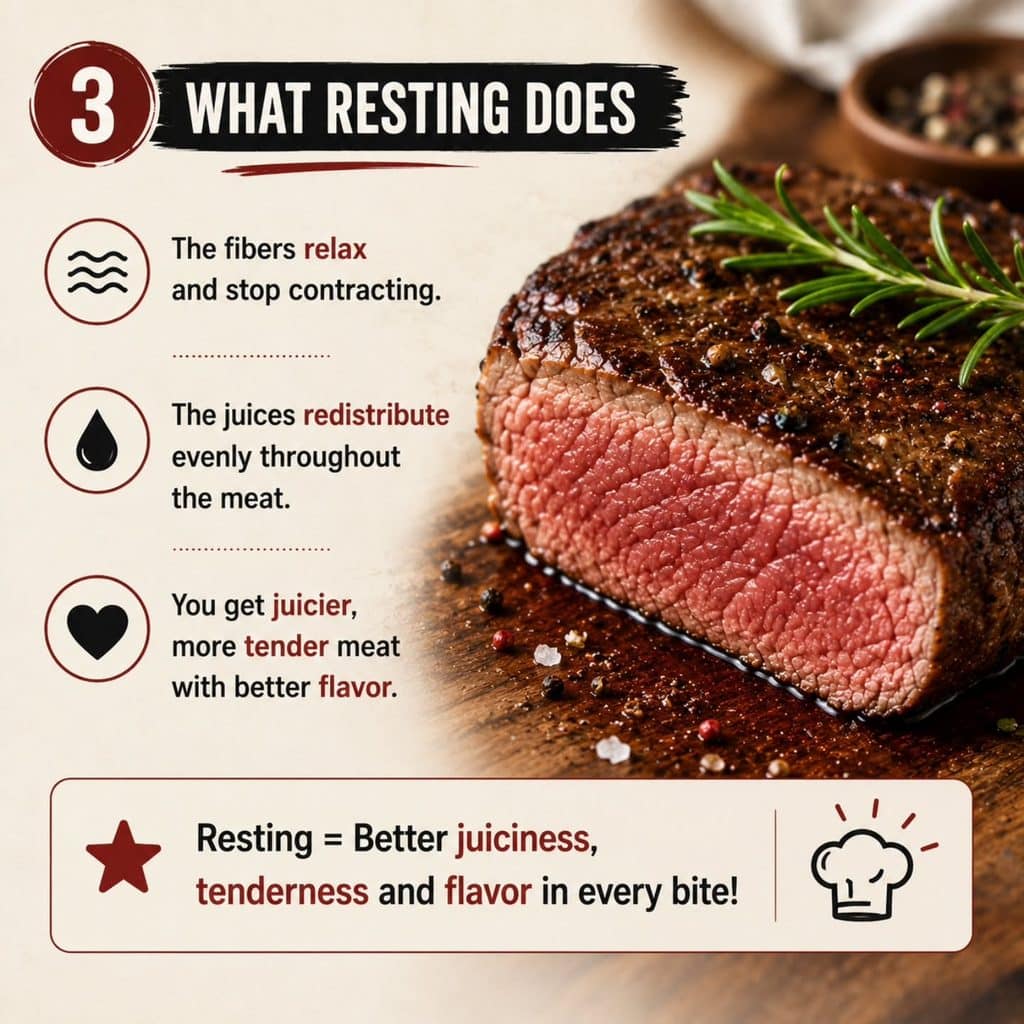
What Happens During the Rest
- Hot Off the Smoker: Muscle fibers are tense and contracted, forcing hot juices into the tight center of the meat. Cutting now causes juice loss.
- After a 60-Minute Rest: Fibers relax, temperatures equalize, and juices redistribute evenly throughout every slice.
Why Resting Is Non-Negotiable
When meat cooks, heat forces muscle fibers to contract, squeezing moisture toward the cool center. If you cut into a brisket instantly after pulling it from the smoker, all those hot juices will spill across your cutting board, leaving the meat dry.
Resting allows:
- The muscle fibers to relax.
- Moisture to redistribute evenly throughout the cut.
- The internal temperature to stabilize.
The Faux Cambro / Cooler Holding Technique
For large cuts like brisket and pork shoulder, a 15-minute rest on the counter is not enough
They benefit from a long rest of 2 to 4 hours.
Setting Up a Faux Cambro
- Take a standard, clean insulated cooler.
- Line the bottom with clean bath towels.
- Wrap your finished, probe-tender meat tightly in aluminum foil or butcher paper.
- Place the wrapped meat inside the cooler and pack extra towels on top to remove dead air space.
- Close the lid tightly.
This setup insulates the meat, keeping it safely above 140°F for up to 6 hours while allowing connective tissues to finish softening into liquid gold. It’s the secret weapon top BBQ joints use to serve moist meat all day long.
Frequently Asked Questions (FAQ)
1. Why is my brisket still tough even though it reached 203°F?
Target temperatures are a guide, but physical tenderness is the ultimate indicator. Brisket cuts vary in fat content and connective tissue density.
If your thermometer reaches 203°F but still encounters resistance when inserted, the collagen hasn’t fully broken down yet.
Leave it on the smoker and keep checking every 15–20 minutes until the probe slides in like soft butter (often occurring between 203°F and 208°F).
2. Is it safe to eat pork when it is still slightly pink inside at 145°F?
Yes, absolutely. The USDA updated its food safety guidelines to confirm that whole cuts of pork (like loins and tenderloins) are completely safe to consume at 145°F (63°C) followed by a 3-minute rest.
Modern pork production has virtually eliminated trichinosis risks, and pulling pork at 145°F leaves it juicy and tender rather than dry and tough.
3. How much will the internal meat temperature rise while resting?
Depending on the size of the cut, carryover cooking typically raises the internal temperature by 5°F to 10°F after removing it from the smoker.
Large cuts with high thermal mass, like a full packer brisket or pork shoulder, will experience more carryover cooking than thinner cuts like chicken breasts or pork chops.
Always factor in carryover heat by pulling meat slightly before your final target temp.
4. Should I leave my dual-probe thermometer in the meat the entire cook?
Leave-in dual probes are ideal for tracking ambient pit temp and monitoring the steady rise toward the stall on large cuts. However, for smaller cuts or spot-checking overall doneness, use an instant-read digital thermometer.
Spot-check multiple areas during the final 30 minutes of cooking to ensure heat distribution is even across the entire muscle.
5. What is the “Danger Zone” when holding meat in a cooler (Faux Cambro)?
The USDA identifies the food safety danger zone as 40°F to 140°F (4°C to 60°C), where bacteria reproduce rapidly.
When holding wrapped brisket or pulled pork in an insulated cooler, ensure the internal temperature stays consistently above 140°F.
If the meat drops below 140°F, it must be served immediately or reheated to prevent foodborne illness.
Featured image credit: @waystocooke
