
“You don’t win friends with salad,” Homer Simpson famously sang while conga-dancing through his backyard – and as it turns out, you don’t win hypertrophy contests with it either.
Every few months, a shiny new wellness trend pops up claiming you can pack on serious, sleeve-splitting muscle by chewing your way through mountains of steamed broccoli, quinoa bowls, and ultra-processed pea-protein patties.
Let’s set the record straight right here over the hot coals: vegetables are fantastic for keeping your heart ticking and your digestion humming, but they are terrible at building muscle.
Try eating four pounds of green peas just to match the muscle-building punch of a single 8-ounce ribeye, and your stomach will file a formal restraining order before you even touch a barbell.
Spending decades tending offset smokers, managing live hardwood fires, and watching backyard athletes refuel after brutal training sessions teaches you a simple truth about human biology. Your muscles do not care about trendy grocery store labels.
They care about amino acid density, absorption rates, and raw metabolic efficiency. When you pull a sizzling, crusted chicken breast or a medium-rare top sirloin off the grates, you are delivering grilled meat protein in its most potent, bioavailable form.
Let’s pull back the smoker lid and break down the hard science of why live-fire meat leaves the garden patch in the dust.
The Complete Amino Acid Advantage
Think of building muscle like framing a custom oak deck in your backyard. You can have a flatbed truck overflowing with cedar planks, brackets, and sandpaper, but if you run out of structural screws, construction stops dead in its tracks.
Proteins work the exact same way inside your body. Every single protein you eat is broken down into smaller building blocks called amino acids, and your body relies on twenty different amino acids to repair torn muscle fibers and build new tissue.
Complete vs. Incomplete Proteins
Out of those twenty building blocks, nine are classified as essential amino acids (EAAs). Your body cannot manufacture them on its own – you have to eat them.
- The Meat Advantage: Every serving of grilled meat protein – whether it is chicken, beef, pork, turkey, or wild-caught salmon – is a complete protein. It delivers all nine essential amino acids in the exact ratios human muscle tissue needs to grow.
- The Vegetable Bottleneck: Almost every vegetable, grain, and legume on earth is an incomplete protein. Broccoli, spinach, lentils, and black beans are notoriously low in specific limiting amino acids like lysine or methionine.
When you rely on plants for gains, your body hits a biological bottleneck. You might swallow 30 grams of plant protein on paper, but your muscles can only synthesize tissue up to the level of the lowest available amino acid.
The rest gets burned off for energy or flushed out. Meanwhile, a clean cut of grilled meat hands your body the entire toolbox at once.
The Leucine Trigger and Muscle Protein Synthesis (MPS)
Even among the nine essential amino acids, one sits at the head of the table: leucine. In sports nutrition, leucine is not just another brick in the wall; it is the foreman who blows the whistle and tells the crew to start working.
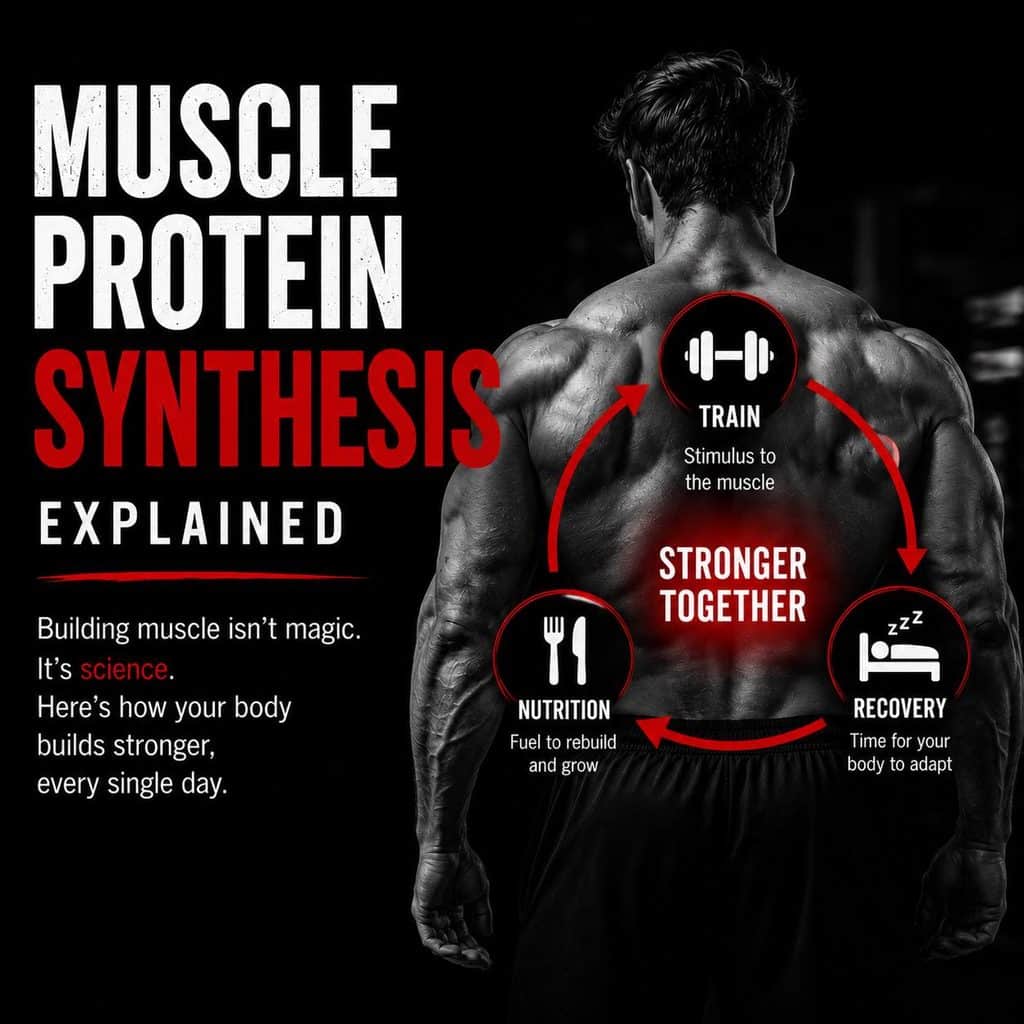
Specifically, leucine activates a cellular pathway called mTOR, which flips the biological switch for Muscle Protein Synthesis (MPS) – the actual process of repairing and growing bigger muscles after you lift weights.
To flip that mTOR switch into high gear, most active adults need roughly 2.5 to 3 grams of leucine in a single meal. Here is how that math plays out at the dinner table:
- Grilled Chicken Breast (6 oz): Delivers roughly 3.2 grams of leucine in one compact, delicious serving.
- Grilled Top Sirloin (6 oz): Packs about 3.0 grams of leucine effortlessly.
- Cooked Broccoli: You would have to eat roughly 14 cups of broccoli in one sitting just to hit that same 3-gram leucine threshold.
Nobody has the jaw stamina – or the digestive fortitude – to chew through fourteen cups of florets after leg day. Grilled meat protein hits the leucine trigger fast, clean, and without turning your stomach into a hot air balloon.
Bioavailability and Digestibility: What You Absorb Matters
Printing a big protein number on a nutrition label is easy. Getting that protein past your stomach acid, through your intestinal wall, and into your bloodstream is an entirely different ballgame. You are not what you eat; you are what you actually absorb.
Understanding DIAAS and PDCAAS Scores
Food scientists measure how well humans digest and use protein using a gold-standard scale called the Digestible Indispensable Amino Acid Score (DIAAS), which replaced the older PDCAAS system.
Unlike older tests that only looked at what came out the other end, DIAAS measures exact amino acid absorption right at the end of the small intestine – where nutrient uptake actually happens.
A score of 1.00 or higher means your body absorbs and utilizes virtually every gram of essential amino acids present in the food.
- Grilled Beef, Pork, and Chicken: Consistently score between 1.01 and 1.15. Your digestive tract recognizes animal tissue immediately and breaks it down with near-100% efficiency.
- Peas, Beans, and Grains: Typically land between 0.40 and 0.70. Even cooked chickpeas and oats lose a massive percentage of their theoretical protein value during digestion because human enzymes struggle to crack open rigid plant cell walls.
When you eat 40 grams of grilled meat protein, your muscles get 40 grams of usable construction material. When you eat 40 grams of protein from mixed vegetables and grains, your muscles might only see 22 to 26 grams of the real deal.
The “Anti-Nutrient” Factor in Plants
Plants cannot run away from predators, and they do not have claws to fight back. Instead, plants protect their seeds and leaves with chemical defense systems known as anti-nutrients.
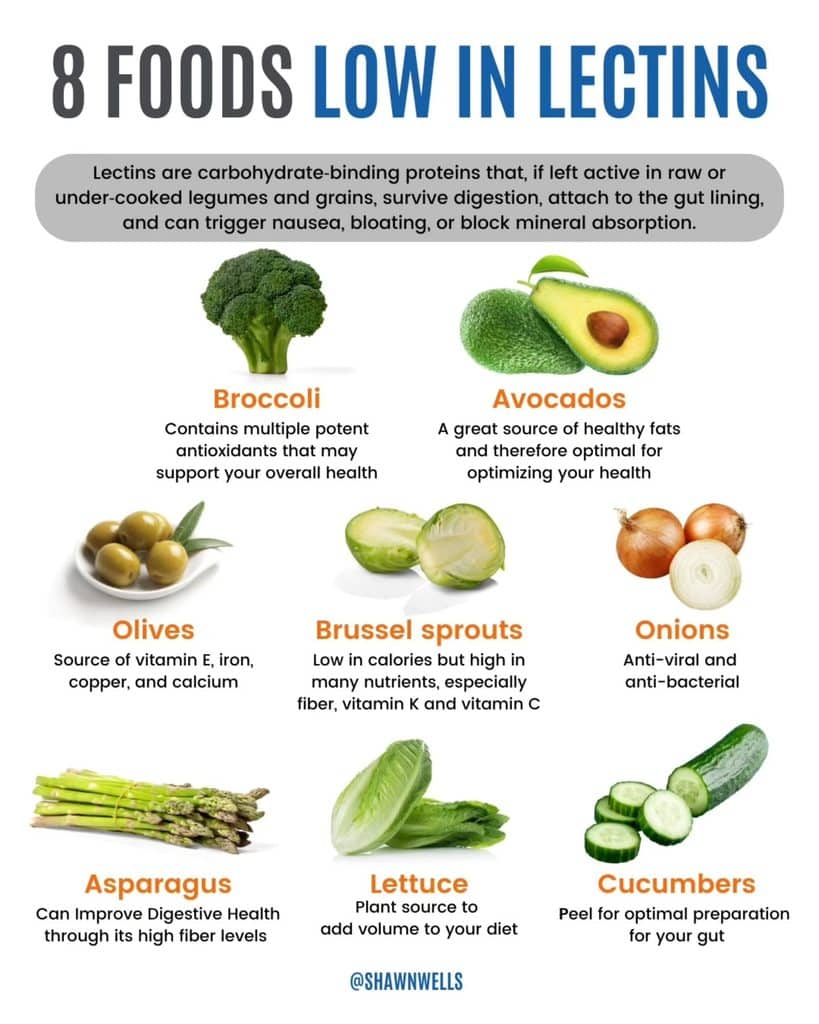
Raw and cooked vegetables, legumes, and grains contain compounds like phytates, lectins, tannins, and trypsin inhibitors. Trypsin is one of the primary digestive enzymes your pancreas produces to slice protein chains apart.
Trypsin inhibitors – found heavily in beans, soy, and many veggies – literally bind to your digestive enzymes and shut them down. Meanwhile, phytates latch onto vital minerals like zinc and magnesium, escorting them straight out of your body unabsorbed.
Meat has zero anti-nutrients. There are no fibrous husks, no enzyme blockers, and no chemical speed bumps standing between a grilled pork tenderloin and your recovery.
Caloric Efficiency and Protein Density
Anyone who has ever tried to lean out for summer while keeping their strength knows that every single calorie counts. You cannot afford to spend 800 calories just to scrape together 30 grams of protein.
Getting More Protein Without the Calorie Overload
Let’s put the numbers head-to-head on a standard kitchen scale. Suppose your goal is to eat 31 grams of protein for lunch:
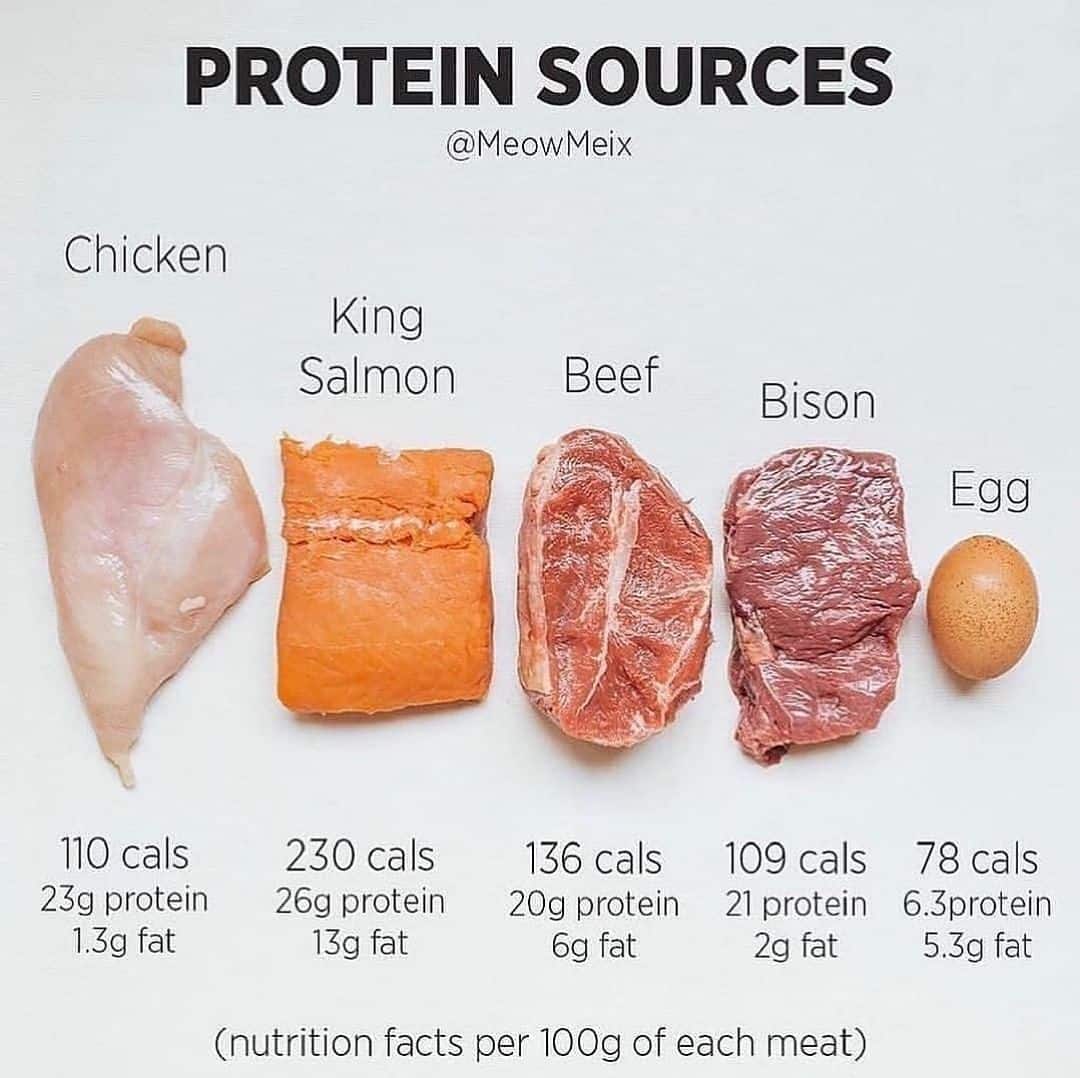
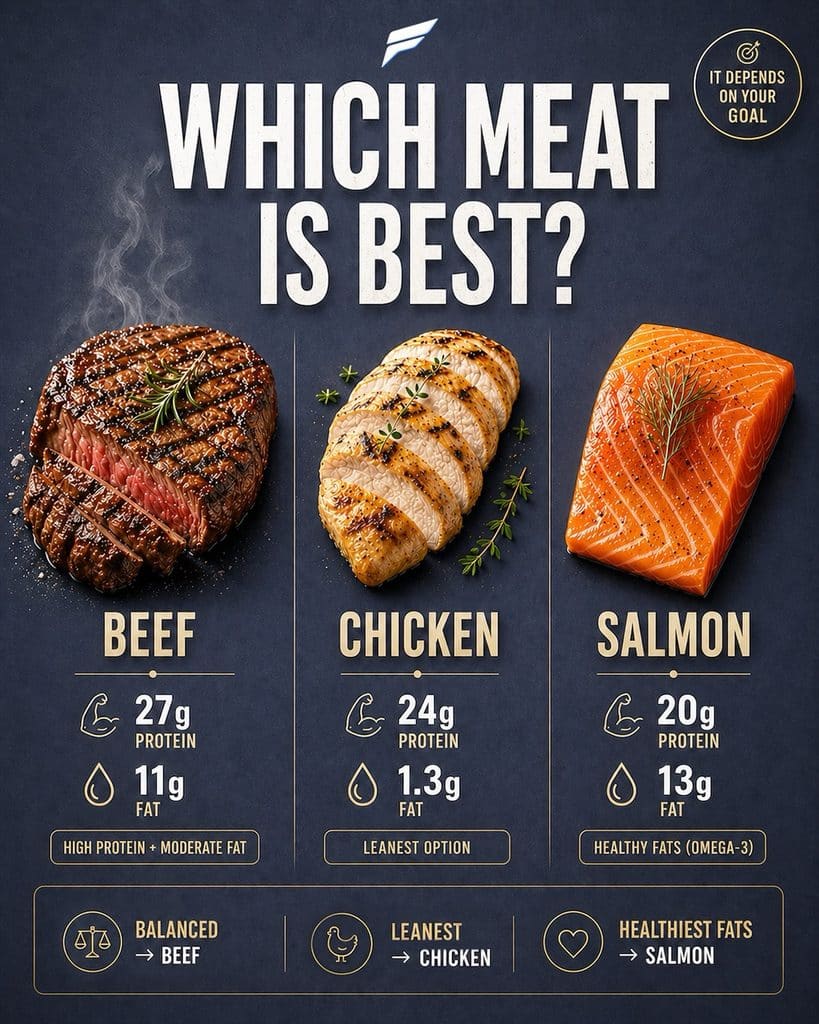
- Grilled Skinless Chicken Breast (100g / 3.5 oz): Gives you 31 grams of protein for roughly 165 calories, zero carbs, and less than 4 grams of fat. Nearly 80% of the calories come directly from pure protein.
- Cooked Lentils (approx. 345g / nearly 2 cups): Gives you 31 grams of protein, but drags along 398 calories, 68 grams of carbohydrates, and 27 grams of fiber.
- Broccoli (over 1,100g / 2.5 pounds): Gives you 31 grams of protein alongside 385 calories, 79 grams of carbs, and 36 grams of roughage.
Look at that trade-off. To match a modest 3.5-ounce piece of chicken, the plant-based options force you to swallow more than double the calories and a mountain of starchy carbohydrates.
Why This Matters for Cutting and Lean Bulking
High protein density is the secret weapon of physique athletes and everyday lifters alike:
- During a Fat-Loss Phase (Cutting): You need to keep protein sky-high so your body burns stored body fat instead of cannibalizing hard-earned muscle. Grilled meat protein lets you hit 180 to 200 grams of daily protein while keeping total calories low enough to shed fat steadily.
- During a Muscle-Building Phase (Lean Bulking): Even when eating in a calorie surplus, stuffing yourself with massive volumes of fibrous vegetables triggers extreme fullness, gas, and bloating long before you hit your daily protein target. Dense, flavorful grilled meats let you fuel growth comfortably without feeling like you swallowed a bowling ball.
Why Grilling Specifically Gives Meat an Edge
You could boil a chicken breast in plain water, and technically you would still get the amino acids – assuming you didn’t lose the will to live halfway through chewing it.
Cooking method matters enormously, both for your macros and for how cleanly your body processes food.
Firing up a charcoal kettle, gas grill, or hardwood pit elevates meat from basic fuel into superior athletic nutrition.
Fat Rendering Without Added Cooking Oils
Pan-frying a steak or sautéing chicken thighs in a skillet forces the meat to sit in a puddle of its own melted grease – plus whatever butter, olive oil, or lard you poured into the pan to keep it from sticking.
A single tablespoon of cooking oil adds 120 pure fat calories before you even take a bite.
Grilling flips that script. Open grates act like a natural drainage system. As the radiant heat rises from the coals or burners, excess saturated fat melts out of the meat and drips away into the fire.
You do not need heavy oils or butter baths to get a gorgeous crust. You get maximum grilled meat protein with cleaner fat macros automatically.
Denaturation and Digestibility
Raw meat consists of tightly coiled, complex protein strands locked inside tough connective fibers. When you apply controlled, dry heat over a grill, you trigger a process called protein denaturation.
Think of a raw protein molecule like a tightly knotted ball of yarn. Heat gently unravels those tight coils, exposing the individual amino acid links so your stomach acid and digestive enzymes can slice through them effortlessly.
Proper grilling tenderizes muscle fibers without washing away nutrients, boosting digestibility even higher.
Nutrient Retention and Flavor
Boiling or stewing meat leaches water-soluble vitamins straight into the cooking liquid – which usually gets poured down the sink. Grilling uses rapid, high-heat searing to lock moisture inside the center of the cut while preserving critical muscle-supporting B vitamins, iron, and zinc.
Better yet, grilling triggers the Maillard reaction – that magical chemical dance between amino acids and natural sugars at high heat that creates a savory, smoky bark.
Consistency is the real secret to building muscle, and nobody skips meal prep when dinner smells like hickory smoke and caramelized steak.
Pitmaster Tip for Clean Grilling: High heat builds flavor, but burnt, blackened char creates unwanted compounds called HCAs and PAHs. Marinate your meats in antioxidant-rich herbs like rosemary, thyme, garlic, and citrus juice for at least 30 minutes before grilling.
Studies show rosemary-rich marinades can slash char-related compounds by over 80% while keeping chicken and pork insanely juicy. Flip your meat every 60 to 90 seconds over medium-high heat for an even mahogany crust without scorching.
Essential Micronutrients Found Exclusively (or Best) in Meat
Protein gets all the headlines on gym posters, but muscle contraction, ATP energy production, and oxygen transport rely on micronutrients you simply cannot pull out of a salad bowl.
Creatine, Carnosine, and Taurine
Three of the most powerful performance compounds in human physiology exist naturally in grilled meat protein—and occur at literally zero milligrams in vegetables:
- Creatine: Stored inside your muscle cells to regenerate ATP (explosive energy) during heavy lifts and sprints. A pound of grilled beef or salmon delivers roughly 2 grams of natural creatine, helping you squeeze out extra reps without touching a supplement tub.
- Carnosine: Acts as an intracellular buffer against lactic acid buildup. Higher muscle carnosine means less burning fatigue during high-rep sets and faster recovery between rounds.
- Taurine: Supports muscle cell hydration, calcium signaling during contractions, and cardiovascular endurance.
Heme Iron, Zinc, and Vitamin B12
Even when vegetables contain trace minerals on paper, the chemical form matters:
- Heme Iron vs. Non-Heme Iron: Popeye lied to an entire generation about spinach. Spinach contains non-heme iron, which absorbs at a dismal 2% to 10% rate because oxalates in the leaves block uptake. Grilled red meat delivers heme iron, which absorbs at 15% to 35% efficiency, directly fueling hemoglobin to carry oxygen to working muscles.
- Bioavailable Zinc: Essential for natural testosterone production, immune defense, and tissue repair. Grilled beef and lamb supply massive doses of easily absorbed zinc.
- Vitamin B12: Crucial for red blood cell formation and nerve-to-muscle signaling. B12 is found naturally only in animal foods.
Where Veggies Still Belong on Your Plate
Before anyone accuses the barbecue community of declaring war on farmers markets, let’s set the record straight: veggies didn’t lose the war – they just got cast in the wrong movie role.
The Supporting Cast, Not the Star
Trying to build muscle exclusively with vegetables is like asking your offensive lineman to play quarterback. You need him on the field, just not throwing 40-yard touchdowns.
When you throw asparagus spears, bell peppers, zucchini planks, or halved Brussels sprouts onto the grill grates right next to your steak, you create an unbeatable nutritional partnership:
- Gut Motility & Fiber: High-protein diets run smoothly when paired with prebiotic plant fiber that feeds healthy gut bacteria.
- Potassium & Electrolytes: Grilled vegetables load your system with potassium and magnesium, preventing muscle cramps and balancing sodium from your dry rubs.
- Polyphenols & Antioxidants: Colorful charred veggies calm down exercise-induced inflammation so your joints feel fresh for your next heavy session.
Let grilled meat protein carry the heavy load of muscle repair, and let grilled vegetables play defense for your overall health.
Best Grilled Meats for Maximum Muscle Growth
Not every cut on the butcher block delivers the exact same macro profile. Keep this quick-reference guide handy the next time you light the chimney starter:
| Cut of Meat | Serving Size (Cooked) | Protein (g) | Calories | Key Muscle-Building Benefit |
| Chicken Breast (Boneless, Skinless) | 6 oz (170g) | 52g | 280 kcal | Unmatched protein-to-calorie ratio; huge leucine hit |
| Top Sirloin Steak | 6 oz (170g) | 46g | 310 kcal | Packed with natural creatine, heme iron, and zinc |
| Pork Tenderloin | 6 oz (170g) | 44g | 245 kcal | Just as lean as chicken breast with rich thiamine (B1) |
| Atlantic Salmon Fillet | 6 oz (170g) | 38g | 350 kcal | Combines complete protein with anti-inflammatory omega-3s |
| Turkey Breast Cutlet | 6 oz (170g) | 50g | 250 kcal | Ultra-lean, fast-cooking, and effortless for meal prep |
Fire Up the Grill and Feed Your Gains
Veggies deserve a permanent spot on your dinner plate – just not in the driver’s seat when hypertrophy is the destination.
When you stack up the science, the winner isn’t even close: grilled meat protein delivers all nine essential amino acids in optimal ratios, hits the leucine threshold to ignite muscle protein synthesis, digests without anti-nutrient roadblocks, and packs dense nutrition into fewer calories.
Add the natural fat-rendering power and smoky flavor of live-fire cooking, and you have the single most reliable muscle-building fuel on the planet.
Keep your asparagus crispy and your bell peppers charred, but when it is time to build real strength and lean mass, fire up the grill and let meat take center stage.
Frequently Asked Questions (FAQ)
1. Can you still build muscle on a mostly plant-based or vegetarian diet?
Yes, it is possible, but it takes significantly more planning, total calories, and food volume.
Because most vegetables and legumes lack one or more essential amino acids and contain lower amounts of leucine, plant-based lifters must carefully combine complementary protein sources (like rice and beans) or rely heavily on processed protein powders to match the muscle-building efficiency of a single serving of grilled meat.
2. Does grilling meat destroy or reduce its protein content?
No. Grilling actually improves how well your body uses the protein.
Controlled dry heat causes protein denaturation – gently unraveling tightly coiled protein structures so your stomach enzymes can break them down and absorb the amino acids much faster.
As long as you pull your meat off the grates before it turns into a burnt hockey puck, the total protein remains intact and highly bioavailable.
3. How much grilled meat protein do I need per meal to trigger muscle growth?
To maximize Muscle Protein Synthesis (MPS), aim for roughly 30 to 45 grams of high-quality protein per meal (about a 5- to 6-ounce cooked portion of chicken breast, sirloin steak, or pork tenderloin).
That serving size reliably delivers the 2.5 to 3 grams of leucine needed to flip your body’s cellular growth switch after training.
4. Isn’t eating a lot of grilled meat bad for digestion without fiber?
Meat digests cleanly and almost completely in the small intestine, leaving very little waste behind – which is why pairing it with fiber-rich vegetables is the smart move.
Tossing asparagus, bell peppers, or zucchini onto the grill right alongside your meat gives you the gut-friendly fiber, potassium, and antioxidants needed to keep digestion running smoothly while your meat handles the heavy lifting of muscle repair.
5. How can I avoid harmful charring when grilling meat every week?
Stick to medium-high heat rather than roaring flames, flip your meat every 60 to 90 seconds to prevent burning, and marinate your cuts for at least 30 minutes beforehand.
Using marinades with rosemary, thyme, garlic, and lemon juice creates a natural antioxidant shield that drastically reduces char-related compounds while keeping lean cuts juicy.
Featured image credit: @countyurcalories
