
Sunday is supposed to be the lazy day.
Then the alarm goes off, the smoker gets fired up, and suddenly Dad is standing in the backyard at 8 a.m. holding a cup of coffee in one hand and a meat thermometer in the other like the fate of the household depends on 203°F.
Honestly, it kind of does.
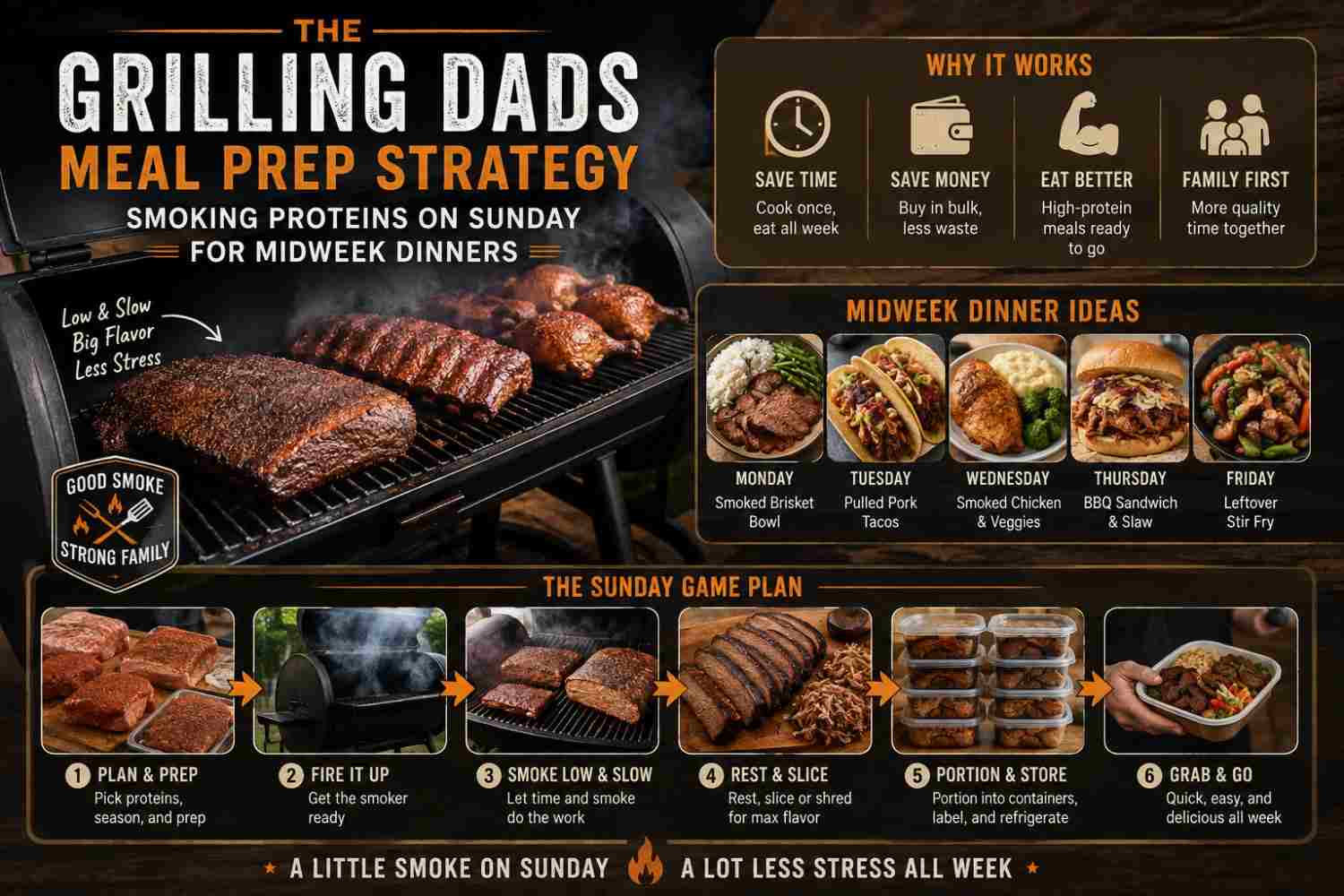
For busy grilling dads, Sunday smoking can be more than a weekend hobby. Done right, it becomes one of the smartest meal-prep strategies for getting dinner on the table during a hectic week.
Smoke your proteins once, portion them properly, and turn them into several completely different meals.
The trick is not cooking five dinners on Sunday. That sounds exhausting. The trick is building a flavorful protein base that does the heavy lifting for Monday through Thursday.
Think of it as barbecue with a retirement plan.
Why Sunday Smoking Works So Well for Meal Prep
Weeknight cooking has a funny habit of turning a 30-minute recipe into a 90-minute production.
First, you need to decide what to make. Then you discover you’re missing an ingredient. Then somebody asks what’s for dinner.
Then somebody else says they don’t want that.
Suddenly, you’re staring into the refrigerator like it personally betrayed you.
Sunday smoking removes much of that decision-making.
A long smoking session takes time, but most of that time doesn’t require constant hands-on attention. Once the smoker is running at the right temperature, you can prepare other food, spend time with the family, or simply enjoy the rare luxury of sitting down.
More importantly, smoked proteins are incredibly versatile.
A batch of smoked chicken can become tacos one night, sandwiches the next, and rice bowls after that. Pulled pork can move from a classic barbecue plate to nachos, quesadillas, or loaded potatoes without tasting like the same dinner wearing a different hat.
That variety matters.
Good meal prep should make life easier without making every meal feel identical.
The goal isn’t to eat leftovers four nights in a row. The goal is to prepare one excellent ingredient that can become several excellent meals.
Choose Proteins That Work Hard During the Week
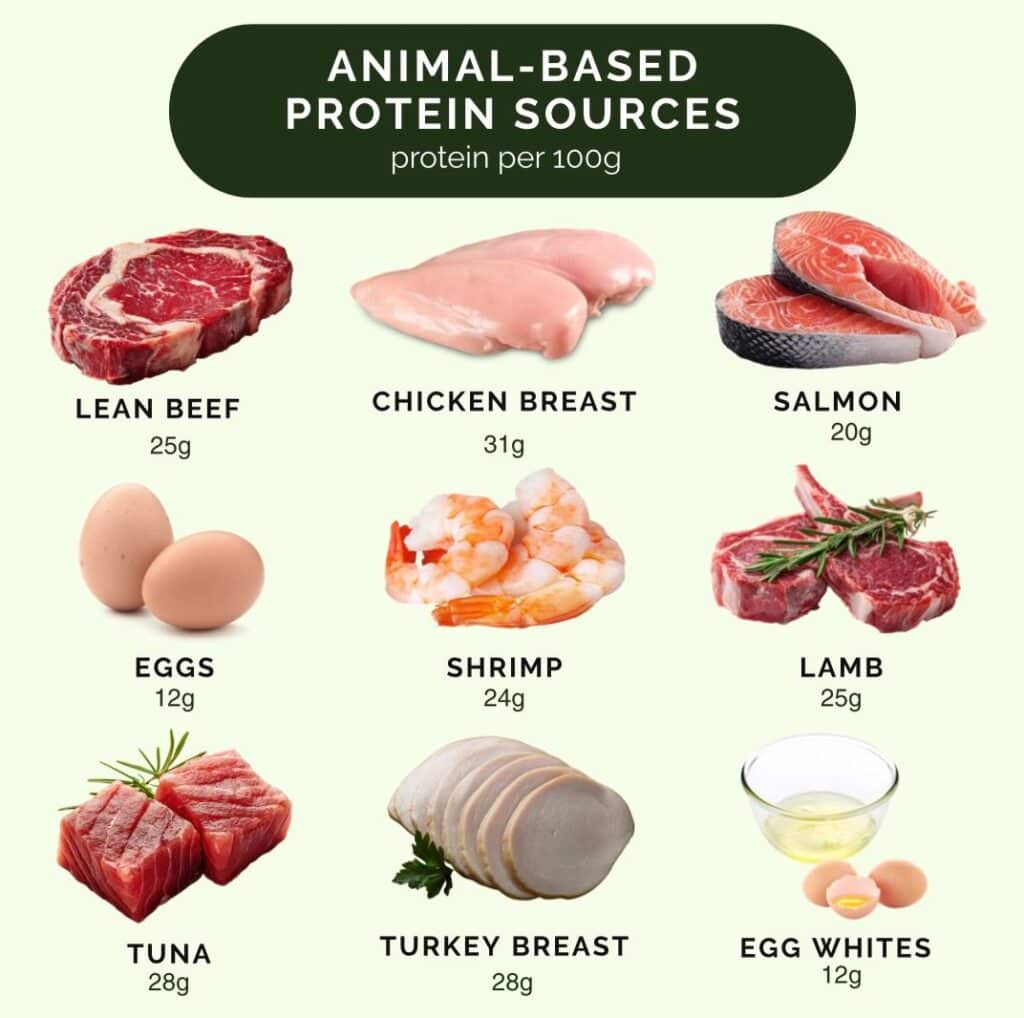
Not every cut of meat is equally useful for meal prep. The best choices are proteins that hold their texture after storage, reheat well, and can work with different flavors.
Smoked Chicken
Chicken is one of the easiest places for grilling dads to start.
Thighs are particularly forgiving because their higher fat content helps them stay juicy. Breasts can also work well, especially when they’re cooked carefully and not taken far beyond their ideal temperature.
Whole chickens are another smart choice.
Smoke a couple on Sunday, remove the meat from the bones, and portion it for several meals. Keep some pieces larger and shred others so you have different options throughout the week.
Chicken is the meal-prep workhorse because it can go almost anywhere.
Use it in tacos, sandwiches, salads, wraps, rice bowls, pasta, or baked potatoes.
Pulled Pork
Pork shoulder might be the ultimate Sunday meal-prep protein.
It takes time, but that’s exactly why it makes sense to cook a large batch when you have the time.
Once tender, pulled pork can be portioned into containers and refrigerated or frozen. It also benefits from reheating because a little added moisture brings the meat back to life.
Monday can be pulled pork sandwiches.
Tuesday can be tacos.
Wednesday can be nachos.
Thursday can be a rice bowl.
Same pork. Completely different dinner.
That’s the kind of efficiency a busy dad can appreciate.
Beef
Smoked beef gives you plenty of options, too.
Brisket is the obvious barbecue celebrity, but chuck roast can be a practical alternative for meal prep. Both can produce tender, flavorful meat that works in sandwiches, tacos, bowls, or hearty dinners.
The important consideration is quantity.
Don’t smoke more meat simply because the smoker has room. Smoke enough to support the meals you actually plan to eat.
A freezer full of mystery brisket may sound impressive, but eventually somebody has to identify it.
Sausage and Turkey
Sausage is useful when you want something quick and flavorful without committing to an all-day cook.
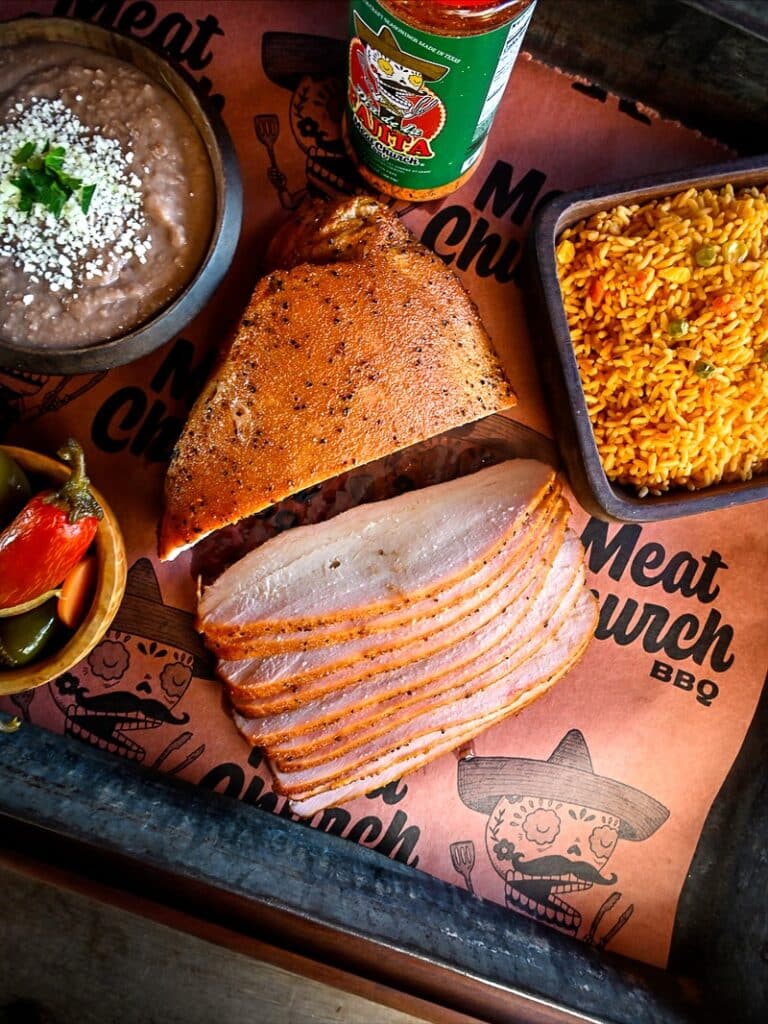
Turkey breast can also make a good lean option. Smoke it carefully, slice it, and use it for sandwiches, salads, wraps, and grain bowls.
The best meal-prep protein is not necessarily the most impressive cut.
It is the protein that gives you the most options after Sunday ends.
Build a Sunday Smoking Game Plan
A successful meal-prep session starts before the smoker ever gets lit.
Step 1: Plan the Meals First
Don’t start by asking, “How much meat can I fit in the smoker?”
Start with:
“What do I want to eat this week?”
Choose two or three meals that use the same core protein in different ways.
For example:
- Monday: smoked chicken rice bowls
- Tuesday: BBQ chicken sandwiches
- Wednesday: chicken tacos
- Thursday: loaded baked potatoes with chicken
Now you know how much chicken you need and what ingredients should accompany it. This approach prevents overcooking and keeps your refrigerator from becoming a museum exhibit dedicated to Sunday barbecue.
Step 2: Keep the Seasoning Versatile
Heavy seasoning is great when you’re eating the meat immediately. Meal prep requires a little more restraint.
A protein with a balanced rub can work with barbecue sauce, salsa, hot sauce, herbs, cheese, or different dressings later.
Think of your smoked meat as a blank canvas with a smoky foundation.
Salt, pepper, garlic, paprika, and other balanced spices can provide plenty of flavor without locking the meat into one specific cuisine.
Step 3: Start With the Longest Cook
Organize the smoker around cooking time.
Large cuts such as pork shoulder or brisket should go on first. Shorter-cooking proteins can follow later.
This is where a little planning pays off.
You’re not simply cooking meat. You’re managing smoker space, cooking temperatures, resting periods, and your Sunday schedule.
And remember: the clock is a guide, not the boss.
Tenderness and internal temperature matter more than an arbitrary finish time, especially with large cuts.
Step 4: Rest, Portion, and Store
Don’t rush straight from smoker to storage container. Allow the meat to rest appropriately, then portion it based on how you’ll use it.
Keep some portions shredded. Keep others sliced or intact. Small portions are easier to reheat and give you more control over how much you use for each meal.
Label containers with the protein and date.
This sounds boring until Thursday arrives and you find three identical containers in the refrigerator.
Then you’ll suddenly feel like a genius.
Turn One Smoked Protein into Several Dinners
The real magic of this strategy happens after Sunday. Let’s say you’ve smoked a large batch of chicken.
Monday could be a simple chicken-and-rice bowl with roasted vegetables.
Tuesday, shred some of the chicken and add barbecue sauce for sandwiches. Add pickles or crunchy slaw for contrast.
Wednesday, switch directions completely.
Warm the chicken with a little taco seasoning, then serve it in tortillas with salsa, avocado, cheese, and fresh vegetables.
Thursday can be baked potatoes topped with chicken, cheese, green onions, and a little barbecue sauce.
The protein stays familiar while the supporting ingredients change.
That’s the secret to avoiding meal fatigue. The same principle works beautifully with pulled pork.
Try:
- Pulled pork sandwiches with slaw.
- Pork tacos with salsa and lime.
- Loaded nachos with cheese and jalapeños.
- Pork and rice bowls with vegetables.
- Breakfast hash with potatoes and eggs.
You don’t need a completely different protein every night.
You need different textures, sauces, toppings, and formats.
A smoky piece of meat doesn’t care whether it ends up in a tortilla or on a baked potato. Fortunately, neither does dinner.
Reheating Smoked Meat Without Turning It Into Cardboard
Smoking meat perfectly on Sunday and destroying it on Wednesday is an avoidable tragedy. The biggest mistake is using too much heat.
Reheat gently and add moisture when necessary.
Shredded pork and chicken can be reheated in a covered skillet with a small amount of broth, barbecue sauce, or another appropriate liquid.
A microwave can work, too. Use a covered container or microwave-safe lid, heat in shorter intervals, and stir or turn the meat between intervals when practical.
For sliced beef, gentle oven reheating in a covered dish can help protect the texture.
An air fryer is useful for certain foods when you want crispy edges, but it can dry lean meat quickly. Don’t treat it like a universal reheating machine.
The goal is simple:
Warm the meat. Don’t cook it all over again.
Also consider keeping sauces separate.
Instead of storing every portion swimming in barbecue sauce, add sauce when you’re ready to eat. This gives you more flexibility and can help preserve the texture of the meat.
Food Safety Still Matters
Smoking meat is fun.
Explaining to your family why everyone should ignore a questionable container in the refrigerator is not.
Meal prep only works when food is stored safely.
Cooked proteins should be refrigerated promptly rather than sitting around at room temperature for extended periods. Divide large amounts into smaller, shallow containers when appropriate so they cool more efficiently.
Use airtight containers to protect quality and reduce exposure to refrigerator odors.
Label your containers with the date.
That small habit eliminates a surprising amount of guesswork.
Plan to eat refrigerated leftovers within recommended food-safety timeframes. Freeze portions that you know won’t be eaten soon rather than letting them become forgotten refrigerator residents.
When freezing, portion the meat before storing it. Smaller packages thaw more conveniently and allow you to take out exactly what you need.
Thaw frozen meat safely, preferably in the refrigerator, and reheat leftovers thoroughly. Food safety isn’t the exciting part of barbecue.
It is, however, the part that keeps your meal-prep victory from becoming a very unfortunate family story.
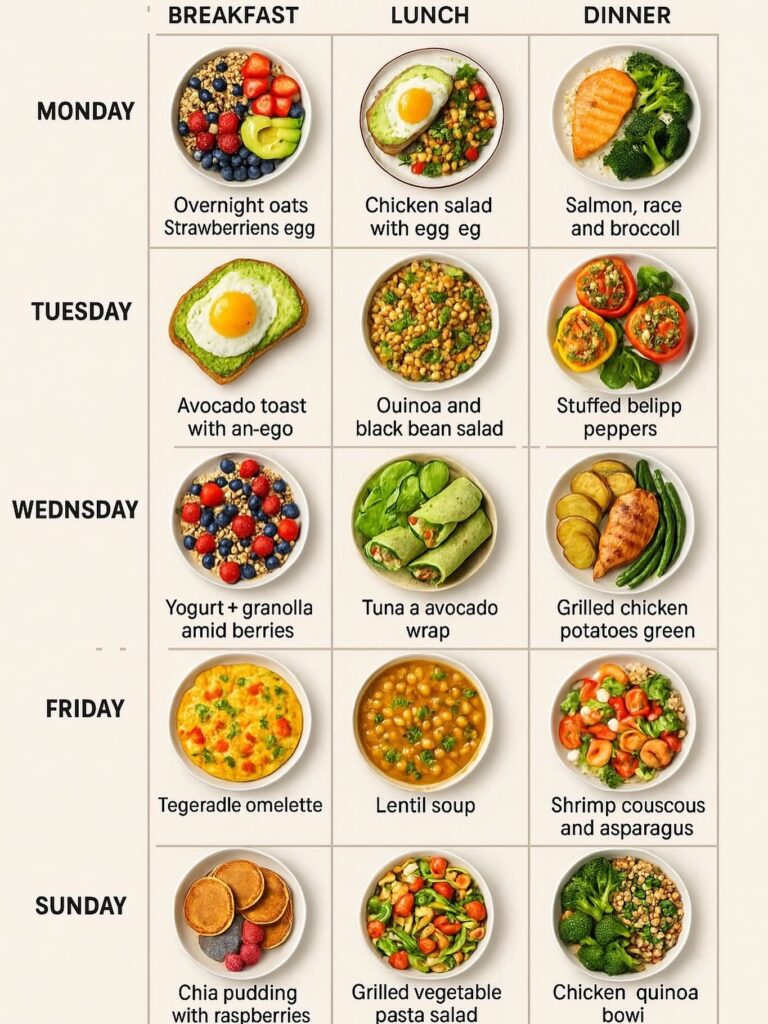
A Simple Sunday-to-Thursday Routine
The beauty of this system is that it can become predictable.
Sunday: Cook and Prep
Shop for the week, prepare the proteins, fire up the smoker, and organize your sides.
Once the meat is ready, portion it into meal-sized containers.
Don’t forget to reserve a little for Sunday dinner. After spending hours around a smoker, you have earned first dibs.
Monday: Keep It Simple
Use one of the freshest portions for an easy dinner.
Pair smoked protein with rice, potatoes, vegetables, or another quick side. Monday isn’t the night to prove anything.
Monday dinner should be easy.
Tuesday: Change the Format
Take the same protein and put it into sandwiches, wraps, tacos, or bowls. Change the sauce and toppings. Suddenly, yesterday’s chicken feels like a different meal.
Wednesday: Use a New Flavor Profile
Bring in salsa, Asian-inspired flavors, herbs, spicy sauces, or another seasoning direction. This is where a versatile Sunday-seasoned protein really earns its keep.
Thursday: Clean Out the Fridge
Use the remaining protein creatively. Combine it with potatoes, pasta, rice, eggs, vegetables, or whatever needs to be used before the next grocery run.
Meal prep works best when it reduces waste as well as cooking time.
Common Mistakes Grilling Dads Should Avoid
Even experienced grilling dads can make meal prep harder than it needs to be. The first mistake is cooking too much.
More isn’t automatically better. Cook an amount your family can realistically eat or freeze. The second is making everything taste exactly the same.
A barbecue rub, barbecue sauce, and barbecue side dishes every night can become repetitive quickly.
Build variety into the meals.
Another mistake is storing the entire batch in one enormous container. Large portions are harder to cool, harder to reheat evenly, and harder to manage.
Portion the meat before storing it.
Finally, don’t turn Sunday meal prep into a full-time job. The entire point is to make the week easier.
Choose recipes and sides that complement the smoker rather than creating another mountain of work in the kitchen.
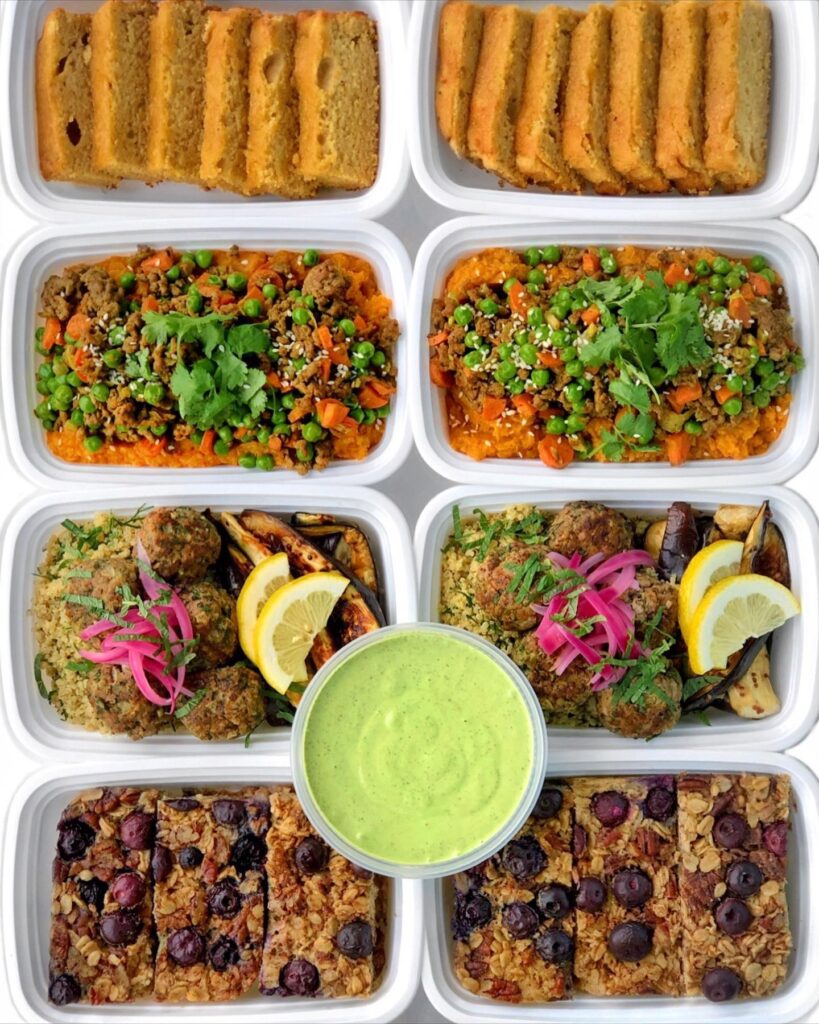
The Pitmaster’s Rule: Prep the Protein, Not the Entire Dinner
Here’s the mindset shift that makes this strategy work. You don’t need to prepare every component of four dinners on Sunday. You need to prepare the part that takes the longest.
Smoke the protein. Prep a few basic sides. Then finish each meal fresh during the week.
Rice can be cooked quickly. Vegetables can be roasted or sautéed. Tortillas can be warmed. Salads can be assembled in minutes.
Sauces and toppings can completely change the personality of the meal.
This gives you the convenience of meal prep without the bland, assembly-line feeling that sometimes comes with it.
It also leaves room for spontaneity.
Maybe Tuesday was supposed to be tacos, but the family wants sandwiches.
No problem.
Your smoked chicken doesn’t have a calendar. It doesn’t care.
Smoke Once, Eat Well All Week
A smoker is usually associated with weekend barbecue, long cooks, and the kind of patience that makes everyone hungry three hours before dinner is ready.
But it can also be a powerful meal-prep tool.
For grilling dads, Sunday smoking offers something more valuable than bragging rights over a perfectly cooked brisket.
It buys back time.
A few hours of thoughtful preparation can turn several hectic weeknights into easy dinners. One batch of smoked chicken can become tacos, sandwiches, bowls, and baked potatoes.
Pulled pork can travel from classic barbecue to nachos without anyone complaining about “leftovers” again.
The key is planning for flexibility.
Choose versatile proteins. Season them with purpose. Portion them correctly. Store them safely. Reheat them gently. Then change the supporting ingredients throughout the week.
That is the real strategy.
You’re not meal-prepping five identical dinners.
You’re creating a smoked protein foundation that makes five different dinners possible.
So fire up the smoker on Sunday, grab the coffee, and embrace the early-morning barbecue ritual.
Just remember one thing: when the family asks what’s for dinner on Wednesday, you don’t have to say, “Leftovers.”
You can say, with complete confidence:
“We’re having tacos.”
And quietly enjoy the fact that Sunday’s smoker did most of the work.
Frequently Asked Questions
1. Can you smoke meat on Sunday and eat it throughout the week?
Yes. Smoking proteins on Sunday can make weekday meals much easier. Cook, cool, portion, and refrigerate the meat properly, then use it in different meals throughout the week. Freeze portions you won’t use within the recommended refrigerated storage period.
2. What are the best proteins for meal prep in a smoker?
Chicken, pulled pork, beef chuck, brisket, turkey breast, and sausage are all useful choices. Pulled pork and chicken are especially versatile because they can be used in sandwiches, tacos, bowls, salads, and other quick dinners.
3. How do you keep smoked meat from drying out when reheating?
Reheat smoked meat gently and avoid unnecessarily high temperatures. For shredded meats, adding a small amount of broth, sauce, or another suitable liquid can help restore moisture. The goal is to warm the meat, not cook it a second time.
4. How long does smoked meat last in the refrigerator?
Properly stored cooked meat should be used within the recommended food-safety timeframe for refrigerated leftovers. Store it promptly in airtight containers and label each portion with the date. When you’re unsure about the safety of leftovers, it’s better to discard them than take a risk.
5. Can you freeze smoked meat for later in the week?
Absolutely. Freezing is a great option when you know you won’t eat all the smoked protein within the recommended refrigerated storage period. Freeze meat in meal-sized portions so you can thaw only what you need.
6. How much meat should grilling dads prepare for the week?
That depends on household size, appetites, and how many meals you plan to make. A good approach is to plan the week’s meals first, then smoke enough protein for those meals plus a small amount of extra for flexibility.
7. How can you avoid eating the same smoked meat every night?
Change the format and flavors rather than changing the protein. Smoked chicken can become tacos, sandwiches, rice bowls, salads, or baked-potato toppings. Different sauces, vegetables, toppings, and seasonings can make the same protein feel like a completely different meal.
8. Should you season smoked meat heavily when meal prepping?
Usually, a balanced seasoning works better. Keep the base seasoning versatile so the protein can work with barbecue sauce, salsa, herbs, hot sauce, or other flavors later in the week.
9. Is Sunday smoking really worth the time for busy grilling dads?
For many busy grilling dads, yes. The smoker does require a longer cooking session, but much of that time is hands-off. A few hours of Sunday preparation can eliminate much of the cooking and decision-making required on busy weeknights.
10. What is the biggest mistake to avoid when smoking proteins for meal prep?
Don’t cook more food than your family can realistically use. Also avoid storing everything in one large container or making every meal taste identical. The best meal-prep strategy combines proper portions, safe storage, and enough variety to keep everyone interested.
Featured image credit: ChatGPT
