

History textbooks often portray the American Founding Fathers as a solemn crew of stone-faced gentlemen. We picture them adjusting powdered wigs, speaking in flawless prose, and signing historic documents with elegant quill strokes.
That image is neat, tidy, and completely wrong. Once the ink dried on those world-changing declarations, the men who engineered the United States loved nothing more than letting loose at massive, chaotic, smoke-filled, and deeply intoxicated barbecue parties.
Early American political life wasn’t built in sterile boardrooms. It was forged in dirt trenches dug into the earth, fueled by cords of blazing hardwood, and seasoned with heavy amounts of salt, vinegar, and red pepper.
To truly understand how the nation came together, you have to look past the mahogany desks of Philadelphia and stare straight into the roaring coals of an 18th-century pit.
Southern-style barbecue and early American democracy essentially grew up as siblings, sharing the same noisy, experimental, and distinctly un-European DNA.
The legendary feasts hosted by the early political elite were the ultimate social equalizers and election engines of their time, combining slow-roasted pork, bottomless pints of alcohol, and high-stakes political wheeling and dealing.
What Was an 18th-Century Barbecue?
Forget everything you know about modern backyard cooking. A barbecue in the late 1700s did not involve a shiny stainless-steel gas grill, a bag of commercial charcoal briquettes, or a clean pair of tongs.
It was an industrial-scale culinary operation that required days of intense preparation, massive physical exertion, and a master-level understanding of fire management.
The word itself travels along a fascinating historical pipeline:
- The Origin: It stems from barbacoa, a term used by the indigenous Taíno people of the Caribbean to describe a raised wooden framework used for smoking and curing meats over slow heat.
- The Adaptation: As European colonists arrived in the American South, they adopted this method but shifted the cooking platform from a raised wooden rack down into a literal trench dug directly into the soil.
The Mechanics of the Early Pit
Cooking a meal for hundreds of rowdy citizens required shifting an immense amount of earth. Laborers dug trenches that were several feet deep, up to four feet wide, and sometimes dozens of feet long.
- The Wood Fuel: Hardwoods like oak, hickory, and applewood were chopped and burned down into glowing, red-hot coals in a separate fire zone.
- The Heat Management: Pit keepers shoveled these active coals continuously into the bottom of the trench, maintaining a steady, radiating heat source without creating active flames that would scorch the meat.
- The Spits: Green, sap-heavy wooden poles were pierced through whole animals – hogs, sheep, calves, and deer – and laid across the top of the open trench.
This layout meant the meat sat just a couple of feet above an intense, smoky bed of coals. Turning a 150-pound hog on a heavy wooden spit over a boiling pit of grease and smoke for 12 to 18 hours straight was exhausting, dangerous work.
The Unspoken History: These massive culinary feats were almost exclusively driven by the labor, specialized knowledge, and brilliant craftsmanship of enslaved pitmasters.
These men were the true keepers of the fire.
They developed the precise techniques of heat regulation, seasoning, and wood selection that laid the foundation for modern American barbecue.
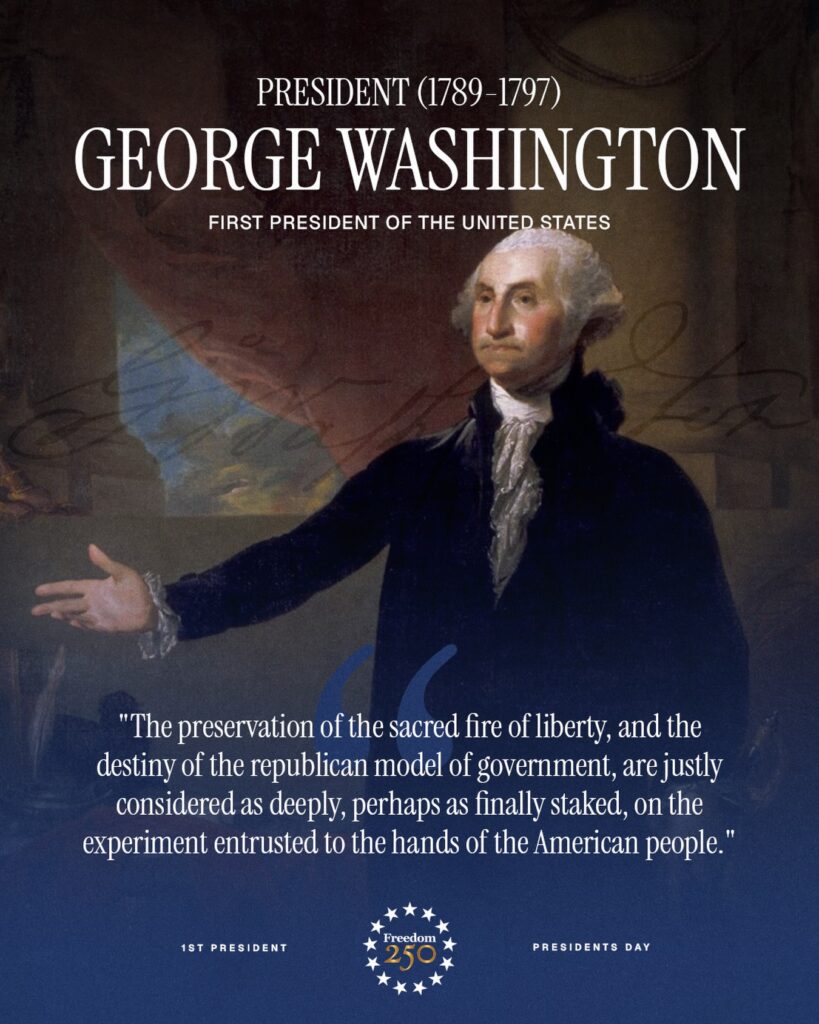
George Washington: The Undisputed Barbecue Fanatic
America’s first president had a reputation for being reserved, dignified, and a bit aloof. But if you wanted to see George Washington crack a smile and let his hair down, you just needed to point him in the direction of a smoking pit. Washington was completely obsessed with barbecue.
His personal journals and account books are packed with references to these events.
In a famous diary entry from May 1769, long before he led the Continental Army, Washington casually noted that he “went to a Barbicue at Alexandria and stayed all Night.”
Staying all night meant sleeping out under the stars, surrounded by wood smoke, fiddle music, and a community of people drinking and eating until dawn.
Mount Vernon Kitchen Records:
- Hardwood used: Oak and Hickory
- Primary livestock: Shoats (young pigs) and lambs
- Standard prep time: 24 to 36 hours from fire-start to plate
Washington didn’t just attend these gatherings to blow off steam; he hosted them frequently at Mount Vernon. He understood that a well-timed feast was a spectacular tool for building local alliances and keeping his neighbors fiercely loyal.
When he ran for the Virginia House of Burgesses, his campaign strategy didn’t center on policy debates. It centered on providing vast quantities of free, slow-cooked meat and liquid refreshments to the public.
Pork and Pints: The Epic Feast Menus
The culinary spread at a founding-era barbecue would look both deeply familiar and wildly shocking to a modern backyard cook.
Whole-hog pork was the undisputed king of the Southern pit. Young pigs, known as shoats, were preferred because their meat stayed incredibly tender during an all-day cook.
The seasoning profile of the 18th century was beautifully simple, sharp, and brutally effective.
There were no thick, sweet, molasses-based sauces out on the frontier. Instead, the pit tenders mixed up large batches of what we now recognize as the ancestor of Eastern North Carolina sauce:
- The Base: Gallons of sharp cider vinegar.
- The Elements: Coarse salt, cracked black pepper, and crushed red pepper pods.
- The Technique: This thin, acidic mixture was slapped onto the meat continuously using makeshift mops made of rags tied to long sticks.
The vinegar tenderized the pork fibers, while the fat melting off the skin directly onto the hickory coals below, sending up a rich, smoky incense that seasoned the meat from the outside in.
If an ox or a deer was on the menu, it was cooked using the exact same low-and-slow, mop-heavy philosophy.
The Beverage Breakdown
Barbecues were famously wet affairs. Because local water was frequently contaminated and generally mistrusted, the Founding Fathers and their contemporaries hydrated with an eye-popping amount of alcohol.
| Beverage Type | Target Audience | Role in the Party |
| Hard Cider | The General Public | Crisp, slightly sweet, consumed in place of water all day long. |
| Rum Punch | The Political Elite & Gentry | A potent mix of Caribbean rum, citrus, sugar, and spices served from massive bowls. |
| Madeira Wine | George Washington & Friends | A fortified, oxidized wine that could survive hot transatlantic journeys without spoiling. |
| Strong Ale | Everyone | Heavy, dark beer used to wash down the rich, fatty layers of pit-roasted pork. |
The sensory atmosphere of these events was pure chaos. Hundreds of people would gather in a clearing in the woods, the air thick with blue hickory smoke and the smell of roasting fat.
Tables were cobbled together from rough-hewn pine planks resting on tree stumps.
Because there were rarely enough plates or forks to go around, citizens simply used their pocket knives to slice off hunks of steaming pork, eating it with their bare hands while grease ran down their wrists.
The Politics of the Pit: How Barbecue Built Democracy
In the early decades of the United States, political campaigns involved zero television commercials or nationwide lecture tours.
If a politician wanted to get elected, they had to go down into the trenches – literally. Barbecue became the definitive engine of early American democracy.
This practice became known as “treating” or “swilling the planters with bumbo.” It was an unwritten law of early American politics: if you wanted a man’s vote, you had to feed him until he was full and get him comfortably drunk.
When James Madison ran for the Virginia House of Delegates in 1777 and proudly refused to provide free liquor and food to the voters on principle, he lost the election spectacularly. He learned his lesson quickly; his future campaigns involved plenty of open tabs.
The Cost of an Election Win (1758 Virginia Campaign Account):
- 40 gallons of Rum Punch
- 28 gallons of Wine
- 26 gallons of Strong Beer
- 3 hogsheads of Cider
- Multiple whole hogs and sheep
This massive line item was paid for entirely out of the candidate’s own pocket just to secure a local seat.
The Ultimate Social Leveler
What made the barbecue platform so revolutionary was its unique ability to temporarily shatter the rigid class structures of the 18th century.
Early America was a highly stratified place where wealthy, land-owning elites generally did not mix with poor, uneducated farmers or backwoods frontiersmen.
An open-air pit changed all of that. When the smoke started rolling, the artificial boundaries fell away:
- A wealthy tobacco planter wearing silk waistcoats would stand shoulder-to-shoulder with a dirt farmer in homespun linen.
- They would share the same bench, drink from the same communal tin cups, and use the same grease-stained fingers to grab food.
- Between bites of pork, they would argue passionately about the brand-new Constitution, the balance of state powers, and whether the Federalists or the Democratic-Republicans had the right vision for the nation’s future.
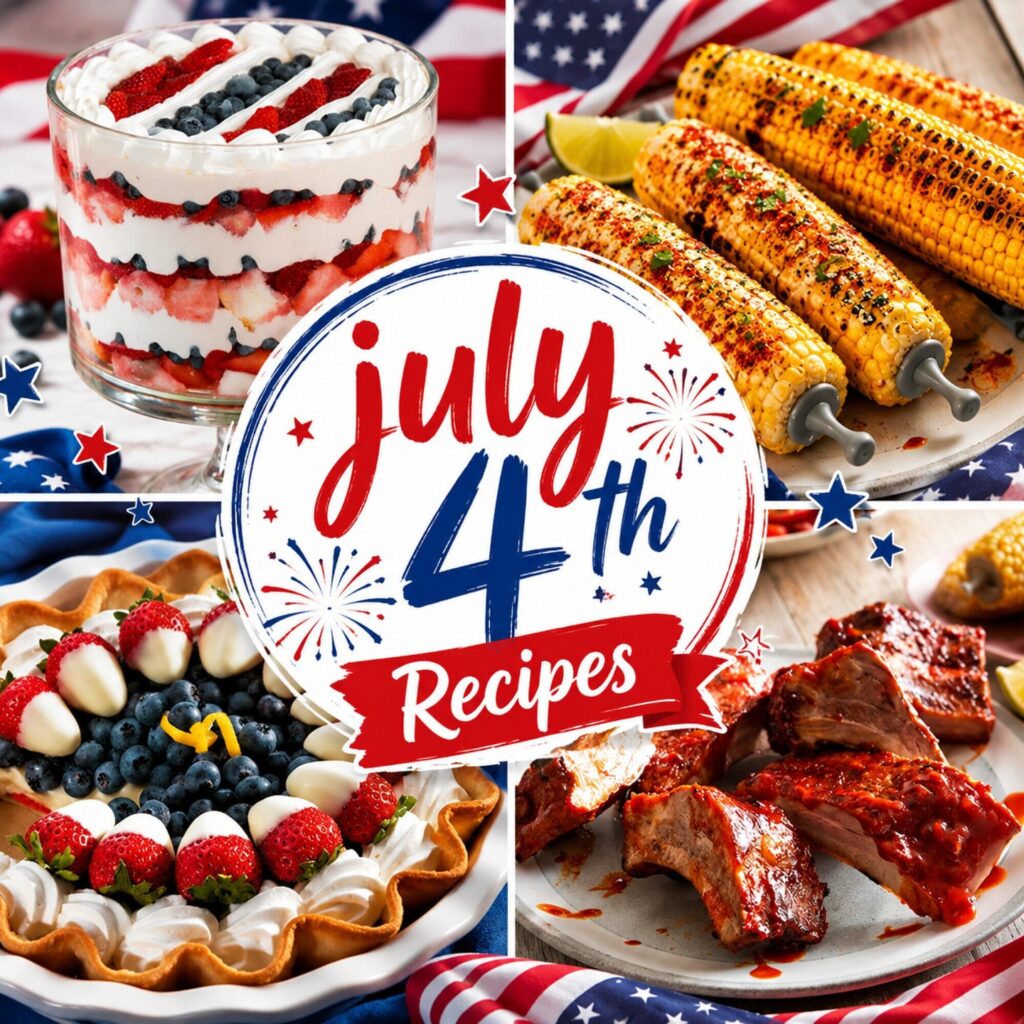
The Creation of the Fourth of July Cookout
As the country grew, barbecue shifted from a regional campaign tactic into a massive national tradition.
When Americans looked for a way to celebrate Independence Day every July, standard European-style formal dinners simply didn’t fit the revolutionary spirit.
They wanted something uniquely American, populist, and grand.
The open-pit barbecue checked every single box. By the early 1800s, Fourth of July barbecues were standard practice in nearly every town across the expanding nation.
Citizens would gather to hear the Declaration of Independence read aloud, watch veterans of the Revolutionary War march down dirt roads, and then sit down together to consume thousands of pounds of slow-cooked meat.
It transformed a smoky Southern cooking style into a sacred civic ritual.
Wild Stories from the Frontier
When you mix open fires, hot weather, bottomless rum punch, and passionate political debates, things are bound to get a little wild. Historical records from the era are filled with accounts of barbecues descending into pure, unadulterated spectacle.
- The Toasting Marathon: During these massive civic rallies, it was customary to give formal toasts. This wasn’t a quick “cheers.” A single barbecue might feature 20 or 30 consecutive, highly structured toasts honoring the Constitution, fallen soldiers, and individual politicians. Custom demanded that every attendee drain their glass after every single toast. By toast fifteen, political debates frequently transformed into chaotic, shirt-rending fistfights in the mud.
- A Multi-Day Commitment: Because travel in the 18th century was limited to foot or horseback, attending a major regional barbecue required a serious journey. Citizens routinely traveled 30 or 40 miles through rugged wilderness just to get a taste of pit pork. Families packed up wagons, headed out into the forest, and camped next to the smoke trenches for two or three days at a time, turning the barbecue into a massive, open-air festival.
The Indigenous Blueprint: Before the Pits
Long before European colonists dug trenches into Southern soil, Native American tribes mastered the art of slow-smoking.
The Taíno people of the Caribbean and Algonquian tribes of the Atlantic coast constructed elevated wooden sapling frameworks over smoldering green wood fires.
This indigenous framework served several brilliant purposes:
- Preservation: The steady temperature cured and preserved wild game for the long term.
- Flavoring: The slow-rising smoke deeply seasoned the meats without burning the wooden structure.
- Protection: The thick, aromatic smoke acted as a natural insect repellent during the process.
By observing these methods, colonists learned how to properly regulate low temperatures and handle green wood platforms. This cross-cultural exchange provided the indispensable, foundational blueprint for what would eventually evolve into the classic American pit barbecue.
Brunswick Stew: The Essential Side Hustle
No founding-era barbecue was complete without a massive iron cauldron bubbling alongside the main pit. This pot contained Brunswick stew, a thick, hearty concoction created to ensure absolutely nothing went to waste.
While the premium hog and lamb cuts roasted slowly on the spits, laborers kept the cauldron filled with:
- Leftover Trimmings: Tougher meat cuts and animal parts that couldn’t be roasted.
- Local Wild Game: Freshly hunted squirrel and rabbit.
- Native Produce: Large handfuls of local corn, lima beans, and wild onions.
The stew simmered for twelve hours, serving a vital civic purpose. It provided a quick, filling meal for the massive, hungry crowds while they waited all day for the whole hogs to finish cooking, cementing it as democracy’s original utility side dish.
The Gender Divide: Women and the Barbecue Structure
While the blistering, high-stakes atmosphere of the outdoor pit was a male-dominated space run by enslaved men and politicians, 18th-century women operated an entirely different side of the feast.
Elite and working-class women took total control of the massive logistical supply chains required to feed hundreds of rowdy guests.
Far away from the smoky pits, their highly organized labor network was responsible for:
- Baking thousands of dense cornbread loaves.
- Pickling massive batches of local vegetables to cut through the rich meat.
- Brewing hundreds of gallons of low-alcohol “small beer” for the general public.
- Managing the complex hospitality infrastructure, keeping rough pine tables stocked with side dishes and clean linens.
Without this invisible, highly coordinated female network, these legendary, chaotic political rallies would have collapsed into absolute logistical disaster within hours.
Religious Backlash: The Sinful Smoke
Not everyone in early America viewed these booze-soaked meat festivals as a triumph of democratic brotherhood. Devout religious leaders, particularly Northern Puritans and traveling Methodist preachers, openly condemned barbecues as breeding grounds for absolute sin.
Church pamphlets frequently warned congregations that the rowdy gatherings promoted:
- Dangerous Gambling: High-stakes card games fueled by continuous drinking.
- Public Profanity: Loud, aggressive political debates that shattered local peace.
- Physical Violence: Chaotic fistfights in the mud as the parties stretched overnight.
Preachers warned that the smoky, chaotic atmosphere of the pits closely mirrored the pits of Hell itself.
This cultural friction created a sharp regional divide, as conservative Northern factions viewed the Southern political elite’s reliance on barbecue campaigns as a deeply corrupt, ungodly method of manipulating elections.
From Pits to Permanent Political Clubs
By the late 1790s, the temporary nature of open-air woodland barbecues evolved into something much more permanent: the birth of modern political headquarters.
Early factions like the Tammany Society in New York and various Democratic-Republican groups began purchasing dedicated plots of land specifically to build permanent barbecue grounds.
These early political country clubs featured upgraded, heavy-duty infrastructure:
- Brick-Lined Pits: Replaced basic dirt trenches for cleaner, more efficient fire management.
- Covered Pavilions: Sheltered elite guests and voters from sudden rainstorms.
- Built-In Wooden Bars: Specifically designed to hold and distribute hundreds of gallons of rum punch.
By transforming a seasonal outdoor cooking style into a permanent fixture of urban architecture, America’s early politicians successfully institutionalized the feast, turning a casual cookout into the nation’s very first partisan campaign infrastructure.
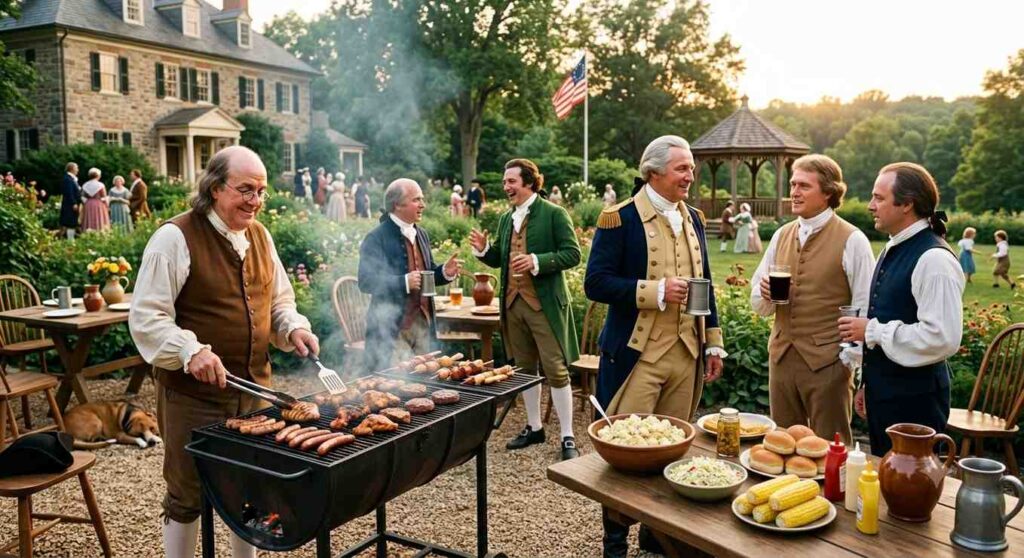
The Lasting Legacy of the Founding Pits
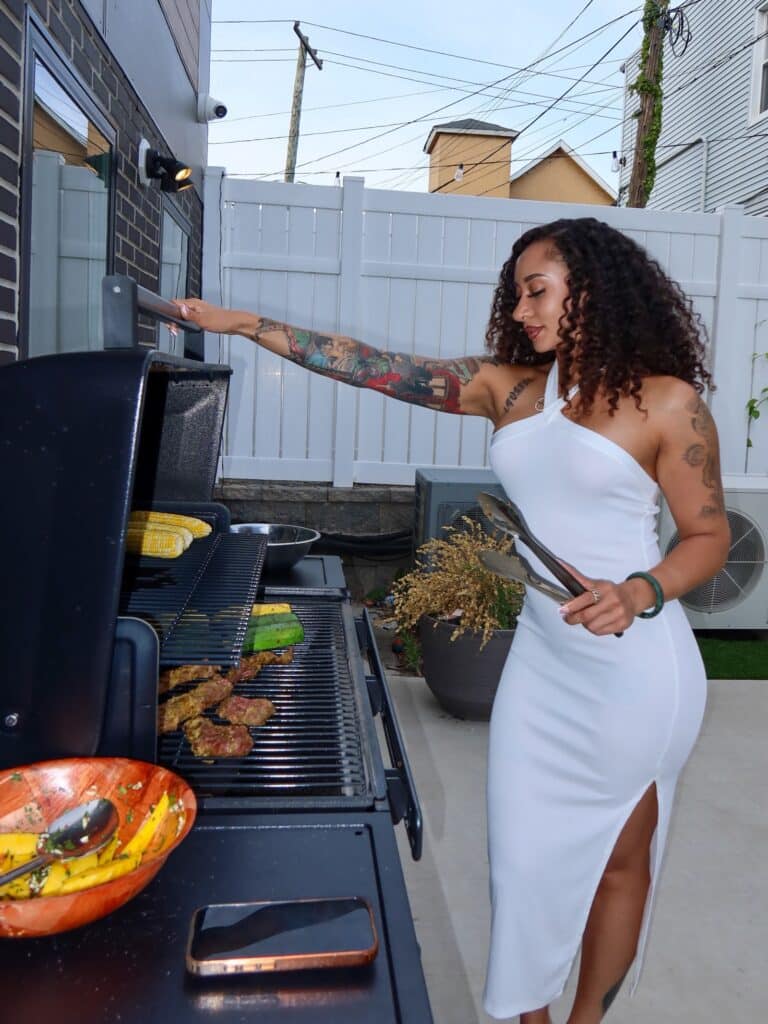
The next time you fire up your backyard cooker, adjust the vents on your smoker, or split a rack of ribs with your friends, remember that you aren’t just engaging in a weekend hobby.
You are participating in one of the oldest, most foundational cultural traditions in American history.
The modern backyard cookout might be significantly cleaner, quieter, and less politically volatile than the ones hosted by George Washington, but the core spirit remains completely untouched.
Barbecue is still about community, slow pacing, the transformational power of wood smoke, and the simple joy of gathering together under an open sky to argue, laugh, and eat with your hands.
Frequently Asked Questions (FAQs)
What did a typical 18th-century barbecue actually look like?
Forget modern backyard gas grills. An 18th-century barbecue was a massive, industrial-scale event. Laborers dug trenches several feet deep and up to dozens of feet long into the dirt.
Hardwoods like oak and hickory were burned down to red-hot coals in a separate zone, then shoveled continuously into the bottom of the trench.
Whole animals – like 150-pound hogs, sheep, and deer – were pierced with green wooden poles and turned over the smoky pit for 12 to 18 hours straight.
Who were the true masters behind these massive feasts?
While politicians took the credit, these culinary feats were driven almost entirely by the labor, craftsmanship, and specialized knowledge of enslaved pitmasters.
They were the true keepers of the fire who perfected the high-stakes techniques of heat regulation, wood selection, and mop-seasoning that laid the ultimate foundation for modern American barbecue.
How did the Founding Fathers use barbecue to win elections?
In early America, political campaigns relied on a practice known as “treating” or “swilling the planters with bumbo.” If a politician wanted votes, they were culturally obligated to feed the public until they were full and get them comfortably drunk.
- George Washington frequently used this strategy, once buying over 100 gallons of various alcoholic drinks and multiple whole animals to secure a local seat.
- When James Madison refused to provide free food and booze on principle during his 1777 campaign, he lost his election spectacularly.
Whole-hog pork (specifically young pigs called shoats) and lambs were the main attractions. There were no thick, sweet, molasses-based sauces. Instead, they used the sharp ancestor of
Eastern North Carolina sauce:
- The Base: Gallons of cider vinegar.
- The Spices: Coarse salt, black pepper, and crushed red pepper pods.
- The Sides: A thick, slow-simmered Brunswick stew bubbled in massive iron cauldrons alongside the pit, utilizing wild game (like squirrel and rabbit), leftover meat trimmings, and local vegetables to feed the crowds while they waited for the main course.
Early America was a highly segregated society based on class, but a barbecue pit temporarily shattered those rigid barriers. Because there were rarely enough plates or forks, a wealthy tobacco planter in a silk waistcoat would stand shoulder-to-shoulder with a poor dirt farmer.
They would share the same wooden bench, eat greasy pork with their bare hands, and argue passionately about the brand-new Constitution.
Did You Know?
The tradition of the Fourth of July cookout was born directly from this. In the early 1800s, Americans rejected formal, European-style indoor dinners in favor of populist, open-pit barbecues to celebrate their revolutionary spirit.
Featured image credit: @pinestrawmag
